Who is suggesting that the pill might protect women from cancer as well as from pregnancy?
The University of Aberdeen, which has been analysing results from the Oral Contraception Study set up by the UK Royal College of General Practitioners more than 40 years ago. There have always been concerns about the mass medication of healthy women, and it has more often been the risks and harms of the pill, rather than its benefits, that have been trumpeted.
So which cancers does the pill protect women from?
The pill protects women from endometrial cancer – cancer of the womb – ovarian and bowel cancer. That had been established. But this, the longest-ever study, says that protection lasts up to 35 years after women stop taking it, and that there are no other cancers connected to it in the long-term.
But doesn’t the pill increase the risk of breast cancer?
Yes, while taking it, but women on the pill are generally young and have a low risk of breast cancer, unless they have a family history. A small increase on a small risk is not much to worry about, and the increased risk disappears within five years of coming off the pill. There is also a small increased risk of cervical cancer, but that also disappears within five years of stopping.
Did the study discover anything else?
Yes. It found that women who take the pill are no more likely to get other sorts of cancers in later life than women who don’t. So, in relation to cancer, researchers say the pill is very safe in the long term.
What have other researchers found?
Researchers at Oxford University published a major review in 2008, which showed that the pill reduced the risk of ovarian cancer by 20% for every five years that a woman took it. Those on it for 15 years cut their risk in half. That’s an attractive idea, because ovarian cancer is not easily detected at an early stage, and kills two-thirds of those who get it. The Oxford scientists published in the Lancet, which ran an editorial calling for the pill to be available over the counter, as opposed to prescription-only, thereby “removing a huge and unnecessary barrier to a potentially powerful cancer-preventing agent”.
In 2015, the same team published a further review on the protection the pill provided against endometrial cancer. Protection lasted for at least 30 years, said Prof Valerie Beral. Women in their 70s were still being protected due to taking the pill earlier in life. “It is time to start saying that not only does it prevent pregnancy, which is why people take it, but you should know you are less likely to get cancer than women who don’t take the pill,” Beral said.
Why would the pill protect from cancer?
Female hormones are implicated in a number of cancers. The pill contains a low dose of the hormone oestrogen, which is linked to breast and cervical cancer, so it raises these risks, as does HRT (hormone-replacement therapy), which is given to women dealing with menopausal symptoms. But it also contains progesterone, which is known to be protective against endometrial cancer.
Aren’t there other risks involved in taking the pill?
Yes, although the NHS says they are small and that “for most women, the benefits of the pill outweigh the risks”. There is a slight increased risk of stroke because oestrogen can cause blood to clot more readily. In the leg, that can cause deep-vein thrombosis. Clots can also form in the lung or cause a stroke or heart attack. The NHS has a list of conditions that make taking the pill more risky, and says that if women have more than one of them, they should find another form of contraception. They include being over 35, being a smoker, being very overweight and having high blood pressure.
So does this mean most women should take the pill for a while in their youth?
If women want to use the pill to prevent pregnancy, the anti-cancer effect is an added bonus, and might make it a more attractive form of contraception. But no medicine is without any side effects at all, and for a small number of people, the pill is a more risky option.
The best way to protect yourself from any virus is to arm yourself with knowledge of how they operate inside you. Learn their survival mechanisms and vulnerabilities. There are more than 4000 known viruses. Scientists have argued whether viruses are even living beings.
From conception to death, proteins (amino acids) play a huge role in cellular health. Every living being is endowed with both external and innate protective mechanisms to ward off bacteria, viruses, fungi, and intruders. Indeed, pay attention to the protective protein coat that surrounds individual cells. And pay special attention to the enzymes that break down and repair amino acids. This is the key to all disease and a vibrant life.
Viruses invade a cell by changing the structure and permeability of the cell wall. Viruses can’t survive on their own—they must hijack a host cell, inject their own nucleic acid, and replicate themselves like an out of control copy machine. Viruses use a type of agglutinin (big word meaning a substance that glues things to itself) called hemagglutinin to bind themselves to sialic acid links on the surface of epithelial host cells. Once attached, the virus begins to alter the permeability of the host cell wall—it makes the cell wall soft, causes it to bend apart, and creates holes (pores) in the sialic acid links on the surface. Viruses enter the host through these pores to hide inside and evade the immune system. They do this by using an enzyme called neuraminidase. This particular enzyme can catalyze (break apart) sialic acid links on the host cell surface. These two important molecules classify viruses: Hemagglutinin (H) and Neuraminidase (N). Each virus has one type of H and one type of N. H1N1 for example, was responsible for the pandemic of 1918 while the swine flu pandemic was H2N2. As a virus mutates or jumps species, the H and N numbers change to reflect the shift. As newer, more virulent strains of viruses are formed, human antibodies against the older ones no longer recognize them and reinfection can occur.
Neuraminidase is a key player in the ability of the virus to enter and exit the host cell. This enzyme breaks apart chains of sugars and other glycoproteins. Mucin is a protective glycoprotein secreted in the mucus of the respiratory and digestive tract. The sugar molecules attached to mucins give them increased water holding capacity and make them resistant to digestive enzymes. The disruption or pore created in the chain allows the virus to escape the protective mucus fluid in the respiratory tract and travel via the spleen to the brain and other tissues. Viruses have evolved to use this enzyme to their advantage—neuraminidase prevents them from aggregating (sticking) to each other and being trapped in protective mucous.
A key player in virus prevention is the “Aquaporin.” Defined by the Farlex Medical Dictionary (link below): “A member of a family of trans-membrane channel proteins found in epithelial membranes that serve to regulate trans-epithelial water movement in tissues involved in body fluid homeostasis.” In other words, essential membrane proteins that tunnel into every cell, bring essential nutrients into every cell, and carry toxins out of every cell.
Ever heard of them? Doubtful. Are they important? Critical. Aquaporins are essential for cellular hydration and oxygenation. Hydrated cells protect against and remove toxins. Viruses in dehydrated cells have more time to multiply. And so it is with cancer. An external acidic pH, along with cellular dehydration, increased metabolism of sugar, and poor water perfusion—allow cancer cell invasion, replication, and metastasis. (Viral Infections are pH Sensitive; link below)
Neuraminidase inhibitors are effective treatments that work by reducing the fluidity of both the host and virus cell membrane; making it rigid and inhibiting the ability of the virus to enter the host cell. There are several herbal antivirals that are known to do this. Ginger, Rhodiola, Elder, Chinese Skullcap, and Licorice are neuraminidase inhibitors effective against both influenza A and B strains. (Buhner, link below)
A large part of your immune system is located in the gut—so proper digestion is critical. Digestive enzymes, hydrochloric acid, probiotics, and fermented foods are essential for gut health. Viruses, bacteria, fungi, and parasites are all made of protein. Protease enzymes digest protein membranes surrounding viruses, leaving them unprotected and vulnerable to destruction. The Herpes Zoster virus has been successfully treated since 1968 with enzymes and no side effects. The Medical Enzyme Research Institute found that enzymes significantly limit the progression of early stage HIV. In HIV positive patients— enzyme therapy can delay onset of the disease—sometimes permanently. (Enzymes for Life, link below)
Hydrochloric (stomach) acid not only breaks down food, but also kills pretty much every pathogen known to man. Proton pump inhibitors like “the purple pill” inhibit the production of stomach acid. This is counterproductive. Hydrochloric acid supplementation is necessary. Probiotics and fermented foods like kefir, Kombucha, and fermented vegetables contain live cultures that repopulate your gut with beneficial bacteria that restore a healthy microbial balance. Healthy digestion means your immune system can spend less time breaking down food for energy, and more time identifying and destroying pathogens.
Finally—one absolute superstar—Colloidal Silver. Colloidal silver was considered an essential part of the human immune system until the late 1930’s. Ancient Greeks lined water and wine urns with silver. The Romans made poultices for burns. American settlers put silver coins in milk and water to keep it fresh and kill germs. The expression “born with a silver spoon in their mouth” came from the time when wealthy people put silver spoons and silver pacifiers in their children’s mouth to protect them from the germs of commoners. In the bubonic plague of the 1400’s—wealthy people remained mostly unaffected. In 1920, Alfred Searle wrote a book, “The Use of Colloids in Health and Disease,” designed to help doctors understand the healing properties of colloidal silver. Good old Louie Pasteur turned humans against the essential protective innate mechanisms, and critically essential microbes that will soon be our only hope against mutant resistant pathogens.
We’re poised to come full circle. Everything new is simply well forgotten old.
Thomasina Copenhaver is a naturopathic doctor and registered nurse with over 30 years experience in the healthcare profession. Her passion is writing, researching, and empowering all humans with knowledge of healing at the cellular level; to enable them to make educated and informed choices regarding their health. For more information visit her website www.notesfromanaturopath.com or to buy her book, “Notes from a Naturopath” visit Amazon or Barnes and Noble.
Women who have taken the contraceptive pill are protected from some types of cancer for as long as 30 years after they stopped taking it, according to new research.
Those who have used the pill “during their reproductive years” are less likely to have bowel cancer, endometrial cancer or ovarian cancer than women who had never taken it, a study at the University of Aberdeen found.
Researchers also looked at the risk of all types of cancer in women who have taken the pill during their reproductive years and found it does not lead to new cancer risks later in life.
The results are the latest published from the longest-running study in the world into the effects of taking the contraceptive pill.
Established by the Royal College of General Practitioners in 1968, the Oral Contraception Study was set up to look at the long-term health effects of oral contraceptives.
The latest study, led by Dr Lisa Iversen, relates to 46,000 women followed for up to 44 years.
Iversen, research fellow in the Institute of Applied Health Sciences at the university, said: “Because the study has been going for such a long time we are able to look at the very long-term effects, if there are any, associated with the pill.
“What we found from looking at up to 44 years’ worth of data was that having ever used the pill, women are less likely to get colorectal, endometrial and ovarian cancer.
“So, the protective benefits from using the pill during their reproductive years are lasting for at least 30 years after women have stopped using the pill.
“We were also interested in what the overall balance of all types of cancer is amongst women who have used the pill as they enter the later stages of their life. We did not find any evidence of new cancer risks appearing later in life as women get older.
“These results from the longest-running study in the world into oral contraceptive use are reassuring. Specifically, pill users don’t have an overall increased risk of cancer over their lifetime and that the protective effects of some specific cancers last for at least 30 years.”
The study, which has received funding from bodies including the Medical Research Council, Imperial Cancer Research Fund and the British Heart Foundation, published its latest findings in the American Journal of Obstetrics and Gynaecology.
The agreement of the NHS to hand over patient information to the Home Office immigration authorities (Report, 25 January) fills us with anger and dismay. Patient confidentiality is one of the cornerstones of an ethical and effective healthcare system. That is why, in the absence of a court order, the NHS does not share even the address of a patient with the police or any other public body, except in the most serious cases of harm to the person, involving murder, rape or manslaughter.
There is an obvious asymmetry in adding immigration offences as the one further category where such information can be shared. It marks the intrusion of a political agenda into how our medical records are kept and safeguarded. It shows that NHS Digital cannot be trusted with our confidential information. While this decision affects only a small minority of patients, such an erosion of rights always begins with someone else but ends up affecting us all.
We are especially worried at the impact on trust in the NHS among migrants. They include people who have been tortured, or trafficked, people who have serious communicable diseases, people who have vulnerable dependents including children. The migrants affected by these measures retain the right to access a wide range of NHS services perfectly lawfully. But doctors can no longer provide the assurances of confidentiality they once thought they were able to. This is a further obstacle to confident healthcare access and will in our view cause harm both to individual and public health.
The review leading to this agreement was initiated in response to concerns some of us raised, but we were never given the chance to comment and discuss any proposed process of information sharing, its legal basis and its possible impact. A full consultation and proper scrutiny of this agreement are now needed urgently. We call on NHS Digital to suspend this service to the Home Office until a transparent and public review of its merits has taken place. Leigh DaynesDoctors of the World Yusef AzadNational Aids Trust Elizabeth CarlinBritish Association of Sexual Health and HIV Chloe OrkinBritish HIV Association Natika HalilFPA Martha SpurrierLiberty Genevieve EdwardsMarie Stopes International Phil BoothMedical Confidential Fizza QureshiMigrants’ Rights Network Jim KillockOpen Rights Group Sally DaghlianPraxis Gus Hosein Privacy International Judith Dennis Refugee Council Ian Green Terrence Higgins Trust
• If illegal immigration is such a serious crime that the government feels entitled to break the confidentiality of medical records, what about benefit fraud or driving when taking certain medicines, or being employed while suffering from certain mental disorders, or even being treated surgically if obese? Doing something about these could all be “in the public interest”, but the main effect would be to make very many people regard doctors as government agents rather than friends they can have confidence in. Immunisation and breast screening rates have already been affected in immigrant communities, and the road to hell is well known to be paved with good intentions. Perhaps doctors will have to go back to writing illegible notes on cardboard medical records if they are to be trusted by their patients in future? Dr Richard Turner Harrogate, North Yorkshire
• Join the debate – email guardian.letters@theguardian.com
• Read more Guardian letters – click here to visit gu.com/letters
Children who live with dogs and cats are less likely to develop allergies to those animals later in life, but only if the pet is under the same roof while the child is still an infant, a new study suggests.
June 13, 2011
sponsored stories
trending now
Getty Images
By Amanda Gardner
MONDAY, June 13, 2011 (Health.com) — Children who live with dogs and cats are less likely to develop allergies to those animals later in life, but only if the pet is under the same roof while the child is still an infant, a new study suggests.
Compared to babies born into cat-free homes, those who grew up with cats were roughly half as likely to be allergic to them as teenagers, the study found. Growing up around a dog reduced the risk of dog allergies by about the same amount for boys, but not for girls—a finding that mystified researchers. Being exposed to pets anytime after the first year of life appeared to have no effect on allergy risk, however, which indicates that timing may be everything when it comes to preventing allergies. Though they can’t say for sure, the researchers suspect that early exposure to pet allergens and pet-related bacteria strengthens the immune system, accustoms the body to allergens, and helps the child build up a natural immunity.
Related links:
“Dirt is good,” says lead researcher Ganesa Wegienka, Ph.D., summing up the theory. “Your immune system, if it’s busy with exposures early on, stays away from the allergic immune profile.”
This isn’t the first study to find that having a household pet may protect kids from allergies, but it is the first to follow children until they were 18 years old. Previous studies have had mixed results—some have even linked pet exposure during infancy to an increased risk of allergy—so it’s too early to recommend getting a dog or cat just to ward off allergies in your infant, says David Nash, M.D., clinical director of allergy and immunology at the Children’s Hospital of Pittsburgh. “In the end, we’ll probably find out that there are periods of opportunity when exposure to allergens, for some people, is going to have a protective effect,” says Dr. Nash, who was not involved with the new study. “But we’re a long way from figuring out who it’s protective for and when that optimal period is.” By the same token, don’t give away your beloved family pet because you’re concerned the critter will provoke allergies. “I would not get rid of my dog if I was having a child,” says Wegienka, an epidemiologist in the department of public health sciences at Henry Ford Hospital, in Detroit. “There’s no evidence that you should get rid of a dog or a cat.” Moreover, it’s possible that factors other than having a dog or cat in the house influenced the study participants’ risk of allergy. For instance, although the researchers took into account whether the children’s parents were allergic to animals, they didn’t ask about a broader family history of allergies or other health problems. So it could be that children who are genetically predisposed to animal allergies simply are less likely to grow up in homes with pets. In the study, which appears in the journal Clinical & Experimental Allergy, Wegienka and her colleagues collected information from 566 children and their parents about the kids’ exposure to indoor pets and their history of allergies. In addition, when the kids turned 18, the researchers took blood samples and tested them for certain immune-system proteins (known as antibodies) that fight off cat and dog allergens. The teenagers who lived with a cat during their first year of life had a 48 percent lower risk of cat allergy than their peers, and the teen boys who lived with a dog had a 50 percent lower risk of allergy. The authors suggest that infant girls may not develop the same immunity as boys because they may interact differently with dogs than infant boys, but that’s only a guess.
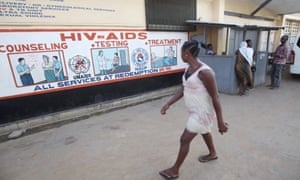
Urgent action is needed to help and protect girls and young women from Aids in sub-Saharan Africa, thousands of whom are still being infected with HIV every week, the UN says.
Many adolescent girls do not know they have the virus and do not seek help or get treatment because they cannot tell their families they have had a sexual relationship with an older man. The death rates among adolescents are high.
In 2015, 7,500 girls and young women aged 15 to 24 were infected with HIV every week. More than 90% of the adolescents infected in sub-Saharan Africa are girls. Between 2010 and 2015, the total annual number of new infections among 15- to 24-year-old women fell just 6%, from 420,000 to 390,000. The UN target to reduce that number to fewer than 100,000 a year by 2020 is way off track, says the latest report from UNAids.
Too little has been done to help girls protect themselves and stay well, according to Michel Sidibé, the executive director of UNAids. “Young women are facing a triple threat,” he said. “They are at high risk of HIV infection, have low rates of HIV testing, and have poor adherence to treatment. The world is failing young women and we urgently need to do more.”
A woman looks at posters displaying information about HIV and Aids at a hospital in Liberia. Photograph: Ahmed Jallanzo/EPA
Girls are particularly vulnerable in southern Africa because of their low status in a strongly patriarchal society. “Women’s and girls’ heightened vulnerability to HIV goes far beyond physiology: it is intricately linked to entrenched gender inequalities, harmful gender norms, and structures of patriarchy that limit women and girls from reaching their full potential and leave them vulnerable to HIV,” says the report.
Helping girls avoid HIV is hard because efforts must address the issues of gender imbalance and violence in societies, as well as poverty, which causes some girls to have relationships with men for money, says the report. Education is also important. Studies have shown that girls who stay in school longer are less likely to become infected.
The report says that a cycle of infection is taking place, which must be broken. Girls and young women are infected with HIV by older men. Men tend to acquire HIV later in life, from women who were infected when they were younger.
The good news from the report is that the numbers of people with HIV being put on drug treatment to keep them well has now reached 18.2 million, which is 3 million more than two years ago. UNAids says it is on track to meet the treatment target of 30 million people by 2020.
But preventing infection is proving more difficult. There were 2.1m new infections in 2015 – the same number as in each of the last three years and only slightly down from 2.2m in 2010.
Global HIV numbers
It was hoped that widespread drug treatment would make a difference to the numbers becoming infected. People who are on the drugs have a low level of the virus in their blood and are unlikely to transmit it to their sexual partners.
But many men are reluctant to go to health clinics and do not get tested, or if they do, they will not go on drug treatment until they actually fall ill, which could be months or years later. “Studies are showing that almost 61% of infections are caused by people who know they are HIV positive but they are not on treatment,” said Sidibé. While that is happening, he said, “how do we control the epidemic?”
Drug resistance is another issue highlighted in the report, which is published ahead of World Aids Day on 1 December. The basic drug combination – “first line” treatment – has become cheap, but the virus is adept at mutating. When people develop or pick up resistant strains of HIV, they need second- or third-line drugs, which are much more expensive. If resistance spreads, said Sidibé, the cost of treating millions of people with newer drugs will be prohibitive and make it impossible to end Aids.
“We need really to protect the drugs that we have. If not, we will have failed,” he said.
It’s the largest poisoning of a population in history (pdf). More than 20 million people are thought to be at risk of drinking water contaminated by arsenic in Bangladesh.
Arsenic occurs naturally in groundwater supplies throughout parts of Bangladesh, India and Nepal. It was first identified as a problem in Bangladesh in 1987, and concentration levels in some places exceed 50 milligrammes per litre (mg/l) – way beyond the maximum level recommended by the World Health Organisation of 10 mg/l.
Each year, an estimated 43,000 people die from arsenic poisoning in the country. The government has taken a number of steps and made policies to try to address the problem. But despite a country-wide campaign and social mobilisation activities by the government and NGOs (pdf), knowledge and awareness levels among communities remain far below expectations.
We know that there are cheap and potentially life-saving solutions to this problem. What we need to do now is promote these solutions, and increase access to them.
An invisible problem
Arsenic doesn’t change the taste or colour of water so the first problem we encounter is making people understand that it is present in their community.
From skin lesions, stomach cramps, diarrhoea and vomiting blood, to cancers of the bladder, lungs, skin and kidneys, the symptoms and effects of arsenic poisoning are debilitating and palpable. But without a proper diagnosis, often people do not know whether they are suffering from typical diseases or ones caused by long-term exposure to arsenic.
It is even more difficult, therefore, to make people realise that prolonged contact with arsenic-contaminated water may cause illness or even death. Liza Akhter, a 21-year-old girl in Bagerhat District, south-west Bangladesh, said to one of my colleagues: “The thing about arsenic is you get poisoned slowly, so you don’t know who has been affected around you already. Arsenic kills you every day, slowly.”
It is the poorest who face the biggest problems and those suffering from the symptoms of arsenic poisoning often find themselves in a vicious circle. Even though they may be suffering from multiple debilitating diseases, they often cannot afford to get treated.Many do not have enough land to install a water point so they are reliant on community points or the traditional untreated shallow tube wells. Often the roof of their home is not strong enough to support a rainwater harvesting system.
Those who are better off are more involved in the decision-making process and therefore have more control over where water is distributed. Very often, they can afford to install deep tube wells on their own land and access safe sources of water below the contamination levels.
So what can be done?
In affected areas Practical Action has been working to educate people about the symptoms of arsenic poisoning. We have provided testing kits so that people can check if their water supply is contaminated and, if need be, install arsenic-removal systems or look into alternative safe water supplies.
Arsenic removal systems, where contaminated water if filtered through four chambers, are one available option. Due to a lack of testing systems, however, households don’t often know whether the removal system is working properly. We also find that the distribution of these filters is usually done in an ad hoc manner through government projects or by NGOs.
The distribution of arsenic removal systems should be linked with suppliers to ensure post-installation services for repairing, replacing and changing the filter for long-term sustainability. Proper pricing plans are also essential for running a community-managed water point sustainably, and ensuring they are not abandoned due to financial problems.
Rainwater harvesting does offer an alternative, but a lack of rain and the deterioration of water quality and taste during the dry season make it less popular. Usually, the equipment is not cleaned properly before the monsoon season which means that the water can become contaminated, causing sickness and diarrhoea. Other alternative sources of water could be found through “conjunctive use”, where surface water is stored in a groundwater basin in wet years, and withdrawn in dry years.
Facilities to test water quality are also needed at home along with a national testing mechanism; science clubs in schools or laboratory facilities in colleges could even be explored for establishing such facilities. Most importantly, an integrated approach between the health and water sectors is needed for working with the communities in arsenic affected areas. We would also like to see government mapping of awareness levels among communities, as this is something we just do not know presently.
All patients suffering from arsenic poisoning – arsenicosis – have less capacity to work, their income reduces, and their households are gradually marginalised. The provision of safe water alone is not enough; proper treatment for arsenic poisoning is also essential.
We know that there are solutions, but we need to scale up this work so that the 20 million people in Bangladesh, and millions more in India and Nepal, who are at risk from arsenic poisoning, can at least take a drink of water without worrying it is killing them.
Join our community of development professionals and humanitarians. Follow @GuardianGDP on Twitter, and have your say on issues around water in development using #H2Oideas.
It is a scary time to be raising daughters. According to a study from NHS England last week, more than one in four women aged 16-24 now have a mental health condition. They are the most at-risk group for psychological problems, with three times more young women than men reporting symptoms of depression and anxiety. And in 2014, self-harming among young women was three times more common than it had been in 2007.
So what can we do to help ensure the mental wellbeing of girls? Here are 10 ideas from our team of experts.
1. Don’t add to the pressure school places on them
“Schools are under tremendous pressure to meet targets, and a lot of that has been passed on to parents,” says Sarah Kendrick of Place2Be, a charity that provides emotional support to pupils in schools. “And, of course, it’s important as parents to have expectations for our children. But home should be a safe place, a haven where children know they are valued for much more than their academic ability.”
2. Decide jointly on rules for phone and computer use
Instead of stressing about your daughter’s use of her mobile, think about how you use your own phone. “Girls sometimes describe how they’re trying to tell their mum something, and she’s not really listening because she’s checking emails on her phone – or it keeps buzzing the whole time with new messages,” says Jane Lunnon, head of Wimbledon High School for girls. “We have to role-model how to use technology in our own lives.”
Take on new challenges; show your daughter how to be adventurous
Parents need to lead the way by putting their devices to one side during conversations and at mealtimes. Have some rules on technology, but decide on them together, says Lunnon. “Talk to your children about what they think would work. That way, you’ll nail down rules they have a vested interest in and will want to keep.”
3. Take time out yourself
Remember to look after yourself and your own mental health. “Make sure you’re not living a totally stressed-out life,” says Mumsnet founder Justine Roberts, herself the mother of 17-year-old twin girls. “Daughters need to see their mums taking time out for themselves, getting enough sleep, and not spending the whole time in a frantic panic. And try not to go on about diets and food fads. It’s not good for teenage girls to see their mum preoccupied with all this – it will make them anxious about their own diet, which is the last thing any of us wants.”
4. Show them it’s OK to fail
Don’t forget to show them that failure is OK. Girls need to know that it’s fine to fail, that we all fail at times in our lives, and that what matters is not so much failure, but how you deal with it. “You don’t want failure to be this terrible thing that can’t happen,” says Roberts. “Take on new challenges; show your daughter how to be adventurous. And when something doesn’t work out – because not everything can – she can see you pick yourself up and carry on. It’s all about building resilience, which is the really important thing for our daughters.”
5. Hang out with them
Do nothing, and do it together. “The precious commodity of unpressurised time is the best thing you can give them,” says Roberts. “You’re letting them know that you’re hanging out with them just because you want to be with them. We’re all guilty of scheduling time and checking our watch, or trying to do two things at once, but there’s nothing that matters more than that time when you’re just together, without an agenda.”
6. Sit down together at meals
Try to make sure you all put away your phones and laptops and sit down together for a meal at least a few times a week to chat. If you can’t eat together, sit down and talk over a cup of tea. As Lunnon says, “The thing about social media isn’t just what they’re doing while they’re on it, it’s about what they’re not doing when they’re on it. And that includes time when they’re not chatting with their parents and their siblings, which they need to do.”
7. Listen carefully
Don’t let girls fend you off. “Sometimes, they will try to push you away or say they are not interested in talking about something, but you shouldn’t necessarily leave it at that,” says Dr Caroline Schuster, a chartered psychologist who works with children aged 11 to 18. “You need to get into a conversation with them about what the problem is. It’s important to listen carefully – this isn’t about you telling them how to cope, it’s about you listening to whatever the problem is from their point of view. Of course, you can put things into perspective, and that can be very helpful, but always remember to listen first.”
No problem, says Kendrick, is ever too small or too big to talk about. And whatever it is that’s troubling your daughter, don’t dismiss it as unimportant: if it’s important in her life, it’s important.
8. Muscle in on their media
Tune into their world, and raise questions about it. Go to see a film of their choice; browse the websites they are visiting; sit down to watch their favourite TV show with them.
“The important thing is to get a sense of the images, programmes and media they’re seeing, so you can start a conversation,” says Schuster. “It’s the conversation that’s important.” Be careful not to just dismiss everything they’re consuming: get them to think about the messages behind what they are watching. Why do the women in adverts, or on TV reality shows, look the way they do? Does it reflect real life? Guard against sexting disasters by talking about what’s acceptable to send.
“Tell your daughter, ‘Before you hit post, imagine everyone in your whole school is seeing this,’” says Roberts. Talk, too, about her right to privacy, and about the fact that she should never feel pressured to behave in a certain way or to interact in a certain way. Make sure she knows she can come to you and that there’s nothing you won’t be willing to discuss.
Withdrawal is the big thing to be wary of
Lunnon recommends being “quite draconian” on tech issues. “Remind your daughter that you pay for her mobile. If the boat hasn’t already sailed, before you buy her first smartphone, lay down ground rules: access in bedrooms won’t be unlimited, and parents must be allowed to check phones on occasion.”
Counter the heavily sexualised and pornography-influenced culture by injecting a bit of realism into their lives. “Promote really positive, non-physical, female role models,” suggests Lunnon.
9. Watch for signs of mental health problems
Look out for the warning signs of mental health problems. “Withdrawal is the big thing to be wary of, especially if a teenage girl is withdrawing from events that involve her friends,” says Schuster. “It’s normal for teenagers not to want to go to family events, but at that age their friends feel like the most important people in their lives, so if they’re not taking up invitations to go out to meet them, it’s a warning sign.”
So too, she says, are repeated stomach problems, as well as changes in appetite, behaviour, energy levels, sleep and academic performance. Several of these symptoms together can signal depression. If you have worries about your child’s psychological health, take them seriously.
10. Life should be fun
“We all need to remember that life is essentially fun, or should be,” says Lunnon. “Girls need reminding of that. Savour opportunities to laugh with them, and don’t take yourself too seriously – encouraging girls to laugh at themselves is important.” Doing fun stuff together as a family is brilliant for girls; it helps nurture the idea of the family unit, our little band against the world, and that’s important for their sense of identity.
Teenage girls talk about anxiety: ‘It’s always linked to failure’
Useful resources
• Young Minds, a charity committed to improving the health and wellbeing of young people, parents’ helpline: 0808 802 5544.
• The Mix, an online support guide for under-25s: themix.org.uk
• Beat, a charity supporting people with eating disorders, b-eat.co.uk
• What I told My Daughter: Lessons from Leaders on Raising the Next Feneration of Empowered Women, by Nina Tassler, Cynthia Littleton, published by Simon & Schuster.
• So Sexy So Soon: The New Sexualised Childhood and What Parents Can Do to Protect their Kids, by Diane E Levin and Jean Killbourne (Ballantine Books).
• Cinderella Ate my Daughter: Dispatches from the Front Lines of the New Girlie-Girl Culture by Peggy Orenstein (Harpercollins).
• Living Dolls: The Return of Sexism by Natasha Walter (Virago).
• Raising Girls by Steve Biddulph (Harpercollins).
Sexual pressure: How to keep your child safe online
Parents trying to protect their daughters from sexual pressures often don’t know where to start, especially as so many are totally unaware of the social media platforms their children are using. However, relevant and current support is easily available.
NSPCC research confirms that feeling pressured online is linked to low self-esteem. Its Share Aware campaign is an ideal way for parents to find out about different types of social media and to start talking to their children about sexual pressures from an early age. Two NSPCC films – I Saw Your Willy and Lucy and the Boy – are highly entertaining and, while produced for younger children, are also a great icebreaker with teenagers and can help to start much more serious conversations.
The Scottish national youth information service Young Scot is also extremely useful for parents. It is highly aware of the role that social media can play with peer pressure and staying safe, and it covers everything from sexting to revenge pornography. A live Snapchat movie, Bad Romance, which is aimed at educating young people on the signs of exploitation, is equally helpful to parents.
Brook, the leading UK sexual health and wellbeing charity for young people, believes it is vital for parents to build a trusting relationship with their children and keep an open-door policy so that children feel comfortable enough to approach them as soon as they have any concerns. However, because young people are often too embarrassed to speak to their parents about sex, they should be encouraged to speak to another trusted adult if needed. Brook’s site has information for young people on dealing with sexual pressure.
‘Use Wi-Fi security settings and do your homework on sexting, pornography and staying safe online.’ Photograph: DPA Picture Alliance/Alamy
Knowing what the pressures are means parents can help to protect their daughters better, especially if they understand the lives they lead online. There is no point in railing against your daughter’s online activities and making her feel isolated, as she is then less likely to confide. Use Wi-Fi security settings and do your homework on sexting, pornography and staying safe online. And always remain calm – you need to keep that conversation going. Joan McFadden
Hibiscus flowers are widely known for their tropical beauty. These large red, orange, pink, or yellow flowers can be worn in the hair or in bright leis around the neck. But many people may not realize that hibiscus also makes a wonderful tea. For example, hibiscus tea (or sour tea) is very popular in Mexico because it is medicinal, delicious, and easy to make.
Hibiscus tea has gained attention in the scientific community too. This is because hibiscus is rich in antioxidants, which protect against cell damage and heart disease, in turn. Considering the high prevalence of cardiovascular disease, hibiscus tea could be beneficial to many people who are interested in natural remedies for heart problems. In this article, I discuss studies, which have shown that hibiscus tea reduces high blood pressure and may lower the risk of cardiovascular disease. I also provide a recipe for making hibiscus tea.
The research
A study published in the Journal of Ethnopharmacology was carried out to determine whether hibiscus tea reduces blood pressure among patients at risk for heart disease. Researchers tracked the blood pressure of patients who drank hibiscus tea vs. patients who drank ordinary tea for 12 days. Results showed that patients who consumed hibiscus tea had significantly lower blood pressure than those who drank the ordinary tea. The investigators concluded that hibiscus tea is an effective natural remedy for reducing high blood pressure and for preventing future heart conditions.
Similarly, an investigation from the journal of Circulation demonstrated that daily consumption of 3 cups of hibiscus tea reduced the blood pressure of pre-hypertensive and mildly hypertensive adults. Therefore, incorporating hibiscus tea into a daily routine may protect against the development of hypertension.
Yet another article from the Journal of Human Hypertension reported that drinking hibiscus tea two times a day for a month lowered the blood pressure of patients with mild hypertension and type II diabetes. As such, consuming hibiscus tea is a natural medicinal approach to regulating blood pressure, particularly for people who are managing serious physical health problems.
Taken together, this body of research suggests that incorporating hibiscus tea into a regular dietary routine can reduce high blood pressure and may reduce the risk of heart disease.
Safety and doses
Hibiscus is generally considered safe when consumed as a tea. However, we need more research to determine the exact amounts that are safe for pregnant women, children, and people with liver or kidney disease. Additionally, an article from the journal of Phytomedicine pointed out that more research is needed to understand the long-term effects of hibiscus tea on heart health.
How to make hibiscus tea
There are several recipes for making your own hibiscus tea. Here is one that I like. Hibiscus tea is naturally sour, so you can play around with healthy ways to sweeten it, such as adding raw honey or organic coconut sugar.
References:
Faraji, M. H., & Tarkhani, A. H. (1999). The effect of sour tea (Hibiscus sabdariffa) on essential hypertension. Journal of Ethnopharmacology, 65(3), 231-236.
McKay, D. L., Chen, C. O., Saltzman, E., & Blumberg, J. B. (2010). Hibiscus sabdariffa L. tea (tisane) lowers blood pressure in prehypertensive and mildly hypertensive adults. The Journal of nutrition, 140(2), 298-303.
Mozaffari-Khosravi, H., Jalali-Khanabadi, B. A., Afkhami-Ardekani, M., Fatehi, F., & Noori-Shadkam, M. (2009). The effects of sour tea (Hibiscus sabdariffa) on hypertension in patients with type II diabetes. Journal of human hypertension, 23(1), 48-54.
Wahabi, H. A., Alansary, L. A., Al-Sabban, A. H., & Glasziuo, P. (2010). The effectiveness of Hibiscus sabdariffa in the treatment of hypertension: a systematic review. Phytomedicine, 17(2), 83-86.
Dr. B is a health psychologist who writes for the health and medical website pdrmed.com. She is an expert in the effects of stress and nutrition on mental and physical health. Follow: @pdrmed and Contact: drb@earthlink.net
TUESDAY, Sept. 27, 2016 (HealthDay News) — Growing up on a farm may help ward off allergies later in life, a new study suggests.
The study also found that women who spend their early years on a farm typically have stronger lungs than their suburban or city-dwelling peers.
Other research has suggested that exposure to germs and potential allergens in early childhood could protect people against allergies later. A team led by the University of Melbourne’s Shyamali Dharmage put this “hygiene hypothesis” to the test. Dharmage is a professor in the Center for Epidemiology & Biostatistics.
The team analyzed data from a survey of more than 10,000 adults in 14 countries in Europe, Scandinavia and Australia.
Nearly 64 percent said they spent their first five years of life in a rural village, small town or city suburb. About 27 percent lived in the city and about 9 percent grew up on a farm.
Kids who spent their early years on a farm were more likely to have had pets and older brothers or sisters. These kids also were more likely to have shared a bedroom but less likely to have had a close family member with allergies.
Though their study didn’t prove cause and effect, the researchers found that farm kids were less likely to have allergies, nasal symptoms or over-reactive airways as adults than people who grew up anywhere else.
Farm kids were also 54 percent less likely to develop asthma or hay fever and 57 percent less likely to have nasal allergies than city kids. Farm kids were also 50 percent less likely to have asthma than other groups.
The researchers noted that women in all 14 countries who grew up on farms had stronger lungs than those who lived in the city until 5 years of age.
The research was published online on Sept. 26 in the journal Thorax.
More information
The American College of Allergy, Asthma & Immunology provides more information on risk factors for allergies.
As the U.S. Drug Enforcement Administration (DEA) goes about its deliberate, unemotional process of turning the herb kratom into an outlawed substance, it is worthwhile to think about those who will suffer as a result of having one more aspect of their freedom removed.
An estimated 5.5 million Americans use kratom. We can only guess that half or more of this number use it as an alternative to various forms of synthetic pharmaceutical medicines. With the limitations the DEA has placed on doctors prescribing opioids, one might think that there would be some appreciation that Americans have found a safer, herbal helper for overcoming chronic pain and opioid dependency — a problem largely created by the pharmaceutical industry’s heavy marketing of opioids as minimally addictive pain relief in the 1990s.
And yet, the DEA has consistently portrayed kratom as a recreational drug, though it is hard to imagine a substance that is so unpleasant-tasting and inconvenient as kratom being as popular as this plant material is.
If kratom is to be considered a recreational drug, then perhaps we should view its sister herb coffee as a recreational drug, too.
One thing the DEA doesn’t seem to consider is that — although they proclaim that kratom has “no recognized medicinal uses”, many (most?) of those who consume it on a regular basis do so because, for them, it serves a medicinal purpose for them.
Most kratom consumers have tried the alternatives of modern medicines and found the side-effects intolerable, debilitating, and often deadly if one doctor prescribes a drug that shouldn’t be taken at the same time another drug that another doctor prescribes is taken.
In a random conversation as I was preparing this article, I mentioned opioid medications, and the woman I was buying my farm-fresh eggs from told me that one of her family members had died from an accidental overdose of properly prescribed opioid painkillers. Where is the DEA’s concern over those dangerous drugs?
The DEA evidently accepts deaths and disabling conditions caused by pharmaceuticals because the manufacturers have done extensive research (though much of it may be fraudulent ) and their paperwork appears to be in order.
You might say that, “Big Pharma has paid to play and kratom hasn’t, though considerable research exists and long historical use which vouch for kratom’s safety and medical benefits, although these have not been officially recognized by the FDA or DEA.”
And yet, the DEA goes to great lengths to accuse kratom of causing a few deaths — almost all of which occur in multidrug users who were taking substances known to cause death. Honest professional toxicologists have looked at these deaths and pointed out that in none of the cases was kratom found to be the actual cause of death.
But, if the DEA says so, to some official minds, it must be true. Federal rules require a suspension of disbelief, apparently.
Here, in the Real World, Real People will be hurt by an arbitrary ban on kratom and its key alkaloids, Mitragynine and 7-hydroxymitragynine.
The availability of opioid drugs, which have been the mainstay of the medical treatment for pain over the past 20+ years, has been drastically reduced — even to those who obviously have medically recognized painful conditions. This sudden cutback has caused many chronic pain sufferers to look for alternatives, which led many to kratom, where — by most reports — they found a better quality of relief without the disabling lethargy, constipation, and brain fog commonly caused by opioids.
Ah,but nevermind that the pain patient prefers this herb over all the medications they’re tried! The DEA knows best what’s good for you — or so we are expected to believe!
How the DEA’s intent to Criminalize Kratom Will Harm Innocent Consumers
The story of Brian Butts reveals the fallacy of the DEA’s argument, which has insisted that kratom and its alkaloids are a substance of abuse that millions are taking because it offers a “legal high” or is in some way as strong or stronger than heroin, morphine and the rest of the opioid family. The truth is quite different.
Brian was born with a recognized, painful medical condition — a birth defect that surgery can’t fix and physical therapy can’t remedy. He will always need something to help with the pain. He could have legally-prescribed oxycodone, but he prefers kratom’s unique ability to remove pain without any noticeable mental or physical side-effects. (Please read his brief testimonial and view the pictures of his painful natural deformity in the link above.)
The truth is very different than the DEA’s “spin” which is used to demean this useful and uniquely different herb.
This recent study from Columbia University puts the lie to the DEA portrayal that kratom is a substance of abuse that has no medical benefit.
The truth, which the DEA and FDA seem to be trying so hard to disguise, is that millions of kratom consumers simply prefer the quality of relief that kratom, a very complex and balanced mixture of alkaloids, delivers over expensive and ultimately debilitating pharmaceutical painkillers derived from the poppy plant.
Objective observers have tried kratom and found nothing like a “high” in the herb. See the link to Huffington Post article below.
Kratom has proven itself a threat to the continued profits of the pharmaceutical industry and also the alcohol industry. This is the “crime” that kratom represents — the crime of revealing that Nature has provided us with a superior product that consumers report replaces a laundry list of synthetic and overpriced drugs.
Why shouldn’t we have the freedom to choose what works best for us? With more than 100,000 of us dying each year as a result of taking pharmaceutical, FDA-approved drugs in U.S. hospitals under controlled conditions, it would seem that we take a far greater risk with pharmaceuticals than we do with kratom.
With most kratom vendors making no medical claims for their product, as dictated by FDA regulations, why shouldn’t Brian Butts and millions of others be able to obtain the pain relief that works best for them — from Nature?
Who or what is the DEA protecting? It doesn’t seem to be the public’s safety or quality of life.
Millions of Americans will be harmed if the DEA is allowed by Congress to proceed with its egregious and unprecedented scheduling of kratom and its alkaloids on or about October 1st, 2016.
Please contact the American Kratom Association to learn how you can help preserve your access to this traditional medicinal plant.
Author Paul Kemp has been covering the kratom story for several years. He believes herbs, real food, and exercise are the true sources of health.
Contact the American Kratom Association to learn how you can help preserve the legality and access to this unique botanical.
See this Huffington Post article where the author tested kratom, looking for the “high” the DEAclaims is there — and his comical experience
In the last hour our small team has received two phone calls from tenants desperate for help. One is a young mother of two children exasperated because she has been without any hot water for three weeks and the second is a tenant with water pouring into the bedroom every time it rains. In both cases their landlords refuse to do anything about it – and this is far from an exception.
As an environmental health officer, I work for a district council to uphold the health and safety of tenants in both private and social housing. Every day, frustrated and angry renters rely on us to step in and help. The demand for our help has increased substantially, but we face continual cuts. We have to make hard decisions about who to visit, because we simply don’t have enough people. And it’s worse from October and March, when the colder weather leads to a significant rise in complaints of cold, damp and mould.
My team should be growing to meet this demand, not shrinking. The shortage of social housing means many families with young children now have no choice but to rent privately. In the past 10 years the private rented sector has grown by 120% in my area – and one in three of these properties carry potential health risks. Poor maintenance is a common problem, leading to accidents, while cold and damp can both cause and worsen circulatory and respiratory conditions. I worry about how many young children will develop preventable, life-long respiratory conditions such as asthma this winter, which will prove costly to the NHS over their lifetime.
Many new landlords seem shocked when inspectors like me have the audacity to ask them to spend money making the property safe. There are now many such new landlords in the private rented sector who have been tempted by the “easy” money to be made, but who have little or no knowledge or understanding of their legal responsibilities.
As funding cuts bite further, more landlords will recognise the chance to get away with doing less than the bare minimum. Only this week two landlords admitted that they knew what they needed to do to their properties, but were waiting to be told by us to make improvements. Officers like me are increasingly frustrated at not being able to help the people who need it most.
Most of the tenants calling on our help live in solid brick houses that in our area are cheaper to rent but expensive to heat. I inspected a terrace property the other day where the tenant was putting a crippling £300 on their electric meter every month as well as falling well behind on their rent.
Worse still, we know that many tenants who have the audacity to complain to the council will instantly be given their notice by the landlord and told to leave, whether the complaint is justified or not.
Changes in the law have been made, but it is unlikely to encourage tenants to call us. The fear of the consequences will remain for a long time to come. Just one recent example was the tenant who had asked us for support to get improvements and as a result found his possessions out on the street.
You might well ask why we don’t prosecute more landlords who break the law, but prosecutions consume considerable resources that just don’t exist. And even when our prosecutions are successful, often they only result in very small fines. We have prosecuted landlords and will continue to do so, but the risk of being caught and levels of fines are not the deterrent that they should be.
With all the cuts and staff shortages, I just hope there are enough of us left to help when you or your family need us most.
This series aims to give a voice to the staff behind the public services that are hit by mounting cuts and rising demand, and so often denigrated by the press, politicians and public. If you would like to write an article for the series, contact kirstie.brewer@theguardian.com
Talk to us on Twitter via @Guardianpublic and sign up for your free weekly Guardian Public Leaders newsletter with news and analysis sent direct to you every Thursday.
Owen Smith, the contender for the Labour leadership, pledges support to National Health Service to promote his campaign on Monday. Speaking from the University of Salford, Smith said a 100% free public health service was an institution to be cherished and criticised Conservative party funding cuts
As portion of the petition towards FGM, Fahma Mohamed and fellow campaigners gather to meet Michael Gove earlier this 12 months. Photograph: Christian Sinibaldi/The Guardian
The failure of successive governments to protect vulnerable girls from female genital mutilation is an “ongoing national scandal”, according to a report by MPs published on Thursday.
The cross-celebration Commons property affairs decide on committee calls for schools to get rid of funding if their headteachers do not read through advice issued earlier this yr following a Guardian campaign.
Soon after hearing from victims, wellness and social employees, police and attorneys the MPs also explained there was a situation for emulating the French model by checking up regularly on at-danger youngsters,but they stopped quick of endorsing necessary gynaecological checks. It is estimated that 24,000 girls under the age of 15 are at danger of female genital mutilation in the United kingdom.
Keith Vaz, the committee’s Labour chairman, said victims had been badly let down. “FGM is an ongoing national scandal which is probably to have resulted in the preventable mutilation of thousands of ladies to whom the state owed a duty of care,” he said.
“Successive governments, politicians, the police, well being, education and social care sectors need to all share responsibility for the failure in recent many years to react adequately to the developing prevalence of FGM in the United kingdom.”
The MPs welcomed the determination taken by the education secretary, Michael Gove, to publish to all schools in England and Wales warning them of the dangers of FGM, following a Guardian-backed petition attracted more than 230,000 signatures this 12 months.
Even so, the committee members mentioned the Division for Training had to do a lot more to make sure teachers had been informed and need to send the guidance out once again.
The report stated: “To guarantee that the guidance has been looked at, the Division for Education should link the receipt of a proportion of school funding that relates to social training and youngster safety to the electronic notification that the guidance has been viewed.
“We further advocate that headteachers and little one safety officers, where they have not presently done so, undergo compulsory safeguarding education which specifically bargains with FGM.” The MPs also say:
• Any little one seen as becoming at danger of female genital mutilation must have that view regularly recorded in the child’s individual wellness record. Safety orders need to be introduced for individuals at danger…, as well as provisions to make certain women living in the Uk but with no British passports do not slip through the net.
• Much better solutions are essential for survivors, which includes refuges for ladies at danger of female genital mutilation.
• Failure to report female genital mutilation ought to be produced a criminal offence if reporting of the practice does not improve in the subsequent 12 months.
Keir Starmer, the former director of public prosecutions, mentioned the report was a considerable milestone for the campaign to end FGM. “The proposals are far-reaching and will want to be worked by means of, but the recognition that all companies have a duty for FGM prevention and reporting is considerable. Even though prosecutions right after the occasion send a quite crucial message, schooling and instruction to avert FGM in the first location is greater.”
Starmer extra that even though proposals to support victims better, such as anonymity, have been welcome “in the end, the greatest prospect of success in enforcing the law lies with proactive policing and intelligence-led instances”.
Campaigners largely welcomed the pick committee report but voiced aggravation with a lack of some specifics. Lisa Zimmermann, of Integrate Bristol, welcomed the proposal to make training of teachers compulsory. “We are thrilled by the report, education is definitely crucial in placing a quit to FGM – we just hope that the government now acts on these suggestions,” she said.
Efua Dorkenoo, director of the Finish FGM campaign at Equality Now and a long-time campaigner, stated the report was “extremely good” but could have gone additional.”To have the endorsement of the house affairs committee on this is really important and it is the most significant acknowledgement of the issue we have had so far from parliament,” she mentioned. “I would have liked for them to make the failure of pros to report FGM a crime, because there is nevertheless resistance between some specialists – the government wants to make the decision for them.”
Sarah McCulloch, who runs the grassroots anti-FGM charity ACCMUK, said: “The report is wonderful but for me it has failed to give recommendations as to what experts need to do or make the government supply funding for neighborhood groups to tackle the practice on the ground.”
Dr Peter Carter, standard secretary of the Royal School of Nursing, said the RCN was currently in the procedure of updating its personal guidance on FGM. “The report correctly identifies the need for education, advice and assistance to help health care workers talk about this issue with sufferers, determine these who are at chance of FGM, and get proper action,” he mentioned. “It is essential that this momentum is stored up, with improved coaching and help for employees, enhanced awareness, and prosecutions, to send the message that FGM has no place in the United kingdom, or any other society.”
Following holding six conferences with Hall of Fame Quarterback Warren Moon on athletic concussions from 1995 to 2008 I have named athletic concussions a ticking time bomb and undiagnosed health epidemic. I had a crisis of conscience in representing hundreds of NFL players who repeatedly were hit in the head in games and practice. I now believe that each time an offensive lineman hits a defensive lineman at the inception of each play it produces a low degree sub-concussive hit. A lineman who plays in higher college, university, and the pros may possibly retire with 10,0000 sub-concussive hits, none of which were diagnosed, none of which he is mindful of. The aggregate of these hits make brain injury significantly more serious than being knocked out three occasions. Prominent neurologists and researchers like Robert Cantu, Julian Bailes, Kevin Guskiewicz, Kristen Willeumier, and David Hovda report that three or much more concussions might lead to exponentially increased rates of Alzheimer’s, ALS, dementia, chronic traumatic encephalopathy and depression. This is diverse from other injuries. Brain function offers memory, judgment, and persona – what it signifies to be a sentient human being. That is why we are forming a new foundation, “Athletes Speak,” with players advocating awareness and prevention.
“I now think that every single time an offensive lineman hits a defensive lineman at the inception of every play it generates a reduced degree sub-concussive hit. A lineman who plays in substantial college, college, and the pros may retire with 10,0000 sub-concussive hits, none of which had been diagnosed, none of which he is conscious of. The aggregate of these hits produce brain harm a lot much more significant than getting knocked out three instances.” – Leigh Steinberg
The adolescent brain is at significantly increased chance than that of older players . The brain is nonetheless in the formative phases throughout the teenage many years. It will take an estimated 3 occasions longer for consequences from concussions to clear in this group. Actual brain advancement can be retarded. These youthful individuals are students who are nevertheless in the midst of their training. Gear at this degree can be much less than stellar. This is a group that needs specific protection.
A movement is growing across the country to safeguard youthful football gamers. Football is not the only make contact with sport and other athletes need to have protection also. Visionary California State Assemblyman, Ken Cooley, just proposed a law which passed the two houses limiting substantial college and middle school football practices. No complete speak to drills are permitted in the off-season and are limited throughout the season. Nineteen states have passed equivalent legislation and much more are pending. SMU Head Football Coach June Jones has a range of educating tactics that limit practice make contact with without impairing group achievement. He has not permitted tackling throughout pre-season for in excess of twenty many years, commencing with the Atlanta Falcons. The Sports Legacy Institute estimates that in higher school football, 60-75% of head trauma occurs in practice, not in video games. This contrasts with a lower charge in the NFL.
Former New Orleans Saints front office executive Terry O’Neil has founded a new movement, “Practice Like the Pros,” created to restrict get in touch with on large school practice fields. He has assembled a prestigious board with co-chairs, Ronnie Lott and John Madden, and has the assistance of NFL Commissioner Roger Goodell to actively push the initiative. There is even a LinkedIn LinkedIn Group, Mothers Against Concussions, raising awareness.
Terry O’Neil, founder, speaks at “Practice Like the Pros” 1st seminar in August 2013 (T&G Personnel/PAUL KAPTEYN)
Meanwhile the search for far more protective helmetry continues. Jenny Morgan, CEO of Tate Technology, has a promising coil and compression helmet style to attenuate the vitality force. A new head cap made by Noggin Sports activities can be worn under helmets to give much more safety. A selection of sideline units have been developed that can detect a sub-concussive hit in real time so an impacted player doesn’t return to perform. Medical professionals and researchers across the nation are racing for nutraceutical and pharmaceutical options to one) prophylactically help the brain be significantly less at-chance for concussion, two) stop the swelling at time of influence, and three) actually heal a brain which has been impaired. Dr. Jacob Vanlandingham has produced one particular novel answer. Dr. Daniel Amen and his associate Dr. Kristen Willeumier have had promising benefits for several retired gamers with the use of a hyperbaric chamber. Dr. Robert Stern, Ann McKee, and pioneering former football player Chris Nowinski have a promising examine at Boston University. There are a lot of heroes in this movement.
I adore football and consider it teaches life lessons and values. Self-discipline, teamwork, genuine time application of complicated plays, courage under pressure, resilience, and amazing camaraderie are all positive aspects. But if 50% of the mothers in this country understand the danger and forbid their teenage sons from playing, it poses an existential threat to football. The game won’t die, but the socio-economics of the players will change. The identical athletes who use a sport like boxing to escape financial situations, even being aware of the threat, will compose the majority of players. Football will never be damage cost-free, but we can act now to make it safer. Parenting is our most essential position on this earth – we need to have to safeguard the most vulnerable youth.
Twitter: @leighsteinberg Facebook: www.facebook.com/SteinbergSports Linkedin: www.linkedin.com/pub/leigh-steinberg/5b/188/647 Internet site: www.steinbergsports.com
Warm weekend weather could produce scenes like this along Britain’s coastlines Photograph: CHRISTOPHER PLEDGER
The survey of two,049 grownups, commissioned by Boots, discovered that parents are inclined to threat their own security when it comes to sitting in the sun though they go to great lengths to make positive their youngsters are protected.
More than a third of dad and mom usually make their young children dress in a hat in the sun, nevertheless only 10 per cent put one on themselves. A fifth of dad and mom maintain their young children out of the sun among twelve and 3pm – when the sun is most effective – but only ten per cent stick to this advice themselves.
The Skin Cancer Foundation advises that grownups who use sunscreen daily can significantly lessen their danger of developing melanoma, the deadliest form of skin cancer. It advises adults to “seek out the shade” in the course of the hrs of 10am and 4pm, avoid burning and cover up as much as possible.
Clare O’Connor, Boots United kingdom suncare skilled, explained: “Contrary to what most men and women believe, it is not just children’s skin that requirements specific attention when it comes to sun safety – adults’ skin demands protecting in the identical way – no matter whether that is by means of employing sun cream regularly, sporting a hat or basically keeping away from being out in the sun when it is at its strongest.
“We hope this research will prompt everybody – outdated and young – to consider in a different way about their UV safety this summertime.”
On Friday, a main research showed Large Street sun block creams from Piz Buin, Malibu and Hawaiian Tropic all failed skin safety tests.
Beth Warren outside the high court in London. Photograph: Ben Stevens/i-Images
A widow has won a high court battle to protect her late husband’s sperm.
Physiotherapist Beth Warren, 28, from Birmingham, challenged a storage time restrict imposed by the United kingdom fertility regulator.
She mentioned the limit meant she had small in excess of a year to conceive employing sperm her husband Warren Brewer, who had cancer and died aged 32 two many years ago, had placed in storage.
Warren, who utilizes her late husband’s very first title as her surname, asked a large court judge to determine no matter whether the sperm could remain in storage for a longer period.
Mrs Justice Hogg, who heard evidence at a hearing in the family members division of the large court in London in January, ruled in Warren’s favour on Thursday. Warren gasped when the judge announced her selection.
Troubling new analysis suggests that antioxidants—among our most cherished and heavily marketed of supplements—could be doing precisely the opposite of what they are marketed for. Alternatively of guarding towards cancer, antioxidant supplements may defend cancer cells from our body’s defenses.
A study published in the journal ScienceTranslational Medicine displays that in mice that previously have cancer, antioxidant supplements lessen action of a gene called p53, the function of which is to decimate defective cells, including cancer cells. With p53 tuned down, the quantity of tumors in the mice tripled, as did their development fee and aggressiveness.
Antioxidants are a assortment of chemicals that “mop up” totally free radicals, the byproducts of cell metabolism that are also reactive for their (and our) very own good. Cost-free radical reactivity in the physique can injury or destroy healthful cells, and in some circumstances catalyze cell mutations that become cancerous.
Vitamin E (Photo credit: theogeo)
Although there’s no query that antioxidants derived from meals sources play a essential role in trying to keep free radicals in check out, the latest examine calls into question high ranges of antioxidant supplementation. Between the most well-liked antioxidant dietary supplements are Nutritional vitamins E and C, and beta-carotene, the pre-cursor kind of Vitamin A.
The unfortunate mice in this examine have been given lung cancer and then handled with Vitamin E and N-acetyl cysteine (NAC), an antioxidant purported to treat persistent obstructive pulmonary disease (COPD). Exercise of the p53 gene in the mice decreased as the size, variety and aggressiveness of the lung tumors increased. The researchers employed a method known as “RNA sequencing” to deconstruct the effect of the antioxidants on p53, and concluded that Vitamin E and NAC each contributed to the gene’s ineffectiveness against lung cancer.
What’s even far more troubling is proof from the study suggesting that antioxidants have a stronger effect on p53 early in the tumor development cycle. Quoting from the review: “…antioxidants may accelerate the development of early tumors or precancerous lesions in higher-threat populations such as smokers and individuals with persistent obstructive pulmonary condition who obtain NAC to relieve mucus production.”
As with all animal research, it is essential to note that these results have yet to be studied in healthier human subjects, and there’s nothing in this study suggesting that antioxidant supplementation leads to cancer in humans.
But, at the quite least, the study does raise a red flag about taking massive doses of antioxidant dietary supplements to ward off cancer. And for men and women already in a high-chance group, such as smokers or these with a family members historical past of cancer, this study signifies that sticking with a wholesome diet rich in antioxidant sources (this kind of as blueberries, apples and green tea) and ditching the dietary supplements might not be such a bad notion.
You can find David DiSalvo on Twitter @neuronarrative and at his website, The Daily Brain. His most current book is Brain Changer: How Harnessing Your Brain’s Power To Adapt Can Change Your Lifestyle.