warning etiketine sahip kayıtlar gösteriliyor. Tüm kayıtları göster

18 Nisan 2017 Salı

The stiff upper lip: why the royal health warning matters

It was Diana, of course, who opened the floodgates of tears that swept away the notion of the British “stiff upper lip”. The public mourning at her death was seen as a turning point for a nation where emotional repression had been a point of pride. So it seems fitting that this week it is her sons, William and Harry, who are warning us that our emotional journey is not yet over.


Last week, Prince Harry described how he went for counselling after repressing his own grief over the loss of his mother led to a two-year period of anxiety, anger and “total chaos”. This week, his brother, the Duke of Cambridge, has gone on to warn in an interview that keeping “a stiff upper lip” should not be at “the expense of your health”.


More than 25 years since Paul Gascoigne’s famous tears during the 1990 World Cup made him a national hero, haven’t we moved on from this buttoned-up stereotype? From Barack Obama crying over the death of children at Sandy Hook to Vladimir Putin shedding tears at a victory rally, these days even world leaders are unafraid to show their emotions. Yet, as consultant clinical psychologist Sally Austen points out, such public weeping invariably takes the form of “tidy tears”. The emotion we accept, or even encourage, in public figures is still controlled. “To be with someone who is crying snot and choking on their sadness takes a level of courage for which we might not yet be ready,” she says.


For individuals, the terror that strong emotions will overwhelm us remains deep-seated. “The fears are underpinned by negative automatic thoughts; powerful, often unexamined thoughts that affect the choices we make, often without us even noticing. This leads us to worry that, ‘If I start crying I will never stop’ or, ‘If I cry my colleagues will lose all respect for me’, and even, ‘I can’t cry because I need to look after everyone else’.”


This can come at a cost. “People who might be classed as emotionally ‘strong’ – the stiff upper lipped – are more likely to end up with depression or PTSD than those who recognise their need to express their feelings,” she says.


It’s not hard to find pockets of nostalgia for the idea of a stiff upper lip in the UK, fuelled in part by a hankering for a time when boarding school-bred army officers were moulded to take charge of the empire. A recent Sky News article, for example, railed against “thin-skinned millennials” as it mourned the loss of the days when tough “ploughmen and labourers” were “led by youth from the middle and upper classes tempered and toughened in the forges of public school”.


The journalist Alex Renton, whose book about the dark side of boarding schools is titled Stiff Upper Lip: Secrets, Crimes and the Schooling of a Ruling Class, says this is what makes William’s words “stunning”. “Those three words are understood across the world to sum up a sense of British reserve and resilience and qualities that, to many people, are what made Britain great. It’s the core creed of the empire. The notion that the British were exceptional and the best rulers the world has known through the training of being tough and taking things on the chin is very strong. So it’s pretty revolutionary to have one of the titular heads of a nation say it’s not always a good thing and that speaking up might be better.”
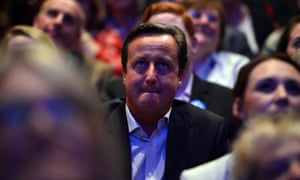


David Cameron fights back the tears listening to William Hague’s final speech as an MP in 2014


Keep calm and carry on: David Cameron fights back the tears listening to William Hague’s final speech as an MP in 2014. Photograph: Carl Court/AFP/Getty Images

Psychotherapist Philippa Perry says an old French and Saunders sketch neatly sums up the problem with the stiff upper lip. In it, a caricature of a “hunting, shooting and fishing” woman accidentally chops off her finger and, rather than crying, throws it to her nearby dog. When another dog starts barking for a similar treat, she cuts off another finger. This, says Perry, illustrates “how ridiculous it is not to listen to your feelings”.


“The stiff upper lip type thinks there are only two options,” she says. “Either you try to put [your emotions] in a box” or you “allow them to be the horses to your chariot – you are led around by them. Of course, there is a middle way – when you hear and listen to your feelings, and are guided, but not led by them.” This, she says, is the difference between allowing your emotions to “spill out everywhere”, and containing them.


By refusing to acknowledge our own emotions, Perry argues, we risk losing our ability to empathise with others. The long-term effects can be detrimental. Counselling psychologist Victoria Galbraith says: “There is still this idea that men need to ‘keep it together’. Suicide is much greater among younger men, which might be down to them feeling they have to keep these things to themselves. Having the opportunity to talk to people … I can’t overemphasise how positive that is.


“If we keep our emotions in, they come out somehow. That can be through poor physical health in time, or anger outbursts or taking things out on other people. It’s almost impossible for it not to have an impact – it’s about how soon we choose to engage with the emotions we experience.”


Linda Blair says she has noticed a change in the UK’s attitude in the near 40 years she has been a psychologist. UK patients were much more likely to be ashamed or defensive about seeking help, and saw it as being a “bother”. And, she says, there was a lingering feeling that men should not ask for help; where once only one in six of her patients were male, this is now around one in three.


But Blair does have a word of warning about letting everything hang out: we should think about who we are releasing our emotions on to. “We need to be sensitive. If someone is very stressed, dumping your problems on to them is not a favour. If you are meeting your best friend, say: ‘I know we are meeting for a fun lunch but I need to talk about a problem.’ We can’t lose our sense of community as we start being able to feel.”


Ultimately, however, she thinks the princes should be thanked for their intervention in reducing the stigma around showing your emotions. As she puts it: “Ugly feelings left unattended just fester.”
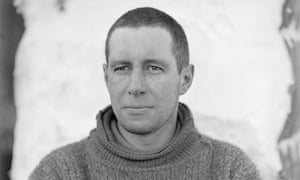


Captain Lawrence Oates


Captain Lawrence Oates: the epitome of British stiff upper lip. Photograph: Scott Polar Research Institute, University of Cambridge/Getty Images

‘I decided to give up crying’: Tim Dowling on his emotional journey


When I was a small boy growing up in the US, I was what was technically known as a cry baby. I cried over everything including, on many occasions, spilt milk. So prodigious was my ability to produce tears that other children used to take things away from me, just to see me cry.


Eventually, I realised this was putting me at a social disadvantage, so I decided to give up crying. It took years to learn how to choke off this particular emotional outlet, but I managed it. I figured, good riddance.


I suppose this was my version of the stiff upper lip – at the time, I thought I had invented it. It didn’t quite turn me into the confident, fearless person I hoped it might. I remained self-conscious, awkward and anxious. I just didn’t cry. There was only one thing left to do: I found an island nation over the sea where all the men were like me, and I moved there.


The earliest citations for the expression “keep a stiff upper lip” are actually from the US, but I won’t pretend I have ever considered it an American trait. I have never even really thought much about what it means. As an admonition, it seems a little wrongheaded; when you are on the cusp of betraying emotion, the lower lip is usually the first to go. It also seems to imply the presence of an enemy – perhaps somebody standing on the deck of a nearby frigate with binoculars trained on your face – who might take comfort from your weakness.


There is nothing wrong with prizing resolve, but the most famous examples of the stiff upper lip in action – think of Antarctic explorer Captain Oates leaving the tent and walking into the blizzard with the words, “I may be some time” – often seem more like evocations of futility. To remain calm in the face of a situation that warrants considerable panic is generally a sign that you are mentally unwell, or in shock, or both. Over the years, I have learned to avoid people who would have me maintain a stiff upper lip on their behalf.


I have also learned that most British traits come with a competing countertrait: they are the uncomplaining people who complain all the time; they have an intimate relationship with their weather, but they never, ever dress for it; the men aspire to stiff upper lips, but they are also happy to admit to deep insecurities; everybody spurns help in the first instance, but nobody likes to be thought of as well-adjusted. I love it here, I really do.


I do sometimes worry about raising three sons in a nation where the myth of the stiff upper lip still holds sway. I was conscious of trying not to dissuade them from crying when they were little, but of course one ends up doing it anyway. A crying child triggers a strong emotional reaction in a parent; it’s exhausting. Somewhere along the line, children have to learn the lesson about spilt milk.


What I can never do is create an emotionally appropriate world for my children to live in. It is how it is out there, and they learn more about how a young British man is supposed to comport himself from a one-hour bus ride than they ever will from me. We all figure out where and when we can let our guard down. There is a kind of resilience in just possessing that information.


That said, there are two lessons we can take away from the publicity created by William and Harry speaking out. The first is that if people habitually avoid displaying emotions, they can get into terrible mental distress without anyone else knowing about it, and that’s dangerous. The second is that if you don’t actually engage with your own emotions, like I stopped doing decades ago, you end up hauling them about with you like an overfull bucket. It’s time to stand up and be British: face your scary emotions squarely, with a stiff upper lip.


Samaritans is available around the clock, every single day of the year, to listen and offer confidential support. Phone 08457 90 90 90 or visit samaritans.org


The stiff upper lip: why the royal health warning matters

13 Mart 2017 Pazartesi

Warning: living in a city could seriously damage your health | Florence Williams

I recently spent some time walking around Washington DC, where I live, with an aethalometer sticking out of my shirt collar. I carried the device, which measures air pollution, around with me like a pet monkey as I walked in a city park, drove on the city’s circular beltway and picked up my kids from school. It was sadly eye-opening because it confirmed what I have long suspected: my city is a polluted place.


The monitor, borrowed from Columbia University’s Lamont-Doherty Earth Observatory in Palisades, New York, measures black carbon, a byproduct of car engines and other fuel- burning processes. Its name comes from the Greek word meaning “to blacken with soot”. And that’s exactly what happened.


The spindly machine measured high readings of 6,000 nanograms per cubic meter while I drove around, even during off-peak hours. More shockingly, I recorded equally high values just outside my daughter’s school, where cars and buses idle, waiting to pick up students. Much of the pollution there is generated by diesel fuel, which has been shown to shorten life spans around the world by causing cardiovascular and pulmonary problems. Worldwide, fine particulate matter, of which black carbon is a component, is blamed for 2.1 million premature deaths annually.


Scientists have long considered the lungs as vulnerable to air pollution. Only recently have they come to realise the role of the nose as a pathway to the brain; the extent of the nose-brain connection was only illuminated in 2003, when researchers in smog-choked Mexico City found brain lesions on stray dogs.


Unfortunately for city dwellers, the closer we live to these roads, the higher our risk of autism, stroke and cognitive decline in ageing, although the exact reasons haven’t been teased out. Scientists suspect it has something to do with fine particles causing tissue inflammation and altering gene expression in the brain’s immune cells.


“I hold my breath when I’m behind a diesel bus,” Michelle Block, a neurobiologist who studies pollution’s effects on microglial cells at Virginia Commonwealth University, told me.


Regardless of whether people know about pollution, its effects are being felt in other ways too. In one 2008 survey of 400 Londoners by economists George MacKerron and Susana Mourato at the London School of Economics, “life satisfaction” fell significantly – half a point on an 11-point scale – for each additional 10 micrograms per cubic metre of nitrogen dioxide pollution, also a common byproduct of diesel engines.


Because I am strangely driven to probe the unhealthy aspects of my life, I also walked around my city wearing a portable electroencephalogram (EEG) device on my head. I wanted to know how easily I could attain “alpha” brain waves (indicating a calm, focused state of mind) by walking in various parts of the city, including a park.


Research has shown that people who live in cities may suffer more psychological stress than people who live in rural areas. For a study published in Nature in 2011, Jens Pruessner and colleagues at the Central Institute of Mental Health in Mannheim found a 21% increase in anxiety disorders, a 39% increase in mood disorders and a doubled risk of schizophrenia in city dwellers. Urban living was linked to increased activity in the brain’s amygdala – the fear centre – and in the perigenual anterior cingulate cortex, a key region for regulating fear and stress.


Meanwhile, a 2011 study from Portugal found that people living near industrial “grey areas” reported less optimism. This may sound trivial, but optimism is associated with healthier behaviours (such as a willingness to exercise), lower levels of fat in the blood and mental resilience, or the ability to recover from stress.


I uploaded the data from my EEG to a California-based website that read it, fed it into an algorithm, and sent me back this dejected message about my lack of alphas: “This indicates that in this state you were actively processing information and, perhaps, that you should relax more often!”


Both my local park and my house sit under the flightpath of a busy airport, and noise pollution is yet another well-proven source of stress. I decided to measure the noise. This I did in my very own backyard, using an iPhone app. I found out that the jets flying overhead every two minutes cranked out average decibel levels between 55 and 60 but sometimes spiking much higher (60 decibels is high enough to drown out normal speech). These are the same levels linked to stress-related disease and increased use of anti-anxiety medication in European studies. I bought noise-cancelling headphones. And I thought seriously about moving to the Rocky Mountains.


But before we all ditch our cities to camp out in a hay bale, it’s worth remembering that there are some excellent ways to counter the ill effects of crowded, Euclidean, monochromatic, loud modern life. Because, let’s face it, there are still some rather nice things about living in cities. And the fact is, more and more of us live in them. Globally, as of 2008, more people live in cities than outside them. By 2050, another two billion people will pile in, leading one US anthropologist, Jason Vargo, to suggest a new name for our species: Metro sapiens. Learning to make cities livable will be one of the greatest public health challenges of this century.


One clear step is the need to tackle air pollution. Health experts in the UK recently suggested parents cover their babies’ prams during morning rush hour. A better solution would be to regulate the polluters. Paris, Madrid, Athens and Mexico City plan to ban diesel vehicles from city centres within the next 10 years.


Another antidote to noise, particulates and greyness is both delightful and affordable: trees. For humans, urban trees provide not just aesthetic pleasure but health benefits. Trees soak up air pollution, create cooling and provide a brain-tingling array of colours, textures and scents. The birds they shelter provide us with birdsong, which in turn is linked to feelings of wellbeing.


Consider the example of Toronto, Canada. The city values its 10m trees at C$ 7bn (£4.3bn). A 2015 study there showed the higher a neighbourhood’s tree density, the lower the incidence of heart and metabolic disease, and estimated that the health boost to those living on blocks with 11 more trees than average was equivalent to a C$ 20,000 gain in median income.


I hope to become so lucky, since Washington DC and partner nonprofits have been trying to plant at least 8,600 trees per year in an effort to increase the street canopy to 40% in the next two decades. New York City recently completed a campaign to plant a million trees, and Los Angeles, Shanghai, Denver and Dubai are in the middle of similar projects.


I envision soon nestling under a sprawling oak and removing all of my monitoring devices. It will just be me and the tree, and I won’t need a machine to tell me I feel better.


Warning: living in a city could seriously damage your health | Florence Williams

13 Şubat 2017 Pazartesi

Smog tips: what to do when there"s a pollution warning

In the UK, the department for environment, food and rural affairs issues daily alerts measuring air pollution levels. But when it comes to tips on how to respond, Defra confines itself to the slightly gnomic “reduce activity”.


So we asked a team of air pollution experts on the best ways to protect yourself when there’s a pollution alert in your city.


Exercise earlier – or do it indoors


The general advice, according to Frank Kelly, professor of environmental health at King’s College London is to “try to avoid exercising during a pollution episode. If you have to exercise, do so indoors.” As Ally Lewis, director of the National Centre for Atmospheric Science, points out though, the question of whether to “exercise, cycle to work or go for a run depends on the individual”. For keen runners, he says: “If you shift it to early in the morning, that would benefit anybody, because air pollution tends to build up with rush hour at about 7 or 7.30am. If you’re going to cycle to work, doing it an hour earlier, before pollution builds up, could have a significant impact on exposure.”


Pray for rain


“Particulate matter is removed primarily by rainfall,” according to Mark Jacobson, professor of Civil and Environmental Engineering at Stanford University. Don’t rush out as soon as it starts, though. “You have to wait a short while. If it’s moderate to high pollution and it starts raining, I would give it 60 minutes or so and then there’ll probably be quite a difference,” Kelly adds. If there’s wind and rain, even better.


Walk one street back


“Avoiding main arterial roads really does make a difference,” says Lewis. “Pollution drops away substantially when you’re walking one street back. If you look at the concentration gradient say, 20, 30, 40 metres away from a very congested road, it’s not like pristine air from the Atlantic but it will be two or three times less polluted. That’s a gain worth having.”


Use an app to avoid hotspots


Kelly recommends using “a travel app that gives you a lower pollution route choice”. King’s College have developed one for London and others are popping up, such as Plume, which covers more than 200 cities.


People wear pollution masks on a bus in China


‘Understand the extent of pollution at your location, where you live or work.’ Photograph: Kevin Frayer/Getty Images

Keep the windows closed


“It would be good to not open any windows,” says Kelly. If you’ve got a well-sealed house “there won’t be much pollution coming in from outside, but you’ve got to be wary of what you produce inside that can’t escape”. Anything that involves burning produces invisible particles and gases, so …


No fires inside


If cooking with gas, use an extractor fan, preferably with a filter. “That’s something we don’t do very well at all,” says Kelly. “If it’s a cold day, it would be bad to light a fire or wood stove inside the house.”


… including candles


The other big no-no. “Scented candles are very popular but they really can shoot the particle concentrations up quite a lot indoors,” he says.


Stay informed


“Understand the extent of pollution at your location, where you live or work,” says Kelly. Conditions are always changing, so use websites such as the one his team at King’s developed, or the Department for Environment, Food and Rural Affairs. You could also see what local sensors are saying.


Eat your greens


“Always try to eat healthily, including fresh fruit and vegetables. They help maintain your body’s antioxidant reserves, which are able to reduce the effects of any pollution you are exposed to,” Kelly says.


A 2015 study he co-authored compared diets among twins, and found that “those with the best lung function were the ones who consumed more vitamin E and vitamin C”. This complements previous studies pointing to a similar effect, although the evidence isn’t conclusive. However, it’s unlikely that loading up on supplements during pollution spikes will cancel your inflammatory response to noxious particles and gas.


The complex mechanics of antioxidant benefits aren’t yet fully understood, but the data suggests “that those people on very good diets which include a lot of different nutrients, working in combination with concentrations of antioxidants, were the source of the benefit”, he adds.


Guardian Cities is dedicating a week to investigating one of the worst preventable causes of death around the world: air pollution. Explore our coverage at The Air We Breathe and follow Guardian Cities on Twitter and Facebook to join the discussion


Smog tips: what to do when there"s a pollution warning

30 Aralık 2016 Cuma

Breast cancer warning over wine was worded poorly, says health chief

England’s chief medical officer has admitted she chose her words poorly when she told women they should “do as I do” and think about the risks of breast cancer every time they reach for a glass of wine.


Dame Sally Davies was accused of nanny state attitudes when she made the comments earlier this year to MPs at a science and technology select committee hearing.


Davies also set tough guidance which cut the recommended drinking limit to 14 units a week – the equivalent of seven glasses of wine – for men and women.


Dame Sally Davies.


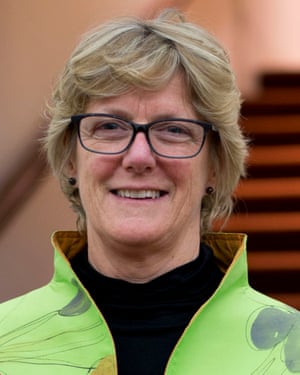
Dame Sally Davies. Photograph: Yui Mok/PA

But she used her guest-editing slot on BBC Radio 4’s Today programme to talk about alcohol with the wine writer Jancis Robinson.


Addressing her controversial comments, Davies told the show: “Let me start by saying I could have framed that better, couldn’t I, when I was in front of the select committee?


“And everyone knows, who knows me well, that I enjoy a glass of wine too. What I was trying to get over is: what is the low-risk guidance for drinking?”


Davies said she would be enjoying a glass of champagne on New Year’s Eve like many others, but warned there was a “straight line” in the relationship between drinking and breast cancer.


National guidelines aim to slash the risk of harm to just 1%, and the stark warning was targeted at those who were drinking so much they were endangering themselves, Davies said.


“And I think my job is to tell them the evidence. It is not to be nanny and tell them they must, but they do need to think about it.”


Davies also accused critics who have dubbed her Britain’s nanny-in-chief of being sexist. She said: “I think it’s very sexist. I’m the first female chief medical officer, the 16th – the post has been there statutorily for 168 years.


“Would they have called my male predecessors nannies, let alone nanny-in-chief?”


Breast cancer warning over wine was worded poorly, says health chief

28 Kasım 2016 Pazartesi

"Cold does kill": plunging UK temperatures prompt health warning

Low temperatures heralding the arrival of winter have prompted health officials to stress that cold weather can be fatal.


A widespread frost is expected and a new survey of highways bosses shows that councils have stockpiled 1.2m tonnes of salt to prepare for the months ahead.


Public Health England is advising people to prepare for the chilly snap, warning that “cold does kill”.


On Monday night most of England will see temperatures fall to -4C (24.8F), with London experiencing a potential low of -3C (26.6F).


A low of -5C (23F) is forecast for Scotland – but rural areas are likely to be even colder – while Northern Ireland will face temperatures of 0C (32F), with rural areas similarly expected to plummet lower.


Dr Angie Bone, from the extreme events team at PHE, said: “Cold does kill, even in places where the temperatures aren’t at their lowest. Now is the time to prepare for the cold weather forecast by the Met Office, and to think of those you know who are older, very young, or have pre-existing health conditions who are particularly vulnerable.”


Andy Page, the chief operational meteorologist at the Met Office, said: “High pressure will bring generally dry and settled conditions this week, with clear skies and light winds allowing a widespread frost to occur on Monday and Tuesday night.


“From Wednesday onwards, cloudier and slightly less cold conditions will arrive across northern England, therefore overnight frosts will become fewer and less severe in the north but cold weather may persist across the south where skies remain clearer.


“Looking ahead into December and beyond, there are indications that a cold start to winter is more likely than normal, but this doesn’t guarantee snow nor does it mean we won’t see spells of mild and wet weather at times.”


Meanwhile, the Local Government Association (LGA) annual winter readiness survey shows councils are well prepared for plummeting temperatures with a substantial stock of grit.


About half are at the limit of storage capacity, and the LGA said gritters will be out treating thousands of miles of roads whenever overnight temperatures drop below zero in the coming days.


Councillor Martin Tett, the LGA’s transport spokesman, said: “Councils are fully prepared to protect residents and minimise disruption … caused by the drop in temperatures. They are constantly monitoring up-to-the-minute weather reports to make sure they can stay one step ahead of the weather.


“We are well prepared for the cold, with 1.2m tonnes of salt stockpiled and a fleet of state-of-the-art gritters ready to be deployed.”


1 December marks the beginning of meteorological winter, which lasts until 1 February.


"Cold does kill": plunging UK temperatures prompt health warning

22 Kasım 2016 Salı

Bathtub of sugary drinks a year: cancer warning over teenage intake

British teenagers drink almost a bathtub full of sugary drinks each year, Cancer Research UK has said, urging the government to do more to improve children’s diets.


Children aged 11 to 18 consumed on average 234 cans of sugar-sweetened soft drinks each year, CRUK said.


It amounts to almost a bath full and is more than double the figure for children aged between four and 10, whose average annual intake is 110 cans.


The data stems from a report carried out by the government’s health department and the Food Standards Agency charting the population’s diet and nutrition.


The study found a drop in the amount of sugar-sweetened soft drinks consumed by children, with a more significant fall recorded in the under-10s than teenagers.


Despite the improving figures, CRUK said there was an urgent need to further reduce children’s intake of sugary drinks and threw its support behind government proposals to introduce a sugar tax.


“The ripple effect of a small tax on sugary drinks is enormous, and it will give soft drinks companies a clear incentive to reduce the amount of sugar in drinks,” said Alison Cox, director of prevention at CRUK.


“But the government can do more to give the next generation a better chance.


“The UK has an epidemic on its hands and needs to act now.”


Theresa May revealed plans in August to introduce a sugar tax aimed at tackling childhood obesity, tooth decay and type 2 diabetes.


The sugar levy was first unveiled in March by the previous prime minister, David Cameron.


The tax on drinks with more than five grams of sugar per 100 millilitres will be introduced in two years, despite strong opposition from the drinks industry.


Soft drinks giant AG Barr, maker of Scotland’s Irn-Bru fizzy drink, in September said the move towards sugar-free drinks followed “negative media coverage of the sector”.


Barr said the drinks industry’s own action to reduce sugar rendered the sugar tax “an unnecessary measure in the context of government health policy objectives”.


Only a handful of countries such as France, South Africa and Mexico have attempted such a tax.


Bathtub of sugary drinks a year: cancer warning over teenage intake

3 Kasım 2016 Perşembe

Health chief: obesity warning letters to parents must not be watered down

School letters sent to parents telling them their children are overweight should not be watered down despite widespread anger, the chief medical officer has said, arguing against the “normalisation” of obesity.


Dame Sally Davies was speaking as new figures emerged from the child measurement programme that showed levels of obesity among children are still getting steadily worse. Twice as many children – nearly 20% – are obese in year 6 as in reception, where 9.3% are obese.


More than one in five children start school either overweight or obese, and by the time they leave primary school, that is one in three. “What on earth are we doing?” asked Dame Sally.


“What worries me is how we have started to normalise it,” she said. “In my generation it was normal to see [children’s] ribs on the beach. That was healthy. How have we lost this national understanding of what is healthy and what is unhealthy?”


There were now size 16 mannequins in shop windows and fat can be beautiful, she said, but added: “It isn’t healthy. Here, we are talking about children and children can’t talk for themselves. They need to be helped.”


When children are measured in school and found to be overweight or obese, the parents received a letter from the school, advising them on where to get help and advice. Some become angry. Postings on social media urge parents to throw the letters in the bin.


But Dame Sally said the letters should spell out the problem. “I don’t think we should water down those letters,” she said at the Childhood Obesity Summit, held in London. “There was a move to stop them saying your child is obese because people felt it was offensive and went into denial. But it is a physical description.”


Work needed to be done on how to encourage people to take action. “It is a real worry to me,” she said.


Obesity is a very serious issue for the NHS, she said, costing £5.1bn in a single year in England alone. There were further huge costs to productivity and the economy. “We are spending more every year on the treatment of obesity and diabetes than we do on the police, fire service and judiciary combined,” she said.


She is concerned by the growing snacking culture, she said. “I was absolutely aghast to read about how crisp packet sizes have increased. Food is everywhere. We are doing much more snacking and eating out.”


People are grazing rather than eating regular meals around a table with others, she said. Teenagers who came to stay with her would be found at the fridge, snacking. “Snacking is now a £375bn industry worldwide.”


Dr Sarah Wollaston, Conservative chair of the parliamentary health select committee, deplored the omissions from the government’s childhood obesity strategy. “I don’t think we should consider what is in the national plan as the job done,” she said.


“It was particularly disappointing to see promotions and price promotions fall out of the original draft – 40% of everything consumed at home is bought on promotion. A staggering amount of that is unhealthy food and drink.”


The emphasis in the strategy is on industry reformulation of food – and particularly to remove 20% of sugar over time. Wollaston wanted to know what would happen to companies that did not take part.


“What should it look like if in a year from now nothing has happened or some sections of the industry have completely ignored this? What will be the penalty to stop sections of the industry going back to where it was before?”


Alison Tedstone, director of diet and obesity at Public Health England, said that removing 20% of sugar – 5% in the first year to August 2017 – from products was only the first step. Next year the government’s scientific advisory committee on nutrition would be reporting on saturated fat in the nation’s diet – which is also too high. PHE will then be talking to industry about reducing saturated fats and also calories in foods.


Health chief: obesity warning letters to parents must not be watered down

14 Ekim 2016 Cuma

9 Warning Signs of Thyroid Disease You Don’t Want to Ignore

Thyroid disease is an unavoidable statistic for 12% of the U.S. population at some point in their lifetime. Additionally, women are up to eight times more likely to develop the disease than men. Further, there are over 20 million Americans who have the disease and over 50% of these don’t even know they have it.


Much of the reason for missing the signals of thyroid malfunction is the fact that the warning signs are subtle and increase over time. Aches, pains, fatigue and other symptoms are often merely attributed to common ailments or aging. The root of the growing symptoms is often not discovered until damage has already been done.


Since the thyroid is a powerful a gland that has a major impact on well being and overall health, it’s important for you to recognize the warning signs early.


Important Signs of Thyroid Disease


1. Weight gain – If you’ve experienced unexplained weight gain or can’t lose weight no matter what you do, this may indicate that the thyroid hormone isn’t regulating your metabolism properly.


2. Heart palpitations and jitters – An imbalance in thyroid hormones can cause a person’s heart to race and cause unexplained jitters, like the hands shaking.


3. Increased perspiration and anxiety – This goes along with a racing heart and shakiness mentioned above. A break out in perspiration and increased feelings of anxiety are common signs of health issues associated with a thyroid condition.


4. Digestion problems – Irritable bowel syndrome and diarrhea-like bowel issues can result from hyperthyroidism.


5. Decreased energy levels – A very common symptom of insufficient thyroid hormones is the inability to have adequate energy to accomplish common tasks. No matter how much sleep you try to get, or how well you try to eat, you may always
feel exhausted.


6. Constant brain fog – Homeopath, Dr. Ami Sha states that, “Clinically brain fog is defined as a subjective feeling of confusion and lack of mental clarity.”


7. Depression – While depression can be attributed to many other issues, those who also experience a constant feeling of brain fog, also notice they increasingly become depressed. Associated symptoms of thyroid disease such as nervousness and anxiety that are related to hyperthyroidism increase the severity of feelings of depression.


8. Cold hands, feet & low body temperature – Do you usually feel cold and everyone around you doesn’t? This could be a sign of a poor performing thyroid. Dr. Amy Myers of the Austin UltraHealth Clinic says that having a body temperature consistently below 98.5 is definitely a sign of thyroid problems.


9. Dry Skin – A poorly functioning thyroid can cause skin to dry out, plus fingernails may become brittle with ridges appearing.


What to do?


If you’re experiencing any of these symptoms, it is wise to consult your doctor about your concerns. However, since signs of thyroid imbalance can be rather vague, many physicians merely order the standard lab panel which only includes the TSH and T4. This is generally not sufficient to determine the real problem with thyroid malfunctions, suggests Dr. Myers. As a world renowned expert in Functional Medicine, she suggests this additional panel that you can request from your doctor to determine the real issues:


  • Free T4

  • Free T3

  • Reverse T3

  • Thyroid Peroxidase Antibodies (TPOAb)

  • Thyroglobulin Antibodies (TgAb)

  • TSH

Dealing with a thyroid imbalance can significantly improve health and overall body function. It usually requires a multi-faceted approach that includes diet changes, a supplement regimen, healing your digestive tract, lessening the impact of stress and working with a knowledgeable healthcare professional who specializes in
thyroid and autoimmune disorders.


For more info about living toxic free, natural and green, visit us at WiselyGreen.com. Follow us on Facebook.


References:


MindBodyGreen


Hypothyroid Mom


Common Sense Home


9 Warning Signs of Thyroid Disease You Don’t Want to Ignore

13 Ekim 2016 Perşembe

Top Doctors Warning- Anyone Over 40 Should Stop Taking Ibuprofen Immediately

It seems common for us to be use ibuprofen for nearly every symptom like Headaches, toothaches, back pain. According many medical experts around the world claim that these drugs (nonsteroidal anti-inflammatory drugs, or NSAIDs), have serious side effects and are a major cause of drug-induced injury.


Ibuprofen doesn’t cure the pain and in the long run it is toxic to the heart muscle. In fact, using long period of time may even cause death.


More Harm Than Good


In 2005, the FDA issued a warning about ibuprofen, saying it significantly increases one’s risk of heart attack or stroke. Keep in mind that the FDA approves of some pretty terrible medications, but even they are raising a red flag when it comes to this over the counter drug. The organization has since emphasized the warning with the following information


-Ibuprofen significantly raises the risk of heart attacks and strokes, even after short term use.
-The risk increases with higher doses of NSAIDs taken for longer periods of time.
-The risk is somewhat higher for people who already have heart disease.


Additionally, the risk is much higher for people older than 40, and the chances for these people to develop heart problems are extremely high.


The Natural Alternative of Ibuprofen


Turmeric isn’t just a spice, it’s a natural medicine. In fact, it works better than drugs in fighting disease such as fatty liver disease, pain, arthritis, weight loss, depression and even cancer.


The active compound in turmeric is curcumin, it has analgesic properties. It reduce the sensation of pain by triggering a response in the opioid receptors in the brain. Unlike drugs, though, turmeric doesn’t cause addiction.


Homemade Turmeric Supplements


Ingredients:


1/3 cup organic, ground turmeric
big pinch of ground black pepper
3 tbsp raw, organic honey
1 tbsp melted coconut oil


Instructions:


-Mix all ingredients together in a bowl to make a paste.
-Take pinches of the turmeric paste and roll them into small balls.
-Place in freezer for about 1 hour and remove.
-Store in a glass container and keep it in your refrigerator.
-Take 2-3 a day.


Turmeric Drink


-In a glass mix 1 tbsp. turmeric powder, 1 cup of honey and the juice of 1 lemon.
-Add 1 of the mixture into a cup of warm water or tea 3 times a day.


Additional Sources:


1) https://dailyhealthpost.com


2) http://juicing-for-health.com


3) http://www.naturalhealingmagazine.com


More Articles:


Top Doctors Warning- Anyone Over 40 Should Stop Taking Ibuprofen Immediately

12 Ekim 2016 Çarşamba

15 Warning Signs Your Liver is Overloaded With Toxins

The liver is a vital organ that is essential to human health. It has 500 important functions but mostly it purifies your blood of dangerous toxins from the breakdown of food, air and water because if the toxins remained in your blood for any length of time, you would start to feel very ill very quickly.


The necessity for liver detoxification or detox, comes from the concern that toxins are accumulating in our bodies. So you need to be on the alert. The Centers for Disease Control and Prevention (CDC) estimates that the number of deaths from end-stage liver disease in the United States is currently between 30,000 and 40,000 annually.


15 Warning Signs of Liver Toxicity


-High Cholesterol
-Changes in the color of Urine and/or Stools
-Abdominal bloating
-Hormonal imbalances
-Brain fog
-Gall bladder removed
-Jaundice
-Chronic Joint or Muscle Pain
-Pain or discomfort over the liver
-Acid Reflux and Vomiting
-Feeling generally SICK
-Stiff, achey weak muscles
-Autoimmune diseases
-Dark spots on the skin commonly referred to liver spots
-Excessive perspiration


Three Juice Recipes That Remove Liver Toxins Naturally


Beet Juice


Ingredient:


1 beet
1 carrot
1 lemon, peeled
1 handful parsley


Instructions:


Run all ingredients through a juicer and enjoy.


Asparagus-Lemon


2 oranges
2 green apples
8-10 stalks of asparagus
A cup of cilantro
A squeeze of lemon juice
½-inch ginger piece
Serve chilled or with ice-cubes if desired.


Instructions:


Run all ingredients through a juicer and enjoy.


Cucumber Kale Detox


Ingredient:


1/2 cucumber
2 cups kale
1 lime, peeled
1 cup swiss chard
1/2 lemon, peeled


Instructions:


Run all ingredients through a juicer and enjoy.


10 Foods That Cleanse Liver Toxin Naturally


Lemons Juice
Eating Garlic
Yoghurt
Turmeric
Olive Oil
Onions
Green Tea
Beetroots
Grapefruit
Apples


Dandelion Root Tea Recipe For Liver Detox


Ingredient:


1 tbsp. *roasted dandelion root
1/2 tsp. *minced, fresh ginger
1 cardamom seed
12 oz. Water
Honey or sugar to taste


Direction:


Combine all ingredients except honey and bring to a boil. Continue boiling for five to ten minutes. Strain, add honey, and serve. Enjoy


Sources:


– http://positivemed.com


– http://www.youngandraw.com


– http://www.care2.com


Read More:


15 Warning Signs Your Liver is Overloaded With Toxins

13 Eylül 2016 Salı

Campaigners criticise UK government’s response to air pollution warning

Campaigners have attacked the government for rejecting calls by MPs for greater action on air pollution, as severe pollution episodes were predicted for parts of the UK this week.


MPs warned in April that dangerously high pollution in British cities was a “public health emergency”, and told ministers to take further measures, including more clean air zones and a diesel scrappage scheme.


In its formal response on Tuesday, officials claimed that the government was already spending heavily on cleaner transport and that it plans to consult on a framework for clean air zones later this year.


“We will introduce new, tougher targets which will drive down air pollution from all sources, reducing transboundary pollution and significantly reducing the number of premature deaths across the EU caused by poor air quality,” said the response.


The MPs had wanted all cities to be able to charge polluting vehicles instead of just the five which government is planning to allow. But officials responded: “Local authorities can take action as and when necessary to improve air quality and we encourage them to do so.”


“[The government] has established the UK as a global leader in ultra low-emission vehicles. We are one of the largest and fastest growing markets in Europe and last year around one in five battery electric cars sold in the UK was built in the UK”.


It also flatly rejected the idea of a diesel scrappage scheme: “We have considered the use of scrappage schemes … and have concluded that this may not be an appropriate and proportionate response.”


The publication came as the environment department warned of “very high” air pollution – the worst on the scale – in and around Hull on Wednesday, and “high” pollution across much of northern England. The health advice for very high episodes is for the entire population to reduce physical exercise outdoors, and for asthma sufferers and other vulnerable groups to avoid any exertion.


— Adam Vaughan (@adamvaughan_uk) September 13, 2016

If you’re in Hull tomorrow, try not to breathe the air. Yuck. Yet another e.g. of need for more air pollution action pic.twitter.com/MZ8eaR63tn


Health and environment groups reacted angrily to the government response, saying plans to reduce UK pollution were “inadequate” and “in disarray”.


“Despite the mounting evidence of the dangers people face having to breathe our illegally dirty air, the government is refusing to take the bold action needed to cut the 40,000 early deaths from air pollution each year in the UK,” said a spokeswoman for Friends of the Earth.


Bridget Fox, transport campaigner at Campaign for Better Transport, said: “It’s clear that the government’s rhetoric on tackling lethal and illegal levels of air pollution is still not matched by action.”


In mid-October, judges at the high court will consider a legal challenge against the government’s pollution action plan by the environmental law firm, ClientEarth, which last year won a victory in the supreme court against the government on its failure to meet EU air quality limits.


But David Cameron’s former energy and environment adviser said continuing legal action was unhelpful. In an article on the Green Alliance thinktank’s blog, Stephen Heidari-Robinson said that: “[court action] focuses on compliance with EU standards for just one pollutant, rather than addressing the problem holistically to save lives”.


“Worse, it encourages the belief that Brexit can simply sweep away the problem (it can’t). Second, it sets up a zero sum game – ban cars, save lives – when, to solve the problem with the consent of the population, we need to improve air quality and maintain mobility. And, third, it scares the hell out of officials who might end up in court and diverts their attention towards feeding the legal document monster.”


In a statement ClientEarth chief executive, James Thornton, said court action was a last, but necessary, resort. “It is necessary … particularly when tens of thousands of lives are at risk because an intransigent government persistently fails to comply with the law, which is where we find ourselves on air pollution in the UK.


“What sort of democracy would we be living in if we as citizens have to comply with the laws put in place by government, but ministers can ignore them when they feel like it? Many autocrats enjoy such an ability to ignore the law. But since Magna Carta, we have committed to live under the rule of law, government and citizen alike.”


Campaigners criticise UK government’s response to air pollution warning

23 Ağustos 2016 Salı

Seven-day NHS: Labour demands inquiry as leak reveals crisis warning

Labour is demanding an inquiry into revelations that senior civil servants fear the government’s push for a “truly seven-day NHS” may be derailed because it faces staffing and money problems.


Tom Watson, the party’s deputy leader, claimed that leaked Department of Health documents obtained by the Guardian and Channel Four News showed Jeremy Hunt had misled the public by pushing ahead with expanding the NHS in England despite his own mandarins’ concerns.


“Leaked secret papers show that junior doctors’ concerns were right. This warrants an inquiry. Hunt misled the public,” Watson tweeted in response to the disclosures, which have prompted renewed scrutiny of a policy that the Conservatives have pledged to deliver in full by 2020.


Senior Tories have responded to the publication of the department’s own risk assessment of the seven-day plan and other papers by making clear that they share the civil servants’ previously private worries.


Dr Dan Poulter MP – who until last year was a health minister alongside Hunt and is also an NHS doctor – tweeted his view that the documents constituted “a warning of the dangers of putting soundbites ahead of properly costed and resourced plans for our NHS”.


Dr Sarah Wollaston MP, the ex-GP who chairs the influential Commons health select committee, tweeted: “Cannot keep piling ever greater responsibilities on to an overstretched service without realistic resource and workforce to cope.”


In a swipe at Hunt she added: “Expect problems when thin evidence is used to bolster an under-resourced political objective instead of policy following the evidence.”


Diane Abbott, the shadow health secretary, said: “This is a scandal. The government is undermining the NHS with plans it knew to be unworkable. I will be writing to Jeremy Hunt to ask him to explain why [he] has contravened his civil servants’ advice and to ascertain whether he has misled parliament.”


Professor Jane Dacre, the president of the Royal College of Physicians, also warned that the drive to expand medical services at weekends was unrealistic because of the NHS’s worsening shortage of doctors, which is leading to more and more gaps in rotas and expensive use of locum medics.


“At the moment we are struggling to deliver care over five days, so to extend that to seven days and expect doctors to be able to provide high quality of care is not realistic. Doctors are working hard and they want to do the best they can for patients, but it is difficult to deliver the quality of care needed seven days a week without extra people to deliver it”, she told C4 News.


“There are just not enough doctors available to run a seven-day service at the moment. We all want to provide better patient care but to provide a seven-day service in our hospitals we need more doctors, and probably more nurses too. We also need pharmacists, occupational therapists and physiotherapists working at weekends as well.”


Hunt has made clear he expects the NHS to fund the expansion of services that he wants by 2020 from within the £10bn rise in its budget it will receive by then.


However, health experts such as Nigel Edwards, chief executive of the Nuffield Trust think-tank, have made clear that with the £10bn only bringing a 0.9% annual increase in NHS funding, the entire amount will be needed to help the service cope with growing pressures, and it will not cover the costs of having more doctors on duty in hospitals and GP surgeries by the end of this parliament.


Seven-day NHS: Labour demands inquiry as leak reveals crisis warning

8 Ağustos 2016 Pazartesi

Measles warning to young people at festivals after series of outbreaks

Young people planning to go to festivals or other mass events are being warned to make sure they have been fully vaccinated after a number of measles outbreaks.


Public Health England says anyone visiting a music festival should ensure they have had two shots of the measles, mumps and rubella (MMR) vaccine. Some younger people may be at risk because they were not vaccinated as small children, after the scare generated by the suggestion of the now discredited scientist Andrew Wakefield that there was a link between the vaccine and autism.


There has already been an increase in measles cases this year, with 234 confirmed between January and June, says PHE, which has to be notified of every case. That is a more than fourfold increase over the 54 cases in the same six months last year.


Festivals have added to that. There have been 36 suspected measles cases in young people who attended events in June and July. Glastonbury – the biggest music festival of the year – had the most cases, at 16. There were seven cases reported from the NASS festival near Bristol; six at the Triplicity festival in north Devon; three at Tewkesbury medieval festival; two at Nozstock: the Hidden Valley in Herefordshire; two at Noisily in Leicester; one at the Secret Garden Party near Huntingdon; and one at Yeovil Show.


At least three of the cases were people who had measles symptoms but decided to go to the festival anyway rather than staying at home.


PHE is anxious to avoid further spread at festivals and gatherings where thousands of young people are in close contact and some may be susceptible to infection. Measles can be more complicated in teenagers than in small children.


“Measles is a highly infectious viral illness that can be very unpleasant and sometimes lead to serious complications,” said Dr Mary Ramsay, PHE’s head of immunisation.


“So if you think you might have measles, please don’t go to any of these big events. Measles isn’t common these days because most of us are vaccinated, but young people who missed their MMR jab as children are vulnerable, especially if gathered in large numbers at an event.


“If you think you’ve got it, call your GP or NHS 111. Please don’t turn up at the surgery or at A&E as you could infect other patients.”


Measles commonly causes diarrhoea and vomiting, which can lead to dehydration, earaches, conjunctivitis, fits caused by fever and pneumonia or bronchitis if the infection reaches the lungs.


Very rarely it can lead to serious eye disorders and even a fatal brain complication years later. Before vaccination, it was a regular killer. In 1941, there were 1,145 deaths from more than 400,000 cases. In 1998, the year in which the Wakefield paper was published in the Lancet, there were more than 3,700 cases and three deaths. In 2013, the latest year with published figures, although they are incomplete, there was a surge to 6,102 cases because of the Swansea outbreak – in an area of Wales where many parents had opted not to vaccinate their children – but only one death.


The MMR vaccination rate fell slightly in 2014-15 to 92.3% of eligible children. The previous year it was 92.7%, the highest rate ever achieved. But the overall figure obscures the problem of low vaccination rates in specific regions. In some places, less than 80% of children were vaccinated.


Anxieties about the vaccine have led to outbreaks in the US as well. In 2014, there were a record 667 cases, according to the Centers for Disease Control and Prevention. A substantial number of those were among the unvaccinated Amish communities in Ohio.


Last year there was an outbreak in California among children whose parents had refused to have them vaccinated, which began when somebody with measles visited Disneyland – another place where there are mass gatherings.


Measles warning to young people at festivals after series of outbreaks

15 Aralık 2015 Salı

ten Warning Indications of Gluten Intolerance That Most Men and women Disregard

What Is Gluten?


Gluten is a sort of protein located in grains, like wheat, barley and rye.


Gluten Intolerance?


Gluten sensitivity or intolerance is a situation that leads to a man or woman to react after ingesting gluten, a protein identified in wheat, barley and rye. Gluten triggers an autoimmune response in the entire body which damages the tiny intestine. It is been explained that the huge bulk of individuals who have a gluten intolerance will by no means be diagnosed and that as much as 15% of Americans have some kind of gluten sensitivity or intolerance, if not celiac condition.


ten Indications of Gluten Intolerance That Most Folks Disregard


Mouth Ulcers
You know those small, round sores that occasionally develop in your mouth? Nicely, these are named mouth ulcers, and can be triggered by many distinct factors, ranging from emotional tension, to fungal infections, and in some circumstances celiac disease.


Fibromyalgia
Some medical professionals believe fibromyalgia is a symptom, not a illness. Irritation of the connective tissue is a single of the strongest symptoms of a gluten intolerance. Primarily, the body thinks gluten is an enemy and will send out antibodies to ruin it.


Excess weight Loss
Fat loss may arise in the two adults and young children with celiac condition, regardless of obtaining a normal appetite. This is because even tiny quantities of gluten result in damage to the lining of the intestines, resulting in malabsorption.


Infertility
When a person who is gluten intolerant eats gluten, they place their entire body in an inflamed state, this can make it much more difficult for them to contribute to reproduction whether male or female.


Inflammation
Irritation, swelling or ache in your joints this kind of as fingers, knees or hips. Swollen and agonizing joints, specifically including the fingers and knees, might be indicative of a sensitivity to gluten.


Joint ache
Gluten contamination triggers an inflammatory response in the physique. That inflammation will make itself identified in different methods. Joint ache, frequently misdiagnosed as rheumatoid arthritis, is a extremely frequent symptom of gluten intolerance.


Chronic fatigue
Like migraines, continual fatigue alone is not a powerful indicator of gluten intolerance. It’s become a clearer symptom when mixed with gastrointestinal difficulties, especially frequent diarrhea. If the body is not absorbing nutrients and important nutritional vitamins, fatigue is positive to get more than.


Lower Immunity
Lower immune perform can be unsafe and lead to a higher risk for illnesses like colds and flus. Study has shown that celiac illness can cause malnourishment, which can end result in reduced immune function.


Keratosis Pilaris
Also known as “chicken skin” that is typically located on the backside of the arms and thighs. It is a consequence of fatty acid deficiency, which is induced by gluten damaging the gut.


Hormone Imbalances
Different hormonal problems may possibly occur as a result of a gluten intolerance. Infertility and irregular menstrual cycles are sign of gluten intolerance.


Added sources:


livestrong.com, healthtipsportal.com, dailyhealthpost.com


Also study:


ten Warning Indications of Gluten Intolerance That Most Men and women Disregard

15 Eylül 2015 Salı

18 Warning Indications Of Cervical Cancer You Need To Observe

Each yr 1000′s of American women are nevertheless affected from cervical cancer. It occurs in the cells of the cervix, the reduce component of the uterus that connects to the vagina. It is estimated, approx 13,000 new circumstances of cervical cancer are handled each yr.


For women, cervical or cervix cancer can be deadly. Although statistics about this cancer is frightening, cervical cancer can be prevented, and taken care of if caught early.


At times there are no signs with early stage cervical cancer. Symptoms frequently seem after the tumour grows into surrounding tissues and organs.


The indicators for cervical cancer might not be as apparent or apparent as breast cancer but there are methods to observe the indications.


Pay a visit to gynecologist quickly if you observe these signs and symptoms-


Some acknowledged symptoms linked with cervical cancer


Light bleeding between or following periods
Menstrual bleeding that is heavier than usual
Bleeding soon after intercourse, douching, or a pelvic examination
Pain in the course of sexual intercourse
Bleeding soon after menopause
Increased vaginal discharge
Constipation
Blood in your urine
Reduction of bladder handle
Swelling of one of your legs
Back discomfort brought on by swelling in your kidneys


Indications of superior stages of cervical cancer


Bodyweight loss
Diarrhea
Loss of appetite
Back soreness
Rectal bleeding
Tiredness and a lack of vitality
Leakage of urine or feces from the vagina
Bone fractures


Prevention ideas of cervical cancer 


-Carotenoids, a source of vitamin A, fantastic for preventing cervical cancer threat. Consume fruits, veggies, also contain orange foods this kind of as carrots, sweet potatoes, pumpkin, and winter squash in your diet.


-Research suggest that food items wealthy in folate (vitamin A) also lessen the chance of cervical cancer. Food rich in folate are Avocados, Lentils, Orange juice and Strawberries.


-Quit smoking and stay away from 2nd hand smoke.


-Typical cervical screening is the very best way to identify abnormal alterations in the cells of the cervix at an early stage of this deadly disease.


Sources and reference of this write-up consist of:


http://www.top10homeremedies.com/news-information/10-warning-indicators-of-cervical-cancer-you-must-not-ignore.html


http://www.healwithfood.org/cervicalcancer/


https://www.bupa.co.uk/wellness-information/directory/c/cervical-cancer


18 Warning Indications Of Cervical Cancer You Need To Observe

8 Ağustos 2014 Cuma

Warning: Neck Changes Might Lead To Stroke

Following a neck adjustment — also recognized as cervical manipulative treatment and typically employed by chiropractors and other healthcare providers — men and women are at enhanced chance for cervical dissections (tears), which can lead to stroke, according to a scientific statement released by the American Heart Association/American Stroke Association. Despite the fact that a lead to-and-impact connection is far from being proved, the groups say that healthcare providers ought to inform their sufferers about the association prior to starting up the procedure.


“Most dissections involve some trauma, stretch or mechanical stress,” mentioned José Biller, lead writer of the scientific statement, in an AHA press release. “Sudden movements that can hyperextend or rotate the neck — such as whiplash, particular sports activities movements, or even violent coughing or vomiting — can outcome in CD, even if they are deemed inconsequential by the patient.”


Recent knowledge about cervical dissection is limited to situation-management research and clinical reviews, making it extremely hard to set up a result in-and-effect connection. In some circumstances, an option explanation might be that patients in the early stage of cervical dissection may possibly go to a chiropractor or other healthcare provider for relief of their neck soreness.


“Although a cause-and-impact relationship in between these therapies and CD has not been established and the risk is most likely low, CD can end result in critical neurological injury,” stated Biller.


Superficial dissection of the right side of th...

Superficial dissection of the proper side of the neck, showing the carotid and subclavian arteries. (Photo credit score: Wikipedia)


Warning: Neck Changes Might Lead To Stroke

7 Temmuz 2014 Pazartesi

Warning above "shocking gaps" in mental overall health companies for new mothers

Dr Dan Poulter, health minister

Dr Dan Poulter, a wellness minister, stated the government had ensured each trainee midwife would get instruction in perinatal psychological health. Photograph: Felix Clay


The NHS offers patchy and at instances dangerously inadequate care to ladies who suffer psychological overall health problems linked to possessing a infant, new research displays, prompting claims that it is neglecting mothers at risk of suicide.


Ladies in virtually half the Uk can’t achieve access to support and treatment method from expert teams to aid them cope with mental well being difficulties that develop while they are carrying their baby or in the very first yr following giving birth.


The Maternal Mental Overall health Alliance (MMHA), which collated the figures, said the lack of devoted providers was “an embarrassment for the NHS” and a trigger of alarm, given that, if left untreated, such difficulties could have devastating results.


“The figures are an embarrassment for the NHS. Pregnancy and the 1st postnatal yr are a vital time, with numerous pressures, demands and responsibilities, when girls and their families must obtain the greatest top quality care,” said Dr Alain Gregoire, chair of the alliance.


Despite the vital role of professional perinatal mental well being solutions, there are “shocking gaps in United kingdom maternal mental overall health companies” for the one particular in ten ladies who expertise postnatal depression or other childbirth-associated mental issues, the MMHA explained. It extra that suicide was 1 of the major brings about of death for girls during pregnancy and one 12 months soon after birth.


Making use of data provided in 2013 by members of the Royal School of Psychiatrists’s perinatal faculty, the MMHA located that 106 of the 237 clinical commissioning (CCG) regions in England and well being board areas in Scotland, Wales and Northern Ireland offered no such care at all. Just thirty of the 237 offer you what the alliance says is the highest degree of provision, all of which are in England, plus NHS Higher Glasgow and Clyde in Scotland. They all have the very best sort of professional community perinatal community psychological health team to help such ladies.


Mental health 0807 Female psychological health


More than 40% of England’s 211 CCGs have no professional group. The scenario is the same for about forty% of Scottish, 70% of Welsh and 80% of Northern Irish wellness boards. There is large variation: inside London, for illustration, seven of the 32 CCG areas provide the highest degree of provision but nine give none.


There is also a continual shortage across the United kingdom of mother and little one units, which admit women with critical mental health troubles late in their pregnancy or soon after possessing their child, and monitor how they are bonding with their infant.


The Royal School of Midwives explained each birthing unit across the United kingdom should have a dedicated, specially qualified midwife to help girls in this kind of situations.


Dr Dan Poulter, a wellness minister, said the coalition had ensured each and every trainee midwife would receive mandatory coaching in perinatal psychological overall health so that each maternity unit would have a professional member of personnel from 2017.


The Department of Health’s mandate to NHS England also calls for them to reduce the incidence and impact of postnatal depression via earlier diagnosis and better intervention and assistance, a DH spokesman extra.


“The NHS mandate also consists of an objective that each and every girl has a named midwife who is accountable for making certain she has personalised care all through pregnancy, childbirth and throughout the postnatal period. This will aid clinicians to determine perinatal psychological well being troubles as early as feasible and to give women the support they require,” he additional.


Warning above "shocking gaps" in mental overall health companies for new mothers

27 Haziran 2014 Cuma

Serious Warning On Prescription Lidocaine For Teething Pain Also Avoid OTC Benzocaine Merchandise

Yes, it’s a long title but I wished to get the consideration of mother and father and child caregivers due to the fact of a severe warning issued by the FDA on making use of a topical (on top of the skin or mucous membranes) prescription anesthetic, oral viscous 2% lidocaine, in infants and young children with teething pain:


FDA notified health pros, their supplier organizations and caregivers for infants, that prescription oral viscous lidocaine two% remedy should not be used to treat infants and youngsters with teething discomfort. . .


. . .In 2014, FDA reviewed 22 case reviews of serious adverse reactions, such as deaths, in infants and young children five months to 3.five years of age who were offered oral viscous lidocaine 2 % answer for the treatment method of mouth pain, such as teething and stomatitis, or who had accidental ingestions.


The product would be offered below the names “Lidocaine Viscous” or the brand name, “Xylocaine Viscous.”


FDA notes that this item is not even advised for teething soreness. It seems to have emerged from somewhat off-label prescribing by doctors.


Cherub eating plastic

Cherub consuming plastic (Photograph credit score: GerryT, Flickr)


As an alternative, it’s generally to be utilised in adults for mouth and sore throat ache or oral procedures this kind of as dental impressions. But it is meant to be swished about the mouth and spit out. In the prescribing information, it’s really cautiously indicated for mouth pain in children and infants but FDA is now ordering that all producers include a black box warning about the risks of this solution.


Why?


Lidocaine is a nearby anesthetic that also has action if it will get into the bloodstream. If kids swallow too much of it, they can get paradoxical reactions–the precise opposite of what you may possibly anticipate from an anesthetic. Seizures, brain damage, and heart issues have all been reported.


In their safety communication, the FDA also reiterated its April 2011 warning on more than-the-counter oral gels containing a relevant anesthetic, benzocaine.


FDA previously communicated about security issues related to use of OTC topical benzocaine teething preparations. In 2011, we warned that making use of OTC benzocaine gels for teething or mouth soreness can result in a uncommon but severe condition called methemoglobinemia. This condition results in a huge decrease in the sum of oxygen carried through the blood. It is daily life-threatening and can result in death (see Drug Security Communication on OTC benzocaine gels and liquids). FDA has continued to obtain reports of methemoglobinemia in infants and kids related with OTC benzocaine gels and liquids since the 2011 warning was issued. OTC benzocaine gels and liquids are sold under diverse brand names such as Anbesol, Hurricaine, Orajel, Little one Orajel, Orabase, and different store brands. [emphasis mine]


I most certainly keep in mind the days of our teething PharmKid. Seeing our child miserable harm us as nicely. So what’s a parent to do?


The American Academy of Pediatrics has two suggestions:


one. Use a teething ring chilled in the refrigerator, not the freezer.


2. Gently rub or massage the child’s gums with your finger.


Of course, wash your hands first, preferably with a soap that lacks any fragrance or antibacterial additive. It is needless and tastes terrible.


The last recommendation comes from me: Please share this info with your friends and loved ones who might have minor ones in their teething many years.


Serious Warning On Prescription Lidocaine For Teething Pain Also Avoid OTC Benzocaine Merchandise

26 Haziran 2014 Perşembe

Blood test could give early warning of breast cancer

mammogram

In potential a easy blood check may indicate regardless of whether a woman is at larger threat of building breast cancer and help her choose if she would like tailored breast mammograms like the one over or other options. Photograph: Rui Vieira/PA


A simple blood test could offer numerous women an early warning of breast cancer even if they do not inherit genes linked to the disease. Scientists have identified a molecular “switch” in blood samples that increases a woman’s odds of possessing breast cancer.


The marker is connected with the BRCA1 breast cancer gene, but was also found in girls without the mutation who developed the illness.


About ten% of breast cancers are triggered by BRCA1 and BRCA2 gene variants inherited from dad and mom, leaving 90% of circumstances unexplained.


A lady with the BRCA1 gene has an 85% threat of creating breast cancer, top some carriers to get the drastic step of breast removal.


But until finally now there has been no reliable way of predicting the probability of non-inherited breast cancer.


The “switch” discovered by scientists is portion of the procedure by which particular molecules acting on DNA cause genes to be turned on or off.


Lead researcher Professor Martin Widschwendter, from University School London, explained: “We identified an epigenetic signature in females with a mutated BRCA1 gene that was linked to elevated cancer chance and reduced survival charges.


“Surprisingly, we found the exact same signature in big cohorts of ladies with out the BRCA1 mutation and it was able to predict breast cancer threat numerous years before diagnosis.


“The data is encouraging since it demonstrates the potential of a blood-based epigenetic check to recognize breast cancer chance in women with out known predisposing genetic mutations.”


Dr Matthew Lam, senior investigation officer at the charity Breakthrough Breast Cancer, described the findings as “undoubtedly promising”.


He extra: “This could suggest that in the potential a woman might be capable to have a simple blood test to appear for this DNA signature, and therefore know if she is at a increased risk of developing breast cancer.


“If she does have this signature, she could then perform with her medical professional to investigate the choices accessible to support her take handle of her very own danger.


“These could incorporate life style changes, tailored breast screening, threat-decreasing drugs or surgery.”


What proportion of ladies at increased risk of breast cancer have the epigenetic marker is unknown, but the reality that it is not confined to those carrying BRCA 1 is significant.


“DNA signatures this kind of as this have the possible to add an added layer of accuracy in the way we are able to assess a woman’s person risk of breast cancer and we are eager to find out much more in this location,” Dr Lam mentioned.


The scientists analysed blood sample DNA from 119 postmenopausal girls who went on to create breast cancer above a period of up to 12 years, and 122 who remained cancer-cost-free. Their benefits appear in the on the web journal Genome Medicine.


Blood test could give early warning of breast cancer