away etiketine sahip kayıtlar gösteriliyor. Tüm kayıtları göster

12 Mayıs 2017 Cuma

LGBT people are prone to mental illness. It’s a truth we shouldn’t shy away from | Alexander Leon

I almost didn’t write this. It wasn’t from not wanting to. I cradled my head in my hands, desperate to contribute to the reams of social media positivity I had seen surrounding Mental Health Awareness Week.


I almost didn’t – couldn’t – because I was depressed.


There came a certain point in my experience of being LGBT where I accepted that I had to be strong and uncompromising in the face of disapproving glances and withering remarks. I made a pact to throw myself into my community with zeal, no matter how exhausting, and to make full use of the privileges I was afforded in the tolerant metropolis I’d landed in.


And yet, for some reason, I find this an incredibly difficult attitude to transfer over to my struggle with depression. I will share with my co-workers that I am going on a date with a man or going to an LGBT-themed event with an almost belligerent pride, but am overwhelmed with fear in having to admit to those same people that I’m leaving slightly early to see my therapist or that I need to take some time off due to another episode.


Indeed, the word “depression” still has a bite to it, in the way that the word “gay” did when I first dared to say it to someone else in reference to myself. The tone of my voice takes on an odd quality as I approach it in a sentence, to the point where I sound intolerably meek by the time “depression” tumbles out.


The thing is, in many cases, mental illness and being queer go hand in hand. It’s an uncomfortable but important reality that LGBT youth are four times more likely to kill themselves than their heterosexual counterparts. More than half of individuals who identify as transgender experience depression or anxiety. Even among Stonewall’s own staff, people who dedicate themselves to the betterment and improved health of our community, 86% have experienced mental health issues first-hand. It’s a morbid point to make, but it makes perfect sense that we, as a community, struggle disproportionately.


At a recent event I attended, set up to train LGBT role models to visit schools and teach children about homophobia, no one explicitly mentioned their struggles with mental illness. We told one another stories of how we had come to accept ourselves in the face of adversity, talking in riddles about “dark times” or “feeling down” or being a “bit too much of a party animal”. But these problems have other names – depression, anxiety, addiction – that we consistently avoid, despite being in a community in which a large percentage of us will have undergone similar experiences.


And this phenomenon replays itself over and over. Despite there being a common understanding between me and my queer friends that we’ve probably all been vilified in the same way and made to feel a similar flavour of inadequate, we will rarely acknowledge, even within the safe boundaries of friendship, that this has had a lasting impact on our ability to maintain a healthy self-image.


But part of being proud of who we are as LGBT people is being able to be open about the struggles we’ve faced. It’s in naming and wearing the uncomfortable badges of anxiety, depression and addiction that we take the first step towards fully accepting mental illness as an important part of our collective identity. After all, how can we be true role models to the next generation if we refuse to tell the whole story?


And so, this Mental Health Awareness Week, I’m issuing a challenge to my community. If you are LGBT and suffer from a mental illness, be defiant in your acceptance of it in the same way that you would about your sexuality or gender identity. Bring it up, speak it out and feel sure that your voice, however seemingly small or insignificant, is a valid one. After all, we have been, and will always be, a community of fighters – it’s about time we dared to show our battle scars.


LGBT people are prone to mental illness. It’s a truth we shouldn’t shy away from | Alexander Leon

22 Nisan 2017 Cumartesi

It was taken away to keep you sick

Methylsulfonymethane is marketed lucratively as MSM. The process starts with crystals, which are then turned into powder with anti-caking agents, like silicon dioxide, added to it. This presents a problem for the people that buy it because when the crystals are turned into powder much of its effectiveness is lost. When the anti-caking agents are added to it, the remaining benefits are nullified. To derive the maximum benefits from MSM, it must be in the form of organic crystals and lignin (wood) based or prepared with Food Grade DMSO.


Our organic sulfur crystals are produced as follows:


MSM is made from lignin based DMSO (Dimethyl Sulfoxide), and DMSO is made by processing the waste product of paper making (“pulp and paper industry”)–it is NEVER made by simply processing trees or any other form of plant life (no matter what you might read in some less informed Internet sources), for the sole purpose of extracting DMSO. It COULD be, just as seawater could be used for the sole purpose of extracting gold, but this is totally impractical.


DMSO is extracted from the waste product of papermaking and it is the PAPER MAKING that allows the whole process to be practical. As paper is made, the paper is made of the fibers of wood. But, as trees grow, the fibers of wood are stuck together, in the living tree, by a substance called “lignin.” Lignin is like glue that holds the fibers together. The wood could not be made into paper if all the fibers are still stuck together. So, papermaking must include some process by which the lignin is removed, allowing the wood fibers to be managed into flat paper, etc.


Lignin is removed with something called “pulping chemicals.” These chemicals are sodium sulfite (the majority), sodium sulfide and sodium carbonate). When these chemicals are soaked in a vat with wood chips, the lignin dissolves and the wood fibers can then be removed from the mass. Generally about 50% of the stuff in the vat would be the wood fibers, ready for making into paper, and 50% would be the residue, the waste product, of the original “pulping chemicals” and the lignin that has now been dissolved. That first liquid is called DMS (CH3 – S – CH3), but it quickly and easily further refined into DMSO.


Food Grade DMSO is the main ingredient from which MSM is made by a controlled oxidation process using hydrogen peroxide (H2O2) and water. There are no other chemicals used, and the H2O2 is turned into water.


It is very important to realize that if you purchase the Organic Sulfur Crystals, then the MSM you receive has been distilled. NO CHEMICALS ARE LEFT BEHIND. It is the purest possible form of the chemical MSM.


Organic sulfur is found in all living organisms. It is also contained in raw plant and animal foods. Organic sulfur is not found in any foods, which have been either stored during shipping, refrigeration, or cooked. Organic sulfur bonds with moisture and is therefore carried away when dehydration occurs – this is why stored, refrigerated or cooked foods no longer contain organic sulfur.


Also, with the introduction of the petro-chemical fertilizers in the 1930’s, the benefits of sulfur were severely diminished and why you must stay hydrated and drink lots of water daily. Also, with the introduction of the petro-chemical fertilizers, which were created to replace manure as fertilizer and to create a cash “crop” for the petro-chemical industry, the oil based fertilizers virtually destroyed the sulfur in the soil. Add to this the obscene over-processing of our food supply, which served only to increase shelf life and profits and which made our food supply completely devoid of sulfur, it’s no wonder that we are a nation of overweight, undernourished, disease-ridden sickos hooked on pharmaceutical drugs.


When, in 1985, Finland became alarmed over the increasing obscene disease rate of its population, they banned all use of chemical fertilizers fearing the levels of cadmium, yet totally unaware of the sulfur connection. Since doing so, they have become the leading supplier of organically grown foods in Europe. They have also seen their disease rates drop to one tenth of their 1985 levels.


Interestingly enough, in 1985, the U.S. was at the same disease level as Finland. So. Why did we not follow suit and ban the chemical fertilizers and put a lid on the highly processed foods? Well, as the theme song to Donald Trump’s TV show began, “Money, Money, Money”!


Do you really think that we would cease our use of profitable chemicals for our soil and our food, which involves commercial agribusiness, medicine, insurance, and genetic and designer foods? We can, however, regenerate our internal sulfur cycle with Organic Sulfur Crystals, provided that this product has not suffered the same indignities of “science” that our food supply has and continues to suffer.


Like sulfur, the cell membrane is another blind spot in medicine. Despite proof that the cellular membranes need sulfur to be utilized and formatted correctly so any cell can function as the basic unit of life, medicine still depends upon synthetic chemicals to treat a symptom.


In the body, ORGANIC SULFUR is used to repair cells, which have been damaged, as well as to promote the growth of healthy new cells by allowing the cells to transport oxygen more effectively. ORGANIC SULFUR also makes cell walls more permeable, thus able to allow more nutrients in and to allow waste materials to pass out of the cells.


Studies have shown that chlorine and fluorine are detrimental to such oxygen transport, yet these elements have been added to the U.S. mainland and our military bases in Hawaii’s water supply to make our teeth “healthier” and our water more “pure”, or free from bacterial infestation.


Fortunately, other than the military bases, Hawaii’s water supply is fluoride-free and I was instrumental in accomplishing that despite an avalanche of industry and Hawaii Dept. of Health executive blatant lies.


These elements are poisonous at higher concentrations and they block the uptake of both oxygen and sulfur. Hook up a charcoal filter to your faucet and it removes the chlorine before you drink it. The small amount of chlorine in the water, however, has not been found to adversely affect the benefits of the sulfur.


Every day the body uses up to 750mg of ORGANIC SULFUR naturally. ORGANIC SULFUR is natural and is actually found in the water we drink, as well as fresh, unstored and uncooked foods. It is found in fruits, vegetables, meat and dairy products. Unless you mostly consume organic raw foods, you are likely not receiving enough ORGANIC SULFUR to realize its tremendous health benefits.


Unfortunately, the shelf-life deterioration for sulfur is rapid in cruciferous vegetables, garlic and onions with as much as a 95% loss of sulfur lost after one week of harvest. Adding insult to injury is the fact that cooked or processed foods have no utilizable sulfur. And sadly, most MSM and other sulfur supplements fail to restore cellular levels of sulfur and omega 3s. The reason for this is that anything synthetic that sulfur comes in contact with renders it useless.


What are the benefits of ORGANIC SULFUR?


OS has a cleansing or “detoxifying” effect on the cells within the body. It allows the body to remove toxins that have accumulated in all types of cells, including fat cells. Should you feel like you are getting the flu or other symptoms where you feel like you are getting sick, understand that you are not getting sick. It is the detoxifying process and it will pass. While this is happening DO NOT STOP TAKING THE CRYSTALS.


The suggested usage is 1 teaspoon full twice per day – one in the morning and one in the evening. This can be done in several ways: dissolved in hot water, putting the crystals in your mouth and chewing them, putting a tablespoon in a liter or quart bottle, fill it with water and drink it all day, or add it to orange juice and take it that way. I personally opted for the chewing method and then drinking orange juice. I have never tasted orange juice so sweet.


OS is not a drug or prescription medicine. It is actually a nutrient, or a food that the body can consume.


OS increases enzyme production within the glands in the body, substantially increasing overall resistance to illness.


OS increases flexibility in the tissues within the body, increases blood circulation and aids in lowering high blood pressure.


OS reduces muscle inflammation, promotes healing in the muscles and prevents them from becoming sore. To the degree there is soreness, recovery and return to normality is quickened. Athletes, in particular, benefit from this as the intake of additional OS dramatically increases their recovery time.


OS eliminates so-called “free radicals” in the body. Allergies to pollens and certain foods can be reduced or eliminated by its use.


OS promotes healthy, increased growth of hair and fingernails.


OS has been studied for possible anti-cancer effects. Because of the oxygenation of the cells and tissues, which creates an aerobic environment, cancer cells cannot exist.


OS studies have shown the reversal of osteoporosis, Alzheimer’s disease, and Parkinson’s disease.


OS aids in healthy skin production and the reduction of “wrinkles”. It is one of the main ingredients in moisturizing creams.


OS can benefit all skin types and ages. It has been shown to be highly effective in the treatment of skin conditions like acne, eczema and psoriasis (bear in mind that these conditions arise from a weak immune system, which the OS helps strengthen), as well as problematic skin and helps keep skin healthy and strong to guard against premature aging and skin damage.


OS helps the body properly regulate insulin production. Adequate OS in the diet can reduce the need for insulin injections.


OS helps in reducing and often eliminating diverticulitis. Parasites living in the colon are unable to remain attached to the colon walls on which OS forms a smooth, resistant coating. Hatching worms, having nothing to grab on to, are flushed out.


OS helps alleviate emphysema. It provides the body with material to manufacture new, healthy cells, on lung walls. Case in point – the asthma I had my whole life after being vaccinated as a child disappeared after taking the sulfur for 3 days and has not returned since it went away in 2007.


OS, because of its ability to make cell walls more permeable, causes the body to rapidly release alcohol “hangover” toxins, removing them as waste from the body. The process happens far more rapidly than it takes to recover from a hangover, often as quickly as 20 minutes.


OS helps alleviate chronic headaches. Increased circulation in the brain cells promotes proper blood circulation within the brain. Less pressure and pain result, reducing tendencies for headaches.


OS reduces hypoglycemia in the body because it has made it easier for the body to introduce blood sugar through more permeable cell walls. Less insulin is demanded for the process, resulting in less overuse of the pancreas. Several months of consistent OS usage can reduce or eliminate hypoglycemia entirely.


OS helps alleviate PMS. Glandular production in enhanced by OS to have more “normal” levels of production. Acid levels, enzyme levels and hormonal levels are more evenly balanced with OS. Cramps, headaches and nausea from the monthly cycle can be reduced or eliminated through its use.


OS helps promote better kidney function more efficiently. Water retention problems due to bad kidney function can be alleviated.


OS can help alleviate eye problems. Dissolve 1 teaspoon of sulfur crystals in 4 ounces of water and us as eye drops as frequently as you like.


OS will deliver essential omega 3s throughout the body and will also allow the body to produce vitamin B-12.


OS has amazingly reversed autism in 32 children that we know about so far.


OS eliminates the need for Viagra or Cialis as it reverses Erectile Dysfunction.


Important: If you take any medication or supplements, there must be a 30 minute gap between the taking of the crystals and the taking of the meds and/or supplements. The synthetic chemicals and the anti-caking agents will nullify the benefits of the sulfur crystals.


Last but not least, there is a simple test you can do to find out if what you got is good. Dissolve a bit in a little hot water, put it somewhere and let it dehydrate. After it dehydrates the crystals should appear larger and more pronounced kind of like snowflakes. If not, get your money back because it will be useless.


Aloha!


Sources:
www.asanediet.com
www.foodmatters.com
www.drjockers.com
www.cancertutor.com


Hesh Goldstein

When I was a kid, if I were told that I’d be writing a book about diet and nutrition when I was older, let alone having been doing a health related radio show for over 36 years, I would’ve thought that whoever told me that was out of their mind. Living in Newark, New Jersey, my parents and I consumed anything and everything that had a face or a mother except for dead, rotting, pig bodies, although we did eat bacon (as if all the other decomposing flesh bodies were somehow miraculously clean). Going through high school and college it was no different. In fact, my dietary change did not come until I was in my 30′s.

Just to put things in perspective, after I graduated from Weequahic High School and before going to Seton Hall University, I had a part-time job working for a butcher. I was the delivery guy and occasionally had to go to the slaughterhouse to pick up products for the store. Needless to say, I had no consciousness nor awareness, as change never came then despite the horrors I witnessed on an almost daily basis.


After graduating with a degree in accounting from Seton Hall, I eventually got married and moved to a town called Livingston. Livingston was basically a yuppie community where everyone was judged by the neighborhood they lived in and their income. To say it was a “plastic” community would be an understatement.


Livingston and the shallowness finally got to me. I told my wife I was fed up and wanted to move. She made it clear she had to be near her friends and New York City. I finally got my act together and split for Colorado.


I was living with a lady in Aspen at the end of 1974, when one day she said, ” let’s become vegetarians”. I have no idea what possessed me to say it, but I said, “okay”! At that point I went to the freezer and took out about $ 100 worth of frozen, dead body parts and gave them to a welfare mother who lived behind us. Well, everything was great for about a week or so, and then the chick split with another guy.


So here I was, a vegetarian for a couple weeks, not really knowing what to do, how to cook, or basically how to prepare anything. For about a month, I was getting by on carrot sticks, celery sticks, and yogurt. Fortunately, when I went vegan in 1990, it was a simple and natural progression. Anyway, as I walked around Aspen town, I noticed a little vegetarian restaurant called, “The Little Kitchen”.


Let me back up just a little bit. It was April of 1975, the snow was melting and the runoff of Ajax Mountain filled the streets full of knee-deep mud. Now, Aspen was great to ski in, but was a bummer to walk in when the snow was melting.


I was ready to call it quits and I needed a warmer place. I’ll elaborate on that in a minute.


But right now, back to “The Little Kitchen”. Knowing that I was going to leave Aspen and basically a new vegetarian, I needed help. So, I cruised into the restaurant and told them my plight and asked them if they would teach me how to cook. I told them in return I would wash dishes and empty their trash. They then asked me what I did for a living and I told them I was an accountant.


The owner said to me, “Let’s make a deal. You do our tax return and we’ll feed you as well”. So for the next couple of weeks I was doing their tax return, washing their dishes, emptying the trash, and learning as much as I could.


But, like I said, the mud was getting to me. So I picked up a travel book written by a guy named Foder. The name of the book was, “Hawaii”. Looking through the book I noticed that in Lahaina, on Maui, there was a little vegetarian restaurant called,” Mr. Natural’s”. I decided right then and there that I would go to Lahaina and work at “Mr. Natural’s.” To make a long story short, that’s exactly what happened.


So, I’m working at “Mr. Natural’s” and learning everything I can about my new dietary lifestyle – it was great. Every afternoon we would close for lunch at about 1 PM and go to the Sheraton Hotel in Ka’anapali and play volleyball, while somebody stayed behind to prepare dinner.


Since I was the new guy, and didn’t really know how to cook, I never thought that I would be asked to stay behind to cook dinner. Well, one afternoon, that’s exactly what happened; it was my turn. That posed a problem for me because I was at the point where I finally knew how to boil water.


I was desperate, clueless and basically up the creek without a paddle. Fortunately, there was a friend of mine sitting in the gazebo at the restaurant and I asked him if he knew how to cook. He said the only thing he knew how to cook was enchiladas. He said that his enchiladas were bean-less and dairy-less. I told him that I had no idea what an enchilada was or what he was talking about, but I needed him to show me because it was my turn to do the evening meal.


Well, the guys came back from playing volleyball and I’m asked what was for dinner. I told them enchiladas; the owner wasn’t thrilled. I told him that mine were bean-less and dairy-less. When he tried the enchilada he said it was incredible. Being the humble guy that I was, I smiled and said, “You expected anything less”? It apparently was so good that it was the only item on the menu that we served twice a week. In fact, after about a week, we were selling five dozen every night we had them on the menu and people would walk around Lahaina broadcasting, ‘enchilada’s at “Natural’s” tonight’. I never had to cook anything else.


A year later the restaurant closed, and somehow I gravitated to a little health food store in Wailuku. I never told anyone I was an accountant and basically relegated myself to being the truck driver. The guys who were running the health food store had friends in similar businesses and farms on many of the islands. I told them that if they could organize and form one company they could probably lock in the State. That’s when they found out I was an accountant and “Down to Earth” was born. “Down to Earth” became the largest natural food store chain in the islands, and I was their Chief Financial Officer and co-manager of their biggest store for 13 years.


In 1981, I started to do a weekly radio show to try and expose people to a vegetarian diet and get them away from killing innocent creatures. I still do that show today. I pay for my own airtime and have no sponsors to not compromise my honesty. One bit of a hassle was the fact that I was forced to get a Masters Degree in Nutrition to shut up all the MD’s that would call in asking for my credentials.


My doing this radio show enabled me, through endless research, to see the corruption that existed within the big food industries, the big pharmaceutical companies, the biotech industries and the government agencies. This information, unconscionable as it is, enabled me to realize how broken our health system is. This will be covered more in depth in the Introduction and throughout the book and when you finish the book you will see this clearly and it will hopefully inspire you to make changes.


I left Down to Earth in 1989, got nationally certified as a sports injury massage therapist and started traveling the world with a bunch of guys that were making a martial arts movie. After doing that for about four years I finally made it back to Honolulu and got a job as a massage therapist at the Honolulu Club, one of Hawaii’s premier fitness clubs. It was there I met the love of my life who I have been with since 1998. She made me an offer I couldn’t refuse. She said,” If you want to be with me you’ve got to stop working on naked women”. So, I went back into accounting and was the Chief Financial Officer of a large construction company for many years.


Going back to my Newark days when I was an infant, I had no idea what a “chicken” or “egg” or “fish” or “pig” or “cow” was. My dietary blueprint was thrust upon me by my parents as theirs was thrust upon them by their parents. It was by the grace of God that I was able to put things in their proper perspective and improve my health and elevate my consciousness.


The road that I started walking down in 1975 has finally led me to the point of writing my book, “A Sane Diet For An Insane World”. Hopefully, the information contained herein will be enlightening, motivating, and inspiring to encourage you to make different choices. Doing what we do out of conditioning is not always the best course to follow. I am hoping that by the grace of the many friends and personalities I have encountered along my path, you will have a better perspective of what road is the best road for you to travel on, not only for your health but your consciousness as well.


Last but not least: after being vaccinated as a kid I developed asthma, which plagued me all of my life. In 2007 I got exposed to the organic sulfur crystals, which got rid of my asthma in 3 days and has not come back in over 10 years. That, being the tip of the iceberg, has helped people reverse stage 4 cancers, autism, joint pain, blood pressure problems, migraine headaches, erectile dysfunction, gingivitis, and more. Also, because of the detoxification effects by the release of oxygen that permeates and heals all the cells in the body, it removes parasites, radiation, fluoride, free radicals, and all the other crap that is thrust upon us in the environment by Big Business.


For more, please view www.healthtalkhawaii.com and www.asanediet.com.


Namaste!


It was taken away to keep you sick

11 Mart 2017 Cumartesi

Drug addiction isn"t going away so why are treatment centres being slashed?

You may not know that your local authority is responsible for funding drug and alcohol treatment. And unless you, a friend or family member have been personally touched by addiction you might not think that these services should be a funding priority for cash-strapped councils.


We’re left to manage a host of intractable problems that we’re not qualified or able to deal with.


I work in a community drug and alcohol treatment centre and my job is to support people to overcome their addiction and support their recovery. When I arrive at work in the morning there is usually a queue of people outside wanting to get help.


They’re vulnerable people with complex needs and demand for our support is increasing. Yet we’ve seen our funding slashed by 42% since 2010. The situation is the same across the country.


I see fewer heroin users nowadays but far more people dependent on alcohol and people getting into problems with so-called party drugs such as methamphetamine and ketamine. The heroin users might be fewer in number, but they require more of our attention as they get older and sicker. They often have hepatitis C and smoke tobacco and succumb to liver and lung diseases as a consequence.


Addiction sits at the centre of a cluster of physical, psychological and social difficulties. Our service users need help and support in all these domains if they are to stand a chance of recovery. Our caseloads have got bigger because we have had to cut posts and as pressures elsewhere in the health and social care system builds, the complexity of the problems we are presented with has increased, too.


Even when there are clear mental health problems, mental health services don’t want to treat people who also use drugs or drink, so they send them to us. The same applies to the general hospitals – with access to liver treatments being rationed. I know they are also under pressure, with ever-expanding waiting lists, but as a consequence we are left to manage a host of intractable problems that we are not qualified or able to deal with.


Some of our clients lead chaotic lives and come to us in desperation with a whole host of difficulties that go far beyond addiction. They might be embroiled in the criminal justice system and need advice, they might have housing problems or be struggling with trauma; it is not uncommon for me to treat clients who used to be in care and have survived institutional abuse. We used to have psychologists in our team who could provide treatment for complex trauma related to sexual abuse but their posts were cut last year.


I have two clients who are so physically unwell that the local residential detox provider does not think they can safely manage them. The NHS-run unit we used to refer to because it had the necessary medical cover has been closed due to the cuts. If they don’t die beforehand, the only hope for my clients is that they will get a detox if they are admitted in an emergency with a physical health crisis to a general hospital.


With diminished resources we have had to prioritise treatments such as opiate substitute medications and needle exchange, which we know can keep people alive. But how are these actually helping people overcome their addiction?


Addictions services are often retendered with contracts being awarded to the cheapest bidder. I work with people who have had their service retendered and employer changed multiple times. This is a massively stressful process and I have friends who have left the sector feeling demoralised and burnt out.


We are judged on figures like the number of people leaving treatment drug-free, and treatment centres know that this can be used against them. The worst-kept secret in our sector is the gaming of this so-called “performance data”.


If a client drops out of treatment it will have a negative impact on our figures. One way to manage this is not to start the most chaotic people in treatment in the first place. People aren’t refused treatment but they are asked to jump through hoops before structured treatment is commenced.


A homeless, mentally unwell heroin user is going to find it difficult to attend a “treatment induction group”, but the consequence is that they never start on the medication that might actually help them.


Some facts are impossible to hide: drug-related deaths are increasing and new drugs and associated problems are causing problems in prisons and emergency departments. Even the shadow health secretary, Jonathan Ashworth, whose father was an alcoholic, has called for greater recognition of the damage done by excessive drinking.


Drug and alcohol use and addiction isn’t going to go away. I try to do the best I can for the people I work with. I try to close my ears to the negative and stigmatising language. Instead I keep my ears open to my clients and I try to find a connection and build a relationship that may help them in their recovery.


This series aims to give a voice to the staff behind the public services that are hit by mounting cuts and rising demand, and so often denigrated by the press, politicians and public. If you would like to write an article for the series, contact kirstie.brewer@theguardian.com


Talk to us on Twitter via @Guardianpublic and sign up for your free weekly Guardian Public Leaders newsletter with news and analysis sent direct to you every Thursday.


Drug addiction isn"t going away so why are treatment centres being slashed?

9 Mart 2017 Perşembe

10 Things You Should Throw Away to Soothe Your Allergies

Your dehumidifier


Okay, you don’t have throw this out, per se, but you might want to stash it during allergy season. Since dust mites absorb fluids from the air around them, they tend thrive in humidity levels that range from about 70% to 80%, says Dr. Canfield. Using a dehumidifier, therefore, can help them survive longer.


Unfortunately, however, humans also don’t do well in low-humidity environments. Dr. Canfield suggests trying to keep the humidity levels in your home to around 50% (during the winter, the levels are around 20% to 30%), which should render the bugs dormant.


10 Things You Should Throw Away to Soothe Your Allergies

8 Şubat 2017 Çarşamba

7 Eco-friendly Ways to Keep Away Mosquitoes

As warmer weather approaches and winter ends, we’re all excited to get back to outdoor activities. Whether it’s hiking, backyard barbeques or just sitting on a patio, being outside is a great way to enjoy nature. But there are, of course, annoying things about warmer weather. Mosquitoes top the list of nuisances when it comes to enjoying our time outside. They also carry various harmful diseases. While it’s important to keep them away, using traditional bug spray is also hazardous because of the possible chemical reaction and damage aerosol sprays cause. But here are seven alternative eco-friendly ways to keep those mosquitoes at bay.


1. Eucalyptus and Lemon Oil


This is a great natural way to repel mosquitoes that will be chemical-free and also have a pleasant smell. Both of these oils have antiseptic properties when applied to your skin. By combining the two, you can make a strong repellant for daily use. Be sure to test it on a small area first.


2. Coffee Grounds


Mosquitoes tend to love areas where there is still water. If you can’t dry it up completely, use coffee grounds to stop them from breeding. All you have to do is sprinkle the ground coffee into the water. This will cause any eggs present to rise to the surface. They will dehydrate and be unable to hatch, thus reducing the number of mosquitoes.


3. Garlic


When you eat a lot of garlic, your pores release garlic oil. Your skin becomes protected because the oil acts as a barrier. If you don’t want to eat the garlic, you can make a crushed garlic spray and spritz it.


4. Red Cedar Mulch


Along with other naturally mosquito repellant plants, you can use red cedar mulch. You can boil the mulch chips in water and then spray your garden and exterior areas with this liquid. Because of the wood’s natural repellant chemical properties, this should have a lasting effect on getting rid of the mosquitoes.


5. Mint


Mint is another great natural herbal remedy. Get a bottle of mint extra or oil and leave it unopened for the smell to spread. You can also put it in a spray bottle and spray it around you or even on your skin. If you don’t have access to real mint, you can use mint-flavored mouthwash as a substitute. Just mix it with water in a spray bottle and spray it around your home.


6. Lavender Oil


Because of its relaxing and pleasant smell, lavender oil has many uses. This is also as effective a repellant as any of those chemical sprays but without the off-putting smell or side effects. Spray the oil around the room to keep the mosquitoes away. You can also grow lavender plants and place them around the perimeter of your yard.


7. Add Rosemary to Your Barbeque


One of the most common times that mosquitoes strike is when we’re outside trying to enjoy a nice barbeque. You can actually turn your grill into a mosquito repellant. All you have to do is add a few stalks of rosemary to your grill plate. The heat will cause the scent of the rosemary to spread and keep the mosquitoes away.


All in All


Mosquitoes are annoying insects that can ruin your experience. But there are many natural ways to get rid of mosquitoes so you can enjoy being outdoors. You don’t always need to rely on heavy, smelly chemicals to do so. You have options that can be used around your home or even on your body. By using a few simple, natural tricks, you can eliminate those pests from your home.


Sources:


7 Eco-friendly Ways to Keep Away Mosquitoes

10 Ocak 2017 Salı

Labour has shifted focus away from the NHS crisis. For what? | Owen Jones

The NHS is in crisis: a “humanitarian crisis”, in the words of the Red Cross. The service is Labour’s invention; at this moment, it should be the party’s focus. A pledge of £350m extra a week for the NHS was critical to the triumph of leave in the EU referendum. It was second in importance only to immigration. As Vote Leave campaign director Dominic Cummings put it: “Would we have won without £350m/NHS? All our research and the close result suggests no.”


I’m not going to join the Twitter outrage over the Labour leadership declaring last night that it was “not wedded” to the right of Europeans to freedom of movement. We on the left sometimes fail to appreciate the distance that exists on immigration between us and the wider population. Name your demographic group: 18- to 25-year-olds, black and minority ethnic Britons, Londoners, Scots – all decisively report a desire to reduce immigration.


Does that mean Labour just blindly tails public opinion? No: that’s not what leadership is. Labour can credibly argue that the economy comes first and membership of the single market is the party’s priority. But it needs, at the very least, a language that reaches a public that overwhelmingly wants less immigration: basically, it must not make most Britons feel as though the party is flashing a V-sign in their face.


But Labour has now shifted the focus away from the NHS crisis, and for what? It is difficult to match what was trailed yesterday and what Jeremy Corbyn has said in his round of interviews today. The leader’s message on radio and TV was not, let’s say, very clear. Many supported Corbyn because they felt he would bring clarity: no more wishy-washy, middle-of-the-road, vacillating leadership. Fists would be swinging, there would be unequivocal opposition to the Tories. Today the leadership has antagonised many of its natural supporters, who are furious about what they see as concessions on freedom of movement; but those who take a different view on immigration will have heard little from Corbyn today that resonates with them.


More puzzlingly, Corbyn floated a proposal for a maximum level of earnings. As tax justice crusader Richard Murphy puts it: “A practical policy on high pay is to deny a company corporation tax relief on payment of all salaries of more than 10 times UK median wage.” This is a workable proposal that Labour should certainly explore and – I would argue – adopt. But why today? First you distract from focusing on the NHS with immigration, then you distract from your immigration distraction. Labour needs a clear vision backed up with clear messaging, not randomly throwing proposals into the ether.


As I’ve written before, the risk with the NHS is it becomes Labour’s crutch, and clearly it needs a much wider vision. But the NHS is currently in crisis. The government is under pressure over it. Labour should be hammering away at this uncompromisingly, and parking everything else. The Labour leadership has been privately discussing a big red bus to Copeland in advance of the byelection, emblazoned with a Labour promise to implement the £350m per week NHS pledge. This is a good idea, but Labour’s Treasury team worries about costs. On this policy – at this time – surely a Corbyn leadership can afford to throw a bit of caution to the wind?


There are some ardent Corbyn supporters who believe leftwing writers should not be making these sorts of public criticisms. The rest of the media have it covered, after all. But the Tories should be on the defensive on everything from Brexit to the NHS. Instead, they are currently, shamelessly, getting away with it all. Labour should be honing a clear, straightforward message, and sticking to it. Time is against them. They only have so many opportunities, and they need to seize them.


Labour has shifted focus away from the NHS crisis. For what? | Owen Jones

3 Ocak 2017 Salı

Sharp rise in number of patients turned away from A&E

The number of patients being turned away from A&E and sent to other hospitals is at a record high, figures show, revealing the huge pressure the NHS faces this winter.


More patients arriving by ambulance were redirected to other hospitals this year compared with the same period over the last four years. Such incidents are referred to as diverts. The NHS has previously said that diverts caused by lack of physical or staff capacity should be a last resort.


Guardian analysis of NHS England data showed that from 2 to 23 December the number of patients forced to go elsewhere increased by 73% to 95 compared with the previous year, when the number was 55. There were 60 incidences in 2014 and 16 in 2013 – 2012 figures could not be included because of how they were recorded.


The rising trend has prompted concern that patients’ health could suffer as a result of the delay to them receiving medical attention due to diverts.


The chief executive of the Patients’ Association, Katherine Murphy, said ambulance diversions meant it took longer for patients to get care. “When someone needs access to care they need it. Diverting isn’t an answer to providing a safe system,” she said.


Murphy added that there was huge pressure on hospitals now all year around, not just in the winter period. She put this down to the fact that patients often stayed in hospital longer than necessary because of inadequate social service provision. This meant those who needed an acute bed often had to go to another hospital.


An NHS England spokesperson said: “Common sense means that ambulances spread the emergency load between neighbouring hospitals, including a very small number of diverts – 19 [in the week before Christmas] compared with an average of 20 a week over the past year. While hospitals are under pressure they have generally been coping with the increased number and severity of winter illnesses.”


While the NHS says that there were only 19 in the week leading up to Christmas, there were 36 diverts from 12 to 18 December, with the weekly average up on last year.


Dr Mark Porter, the British Medical Association chair of council, said: “Every one of these diverts is a patient unable to get the treatment they need from an overstretched NHS, deprived of resources and failing to keep up with rising demand. Frontline staff are under serious pressure and are working flat out, but the system can’t cope with the number of patients needing to move through acute care, as it is congested.


“We can only get to grips with pressure on A&E if every part of the system – from general practice to social care – is adequately funded, supported and working well.”


In October the performance of hospitals against the crucial target of 95% of A&E patients being treated and either admitted, discharged or transferred within four hours was the fourth worst since records began.


The NHS is on track to have its most difficult winter ever. A total of 785,883 patients – up from 613,971 last year – could end up waiting more than the supposed maximum four hours for A&E care in the December to February months. This is based on a 28% year-on-year rise in such delays seen each year between 2010-11 and 2015-16, according to Incisive Health, a specialist health communications and policy firm.


Meanwhile, the number of cases of norovirus is at a five-year high. Data from Public Health England shows the bug had reached 2,435 this season, 12% more than the average for the same period over the last five years.


The shadow health secretary, Jonathan Ashworth, said A&Es up and down the country were under pressure. “Not only do we now know the scale of diverts, we also know that over recent months hundreds of thousands of patients have been forced to wait longer than four hours in A&Es. As well as this, more and more patients are increasingly waiting on trolleys.”


Sharp rise in number of patients turned away from A&E

11 Aralık 2016 Pazar

"I felt pushed away": Beth Grant on having to move 380 miles for anorexia treatment

Beth Grant, 25, has been receiving treatment for anorexia on and off since she was 13, including five months in a hospital in Glasgow earlier this year, 380 miles from her home in Hertfordshire.


I was 13 when I was first diagnosed with anorexia. I didn’t have my first stay in hospital until I was in my 20s. Before that I received outpatient treatment, first through children’s and late adults mental health services. I was discharged when I went to university aged 21.


I got support while at university from the university’s counselling services, though I gradually declined while on my course. During the last month of my third year in 2015, I was admitted to the Priory hospital in Chelmsford, Essex, about 45 minutes from my family home near St Albans in Hertfordshire. It was a great place. As you progressed you got more freedoms, for example unsupervised snacks and home visits if you managed to get your Body Mass Index up to 15. That gave many of us something to aim for.


I left having regained a suitable amount of weight but was still not completely healthy. Then in February this year I relapsed after a family bereavement. I was told I couldn’t go back to Chelmsford. It’s my understanding that there are just over 300 beds in the country and there are thousands of people who need help. Chelmsford only has 12-14 beds, was small, intimate and a nice group of people.


I was told that the only place available was in Glasgow, 380 miles and a six-hour drive from my home. I resisted the move at first because I really didn’t want to be that far from home. My family were similarly concerned. The problem was that I needed more help than my parents could offer. I was worried that if I lost any more weight I would end up on a medical ward. I didn’t want to leave, but I felt I had no choice.


My parents were so incensed that I had to go so far away that they refused to drive me up. So the NHS decided to transport me by taxi, which must have cost them over £1,000. After that I didn’t see my family for five weeks. My mum was going through treatment for breast cancer at the time so found it hard to come up. I stayed in Glasgow for the next five months but saw my mum a total of four times.


I felt let down. I felt I had been sent away originally just so people could get rid of me, like I was being pushed aside. During my time in Glasgow, no friends came up to visit. I know it sounds silly, but I felt ashamed about being in an inpatient unit and I didn’t want to tell too many people. The nurses were for the most part OK. Some clearly cared more than others, though they could be dismissive at times and sometimes they would simply ignore you. Staff weren’t as hands-on as they should have been and some of my friends were left for five hours during the day without being checked on. But the daily group programmes were very helpful, such as ‘nutritional education’ and ‘understanding your eating disorder’.


In June this year, I was eventually transferred because I was so homesick and depressed. Knowing I was so ill didn’t help as I blamed myself and believed that I deserved to continue to feel that bad. It felt even worse not to be near my mum and unable to physically support her while she was going through radiotherapy as well. I wasn’t putting on weight and it was decided that it would be better for me to be treated closer to home.


Having an eating disorder is extremely isolating; as a normally sociable person it feels like torture. Being so far from home just made it worse. I absolutely love food so for me anorexia is more of a self-punishment. I was bullied from a young age and withholding food became a way of controlling something in my life. I didn’t deserve food. I am also extremely driven, which is maybe linked to it somehow, although it holds me back.


I’ve been an inpatient at one other place since then, in Ealing in west London, which is not too far from my home. The very strict regime there meant I put on weight, but my mental health was no better. I left two weeks ago. I didn’t want to have to stay there over Christmas and I didn’t like the unbelievably strict, inflexible guidelines. I’m now in treatment through my old outpatient team and see a counsellor twice a week, a dietician and a social worker. Constant support is really important and having someone to talk to, or simply to sit with and be near when you don’t want to be alone, is what you need most when you are this unwell.”


"I felt pushed away": Beth Grant on having to move 380 miles for anorexia treatment

22 Kasım 2016 Salı

I’m a doctor, not a gatekeeper turning ‘health tourists’ away | Rachel Clarke

What better way of diverting attention from the government’s failure to address NHS underfunding ahead of the autumn statement than to turn up the heat on immigrants? You know, those hordes of NHS-clogging health tourists who come over here, steal all the GP appointments and make you wait half the night in A&E. Makes you sick, doesn’t it? No wonder our poor NHS is struggling.


Except, as Chris Wormald – the Department of Health mandarin whose comments have dominated front pages – knows better than anyone, the cost of so-called health tourism is a drop in the ocean of NHS spending. An estimated £200m a year is spent treating people who have travelled to the UK with the deliberate intent of obtaining free healthcare to which they are not entitled. That’s a mere 0.3% of the overall NHS budget.


Wormald, addressing parliament’s public accounts committee, revealed government proposals to clamp down on “health tourism” by requiring all NHS patients to prove their identity with two forms of identification, including a passport, before being allowed to receive hospital treatment. It is difficult to believe that the department’s most senior civil servant made his remarks – on the eve of Philip Hammond’s first autumn statement – in all innocence of their likely media impact, and without the blessing of his political masters. He even told MPs: “It is quite a controversial thing to do, to say to the entire population: you’ve got to prove your identity.”


This is not starry-eyed naivety. I know better than most what a ‘health tourist’ looks like


I’ll say. The UK has a long and grubby history of politicians and newspaper editors exploiting Britons’ love of the NHS to indulge in migrant-bashing; and it is something I, as an NHS doctor, am heartily sick of. I am a clinician, not an immigration officer. My job is to care for my patients irrespective of their race, religion, sexuality or nationality.


This is not starry-eyed naivety. I know better than most what a “health tourist” looks like because they are, on occasion, my patients. One, a young woman, was brought by her parents to my hospital from a country in sub-Saharan Africa where her rare auto-immune disease had gone undiagnosed and untreated. She arrived paralysed, mute and covered in sores. She left healed, whole and independent.


Yes, she cost the NHS tens of thousands of pounds. Indeed, you might claim her parents “took the NHS for a ride”. But, in a cradle-to-grave health service founded on tolerance, humanity and inclusivity, I will continue to treat my patients according to need not insinuation.


It’s not that I object to the policy per se, but to its exploitation for political ends. The truth is, the timing of this announcement is straight out of the Trump school of media management – using migrants as collateral damage to cover for the real reasons why the NHS is in crisis. If fiscal responsibility was really the issue here, why is the government not flexing its muscles with forgetful pensioners? After all, the NHS loses more money on missed GP appointments than it does on health tourism. Similarly, the NHS spends £200m a year more on stationery than it does on health tourism – but waging war against feckless pencils just doesn’t quite have the same resonance with the Ukip contingent.


Exploiting anti-immigrant feeling to distract the public from the catastrophic impact on the NHS of this government’s year-on-year underfunding is as irresponsible as it is cynical, potentially fuelling a narrative that stokes anger and hostility towards non-British nationals. Only this week the Daily Mail blamed dangerously long ambulance waits on the unprecedented demands from “migration, the ageing population and patients dialling 999 as they cannot reach their GP”, claiming: “Some paramedics have also reported pressure from migrants who either do not register with a surgery or do not know where to find a walk-in centre.”


In fact, as anyone who works on the NHS frontline is bitterly aware, it isn’t “health tourists” but the government’s £22bn of cuts during this parliament that is decimating our ability to deliver safe, quality care. Our wards are missing doctors and nurses: we’ve never known such a dangerous mismatch between our numbers and those of our patients. This year, whole emergency, paediatric and obstetric departments have closed because of a lack of medics. Now entire hospitals are slated for closure up and down the country.


In this context, it is disingenuous for Wormald to intimate that, alongside migrants, NHS staff like me might be part of the funding problem, with our lackadaisical attitudes towards squandering taxpayers’ money on treating any old Tom, Dick and Harry: “We are not here to criticise NHS frontline staff,” he said, “but what we want is a culture of everybody who works in it to understand financial rigour. We need a culture where we are more careful with the tax pound.”


Perhaps. But from my frontline staff perspective, what patients need more than anything is a culture of candour from the NHS’s political custodians. The longer they deny – or distract from – their dangerous and draconian cost-cutting, the more fearful for our patients my colleagues and I become.


I’m a doctor, not a gatekeeper turning ‘health tourists’ away | Rachel Clarke

4 Ekim 2016 Salı

Nine Tips for Watching Your Weight and Saving Money When Traveling Away from Home

Traveling and eating out are synonymous with one another. When you’re on the road, you’re not planning meals as you normally would at home, and you typically have less time to prepare anything healthy to eat. Most of the time you opt to eat out at restaurants, fast-food joints, or go for snacks throughout the day rather than full meals. While the convenience of these practices is undeniable, it can have a noticeable effect on your health (and on your wallet). Below are nine helpful tips and strategies to keep your heart healthy and your bank account happy.


1. Shop at Local Grocery Stores


While we typically associate traveling with eating out, you would never eat three meals per day at restaurants if you were at home. Eating out not only costs more than buying from a grocery store, but it also pulls funds away from experiencing the area you’re visiting beyond the local cuisine. You can save a substantial amount of spending money by simply saving 1 or 2 (even 3) meals per day from the grocery store. Plan out your grocery lists for breakfast, lunch, and dinner, and leave space for yourself to go out once or twice for each daily meal (so you can still get the local culinary experience). A good hybrid strategy is to find a local market that you can get both groceries and locally grown/distributed items.


2. Try to Avoid Restaurants When Possible


Whether you’re traveling for business or pleasure, being away from home can mean that eating out at diners and restaurants could be your only option. As mentioned above, eating out can drain your finances fast, and according to an article published on OneCape Health News, those meals may be packing more calories than you may be aware of. In fact, “More than 92 percent of the meals studied exceeded caloric recommendations for a single meal.” So eat out sparingly, because your wallet and your health can be affected adversely.


3. Look for Housing with a Kitchen


Many hotels and Airbnbs have kitchens that are available if requested. While this will not always save you money, you will have greater control over your health and calorie intake. This is also a good way to maintain a natural/specialized diet if you’re looking to eat healthier as well as save money.


4. Pack Smart Snacks


Bring what you can. If you’re able to take a box of healthy granola bars on the plane, you should do so. If you can keep your motor running throughout the day and keep everyday meals small, you’ll be able to control your spending, appetite, and health all at once.


5. Don’t JUST Snack – Eat Full Meals, Too


Even though it’s a great penny saver, it’s not always realistic to pack a full set of snacks and meals for a trip. If you can’t avoid spending money on food as you travel, or if you’re unable to carry snacks with you, make sure to consume real meals. A bag of chips, coffee, a scoop of yogurt, and a piece of fruit can end up costing more than a heartier and more satisfying meal. While it might seem cheaper when you look at the lower prices of each item, it also adds up quickly. Ideally, you’re looking for best value (nutritional and price) which isn’t found in the snack section alone (and especially not in an energy drink).


6. Find a Free Lunch


Many conferences and hotels have some free meal that they’ll give away throughout the day. While you won’t be able to control your diet as easily, this can be a good way to supplement eating out and cooking wit


7. Combine Food with Entertainment


Try to keep an eye out for areas where you can combine your meals with an experience. This doesn’t mean you have to go to a fair or a hotdog stand.  You can take a cooking class, or visit a farmer’s market or specialty store. These activities can be a perfect way to ensure cost-effectiveness and personal health/diet.


8. Bring Reusable Water Bottles


This is rather self-explanatory, but the hidden costs of water bottles can add up quickly. Staying hydrated is critically important to living healthy, and can come in handy throughout the day during meals when you’re looking for something to quench your thirst or wash down a sandwich.


9. Find Deals in Advance


You can leverage deal sites like Groupon, Yelp Deals, and TravelZoo to find packages and discounts for restaurants and other meal solutions for a good cost.


Sources:


21 Reasons to Avoid Energy Drinks


16 Ways to Eat Cheap & Save on Food While Traveling on Vacation


How to eat healthy on the road


Nine Tips for Watching Your Weight and Saving Money When Traveling Away from Home

27 Eylül 2016 Salı

Cold-induced thermogenesis: How many extra calories can it help you burn away?

As soon as our bodies cool down, even if just by a few degrees, they start burning away more calories to keep us warm. This process is also known as cold-induced thermogenesis[1].


Thermogenesis basically means means the generation of heat in our bodies, and cold is just one of the many triggers that can start this process.


In this article, I’ll go over the science that shows indoor and outdoor temperatures can have a big influence on how many calories we ultimately burn away through cold-induced thermogenesis.


I’ll also give you a couple of ideas you can use to boost thermogenesis in your own body.


Let’s jump right in.


Outdoor temperatures and your calorie burn rate


Here’s one study[2] that looked at people who engaged in outdoor activities under cold conditions (around 15°F / -10°C) and under hot conditions (around 75°F / +25°C). When people were active in a cold environment, they burned away an amazing 1500! extra calories per day.


Even in less extreme temperatures (between 50°F / +10°C and 70°F / +20°C), some studies[3] have shown that higher outdoor temperatures are connected with bigger waistlines.


Now, even that big of a calorie burn boost probably won’t be enough to convince you to move to some cold and desolate place. But there’s still things you can do to trigger some cold-induced thermogenesis.


As the very first thing you can do, is try to spend more time outside. Especially on colder days, or in the mornings/evenings when temperatures are lower. You can also wear less/lighter clothing. I’m not suggesting anything extreme, I’m just saying there’s no need to layer up as soon as the temperatures drop by a few degrees.


Also, try to be as active as possible as you spend your time outside. Working, running, even walking at a quick pace will not only help you feel warmer, but can boost your calorie burn rate even further.


Indoor temperatures can keep you overweight too


Just like outdoor temperatures, indoor temperatures can boost (or slow down) the creation of heat in your body.


A study[4] of over 1,000 people has shown that higher indoor temperatures can lead to bigger waistlines as well.


So, what can you do?


Turn down your thermostat by a few degrees. If that’s not an option because of people who share your living space with you, you can again resort to wearing less/lighter clothes.


Another good tip is to keep your bedroom cooler than the rest of your apartment. You can also use a thinner blanket or sleep only in your underwear.


No need to go overboard with any of this, but getting used to sleeping in a cooler bedroom is definitely one of the easiest calorie burning wins out there.


But ok, how many calories can all this stuff realistically help you burn off?


How many calories can cold-induced thermogenesis help you burn?


This question is pretty tough to answer, mostly because a lot of factors can affect the thermogenesis in your body.


For example, your clothes and your body fat can provide extra insulation. If you expose yourself to cold while wearing layers upon layers of clothes, your body won’t really burn away a lot of calories to keep you warm. The kind of foods you eat, the type (and intensity) of exercise you do, how well your body adapts to cold, air humidity, etc. All these things can influence the number of calories you’ll ultimately burn through thermogenesis.


Plus, most of the science I saw was done under extreme conditions. This automatically makes it highly unlikely that people like you and me are going to burn off calories this way. I don’t know about you, but I’d probably rather stay overweight than keep exposing myself to extreme cold on a daily basis.


However, I did manage to find one study that was done under normal conditions. They measured how many calories people burned away at 72°F (22°C) or 81°F (27°C) while wearing the same clothes, eating the same food, and performing the same activities.


The people in the study burned away about 160 calories more per day at 72°F (22°C) than at 81°F (27°C) [5]. Burning off an extra 160 calories per day comes down to losing (or keeping off) almost 17 lbs (8 kilograms) of pure body fat per year.


Time to wrap this article up.


Conclusion


The bottom line is, plenty of scientific evidence exists that cold exposure can boost your calorie burn rate. That’s even if you don’t do any of the extreme cold stuff.


Anything from wearing lighter clothes, spending more time outside on a cold day, bringing down the temperature in your home/office can all help you burn off some extra calories with cold-induced thermogenesis.


And while any of these small changes might not be a major needle mover on its own, over time they can work together to bring you a lot closer to your weight loss goals.


But like I said, there are a lot of other factors that influence how many calories you’ll ultimately burn away.


Check out this guide to see what else you can do to boost thermogenesis in your body except yourself to some cold every now and then.


Cold-induced thermogenesis: How many extra calories can it help you burn away?

22 Eylül 2016 Perşembe

Keep button batteries away from children, doctors warn parents

Parents are being warned to keep button batteries under lock and key as doctors report a sharp rise in the number of children admitted to hospital in the UK after swallowing the metal discs.


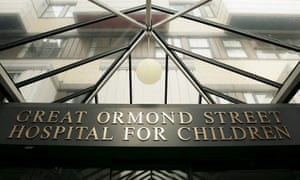
Doctors at Great Ormond Street hospital in London say about one child a month is admitted after swallowing a button battery – a dramatic increase on two years ago when just one child a year was admitted.


“On Tuesday when I was the on-call surgeon I removed two button batteries in two children in one day,” said Joe Curry, a consultant paediatric surgeon at Great Ormond Street.


The consequences of swallowing the device, doctors say, can be devastating, with the batteries often becoming lodged in the food pipe where they can burn through tissue and rapidly create a hole.


“If the battery is stuck in the upper oesophagus, and assuming the battery is ‘live’ when it goes in, you can start to see damage to the lining of the oesophagus within about 15 minutes,” said Curry. “We have seen rupture of the oesophagus within four hours.”


The upshot, doctors warn, can be life-changing injuries, or even death, with some children having to undergo more than 50 operations and procedures after such an incident.


“The damage to the oesophagus can be so devastating it can be immediately life-threatening because if the rupture of the oesophagus happens and the battery accidentally erodes into one of the main blood vessels in the chest, then you are at risk of immediate bleeding to death,” said Curry.


“If it erodes out of the oesophagus and it goes into the airway then it creates an opening between the oesophagus and the airway so every time the child eats or drinks, fluid and food floods into the lungs, damaging the lungs and producing life-threatening chest infections.”


Great Ormond Street hospital


Doctors at Great Ormond Street hospital say about one child a month is admitted after swallowing a button battery – up from one a year two years ago. Photograph: Peter Macdiarmid/Getty Images

Button batteries are commonly found in a range of electrical devices, from watches to hearing aids and calculators.


“The number of electronic devices that are existing in people’s homes that require these kinds of batteries is probably just increasing year on year and so the physical availability of them in the home is just increasing,” said Curry.


With children keen to explore objects, often putting things in their mouth, doctors warn that babies, toddlers and even older children are at risk of swallowing the batteries.


Now doctors at Great Ormond Street, Birmingham children’s hospital and Sheffield children’s hospital have joined forces to urge parents to make sure that button batteries, whether new or used, are kept out of children’s reach.


“Parents are very aware of things around the house like drain cleaners and other caustic substances which are dangerous for children and they are very careful about keeping them away from children, but I am not sure that the message is quite out there about how dangerous [button batteries] are,” said Curry.


“Part of the campaign is to make parents aware of it so they can treat them like they would any other dangerous or caustic substance in the household.”


Doctors say parents should remain vigilant to symptoms such as vomiting, choking, chest infections and difficulties in swallowing, and if they are concerned that a child has swallowed a battery they should immediately take them to A&E.


Katrina Phillips, the chief executive of the Child Accident Prevention Trust, said: “Button batteries are in so many products nowadays. Parents need to be ever more vigilant, especially with lithium cell batteries. Children under six are most at risk, but even older children can be fascinated by them.”


As well as keeping the batteries and devices that use them out of the reach of children, time is of the essence if children swallow a battery, and parents should immediately seek emergency help, Phillips said. “Don’t wait to see if symptoms develop as the damage may already have been done.”


Keep button batteries away from children, doctors warn parents

15 Eylül 2016 Perşembe

3 supplements to give right away for a concussion

Three supplements to give right away if your child sustains a head injury or concussion


Both of my sons have played competitive and contact sports for many years.  They also have sustained more head injuries and concussions than I would like.


Over the course of time and as a nutritionist I learned that there is more you can do than just rest and avoid TV and video games (although those steps are very important too!).


My son was recently in a roll over car accident and thankfully all three in the vehicle were wearing seat belts. He said that if they weren’t they most likely would have been ejected.


But it got me thinking of what I would do right away if he did sustain a head injury.


I am currently putting together an herbal/nutritional first aid kit for both of my sons (yes, they are thrilled…sarcasm) and it will include the ingredients I have listed here in their first aid kits.


With kids back in school it also means kids are back into their sport activities so I hope you find this helpful should the need arise.  It may be a good idea to keep these items on hand.


This is by no means meant to replace medical care after a head trauma but rather in addition to.  Always discuss these options with your doctor, especially if on medications.


But here are some supplements that can provide the tools to allow the brain to begin to heal.  These are not “cures” but rather they are used to optimize brain health for healing.


Here is a good starting place if your child sustains a concussion, even a mild one.


Homeopathic Arnica Montana: While traditional medicine is very skeptical in regards to homeopathic remedies, this is one that I keep in my son’s sport bags and is the first thing I reach for when a head injury occurs.  There are other homeopathic remedies for head injury side effects but this should be in your first aid kit to reduce swelling and inflammation due to the trauma.  Use it as soon as you can but it can also be used for head injuries that have occurred even months prior.


When using homeopathic remedies, it is best to consult with a specialist who is trained to work with them.


Otherwise, to keep on hand for these emergencies, I purchase Boiron brand Arnica Montana 200 ck. You can usually find this at Whole Foods or your local health food store.  Dose out 5 pellets every 15 minutes if you can but neither water nor food should not be consumed 15 minutes prior nor 15 minutes after so you may have to dose out more than every 15 minutes in those first few hours. Ideally just get as many doses in as you can. Do not touch the pellets-just pour them from the vial cap into your mouth.  Let them dissolve under the tongue.  After the first 24 hours you can start to space the doses out and give the pellets 3 to 5 times daily for the first week.


While others continue to be skeptical, I have seen great results with homeopathic remedies so I do use them in certain instances.


Curcumin (from Turmeric): This compound has been shown to have neuro-protective properties and has been shown to be beneficial in rehabilitation from brain injuries.  Giving Curcumin can result in a significant reduction in neuro-inflammation.


For a brand I like Terry Naturally Curamed 750 mg. capsules and I would give one to two three times per day for the first several days following the trauma.  There are other reputable brands out there but I have seen positive results with this product in my clients and so I stick with what has been effective.


High dose fish oil: Studies show that animal’s receiving fish oil after a head injury for 30 days had a greater than 98% reduction in brain damage compared with the animals that did not receive supplementation.


For a head injury I would give an immediate high dose of fish oil that contains 1 gram.   There are many contaminated fish oil products to be wary of. Also avoid farmed salmon and only consume wild caught Alaskan salmon for your fish oil dose or consume sardines (I like Wild Planet brand)


Start with a high dose for the first 1-2 weeks and then reduce the dose. Depending on the research the range can be from 4 grams of combined EPA/DHA to 10 grams.  Take 3 grams three times per day for the first week. I know that is a lot of fish oil but this is short term only.


For the second week reduce that to 3 grams two times per day. After week two it depends on how you are feeling as to whether you should continue on the high dose or reduce the maintenance dose.  Once you are feeling better, reduce the dose to 3 grams every day.


Always take your fish oil with a meal that contains fat.  If you are eating a low fat diet you will have difficulty reaping the benefits from the fish oil.


There are many more supplements that I would suggest for a head injury but this is a good place to start within the first few hours after the impact.


In addition to that, the diet should be clean, meaning free of sugar and processed foods.  Provide plenty of healthy fats such as avocado and it’s oil, quality EVOO, raw nuts and seeds, organic protein sources and plenty of organic leafy greens, vegetables and fruits.  This is not the time for sugar, candy, soda, fast food and frozen meals.  These are inflammatory foods. Avoid any foods with toxins for now so if you can buy all organic during this time that is the best choice.  Otherwise, choose your organic foods following the clean 15/dirty dozen guide provided by www.ewg.org.  The goal is to reduce brain inflammation and provide optimum conditions for healing.


While some are able to return back to their normal routine within weeks, others may have long lasting side effects from their concussion such as ADD symptoms, fatigue, confusion, forgetfulness, anxiety, depression and more. If you or your child needs more nutritional support during the healing process, please contact me or your holistic health professional.


Sources


Chapman, E., Weintraub, R., Milburn, M. et. al. Homeopathic Treatment of Mild Traumatic Brain Injury:


A randomized, Double-blind, Placebo-controlled trial.  Journal of Head Trauma Rehabilitation, 14, 6,


Dec. 1999, 521-542.


Ji, S. (10/1/14) How Whole Turmeric Heals the Damaged brain.  http://www.greenmedinfo.com/blog/how-whole-turmeric-heals-damaged-brain-1


Mercola, J. (2/9/14) Fish Oil Cited in Dramatic Healing After Severe Brain Trauma.  http://articles.mercola.com/sites/articles/archives/2014/02/09/fish-oil-brain-health.aspx


Wu, A., Ying, Z., Gomez-Pinilla, F. Dietary Curcumin counteracts the outcome of traumatic brain injury on oxidative stress, synaptic plasticity and cognition.  Exp. Neurol, 2006  Feb., 197(2):309-17  http://www.ncbi.nlm.nih.gov/pubmed/16364299


www.brainhealtheducation.org


Karen Brennan, MSW, CNC, Board Certified in Holistic Nutrition (candidate), author of the E book Tru Foods Depression Free Nutrition Guide; How Food Supplements and herbs can be used to lift your mood and owner of Tru Foods Nutrition Services, LLC believes in food first when addressing the root causes to your health conditions.  For more information, visit her website at www.trufoodsnutrition.com


The information provided is meant for educational purposes only. As a nutrition professional, Karen Brennan does not treat, cure nor diagnose.


3 supplements to give right away for a concussion

29 Temmuz 2016 Cuma

"You can"t just walk away on a plane": passengers on drinking at airports

Jack Rice, 19, is at Manchester airport with a group of friends waiting to go on his first “lads’ holiday” to the Spanish party resort of Magaluf, on Mallorca. The group have arrived four hours early for their flight and after they go through security, they plan to sit down and have a few beers before getting on the plane.


“I’m not going to drink loads, just have a few,” he says. “We want to have a drink before we get over because it’s the start of our holiday. I’m not a big drinker, but I’m going to have a drink, because we don’t get there until later and I don’t want to be stone cold sober.”


Related: Banning alcohol in airports is the worst idea I’ve ever heard | Luke Holland


On Friday, the aviation minister, Tariq Ahmad, who was appointed by Theresa May this month, announced a review of the sale of alcohol at airports after a series of incidents involving drunk passengers.


Bars and restaurants in airports are not subject to normal licensing restrictions and can sell alcohol 24 hours a day. Although Lord Ahmad said he did not want to “kill merriment altogether”, the review will look at the times alcohol is on sale and the possibility of screening passengers before they get on their flights.


Like many other British tourists waiting to board flights to sunnier climes from Manchester, Rice does not object to the idea that there should be a limit to the amount you can drink at an airport. “If you’re too drunk, you obviously shouldn’t be allowed on a plane,” he says.


Mike Berridge, 39, is waiting with his wife, Karen, and their daughter to fly to İçmeler, Turkey. “Last year we sat just in front of an idiot who was far too drunk [and using bad language], and I don’t think it’s acceptable, especially when you’re travelling with children,” he says. “It really spoiled the journey.”


A freedom of information request by the Press Association revealed that at least 442 people were arrested in the two years to March 2016 on suspicion of being intoxicated on a plane or at an airport. Several airlines have raised concerns with the government about the number of alcohol-related incidents on flights.


In May, police were called to Manchester airport when a female passenger allegedly punched an easyJet pilot in the face after being ordered to leave a plane bound for Cyprus. In February, six British men on a stag party were arrested by German police following a mid-air brawl that caused a Ryanair flight from Luton to Bratislava to be diverted to Berlin.


Louise Mowthorpe, 46, is on her way to San Javier, Spain, with her partner, Chris Knaggs, and 10-year-old daughter. She is in favour of trying to limit people’s drinking at airports, but thinks it will be difficult to police. “Some people use drink for medicinal purposes, or when they’re stressed, they have a drink. And some people can manage alcohol better than other people,” Mowthorpe says.


Related: Should we crack down on alcohol sale and consumption at UK airports?


Knaggs says drinking in an airport is very different to drinking in a bar. “You’ve got a responsibility to other people’s safety on a plane. In a bar, you can just walk away from people, but [a plane is] a confined space and people are supposed to be able to operate doors … You don’t want to be sitting next to someone who’s been drinking and can’t function properly if they evacuate the plane,” he says.


A code of practice on disruptive passengers was published this week after talks between airlines, the police and bodies including the British Air Transport Association and the Airport Operators Association.


The code instructs airport shops to advise passengers not to drink alcohol they have purchased before or during their flight, and calls for the training of restaurant and bar staff to limit or stop serving alcohol in order to prevent or manage disruptive behaviour.


"You can"t just walk away on a plane": passengers on drinking at airports

"You can"t just walk away on a plane": passengers on drinking at airports

Jack Rice, 19, is at Manchester airport with a group of friends waiting to go on his first “lads’ holiday” to the Spanish party resort of Magaluf, on Mallorca. The group have arrived four hours early for their flight and after they go through security, they plan to sit down and have a few beers before getting on the plane.


“I’m not going to drink loads, just have a few,” he says. “We want to have a drink before we get over because it’s the start of our holiday. I’m not a big drinker, but I’m going to have a drink, because we don’t get there until later and I don’t want to be stone cold sober.”


Related: Banning alcohol in airports is the worst idea I’ve ever heard | Luke Holland


On Friday, the aviation minister, Tariq Ahmad, who was appointed by Theresa May this month, announced a review of the sale of alcohol at airports after a series of incidents involving drunk passengers.


Bars and restaurants in airports are not subject to normal licensing restrictions and can sell alcohol 24 hours a day. Although Lord Ahmad said he did not want to “kill merriment altogether”, the review will look at the times alcohol is on sale and the possibility of screening passengers before they get on their flights.


Like many other British tourists waiting to board flights to sunnier climes from Manchester, Rice does not object to the idea that there should be a limit to the amount you can drink at an airport. “If you’re too drunk, you obviously shouldn’t be allowed on a plane,” he says.


Mike Berridge, 39, is waiting with his wife, Karen, and their daughter to fly to İçmeler, Turkey. “Last year we sat just in front of an idiot who was far too drunk [and using bad language], and I don’t think it’s acceptable, especially when you’re travelling with children,” he says. “It really spoiled the journey.”


A freedom of information request by the Press Association revealed that at least 442 people were arrested in the two years to March 2016 on suspicion of being intoxicated on a plane or at an airport. Several airlines have raised concerns with the government about the number of alcohol-related incidents on flights.


In May, police were called to Manchester airport when a female passenger allegedly punched an easyJet pilot in the face after being ordered to leave a plane bound for Cyprus. In February, six British men on a stag party were arrested by German police following a mid-air brawl that caused a Ryanair flight from Luton to Bratislava to be diverted to Berlin.


Louise Mowthorpe, 46, is on her way to San Javier, Spain, with her partner, Chris Knaggs, and 10-year-old daughter. She is in favour of trying to limit people’s drinking at airports, but thinks it will be difficult to police. “Some people use drink for medicinal purposes, or when they’re stressed, they have a drink. And some people can manage alcohol better than other people,” Mowthorpe says.


Related: Should we crack down on alcohol sale and consumption at UK airports?


Knaggs says drinking in an airport is very different to drinking in a bar. “You’ve got a responsibility to other people’s safety on a plane. In a bar, you can just walk away from people, but [a plane is] a confined space and people are supposed to be able to operate doors … You don’t want to be sitting next to someone who’s been drinking and can’t function properly if they evacuate the plane,” he says.


A code of practice on disruptive passengers was published this week after talks between airlines, the police and bodies including the British Air Transport Association and the Airport Operators Association.


The code instructs airport shops to advise passengers not to drink alcohol they have purchased before or during their flight, and calls for the training of restaurant and bar staff to limit or stop serving alcohol in order to prevent or manage disruptive behaviour.


"You can"t just walk away on a plane": passengers on drinking at airports

26 Temmuz 2016 Salı

How To Flush Away Urinary Difficulty In 5 Easy Steps

If you’re like many men over the age of 50, things may increasingly be not working quite as smoothly as they used to when you try and urinate.  Dribbling, a weak urinary stream, always feeling a ‘heaviness’ or like you never got ‘it all out’, having to go more often and get up at night repeatedly…all these signs are unfortunately tell-tale signs that you may have an enlarged prostate.  While this is one of the most common problems aging men often complain of, that doesn’t mean you have to fall victim to this.  Consider these five simple, natural strategies to improve your prostate health and control of your urinary habits!


Practice Kegel Exercises


Yes, Kegel exercises are not only for women but men can benefit from these too.  If you are unfamiliar with, Kegels are stationary exercises you do while sitting where you actively contract the muscles of the pelvic floor (i.e. the muscles around the anus and internal to the penis) that you use to control urination and/or defecation.  Like all muscles, these can be strengthened with routine exercise, giving men greater control and muscular strength to encourage a good flow when urinating as well as stronger, more satisfying ejaculations.  Consider doing 3 sets of ten repetitions daily and if confused how to do this exactly, consider this article from the Mayo clinic to help guide you through the process.


Actively Decrease Inflammation


Many men don’t realize just how powerful a foe inflammation can be to them, and in particular, their prostate!  Because the prostate is a fatty tissue, many fat soluble toxins and other substances can become lodged and stored in there, potentially contributing to increasing inflammation over time.  And like most things that get inflamed, the prostate then enlarges and swells, putting pressure on the bladder, which creates urinary issues.  A big contributor to this inflammation is the standard American diet, which is full of pro-inflammatory foods. Key dietary tips to improve your inflammation status include:


Actively seek to increase your anti-inflammatory omega 3 intake (think mackerel, sardines, trout, walnuts, chia seeds, hemp and flax seeds)


Eliminate pro-inflammatory omega 6 fats (for instance in hydrogenated and trans fat oils, refined vegetable oils (i.e. corn, soybean, rapeseed, peanut)


Minimize non-grass fed animal products in the diet as well as refined sugars


Include more vegetables and fruits (preferably organic) in the diet.  Aim for 7-10 servings daily!


Practice Detoxification Strategies


You will see this tip come back in many blogs and articles, because it is SO important in today’s polluted world that we actively make this a conscious habit in our daily routines.  Detox teas, supplements such as milk thistle, glutathione, N-acetyl cysteine, dry or infrared saunas, alternating showers & dry skin brushing,  regular exercise,  and even potentially colonic irrigation (especially for those who tend to have trouble with regular elimination—i.e. constipation), can all be invaluable in the long-run in keeping your toxin burden down.  For those with considerable toxin burden, they may want to consider testing and working with a holistically minded physician to employ additional methods such as chelation therapy. And don’t forget about the importance of keeping your gut microbiome nourished with good probiotics as your good bacteria actively help us detoxify!


Optimize Hormone Balance


When the male body’s hormone balance is thrown off and there is too much estrogen in relation to how much testosterone there should be, this can also contribute to enlargement of the prostate gland.  This is yet another reason why it is so important that you consider testing your blood levels of your hormones and seek to optimize them through research supported strategies.


Employ Natural Herbal Extracts


A considerable issue for many men suffering with BPH and its accompanying litany of side effects is that the urethra and the muscles within the bladder are constricted and contracted, making it very difficult for urine or semen to pass when urinating or ejaculating.  This can contribute to the many uncomfortable symptoms we reviewed earlier as well as retrograde ejaculation (where the semen is unable to exit through the penis because of urethral constriction and instead is pushed back internally, often into the bladder).  So a major advancement in helping men improve these very unpleasant side effects has been the discovery of such compounds like Flower Pollen Extract and Saw Palmetto. Such compounds in clinical studies have been shown to improve urinary flow, decrease prostate size, and diminish urine retention in the bladder.  Furthermore, they have also been illustrated to diminish pain in the perianal region as well as improve prostatitis conditions. So if you’re one of the many men needlessly suffering from BPH, don’t hesitate in helping yourself today through these naturally proven strategies to improve urinary and sexual function!


So do you want to know how I naturally cured my own enlarged prostate and dropped my PSA from 4.2 to 2.1  in just three short months? To find out Click Here. 


References


Ong, Ben. All About The Prostate. USA: bensprostate.com, 2016. Print.


How To Flush Away Urinary Difficulty In 5 Easy Steps