Sick etiketine sahip kayıtlar gösteriliyor. Tüm kayıtları göster

22 Nisan 2017 Cumartesi

It was taken away to keep you sick

Methylsulfonymethane is marketed lucratively as MSM. The process starts with crystals, which are then turned into powder with anti-caking agents, like silicon dioxide, added to it. This presents a problem for the people that buy it because when the crystals are turned into powder much of its effectiveness is lost. When the anti-caking agents are added to it, the remaining benefits are nullified. To derive the maximum benefits from MSM, it must be in the form of organic crystals and lignin (wood) based or prepared with Food Grade DMSO.


Our organic sulfur crystals are produced as follows:


MSM is made from lignin based DMSO (Dimethyl Sulfoxide), and DMSO is made by processing the waste product of paper making (“pulp and paper industry”)–it is NEVER made by simply processing trees or any other form of plant life (no matter what you might read in some less informed Internet sources), for the sole purpose of extracting DMSO. It COULD be, just as seawater could be used for the sole purpose of extracting gold, but this is totally impractical.


DMSO is extracted from the waste product of papermaking and it is the PAPER MAKING that allows the whole process to be practical. As paper is made, the paper is made of the fibers of wood. But, as trees grow, the fibers of wood are stuck together, in the living tree, by a substance called “lignin.” Lignin is like glue that holds the fibers together. The wood could not be made into paper if all the fibers are still stuck together. So, papermaking must include some process by which the lignin is removed, allowing the wood fibers to be managed into flat paper, etc.


Lignin is removed with something called “pulping chemicals.” These chemicals are sodium sulfite (the majority), sodium sulfide and sodium carbonate). When these chemicals are soaked in a vat with wood chips, the lignin dissolves and the wood fibers can then be removed from the mass. Generally about 50% of the stuff in the vat would be the wood fibers, ready for making into paper, and 50% would be the residue, the waste product, of the original “pulping chemicals” and the lignin that has now been dissolved. That first liquid is called DMS (CH3 – S – CH3), but it quickly and easily further refined into DMSO.


Food Grade DMSO is the main ingredient from which MSM is made by a controlled oxidation process using hydrogen peroxide (H2O2) and water. There are no other chemicals used, and the H2O2 is turned into water.


It is very important to realize that if you purchase the Organic Sulfur Crystals, then the MSM you receive has been distilled. NO CHEMICALS ARE LEFT BEHIND. It is the purest possible form of the chemical MSM.


Organic sulfur is found in all living organisms. It is also contained in raw plant and animal foods. Organic sulfur is not found in any foods, which have been either stored during shipping, refrigeration, or cooked. Organic sulfur bonds with moisture and is therefore carried away when dehydration occurs – this is why stored, refrigerated or cooked foods no longer contain organic sulfur.


Also, with the introduction of the petro-chemical fertilizers in the 1930’s, the benefits of sulfur were severely diminished and why you must stay hydrated and drink lots of water daily. Also, with the introduction of the petro-chemical fertilizers, which were created to replace manure as fertilizer and to create a cash “crop” for the petro-chemical industry, the oil based fertilizers virtually destroyed the sulfur in the soil. Add to this the obscene over-processing of our food supply, which served only to increase shelf life and profits and which made our food supply completely devoid of sulfur, it’s no wonder that we are a nation of overweight, undernourished, disease-ridden sickos hooked on pharmaceutical drugs.


When, in 1985, Finland became alarmed over the increasing obscene disease rate of its population, they banned all use of chemical fertilizers fearing the levels of cadmium, yet totally unaware of the sulfur connection. Since doing so, they have become the leading supplier of organically grown foods in Europe. They have also seen their disease rates drop to one tenth of their 1985 levels.


Interestingly enough, in 1985, the U.S. was at the same disease level as Finland. So. Why did we not follow suit and ban the chemical fertilizers and put a lid on the highly processed foods? Well, as the theme song to Donald Trump’s TV show began, “Money, Money, Money”!


Do you really think that we would cease our use of profitable chemicals for our soil and our food, which involves commercial agribusiness, medicine, insurance, and genetic and designer foods? We can, however, regenerate our internal sulfur cycle with Organic Sulfur Crystals, provided that this product has not suffered the same indignities of “science” that our food supply has and continues to suffer.


Like sulfur, the cell membrane is another blind spot in medicine. Despite proof that the cellular membranes need sulfur to be utilized and formatted correctly so any cell can function as the basic unit of life, medicine still depends upon synthetic chemicals to treat a symptom.


In the body, ORGANIC SULFUR is used to repair cells, which have been damaged, as well as to promote the growth of healthy new cells by allowing the cells to transport oxygen more effectively. ORGANIC SULFUR also makes cell walls more permeable, thus able to allow more nutrients in and to allow waste materials to pass out of the cells.


Studies have shown that chlorine and fluorine are detrimental to such oxygen transport, yet these elements have been added to the U.S. mainland and our military bases in Hawaii’s water supply to make our teeth “healthier” and our water more “pure”, or free from bacterial infestation.


Fortunately, other than the military bases, Hawaii’s water supply is fluoride-free and I was instrumental in accomplishing that despite an avalanche of industry and Hawaii Dept. of Health executive blatant lies.


These elements are poisonous at higher concentrations and they block the uptake of both oxygen and sulfur. Hook up a charcoal filter to your faucet and it removes the chlorine before you drink it. The small amount of chlorine in the water, however, has not been found to adversely affect the benefits of the sulfur.


Every day the body uses up to 750mg of ORGANIC SULFUR naturally. ORGANIC SULFUR is natural and is actually found in the water we drink, as well as fresh, unstored and uncooked foods. It is found in fruits, vegetables, meat and dairy products. Unless you mostly consume organic raw foods, you are likely not receiving enough ORGANIC SULFUR to realize its tremendous health benefits.


Unfortunately, the shelf-life deterioration for sulfur is rapid in cruciferous vegetables, garlic and onions with as much as a 95% loss of sulfur lost after one week of harvest. Adding insult to injury is the fact that cooked or processed foods have no utilizable sulfur. And sadly, most MSM and other sulfur supplements fail to restore cellular levels of sulfur and omega 3s. The reason for this is that anything synthetic that sulfur comes in contact with renders it useless.


What are the benefits of ORGANIC SULFUR?


OS has a cleansing or “detoxifying” effect on the cells within the body. It allows the body to remove toxins that have accumulated in all types of cells, including fat cells. Should you feel like you are getting the flu or other symptoms where you feel like you are getting sick, understand that you are not getting sick. It is the detoxifying process and it will pass. While this is happening DO NOT STOP TAKING THE CRYSTALS.


The suggested usage is 1 teaspoon full twice per day – one in the morning and one in the evening. This can be done in several ways: dissolved in hot water, putting the crystals in your mouth and chewing them, putting a tablespoon in a liter or quart bottle, fill it with water and drink it all day, or add it to orange juice and take it that way. I personally opted for the chewing method and then drinking orange juice. I have never tasted orange juice so sweet.


OS is not a drug or prescription medicine. It is actually a nutrient, or a food that the body can consume.


OS increases enzyme production within the glands in the body, substantially increasing overall resistance to illness.


OS increases flexibility in the tissues within the body, increases blood circulation and aids in lowering high blood pressure.


OS reduces muscle inflammation, promotes healing in the muscles and prevents them from becoming sore. To the degree there is soreness, recovery and return to normality is quickened. Athletes, in particular, benefit from this as the intake of additional OS dramatically increases their recovery time.


OS eliminates so-called “free radicals” in the body. Allergies to pollens and certain foods can be reduced or eliminated by its use.


OS promotes healthy, increased growth of hair and fingernails.


OS has been studied for possible anti-cancer effects. Because of the oxygenation of the cells and tissues, which creates an aerobic environment, cancer cells cannot exist.


OS studies have shown the reversal of osteoporosis, Alzheimer’s disease, and Parkinson’s disease.


OS aids in healthy skin production and the reduction of “wrinkles”. It is one of the main ingredients in moisturizing creams.


OS can benefit all skin types and ages. It has been shown to be highly effective in the treatment of skin conditions like acne, eczema and psoriasis (bear in mind that these conditions arise from a weak immune system, which the OS helps strengthen), as well as problematic skin and helps keep skin healthy and strong to guard against premature aging and skin damage.


OS helps the body properly regulate insulin production. Adequate OS in the diet can reduce the need for insulin injections.


OS helps in reducing and often eliminating diverticulitis. Parasites living in the colon are unable to remain attached to the colon walls on which OS forms a smooth, resistant coating. Hatching worms, having nothing to grab on to, are flushed out.


OS helps alleviate emphysema. It provides the body with material to manufacture new, healthy cells, on lung walls. Case in point – the asthma I had my whole life after being vaccinated as a child disappeared after taking the sulfur for 3 days and has not returned since it went away in 2007.


OS, because of its ability to make cell walls more permeable, causes the body to rapidly release alcohol “hangover” toxins, removing them as waste from the body. The process happens far more rapidly than it takes to recover from a hangover, often as quickly as 20 minutes.


OS helps alleviate chronic headaches. Increased circulation in the brain cells promotes proper blood circulation within the brain. Less pressure and pain result, reducing tendencies for headaches.


OS reduces hypoglycemia in the body because it has made it easier for the body to introduce blood sugar through more permeable cell walls. Less insulin is demanded for the process, resulting in less overuse of the pancreas. Several months of consistent OS usage can reduce or eliminate hypoglycemia entirely.


OS helps alleviate PMS. Glandular production in enhanced by OS to have more “normal” levels of production. Acid levels, enzyme levels and hormonal levels are more evenly balanced with OS. Cramps, headaches and nausea from the monthly cycle can be reduced or eliminated through its use.


OS helps promote better kidney function more efficiently. Water retention problems due to bad kidney function can be alleviated.


OS can help alleviate eye problems. Dissolve 1 teaspoon of sulfur crystals in 4 ounces of water and us as eye drops as frequently as you like.


OS will deliver essential omega 3s throughout the body and will also allow the body to produce vitamin B-12.


OS has amazingly reversed autism in 32 children that we know about so far.


OS eliminates the need for Viagra or Cialis as it reverses Erectile Dysfunction.


Important: If you take any medication or supplements, there must be a 30 minute gap between the taking of the crystals and the taking of the meds and/or supplements. The synthetic chemicals and the anti-caking agents will nullify the benefits of the sulfur crystals.


Last but not least, there is a simple test you can do to find out if what you got is good. Dissolve a bit in a little hot water, put it somewhere and let it dehydrate. After it dehydrates the crystals should appear larger and more pronounced kind of like snowflakes. If not, get your money back because it will be useless.


Aloha!


Sources:
www.asanediet.com
www.foodmatters.com
www.drjockers.com
www.cancertutor.com


Hesh Goldstein

When I was a kid, if I were told that I’d be writing a book about diet and nutrition when I was older, let alone having been doing a health related radio show for over 36 years, I would’ve thought that whoever told me that was out of their mind. Living in Newark, New Jersey, my parents and I consumed anything and everything that had a face or a mother except for dead, rotting, pig bodies, although we did eat bacon (as if all the other decomposing flesh bodies were somehow miraculously clean). Going through high school and college it was no different. In fact, my dietary change did not come until I was in my 30′s.

Just to put things in perspective, after I graduated from Weequahic High School and before going to Seton Hall University, I had a part-time job working for a butcher. I was the delivery guy and occasionally had to go to the slaughterhouse to pick up products for the store. Needless to say, I had no consciousness nor awareness, as change never came then despite the horrors I witnessed on an almost daily basis.


After graduating with a degree in accounting from Seton Hall, I eventually got married and moved to a town called Livingston. Livingston was basically a yuppie community where everyone was judged by the neighborhood they lived in and their income. To say it was a “plastic” community would be an understatement.


Livingston and the shallowness finally got to me. I told my wife I was fed up and wanted to move. She made it clear she had to be near her friends and New York City. I finally got my act together and split for Colorado.


I was living with a lady in Aspen at the end of 1974, when one day she said, ” let’s become vegetarians”. I have no idea what possessed me to say it, but I said, “okay”! At that point I went to the freezer and took out about $ 100 worth of frozen, dead body parts and gave them to a welfare mother who lived behind us. Well, everything was great for about a week or so, and then the chick split with another guy.


So here I was, a vegetarian for a couple weeks, not really knowing what to do, how to cook, or basically how to prepare anything. For about a month, I was getting by on carrot sticks, celery sticks, and yogurt. Fortunately, when I went vegan in 1990, it was a simple and natural progression. Anyway, as I walked around Aspen town, I noticed a little vegetarian restaurant called, “The Little Kitchen”.


Let me back up just a little bit. It was April of 1975, the snow was melting and the runoff of Ajax Mountain filled the streets full of knee-deep mud. Now, Aspen was great to ski in, but was a bummer to walk in when the snow was melting.


I was ready to call it quits and I needed a warmer place. I’ll elaborate on that in a minute.


But right now, back to “The Little Kitchen”. Knowing that I was going to leave Aspen and basically a new vegetarian, I needed help. So, I cruised into the restaurant and told them my plight and asked them if they would teach me how to cook. I told them in return I would wash dishes and empty their trash. They then asked me what I did for a living and I told them I was an accountant.


The owner said to me, “Let’s make a deal. You do our tax return and we’ll feed you as well”. So for the next couple of weeks I was doing their tax return, washing their dishes, emptying the trash, and learning as much as I could.


But, like I said, the mud was getting to me. So I picked up a travel book written by a guy named Foder. The name of the book was, “Hawaii”. Looking through the book I noticed that in Lahaina, on Maui, there was a little vegetarian restaurant called,” Mr. Natural’s”. I decided right then and there that I would go to Lahaina and work at “Mr. Natural’s.” To make a long story short, that’s exactly what happened.


So, I’m working at “Mr. Natural’s” and learning everything I can about my new dietary lifestyle – it was great. Every afternoon we would close for lunch at about 1 PM and go to the Sheraton Hotel in Ka’anapali and play volleyball, while somebody stayed behind to prepare dinner.


Since I was the new guy, and didn’t really know how to cook, I never thought that I would be asked to stay behind to cook dinner. Well, one afternoon, that’s exactly what happened; it was my turn. That posed a problem for me because I was at the point where I finally knew how to boil water.


I was desperate, clueless and basically up the creek without a paddle. Fortunately, there was a friend of mine sitting in the gazebo at the restaurant and I asked him if he knew how to cook. He said the only thing he knew how to cook was enchiladas. He said that his enchiladas were bean-less and dairy-less. I told him that I had no idea what an enchilada was or what he was talking about, but I needed him to show me because it was my turn to do the evening meal.


Well, the guys came back from playing volleyball and I’m asked what was for dinner. I told them enchiladas; the owner wasn’t thrilled. I told him that mine were bean-less and dairy-less. When he tried the enchilada he said it was incredible. Being the humble guy that I was, I smiled and said, “You expected anything less”? It apparently was so good that it was the only item on the menu that we served twice a week. In fact, after about a week, we were selling five dozen every night we had them on the menu and people would walk around Lahaina broadcasting, ‘enchilada’s at “Natural’s” tonight’. I never had to cook anything else.


A year later the restaurant closed, and somehow I gravitated to a little health food store in Wailuku. I never told anyone I was an accountant and basically relegated myself to being the truck driver. The guys who were running the health food store had friends in similar businesses and farms on many of the islands. I told them that if they could organize and form one company they could probably lock in the State. That’s when they found out I was an accountant and “Down to Earth” was born. “Down to Earth” became the largest natural food store chain in the islands, and I was their Chief Financial Officer and co-manager of their biggest store for 13 years.


In 1981, I started to do a weekly radio show to try and expose people to a vegetarian diet and get them away from killing innocent creatures. I still do that show today. I pay for my own airtime and have no sponsors to not compromise my honesty. One bit of a hassle was the fact that I was forced to get a Masters Degree in Nutrition to shut up all the MD’s that would call in asking for my credentials.


My doing this radio show enabled me, through endless research, to see the corruption that existed within the big food industries, the big pharmaceutical companies, the biotech industries and the government agencies. This information, unconscionable as it is, enabled me to realize how broken our health system is. This will be covered more in depth in the Introduction and throughout the book and when you finish the book you will see this clearly and it will hopefully inspire you to make changes.


I left Down to Earth in 1989, got nationally certified as a sports injury massage therapist and started traveling the world with a bunch of guys that were making a martial arts movie. After doing that for about four years I finally made it back to Honolulu and got a job as a massage therapist at the Honolulu Club, one of Hawaii’s premier fitness clubs. It was there I met the love of my life who I have been with since 1998. She made me an offer I couldn’t refuse. She said,” If you want to be with me you’ve got to stop working on naked women”. So, I went back into accounting and was the Chief Financial Officer of a large construction company for many years.


Going back to my Newark days when I was an infant, I had no idea what a “chicken” or “egg” or “fish” or “pig” or “cow” was. My dietary blueprint was thrust upon me by my parents as theirs was thrust upon them by their parents. It was by the grace of God that I was able to put things in their proper perspective and improve my health and elevate my consciousness.


The road that I started walking down in 1975 has finally led me to the point of writing my book, “A Sane Diet For An Insane World”. Hopefully, the information contained herein will be enlightening, motivating, and inspiring to encourage you to make different choices. Doing what we do out of conditioning is not always the best course to follow. I am hoping that by the grace of the many friends and personalities I have encountered along my path, you will have a better perspective of what road is the best road for you to travel on, not only for your health but your consciousness as well.


Last but not least: after being vaccinated as a kid I developed asthma, which plagued me all of my life. In 2007 I got exposed to the organic sulfur crystals, which got rid of my asthma in 3 days and has not come back in over 10 years. That, being the tip of the iceberg, has helped people reverse stage 4 cancers, autism, joint pain, blood pressure problems, migraine headaches, erectile dysfunction, gingivitis, and more. Also, because of the detoxification effects by the release of oxygen that permeates and heals all the cells in the body, it removes parasites, radiation, fluoride, free radicals, and all the other crap that is thrust upon us in the environment by Big Business.


For more, please view www.healthtalkhawaii.com and www.asanediet.com.


Namaste!


It was taken away to keep you sick

2 Nisan 2017 Pazar

Paramedics taking tens of thousands of days a year off sick with stress

Paramedics are taking tens of thousands of days a year off sick with stress, as growing numbers of 999 calls add to the pressure on NHS ambulance services.


The number of days being lost to paramedics having time off work because they are struggling with stress, anxiety or other mental health conditions is rising, official figures show.


Statistics have revealed that paramedics working for seven of England’s 10 NHS regional services have been signed off sick with such ailments for 183,962 days in the last four years.


In all, 35,872 days were lost for that reason in 2013-14; that went up to 41,412 in 2015-16. Figures for the first nine months of 2016-17 suggest last year’s total will be even higher.


Paramedics and health unions claim staff shortages, pressure to meet 999 response targets, routinely long shifts lasting up to 15 hours and the emotional toll of dealing with sick patients and their families are behind the trend.


There is concern that stress leave is exacerbating the existing pressures on ambulance services’ ability to respond fast enough to the increasing number of emergency calls at a time when vacancies and early retirement are widespread.


“Paramedics provide life-saving care, often in stressful circumstances, but the blue lights flashing right now are for the ambulance service. It is unacceptable that such high levels of stress are now seen as part of normal life for ambulance staff,” said Tim Farron, the leader of the Liberal Democrats, who obtained the figures under freedom of information laws.


“The things paramedics see and have to deal with on a daily basis must keep people up at night. We need to do more to care for those who care for us”, he added.


The London ambulance service has lost the most paramedic days through stress. It lost 11,911 days to it in 2013-14 but that rose to 12,215 in 2015-16 and then again to 14,447 in the first nine months of 2016-17 alone.


The South-East Coast ambulance service’s figures rose from 5,659 to 6,366 figures, and the South West’s from 4,162 to 5,228, over the same period. Only the West Midlands service saw a significant fall in its numbers in that time.


“Ambulance services are haemorrhaging staff, and struggling to hire new recruits. That puts extra pressure on those left behind with crews having to work very long shifts,” said Alan Lofthouse, Unison’s national ambulance officer, who is a former paramedic.


“Rising demand on 999 services means patients wanting not just emergency treatment but also medical care as they can’t see their GPs. Overstretched A&E departments with long waits to hand over patients, abuse and threats of violence from motorists, relatives or under the influence casualties. It’s no wonder ambulance staff are having to take time off for stress.”


The true figures for England as a whole will be a lot higher as the North West, Yorkshire and South Central ambulance services did not provide any figures.


A survey of ambulance staff undertaken by the union Unite last year found that 89% of ambulance staff said that morale and motivation in their workplace was falling and 88% identified stress as the main reason for that. In the same poll 91% of the 362 ambulance crews questioned said their workloads were growing and 85% said they worked beyond their contracted hours.


Meanwhile, Labour claims NHS England’s plan to significantly relax the requirement on hospitals to treat 92% of patients waiting for an operation within 18 weeks may be illegal.


Labour has challenged the health secretary, Jeremy Hunt, to set out the legal basis for dropping a commitment on waiting times that is enshrined in the NHS constitution.


The move, announced on Friday, prompted widespread criticism from medical groups.


Paramedics taking tens of thousands of days a year off sick with stress

9 Mart 2017 Perşembe

UK workers take fewest sick days since records began

Britons were more likely to struggle into work last year with coughs and colds than at any time since records began almost a quarter of a century ago, according to official figures.


About 137m working days were lost from illness and injury in 2016, said the Office for National Statistics, equivalent to 4.3 days per worker, the lowest rate since 1993, when it was 7.2 days.


Minor illnesses such as coughs and colds accounted for almost a quarter of the days lost due to sickness in 2016, at 34m. The second most common reason for not turning up to work was musculoskeletal problems including back pain, neck and upper limb problems, which accounted for 22.4% of days lost to sickness.


Mental health issues including stress, depression, anxiety and more serious conditions such as manic depression and schizophrenia resulted in 15.8m days being lost or 11.5%.


The total number of work days lost to sickness and injury peaked in the late 1990s at 185m. Although the figure reached a low of 132m in 2013, before rising again in 2014 and 2015, this was down to a steep increase in the working population.


The TUC general secretary, Frances O’Grady, said the fall in the sickness rate showed that “it is a myth that UK workers are always throwing sickies”.


She said: “We are really a nation of mucus troopers, with people more likely to go to work when ill than stay at home when well.


“Sickness absence rates have fallen steadily over the past decade, and let’s not forget that working people put in billions of pounds’ worth of unpaid overtime each year.”


The ONS said the groups with the highest rates of sickness absence were women, older workers, those with long-term health conditions, smokers, public health sector workers and those working in the largest organisations.


“The groups that have seen the greatest reduction in sickness absence rates over the past two decades are workers with long-term health conditions, workers aged 50 to 64, and those in the public sector,” it said.


Wales and Scotland suffered the highest rates of sickness absence in the UK, at 2.6% and 2.5% respectively, while the lowest rate was found in London at 1.4%.


Employees lost 2.1% of the year to sickness compared with 1.4% for the self-employed and the public sector lost 2.9% compared with 1.7% for workers in private firms last year.


ONS statistician Brendan Freeman said: “Since 2003, there has been a fairly steady decline in the number of working days lost to sickness, especially during the economic downturn.


“In recent years, there has been a small rise in the number of days lost, but due to an increasing number of people entering the workforce, the rate per worker and overall sickness absence rate have stayed largely flat.”


UK workers take fewest sick days since records began

15 Şubat 2017 Çarşamba

Soon we"ll be able to spot diseases like cancer before we even feel sick

The sooner a disease is diagnosed, the more likely it is to be well managed or cured. The challenge to finding a disease early is that most of us don’t seek treatment until we have symptoms, which means the disease has already progressed.


But breakthroughs in nanobiotechnology techniques mean that in five years we will be able to examine and filter bodily fluids for tiny bioparticles that reveal signs of disease like cancer before we have any symptoms, letting us know immediately if we should consult a doctor.


Information about the state of our health can be extracted from tiny bioparticles in bodily fluids such as saliva, tears, blood, urine and sweat called exosomes. These particles were first discovered in the 1980s as vesicles secreted by immature red blood cells, but later they were found to be secreted in all cell types. Scientists discovered that exosomes carry information from the cell they originated from, including proteins, RNA (ribonucleic acid) and DNA. Because the state of the originating cell can be inferred from these exosomes, they have been considered as potential biomarkers of disease for more than a decade. Besides cancer, exosomes are being considered as insightful for central nervous system diseases (Alzheimer’s, multiple sclerosis and stroke), renal fibrosis and cardiovascular disease.


At the moment it’s difficult to capture and analyse these bioparticles as they are thousands of times smaller than the diameter of a strand of human hair. But at IBM Research we are developing lab-on-a-chip nanotechnology that can separate and isolate bioparticles down to 20 nanometres in diameter, a scale that gives access to DNA, viruses and exosomes. These particles could be analysed to potentially reveal signs of disease even before we have symptoms.


This technique is known as liquid biopsy, designed to be more accessible, comfortable and convenient than the traditional tissue biopsy or cancer screening techniques many of us are familiar with. The goal is to shrink down to a single silicon chip all of the processes necessary to analyse a disease that would normally be carried out in a full-scale biochemistry lab.


In the future, the lab-on-a-chip technology could be packaged in a convenient handheld device to allow people to measure the presence of biomarkers found in small amounts of bodily fluids, streaming this information into the cloud from the convenience of their home. There it could be combined with health data from other IoT-enabled devices, like sleep monitors and smartwatches, and analysed by artificial intelligence systems for insights. When taken together, this dataset will give us an in-depth view of our health and alert us to the first signs of trouble, helping to stop disease before it progresses.


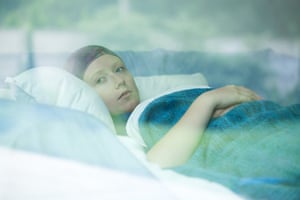
Young woman suffering from cancer


Treating a disease like cancer is expensive. According to Cancer Research UK, there was a 10% annual increase in cancer drugs prices from 1995-2013. Photograph: KatarzynaBialasiewicz/Getty Images/iStockphoto

The next five years will see significant advances in the application and development of this technology. Practically speaking, it’s difficult to say confidently that it will be in widespread use in our homes by 2022, but based on current developments and advances in research, this innovation will likely be used by physicians in some capacity by that time.


The vision for this technology is that it could be used anywhere in the world, from remote rural locations to developed urban areas. To reach the people who need it most, the technology must be affordable. Putting these capabilities on a regular silicon chip means they can be manufactured inexpensively. The challenge will be to do so at a scale that can reach people worldwide while also educating users and physicians on its benefits.


As we all know, treating a disease like cancer is expensive, and rising. According to Cancer Research UK, there was a 10% annual increase in cancer drugs prices from 1995-2013 and many new immunotherapies have price tags of over £100,000 per patient per year. When your doctor can diagnose cancer in its early stages, your odds of financial hardship – and death – decrease significantly. By making it nearly as easy to detect early stage cancer as taking a home pregnancy test, you could argue that we will change the economics of cancer. If all goes well, we may greatly diminish the physical and emotional toll of this terrible disease for future generations.


Gustavo Stolovitzky is program director of Translational Systems Biology and Nanobiotechnology at IBM Research


Soon we"ll be able to spot diseases like cancer before we even feel sick

17 Ocak 2017 Salı

The NHS no longer has the resources to care for our sick population | Zara Aziz

Hospitals and GP surgeries have always had a symbiotic relationship and the hospital crisis this winter has had a significant impact on the way that we are able to offer care to patients in the community.


In our practice, demand has not changed significantly as far as minor illnesses are concerned. We had an expectation of winter pressures and planned for more urgent appointments across all days of the week (including a Saturday shared rota with a hub of other local practices). But what we have seen is a significant rise in the complexity of cases – even when compared with a year ago.


Patients often turn up for their 10- to 15-minute appointment with several complex problems or secondary care related queries. Some practices advise patients to discuss one problem per appointment, and this has come under criticism from the Patients Association for potentially preventing people from raising health worries.


With many practices struggling to recruit GPs and nurses, and running on skeleton staff in the face of escalating demand and threats of closure, it is unhelpful for patients to see us repeatedly for a few minor complaints when a single appointment could sort all the issues.


At our surgery, we offer 15-minute appointments for routine problems that are booked in advance and 10 minutes for the on the day urgent problems. It is unusual to finish consultations within these times. Most days I will admit one or two sick patients into hospital – sometimes the decision to admit is clear cut, on other occasions it’s more complicated. Ultimately, it comes down to the patient’s best interests and their wishes, and the hospital being able to offer assessments and treatments that we cannot in the community. But increasingly, I am having to factor in long waits at hospital and the scarcity of beds in my decision. This week it took over 24 hours for my patient to be admitted from a care home to the hospital. Another patient, Dorothy, is in her 80s and usually well and independent in her warden-controlled flat. Then she became acutely confused, unable to walk and began hallucinating – there was also the possibility of a head injury from a fall but we were not able to corroborate this. I discussed her case with a hospital specialist and an assessment and a CT scan of the head was recommended via A&E. I called for an urgent ambulance. They too were inundated with emergencies and unable to hand over patients promptly through bottlenecks in A&E, medical admissions units and the wards. It was nine hours before Dorothy arrived in A&E. Her head scan was normal but it was another 12 hours before she was moved to a surgical ward as an “outlying” medical patient. Both she and her daughter who accompanied her were exhausted and upset.


Faced with worryingly high occupancy rates, many hospitals are admitting patients to non-specialty wards. In our area there are more than 100 patients on non-medical wards. This poses its own risks, with overstretched staff caring for more patients than safe thresholds allow.


Dorothy was discharged three days later, still confused, frail and unable to manage in her own home. There were no step-down or intermediate care beds to speak of and her daughter struggled to care for her. I had few options – she needed more help but I did not feel that she would be any better in hospital given current pressures. But a social care assessment would take days to arrange. I asked the rapid response team to support her until things improved. They too were working well above their capacity but agreed to take her on their caseload for a few days.


There are daily pressures to discharge patients like Dorothy to make way for new admissions. It is not surprising that with an ageing, frail population there are often no quick fixes. I am now seeing more failed discharges, with patients ending up in a crisis at home and unable to cope. Some hospital discharge summaries have clear instructions to offer supportive or end-of-life care, and not to readmit. For some patients this is appropriate – for others less soso as there are no new avenues being offered as an alternatives to admission. With overstretched GPs and community nursing as well as social care in disarray, the government is abandoning the most vulnerable in our society.


Last week, Theresa May blamed GPs for this “non-crisis”, claiming that NHS funding has been more than adequate – an assertion vehemently disputed by the head of NHS England, Sir Simon Stevens.


Despite the government’s misinformation on so many fronts, it is clear that today’s NHS is no longer resourced properly to adequately care for our sick population. And there is also another crisis unfolding – one of poor morale and retention of NHS staff, who are forced by chronic underfunding to either work in an environment where patient care is compromised within primary and secondary care, or to leave the profession. But it would seem that like the other “human crisis”, the government is in denial about this. too.


The NHS no longer has the resources to care for our sick population | Zara Aziz

12 Aralık 2016 Pazartesi

11 Major Reasons Why Dehydration Makes You Sick

Crowdfunding medicine via Facebook is a lifesaver for sick children in Sudan

A tea stall under a tree on one of Khartoum’s busiest roads doesn’t look like much to pin your hopes on when seeking to cure a sick child. But dozens of anxious parents and unrelated strangers rush to places like this across Sudan every day – the former to press prescriptions and the latter cash into the hands of volunteers managing a crowdfunding operation that saves children’s lives.


The operation, set up in 2012, received donations of some $ 220,000 (£176,000) for medicines in 2014, and also collected $ 533,000 to open children’s intensive care units in two hospitals in the capital.


“If these guys weren’t here I’d start to sell things from my home, like my bed, chairs and cooking utensils,” says Arafa Moussa, who has come from the Jaffar Ibn Ouf children’s hospital across the road to get help to pay for her son’s medicines. Since her husband had a heart attack and lost his job last November, they have not managed to pay the monthly 2,000 Sudanese pounds (£248) to manage their eight-year-old’s rare condition of aplastic anaemia.


“If he didn’t get the medicine, he would bleed from his nose, eyes, ears and whole body,” says Moussa, wiping her tears as she talks about trying to sell the family home to pay for the bone marrow transplant he can only get abroad.


It was seeing children with cancer in pain that led around 15 young Sudanese volunteers to establish the crowdfunding initiative, called Sharia’ al-Hawadith. It was named after a street lined with medical facilities, and which roughly translates as Accident Lane. It is now home to a small army of young volunteers who sit under a tree sipping endless cups of tea between racing off to get prescriptions for parents who turn up or call from hospital.


Decades of conflict and the resulting sanctions against the regime of President Omar al-Bashir have crippled investment and development. International NGOs have struggled to operate in a climate of government suspicion and restrictions, which includes limiting the medical work of Médecins Sans Frontières‎ and the Red Cross.


“Our government doesn’t want [NGOs] here … there were so many, but they were driven out,” says Hathim Ahmed, one of many pharmacists working with Sharia’ al-Hawadith to provide medicines that most insurance won’t cover. None of the volunteers are paid.


The initiative does some preliminary means-testing by speaking to parents, and asks them to contribute between 10% and 50% for expensive medicines or to buy the cheap ones themselves. For those who can’t contribute, Sharia’ al-Hawadith bears the total cost.


“About 25% of the people I see can’t afford to pay for treatment or medicines,” says junior doctor Leben Khair, who has volunteered for Sharia’ al-Hawadith since discovering that most insurance policies only pay for up to 10% of medicines and that “even private insurance doesn’t cover the expensive ones”.


In Sudan, while NGOs have floundered, such online crowdsourcing models have prospered, allowing people to donate for medicines, books, blankets or food without going through an organisation that could be considered a political threat.


“We publish the daily needs in the Facebook page … and we write the medicines or the cheques we need to do today,” says Ibrahim Alsir Alsafi, a journalist, who – like most other volunteers – spends a day or an evening a week sitting at the tea stall the street.


Ayman Saeed, one of Sharia’ al-Hawadith founders, says not being an NGO has its advantages. “It gave us more room to move freely and expand as much as we can, and our [decentralised] management system … was a good strategy.” He says it gives people the chance to approach the concept in their own way.


More than 100,000 people follow the Facebook page where the prescription requests and the whereabouts of sick children are posted. With volunteers working in all of Sudan’s 18 states, and most children’s hospitals, people can give money personally or send it through people they know living locally. “Sudanese people – most of them from outside Sudan – help us by transferring lots of money. We don’t have a bank account but they transfer it to their relatives here and they come to give it to us by hand,” says Alsafi.


The initiative requires a level of trust between pharmacists and volunteers, who all keep accounts of what has been bought or given on credit per shift. Some people who donate, especially for chronic cases or for first-time donors and who want to see where their money’s going, meet the patients, and sometimes, like the volunteers, get to know their families quite well.


Some pharmacists in Khartoum say that per shift they can give away anything from 200 to 2,000 Sudanese pounds’ worth of medicine, but that they trust the initiative and know they will be paid.


“Sometimes people go to the pharmacy and they just pay our debts for the whole month,” he says.


The largest donation received was from a wealthy Khartoum woman who didn’t have cash so turned up with her gold jewellery. When the dealer found out the money was going to charity, he paid double for it.


People living abroad also respond to the regular calls for drugs that are not available in Sudan, or are extremely expensive imports, by sending them over. “Antibiotics, especially injectables, are very expensive, and cancer drugs per injectable dose can cost 900,000 Sudanese pounds. A course of 28 tablets can cost 1.5m,” says Ahmed.


Since running his own pharmacy in the hospital district, Ahmed, like many other pharmacists, has worked with different charitable funds and given away drugs to needy customers for years. He now extends credit to Sharia’ al-Hawadith to reach increasing numbers of poor people who have been hit by inflation and a falling currency, which puts medicines imported from Europe or the US even further out of reach.


“People are really getting poorer and poorer every day; things are getting worse, so we are trying to help,” he says.


Crowdfunding medicine via Facebook is a lifesaver for sick children in Sudan

24 Kasım 2016 Perşembe

Labour pours scorn over autumn statement for ignoring sick and old

John McDonnell accused the chancellor of failing the sick and elderly after his autumn statement gave no additional money to the NHS or social care, despite warnings from the opposition party that both are at a tipping point.


The shadow chancellor said he feared a crisis in funding and care over this Christmas, after Hammond offered £23bn for infrastructure but no additional help for health services.


“Tonight, many elderly people will remain trapped in their homes, isolated, and lacking the care they need because of continuing cuts to funding,” McDonnell told the Commons in his response to the autumn statement. “You can’t cut social care without hitting the NHS …


“Across the country, hospitals are facing losing their A&Es, losing their maternity units, losing their specialist units. This Tory government is failing patients and failing dedicated NHS staff.


“It is the first time healthcare spending per head has declined since the NHS was created.”


Hammond mentioned the NHS in his autumn statement speech once to confirm the government’s commitment to spending an extra £10bn a year by the end of this parliament. There was no mention of social care and no additional money for either, despite warnings that shortages in funding are pushing hospitals to a tipping point.


In his response, McDonnell poured scorn on the small scale of measures to help families that are “just about managing” and highlighting a raft of struggling public services.


But it was Hammond’s failure to mention social care that caused the biggest response amongst Labour. Andy Burnham, the Labour former health secretary, said it was astonishing that Hammond could prioritise funding for new grammar schools over properly funding social care.


“Quite frankly, it is unbelievable that the chancellor could find no mention for social care today [after] six years of cuts of social care have left a record number of older people in hospital and the NHS on the brink,” he said.


Luciana Berger, the former shadow health minister, said there was mention in the 72-page autumn statement document that accompanied Hammond’s speech to the Commons of the words NHS, public health, social care, or mental health.


“The chancellor cannot ignore the fact our health and social care services are in crisis facing massive, massive deficits. Surely the many economists in his own department will have told him it is economically illiterate to ignore the massive decrease in people receiving social care in the community and the cuts to NHS and staff training. Why was the NHS missing from his autumn statement today?” she said.


Sarah Wollaston, the Conservative chair of the Commons health committee, said she wanted to get away with a divisive debate on social care and called for a cross-party consensus on solving the problem.


Social care is in crisis, says the Local Government Association.


Social care is in crisis, says the Local Government Association. Photograph: Alamy Stock Photo

Wollaston also said she was “disappointed” that extra funding has not been brought forward at the autumn statement, although she welcomed the signals that this is now under consideration.


During the debate, Hammond criticised Labour MPs for being “fond of talking about cuts to social care budgets” when local councils, not central government, are in charge of managing their own funding.


“What we’ve done is created a ‘Better care fund’ that by the end of this parliament will be delivering a £.15bn a year into social care and allowed local authorities to raise a social care precept that by the end of this parliament will be delivering an extra £2bn a year,” he said.


“That is £3.5bn a year of additional funding into the system. What I would accept is there is an issue that local authorities are saying about the profiling, about how this large amount of money ramps up. It’s an issue we are aware of and are discussing with them.”


He later dismissed the idea that there was any “crisis or looming chaos”.


Izzi Seccombe, of the Local Government Association and Tory leader of Warwickshire county council was also critical. “Councils, care providers, charities and the NHS have all called on the government to use the autumn statement to properly fund adult social care,” she said.


“The government’s failure to act today means social care remains in crisis, councils and the NHS continue to be pushed to the financial brink and face the prospect of more care providers leaving the publicly-funded market or ceasing trading.


“Tragically, the human cost of this will be elderly and vulnerable people continuing to face an ever uncertain future where they might no longer receive the dignified care and support they deserve, such as help getting dressed or getting out and about, which is crucial to their independence and wellbeing.”


The criticisms were echoed by Dave Prentis, general secretary of Unison, who said the government had“chosen to ignore social care, preferring to look the other way as a growing number of elderly people are getting no care at all”.


“Scrimping on social care is a huge false economy. Older people are often stranded in hospitals, unable to go home, using beds needed by other patients. This turns up the heat on our already overstretched NHS, which has also been forgotten about today,” he said.


Prentis said the funding crisis would be made worse because of the increase in the minimum wage for care workers without an equal increase in overall funding.


“With no extra resources for local councils – whose budgets will be down £6.1bn by the end of the decade – the minimum wage increase means unbearable pressure on care budgets. The losers will be older people needing care and the dedicated workforce struggling to look after them,” he said.


Jonathan Ashworth, the shadow health secretary, told the Guardian’s politics weekly podcast: “Everyone has been pointing out that the social care sector is in crisis, on the verge of tipping points, lots of organisations including the chief executive of the NHS has been calling for extra investment in social care and he’s done absolutely nothing. Nowt. Zilch. It is unbelievable.”


Bronwen Maddox, director of the Institute for Government, added: “Despite emergency funding for prisons, today we saw little indication of how the chancellor will address the ticking time-bomb in other public services, like health and social care.”


Labour pours scorn over autumn statement for ignoring sick and old

5 Kasım 2016 Cumartesi

"You see tough things as a police officer. I felt sick as memories flooded back"

When people used to ask me, a serving police officer, how I was feeling, “OK” became an easy phrase to use. It didn’t show how much I was hiding.


I have worked for Essex police for more than 30 years. After 20 years of service, in 2013 my mental health started to decline. There were no big warning signs, no alarms, no sirens, just the start of a really difficult period of my life.


As a police officer, you see tough things. I started to have flashbacks to certain incidents I had encountered. I would feel sick as some memories flooded back. At other times I would feel an overwhelming sense of despair, feeling that life was just not worth it.


Alan Phillips


Alan Phillips: ‘There were no big warning signs’

In January 2014 I started to drink, a little too much most days. My behaviour at work became more erratic and on several occasions I was spoken to by supervisors. I wanted to tell them how I felt but I couldn’t find the words. I gave little clues but these were not picked up on. When anyone asked me if anything was wrong, I’d always respond that I was OK.


Mentally, I crashed in April 2014. I spent a week-and-a-half unable to move, not washing, shaving or dressing, just staying in bed. I finally saw a doctor. I’d been off work nearly a week and my wife encouraged me to go.


This wasn’t the end of the problems – I still live with stress, depression and symptoms of post traumatic stress disorder. But at the moment, I’m managing; I’m working. I’m open about my mental health now and that has changed a lot. Being in the police force can mean you encounter some difficult things. This condition is not because we are weak; thoughts of suicide are not a sign that you are a coward. This condition is one suffered by the strong.


I have been involved with Mind’s Blue Light programme from the beginning. Mind’s research shows that nearly two-thirds (63%) of emergency service staff and volunteers have contemplated leaving their job or voluntary role because of stress or poor mental health.


The Blue Light infoline offers vital support to people in the emergency services who may be experiencing similar feelings to the ones I had. It serves an important purpose. If you have any worries at all about your mental health while working in the emergency services and are afraid to tell someone, this service can offer a confidential ear and tailor support to the field you work in.


Once you speak, people will listen, but you have to tell them.


Alan Phillips is a detective constable in Essex police. Mind has just run a Blue Light Infoline awareness week.


For more news, opinions and ideas about the voluntary sector, join our community – it’s free!


"You see tough things as a police officer. I felt sick as memories flooded back"

31 Ekim 2016 Pazartesi

Sick pay and work assessments to be reviewed, Jeremy Hunt reveals

The system of sick pay and GP “fit notes” is to be reviewed by the government, as Jeremy Hunt, the health secretary, highlighted the growing cost of long-term sickness to the NHS and suggested getting people back to work had major benefits for health.


The review will be announced in a draft consultation document published by the Department for Work and Pensions (DWP) on Monday, which will also examine changes to the controversial work capability assessments (WCA) undergone by disabled people in order to obtain welfare.


Ministers released little detail about how sick pay and fit notes, previously known as sick notes, would be changed, but said they wanted to “support workers back into their jobs faster and for longer”. It could involve a greater move towards people having a phased return to work after they are signed off sick and more contact between employers and sick employees.


Hunt said there was a £7bn cost to the NHS of treating long-term health conditions that keep people out of work, and suggested that employment could be a part of recovery. “This green paper launches a wide-ranging debate about recognising the value of work as a health outcome,” he said. “With all the evidence showing that work is a major driver of health, this is a big opportunity: to make sure that people get the support they need, improve their health, and benefit the NHS all at the same time. I hope that health professionals will contribute their expertise so that we can ensure the best possible outcomes.”


Hunt was backed by Duncan Selbie, the chief executive of Public Health England, who said health, wellbeing and happiness were “inextricably linked to work”. Selbie said: “People in work generally have better health, so it makes perfect sense for the government to do all it can to support employers to close the gap around employment, disability and illness and to enable people to work when they can.”


The consultation document is aimed at helping to get disabled people and those with long-term conditions back into work, with a specific focus on mental health and musculoskeletal conditions such as arthritis.


Damian Green, the work and pensions secretary, appears to be unwinding some of the policies of his predecessor, Iain Duncan Smith, by reconsidering the work capability assessment. He announced at the Conservative party conference that people with severe, long-term health conditions would no longer have to be reassessed for their benefits under the WCA.


The new review will consult on scrapping the process that puts disabled people into two groups of being unable to work or capable of some work.


“When things need improving, like the work capability assessment and fit notes, we mustn’t shy away from big decisions,” he said. “We must be bold in our ambition to help disabled people and those with health conditions. This green paper marks start of our action to confront the attitudes, prejudices and misunderstandings that, after many years, have become ingrained within the welfare state, within the minds of employers and across wider society.”


However, Debbie Abrahams, the shadow work and pensions secretary, said the review of the disability benefit assessment process did not go far enough. “For Damian Green to claim that this Tory government is confronting the negative ‘attitudes and prejudices’ that it has spent six years encouraging is ridiculous,” she said. “It is an insult to the hundreds of thousands of disabled people who have been on the receiving end of their callous social security regime, like my constituent who was sanctioned after having a heart attack during his jobcentre appointment.


“I have announced that Labour will scrap the work capability assessment and the Tories’ punitive sanctions; anything less is tinkering at the edges.”


Sick pay and work assessments to be reviewed, Jeremy Hunt reveals

25 Ağustos 2016 Perşembe

Should you take your children to visit sick relatives? | Ranjana Srivastava

During the final weeks of her life, all spent in an Indian hospital, my grandmother deteriorated peacefully, and gracefully, until she slipped into a coma and breathed her last. My 10-year-old self remembers a thing or two about this time.


The hospital’s egg curry, a much-loved north Indian dish, was amazing. The tiny cakes with real butter icing that defied all dietary guidelines weren’t bad either so my cousins and I, gathered in the small room, took turns selecting the menu and outwitting the nurses, who sweetly played along, praising the voracious appetite of our fading grandma. Enveloped in grief at their mother’s impending death, the adults couldn’t bear to look at the food – if our mirth seemed out of place, they never said so.


As we wolfed down the food and settled down to another game of Scrabble, my diminutive grandma would open her eyes to peer at us. We often sat within her line of sight and sometimes when she wasn’t tired, she would lift her hand in blessing. She didn’t have any last-minute advice for us neither did she say goodbye. She never cried and she never complained. In fact, she barely spoke but she smiled when possible. The kind of quiet, contented smile that said she was at peace with life even though she was dying far too young. I remember thinking how much she loved her grandchildren – the feeling was so powerful and visceral that it never struck me there could be suffering behind it.


But my grandmother’s skin had turned bright yellow and explanations were called for.


“Why is she yellow?”


“They say it’s jaundice,” the adults replied.


“Why does she have a drip?”


“The doctor ordered it.”


“Why is she sleepy?”


“She is tired.”


“Is she hungry?”


“No.”


“Then, can we have the egg curry?”


It was through incidental observations that as children we became witness to life drawing to a close.


There were no doctors in our family and there was no sophisticated understanding of the process of illness and dying. Since the adults didn’t know much, there were no customised, careful explanations for the children. In fact, as loss stared us in the face, there was very little to say. But what we lacked in words we made up for in another way – we stuck together to observe the ritual of dying.


Alongside our parents, we watched our beloved grandmother sleep, awake, groan and smile. We watched her totter to the bathroom and then confined to her bed. We watched her eat half her food and then none at all. We learnt to scrutinise the doctors’ expressions and understand that our sorrow wasn’t their fault. We saw how hard the nurses worked and came to fill in their gaps without rancour.


Thus it was through incidental observations that as children we became witness to life drawing to a close. It was a gradual and real schooling so that when our grandmother finally died, we were sad but neither inconsolable nor traumatised. Years later, as grown-ups, we find ourselves helping our own children navigate illness and loss – as the cycle continues, we summon our own memories about the importance of just having been at the bedside.


I found myself thinking of all this when I looked after an elderly patient who came for an elective procedure which went horribly wrong. As organ after organ failed, my patient retained an uncommon spirit of optimism, expressing hope that he would get home to see his grandchildren whom he greatly missed.


In the week he became irretrievably ill, his daughter came up to me, wringing her hands.


“What should I do about the kids?”


I waited, sensing there was more. As it turned out, her children, 8 and 13, had not been in at all. She had protected them from his temporary problems and when his condition took another downturn, she was grateful that they were occupied at school. She maintained an anxious vigil over him but kept hoping for a day to come when her father was well enough to greet his grandchildren like his old self.


“What are you afraid of?” I gently asked.


“That they’ll have lifelong nightmares. Isn’t it better if they remember him being well?”


I felt a stab of regret. It’s true that her father looked pale and gaunt but the warmth in his eyes was unmistakeable. And he could still speak, telling me he didn’t have long and thanking me for my care. He didn’t want to burden his daughter but I longed to fulfil his final desire without compounding her dilemma.


“What would you do if you were me?” she tearfully asked.


GPs report meeting adults … who fall apart when a parent falls ill because they have never encountered illness


There, she had asked the question I had dreaded. I believed that although there had been better opportunities, a visit to their grandfather’s bedside would still be meaningful and provide an opening to a later unavoidable conversation with the children about illness and mortality. I thought the children were old enough to be left confused by the turn of events and wondered what views they might form of what happened in a hospital. I feared that their mother, coping with bereavement, might struggle to find reasonable explanations later. And I fretted that the emerging disagreement in the family over the children would test adult relationships. So I told her sincerely, “I would find it heartbreaking but I’d try to bring them in.”


When it comes to children visiting sick or dying relatives in hospital, every family decides differently. Granted, hospitals aren’t designed for the ease of young (or old) visitors. There is a maddening lack of space, chair and amenities and visitors can feel conscious of getting in the way. It’s unlikely that these deficiencies will disappear anytime soon though people do find their way around them.


Studies show that childhood bereavement alone is unlikely to be related to adult outcomes. Rather, factors such as parental support, open communication, age-appropriate explanation and the presence of other adverse social and psychological events may have more impact than the fact of the death.


In hospitals and nursing homes, there is a stark lack of young visitors to the bedsides of their elderly relatives. When children do visit, they are nearly always parked on a device, making real engagement impossible. We seem happy to let our children Google illness, just not let them near it. But making illness and mortality invisible to our children has unexpected consequences. GPs report meeting adults in their 40s who fall apart when a parent falls ill because they have never encountered illness up close and don’t know how to deal with their own emotions, let alone their children’s.


There is an epidemic of loneliness among our elderly population as they trudge from residential care to hospital and back again. For staff, the loneliness is in plain sight – every doctor has met a patient who begs to stay an extra day because “it’s nice here, people talk to me.”


Addressing loneliness is hard when there are a dozen other priorities even though a visit from a loved one is worth a dozen pills. And the comfort of strangers is no match for the consolation of family, so every day we convince and cajole relatives to visit, until it becomes a job as routine as checking bloods.


Patients cheer up when anyone visits but when children come they have an unfailing effect on lifting the mood and alleviating the loneliness of patients. Occasionally, I’ve needed to take one of my children on a weekend ward-round and felt bad about it. But my misgivings have melted at the sheer delight of patients. Nothing banishes the dreariness of being in hospital than an innocent banter with a child. The food tastes nicer, the pain seems bearable and life itself seems more hopeful. Indeed, children inject a kind of optimism and happiness in patients that it’s hard to replicate. Countless patients have thanked my children, saying, “You remind me of my grandchildren,” prompting one green medical student to ask me, “Then where are their grandchildren?”


Unfortunately, for my patient, time ran out and his grandchildren didn’t come in. But the encounter was another reminder of the therapeutic benefit of young visitors to the bedside.


We cannot forever shield our children from the realities of life. It’s normal to feel apprehensive but there are steps parents can take to prepare everyone for a visit. We need to protect our children but we also need to spare a thought for our elderly who have often given years to building a bond with our young only to be deprived of it when they most need it. Being sick is hard enough, they don’t need to be lonely too.


Should you take your children to visit sick relatives? | Ranjana Srivastava

9 Ağustos 2016 Salı

Why truck drivers are sick of ‘chips with everything’

‘Best food on the A11, this” says a truck driver who has pulled into Carlsburger, a roadside burger van outside Thetford, just west of Norwich, with a logo reminiscent of a well-known Danish lager. He pauses for effect. “Only because the other two aren’t open today.”


“Cup of tea?” smiles Carl Johnson, the proprietor. “Arsenic with that?”


There’s high-quality banter and cheap teas – 50p for regulars – at Carlsburger but according to research by RAC Truck Rescue, more than four in 10 HGV drivers now crave healthier, low-fat or sugar-free food – salads and falafels – when on the road. The lack of healthy-eating options is one of the biggest frustrations facing lorry drivers, who are more health-conscious than sales reps and company-car drivers.


“There’s a lack of decent meals. You’ve just got to look at HGV drivers, half of them are overweight,” says Darren, a truck driver who has pulled over for a bacon-and-double-egg roll. “You get fed up of it. Chips with everything. That’s not what you want every day, seven days a week. You want a change – home-cooked food. A shepherd’s pie, something with vegetables for a change instead of chips. But these guys aren’t going to stand here doing a roast dinner.”


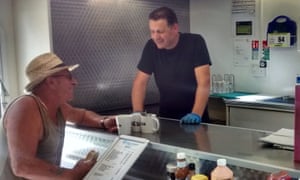
Carlsburger’s Carl Johnson with a customer.


Carlsburger’s Carl Johnson with a customer. Photograph: Patrick Barkham

Darren is not overweight: how does he keep slim? “I miss my lunch and go through to tea,” he says.


“I hope you’ve noticed the eggs have gone on without any fat,” says Johnson as he cooks Darren’s lunch. “We never fry, we never put any extra fat on, we lightly butter the rolls. My brother is a personal trainer, so I’m keen to keep as healthy as possible.”


After Darren, however, the next customer is served a special cheese, onion, tomato and lettuce roll – a healthier item not currently listed on Carlsburger’s hot menu.


“I had a heart scare four weeks ago, I’ve got three blocked arteries and I’m waiting for an operation, so I’ve had to change my diet,” says Colin Thorogood. “The surgeons are trying to mend me so the least I can do is meet them halfway.”


Like many other HGV drivers, Darren’s beef is not with good-value roadside cafes such as Carlsburger, but with overpriced motorway service areas.


Related: A mirror vision of industrial failure – the UK lorry trade | Polly Toynbee


“There’s probably not enough choice at the moment,” says Chris Rampley of the Road Haulage Association. “The majority of the big three – Moto, RoadChef and Welcome Break – tend to have franchise deals so you’ve got your McDonald’s, Burger King, fast-food outlets. Some drivers like that but the choice is not as great as it could be.”


Haulier Eddie Stobart provides its drivers with subsidised cafes in many of its 50 depots across the country. “You can have your bacon-and-egg sandwiches but there’s a range of healthier options – salads and omelettes,” says Eddie Stobart spokesperson James Andrew. “My favourite is the tomato and mushroom omelette.”


The RAC research follows a report by the travel watchdog Transport Focus which found that the basic needs of truck drivers are not being met, in terms of healthy food and a lack of HGV parking and toilets. The group is calling for the government and Highways England to improve roadside facilities, particularly on A roads.


“Generally, there isn’t any choice,” says Darren. “If you go down to the service station, you end up spending a fortune. We want quick food and these [roadside vans] are ideal for us.”


Why truck drivers are sick of ‘chips with everything’

21 Temmuz 2014 Pazartesi

ACT could take into account legalising health-related marijuana for terminally sick

Terminally ill Canberra residents will be allowed to use marijuana to ease their soreness if a proposal by the ACT Greens is adopted.


Shane Rattenbury, a member of the ACT legislative assembly, has launched draft legislation and a discussion paper for legalising medical cannabis.


But he will need support from both the Labor government or the Liberal opposition to get it via the territory’s legislature.


Rattenbury is hoping neighborhood feedback over the subsequent couple of months will assist sway the significant events.


“This is an situation that can invite a knee-jerk response,” he stated. However, he explained he was keen to have a wise debate on the issue.


Under the proposal, the drug could be employed by residents who are anticipated to die inside of a 12 months, individuals with chronic illnesses this kind of as cancer or Aids, and people whose medical doctors say cannabis could mitigate signs of continuing medical conditions.


Any individual wanting to use the drug would have to get a health care declaration from their medical professional and apply for a one particular-yr utilization allow from the chief wellness officer.


The health officer would also issue permits to allow people to expand little quantities of cannabis for their individual use.


People convicted of a drug offence within five many years could not apply.


The scheme is related to one particular proposed by a NSW parliamentary committee in 2013 and does not set up any method for marketing the drug or government top quality control.


Rattenbury is taking suggestions on his proposal right up until 15 September and is assured the Canberra neighborhood will help the scheme out of compassion for the sick.


“Let’s pass this legislation for the advantage of people who do have a terminal sickness or suffer from chronic discomfort,” he stated.


Rattenbury is a minister with the minority Labor government but is proposing to introduce the bill as a private member.


ACT could take into account legalising health-related marijuana for terminally sick

18 Temmuz 2014 Cuma

Will Immigrants Make You Sick?

The existing immigration “problem” has received people fired up. Protesters are yelling at buses total of American little ones, accusing undocumented little one immigrants of every imaginable unwell deed, from stealing jobs to utilizing scarce resources to spreading disease.


The very first two can be argued, the final not so much. Travelers from abroad can deliver in some unpleasant illnesses whether or not they are immigrants. The actual threat is has been mendaciously bantered about   by some politicians.


Two variables have previously lowered borders that after held back the spread of some infections: fast international travel and trade, and climate modify. Global travel helped spread the HIV virus, and trade brought West Nile virus to the U.S.. Trade can also spread foods-borne illnesses like infectious diarrhea, but so can domestic food items. Few would argue that travel and trade should be eliminated as a approach of ailment control, though we can surely build precautions primarily based on expertise.  Climate change is assisting nasty illnesses such as Dengue Fever and Chikengunya make their way into the U.S., and other than closing the borders fully it’s not clear to me how halting immigrant young children at the border assists mitigate the danger.


Immigration Rally

Immigration Rally (Photograph credit: Boss Tweed)


Screening immigrants for vaccine-preventable illnesses is a very good policy and enables for vaccination for vulnerable folks, nevertheless many recent outbreaks of conditions like measles and mumps have been imported by Americans traveling abroad and returning to communities with poor vaccination prices. Vaccination of Americans is a priority for each domestic and imported hazards.


Dr. Marc Siegel’s piece on the Fox Information web site is typical of the hyperbolic and frankly incorrect, ignorant, and inflammatory rhetoric from the appropriate. He harkens back to the early 20th century when immigrants in which excluded from the country for healthcare reasons. No doubt many of these have been very good options, but condition was an excuse typically utilised by nativists and eugenicists to exclude ethnic groups they disliked. The Johnson Immigration Act of 1924 leveled fines against steamship lines that permitted in


any alien afflicted with idiocy, insanity, imbecility, feeble-mindedness, epilepsy, constitutional psychopathic inferiority, chronic alcoholism, tuberculosis in any form, or a loathsome or hazardous contagious disease.


That is pretty broad and open to a whole lot of subjective judgement.


Siegel calls out some specific ailments he thinks Central American immigrant kids are importing. Scabies is an unpleasant skin condition caused by modest mites that burrow into the skin. It’s relatively common in the US, especially amid people living in crowded and un-hygeinic circumstances, but it is not confined to any specific socio-financial class. It needs prolonged skin-to-skin speak to for transmission, but can also be transmitted from inanimate objects. The mites can only live for a few days off the entire body, so object-to-person transmission (“fomites”) is not quite productive.


131524-mapHe also calls out drug-resistant tuberculosis. This hazardous ailment is thankfully even now reasonably rare in the US. Imported circumstances are a concern, but Central America is not a hotbed of T B.


Scabies and TB are most efficiently spread in crowded problems, like those immigrants are held in if not sent out into the general population. Retaining immigrants confined increases the threat of these diseases.


Siegal also mentions a few vanishingly unusual illnesses this kind of as Hansen’s Illness (leprosy), one more not-simply spread infection.


Ignorant and/or mendacious accusations like these inflame fears and hatred but do small to assist stop the spread of infectious illnesses.  Most of these illnesses are social, not individual problems and require social solutions. One particular of these is to fully shut our borders to immigration, travel and trade. Because this is insane, a far better policy is to screen recent immigrants for important contagious conditions and see that they get vaccinations and appropriate treatment method, which includes, if needed, isolation from crowded centers. Educating and vaccinating our very own men and women is also vital.


Condition is a lousy excuse for excluding total lessons of folks coming into the US and fanning those flames basically incites worry and hatred.


Will Immigrants Make You Sick?