having etiketine sahip kayıtlar gösteriliyor. Tüm kayıtları göster

10 Nisan 2017 Pazartesi

My teenage cousin is having a crisis, but her mother won’t get her the help she needs

My cousin is 16, and apparently going through a crisis. She hates college, skips classes and has spoken to my grandmother often of hating her life and not enjoying anything any more. My grandmother is in bits about this and has tried to talk to my cousin’s mother, her daughter, about getting her some help. However, my aunt’s response has been, “She’s not going to turn out mental like the rest of you people.” (Other members of the family, including me and my grandmother, have had mental health problems.)


My cousin enjoys watching videos and playing video games, but her parents have banned them and see them as an example of her laziness. She is not sleeping either, so her constant exhaustion is taken as yet more evidence of laziness.


What terrifies me is that this is what my mother did to me, and I can only see it getting worse. When I began self-harming in my teens, my mum also banned me from my one hobby, screamed at me when I had a panic attack and slapped me when she found out I had self-harmed.


I had problems with substance abuse and dropped out of school. I moved away from home as soon as I could.


I am now in my mid-20s, and not close to anyone in my family apart from my grandmother. I have now moved somewhere else and, although I don’t see my parents, I am in contact with them. I haven’t seen my cousin for a few years and have no contact details for her. Anyway, I am not sure how, “Hi, I know we haven’t spoken in years but you remind me of me” would go down. I am trying to help my grandmother find a way to talk to my aunt in a manner that won’t enrage her, but my grandmother is a very non-confrontational person and, as much as she is trying to help my cousin, having to confront my aunt has only resulted in my grandmother being screamed at and threatened with losing contact with her grandchild.


I don’t know how to help my grandmother or my cousin, but I feel as if I have to do something, or history may repeat itself.


That you have come so far from a very toxic and unsupportive environment is incredible and a real credit to your strength of character.


It is great that you are so caring about your cousin and grandmother, but I think there is a lot of over-identifying going on. Your cousin doesn’t sound as if she is in a great place, but the facts pertaining to her were thin. The rest of your letter was about your experiences within the family and your fears of what might happen. I am not trying to minimise how you feel, or what is happening in the slightest – but the key is to separate the different strands so you can work on the right bits at the right time.


I consulted Stuart Hannah, a child and adolescent psychotherapist (childpsychotherapy.org.uk), who said: “The news about your cousin is filtered through your grandmother, via her daughter [your aunt].”


News filtered through people who have their own agenda or narratives can get distorted and then there is less likelihood of anyone getting the help and support that is right for them.


I disagree that it is not worth contacting your cousin: I think you should get in touch. Sure, if you go in there with “you remind me of me” that may not be conducive to further communication. But if you make a different sort of contact, more of a general “hi”, and see what happens, that may be really helpful to her in time (don’t expect miracles straight away). After all, you are not that much older than her, a mere decade, and you share a grandmother. There should be lots of other things to talk about so she feels she has someone to talk to if she feels like it – so it’s about her agenda, not anyone else’s.


It sounds as if you have a lot of issues you haven’t dealt with yourself and I wonder if you have some support (apart from your grandmother). If you do, you could come at this situation with less of your own baggage and would be better able to support your grandmother.


I don’t know what the conversations with your grandmother are like, but Hannah counsels: “How can you offer [your grandmother] something different? Something that isn’t judgmental or blaming [that she seems to get from her daughter]. You can listen from a neutral place. Don’t go down the slagging-off route [if you do], and suspend judgment of family members. If you can hear your grandmother’s experience, that may in turn help her listen to her daughter.”


Being empathic is great – however, if we over-identify with a situation (and both you and your grandmother might be), then the danger is, when we hear about something similar we can start to overlay our own experiences on to this new situation. This stops us seeing what is really going, and it imbues everything with extra emotion.


I think, given everything you have said, there is an element of trying to save your younger self, and that’s laudable, but there is a limit to how much you can do. You may also find this website helpful:


Youngminds.org.uk


Your problems solved


Contact Annalisa Barbieri, The Guardian, Kings Place, 90 York Way, London N1 9GU, or email annalisa.barbieri@mac.com. Annalisa regrets she cannot enter into personal correspondence.


Follow Annalisa on Twitter @AnnalisaB


My teenage cousin is having a crisis, but her mother won’t get her the help she needs

5 Nisan 2017 Çarşamba

12 Signs You Are Having an Allergic Reaction

Unlike getting the flu or a cold, allergy symptoms aren’t the same across the board. Depending on the type of allergy you have and how severe it is, your reaction could be completely different than another person’s. However, there are many things you can look out for that could signal an allergic reaction. Recognizing these signs could help stop a potentially life-threatening situation in its tracks.


One sign of an allergic reaction is hives. Raised, itchy, and often red bumps may pop up on your skin if you consume or come into contact with an allergen. This happens because your body releases histamine, a chemical that irritates your skin and causes the hives. These raised red patches or itchy bumps aren’t always the result of allergies. Extreme temperatures or stress can also cause hives, so be sure to consult with an allergist.


RELATED: 20 Sneaky Spots Where Allergy Triggers Hide


Watery, itchy eyes are common eye symptoms in people who have pet dander or pollen allergies, since the airborne particles can get into your eye area and irritate it. Sneezing and an itchy throat can also be caused by airborne allergens as well as foods. Sometimes, oral medications can help combat these symptoms.


RELATED: 9 Things You Need to Know About Allergy Shots


More serious signs you’re having an allergic reaction include a swollen tongue and/or lips, face swelling, or anaphylactic shock. This severe, multi-system reaction can include swelling of the mouth and airways, hives, vomiting, and trouble breathing. Contact 911 and use a medication like an Epi-Pen, which contains epinephrine (if you have one).


12 Signs You Are Having an Allergic Reaction

24 Mart 2017 Cuma

Beyond Gluten Free – Still having digestive problems and migraines?

For those of you who’ve been diagnosed with Celiac Disease, you’re inundated with a wide variety of packaged gluten free food products in the grocery stores. Initially, this sounds like a good idea. But when you look a bit closer, you realize that the vast majority of these products are loaded with bad ingredients.


Various studies have been done that have found significant numbers of people continue to have digestive and other Celiac symptoms even after they’ve switched to the standard gluten free diet.


  • Varying Sensitivity


The exact sensitivity to gluten varies, with some people being triggered with as little as 3 parts per million (ppm), which is much lower than the 20 ppm the FDA standards set as the limit to label a product Gluten Free. Because of this, many of you will still be getting gluten in your diet.


  • Other Food Allergies and Sensitivities


Many people are sensitive, allergic or unable to properly digest a variety of other common foods. These will also cause many of the same or related symptoms. Some of them include:


» Cereal grains (oats, corn, rice, etc.)


» Soy (oil, flour, food additives made from soy, etc.)


» Processed vegetable oils (canola, safflower, sunflower, corn, soy, etc.)


» Sugar (all processed forms)


» Dairy


  • Thyroid Disorders


Celiac sufferers also have a much higher rate of thyroid problems. These can be much harder to diagnose and to treat. The key to solve these issues, once you’ve tried to resolve your problems with a variety of diet changes, is to find a doctor or practitioner that actually has experience successfully treating these conditions. This is actually much harder to treat than you’d expect. Very few doctors know how to do anything other than the old fashioned thyroid treatments, such as killing the thyroid and putting you on medication the rest of your life. They just don’t know anything about the more extreme diet changes that are needed to put these kinds of issues into remission. The Functional Medicine field is starting to gain more traction in spreading the word about the successful protocols they’re creating and customizing for patients.


  • Other Triggering Substances


The vast majority of food additives come with varying degrees of side effects. Since the sheer number of food additives makes it virtually impossible to test them individually to see which of them causes you the worst problems, it really is wise to simply eliminate them all. This may seem daunting, but there are a number of food plans available that do a very good job of eliminating these toxins. The Paleo diet is an example. If you make a point of avoiding buying all the packaged foods that are becoming more popular for Paleo (and any other food plan), and stick to making your own food, these can go a very long way to setting you on the right path.


Almost all of the 3,000 + food additives have side effects of varying degrees, so when you have any sort of health problem, it just makes sense to remove them from your diet. Most of these additives are highly processed, and derived from unnatural ingredients, or ingredients that have been so highly processed and stripped and chemically manipulated, that they don’t behave in the body like normal food. The sheer volume of information out there on how bad some of these substances are for humans, and the fact that nothing is done to remove these substances from the food supply, raises a red flag about the entire industry. Though the main stream media does not cover this topic, it doesn’t change the fact that the evidence is overwhelming, when you look for it, and that these substances are bad for us.


The Functional Medicine field is also starting to really gain some momentum in documenting success with patients via diet changes. These diet changes involve cleaning up the diet, getting the toxins out, and then customizing a diet plan just for you. For those who are eating a gluten free diet, this field of medicine can really help root out some hidden gluten, as well as knowing the other substances that are common, and not so common, that need to be removed from your diet. Some of them have the experience on how to fine tune what should be added, and how to customize a treatment plan for the stubborn cases where you just can’t find all the problems yourself.


When you first start eating Gluten Free, or make any other major diet change, it does take a bit of an adjustment to get used to planning out what to eat. At first it can seem very daunting. But with practice, it does become much easier, and will eventually become second nature. I’ve been eating a restricted diet for over 15 years, and it truly has become automatic. I’m an avid label reader, but even that has become automatic; I just look at the label, and know if it has bad food additives in it.


It can be easier, when you start, to create a menu for yourself. Then, once you’ve got a list of recipes you know are gluten free, you can build your shopping list from that. That way you’re not wandering around the grocery store trying to figure out what’s for dinner; that’s where it becomes overwhelming. This can work whether you create an entire weeks worth of recipes, or just a couple of days at a time. If you know you’re going to have days you’re not prepared for, then preplan out a couple of fallback recipes. You can either make sure you always have those ingredients on hand, or keep a couple recipe cards in your purse or wallet. Then you know you’ll have something good to eat, even if you didn’t have time to properly plan.


My favorite fallback recipe is chicken soup. I just throw in a whole chicken, water, salt, pepper and whatever vegetables I have on hand. Since it actually contains a chicken, I don’t even need flavoring (which is a No-No when trying to clean up your diet). The “power” flavor vegetables for chicken soup are fresh onions, fresh garlic, and fresh celery. Then throw in whatever other fresh veggies you want, and your favorite fresh herbs. You can either freeze the soup to eat later, or if you like to eat the same thing for a few days, then keep it in the fridge.


As you build the new habits, and start to make progress on your digestive issues, it really does motivate you to stick to it. And don’t worry too much if you make a slip up. Take it as a lesson learned, and remind yourself later on, when you want to do it again, how bad you felt. Use it as a motivator to find some other recipes for things you like, that don’t make you feel bad.


We often get in the routine of buying our groceries at the same places. Adding some new places to buy from, and different kinds of places that you may not have normally thought of, can help bring some variety to your diet. When you’re on a restrictive diet, it can sometimes feel like there’s nothing left to eat. Bringing in some new flavors, and new foods, can help overcome this feeling. If you ask the clerks in these new stores, especially the smaller ones, you’ll be pleasantly surprised that many will know a lot about special diets.


Taking control of your health can seem like a big task at first. I’d suggest just getting started, with the goal of making progress. There won’t likely be instant success. Sometimes it can take a while to figure out what you need to cut out. Every person is different, every person is unique.


Start by making yourself a plan, and know that the plan is not set in stone. It will be a moving plan, with changing goals, and shifting priorities. Try to avoid letting people tell you there is only one path, one solution. Some of the diet plans out there, especially those really heavy into the promotion of their plan, and their products, will try to sell you on their “magic,” one size fits all solution, or their magic powder, or magic pills. There is no magic solution. It’s a plan you will build, and mold, and shape, in the years to come.


I’d like you to know that you’re not alone. There are a lot of us out there who’ve cleared the path for you, and can help you on your food journey, on your recovery journey.


Further Details to Help You Build New Habits – from Thora Toft’s Site – Feast for Freedom


Gluten Free “Eat Real” Quick Start Guide with Membership – FREE
https://feast-for-freedom.com


Changing Habits for Transformation – Article
https://feast-for-freedom.com/plan/grocery/item/37-change-routine/57-changing-habits-for-transformation


Finding New Places to Buy Food – Article
https://feast-for-freedom.com/plan/grocery/item/36-find-stores/51-finding-new-places-to-buy-food


Research and Sources


Do You Still Have Symptoms, Even Though You’re Gluten-Free?


I’m Eating Gluten-Free, But I Still Have Symptoms. What’s Going On?


Dr. Tom O’Bryan – information about autoimmune diseases and gluten-related disorders


New Glutens Discovered to be Harmful To Health


Gluten Sensitivity Genes and the Flaws of Lab Testing


Leaky Gut & Gluten Interview – with Karen Brimeyer & Dr. Peter Osborne


Dr. Izabella Wentz, Pharm. D.


Gut Microbiota for Health


Data gaps in toxicity testing of chemicals allowed in food in the United States


Food Forensics – The Hidden Toxins Lurking in Your Food and How You Can Avoid Them for Lifelong Health


The #1 Reason You Must Read Ingredient Lists: The FDA Admits They Can’t Do Their Job


Toxic Chemicals Deemed Safe Due to ‘Chemical Safety’ Loopholes


Thora Toft on Email

Thora Toft

Thora shares her insights on eating gluten free while also eating “Real” via her website – Feast for Freedom. Thora has overcome chronic migraines and digestive problems by eating gluten free and removing all the toxic chemicals that have invaded the modern food supply. She combines her lifetime love of cooking with the concept of eating real, clean food. Get the FREE “Gluten Free Eat Real Quick Start Guide”.


Beyond Gluten Free – Still having digestive problems and migraines?

10 Mart 2017 Cuma

A moment that changed me: having an abortion, aged 17 | Tiff Stevenson

It was 12.30pm on a Wednesday when it happened. I won’t forget it … ever. It wasn’t quite spring. Rainy and gloomy outside. I’m in my surgical gown waiting in the ward. I see a girl I recognise from a local shop, I go to say hello and then realise the abortion clinic probably isn’t the best place for a catch-up: “How you doing? Is it a boy or a girl you are not having?”


Most of the women there don’t look pregnant apart from one; I keep trying to catch her eye so I can smile at her. The nurse comes to collect me; they put me on a gurney and wheel me to the anaesthetist. Lying on my back shivering, I’m not sure if it’s cold or pure dread. The anaesthetist comes over and asks: “Ready?” Just one word. And I cry and cry and cry. Streams of tears, more shivering. The anaesthetist looks at the nurse confused. “What’s wrong with her?”


What’s wrong? This is not how it’s supposed to go down. I’m 17. I already have a blip on the radar … a bump in the road, if you excuse the pun. My life isn’t perfect, but idiotically at 17 I think it will be. The nurse says: “She’s just not sure if it’s the right thing to do.” I’m about to do the scariest thing I’ve ever done. The last thing I see is the nurse’s sympathetic eyes. Next thing I know I’m in recovery, from the first operation I’ve ever had. They call it a vacuum aspiration although there is nothing aspirational about it.


I wake up again, back on the ward. I feel no pain. I don’t know if that’s better or worse. He is sitting on the end of the bed. Crying. Ah, so there will be pain, just not the physical kind. “Why did you kill our baby?” He says those words to a young girl who is not much more than a baby herself. The same girl that he screamed at when she told him she was pregnant and said it wasn’t his problem. He was such a catch at the time, what with his job as a pizza-delivery boy.


When I get home, Mum makes me tea and gives me a hot-water bottle. I crawl into my bed. I had gone into that clinic a girl, but became a woman when I left. Not in the way I would have wanted, not by some beautiful moment of transcendental awareness, but in the most cold and brutal way. I had walked in there with the potential for life inside me, but one that would have almost certainly destroyed mine.


Up until that day I thought that if you wanted something enough it would just happen. I had been in love with this boy since I was 13 years old. He was charming, exotic … well, Spanish, popular, and I knew one day he would be mine. He was the best-looking guy in my satellite town. We started going out when I was 15, it was instant love. The emotional Armageddon of first love.


I found out I was pregnant in the toilet cubicle at work. My friend thought she was pregnant and bought some tests. I took one almost as a joke, never expecting it to be positive. I felt no joy in that moment. Two years in, our relationship was in dire straits. I had to tell my mum, knowing she would be angry and think I was an idiot, even though I was on the pill and I was just very unlucky or very fertile. I couldn’t tell Dad, if I wanted my boyfriend to get out of it alive.


I carried the burden of it all, from paying for my abortion, to driving myself there, to the sweat-drenched nightmares after. He carried on as usual, and with other women. I would dream about her … my child. I dreamed I had a girl: I would take her to the park and push her on a swing. Another dream had us sitting in the kitchen where I would plait her curly brown hair, just like his.


She would be 21 years old now, and I try to imagine what our life would be like. Her father went to prison six months after my termination. I certainly wouldn’t be an actor and stand-up comic. I imagine I’d be surviving on meagre benefits in a tower block, most likely stoned and angry at a world that robbed me of opportunity at the age of 17. Taking my little girl to visit her father in prison. What hope for that child? What a way to bring someone into the world.


I was lucky I had a choice, that’s why I feel so strongly about reproductive rights, because I wouldn’t be here now without them. It has become a strong theme in my stand-up. In 2011 I did an Edinburgh show in which I talked a little bit about this. My dad came along and I had to flag up that there might be a section of the show that would upset him. Afterwards he told me that I was excellent and very brave; I still don’t know if he meant doing stand-up or the operation itself.


I get furious at the suggestion that abortion is somehow this flippant decision, like deciding whether or not to buy a new pair of shoes. I hate it when people suggest that mothers are better people, more responsible, invested and loving than women without children. The decision to not have a child is just as hard and responsible, if you know you aren’t in a position to give that child what it needs.


Women in Ireland are still being denied that choice. It breaks my heart to think there are women like the 17-year-old me: women who are frightened and getting on a plane with no one to hold their hand because they have to go to another country; judged because if a woman books a last-minute trip to Britain, chances are people will guess why she is going; some of them pregnant as a result of rape or incest; some of them risking their own lives if they continue with a pregnancy; some just like me, making a choice, wanting autonomy over their own bodies. If they manage to get an illegal abortion in Ireland they could face up to 14 years in prison: 14 years for the temerity of choice.


I’m proud of the 17-year-old me. I know I made the right decision, even if it was hard. All women should have that choice: let there be no more unwanted children. If I do ever have a daughter, I will stand by her right to choose too, and I’ll hope to have all the necessary tools to support her, no matter what she does.


Tiff Stevenson is on tour with the show Seven. She will be hosting a Stand Up for Choice gig on 28 March at London Irish Centre


A moment that changed me: having an abortion, aged 17 | Tiff Stevenson

30 Ocak 2017 Pazartesi

Why are GPs having to beg for appointments to get their patients treated in hospitals?

Ever wondered why it sometimes takes ages for you to have an ailment treated? Mavis is wondering. She has been waiting for weeks to have an infected scar checked, after the removal of a cancer, but was referred back to the wrong hospital much too late, even though her GP had begged for an appointment asap. And Rosemary’s GP asked for investigations into a worrying ailment last April, but her request was returned twice, with a demand for more information, but no explanation about exactly what information, confusing and enraging the poor GP.


Could these hold-ups be caused by third-party scrutiny by a clinical commissioning group (CCG)? Your GPs or consultants can’t just refer you for surgery themselves any more. They must first beg a CCG for your procedure, explaining why you, in particular, need treatment, especially if it’s some minor thing, no longer routinely NHS funded: a knee/hip replacement, hernia, varicose veins, cataracts, or a chalzion cyst on your eyelid, because after all you won’t die without treatment, even if your cyst is like a big boil, eye “out like you’ve done a couple of rounds with Mike Tyson”, as one man put it on Radio 4’s Inside Health, even if you can barely see, and it hurts. You’ll live. So the CCG (32% privately run) may say no, or send you somewhere for a “holding test”, or back to outpatients, or ask more questions, which all often costs more than the procedure would have done if they had just got on with it straight away.


This is all getting a bit scary now that my peers and I are going physically down the pan. If the CCG’s weren’t that fussed about Rosemary’s worrying mystery ailment and Mavis’ cancer, what hope for hips or eyelids? We’ll have to all limp around blindly and in horrible discomfort until we are nearly dead. And I have rather worrying pains in my hips. Should I join the replacements queue now? It is rather long already. I have a friend who has been in it for months, after years of waiting for permission to see the consultant who could tell him he ought to be on it. Is there even a queue to join any more?


Why are GPs having to beg for appointments to get their patients treated in hospitals?

17 Ocak 2017 Salı

The sad truth about having a baby: ‘cattle’ care is now the norm | Milli Hill

It’s the most important, meaningful and – for many – anxiety-provoking day of your life. You’re going to experience the rare privilege of being at the centre of the action as a new life begins. Added to this, you may well be naked and somewhat indisposed. Who would you choose to be with you? Someone you know and trust? Or a total stranger? It’s a no-brainer, isn’t it?


And yet a report published today by the National Federation of Women’s Institutes (NFWI) and childbirth charity the NCT has shown, yet again, that this most obvious of human needs is simply not being met for women. Rather than being accompanied by a familiar and trusted figure, most women (88%) surveyed did not know their midwife when they went into labour or gave birth. Of these women, 12% said this made them feel alone and vulnerable, and 6% said they felt unsafe. Comments were made comparing treatment to that of cattle, and like being on a conveyor belt.


One solution women could opt for – an independent midwife –has also just been removed


The report also highlights that as many as 50% of women are experiencing so-called “red flag events” in their labour – situations which are seen as warning signs of understaffing, such as women having to wait more than 30 minutes for pain relief, or more than an hour to receive the stitches they need.


Midwife shortages have long been highlighted; the last estimate by the Royal College of Midwives in 2016 suggested that 3,500 more were needed to meet the rising birth rate. And the impact of shortages reaches far beyond red flag events. The effect of not being able to establish a relationship with your midwife begins long before you are in stirrups waiting for stitches: research has shown, for example, that women who know their midwife are 24% less likely to experience pre-term birth, and are 16% less likely to lose their baby during the pregnancy.


Knowing your midwife also means you are more likely to have a vaginal birth, and less likely to experience interventions such as forceps or episiotomy. And women who experience continuity of care repeatedly report higher levels of satisfaction, an increased sense of agency and control, and more positive birth experiences. After the birth, as the NFWI/NCT report highlights, almost one in five women are not seeing a midwife as often as they need to, let alone one with whom they have a relationship. This is a vital yet neglected time for maternal mental health.


We know this – all of this – and have done for some time. We know that relationship-based care is better for women, and we know that we need many more midwives to raise services up to this standard. We also know that this is what midwives themselves want, with many feeling burnt out by a system that – as one person who had left after 30 years in the NHS anonymously told me – demands that they are “with computer”, rather than, “with women”.


Indeed, the recent Maternity Review highlighted “continuity of carer” as one of the key priorities in improving birth. And yet, in the current system, it seems to be harder and harder to come by. Women who I meet via my organisation, the Positive Birth Movement, often report fragmented care experiences in which they have to repeat their histories to each new midwife, a situation which is at best frustrating, and at worst dangerous. Getting the birth you want in the setting you wish for can also be a tough battle: home births can be denied due to lack of staff, midwife-led units closed or full, and higher-risk women such as those with twins or breech babies left feeling they have limited options in a system that is over-stretched and depersonalised.


One solution women could opt for, and which I chose for my own second and third births, has also just been removed: the option of an independent midwife. These self-employed midwives with huge expertise in normal birth, can – for a fee – attend you personally at every step of your pregnancy, birth and postnatally, in your own home. However, this week the Nursing and Midwifery Council has ruled that their insurance arrangements are insufficient and has effectively shut them down overnight, with many of their clients being left without a midwife. The charity Birthrights has said that the decision “directly jeopardises the health and safety of the women it (the NMC) is supposed to safeguard”.


NHS England has today offered assurance that the Better Births initiative, now being rolled out in pilot schemes following the recommendations of the Maternity Review, will provide women with “access to a small team of midwives for continuity throughout pregnancy, birth and postnatally”. We can live in hope, but right now, this level of care – which both women and midwives want and deserve – seems a long way off, and conveyor-belt care, or worse still, being treated like cattle, is more likely.


The sad truth about having a baby: ‘cattle’ care is now the norm | Milli Hill

11 Ocak 2017 Çarşamba

Child "sugar scourge": thousands having teeth removed in hospital

More than 40,000 children and young people a year are having rotten teeth removed in hospital in further evidence of what doctors call the “costly scourge of sugar”.


New NHS figures obtained by the Local Government Association (LGA) show that 40,800 under-18s in England had at least one tooth taken out last year under general anaesthetic because of decay. Performing the procedures cost £35.6m.


The children involved had such advanced decay that they could not be treated by a dentist and had to go to hospital instead. NHS surgeons carried out 161 such operations each working day.


“These figures are a stark reminder of the damage excessive sugar consumption is doing to our children’s teeth,” said councillor Izzi Seccombe, chair of the LGA’s community wellbeing board.


“It is deeply worrying that the type of dental treatment required is beyond the capacity of a local dentist, due to the severity of the tooth decay, and as a result has to be done in hospital,” she added.


The 161 operations a day should serve as “a wake-up call” to ministers to introduce tougher curbs on sugar, not just the planned levy on sugary soft drinks, said Prof Nigel Hunt, the dean of the faculty of dental surgery at the Royal College of Surgeons.


“The awful impact sugar is having on our children’s teeth is brutally evident in the number of under-18s we are seeing daily that need more than one tooth extracted due to tooth decay. It is shameful that a problem which is 90% preventable continues to plague our children in this way,” Hunt said.


“Having teeth removed can be very traumatising for children and requires time away from school for them, as well as time away from work for their parents.


“The government’s sugar tax will go some way to cutting sugar consumption that leads to tooth decay, but it also needs to support public health campaigns that remind parents of good oral health,” Hunt added.


The LGA, which represents councils in England and Wales, wants ministers to let it help decide how proceeds from the sugar tax should be spent.


Child "sugar scourge": thousands having teeth removed in hospital

11 Aralık 2016 Pazar

"I felt pushed away": Beth Grant on having to move 380 miles for anorexia treatment

Beth Grant, 25, has been receiving treatment for anorexia on and off since she was 13, including five months in a hospital in Glasgow earlier this year, 380 miles from her home in Hertfordshire.


I was 13 when I was first diagnosed with anorexia. I didn’t have my first stay in hospital until I was in my 20s. Before that I received outpatient treatment, first through children’s and late adults mental health services. I was discharged when I went to university aged 21.


I got support while at university from the university’s counselling services, though I gradually declined while on my course. During the last month of my third year in 2015, I was admitted to the Priory hospital in Chelmsford, Essex, about 45 minutes from my family home near St Albans in Hertfordshire. It was a great place. As you progressed you got more freedoms, for example unsupervised snacks and home visits if you managed to get your Body Mass Index up to 15. That gave many of us something to aim for.


I left having regained a suitable amount of weight but was still not completely healthy. Then in February this year I relapsed after a family bereavement. I was told I couldn’t go back to Chelmsford. It’s my understanding that there are just over 300 beds in the country and there are thousands of people who need help. Chelmsford only has 12-14 beds, was small, intimate and a nice group of people.


I was told that the only place available was in Glasgow, 380 miles and a six-hour drive from my home. I resisted the move at first because I really didn’t want to be that far from home. My family were similarly concerned. The problem was that I needed more help than my parents could offer. I was worried that if I lost any more weight I would end up on a medical ward. I didn’t want to leave, but I felt I had no choice.


My parents were so incensed that I had to go so far away that they refused to drive me up. So the NHS decided to transport me by taxi, which must have cost them over £1,000. After that I didn’t see my family for five weeks. My mum was going through treatment for breast cancer at the time so found it hard to come up. I stayed in Glasgow for the next five months but saw my mum a total of four times.


I felt let down. I felt I had been sent away originally just so people could get rid of me, like I was being pushed aside. During my time in Glasgow, no friends came up to visit. I know it sounds silly, but I felt ashamed about being in an inpatient unit and I didn’t want to tell too many people. The nurses were for the most part OK. Some clearly cared more than others, though they could be dismissive at times and sometimes they would simply ignore you. Staff weren’t as hands-on as they should have been and some of my friends were left for five hours during the day without being checked on. But the daily group programmes were very helpful, such as ‘nutritional education’ and ‘understanding your eating disorder’.


In June this year, I was eventually transferred because I was so homesick and depressed. Knowing I was so ill didn’t help as I blamed myself and believed that I deserved to continue to feel that bad. It felt even worse not to be near my mum and unable to physically support her while she was going through radiotherapy as well. I wasn’t putting on weight and it was decided that it would be better for me to be treated closer to home.


Having an eating disorder is extremely isolating; as a normally sociable person it feels like torture. Being so far from home just made it worse. I absolutely love food so for me anorexia is more of a self-punishment. I was bullied from a young age and withholding food became a way of controlling something in my life. I didn’t deserve food. I am also extremely driven, which is maybe linked to it somehow, although it holds me back.


I’ve been an inpatient at one other place since then, in Ealing in west London, which is not too far from my home. The very strict regime there meant I put on weight, but my mental health was no better. I left two weeks ago. I didn’t want to have to stay there over Christmas and I didn’t like the unbelievably strict, inflexible guidelines. I’m now in treatment through my old outpatient team and see a counsellor twice a week, a dietician and a social worker. Constant support is really important and having someone to talk to, or simply to sit with and be near when you don’t want to be alone, is what you need most when you are this unwell.”


"I felt pushed away": Beth Grant on having to move 380 miles for anorexia treatment

25 Kasım 2016 Cuma

How do women really know if they are having an orgasm?

In the nascent field of orgasm research, much of the data relies on subjects self-reporting, and in men, there’s some pretty clear physiological feedback in the form of ejaculation.


But how do women know for sure if they are climaxing? What if the sensation they have associated with climax is actually one of the the early foothills of arousal? And how does a woman know when if she has had an orgasm?


Neuroscientist Dr Nicole Prause set out to answer these questions by studying orgasms in her private laboratory. Through better understanding of what happens in the body and the brain during arousal and orgasm, she hopes to develop devices that can increase sex drive without the need for drugs.


Understanding orgasm begins with a butt plug. Prause uses the pressure-sensitive anal gauge to detect the contractions typically associated with orgasm in both men and women. Combined with EEG, which measures brain activity, this allows for a more accurate picture of a woman’s arousal and orgasm.


Nicole Prause has founded Liberos to study brain stimulation and desire


Dr Nicole Prause has founded Liberos to study brain stimulation and desire. Photograph: Olivia Solon

When Prause began studying women in this way she noticed something surprising. “Many of the women who reported having an orgasm were not having any of the physical signs – the contractions – of an orgasm.”


It’s not clear why that is, but it is clear that we don’t know an awful lot about orgasms and sexuality. “We don’t think they are faking,” she said. “My sense is that some women don’t know what an orgasm is. There are lots of pleasure peaks that happen during intercourse. If you haven’t had contractions you may not know there’s something different.”


Research could lead ​to a device put on before intercourse to increase responsiveness to sexual stimuli


Prause, an ultramarathon runner and keen motorcyclist in her free time, started her career at the Kinsey Institute in Indiana, where she was awarded a doctorate in 2007. Studying the sexual effects of a menopause drug, she first became aware of the prejudice against the scientific study of sexuality in the US.


When her high-profile research examining porn “addiction” found the condition didn’t fit the same neurological patterns as nicotine, cocaine or gambling, it was an unpopular conclusion among people who believe they do have a porn addiction.


The evolution of design of the anal pressure gauge used in Nicole Prause’s lab to detect orgasmic contractions


The evolution of design of the anal pressure gauge used in Nicole Prause’s lab to detect orgasmic contractions. Photograph: Olivia Solon

“People started posting stories online that I had falsified my data and I received all kinds of sexist attacks,” she said. Soon anonymous emails of complaint were turning up at the office of the president of UCLA, where she worked from 2012 to 2014, demanding that Prause be fired.


Does orgasm benefit mental health?


Prause pushed on with her research, but repeatedly came up against challenges when seeking approval for studies involving orgasms. “I tried to do a study of orgasms while at UCLA to pilot a depression intervention. UCLA rejected it after a seven-month review,” she said. The ethics board told her that to proceed, she would need to remove the orgasm component – rendering the study pointless.


Undeterred, Prause left to set up her sexual biotech company Liberos, in Hollywood, Los Angeles, in 2015. The company has been working on a number of studies, including one exploring the benefits and effectiveness of “orgasmic meditation”, working with specialist company OneTaste.


Part of the “slow sex” movement, the practice involves a woman having her clitoris stimulated by a partner – often a stranger – for 15 minutes. “This orgasm state is different,” claims OneTaste’s website. “It is goalless, intuitive, and dynamic. It flows all over the place with no set direction. It may include climax, or it may not. In Orgasm 2.0, we learn to listen to what our body wants instead of what we think we ‘should’ want.”


Prause wants to determine whether arousal has any wider benefits for mental health. “The folks that practice this claim it helps with stress and improves your ability to deal with emotional situations even though as a scientist it seems pretty explicitly sexual to me,” she said.


Prause is examining orgasmic meditators in the laboratory, measuring finger movements of the partner, as well as brainwave activity, galvanic skin response and vaginal contractions of the recipient. Before and after measuring bodily changes, researchers run through questions to determine physical and mental states. Prause wants to determine whether achieving a level of arousal requires effort or a release in control. She then wants to observe how Orgasmic Meditation affects performance in cognitive tasks, how it changes reactivity to emotional images and how it compares with regular meditation.


Brain stimulation is ‘theoretically possible’


Another research project is focused on brain stimulation, which Prause believes could provide an alternative to drugs such as Addyi, the “female Viagra”. The drug had to be taken every day, couldn’t be mixed with alcohol and its side-effects can include sudden drops in blood pressure, fainting and sleepiness. “Many women would rather have a glass of wine than take a drug that’s not very effective every day,” said Prause.


The field of brain stimulation is in its infancy, though preliminary studies have shown that transcranial direct current stimulation (tDCS), which uses direct electrical currents to stimulate specific parts of the brain, can help with depression, anxiety and chronic pain but can also cause burns on the skin. Transcranial magnetic stimulation, which uses a magnet to activate the brain, has been used to treat depression, psychosis and anxiety, but can also cause seizures, mania and hearing loss.


Prause is studying whether these technologies can treat sexual desire problems. In one study, men and women receive two types of magnetic stimulation to the reward center of their brains. After each session, participants are asked to complete tasks to see how their responsiveness to monetary and sexual rewards (porn) has changed.


With DCS, Prause wants to stimulate people’s brains using direct currents and then fire up tiny cellphone vibrators that have been glued to the participants’ genitals. This provides sexual stimulation in a way that eliminates the subjectivity of preferences people have for pornography.


“We already have a basic functioning model,” said Prause. “The barrier is getting a device that a human can reliably apply themselves without harming their own skin.”


[embedded content]

Liberos’s proposed direct current stimulation (DCS) device, configured to stimulate the brain areas associated with reward.

There is plenty of skepticism around the science of brain stimulation, a technology which has already spawned several devices including the headset Thync, which promises users an energy boost, and Foc.us, which claims to help with endurance.


Neurologist Steven Novella from the Yale School of Medicine uses brain stimulation devices in clinical trials to treat migraines, but he says there’s not enough clinical evidence to support these emerging consumer devices. “There’s potential for physical harm if you don’t know what you’re doing,” he said. “From a theoretical point of view these things are possible, but in terms of clinical claims they are way ahead of the curve here. It’s simultaneously really exciting science but also premature pseudoscience.”


Biomedical engineer Marom Bikson, who uses tDCS to treat depression at the City College of New York, agrees. “There’s a lot of snake oil.”


Sexual problems can be emotional and societal


Prause, also a licensed psychologist, is keen to avoid overselling brain stimulation. “The risk is that it will seem like an easy, quick fix,” she said. For some, it will be, but for others it will be a way to test whether brain stimulation can work – which Prause sees as a more balanced approach than using medication. “To me, it is much better to help provide it for people likely to benefit from it than to try to create fake problems to sell it to everyone.”


Sexual problems can be triggered by societal pressures that no device can fix. “There’s discomfort and anxiety and awkwardness and shame and lack of knowledge,” said psychologist Leonore Tiefer, who specializes in sexuality. Brain stimulation is just one of many physical interventions companies are trying to develop to make money, she says. “There’s a million drugs under development. Not just oral drugs but patches and creams and nasal sprays, but it’s not a medical problem,” she said.


Thinking about low sex drive as a medical condition requires defining what’s normal and what’s unhealthy. “Sex does not lend itself to that kind of line drawing. There is just too much variability both culturally and in terms of age, personality and individual differences. What’s normal for me is not normal for you, your mother or your grandmother.”


And Prause says that no device is going to solve a “Bob problem” – when a woman in a heterosexual couple isn’t getting aroused because her partner’s technique isn’t any good. “No pills or brain stimulation are going to fix that,” she said.


How do women really know if they are having an orgasm?

24 Kasım 2016 Perşembe

Having to show ID for NHS treatment is not a problem | Letters

I live in Brittany, France. It is routine for hospitals to ask for proof of identity at the start of treatment, either carte d’identité (ID card) or passport, as well as closely scrutinising the means of payment such as the carte vitale (card issued by the state to show entitlement to healthcare) and assurance mutuelle (top-up insurance for conditions not reimbursed at 100% by the state). When I first moved here six years ago I found it strange that you had to go into the finance office with the paperwork before anything clinical happened, but I now accept that it is a necessary part of keeping the well-oiled French healthcare system running. People seeking medical help in the UK should not fear the proposed changes but welcome them as a means to providing what should eventually become a better service (Show your passport for NHS treatment, 22 November).
Mark Bennett
Billio, France


I have been resident in Peterborough for 30 years. I am all in favour of getting people to pay what they should, but the Peterborough system is cumbersome and annoying. Two questions arise in my mind every time I have to get out the documents and take them with me to the hospital. First, when one has established one’s right once, why can this fact not be put on one’s medical record so that one does not have to do it repeatedly? Second, if one has been on a local GP’s list for some years and been seeing them from time to time, why can this fact not be conveyed to the hospital and put on one’s record?


I hope that the accounts people who suppose that Peterborough already has a good answer to the problem of getting people to pay will consider these questions.
Jim Haigh
Peterborough


I have in front of me my official NHS medical card showing my name, address, date of birth, doctor and NHS number. I have never had to show this to anyone, which makes me wonder why I was issued with it so many years ago. I would not object if I had to produce it in order to obtain medical treatment, even retrospectively after an emergency.
Dan van der Vat
London


Three times in the past week, I have been asked to prove my identity – once when picking up a parcel, once in a mobile phone shop and once in a bank. And now there’s talk of having to prove one’s identity to get treatment at hospitals.


While I applaud these organisations’ attempts to curtail fraud and theft, I’m concerned that all take the same flawed approach.


Many of us have passports, of course. Some have the alternative – a photographic driving licence. But no British citizen is required either to have or to carry either of these documents. Those who prefer not to drive and to staycation must find life very hard.


And then there’s the need to prove one’s address. Organisations require an original utility bill or bank statement – not one printed at home. But those same organisations are often at the forefront when it comes to cutting out paper and moving us all online.


The problem is one of our own making. Some time back, we were told each of us would have to have an identity card. Millions have them in other countries, and find life easier as a result. But this was going to be forced on us, so we Britons objected.


Instead, it seems we have to carry an increasing array of bulky documents around with us in case someone wants us to prove who we are.


Personally, I’d prefer to carry an identity card – something like a bank card with a chip and a pin. Others might not want one, and that’s fine. It they want to weigh themselves down with paperwork, that’s their choice. It isn’t mine!
Colin Maunder
Martlesham Heath, Suffolk


It does matter that the NHS is being abused by people from abroad seeking free treatment. I know neighbours who bring relatives in to do just that. It matters because we have to pay abroad and we have paid for this service over three generations. Rachel Clarke (I’m a doctor, not a gatekeeper turning ‘health tourists’ away, 23 November) is being naive – and anyway, what are managers for?
Jenny Bushell
London


Nye Bevan wrote in answer to Tory critics of the proposed NHS potentially providing free healthcare to foreigners: “The whole agitation has a nasty taste. Instead of rejoicing at the opportunity to practice a civilised principle, Conservatives have tried to exploit the most disreputable emotions in this among many other attempts to discredit socialised medicine.”
Ted Watson
Brighton


What is the problem? I had to cut short a holiday in France in September after a visit to the local hospital A&E department, where I was advised to go home within three days and arrange for an urgent colonoscopy. I had to show my passport at the admission desk and provide details of where I lived etc.


The treatment was excellent and as the French do not appear to use A&E as a proxy GP there were no great numbers in the waiting room. We received a bill one month after we arrived home and can claim back any surplus above what a French national would have paid. The bill was only €138 for four hours’ treatment in the hospital and the advice was spot-on. Letting someone examine my passport seemed a small price to pay.
Toni Reilly
London


Those who do not travel or those who cannot afford it may not have a passport. But everyone who is registered with a GP should have an NHS medical card and number, which states that it is proof that that person is entitled to NHS treatment.
Katharine Makower
London


Join the debate – email guardian.letters@theguardian.com


Read more Guardian letters – click here to visit gu.com/letters


Having to show ID for NHS treatment is not a problem | Letters

18 Kasım 2016 Cuma

If You are Having Low Libido, Here are Natural and Effective Ways to Revive Low Testosterone Levels

Testosterone is a naturally occurring reproductive hormone that plays a vital role in both men and women – its concentration in men is higher than that of women. As a predominant male sex hormone mainly produced in the testicles, it plays a significant role in men including higher muscle mass, higher energy level, improved cognition, improved bone mass, increased libido, improved erection, and better insulin management.


On the opposite side, however, if testosterone level is low, one will experience a completely different set of characteristic, including muscle wasting, osteoporosis, lack of focus, fatigue, depression, insomnia, low libido, erectile dysfunction, irritability, and prone to gain weight with higher fat storage.


Test


The best way to determine whether or not one is experiencing low testosterone is by getting levels of testosterone tested by allopathic doctors. Experiencing one or more symptoms sometimes not necessarily reflect signs of low testosterone levels as many other factors may create similar symptoms.


Stay lean


There several ways of increasing testosterone levels naturally. Keep lean and stay lean all the time throughout life is one of the natural ways to maintain normal testosterone levels. A research found that 40 percent of obese non-diabetic men and 50 percents of obese diabetic men aged 45 or more have subnormal testosterone levels.


In the conclusion section of the study, authors state that obesity is most frequently associated with subnormal free testosterone concentrations in males. Furthermore, the concomitant presence of diabetes is associated with an additional increase in the prevalence of subnormal free testosterone concentrations.


High insulin


In obese individuals, enzyme aromatase that converts testosterone to estradiol is said increases with the increased of adipose tissue – leads to decreased testosterone levels. Hyperinsulinemia caused by insulin resistance experienced by diabetics is believed to be a mechanism for low testosterone levels.  This is believed to be responsible for decreased testosterone levels too.


Sugar 


A research found that the sugar ingestion decreased blood levels of testosterone by as much as 25 percent, regardless of whether the men had diabetes, prediabetes or normal glucose tolerance. Reducing sugar intake especially ultra-processed carbs and taking more servings of vegetables rather than sweet-taste-fruits on daily basis as sugar replacement is a smart move towards boosting testosterone levels.


Overweight and obese may be resolved by making some lifestyle changes including not to overeating, avoid being a couch potato, and exercising regularly.


Cortisol


It is a fact that chronic and prolonged emotional stress increase cortisol. As cortisol levels are inversely proportional to testosterone levels, one who experience prolonged emotional stress should prioritize stress management as the first step towards overcoming low libido.


Intense training


Overtraining such as intense training exceeding 45 minutes is said to elevate cortisol and lead to a reduction of testosterone levels. However, many individuals who are used to overtraining even by doing the not so intense training close to bed time is said to experience much better libido. In my opinion, this phenomenon is similar to those men experiencing better libido and penile sensitivity to touch after drinking coffee just before having sex. Better blood circulation and higher levels of nitric oxide due to polyphenols might be the best explanation for both phenomena.


Working out


According to a study, working out in the gym can worsen the effects of already elevated cortisol levels. If you are training a lot and start to lose the morning erection (morning wood) it may be a sign of overtraining and plummeting testosterone.


Black tea


According to a study, a mug of tea contains about half as much caffeine as a mug of coffee. Unless you are so addicted to coffee, why not try sipping some black tea for its cortisol lowering benefit. In a study, subjects were asked to complete a stressful task, then sip some black tea. Results demonstrated that the black tea drinkers experienced decreased cortisol levels by 47% while the non-tea drinkers only experienced a decrease of 27%.


Healthy fats


Getting adequate intake of healthy fats, including coconut oil, extra virgin olive oil, fish oil, nuts, avocado, and animal meat may be helpful in boosting testosterone levels. Some people still treat fats as taboo to talk and think about. However, there is a significant correlation between consuming diet higher in healthy fats and testosterone production.


Get enough sleep


Research showed that men who sleep just 5 hours or less experienced decreased testosterone levels of 10 – 15 percents. The study suggests that adequate sleep is needed every night in order to have optimal testosterone levels. So, how much sound sleep you need each night? Getting at least 6 hours of sound sleep might be adequate. However, 7-8 hours seems to be optimal. Try to take a nap during the day if possible as napping may relieve stress, subsequently, decreases cortisol and leads to better testosterone levels.


Alcohol


Make some effort to limit alcohol consumption as studies demonstrated ethanol, a component of alcohol produced by fermentation reduces testosterone levels. A study found that short-term alcohol consumption will not affect testosterone levels too much, however, smarter choice is probably to minimize the intake as much as possible.


Be mindful of xenoestrogen. Being chemicals mimicking estrogen originating from outside of the body as it is said to increase total free circulating estrogen and leads to testosterone-estrogen imbalance.


Adaptogens


Herbal intervention by taking adaptogens on a regular basis such as Ashwagandha, Gotu Kola, Tongkat Ali, Tribulus, Siberian Ginseng or Horny Goat Weed may help harmonize the production of reproductive hormones including testosterone by regulating cortisol levels.


Adrenal fatigue


Adrenal fatigue that occurs due to prolonged stress may decrease cortisol levels significantly. This, in turn, may cause many symptoms including low libido. Cortisol and two other stress hormones namely epinephrine and norepinephrine are needed in sufficient amount so that our body will physiologically be able to carry out its function optimally.  Whether one experiences adrenal fatigue or adrenal exhaustion (a worse version of adrenal fatigue), taking adaptogen herbs regularly is believed to boost the functions of adrenal glands responsible for the production of stress hormones.


Power pose


A study conducted by Harvard scientists found that standing in a dominant pose with wide legs and arms straight out in the air for just two minutes and performed as daily routine may decrease cortisol levels by 25% while raising testosterone levels by 20%.


These foods offer individual benefits towards reducing cortisol as they are stress busting, which include wild salmon, oats, dark chocolate, olive oils, garlic, oysters, berries, and chamomile tea, among others.


Lamb


Eating meat especially grass fed lamb regularly is said to improve libido. The positive effect is attributed to carnitine which is beneficial in increasing the amount of the active androgen receptors in muscle as well as improving blood circulation.


If You are Having Low Libido, Here are Natural and Effective Ways to Revive Low Testosterone Levels

13 Kasım 2016 Pazar

I assess if you are fit for work. I hate having to score your life this way

I’m the person who assesses whether or not your medical condition is stopping you from being able to work – and I have never felt so dejected by a job.


It’s my job to carry out work capability assessments to see if people qualify for Employment Support Allowance (ESA). For 18 months, I’ve been working for a private company to which the the Department for Work and Pensions (DWP) outsources this task.


I’m a healthcare professional who joined after being disillusioned with working in the NHS. I will be honest: for me, as for many of my colleagues, the salary, which is far higher than NHS pay, was a big draw. But like all healthcare professionals, we want to do a good job. We go into caring professions because we care.


But in this job I just don’t always have the time to be as sympathetic as I’d like to be or give people the time they need. We are under constant pressure to assess at least six claimants a day, spending 65 minutes on average with each.


If the company I work for fails to meet its assessment targets it can get fined by the DWP. So I often get a knock on the door to ask how much longer I will be and when I can pick up another case.


ESA is a contentious type of benefit and the people who walk into my assessment room are often anxious, angry, scared, pessimistic or resigned. Many have lost faith in the system and feel the government is abandoning them. We are often the sounding board for the people who come in. They confide in us about the horrific things that have happened to them.


About 80% of the people we see have mental health problems. I have assessed clients who were actively psychotic, in a manic bipolar phase, or severely depressed to the point where they couldn’t speak and a family member had to do the talking for them.


There has been a general improvement in reports since the company I work for took over the contract, but there still isn’t always the time to give full consideration to the complexity of cases. Some people have as many as 15 medical conditions and we have to document and obtain a history for every single one. When this happens, staff know it will take longer. It can lead to us rushing and missing things because we are so concerned about not seeing enough people during the day. It is relentless.


Most people I assess understand we are just there to do a job. But some people are very volatile and some do resort to verbal abuse, intimidation, and occasionally, physical violence. They’re angry at the system – and I can understand why.


As the face of that system, I am the one who bears the brunt of their ire. We all try to placate and soothe the people who come in as best as we can. But sometimes we just can’t. I have had to abandon cases and there have been countless times where the emergency services have been called. Sometimes I feel genuinely scared.


As we don’t make the ultimate decision, we never find out what happens in the end. When someone asks how they have done, it can be very difficult. I’m not allowed to tell them anything, but I know that if I have scored them little or no points, they will most likely lose their benefit and be expected to hunt for a job. It makes me feel so dishonest and I imagine their face when they’re hit with that letter or phone call, delivering the bad news.


It is most difficult with the ones who are trying their best to get by but just aren’t deemed bad enough to qualify for any support. Many claimants are older and underskilled, which makes it much harder for them to find work. I have cried on two occasions after an assessment because I felt so awful that I couldn’t help.


The job is incredibly demoralising and psychologically draining – by the end of the day I’m exhausted. I honestly don’t know how much longer I will last.


This series aims to give a voice to the staff behind the public services that are hit by mounting cuts and rising demand, and so often denigrated by the press, politicians and public. If you would like to write an article for the series, contact kirstie.brewer@theguardian.com


Talk to us on Twitter via @Guardianpublic and sign up for your free weekly Guardian Public Leaders newsletter with news and analysis sent direct to you every Thursday.


I assess if you are fit for work. I hate having to score your life this way

28 Ekim 2016 Cuma

A moment that changed me: having a heart attack at 29 | Kathleen Kerridge

I was sick, but that was to be expected. The New Year’s Eve party had been a good one: 2007 had been a tough year; I had got through four separate operations, each one longer and more involved than the one before. I had been changed, worn a bit thin, and was suffering small bouts of depression. But I was still standing. A new year was to be celebrated.


So when I woke up sick, I put it down to the excesses of the night before. There had been a lot of laughter, music, and cheap wine. It had been a fun party – I never claimed it was a classy one.


I felt sick, but it wasn’t a normal sort of nausea. It was a sickness which left me panting and breathless. As the pain in my breastbone increased, and my arm felt as though it had been punched until it was dead, I began to realise something was wrong. Very wrong. I told my husband I thought I was having a heart attack. Understandably, he laughed and told me I had a hangover.


I just needed to sleep it off and I would be fine.


So that’s what I did. I rolled over and breathed slowly, forcing myself calm until sleep took me away from the pain. I never truly believed that, at not even 30 years old, I could actually be having a heart attack. So I slept, and when I woke up in the early evening, I felt a bit better. Well enough to tell myself I had been overreacting; I just needed to calm down at parties – a thought that tied in well with my resolution to live more healthily.


The next days turned into weeks, and weeks became months. I went from being healthy, to being very, very ill. Yet fear stopped me going to the doctor. Not fear of looking stupid, but fear that my suspicions were correct. That I had something seriously wrong with me, and this time it couldn’t be cut away.


I didn’t go to the doctor until July. It took me that long to admit to myself, and my family, that I didn’t have late-onset asthma, or severe heartburn. By this point, I couldn’t leave my house at all. Some days I couldn’t leave my bed. Most days my mother, disabled and in pain, had to travel a mile to get my infant daughter from a school less than 300 metres from my front door. I was sick constantly. My heart felt like a leaden weight tucked behind my ribcage, and I could feel its torturous heavy beats in my skull. By the time I broke down in the doctor’s office it felt as though I was staying alive through sheer force of will.


Fear stopped me going to the doctor. Not fear of looking stupid, but fear that my suspicions were correct


I was right. It was one of the rare times where being right was no victory. My doctor listened to me as I explained my “hangover” and how I had been feeling worse with each passing day. As I spoke, he called the nurse, and before I had mentioned having a sick bucket as a constant companion, he had me walking – slowly – down the stairs to be hooked up to an ECG machine. I was still saying I was sure I was overreacting as he phoned the hospital, booking me in urgently. I think I was still telling doctors I was sure it was nothing as nitroglycerin was sprayed under my tongue for the pain and I was wheeled into theatre for an emergency angiogram. Dye was injected into my heart and I watched the images unfurl on the screens next to me.


As a surgeon spoke, telling me words too big for me to grasp, I nodded as I cried, signing consent forms and blanking out the risks of angioplasty even as they were being explained to me. I cursed myself for being stupid – for leaving it all so long. It was a terrifying time, as I became used to a changed reality. A slower life.


ECG machine


‘I was still saying I was sure I was overreacting as they hooked me up to an ECG machine.’ Photograph: Universal Images Group Limited/Alamy

The following year, as Big Ben chimed in 2009, I raised my glass with a thanks more heartfelt than before, amazed I was still standing. Changed, absolutely, but still laughing, while the music still played and my heart still beat. That New Year’s Day, I was able to jump out of bed and walk along the beach, thankful to be alive.


The heart attack taught me, profoundly, not to take my health for granted, and not to sweat the small stuff. My weight bounces up and down, and I suffer from water retention; I don’t like the way I look now, bloated and larger than before, but it’s something I can take time to fix. I tell myself it won’t be for ever. A lot of the little things I do – writing, sewing and knitting – help me to cope, and to feel useful since my health problems forced me to stop working. No one would employ me now, not when a “bad day” means I can barely roll over in my bed without needing nitroglycerin.


I take my health seriously now. I walk for miles with my dog, and I’m tuned in to what “normal” means for me. I pick up the small signs that I’m not well sooner than I would have done before. When I suffered a serious bout of pneumonia I called an ambulance the moment I found it difficult to breathe. That lesson has been learnt. I eat healthily – low fat, low salt, low sugar, lots of vegetables. I cook simply, and I live each day as it comes; when I raise a glass now, I do so with feeling. And when I wake up each morning, I take just a small moment to smile to myself, tell myself that life is good, that I made it through another night.


A moment that changed me: having a heart attack at 29 | Kathleen Kerridge

20 Ekim 2016 Perşembe

Having sex with the lights off? It"s the thin edge of the Donald Trump wedge | Bridie Jabour

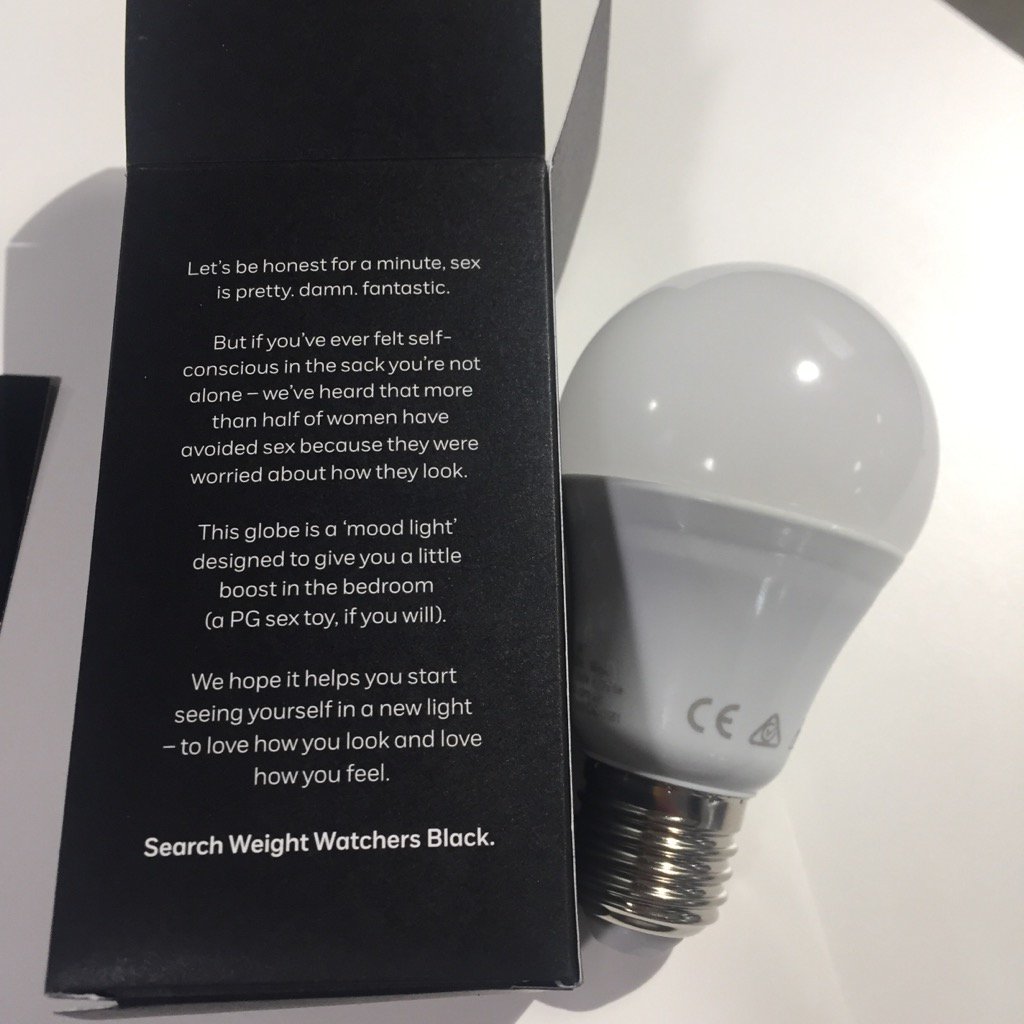
Last week I had a package delivered to my desk containing a lightbulb suggesting I may prefer to have sex with it on because it is dimmer than the average bulb.


It was not a piece of fanmail, but a PR push that began with “research” about how many women felt self conscious about their body during sex.


“We hope this helps you start seeing yourself in a new light – to love how you look and love how you feel,” it said.


The product it was promoting? Weight loss. Specifically, Weight Watchers.


First the weight loss industry came for our enjoyment of the beach intoning “bikini body” from the last day of winter onwards, and now they are coming for the bedroom.


I was inclined to tweet a photo and forget about it. But a week later I am still getting furious responses from women, a visceral reaction which shows this is still something women want to talk about … despite it being something they are sick of talking about.


Bridie Jabour (@bkjabour)

How many people thought this was an okay idea before it arrived on my desk as a piece of PR pic.twitter.com/7tH37yyqsS


October 14, 2016


This wasn’t just one of the numerous petty insults we are used to every day but something that was thought out for months, strategised, okayed by multiple people.


What is there to be said about weight loss campaigns that hasn’t already been said? Reams have already been written. We know insecurities are exploited for financial gain.


We know there is a relentless and unrealistic pressure put on women to look a certain way from when they were girls.


We know that more often than not, the product being sold just doesn’t work. Women either do not lose weight, or a much smaller number lose the weight and then discover all of their problems are not solved by being thin.


And yet, it is 2016 and I am still receiving a lightbulb in the mail suggesting I might prefer to have sex with the lights off for fear that my partner might, shockingly, see my body.


It’s almost embarrassing to have to write such an obvious point – overweight people enjoy sex, it is not just the domain of the thin. But this campaign isn’t just saying overweight people may not be inclined to show their bodies, it’s also saying any woman could, and perhaps should, be self-conscious taking her clothes off.


No matter your size you are susceptible to this campaign, whether you think you should lose 10kg, 30kg, or 2.5kg there is something in here for everyone. It’s not just about being overweight, it’s about every woman who has ever wished something about their body was different. Which is pretty much all women.


It’s so boring.


This is the thin edge of the Donald Trump wedge, the insidious everyday misogynistic messaging we are telegraphed about how we should look, how it matters. It is the other end of the sexism spectrum to Trump who trumpets it, says bluntly: “She is a fat piglet.”


If there is any silver lining, it is that more and more women are not putting up with this any more. Trump is actually losing votes over his comments and treatment of women. Weight Watchers was forced to respond to the backlash – it hasn’t pulled the campaign but Weight Watchers’ senior marketing manager, Rebecca Melville, conceded it could cause offence.


“We launched in stages and that has fuelled the conversation without context,” she told Mumbrella.


What context do we need? We already know the context: the company commissions the research that says we have a problem with our bodies during sex and, surprise, that company has the product to solve our problem.


It feels like we are stuck in this infinite loop, doomed to keep trying to tell the world our bodies are fine, we are fine.


We are tired. Tired of the commentary on how desirable we are, tired of being warned about summer bodies, tired of being told hair removal and makeup is a statement no matter what our decision on it. We’re tired of all that because there are so many more interesting things we could be talking and thinking about. We have better things to do.


Having sex with the lights off? It"s the thin edge of the Donald Trump wedge | Bridie Jabour

18 Ekim 2016 Salı

My final year at Oxford, when I felt punished for having ME

I had made it to the final year of my English degree at Oxford University, but I almost didn’t make it any further. I’d applied knowing the workload would be heavy but was still unprepared for the intensity of the course, which would often require two essays a week. For a single essay, we could be expected to read three novels as well as vast amounts of other reading. My peers and I would think nothing of doing a couple of all-nighters a week to stay on top of it. The next morning at breakfast, we would exchange tales of our martyrdom – someone had stayed up for three days straight reading Crime and Punishment, another had moved into the library, toothbrush and all.


This life shuddered to a halt when I suddenly became ill in the first term of my final year. I had glandular fever which, unbeknown to me then, had triggered ME – a chronic, extremely debilitating disease. As there was no way I could continue with my coursework, with the support of my GP I applied for a week’s extension. It was denied by the university.


So at a time when I should have been, under doctor’s orders, resting, I dragged myself to the library. When I collapsed on the front quad one day, I knew I had to go home. There, as I became sicker, it was clear to me I wouldn’t be able to go back to Oxford any time soon and would need a year out.


Becoming suddenly ill was hard enough but my distress was increased by the university’s reaction. A senior member of college staff tried twice on the phone to persuade me to go back the next term, as if I could simply make up my mind I was better and all would be well. It felt they did not believe I was ill; as if they thought I had something to gain from taking a year out, rather than losing a year of my life, in pain.


Although I had seen several doctors at home in Yorkshire, one of whom had sent a medical note to my college, Wadham, to say I was too ill to continue, the college said this wasn’t enough. Only the college doctor in Oxford could grant me a year off. This was standard college practice.


After weeks of distressing negotiations, I was allowed to suspend my studies for a year – with conditions. I was not allowed anywhere on college grounds (where all my friends lived) for the year. Worse, in order to rejoin my course after a year, I would have to sit six hours of exams and achieve a 2:1 standard. These exams were only for sick students.


ME is an illness where any kind of exertion – physical or mental – exacerbates symptoms. Doing extra exams on top of the huge quantity of revision I was expected to do would make me more ill, I knew. I put in a request to return without sitting exams but tutors said the papers were essential to prove that I could pass my finals. One said I needed to “toughen up”.


Eventually I bargained the college down to one three-hour exam. I spent two hours of it not knowing what to write but, somehow, I made it through.


Oxford is an old, creakingly traditional institution. Its website boasts that it is the oldest university in the English-speaking world, and some of the language still in everyday use is archaic. Oxford’s word for a year out of a degree is “rustication”. It’s from Latin (of course): “rus” means countryside, and the word was first used when students were expelled by being sent to their family home in the country. Officially, the word “suspension” is used now, but tutors and students alike still call it “rustication”. And it is more than just a word. This centuries-old attitude links being ill with being punished and seems to see those who need time off for health reasons as problem students to be banished and who have to prove themselves worthy before they are allowed back.


The University of Oxford. Wadham College.


Wright’s college, Wadham, finally agreed she could take the year off – with conditions. She was not allowed on college grounds, and had to take re-entry exams. Photograph: Frank Baron for the Guardian

These re-entry exams are not official Oxford University policy but are usual practice in many colleges. In some cases, students have been required to sit the equivalent of all their finals, and get a 2:1 in them, to rejoin their course.


Last year, one student, Sophie Spector, at Balliol College, claimed she felt forced to leave Oxford altogether because of these kinds of exams, a case human rights lawyer Chris Fry described as “one of the more extreme examples of discrimination I have seen”.


In contrast with many universities, the vast majority of marks at Oxford are awarded based on exams sat at the end. Finals can be upwards of 30 hours of exams and are a test of mental and physical stamina as much as academic skills and knowledge. The arguments against changing the system are always the same – to protect the integrity of the course; the “unique” Oxford experience. But intellectual rigour has been confused with physical or mental fitness.


Sophie Spector

Sophie Spector says she felt forced to leave Balliol College after becoming ill

I spoke to several others who had been through “rustication”. One, who graduated in 2015, had been suffering mental health problems that led to her self-harming. Letters from her college, seen by the Guardian, refer to her “behaviour” at the time as “serious misconduct”. One referred to university regulations and told her that she was being suspended on disciplinary as well as medical grounds. She was not permitted to use college facilities, including “common rooms, the computing room, the dining hall, the lodge, the library and the college’s accommodation”.


She says: “At no point did I feel the main consideration was for my wellbeing. Rather than focus on sorting out my problems, I spent the year trying to recover from the trauma of having rusticated. My doctor told me a senior member of my college had described me as a ‘freak’.”


A recent history graduate summed up her feelings after asking for a year off as “humiliated”. She was told in a letter that she was not allowed to go into her college without written permission during her suspension “to ensure that students on course are not disrupted”. She was expected to sit two exam papers and achieve a mark of 60% before she could return. “Basically the whole process felt punitive, like I was being subjected to it because I had misbehaved.”


One college, Magdalen, was criticised for forbidding “rusticated” students from attending a college ball.


Many students are, thankfully, treated much better, but individual colleges are free to make many of their own rules, and students’ experience can be largely determined by senior staff. If tutors have an appropriate understanding of illness and disability, students are well supported. But change in Oxford is slow. Even the university’s own disability service, which I found helpful and supportive, cannot overrule the decisions of colleges in many cases.


Oxford students have been campaigning for improved care of sick and suspended students for years. Recently there have been minor reforms – “suspended” students can now borrow from university libraries in their year out and retain access to their email. But this does not go nearly far enough.


I put a comprehensive set of questions to the university covering the points made in this article. This was the response: “Suspension of study is a rare but helpful measure used by all universities to support students. Most suspensions are either at the student’s request or with their full agreement. We know it helps the overwhelming majority of students, who return to complete their courses successfully.


“Suspension is not something to be undertaken lightly, so colleges always make sure students explore every possible source of support before suspending. There is no question of students not being believed or supported when they experience difficulties. It is important that students only return when they are fully prepared to do so. In some cases, the assessment of fitness to return includes the setting of college exams.


“The colleges are working in consultation with Oxford University student union on a common approach and discussing both access to college facilities during suspension and academic conditions for return to study.”


In the end, I graduated in 2015 with a first, very much in spite of the extra obstacles I had experienced. Although my health has improved with time and rest, I am still debilitated. I believe that if Oxford had handled my illness more sensitively, it would have aided my recovery.


What do other universities do?


How unusual is Nathalie Wright’s experience? Education Guardian contacted 30 universities to find out about their procedures when a student needs time off for medical reasons – an “interruption” or an “abeyance”, as it’s usually called. The word “rustication” seems confined to Oxford, Cambridge and Durham – and in most institutions a “suspension” is more likely to be the result of some sort of misdemeanour.


We asked whether students were required to see an official “university doctor” or specialist, in addition to their own GP, for proof that they were ill. The answer, from those that replied, was “no” – all said a family doctor’s note was good enough.


Most said students who took time off were welcome to use campus facilities or visit friends and attend social functions, with a few restrictions. When attendance was not feasible, “virtual” access to libraries and virtual learning environments was often arranged.


All the universities that replied, with the exception of Cambridge, said they never set exams to check whether students had the required academic ability to return. The Cambridge spokesman said exams were sometimes set, but this was rare. “It’s a welfare issue because we’d want the student to be well cared for. We’d want both student and college to be reassured they were ready to come back and finish their degree.”


But is it right to equate performance in an academic exam with mental or physical health and fitness to return to studying? “Doing exams to prove you are fit is something I have never heard of and may be of little, if any, practical use,” says Ruth Caleb, head of counselling at Brunel University and coordinator of the Mental Wellbeing in Higher Education working group. “Many mental and physical conditions, such as depression, anxiety, ME, Crohn’s disease or irritable bowel syndrome, are fluctuating so a student might be fit at one point, then unfit, or less fit, at others.” described the wide variety of services available in universities.


There is little if any guidance for universities on how best to look after students who need to take a break from their studies. However, most institutions, motivated by the wish to see students complete their course, offer extra support on their return. Alice Woolley


My final year at Oxford, when I felt punished for having ME