Science etiketine sahip kayıtlar gösteriliyor. Tüm kayıtları göster

24 Nisan 2017 Pazartesi

Wellcome science book prize goes to story of a heart transplant

A novel that “illustrates what it is to be human” has become the first translated book to win the Wellcome prize for science writing.


Maylis de Kerangal’s Mend the Living, which tracks the journey of a heart from donor to recipient over 24 hours, is only the second novel ever to scoop the £30,000 prize, which is awarded to a work of fiction or nonfiction that engages with health and medicine.


Announcing the winner, chair of judges Val McDermid said: “Sometimes you read a memoir and it is just one person’s tragedy, but this is about the tragedy and hope that comes from loss that could affect every single one of us.” She said the judges “felt very strongly” that the book had the potential to change the lives of readers and called it “compelling, original and ambitious”.


De Kerangal’s novel was translated from French by Jessica Moore, who was awarded £10,000. McDermid praised the translation, which she told the Guardian pulled off the difficult trick of shaping a book into a second language without undermining the intention or voice of the original.


Describing herself as a “long-time advocate” of translated fiction, McDermid, a bestselling crime writer, said: “Publishers have very slowly woken up to the importance to readers of translated fiction as a way of understanding a globalised world … The English language doesn’t have a monopoly on terrific writing and I am very happy to be one of the judges who chose this book.”


Mend the Living begins with vibrant young surfer Simon Limbeau suffering catastrophic injuries in a road traffic accident. Faced with a son who has been left brain dead, his parents are forced to decide whether to turn off his life support and donate his heart. The story then follows Limbeau’s heart on its way to a donor recipient and explores how people recover hope in tragic circumstances.


The novel, which was also longlisted for the 2016 Man Booker international prize, has also been adapted to film. Directed by Katell Quillévéré and renamed Heal the Living (Réparer les vivants), it stars Tahar Rahim, Emmanuelle Seigner and Anne Dorval and is set for a UK release at the end of April.


Mend the Living was chosen from a strong shortlist of six books that included two novels, the other being Tidal Zone by Sarah Moss, about a family navigating the NHS as they come to terms with a child’s unexpected illness.


Ed Yong’s I Contain Multitudes, which examines how the 40tn microbes in the human body affect us, was the only debut on the shortlist. The other three books interweaved science with personal experience. Neurosurgeon Paul Kalanithi was the first author to be in contention for the prize posthumously, with his memoir When Breath Becomes Air recounting his final months of life with terminal lung cancer. Siddhartha Mukherjee’s The Gene blends a narrative about genetics with the story of reoccurring mental illness in his family, while David France, a gay man and an eyewitness to the Aids epidemic, wrote of the struggle faced by HIV/Aids activists during the 1980s in How to Survive a Plague.


McDermid chaired a panel of judges that mixed broadcasters and writers with scientists. Cambridge professors Simon Baron-Cohen and Tim Lewens joined the Wire in the Blood author on a panel completed by broadcaster Gemma Cairney and radio producer Di Speirs.


Wellcome science book prize goes to story of a heart transplant

22 Mart 2017 Çarşamba

Cryogenic preservation: from single cells to whole organs – Science Weekly podcast

Subscribe & Review on iTunes, Soundcloud, Audioboom, Mixcloud & Acast, and join the discussion on Facebook and Twitter


Last year, around 3,500 organs were transplanted into patients in the UK alone. That said, a large number of organs were also discarded because the moment a donor dies, doctors have only eight or so hours to find a patient on the organ register who is a match and can be almost immediately ready for surgery. One recent estimate suggested that as many as 60% of the hearts and lungs donated for transplantation are discarded each year. But a new technology could be about to change this: whole-organ cryopreservation.


This week, Hannah Devlin looks at the past, present, and future of these technologies with University College London’s Professor Barry Fuller. We also hear from Newcastle University bioethicist Dr Simon Woods about some of the ethical issues that arise with any biotechnology, including cryopreservation.


Cryogenic preservation: from single cells to whole organs – Science Weekly podcast

16 Mart 2017 Perşembe

Brexit, gun control and feminist science fiction on 2017 Orwell prize longlist

Naomi Alderman is the only novelist to make it on to the longlist for the 2017 Orwell prize for outstanding political writing, in a year when George Orwell’s Nineteen Eighty-Four is once again troubling the bestseller lists.


Alderman’s The Power heads a 14-strong list of books that span anthropology, politics, memoir and history for an accolade considered Britain’s most prestigious for political writing, which comes with a cash award of £3,000. Described as The Hunger Games crossed with The Handmaid’s Tale, Alderman’s dystopian novel examines the roots and impact of misogyny by reversing the gender roles in a future society ruled by women. The novel has also been longlisted for the 2017 Bailey’s prize for women’s fiction, and shortlisted for the Wellcome Trust science writing prize.


No overall theme emerges from the longlist, which includes four books by women. Helen Pearson, whose The Life Project is an account of the UK’s pioneering cohort studies run since 1946, is listed beside Somali FGM campaigner Hibo Wardere for her memoir Cut, co-written with Anna Wharton. Irish revisionist historian Ruth Dudley Edwards is longlisted for The Seven, one of four of history books on the list. It tells the story of the seven founding fathers of the Irish state.


FGM campaigner … Hibo Wardere, co-author of Cut with Anna Wharton.


FGM campaigner … Hibo Wardere, co-author of Cut with Anna Wharton. Photograph: Alicia Canter for the Guardian

Other history books on the list are Easternisation, by the chief foreign affairs commentator of the Financial Times, Gideon Rachman – the winner of the Orwell prize for political journalism last year – who documents the shift of global power to Asia; John Bew’s biography of the postwar Labour prime minister Clement Attlee, Citizen Clem; along with And The Sun Shines Now, a vivid account by Hillsborough survivor Adrian Tempany of the football disaster’s impact on the game and wider society.


Joining them on the longlist is Black and British: A Forgotten History, David Olusoga’s landmark history of Britain’s black community, which has also been shortlisted for the inaugural Jhalak prize for writers of colour.


Fellow Jhalak nominee and Guardian editor-at-large Gary Younge is also longlisted for Another Day in the Death of America, which documents the lives of 10 people killed by guns in the US on 23 November 2013. Author Gillian Slovo described the book as “a gripping account of the conditions that turn so many of America’s powerless into victims”.


Hisham Matar, the Libyan writer who was shortlisted for the Baillie Gifford prize for non-fiction, is again nominated with The Return, his account of his father’s kidnapping at the hands of Muammar Gaddafi’s government.


Tour de force … nominee Rory Stewart beside Hadrian’s Wall.


Tour de force … nominee Rory Stewart beside Hadrian’s Wall. Photograph: Murdo MacLeod for the Guardian

More recent politics is also documented in the books All Out War, Tim Shipman’s account of the 2016 EU referendum; Island Story, Londoner JD Taylor’s story of biking around Britain to discover other sides to UK identity; Enough Said, a look at the evolution of political language by the former BBC director-general Mark Thompson; and The Marches by Rory Stewart, Tory MP and son of a spy, who reflects on his relationship with his father and its political contexts as he walks along Hadrian’s Wall.


Announcing the longlist, the judges – Financial Times comment editor Jonathan Derbyshire, playwright and author Bonnie Greer, writer and broadcaster Mark Lawson and critic Erica Wagner – praised the list for offering “a clear and calm perspective on Britain and its place in the world”.


“The books reflect many aspects of Orwell’s literary character and interests: fiction, journalism, football, language and landscape,” the judges added.


The shortlist will be announced on 15 May, with a winner revealed at a ceremony during University College London’s festival of culture on 8 June.


The Orwell Prize for Books 2017 longlist


The Power by Naomi Alderman (Viking)


Citizen Clem by John Bew (Quercus)


The Seven by Ruth Dudley Edwards (Oneworld)


The Return by Hisham Matar (Viking)


Black and British by David Olusoga (Macmillan)


The Life Project by Helen Pearson (Allen Lane)


Easternisation by Gideon Rachman (The Bodley Head)


All Out War by Tim Shipman (HarperCollins UK)


The Marches by Rory Stewart (Vintage, Jonathan Cape)


Island Story by JD Taylor (Repeater)


And the Sun Shines Now by Adrian Tempany (Faber & Faber)


Enough Said by Mark Thompson (The Bodley Head)


Cut by Hibo Wardere, in collaboration with Anna Wharton (Simon & Schuster)


Another Day in the Death of America by Gary Younge (Guardian Faber)


Brexit, gun control and feminist science fiction on 2017 Orwell prize longlist

19 Şubat 2017 Pazar

How your MRI scan benefits science

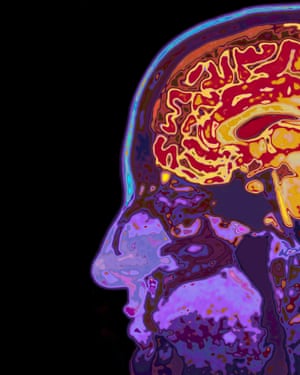
Sir Peter Mansfield, who died on 8 February, won the Nobel Prize in 2003 for pioneering magnetic resonance imaging. MRI, and the detailed images it produces, has been a huge benefit for the study of the brain. Its greatest innovation is allowing us to see which parts of the brain have been damaged while a patient is still alive. In the past, we had to wait until a postmortem to find out. Examining a high-resolution image of a living patient means you can form ideas about what’s really going on, meaning the research loop is much quicker. It may sound brutal, but the real benefit here is to the scientist. Rather than waiting for a patient to die, we can test hypotheses more directly, having a precise map for which parts of the brain are that have changed.


These benefits may have long-term advantages, but they don’t always help the patient. Unless immediate surgery is required. But they will certainly enhance our understanding which may help patients in the future. In neuroscience you don’t always have the patients’ best interest at heart – we want to understand the brain, but we’re not doctors.


Dr Daniel Glaser is director of Science Gallery at King’s College London. Listen to this week’s podcast at theguardian.com/lifeandstyle/series/neuroscientist-explains


How your MRI scan benefits science

18 Aralık 2016 Pazar

How Britain plans to lead the global science race to treat dementia

Early next year, Professor Bart De Strooper will sit down in an empty office in University College London and start to plan a project that aims to revolutionise our understanding and treatment of dementia. Dozens of leading researchers will be appointed to his £250m project which has been set up to create a national network of dementia research centres – with UCL at its hub.


The establishment of the UK Dementia Research Institute – which was announced last week – follows the pledge, made in 2012 by former prime minister David Cameron, to tackle the disease at a national level and comes as evidence points to its increasing impact on the nation. Earlier this year, it was disclosed that dementia is now the leading cause of death in England and Wales. At the same time, pharmaceutical companies have reported poor results from trials of drugs designed to slow down the progress of Alzheimer’s disease, the most common form of dementia.


“Humans have truly wonderful brains that can cope with terrible diseases like Alzheimer’s for decades and can find all sorts of ways to get around defects that are growing inside,” said De Strooper, who is currently based at the University of Leuven in Belgium. “Eventually individuals succumb to the condition and start to display memory loss and other symptoms – but usually only after decades have passed and their brains have gone through considerable changes. This makes it very difficult to treat the disease. That is the challenge that we need to tackle.”


Current understanding of Alzheimer’s suggests the disease is triggered when beta amyloid, a protein in nerve cell membranes, starts to clump together. Slowly the brain undergoes metabolic changes as amyloid clumping continues. In particular, a protein known as tau, which is involved in memory storage, is affected. It starts to form tangles inside the brain’s neurons and these die off. Eventually, symptoms – such as severe memory loss – manifest themselves.


To date, most attempts at drug interventions have focused on medicines that could prevent beta amyloid from forming clumps, the most recent being Solanezumab, developed by the pharmaceutical company Eli Lilly. However, results of clinical trials of the drug – revealed last month – indicated that it had no significant effect on the thinking abilities of people with mild Alzheimer’s. Solanezumab had also failed in people with more advanced versions of the disease in earlier trials.


This double failure has led some scientists to argue that amyloid clumping is not a cause of the disease but is merely a symptom. By targeting it, scientists are wasting time, it is argued. Professor John Hardy, a geneticist based at UCL – who has played a key role in setting up the college’s Dementia Research Institute – does not agree. “All the evidence we have from families affected by early onset dementia indicates that the disease begins with the deposition of amyloid plaques in the brain,” he said. “The trouble is that this buildup starts 15 to 20 years before dementia’s symptoms appear. The drugs we have developed so far offer treatments that are, in effect, too little and too late.”


Hardy drew a parallel between cholesterol buildup in blood vessels that eventually leads to cardiac disease and the buildup of amyloid plaques in the brain and the onset of Alzheimer’s. “Unfortunately, we have no equivalent of a cholesterol test to assess how much amyloid is clumping in a person’s brain,” he added. “However, that could change in the near future.”


Research suggests between 20 and 30 genes are involved in predisposing people to Alzheimer’s.


Research suggests between 20 and 30 genes are involved in predisposing people to Alzheimer’s. Photograph: Getty

Recent research has pinpointed a group of around 20 to 30 genes that are involved in predisposing individuals to Alzheimer’s. These genes come in different variants. Some variants of a gene predispose individuals to dementia more than other variants of that gene. If a person inherits a package of genes made up of variants that particularly predispose to dementia, they are very likely to develop Alzheimer’s.


“We are now within five years of developing a chip that will be able to tell – from a blood test – whether a person is likely to have amyloid plaques forming inside their brains in middle age,” added Hardy. “This would then be followed up by a brain scan to confirm if this is true or not.”


This would be dementia’s equivalent of a cholesterol test. The problem is that there is, as yet, no equivalent of drugs which would halt this amyloid buildup in a way that parallels the use of statins to block buildups of cholesterol, once detected, and so head off cardiac illness. For their part, researchers argue that the use of drugs like Solanezumab – although seemingly ineffective on patients in whom amyloid plaques have become established – could be far more effective in the early stage of the condition.


Many other issues complicate our understanding of dementia, however. “A good example is provided by the immune system,” said David Reynolds, chief scientific officer of Alzheimer’s Research UK. “There is a lot of evidence now that the immune system is involved in the development of Alzheimer’s after beta amyloid clumps appear.”


However, the nature of that immune response is still not fully understood. “We do not know whether the immune system tends to overreact – as with conditions like rheumatoid arthritis in which the body’s own tissue is attacked by its own immune defences – or react weakly and allow amyloid clumps to develop when they could be stopped,” added Reynolds. “Certainly it would be unwise to wade in with drugs until we know exactly what it is we want to achieve.”


And this is where the distributed nature of the Dementia Research Institute network could prove important. Based in different university cities (Edinburgh, Oxford and Cambridge are all candidates for units), these outlying centres will focus on different aspects of the disease: environmental factors, care of dementia patients – and immunology. “The creation and direction of these centres will depend on existing expertise at that university,” added Reynolds. “A centre that focuses on immunology and dementia would be particularly useful in finding new ways to tackle the condition.”


The Dementia Research Institute network is to be supported, over the next 10 years, by £150m funding from the Medical Research Council – with further inputs of £50m each being made by Alzheimer’s Research UK and by the Alzheimer’s Society. This commitment marks a significant increase in dementia research in the UK, which had already raised its annual funding from £50m in 2008 to £90m in 2012 and is now a world leader in the field.


“It is good news but we need to put it in perspective,” said James Pickett, of the Alzheimer’s Society. “In 2012 we spent more than £500m on cancer research; there are five times more researchers working on cancer in the UK; while the number of clinical trials of dementia drugs is less than 1% of those of cancer drugs.”


At the same time, the need for some form of treatment to tackle dementia is becoming increasingly urgent. More and more people are living to their 80s and 90s when their chances of getting dementia increase markedly. There are currently 850,000 people with dementia in the UK, a figure that will rise to one million by 2025 and two million by 2051.


“We are going to have to be very nuanced in understanding all the risk factors involved in dementia – and in appreciating why factors like education and general health provide some protection against its onset,” said Professor Carol Brayne, of Cambridge. “That is going to be the strength of the institute. It offers us the opportunity, for the first time, to follow so many different avenues and approaches to dealing with and understanding the dementia.”


GROWING THREAT


Dementia overtook heart disease as the leading cause of death in England and Wales last year. More than 61,000 people died of the condition in 2015, 11.6% of all recorded deaths.


The Office for National Statistics said the increase had occurred because people were living for longer while deaths from other causes, including heart disease, had gone down. In addition, doctors are now better at diagnosing dementia, and it is appearing more often on death certificates.


The bulk of dementia deaths last year were among women: 41,283, compared to 20,403 in men.


According to the Alzheimer’s Society, dementia is the only one of the top 10 causes of death that we cannot prevent or even slow down.


The leading cause of dementia is Alzheimer’s disease, which accounts for 62% of all cases in the UK: 520,000 of the 850,000 people living with dementia in the UK today. Other forms of the disease include vascular dementia and Lewy Body dementia.


Dementia costs the UK economy approximately £26bn per year, according to the Alzheimer’s Society.


If a drug could be found to slow cognitive decline in dementia, that would delay the need for paid care and reduce the financial burden on families, the NHS and social care.


How Britain plans to lead the global science race to treat dementia

14 Aralık 2016 Çarşamba

The male contraceptive pill: how close are we? – Science Weekly podcast

Subscribe & Review on iTunes, Soundcloud, Audioboom, Mixcloud & Acast


On June 23rd 1960, the US Food and Drug Administration approved the world’s first combined oral contraceptive pill – or COCP – known as Enovid. And whilst there have been many developments in COCPs for women in the six decades that have followed, effective counterparts for men have yet to appear on to the market. Why has it taken so long? How close are we to a male contraceptive pill?


This week, Hannah Devlin hears from the University of Edinburgh’s Professor Richard Anderson, who was part of a recent World Health Organisation funded trial into a male contraceptive jab. We also talk to Dr Diana Blythe of the NICHD’s Male Contraceptive Development Program, about the progress being made Stateside using gels instead of jabs. And finally, we hear about non-hormonal alternatives in development from Aaron Hamlin, executive director of the Male Contraceptive Initiative.


The male contraceptive pill: how close are we? – Science Weekly podcast

29 Kasım 2016 Salı

Big Unknowns: can we stop ageing? – Science Weekly podcast

Subscribe & Review on iTunes, Soundcloud, Audioboom, Mixcloud & Acast


On 4th August 1997, Jeanne Louise Calment died in a French nursing home. Born 122 years and 164 days earlier, Jeanne currently holds the record for the greatest fully authenticated age to which any human has ever lived. And with the ever-growing average life expectancy for humans showing no sign of slowing down, how close are we to cracking the code of longevity?


Helping Nicola Davis delve into the age-old problem of ageing this week, prominent biomedical gerontologist Dr Aubrey De Grey reveals his unique, seven-step approach to the problem of ageing. We ask Harvard University’s Dr Justin Werfel why programmed death might be a good thing. And we hear how the University of Kent’s Dr Jenny Tullet is using roundworms to reveal clues about the genetics of ageing.


Big Unknowns: can we stop ageing? – Science Weekly podcast

22 Ekim 2016 Cumartesi

The science behind a good nights sleep

Sleep is more than just a time for rest, the importance of sleep extends to almost every area of human physiology, physical processes of the body undertaken mostly during sleep range from areas such as the healing of muscle and organ tissue, the regulation of blood pressure, the ability of the body to regulate and respond to blood sugar levels along with the balance and delivery of specific hormones and chemical messengers. Mentally, sleep allows the brain to process thoughts, thought processes, store new experiences / memories, enhance emotional responses, along with optimizing the connections between brain and body functions.


Ongoing sleep deficiency is a great risk to society, and in the modern day where a good nights sleep is becoming an elusive luxury, we are seeing an ever increasing prevalence of disorders such as heart and kidney disease, diabetes, high blood pressure, and stroke.


Mentally, the effects of lack of sleep affect almost every aspect of the mind, from the ability to make clear decisions to attention span deficits, increased stress, anxiety and irritability, poor emotional responses, to more serious aspects such as depression, generalized anxiety disorder and even psychosis.


Some studies have shown that obtaining less than 4 hours sleep per night provides almost no benefit to our health, and with prolonged sleep within this range, negative effects begin to take hold.


The preferred level of sleep is between an absolute minimum of 5 and a maximum of 9 hours. This is because of the brain while asleep performs a variety of tasks under different brain wave states, and each of these states needs to be present for a specific amount of time each night for our bodies functions to be able to repair and recover.


Sleep and the effects of various brain wave stages


You may have heard of REM stage sleep before, this stands for Rapid Eye Movement and is a phase of somewhat chaotic and high-frequency brain waves which are most noticeable due to visible, rapid eye movements while asleep. REM is a sign that an individual is in a deep sleep state. However there are other areas of sleep associated with different brain wave patterns.


Beta brain waves are most commonly present while completely awake, and are associated with the ability to perform basic wakeful tasks, too much time spent in the beta state is known to create symptoms of stress and anxiety, while too little is commonly associated with symptoms of depression and poor cognition.


A stronger frequency of brain waves is known as Gamma waves, which are prevalent at times while awake when memory, learning and information processing is taking priority. Too long or too little amount of time the brain spends in a Gamma wave state is associated with similar negative effects as that of Beta waves.


Upon heading to bed, your brain moves from Gamma and Beta states, into a more uniform wave pattern known as Alpha waves, this brain wave state begins to bridge the gap between conscious thinking and the subconscious mind, it also induces a feeling of deep relaxation, and is the bridge between wakefulness and sleep.


Following the experience of the Alpha brain wave state, the brain then proceeds further into what is known as the Theta state, which produces an effect on the body of deep relaxation and hypnosis. The individual experiencing Theta waves can still be awake, and this state is known to produce enhanced creativity, intuition and a natural feeling of euphoria / well-being. The theta state is one of the most important for healthy daily function, too little provokes poor emotional awareness, both in self-awareness and in the observation of others, along with increased stress and anxiety.


The final sleep phase before REM is known as the Delta state. As we age, along with during the prevalence of psychological problems such as stress and anxiety, the brain becomes less accustomed to entering this stage. However, it is one of the most important sleep stages for regaining energy exerted during the day. Mentally a complete lack of Delta brain wave stage results in the inability to recover from stress and anxiety symptoms, leading to their continuation from day to day.


Throughout sleep, the brain normally fluctuates between Alpha, Theta and Delta stages, before entering REM, which is a combination of Gamma and Beta waves, each stage lasts around 5 minutes, and cycles continually throughout the night.


It is this continuation of various patterns which allow our bodies to both physically and mentally recover for the following day, and is vital to our overall health.


Health conditions such as sleep apnoea, continually interrupt this cycle throughout the night, causing problems for everyday health if not corrected.


Also important to note is the use of sedative drugs, although they can be important sometimes in the short-term, are known to alter sleep brain wave patterns significantly, especially the time spent throughout each sleep stage, there is also evidence they may even block entirely the Delta state in some people.


Sleep Hygiene


The awareness of correct sleep hygiene is becoming more common as the modern stresses of life begin to take hold and produce negative effects upon our health. Sleep hygiene involves a few common practices to ensure you obtain the best sleep possible and can assist you to avoid the health complications of poor sleep.


Sleep hygiene involves 6 equal levels of importance when it comes to maximizing the benefits and ability to obtain a good nights sleep, by following these steps, health problems related to sleep, both short and long term, can usually be avoided entirely.


For individuals where some of these stages pose a problem, addressing some of the other areas can also help to bring your sleep more in-line with a healthy sleep process.


1: Maintain a regular sleep schedule.


Ensuring you head to sleep, and also wake up, at the same time each day ensures the body produces a regular sleep pattern. By sleeping at the same time each night, the body begins to produce sleep hormones at the same time, roughly beginning around 6 hours before sleep occurs.


Sleeping at a different time each day often upsets this rhythm, and the beginning of the production of melatonin can be affected. While most of us only think of sleep as occurring at the end of a day, the body sees it as a continual and recurring pattern over 24 hours, of which the production of melatonin begins a long entrance into the preparation for sleep, and enables the sleep process to become one of a deep and restorative phase.


2: Prepare for sleep for around 30 minutes to 1 hour before heading to bed


Lowering the sensory input of your surroundings for 30 minutes to 1 hour before heading to bed is a great method for signaling to the body that sleep should begin. To achieve this, you should dim lights around you, lower any sources of noise, and do not partake in, or at minimum lower your exposure to, any situation or activity which may provoke excitement, stress or anxiety. By doing this for 30 minutes to 1 hour before sleep each night, the body can use this experience to signal the onset of your sleep phase and will provide a much more relaxing, lasting and restorative sleep.


3: Avoid naps during the day, especially in the afternoon.


If you regularly feel tired throughout the day, unless in a situation where a short nap is required, such as driving on a long journey to maintain concentration, try to keep yourself awake throughout the day until bed time. Morning naps or rests involving laying back and closing the eyes for 15 minutes or more may be fine. However if this is conducted in the afternoon, it can often lead to the inability to enter into the sleep phase easily that night.


4: Exercise assists sleep


Lack of exercise not only produces unspent energy levels throughout the day, which lingers at night time but also affect the bodies signal for requiring a good amount of sleep. By exercising daily, even for as little as a short 30 minutes walk, the body releases endorphins, which promote relaxation and euphoria, along with also providing a signal to the body that a good nights rest is required at the end of the day.


5: Restrict sensory input as much as possible within your room overnight


When it’s time for lights out and sleep, your body requires as little noise as possible to reliably initiate the sleep phase and to obtain the ability to keep you asleep for the full night. Ensuring your room is light free, and free from distracting sounds, such as clocks ticking, or something such as having the tv on in the background, even in another room while you are sleeping is very important.


Where this is not possible, such as when a partner has an issue with snoring, some preparation may be required, ear putty is normally the best method as it seals the ear shut completely, and should eliminate the majority of the noise. If you live in an apartment and there are street lights outside, upgrading to buying some high-quality blinds, or even wearing eye shades can help a lot.


Some people, however, prefer some noise to get them to sleep, in these cases, it is important to understand that a constant and stable sensory input can be just as helpful as no sensory input, regarding noise; this is commonly this is referred to as white noise. White noise is a constant, stable noise and can promote sleep in some people just as well as no noise at all. Devices which commonly emit a constant white noise are items such as humidifiers, fans and air purifiers, and can assist people who struggle with no noise environments to get to sleep and maintain sleep quality.


6: Sleep on a high-quality mattress and use quality pillows


Many people overlook the importance of a good quality mattress and pillows or invest in such things without realizing when it has come time to replace them. Most high-quality mattresses will last for up to 10 years before needing to be replaced. However, lower quality ones may expire in as little as 2 to 3. Mattresses should not only be comfortable, but support your body correctly when laying down. You should not sink into the mattress at a central point, but rather the shape of your body should sink evenly, so your back is straight when laying down either on your side, back or stomach.


In the same way, neck support from high-quality pillows are very important, many people who use low quality pillows often double or triple up on them, however it is often worth spending a good amount of money on one to two pillows which allow your head to rest comfortably, but also support your neck evenly.


In the case of a quality mattress and pillows, the investment is one of your overall health, and sleeping with an either of low quality or past their lifespan, will degrade your sleep quality considerably.


Just as buying an ergonomic office chair is shown to prevent back and muscle injuries to office workers, a high-quality mattress, and pillows will improve your overall health and well-being.


If you enjoyed this article, please also take a look at the SleepJunkie.org website, for excellent tips on obtaining a quality sleep, along with how to identify and choose a high-quality mattress.


The science behind a good nights sleep

29 Eylül 2016 Perşembe

The Science Behind Skeletal Muscle Memory and Exercise

Imagine that you are a marathon runner, an Olympic swimmer or a professional football player for the NFL. (This shouldn’t be too hard to do as most of us have dreamed about this at one point or another in our lives.)


You train for months and months and even years to run a marathon, swim in the Olympics or play professional football. You train for hours and hours in the weight room, on the field or swimming laps. After years of this consistent training routine, you’re ready for that race or game.


After the event is over, you take a few months off. You rest up and help your body repair before beginning your next training session. After nine months of “rest”, you jump back into the weight room or dive in the pool.


Your muscles should be able to pick right up where they left off, right? Maybe not…


Do Muscles Retain Memory?


We all know the main benefits of exercise: fat and weight loss, building and toning muscle, lowering cholesterol and the risks for other diseases. However, there are also some little-known facts and benefits of exercise that make a big impact, such as improved cognitive functions, reduced depression and anxiety symptoms, sleep quality and even skeletal muscle function.


Although the benefits of exercise are seemingly endless, scientists and medical researchers are still puzzled with just how much regular and consistent exercise positively impacts skeletal muscle functions, and particularly the memory of muscle functions.


In fact, studies have shown that high-intensity and regular, consistent training results in many physiological, structural, biochemical, and transcriptional changes, although many of these changes aren’t permanent after a period of rest from training.


In contrast, other research has shown that regular, consistent, and repetitive exercise and training is often lost if and when an individual stops exercising, leading to the theory that skeletal muscles don’t retain memory.


What the Studies Show


A medical research team at the Karolinska Institutet in Sweden studied the impact of endurance training on the physiological, structural, biochemical, and transcriptional changes of skeletal muscle memory in endurance and high-intensity training.


As a part of the study, researchers recruited 23 individuals to participate in the study over a three-month period and a nine-month period respectively.


The first three-month training period, one leg underwent significant training. After nine months of careful study, 12 out of the 23 participants participated in a second training that involved training both legs.


After performing a biopsy from both legs before and after each training session, it was concluded that muscle cells represented approximately 3400 genes differently as a result of endurance, training, and exercise.


Data Analysis and Discovery


The data output and analysis of this study showed that the outcome of the performance tests conducted were collected at different points throughout the study. The trained leg that went through training through both time periods was compared with the untrained leg.


Although there were a number of transcriptional changes as a direct result and impact of exercise, after a nine-month period of no training or exercise, those specific exercise and training-induced differences were no longer present in the trained and untrained legs, leading medical researchers and biologists to believe that skeletal muscle cannot retain memory.


Authors of the study explain, “Although there were several differences in the physiological and transcriptional responses to repeated training, no coherent evidence of an endurance training-induced transcriptional skeletal muscle memory was found.”


Nothing Tastes as Good as GENES Feel…


Skeletal muscle is highly adaptable to different environments and conditions, such as regular, consistent endurance and even high-intensity training. In the study discussed, as well as many others, individuals who participate in regular exercise have a particular gene present in their skeletal muscle tissue.


The presence of this gene has piqued researchers’ interest levels, and their studies and persistent research have shown that this gene can be regulated with different variations of training.


This conclusion also shows that the presence of this gene is also associated with proteins, which are also present in the post-training skeletal muscle tissue.


Regular and consistent exercise actually changes the activity of the gene, promoting the development and presence of new proteins. Now, you would think that the proteins released by the gene would remain dominant and present even throughout a rest period, or a period without consistent training. However, studies are showing quite the opposite…


Anyone trying to get on the weight loss and fitness train have likely heard the motivating quote, “Nothing feels as good as skinny feels” to help them maintain discipline in eating right, dieting, and exercise. And although those skinny “genes” feel great after months and months of rigorous, highly intensive training, we may understand just really what happens with our “genes” when we give up exercise.


If we give up on exercise and forget all of our hard work and diets, those skinny “genes” become a distant memory – both on the inside and the outside.


In the End, We Are All Different…


Although extensive studies and research have been dedicated to the study we outlined above, the truth is that a global study has yet to be conducted. With that fact to consider, it is possible that other individuals who follow the same training and endurance track followed by a long-term period of rest may find that their muscles do “remember” a training sequence, making it easier to pick back up where they left off.


However, there is also a lack of studies and research that thoroughly investigate the results of consistent, regular training in the same individual.


All in all, these situations have gained the interest of medical researchers, biologists, and scientists, and we can certainly expect to see more time, information, and long-term research being dedicated to this theory.


The Science Behind Skeletal Muscle Memory and Exercise

21 Eylül 2016 Çarşamba

The science is mounting – giving babies peanuts and eggs cuts allergy risk

In the 1970s, when we were in school, food allergies were rare. But Australian children now have the highest rate of food allergy in the world. Up to one in 10 infants and two in 10 school-aged children have a proven food allergy.


In the 14 years to 2012 there was a 50% increase in hospital visits for anaphylaxis, the most severe allergic reaction. Infants and toddlers accounted for much of this increase.


The most common food allergies are to nine main food proteins: cow’s milk, soy, egg, wheat, peanut, tree nuts, sesame, fish and seafood. Egg and peanut allergies are the most common in infants and toddlers.


New research published today in the Journal of the American Medical Association shows the early introduction of egg (from four to six months) and peanuts (from four to 11 months) is linked to lower rates of egg and peanut allergy.


The researchers analysed the combined results of trials investigating whether food allergens in babies’ diets prevent the development of allergies to these foods. They concluded there was “moderate” certainty that early introduction of egg or peanut was associated with lower risks of egg and peanut allergy.


They also found that early introduction of gluten (wheat) was not associated with an increased risk of coeliac disease.


The researchers used the term “moderate” certainty because the review is based on a mix of studies with different designs and of varying quality. Feeding studies can also be difficult to “blind”; for some studies participants and researchers knew who was given egg or peanut, so were open to some bias.


As a result the authors say more work needs to be done to better understand the precise optimal timing for introducing eggs and peanuts.


Nonetheless, these findings affirm the recently updated Australian infant feeding consensus guidelines. These state that when parents introduce solids – at about six months but not before four months – they should also introduce previously avoided foods such as peanut and egg. This should occur in the baby’s first year of life.


The problem is, there have been so many changes to guidelines over the last few decades that parents are no longer sure what to believe.


In Australia, dietary recommendations aiming to reduce the risk of food allergies began to appear in the early 1990s. They recommended infants avoid certain foods such as egg and peanut. These guidelines were largely based on outcomes of trials focusing on the mother avoiding allergens during pregnancy and while breastfeeding.


In 2008, a number of research projects (including our own) questioned whether these older studies were flawed because they had not adequately adjusted the results to account for the fact that those with a family history of allergies adhere to recommendations better than those without, thus biasing the result.


These new studies accounted for this fact. We found, paradoxically, that earlier introduction of foods such as egg and peanut, at about six months, appeared to protect against food allergy. This has resulted in a complete rethink in our approach to preventing food allergy.


(Note that these findings relate to the prevention of food allergies, not the management, which remains unchanged. Children with food allergies should continue to avoid those foods.)


Based on this research, feeding guidelines began stating that earlier introduction did not increase the risk of food allergy and may indeed be protective.


These recommendations were strengthened this year after research trials tested the effect of eating common allergens (in particular, peanut) in the first year of life compared with completely avoiding them. The guidelines now recommend that exposure to egg, peanut and other foods frequently associated with food allergy should occur in the first year of life to offer protection.


It’s still not clear if this approach alone will prevent the whole food allergy epidemic. Some children will still develop food allergies despite following the feeding guidelines.


We know the tendency to develop allergic disease is inherited but environmental factors, including the microbiome, vitamin D levels, migration effects, the number of siblings and exposure to pets also all appear to play influential roles, as does the presence of early onset eczema. Research trials are investigating the role these factors play in the development of food allergy risk.


In the meantime, experts agree there appears to be a window of opportunity in the first year of life where exposure to foods such as peanut and egg decreases the risk of allergy to these foods. Diet diversity remains an important part of a healthy diet.


For the most recent infant feeding guidelines and information about introducing solid foods to infants, visit the Australasian Society of Clinical Immunology and Allergy website


This article was originally published on The Conversation


The science is mounting – giving babies peanuts and eggs cuts allergy risk

2 Eylül 2016 Cuma

Francis Crick Institute: cathedral of science "looks better from 1,000 ft"

Appearing on London’s King’s Cross horizon like an upturned beetle, with its row of metal chimneys protruding like little pairs of legs from the fattened silver belly of its roof, the Francis Crick Institute cuts a strange silhouette. As its dichroic-coated glass fins shimmer with rainbow iridescence in the late summer sun, it could be one of the specimens under the electron microscope buried in the bowels of this new £700m biomedical research facility.


“It looks better from 1,000 ft,” says Sir Paul Nurse, the jovial Nobel prize-winning director of the country’s new flagship research centre, the largest such hub in Europe, now charged with furthering our understanding of the fundamental biology of human health. “You can’t really see it properly from the ground.”


Some passersby might wish that were true. Walking the streets of Somers Town, one of the most deprived wards in the UK, it’s hard to miss the 1,000,000 sq ft pile, signalled from all directions by the great aluminium slug that slithers across its rooftop and the orange tiled walls that loom above the streets.


Almost 10 years in the making, the Crick is an ocean-liner of medical research that will soon hold 1,500 scientists tackling the roots of everything from cancer and HIV to tuberculosis and neurodegenerative diseases.


Better from the sky? Francis Crick Institute.


Better from the sky? Francis Crick Institute. Photograph: Wellcome Images

It is the product of a landmark partnership between the UK’s three largest funders of biomedical research (the Medical Research Council, Cancer Research UK and the Wellcome Trust) and three of its leading universities (University College London, Imperial College London and King’s College London), bringing different disciplines together under one big, bulbous roof. With three Nobel prize winners on its staff, expectations for groundbreaking discoveries are high; but does the architecture live up to the cutting-edge science?


Filling a four-acre site directly behind Colin St John Wilson’s British Library and George Gilbert Scott’s St Pancras hotel, the building joins a huddle of brick behemoths, and is evidently trying its best to fit in. Clad in terracotta tiles, it echoes the warm orange hues of its neighbours, while the curving aluminium roof is a nod to the station’s barrel-vaulted Victorian train shed. Yet it misses the mark on both counts, lacking either the confidence or elegance of its forebears.


In an attempt to break up the building’s bulk, the architects have employed a multitude of different claddings, using fins and grids and faceted walls of glazing, but the pick’n’mix collage only calls attention to the building’s heft. The roof – designed to hide the three-storey technical plant needed to keep the labs chugging along – looks like the swooping canopy of an airport terminal, cut and pasted on to a cluster of generic office blocks.


The new building was nominated for this year’s Carbuncle Cup.


The Crick was nominated for this year’s Carbuncle Cup award for Britain’s worst building. Photograph: Daniel Leal-Olivas/AFP/Getty Images

The resulting dog’s dinner was perhaps inevitable, given the project’s convoluted gestation. The original design competition was won by HOK, a vast firm with US headquarters, who concocted a faceted-glass object similar style in to lumpen Siemens Crystal in London’s Royal Docks. Their proposals were met with fierce opposition from Camden’s planners, who had earmarked the site for affordable housing (a plan that was overturned by central government pressure). Camden had a more sober scheme in mind, preferring a costume of masonry to glass – something more akin to the exemplary, if rather beige, King’s Cross Central development nearby.


Keen to ease the project through the system, the client brought on PLP – architects of the monstrous 22 Bishopsgate Tower proposal – to dress the great hulk in planner-friendly clothing. The outcome is neither fish nor fowl, neither faceted crystal nor background filler, but something that tries to be both at once: a portly scientist stuffed into an ill-fitting suit and crowned with a shouty hat. It’s no surprise that it was recently nominated for the Carbuncle Cup, the annual award for the country’s worst building.


For all its exterior clumsiness, complete with a ground floor that reveals little of what’s going on inside, the building seems to be more successfully configured within. As you enter the complex, it quickly becomes clear why some science wags have nicknamed it Sir Paul’s Cathedral, after Nurse. A soaring nave-like atrium extends the full 200-metre length of the building, rising 50 metres past the three main levels of laboratories, crossed halfway by transepts and bridges, and opening up views between the teams of researchers busying away at their benches.


The Crick is Europe’s biggest biomedical research institute.


The Crick is Europe’s biggest biomedical research institute. Photograph: Daniel Leal-Olivas/AFP/Getty Images

“Discovery without boundaries is our tagline,” says Nurse, “so we didn’t want any physical barriers between our 120 labs. It’s all about open-plan, collaborative working and direct sightlines, in an environment that I hope will encourage a sort of gentle anarchy.”


In other hands, this building could have had the thrill of the Pompidou Centre in Paris


Scientists who have moved here from the usual siloed university departments appear delighted at their newfound world of transparency and chance encounters. “I hardly ever met my research partner before,” says Nick Luscombe, whose work focuses on the computational crunching of genomic data. “But now I wave to him every morning across the bridge and we can instantly share our test results.” Further moments of gentle anarchy are encouraged with lots of break-out spaces and an open staircase (not a double helix, alas), although the designers could have tried harder to make these areas more inviting.


While the labs are well configured, the clunky hand of the HOK-PLP partnership is never far away. A big white blob squats at the bottom of the atrium like an invasive tumour, housing the 450-seat auditorium, while the public “gallery” area feels like an afterthought, occupying a corner of leftover space on the ground floor. The cacophony of materials continues, with chequerboards of wooden veneer in three different shades, whiteboard surfaces for passing boffins to jot down their brainwaves and acoustic panels bolted on to every soffit.


Things are more successful in the working guts of the building. On the uppermost floor, the huge ventilation ducts finally break out from their plasterboard hiding places and shoot up through the roof, with the majesty of a ship’s engine room. It’s a moment that makes you realise that, in other hands, this building could have had the thrill of the Pompidou Centre, in Paris. It could have celebrated the astonishing fact that this 12-storey building (a third of which is underground) weighs the same as a 25-storey tower block and expels enough air to fill an Olympic swimming pool every 10 seconds.


The building will no doubt serve the Crick’s founding purposes just fine, but it could have been so much more. Compare it with the Stirling prize-winning Sainsbury Laboratory in Cambridge and the difference is striking: the clunks cannot be excused as the inevitabilities of a working science lab.


“Sometimes in Britain we do amazing things, almost by accident,” says Nurse, referring to the miraculous foundation of the Crick. Except in this case, the accidental fumbling of the design process didn’t quite work out as hoped.


Francis Crick Institute: cathedral of science "looks better from 1,000 ft"

24 Ağustos 2016 Çarşamba

The surprising science of water fasting (no food, no hunger)

If you’ve never done a very low calorie diet or even a pure water fast, you may have some trouble relating to this:


Science has proven that eating little to no food could actually be the key to getting rid of hunger and cravings, two major issues that annoy us heavily during just about any weight loss diet.


In other words, extreme diets like water fasting could ultimately be easier to handle than some of the way less restrictive weight loss diets.


And just for the record, I’m not writing this to convince you to go on some extreme diet, but because I think this really is an amazing phenomenon.


Zero food CAN equal zero hunger and cravings


In one study[1], they measured the intensity of hunger and cravings in two groups of people:


  1. A water fasting group (people in this group ate no food at all).

  2. A standard dieting group (people in this group ate a “balanced” weight loss diet).

And here’s the amazing thing that happened:


At the end of two weeks of going completely without food, the feelings of hunger and cravings dropped close to zero in the water fasting group. But in the standard dieting group, the hunger and cravings didn’t drop at all (they kept going strong throughout the diet).


One more study[2], in which people ate no food for as long as 117! days, also confirmed that “Hunger was virtually absent” during a water fast.


So no matter how hard that may be to believe, science has shown that the key to getting rid of hunger could actually be staying away from food altogether.


Now, let’s take a look at some of the diets that were less restrictive than water fasting (but still pretty restrictive).


A 400-calorie diet causes less hunger than a 1200-calorie diet


One study[3] compared a very restrictive diet (500 calories per day), to a “balanced” weight loss diet (1200 calories per day).


Even though people on the standard weight loss diet ate more than twice as many calories, they still reported stronger hunger than people who were on the more restrictive 500-calorie diet.


Another study[4] proved that a 400-calorie diet was able to reduce appetite, hunger, anxiety, and preoccupation with food in comparison to a balanced 1200-calorie weight loss diet (even though the diet allowed for three times as many calories).


So there you go. Against all common sense, modern science proves less food CAN mean less hunger.


Can any low calorie diet/fast reduce your cravings?


No, not exactly.


When it comes to hunger and cravings during rapid fat loss dieting, it’s not just about how much food you eat, but mostly about the kind of foods you eat.


So, unless you’re willing to completely give up food and do a pure water fast, low calorie diets will only decrease your hunger if you use a specific combination of foods.


We’re talking mostly protein-rich foods (not all of them will do the trick, but here’s a short list to get you started) and some other substances that have been proven to reduce appetite (like caffeine, for example).


But going into all the details would definitely be beyond the scope of this article.


The whole point I’m trying to get across here is, you should never dismiss a diet just because it seems too restrictive for you.


Or in other words, just because a food plan looks less restrictive on paper, that doesn’t automatically mean it will actually be easier to follow.


Does hunger really disappear 100% during water fasting?


Before I ever tried water fasting, I honestly thought I could never pull off something as extreme as going completely without food for days.


And when you try fasting for the very first time, things can get a little scary. Especially in those first couple of days, when you’re still transitioning into ketosis.


But once you get through that awkward first stage, hunger DOES become a lot easier to handle.


Now, this is just my personal experience, but once I get a few days deep into a fast, I sometimes feel like I no longer care about food at all. I literally feel like I could go on without food for weeks if I chose to.


But the truth is, even though water fasting can numb your hunger and cravings (while delivering insanely fast weight loss results), it certainly isn’t without flaws.


The number one problem with water fasting is the rapid destruction of “structural protein”, the basic building blocks of your muscles and vital organs[5].


So, while water fasting does have the amazing ability to virtually eliminate your hunger, I certainly can’t recommend it as a sustainable (long term) way to lose weight. But you can go here to learn more about a type of fast that was specifically designed to reverse that unnecessary destruction of your muscle mass and vital organ tissue.


The surprising science of water fasting (no food, no hunger)

23 Ağustos 2016 Salı

How science is fabricated

The mainstream media has mastered the fabrication of science.


The mainstream media, not only being a shill for the pharmaceutical industry, regularly reports on the “dangers” of herbal remedies and supplements. But, what is the reported number of people who have died from using herbs and supplements?


According to the FDA, between 2003 and 2008, federal, state, and local agencies reported a total of 184 deaths, most of which were associated with weight loss formulas.


Compare that to the reported number of people who die in hospitals because of the side effects of properly and improperly prescribed pharmaceutical drugs: more than 100,000 or so. You can add another 100,000 or so to that the number of patients killed in hospitals because of “medical errors”.


Here are some truths about the “scientific” testing of pharmaceutical drugs that you are probably not aware of:


*The drug manufacturers themselves supply the research information contained in the Physicians’ Desk Reference.


*The FDA approves drugs by simply reviewing studies submitted by the drug manufacturers.


*A drug manufacturer needs to submit only two studies showing satisfactory results to get a drug approved by the Fraud and Drug Administration (even if there are more studies showing the drug causes adverse reactions in an unacceptably high number of cases?)


*Most of the articles discussing the efficacy of drugs that are published in medical journals are studies paid for by the drug manufacturer.


*The New York Times reported that the academic scientists listed as lead authors are often just “window dressing”, lending credibility to papers that are really the work of drug companies.


*A study conducted by USA Today found that more than half of the experts hired to advise the government on the safety and effectiveness of medicine had a direct financial interest in the drug or topic they were asked to evaluate.


*An analysis of financial conflicts of interest at 159 FDA advisory committee meetings from 1998 through 2000, found that at 92% of the meetings at least one member had a financial conflict of interest, while at 55% of meetings, half or more of the FDA advisors had conflicts of interest.


*An article in the New York Times revealed that the pharmaceutical industry spent $ 177 million on lobbying in 1999 and 2000. That’s $ 50 million more than their nearest rival, the insurance industry.


*Big Pharma employs more lobbyists (625) than there are members of Congress, and more than half of the lobbyists are former members of Congress, congressional staff members, or government employees.


Reform will only come from you and how you spend your money. Get informed, take responsibility for your own health, and choose your doctors and medicines wisely.


Start an exercise program, no matter how basic. Those things below your waist are called legs. If you put one before the other it’s called walking. Do it for distance and do it for speed. When your body gets used to it, increase your distance and speed.


Eliminate saturated fat from your diet, which is found in everything that had a face and a mother and milk products. Eliminate fiberless white flour products and white rice and stay away from “junk foods”.


Eat more vegetable salads, whole grains and natural foods with fiber. Drink more water than soda (soda creates an acidic condition in the body and we all know what acid does).


Buy organically grown foods and buy no products that contain pesticides, additives, stabilizers, preservatives, hydrogenated or partially hydrogenated oils, or GMOs.


Remember, there is a link between aluminum cookware and Alzheimer’s disease. Above all, remember, “if man made it, don’t eat it”!


The best thing that you can do is to continue reading everything on naturalnews.com and tap into www.healthtalkhawaii.com and listen to the radio shows. It could change your life.


Aloha!


To learn more about Hesh, listen to and read hundreds of health related radio shows and articles, and learn about how to stay healthy and reverse degenerative diseases through the use of organic sulfur crystals and the most incredible bee pollen ever, please visit www.healthtalkhawaii.com, or email me at heshgoldstein@gmail.com or call me at (808) 258-1177. Since going on the radio in 1981 these are the only products I began to sell because they work.
Oh yeah, going to www.asanediet.com will allow you to read various parts of my book – “A Sane Diet For An Insane World”, containing a wonderful comment by Mike Adams.
In Hawaii, the TV stations interview local authors about the books they write and the newspapers all do book reviews. Not one would touch “A Sane Diet For An Insane World”. Why? Because it goes against their advertising dollars.


How science is fabricated

Why scientists are losing the fight to communicate science to the public

A video did the rounds a couple of years ago, of some self-styled “skeptic” disagreeing – robustly, shall we say – with an anti-vaxxer. The speaker was roundly cheered by everyone sharing the video – he sure put that idiot in their place!


Scientists love to argue. Cutting through bullshit and getting to the truth of the matter is pretty much the job description. So it’s not really surprising scientists and science supporters frequently take on those who dabble in homeopathy, or deny anthropogenic climate change, or who oppose vaccinations or genetically modified food.


It makes sense. You’ve got a population that is – on the whole – not scientifically literate, and you want to persuade them that they should be doing a and b (but not c) so that they/you/their children can have a better life.


Brian Cox was at it last week, performing a “smackdown” on a climate change denier on the ABC’s Q&A discussion program. He brought graphs! Knockout blow.


And yet … it leaves me cold. Is this really what science communication is about? Is this informing, changing minds, winning people over to a better, brighter future?


I doubt it somehow.


There are a couple of things here. And I don’t think it’s as simple as people rejecting science.


First, people don’t like being told what to do. This is part of what Michael Gove was driving at when he said people had had enough of experts. We rely on doctors and nurses to make us better, and on financial planners to help us invest. We expect scientists to research new cures for disease, or simply to find out how things work. We expect the government to try to do the best for most of the people most of the time, and weather forecasters to at least tell us what today was like even if they struggle with tomorrow.


But when these experts tell us how to live our lives – or even worse, what to think – something rebels. Especially when there is even the merest whiff of controversy or uncertainty. Back in your box, we say, and stick to what you’re good at.


We saw it in the recent referendum, we saw it when Dame Sally Davies said wine makes her think of breast cancer, and we saw it back in the late 1990s when the government of the time told people – who honestly, really wanted to do the best for their children – to shut up, stop asking questions and take the damn triple vaccine.


Which brings us to the second thing.


On the whole, I don’t think people who object to vaccines or GMOs are at heart anti-science. Some are, for sure, and these are the dangerous ones. But most people simply want to know that someone is listening, that someone is taking their worries seriously; that someone cares for them.


It’s more about who we are and our relationships than about what is right or true.


This is why, when you bring data to a TV show, you run the risk of appearing supercilious and judgemental. Even – especially – if you’re actually right.


People want to feel wanted and loved. That there is someone who will listen to them. To feel part of a family.


The physicist Sabine Hossenfelder gets this. Between contracts one time, she set up a “talk to a physicist” service. Fifty dollars gets you 20 minutes with a quantum physicist … who will listen to whatever crazy idea you have, and help you understand a little more about the world.


How many science communicators do you know who will take the time to listen to their audience? Who are willing to step outside their cosy little bubble and make an effort to reach people where they are, where they are confused and hurting; where they need?


Atul Gawande says scientists should assert “the true facts of good science” and expose the “bad science tactics that are being used to mislead people”. But that’s only part of the story, and is closing the barn door too late.


Because the charlatans have already recognised the need, and have built the communities that people crave. Tellingly, Gawande refers to the ‘scientific community’; and he’s absolutely right, there. Most science communication isn’t about persuading people; it’s self-affirmation for those already on the inside. Look at us, it says, aren’t we clever? We are exclusive, we are a gang, we are family.


That’s not communication. It’s not changing minds and it’s certainly not winning hearts and minds.


It’s tribalism.


Why scientists are losing the fight to communicate science to the public