It may not be a surprise to see another study suggesting that cycling to work can drastically reduce your chances of getting cancer and heart disease – those who ride bikes for transport already know how good it makes them feel. However, it’s perhaps yet another motivation for those who don’t, to dust off their bikes – and remember some other reasons cycling to work is so great.
In a five-year study of 263,450 UK commuters, published in the BMJ, researchers at Glasgow University found regular cycling cut the risk of death from any cause by 41%, and the incidence of cancer and heart disease by 45% and 46% respectively.
The cyclists in the study were riding an average of 30 miles per week; that’s three miles each way, five days per week. Cycling at a leisurely 10mph, that would take about 20 minutes each way – a manageable distance for most people.
At present only 3% of the UK population commute by bike, while 36% use a car. If we increased cycling in this country to German levels by 2025, we would save £1.8bn in health benefits and £284m thanks to less congestion.
Ask anyone who cycles to work why they do it, and they’ll have a story to tell, whether it’s about how good it makes them feel, how they saved money, lost weight, or won a battle with depression. Most people will tell you how enjoyable it is.
My commuting story began at university. I remember being astonished one morning when I realised my friend Szilvia had cycled from Finsbury Park in the rain. Getting on a bike and riding five miles in such conditions sounded miserable, but she looked happy and bright, and told me how great it was.
We lived fairly close to one another and she offered to ride with me one day. As I pedalled frantically to keep up with her through Regent’s Park, and Camden, it was like I’d grown wings. Before long, like her, nothing short of a gale force wind with pigeon-sized hailstones was going to stop me from experiencing this feeling every day.
For the first time in my life I started getting fit. I arrived at university feeling awake, alert, and generally in a good mood. I continued to cycle to various temp jobs around London after graduation, carrying my work clothes in a pannier and getting changed in the loos.
On crisp, sunny mornings, I’d cycle through the city feeling like it had rolled out the red carpet just for me. I’d levelled up on urban living: I’d whizz past the stationary traffic and queues for buses and try not to look too smug.
I’d chat to others at the traffic lights. Often I’d get to places quicker than public transport could carry me. Often it was the best part of the day.
Fitting exercise into your daily routine is infinitely easier than trying to carve out a slice of it to go to the gym. Without even trying, you get fitter if you cycle. It is no surprise that levels of physical activity are declining as fewer people cycle or walk to work.
In the cities of cycle friendly countries, such as the Netherlands and Denmark, up to 41% of people commute by bike because it’s easy to do and it feels safe. Decades of investment in cycling infrastructure have made it that way. These countries have learned that most people prefer protected, direct routes on main roads, and low-traffic neighbourhood streets. This means people of any age can cycle, from the very young to the elderly. In the Netherlands, for example, 20% of 80-84 year olds regularly cycle.
Imagine if the UK was like the Netherlands, where 20% of 80-84 year olds regularly cycle. Photograph: Rory Buckland L/Alamy Stock Photo
In the UK, meanwhile, we’ve had decades of car-centric planning, and minuscule levels of funding for cycling. Even though cycling is statistically safe, it doesn’t always feel it, and this fear of sharing road space with motor traffic is the key reason people don’t cycle or stop after trying it.
The government knows that every £1 spent on cycling brings £5.50 of benefits, but at present it spends just 72p per person per year on cycling, compared with £86 per person per year for roads. There is huge potential for more journeys to be cycled if that were to change.
Increased levels of cycling can bring benefits for everyone, whether they cycle or not. Bicycles take up far less road space than cars and emit no toxic fumes. They’re good for our high streets: on New York streets where cycle lanes were introduced average trade rose by a quarter. What’s more, bicycles are great social levellers – according to research, mass cycling could increase mobility of the nation’s poorest families by 25%.
If a magic pill were invented that could generate all of these benefits, we would be falling over ourselves to buy it. As it is, no magic is required, just steady, long-term planning and investment, and a commitment to the humble bicycle, so that more of us can enjoy the simple, life-giving joy of cycling from A to B.
Do you really need convincing when it comes to doing things that are good for you? When it comes to getting a good night’s sleep, however, many people just simply are not getting it (1,2). Here are some reasons why it is absolutely a necessity (2):
Pay Attention Longer
There is a reason why your teachers always used to tell you that you should get a good night’s sleep before taking a big exam. One of the main reasons why they instilled this in you is because proper rest has a great impact on brain function. If the brain is able to shut down at night, and the cells have a chance to be restored, then it will be much sharper the next day. Heavy thought weighing on the mind at night are no good for memory, so it is very important that you get a full eight hours for maximum brain capacity when you wake up.
You’ll Keep Your Friends
Maintaining a routine of sporadic naps throughout the day, and having a restless night can cause a significant amount of frustration in the morning. This will eventually transform into moodiness, and it will be carried with you all day long. Consistently being disrupted during the night can often make people angry, especially when they notice that other people have been able to sleep all night long. This anger is sure to boil over, and you may find yourself taking it out on people, even (or sometimes especially) those closest to you. Good friends will understand your sleeping problems to a point, but no one wants to deal with a crab for very long.
Tired of Sagging and Bagging?
If you are getting sick of constantly looking like you have two black eyes and sallow skin, there is an easy solution for that. Skin cells naturally renew themselves, strengthening the collagen and elastin, when your body is completely at rest. The longer they have to do this, the firmer your skin will be, and you can fight off the effects of aging. All that is needed is a pillow, a good mattress, and eight hours with absolutely nothing to distract you. The next time you wake up from a good night’s sleep, you will hardly recognize that youthful person staring back at you.
What the Doctor Ordered
You have heard it before, but now it is time to put this medical advice to work. Allow your body the resting time it needs to naturally renew and revitalize its organs in order to perform at maximum capacity. By not getting a good night’s sleep, you are simply saying with your actions that you do not care about your health.
It Just Feels So Darn Good
Sometimes in your busy life, lying in bed at night may be the only time you have to yourself. If I were you, I would relish it, and nuzzle comfortably into your bed. Can you think of any reason why you shouldn’t just lie there and do absolutely nothing? You will be rewarding your body after a hard day’s work full of chaos.
Dr. Serge is a clinical nutritionist. He owns a doctorate degree in nutrition from McGill University in Canada. In addition, he completed a 7-year postdoctoral training at Harvard Medical School in Massachusetts where he studied the impact of fat as it relates to heart disease.
He has authored a book on this topic that is awaiting publication with Edition Berger publishers in Canada. He holds an advance certification in Nutrition Response Testing (SM) from Ulan Nutritional Systems in Florida and he is a certified herbalist through the Australian College of Phytotherapy.
His personalized nutritional programs allow to help individuals with a wide variety of health concerns such as hormonal imbalance, digestive issues, heart-related conditions, detoxes/cleanses, weight loss, fatigue, migraines, allergies, among others.
If you have an allergic reaction to one type of nut, you might be tempted to avoid eating all others. After all, symptoms like itchy lips, hives and face swelling aren’t pleasant, and food allergies can be life threatening in the worst-case scenarios.
But now, a new study finds that just because you’re diagnosed with a nut allergy doesn’t necessarily mean you’re allergic to it. In the research published in Annals of Allergy, Asthma and Immunology, at least half of people with a diagnosed nut allergy do not show allergic symptoms to other types of nuts—even when tests show that they are allergic. And nearly all of the people with allergies to peanuts—which are technically legumes—were able to safely eat tree nuts like almonds, walnuts and Brazil nuts, even though tests had suggested they might be problematic.
RELATED: 6 Surprising New Places Nuts Are Hiding
Researchers looked at data from 109 people who had tested positive for a tree nut allergy, according to blood and skin tests done in the past eight years. For example, if a person knew they were allergic to almonds and also tested positive for a cashew allergy—but had never eaten a cashew in her life—researchers fed her small amounts of cashews every 15 to 20 minutes to see if there was a reaction. (Don’t try this at home: doctors were standing by with life-saving medication, if necessary.) They looked for serious reactions, like hives or trouble breathing, but found that 50% of people displayed no allergic reaction, even though blood tests suggested otherwise.
That may be because some people have antibodies that react in blood or skin-prick tests, but they don’t necessarily have any symptoms when they eat the food. In other words, they’re sensitized to the allergen.
While most people with peanut allergies were able to eat tree nuts, that wasn’t true for everyone. “Some of the individuals tested in the study had peanut allergies but never tried tree nuts, and when they tried them, they turned out to be allergic,” says Dr. Christopher Couch, an allergist-immunologist and lead author of the study.
“If a person thinks they have a nut allergy, I suggest they speak to their doctor about the symptoms and why they are suspicious,” says Dr. Scott Sicherer, a professor of pediatrics, allergy and immunology at the Mount Sinai Icahn School of Medicine. An allergist-immunologist can use a person’s medical history and blood tests to decide if a nut allergy is really the problem, he says.
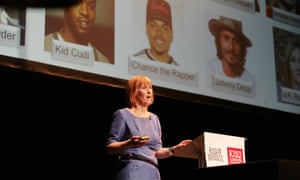
“Talking about mental health does not make you weak,” the world’s largest mental health lesson has been told. Til Wykes, a clinical psychologist, told an audience of more than 500 13-18-year-olds from around the country: “We want to get people to come to treatment early because if they come early, they recover faster and they recover better.”
The event on Tuesday at Hackney Empire in east London, compered by the 4Music presenter Maya Jama, was designed to teach children and young people about what mental health is, how to protect it and deal with problems when they arise. Officially recognised as the Guinness World Record for the largest-ever mental health lesson, with 538 young people present, the hope is that it also raises general awareness about the issue among young people and helps combat the stigma surrounding it.
There were gasps from the pupils as they heard one in 10 five-to-16-year-olds have mental health problems, amounting to 850,000 children, and 75% do not get the help they need.
Wykes, who works at King’s College London, told pupils that in a class of 30 that meant on average three would have mental health problems at some point – or possibly more as the current estimate of one in 10 is believed to be out of date – so they were all likely to be touched by the issue in some way.
Dame Til Wykes, who helped organised the event, said if people come early, they recover faster and they recover better. Photograph: Martin Godwin for the Guardian
Hussain Manawer, the poet, mental health campaigner and soon-to-be astronaut who organised the event with Wykes, told the audience: “If you are going through something you need to speak to someone about it, but if you don’t feel comfortable about talking to your friends then maybe you need to evaluate who your friends are.”
Video messages of support from a host of celebrities were played and there was even backing from the Duke and Duchess of Cambridge and Prince Harry, who stressed “how important it is to talk about mental health”.
Manawer, who has his own YouTube channel, Hussain’s House, and has just released his first single, I’m ashamed, also drafted in entertainers to talk in person about mental health and entertain the children after the formal part of the lesson, which conformed to strict rules dictated by Guinness World of Records, including no toilet breaks or talking by pupils, except when asked to respond.
The 30-minute lesson touched on famous figures of the past such as Virginia Woolf, Isaac Newton and Winston Churchill who have suffered from depression, alongside contemporary names such as JK Rowling, Professor Green and Kelly Holmes, illustrating that being successful does not offer immunity from depression.
Pupils were told that that in a class of 30 on average three would have mental health problems at some point. Photograph: Martin Godwin for the Guardian
The dangers of cannabis – particularly high THC skunk – were also discussed, the damage done by using pejorative terms to describe people with mental health problems and the importance of sleep, as well as how staying online at bedtime has the potential to disrupt it. The audience was told about the importance of communication and the services offered by the Samaritans, Childline and Young Minds.
After the lesson, the pupils were entertained by the YouTube comedian Humza Arshad, Jordan Stephens (one half of hip-hop duo Rizzle Kicks) and singer Sinéad Harnett, although there were still serious points to be made.
“Hear me, I would have this [subject] on the national curriculum, I have no idea why it’s not,” said Danny-Boy Hatchard, who played Lee Carter – a character with mental health problems – in EastEnders. “Not all of us will use the circumference of a circle or algebra [but everyone will use this].”
About three in every 10 people in Britain think social workers help with household chores like cooking and cleaning, with personal care like washing and dressing, and with childcare. Two in 10 reckon they will nip to the shops for you. Asked to choose from a given list of professionals they consider important providers of mental health support, 69% of people identify psychiatrists and 65% GPs – but only 41% pick social workers.
These findings come from a ComRes survey commissioned by Think Ahead, the fast-track training graduate scheme for mental health social workers, to mark this week’s World Social Work Day. As Lyn Romeo, England’s chief social worker for adults, comments with a certain understatement, “there is still more to do to communicate the crucial role of social workers”.
That was to have been the role of the short-lived College of Social Work, set up by ministers in 2010 with plans for it to grow to become a royal college on a par with those for the most esteemed professions, but shut down in chaos five years later. News that the College of Occupational Therapists is to become royal – richly deserved, by the way – has rubbed a good deal of salt into that wound.
There is a fresh plan, however. From 2018, part of the brief of a proposed new regulator for social workers in England will be “to promote and maintain public confidence” in the profession. The mandate for the organisation, provisionally titled Social Work England (SWE), is contained in the children and social work bill currently before parliament. After a rocky start, it enjoys broad support.
One reason SWE is being welcomed is that it will give social work its own regulator again after six years under the generic Health and Care Professions Council. A second is that ministers accept it cannot be self-financing, at least in the short term, and are underwriting it by £16m in its first two years. And the most significant reason is that an initial idea for it to be run direct by Whitehall has been ditched.
Just how independent it will be remains moot: a quango accountable to government, not parliament, it will need ministerial approval of the professional standards it polices. But the social work world sees the lifting of the spectre of regulation by a government department as a clear win.
Another success being celebrated is the withdrawal of clauses from the bill that would have allowed councils to seek exemptions from children’s social care law to test innovative ways of working. Critics saw the idea as erosion of vital safeguards and mounted a strong, successful campaign against it – but the issue was almost certainly settled when Eileen Munro, the leading social work academic often cited by ministers in support of professional reform, opposed it.
However, real tensions remain between the government’s social work reform vanguard led by Isabelle Trowler, chief social worker for children, and the bulk of the sector establishment, with plans for accreditation tests for children’s social workers looming as a new flashpoint. But there is a sense of a thawing in relations.
Herbert Laming, sector elder statesman and crossbench peer who led both the seminal inquiry into the death of Victoria Climbié, which published its report in 2003, and a review of child protection six years later following the Baby P affair, hopes the thaw continues. He tells me: “What social work needs above all at this time is a bit of tender loving care.”
In a lecture on Wednesday at the University of Suffolk, Lord Laming will spell out the enormously high expectations that society has of frontline workers’ skills and judgment when dealing with vulnerable children and adults. The task, he will say, has been made infinitely more difficult by austerity, which is why he joined the call for withdrawal of the exemption clauses at this point even though he understood and backed the case for innovation.
Social workers are crying out for support and encouragement, Laming says. He is surely right. There has been too much stick and not enough carrot in the mix of late.
In a 2003 report released by the National Commission on Sleep Disorders, it was found that over $ 150 billion was lost each year due to decreased worker productivity and other related issues due to a lack of adequate sleep. Now, five years after the release of the study, it seems that thousands of people are still having trouble sleeping. Trouble sleeping can stem from a wide range of problems and can make for a restless night or lead to major sleep deprivation which can be quite serious. Here are some of the common reasons why people are having trouble sleeping and what you need to know to deal with those problems (2).
Problem #1: Inability to Get Comfortable
Many people simply cannot fall asleep because they can never seem to get comfortable at night or they toss and turn a lot through the night. This can be due to a poor bed, inappropriate pillows, or pain.
Solution: If this seems to be your problem there are a couple of things that you can do to improve our quality of sleep. First, if you cannot seem to get comfortable due to back or neck pain, this may be due to the type of pillow that you are using. Try switching to something that gives you more support and a natural alignment during sleep such as a contoured memory foam pillow or adjusting the height and firmness of your pillows. If your pain does not subside or there seems to be other pain that is causing you to have trouble sleeping it may be a sign of a more serious problem that you may want to speak to your health care provider about.
Problem # 2: Stress and Anxiety
Stress is one of the most common contributors to why people have trouble sleeping. Stress causes a wide range of effects on your health from headaches to a lower immune system and many of the problems that result from stress can interfere with your sleep.
Solution: If you are having trouble sleeping due to stress or anxiety there are a few simple things that you can do. Learning stress management and stress reduction techniques can help you to reduce the amount of stress in your life that is causing you to have trouble sleeping. Meditating before bed can help you to unwind (1). And using aromatherapy is a natural way to help you to relax and soothe you off to sleep (3). Using bath oils or aromatic bath salts in a warm bath before bedtime, spraying your bed sheets with a lavender sleep mist, or using aromatherapy pillows are all great was to promote a relaxing night of sleep.
Problem # 3:Sleep Disorders
There are dozens of sleep disorders that can range from mild annoyances to serious, life-threatening conditions. If you have trouble sleeping that is continuous and ongoing and that does not subside when you try any of the other remedies, then your trouble sleeping could be a sign of something more.
Solution: Speak to your doctor or a local sleep center who can test for sleep disorders.
Problem # 4: Hormonal Imbalances
Hormonal changes due to pregnancy, menopause or PMS can also give you trouble sleeping.
Solution: Speak with your doctor about ways to balance your hormones and to see which herbal remedies may be safe for you to try. Also, any of the great aromatherapy choices mentioned above can also be helpful.
Dr. Serge is a clinical nutritionist. He owns a doctorate degree in nutrition from McGill University in Canada. In addition, he completed a 7-year postdoctoral training at Harvard Medical School in Massachusetts where he studied the impact of fat as it relates to heart disease.
He has authored a book on this topic that is awaiting publication with Edition Berger publishers in Canada. He holds an advance certification in Nutrition Response Testing (SM) from Ulan Nutritional Systems in Florida and he is a certified herbalist through the Australian College of Phytotherapy.
His personalized nutritional programs allow to help individuals with a wide variety of health concerns such as hormonal imbalance, digestive issues, heart-related conditions, detoxes/cleanses, weight loss, fatigue, migraines, allergies, among others.
I leave the house of my first home visit of the day – a middle aged businessman – and walk back to my car. I recall the heat of his skin on my hand, his yellow, sunken cheeks, his racing pulse.
An ambulance is on its way – I opted for the semi-urgent type, the type that comes within two hours, the type for people who are quite sick but not very sick. I wonder whether I should have chosen the very sick type, the one that races down the road, flashing blue lights and all.
A message lights up the screen of my phone – “I’ve found a button in her poo.”
I often ask myself the question: is it really possible to be a great doctor and a hands-on mother? I’m not sure it is
I think now of my two-year-old daughter. I picture her careering around the room at playgroup, biscuit hanging from her mouth and dribble falling from her chin. Then come the usual worries: is she really enjoying playgroup; is the childminder overly strict with her; does she eat too many biscuits and did she really eat a button? If I’ve chosen to be out at work, do I even have any right to tell the childminder how to look after her? At that age, maybe my daughter doesn’t even know I’m not there.
Back at the surgery, the waiting room begins to fill. Swimming round my head is an endless list of things I need to do that I will never have time to do: the patient cases I should be writing up, the audit I need to conduct, the extra out-of-hours shifts I must work, the exam I need to prepare for – all in order to complete my GP training. I try to forget the morning’s events so that I can prepare for the afternoon ahead. It’s important to give each patient the best version of me.
My pregnant bump presses against the edge of my desk and I feel the familiar kick in the ribs from the one inside. As if she’s saying: “Remember I’m in here, Mummy.”
I have just one week left before I go on maternity leave. I plan to take a year off and then return to work part-time. Already I am wondering how it will be possible for me to do this. It’s not that I don’t want to go back – I love my job – it’s just that I’m not sure it’s the right thing to do for my family. The cost of putting two children in childcare and the worry that I will miss out on their early years are my main concerns. Alongside this, the fact that I am still training means that I have extra work to do outside of my already very busy job. But if I don’t finish my training, all the years of work I’ve done will go to waste.
I often ask myself the question: is it really possible to be a great doctor and a hands-on mother? Personally I’m not sure it is – I feel like I am continually striving to achieve the impossible and never feel satisfied that I am doing either job well. To be a good doctor I need to invest time in keeping my knowledge up to date but simultaneously my two-year-old needs to be the focus of my attention. I know I am in a position of privilege; I have choices women historically would never have had and (potentially) a very rewarding career ahead of me, but it all feels too much.
It’s a dilemma women up and down the country face – to work, to stay at home or to do a bit of both. I have one friend who feels that it is important for her daughter to see her going out to work every day so that she can aspire to the same. I have another who has given up her career to be at home with her child.
For now I have decided that the best way for me is to accept things as they are, to manage my expectations of what I can achieve at both home and work and hope everything works out all right in the long run. I will try my best to forget work on the days I spend at home and to trust that my children are in good hands on the days that I’m not.
That evening, as I try to convince my two-year-old that her princess dress isn’t really suitable attire for bed, I think again of the yellowness of that man’s skin and the look of desperation in his wife’s eyes. I promise my daughter we’ll go for ice-cream in the morning if she will just let me put her pyjamas on. After all, I know only too well that life is short.
If you would like to write a blogpost for Views from the NHS frontline, read our guidelines and get in touch by emailing sarah.johnson@theguardian.com.
Join the Healthcare Professionals Network to read more pieces like this. And follow us on Twitter (@GdnHealthcare) to keep up with the latest healthcare news and views.
Who says exercise is always good for you? Cycling to work in certain highly polluted cities could be more dangerous to your health than not doing it at all, according to researchers.
In cities such as Allahabad in India, or Zabol in Iran, the long-term damage from inhaling fine particulates could outweigh the usual health gains of cycling after just 30 minutes. In Riyadh, Saudi Arabia, this tipping point happens after just 45 minutes a day cycling along busy roads. In Delhi or the Chinese city of Xingtai, meanwhile, residents pass what the researchers call the “breakeven point” after an hour. Other exercise with the same intensity as cycling – such as slow jogging – would have the same effect.
“If you are beyond the breakeven point, you may be doing yourself more harm than good,” said Audrey de Nazelle, a lecturer in air pollution management at Imperial College’s Centre for Environmental Policy, and one of the authors of the report.
The study, originally published in the journal Preventive Medicine before the World Health Organization’s latest global estimates, modelled the health effects of active travel and of air pollution. They measured air quality through average annual levels of PM2.5s, the tiny pollutant particles that can embed themselves deep in the lungs. This type of air pollution can occur naturally – from dust storms or forest fires, for example – but is mainly created by motor vehicles and manufacturing.
People cycle in heavy smog in Beijing. Photograph: Imaginechina/Rex/Shutterstock
Breathing polluted air has been linked to infections including pneumonia, ischemic heart disease, stroke and some cancers. The Institute for Health Metrics and Evaluation’s Global Burden of Disease study ranks it among the top risk factors for loss of health.
The report in Preventive Medicine assumed cyclists moved at speeds of 12/14kph, with health benefits calculated in a similar way to the WHO’s Heat assessment tool. It also assumed cyclists used roads with double the background levels of air pollution, which may underestimate how poor air quality is in many developing world cities: for example, a study in Lagos found five out of eight sites exceeded Delhi’s annual PM2.5 concentration.
People commuting to work along busy roads in a city with average annual background PM2.5 levels of 160 micrograms per cubic metre (μg/m3) or above will pass the breakeven point at just 30 minutes a day, the study found. Using the WHO’s latest global estimates, published in May, those levels are only reached in Zabor, and in Allahabad and Gwalior in India – although many large cities in the developing world do not accurately measure air pollution so were not included in the WHO database.
Breakven point for different levels of cycling and air pollution
Fifteen cities (see map above and table below) have annual mean PM2.5 levels of 115μg/m3 or above, according to the WHO data, so the breakeven point is reached after an hour of active travel. Fine particulate levels above 80μg/m3 were found in 62 cities, making cycling more harmful than beneficial after two hours.
The study found people in western cities such as London, Paris or New York would never reach the point where PM2.5 air pollution’s negatives outweigh exercise’s positives in the long term.
“The benefits of active travel outweighed the harm from air pollution in all but the most extreme air pollution concentrations,” said Nazelle. “It is not currently an issue for healthy adults in Europe in general.”
London’s annual average PM2.5 pollution was estimated at 15μg/m3 by the WHO – above the WHO’s guideline of 10, but still at a level at which the study estimated active travel would always be beneficial. Paris had ambient PM2.5 levels of 18μg/m3, while New York had 9μg/m3.
However, the study did not consider the health impacts of short-term spikes in PM2.5 pollution, or take into account the effect of exercising in air containing larger PM10 particulates, ozone, or toxic nitrogen oxides (NOx) from diesel cars.
London mayor Sadiq Khan issued his first “very high” air pollution alert last month when air in the UK capital hit the maximum score of 10 on the Air Quality Index, equivalent to PM10 in excess of 101μg/m3. NOx pollution causes 5,900 early deaths a year in the city, and most air quality zones across Britain break legal limits.
“This is the highest level of alert and everyone – from the most vulnerable to the physically fit – may need to take precautions to protect themselves from the filthy air,” Khan warned.
Air pollution – cities where harm from exercise outweighs benefits – table
Guardian Cities is dedicating a week to investigating one of the worst preventable causes of death around the world: air pollution. Explore our coverage at The Air We Breathe and follow Guardian Cities on Twitter and Facebook to join the discussion
Medical knowledge changes swiftly, and technological changes make new and expensive investigations and treatments possible that were only theoretical a few years ago. Life has been extended in length, but not in quality, and the debates about end‑of‑life decisions show us how much the notion of a “good life” is bound up with the absence of disease, illness and suffering.
The practice of medicine is not purely technical. It involves a relationship between a person who is seeking help, and who may be vulnerable, and a person who has the skills and knowledge to help. Relationships that involve disparities of power, knowledge and vulnerability require some degree of external oversight and regulation. Traditionally, in medicine, this oversight has taken the form of codes of ethics, starting with the Hippocratic Corpus. Today, bodies such as the General Medical Council and the Royal Colleges define the standards of good medical practice.
There has been much discussion of how we make moral choices, but what do we mean by a “moral” decision in medicine? Conventionally, we are distinguishing what is clinically and technically possible from whether it is “right” to intervene at all. For example, if a person’s heart stops, we know we can resuscitate them, but should we do so?
To answer that question, we do not expect to rely solely on numerical data and we do not anticipate getting an obvious and single answer. We are aware that there may be more than one answer to the question, and those answers may conflict with each other. We will want to get clinical information about the situation: why did the heart stop? Will restarting the heart make things better or worse for that person in medical terms? We will also want to know what the patient thinks about the situation: did they anticipate this? Do they want to be resuscitated? And if we don’t know these things, we will want to ask some questions about how best to make a complex decision if we have not heard the wishes of the person concerned.
Moral reasoning differs from those types of reasoning that are purely computational, logical or algorithmic. To answer ethical questions, we engage in a process of reflection and discussion: we begin a discourse that uses the words “ought” and “should”, as opposed to “can” and “must”. If the patient’s heart has stopped because they are losing blood, then a doctor may say: “We must give the patient more blood or his heart will stop, and we can do so because the blood is here and we know it will work.” However, that statement does not answer the question: “Should we resuscitate the patient if his heart stops?” The doctor’s statement about what can be done is not irrelevant, but it is only a part of the reasoning process involved in deciding whether it is right to resuscitate. If the patient had left instructions that they did not want to be resuscitated if their heart stopped during surgery, then the facts of successful resuscitation practice would be irrelevant to what the doctors should do.
What we are distinguishing here are facts and values – a distinction developed by David Hume in the 18th century. Hume says that it is a fallacy to think that because things are a certain way (facts), then they should be that way (values). We cannot derive values from facts, but we do evaluate facts and make moral judgments about them, and this reasoning and reflection process is crucial to medical ethical decision-making.
For centuries, it was assumed that a good decision ethically in medicine was the same as a good clinical decision
For centuries, it was assumed that a good decision ethically in medicine was the same as a good clinical decision. If the doctor did what was medically indicated to benefit the patient, then this was the ethically right thing to do. Although sometimes crudely summarised as “doctor knows best”, this approach to ethical dilemmas in medicine is (arguably) less about the doctor’s status, and more about the tensions between facts and values.
Medicine as a science utilises a method of study that focuses on consequences of actions, on causes and effects in nature. These facts about how bodies heal, or how drugs work, are sometimes confused with medicine’s ethical imperative to bring about good consequences for the patient, or at least reduce harmful consequences. Concerns tend to arise when there is friction between the facts and values.
Modern medical ethics developed out of an examination of medical authority after the second world war, partly in response to the Nuremberg trials of doctors who had used medicine to torment and kill citizens, but also in sympathy with a general increase of attention to the human rights of ordinary people which had previously been denied – people of colour, women and those made vulnerable by illness.
Legal cases reflected this change: in one famous instance (Murray v McMurchy, in 1949), while operating on a woman for another purpose, a surgeon tied her fallopian tubes without her consent, because he foresaw that becoming pregnant would be clinically dangerous for her, and that it would also be dangerous for her to undergo two surgical procedures. She sued for negligence and won: it was not disputed that the surgeon was factually correct, in clinical terms, but he had not considered that the patient’s own view of herself and her body were essential to the decision-making process. He had focused on facts, and assigned no value to the patient’s view, even though it was her body that was being operated on.
This case brings us to an important issue in moral reasoning generally, which is how we think about words like “good” or “right” or “best”, in relation to a human decision. It is not a question of whether we want doctors to make ethical decisions on a daily basis – it is a fact that this will happen in the world of medical practice. What we want is for doctors to make “good” ethical decisions, or at least the “best possible”. We want to know that they have engaged in the type of thinking that takes account of values and personal lived experience.
One of the most common criticisms of doctors is that they do not listen to the experience of the patient, or let the patient’s voice be present or important. There have been changes in this regard, and medical practitioners are encouraged to be more patient-centred. This process is helped by doctors themselves acknowledging that they will inevitably be patients at some point in their lives, that knowledge does not make them immune from suffering. Nevertheless, there are still concerns about unethical practice in medicine, and occasions when doctors do not make the best ethical decisions; or even make decisions and take actions that are deemed to be “wrong” and “bad”.
A few years ago, a medical team described how they resuscitated a woman whose heart had stopped, despite knowing that she did not want to be resuscitated. They described how they felt that they had done the right thing at the time, but they could see that, besides disrespecting her wishes, their decision had bad consequences for the woman. Although difficult to do, it is helpful if doctors can take the risk to discuss their “bad” ethical decisions in public, because it allows a learning process to take place, just as happens after other types of serious incident or accident. At present, doctors who have done “bad” things are treated as offenders, and any exploration of what happened takes place in a secret process.
Ethical reasoning in medicine has drawn on a range of theories in moral philosophy. There is obviously a close relationship between medical ethics and the utilitarianism of Jeremy Bentham and John Stuart Mill, namely that the doctor should act in such a way as to bring about the best medical consequences for the greatest number of people, or act in such a way as to minimise harmful consequences for the greatest number of people. Although it may seem unarguable that doctors should always do what is best for their patient’s welfare, it is not always clear how the assessment of welfare is to be done, and from whose perspective.
A common criticism of focusing on medical consequences is that a utilitarian approach does not help doctors and patients to weigh up different consequences, nor does it tell them what to do when doctors, patients and carers weigh anticipated consequences very differently. Ray Tallis, a physician of older age care, writes movingly of how painful it is to be accused of cruelty and ageism when he does not support treatments and interventions that will prolong an aged person’s life for a short time, but cause them more suffering before their inevitable death.
In 1979, a model of medical ethics was proposed that has become a basic starting point for discussing and teaching healthcare ethics. It proposed a set of principles that would address both consequences and duties in medicine. Doctors should respect the principle of doing good and doing no harm, but they should also have respect for the patient’s views and choices about their condition and treatment, and respect their autonomy over decisions that affect them directly. Doctors should also respect a principle of justice in healthcare, where justice implies fairness of access to treatment.
This model is known as the “four principles” approach, and is now often used as the basis of training in healthcare ethics. Possibly its greatest value is that it has enabled the study of healthcare ethics to become more central to the training and development of doctors. Doctors used to learn about ethical reasoning by watching their trainers and seniors in a purely clinical context, but the four principles gave them a structure for thinking about their ethical decisions that was based on arguments from moral philosophy, not clinical medicine. A good ethical decision in medicine could be said to be one that takes account of the clinical consequences for the patient and embodies a duty to respect the views of the patient and the justice of the process.
Respect for patient autonomyhas grown with the consideration of human rights and dignity, and developments in the law on consent and personal ownership of identity. But there is a problem with giving more weight to autonomy. Many medical conditions impair the capacity to be autonomous, even if only temporarily, which gives rise to considerable debate as to how to make good-quality ethical decisions in cases where people cannot express their views. In many cases, it will be possible to wait until the patient has regained the capacity to make their own decisions, in other cases, the patient may have left advance instructions as to how to be treated, or there are substitutes (usually family members) who can make a choice for the patient.
The problem of lack of capacity deepens where people have long-term problems with autonomy, either because they are developing it (children and young people), they have lost it through physical and mental injury (the elderly and disabled), or where it fluctuates, owing to psychological distress (which occurs in a wide variety of mental disorders).
‘A moral decision is a complex process, and like many medical treatment decisions, involves both facts and values’ Photograph: Mode Images / Alamy Stock Photo/Alamy Stock Photo
Autonomy is sometimes seen as a type of cognitive skill that one either has or doesn’t, like being able to read. But some have argued that it is an expression of identity and experience that is organic, formed by family and other relationships. From this perspective, a person’s capacity to make important ethical decisions (such as terminating a pregnancy or refusing treatment) changes naturally with time, within a range of relationships, and degrees of vulnerability. For example, parents help their children to become more autonomous over time by providing them with a network of secure relationships. Autonomy to make important decisions reflects personal identity and values, not just an ability to understand or take in information.
For those people who live in relationships of long-term dependency on others, the autonomy of the patient is located in the relationships with those who care for them, and facilitated by those carers.
It might be argued that any state of being ill or distressed entails a type of vulnerability with which the doctor must engage. The good doctor does not always wait for the patient to regain autonomy, or turn to a substitute decision maker, she works with the patient, seeing their compromised autonomy as a type of reflective bedrock for ethical decision-making. Vulnerability and neediness are not indicators of low status or even disability, but are aspects of a person’s identity that make up essential human transactions.
A moral decision is a complex process, and like many medical treatment decisions, involves both facts and values. One view of the capacity to make any complex decision is that it involves a process of taking in information and believing it, weighing up of the perceived risks and benefits, and evaluating advantages and disadvantages, a process which is then followed by a selection of the outcome most beneficial in terms of life advantage. No doubt some decisions can be made this way, but what such an account seems to leave out is any discussion of the feelings that are involved in such a decision, or the way the subjective experience of the decision-maker influences her thought process.
The surgeon, public health researcher and writer Atul Gawande has described the complexity of treatment decisions in people with conditions that were going to end their lives, and the importance of thinking about what individual people value in their lives when making these decisions. He argues that doctors have been poor at making these kinds of discussions possible because of the emotional discomfort that they entail. We might infer from this that emotional discomfort is often an important part of the moral decision-making process, and the more complex the moral decision, the more emotional discomfort there will be. The idea of coolly weighing up alternatives seems implausible in relation to decisions like, “Shall I keep this pregnancy?” or “Shall I refuse this treatment that is keeping me alive?”
There is evidence to support a more complex and emotional account of moral decision-making. A 1977 study by Carol Gilligan explored how women approached the decision to have an abortion. When making their decision, they reflected on their moral identity over time, and the kind of person they wanted to be, both now and in the future. They also considered the impact of their decision on the people they were closest to: family, friends, partners. Gilligan suggests that these women located their ability to make a complex moral decision within a narrative of who and what they valued as people. This focus on relationships complemented the type of rights‑based argument that asserted a woman’s right to choose what happens to her body.
Another study, by JO Tan and others, explored the capacity of young women to refuse treatment for an eating disorder. The study found that these young women could take in information about the consequences of their decisions and appeared to be able to weigh it up – that is, their capacity to make such a decision was not obviously cognitively impaired. But the study also identified a profound difference between the way the clinicians saw the problem, and the way the young women saw the problem.
The clinicians saw the young women as having a disorder that was threatening their lives, whereas the young women themselves described experiencing the eating disorder as part of their identity, and thus to give it up was to give up a part of themselves. Their capacity to make an autonomous decision about life-saving treatment was tied up with their identity and personal values, not just an analysis of consequences. A 2012 study of people who repeatedly self-harmed produced similar findings: the participants also expressed real ambivalence about their decisions. They acknowledged that the decision-making process involved in self harming was unsettling and complex.
Improved techniques for brain scanning have led to great interest in what happens in the brain when people make moral decisions. Areas of the brain that are known to be active in emotional experience and regulation are also activated in moral decision-making and the experience of moral emotions. Not only are these processes and experiences complex, they involve different neural pathways and networks between different parts of the brain. Disruptions of different processes may lead to variations in moral reasoning, and altered experience of moral decision-making.
There is little doubt that most people know the difference between right and wrong. However, it appears that some people seem not to have the feeling of what is right and wrong. This “moral feeling” is thought to translate the cognitive recognition that an act is immoral into inhibition of that action. Work by neuroscientist Antonio Damasio suggests that good quality moral decision-making involves a type of rapid unconscious intuitive process, which is distinct from information processing, and that if this is absent (for example, after some types of brain damage), then people will struggle to make moral decisions at all.
The doctrine of double effect is an old one in moral philosophy. It effectively says that it is morally justifiable to carry out a good action with a bad side-effect, if the bad side-effect is not the main intention of the action. A famous example is given in Philippa Foot’s thought experiment from 1967, commonly referred to as “the trolley problem”. The experiment involves a scenario in which a tram (“trolley” in the US) is heading towards a line of track on which five people are trapped. You can pull a lever that will switch the tram’s course on to a line of track where only one person is trapped. Essentially the question facing the decision-maker is whether it is justifiable to act in a way that prevents the death of five people, even if that means bringing about the death of one.
A simple utilitarian calculus (if there is such a thing) would suggest that it is right to save five lives if possible, even if it means bringing about the death of one, and this is the option that most ordinary people choose. Using the doctrine of double effect, they assert that they do not intend to kill the one person, but that a single death is an inevitable byproduct of their intention to save five people.
The trolley problem has been given several variants to explore different moral responses. In one variant, you can stop the tram from killing five people by pushing one person in front of it, and thus bringing the tram to a stop (the unfortunate person sacrificed is often described as fat, but since the thought experiment is based on the assumption that your action is successful in saving the five others, the victim’s size is probably irrelevant). When people are asked about this variant, many express reluctance to push the man on to the track, even though the intended outcome is the same as pulling the lever (five lives saved). This result implies that people feel differently about physically harming someone directly, even when doing so would bring about good consequences.
The distinction between pulling a lever and a physical push has an emotional effect that means something to the decision-makers, even if it is hard to articulate. One possible explanation for the distinction people make between pulling a lever and pushing a person may be to do with the sense of intention or agency that has to be owned. In both cases, the doctrine of double effect is invoked: I intend to save five people, I don’t intend to kill one person, but sadly that happens because of my primary intention to save lives. But when the saving of five people entails physically pushing an innocent person in harm’s way, it seems that the doctrine of double effect cannot allay anxiety about doing harm. It seems difficult to claim that you do not intend to kill a man when you push him in front of a train. Criminal jurisprudence would find you guilty, on the basis of the anticipated consequences alone.
No doctor would accept that taking a single life is justifiable even if five lives could be saved
Another possibility is that people feel a sense of injustice on behalf of the single man, and an awareness that if one of us can be sacrificed for a good cause, then any of us could be sacrificed without consent, which seems unjust and cruel. It may be of interest that people who score highly on a measure of psychopathy are more likely than low scorers to endorse more utilitarian responses, which suggests that a lack of anxiety about hurting others allows for easier focus on simple utilitarian calculus. Yet another possibility is that people do not like to think of themselves as causing direct harm to others, even if they accept that they did so. In a recent book about the life of Rudolf Höss who was the commandant at Auschwitz, he is quoted as saying of himself that he was not a murderer, he was “just in charge of an extermination camp”.
The doctrine of double effect was first expounded by Thomas Aquinas, and has been especially influential in medicine because so many medical interventions are risky to the patient. The most well-known example of the doctrine of double effect occurs in palliative care, where people in the last stages of life are often given high doses of pain-relieving drugs. These drugs shorten life (often by depressing respiratory function), but doctors who prescribe them argue that they do not intend to shorten or end life, only to relieve severe and intense pain. Other common examples in medicine also involve side-effects of drugs such as chemotherapy for cancer, where harmful effects are not intended, but are an “inevitable” consequence of the intention to benefit the patient.
No doctor would accept that taking a single life is justifiable even if five lives could be saved, and doctors have been and will be prosecuted where there is a suspicion that they have intentionally ended life, even where there is prior consent and family support. One report describes a tragic case where a young man was brain dead, and his organs were to be used to save several people’s lives when life was extinct. A doctor was accused of administering a drug to bring about the young man’s death so the organs could be used, although he was acquitted of this charge. When the young man eventually died, his organs were never used. One can only imagine the different emotional responses to this series of events, depending on whether you were a relative of the dying man, or a relative of those whose life might be saved by his death.
The doctor is empowered to do harm to the patient in pursuit of doing good, and there is a social acceptance that treatment may entail a deliberately imposed suffering that is not the primary intention of the doctor.This acceptance requires a great deal of trust in the medical profession – and doctors are still the most trusted professional group. The trust that makes these interactions possible assumes that doctors will not be the kind of people who exploit vulnerability and exercise influence for their own ends. There is a question here about how society expects doctors not just to be good technically, but to be good personally.
There are other accounts of ethical reasoning that may be helpful when thinking about doctors as good people. In his book, Justice: What’s the Right Thing to Do?, Michael Sandel has argued that moral decision-makers need to follow an ethical reasoning process that pays attention to justice and the ways that people weigh the value of their decisions. He argues that impartiality is not always the keystone of justice, but rather that justice processes need to pay attention to what people value.
There remains a question about whether it is just and fair to expect a group of people who are chosen for cognitive intelligence and skills in exam-passing to become morally superior individuals. It is often said that doctors are held to a higher moral standard than other people, but how are they trained to that higher moral standard? After the Harold Shipman inquiry, it was recommended that doctors undergo revalidation every five years, but there is no evidence that the revalidation process addresses moral reasoning or the moral identity of doctors. Doctors still do “bad” things, even when they are good people in other ways, and technically good at what they do.
Medicine needs a way of thinking about ethics that addresses different moral values and intuitions. What remains unclear is how we train doctors to be good people, not just to do good work and make good choices.
• This is an edited version of a lecture given by Dr Gwen Adshead at the Museum of London
The everyday beverages like coffee and tea are well-known mind stimulants- improve the mental alertness, wakefulness and help you feel energized.
What does the trick here?
For coffee, it is the caffeine. For tea, it is the synergistic effect of caffeine, polyphenolic antioxidants, and theanine. That’s why tea performs better than coffee when it comes to brain and cognitive health.
A review published in the Journal of Nutrition, Health, and Ageing, June 2010 observed that regular consumption of tea, irrespective of the tea variety (black, green and oolong tea) reduces the risk of cognitive impairment in older Chinese adults. Coffee consumption didn’t bring any improvement in cognitive performance.
If all the tea varieties are good for your brain, then what is so special about oolong tea? Well, it has a perfect blend of decent health benefits with better taste. In simple terms, it is a hybrid of green tea and black tea.
Let us know Oolong tea
Oolong tea is a low-caffeine, traditional Chinese tea which is manufactured mainly in parts of China and Taiwan.All kinds of teas (black, green and oolong) are manufactured from the leaves of a common plant- Camellia Sinensis. The degree of oxidation (fermentation) varies during the tea manufacturing procedure. The black tea is highly oxidized whereas the green tea goes unoxidized. The oolong tea lies in between- it is partially (semi) oxidized. That’s why it holds the health benefits related to green tea, but, with a mild, earthy taste. Unlike the green tea, it doesn’t taste grassy or bitter.
The oolong tea contributes only 2% of the total tea production whereas green tea is 20%. But, it is catching up very fast because of the taste advantage.In recent times, there has been a steep rise in its popularity. The habitual coffee and black tea drinkers find its taste more appreciable and easy to adapt to in comparison to green tea.
Oolong tea is good for Brain health
Let us discuss how the various nutrients in oolong tea make your brain work better
Theanine (L-theanine)
It is a natural amino acid with potent psycho-protective properties. It relaxes the mind by inhibiting the overproduction of cortisol (stress hormone) without inducing drowsiness.
Stress and anxiety can spike the blood pressure levels by stimulating the central nervous system to release vasoconstricting hormones in excess. In a case study reported in the Journal of Physiological Anthropology, Oct 2012- it was observed that theanine and caffeine, both can help reduce stress and ensure a small increase in blood pressure level while dealing with physical and psychological stressful conditions. However, theanine performed better than caffeine.
Antioxidants
The phytochemicals (plant chemicals) in oolong tea act as antioxidants. They neutralize the free radicals in your body to prevent oxidative damage. As the brain utilizes around 20% of all the oxygen that you breathe in it is most susceptible to be damaged by the oxidative stress caused by free radicals. The polyphenolic antioxidants, particularly ECGCs and catechins can help halt this process.
Caffeine is a naturally occurring compound in leaves and seeds of various plants. The various food sources of caffeine are coffee, tea, soda, soft drinks, energy drinks, and chocolate. Caffeine, within the safety limit, is good for your health. It stimulates the central nervous system to lift the mood, improve concentration and alertness and reduces fatigue.
Caffeine content in Oolong tea
As noted above, overconsumption of caffeine can be troublesome. The possible damaging effects of excessive caffeine intake are:
Body dehydration
Acidic body pH
Gut irritation and worsening of gut issues like acid reflux, bowel inflammation, and leaky gut
Insomnia
According to the latest guidelines of the European Food Safety Authority, the safety limit of daily caffeine intake is 400 mg for normal, healthy adults. One cup of brewed coffee contains around 100-120 mg of caffeine. Hence, 2-3 cups of brewed coffee everyday are quite a safe bet.
According to the Linus Pauling Institute, caffeine content in oolong tea is almost one-fourth that of brewed coffee, when consumed in the same amount. Also, various commercially available brands of oolong tea and green tea contain similar amounts of caffeine.
How much to drink
Consume 3 cups of oolong tea everyday for optimum results, preferably one hour after the meals. Do not drink it empty stomach in the morning or before the breakfast because it can cause stomach upset. Also, avoid drinking it late at night to avoid sleep disturbance.
How to make oolong tea
Take a teaspoonful (2 grams) of oolong tea in a cup and pour 6-8 ounces of boiled water over it. Let it steep for 3-5 minutes, strain the tea and your refreshing oolong tea is ready. For convenience, some people refer tea bags instead of loose tea leaves.
Take away message
The unique brain boosters like theanine and ECGC team up with caffeine for improved brain functioning. It is a low-caffeine elixir with health benefits similar to green tea. Despite the widespread health benefits of green tea, many habitual coffee (and black tea) drinkers find it hard to switch over to it because of its taste. For them, oolong tea seems a perfect alternative.
Author bio
This post is submitted by Ashish Agarwal. Check his blog- Health Melody to know more about the health benefits of Oolong tea.
As an engineer, Jak Haines never expected to find herself in the sex business – she was just looking for an opportunity to practise conscious capitalism.
“I looked at different sectors … but I decided the sex industry was ripe for change,” she says.
Haines launched her website, Vävven, in November to sell sex toys and accessories that are “body safe”, ethically sourced and are marketed without objectification.
As a social enterprise, Vävven will donate 30% of its profits to causes for sexual and reproductive health and rights.
Haines had a 20-year career in heavy industry (turnaround management) before she closed down her business last year and decided to put her ideals to work. Conscious capitalism aims to use ethical business practices to elevate humanity. “Business can change society,” she says.
Launching a business in the sex industry appealed to her because of its challenges of managing standards (sex toys are required to meet lower safety standards because they are usually sold as novelty items), stigma and objectification in marketing. “There are a whole lot of things you could change within the industry without even linking it to a cause,” she says.
But she enjoys the irony of using the sex industry to fund the cause of sexual and reproductive health and rights. “It is also a bit of ‘stuff you’ to society,” she laughs.
Once it turns a profit, the organisations Vävven will support include Marie Stopes International (family planning, sexual health and abortion) and Oxfam and its gender justice program.
The founder of Vävven, Jak Haines, aims to use the profits of the sex industry to fund reproductive health and rights. Photograph: Sarah Candlin
Vävven will also donate to Women on Waves – the Dutch non-profit that offers a floating sexual health and abortion clinic to women in countries where abortions are illegal. Last year Women on Waves used a drone to deliver abortion pills to two women in Northern Ireland.
There are few social enterprises that operate in this area but two are the UK Family Planning Association’s “pleasure shop” and the Denver-based online sex toy shop Vibrant, which donates all profits to Planned Parenthood.
Haines says the taboo nature of the sex industry means she has faced difficulties in getting her new business going. Firstly, it has been hard to find products that are safe to use and made by people who work in fair conditions. “If you are purchasing something for love, you shouldn’t be causing harm to others,” she says.
Although she sources her products from all over the world, most sex toys are made in China, where manufacturers are not accustomed to being asked to provide products at a higher safety standard. As a very small business, her requests are often swept to one side.
Haines has managed to find ethical manufacturers who “tick all boxes”, except for the stipulation that they must have freedom of association (the ability to join independent unions, for instance), which is not available in China.
Advertising her website also presents some trials. For a start, consumers are used to seeing sex products advertised with objectifying images of women and men, so catching their eyes without those images can be difficult, says Haines.
“You are attempting to change the way society thinks at the same time as you are marketing to them – and that is a ludicrously hard line to walk,” she says. “A woman can still look sensual, that is fine, but if they are just there just as a sexual object, that is not fine.”
She quotes feminist erotic filmmaker, Erika Lust: “Sex can stay dirty but the values have to be clean”.
Haines has also come up against what she describes as an unwritten moral code, which means that some businesses and banks are unwilling to deal with her because she is considered part of the sex industry.
Facebook, for instance, will allow Vävven to have a page,but will not allow it to “boost” its posts as paid advertising. “Selling of an intimacy product is considered immoral,” she says.
Dealing with a bank or getting access to PayPal can also take an “extraordinarily” long time. “There are a number of the big four [banks] that won’t even touch you because you sell sex toys. They say there is high risk with them – what that actually means, I am not sure.”
Building mutually beneficial relationships with other businesses is also a very slow process. “One of the things I discovered about the industry is that it is cagey, they are not necessarily interested in collaboration, which is a big problem. They need to learn how to collaborate”.
The Australian condom manufacturer Glyde Health is an exception with the managing director, Clive Woodworth, keen to join forces around the issue of sexual health.
Glyde Health supplies condoms and lubricants in bulk to brothels, male sex premises, the Aids councils and clinics for sexual health and family planning.
Woodworth started the business 27 years ago when he saw an opportunity to supply higher quality condoms than those that were being imported into Australia.
The company sells between 8m to 10m Malaysian-made condoms per year (Australia imports close to 60m per year).
Woodworth says it is still rare to find businesses in the sex industry that are mindful of objectification and operate under ethical lines.
He would like to see uniform legislation across all the states and territories to protect sex workers and says the stigma around the industry means that issues such as this are not properly dealt with.
He says there is room in the sex industry for businesses such as Vävven: “an operation that allows people to enjoy their sex life but not objectifying women as sex objects”.
Glyde Health also does not use objectifying images, marketing itself as a supplier of “sexual health products”. Like Haines, Woodworth’s entry into the sex industry was a business decision, rather than a personal interest. Before starting Glyde Health, he imported perfume.
“I went from French perfume to French letters in one fell swoop,” he says.