Mortality etiketine sahip kayıtlar gösteriliyor. Tüm kayıtları göster

9 Mayıs 2017 Salı

Venezuela"s infant mortality, maternal mortality and malaria cases soar

Venezuela’s infant mortality rose 30% last year, maternal mortality shot up 65% and cases of malaria jumped 76%, according to government data, sharp increases reflecting how the country’s deep economic crisis has hammered at citizens’ health.


The statistics, issued on an official website after nearly two years of data silence from President Nicolás Maduro’s leftist government, also showed a jump in illnesses such as diphtheria and Zika. It was not immediately clear when the ministry had posted the data, although local media reported on the statistics on Tuesday.


Recession and currency controls in the oil-exporting South American country have slashed both local production and imports of foreign goods, and Venezuelans are facing shortages of everything from rice to vaccines. The opposition has organized weeks of protests against Maduro, accusing him of dictatorial rule and calling for elections.


In the health sector, doctors have emigrated in droves, pharmacy shelves are empty, and patients have to settle for second-rate treatment or none at all. A leading pharmaceutical association has said roughly 85% of medicines are running short.


The health ministry had stopped releasing figures after July 2015, amid a wider data blackout.


Its statistics for 2016 showed infant mortality, or deaths of children aged 0-1, climbed 30.12% to 11,466 cases last year. The report cited neonatal sepsis, pneumonia, respiratory distress syndrome, and prematurity as the main causes.


Hospitals often lack basic equipment such as incubators, and pregnant women are struggling to eat well, including taking folic acid, factors that can affect a baby’s health.


Maternal mortality, or death while pregnant or within 42 days of the end of a pregnancy, was also up, rising 65.79% to 756 deaths, the report said.


The health ministry did not respond to a request for further information. Maduro’s government says a coup-mongering elite is hoarding medicines to stoke unrest.


Diphtheria, a bacterial infection that is fatal in 5-10% of cases and that Venezuela had controlled in the 1990s, affected 324 people, the data showed – up from no cases the previous year.


Diphtheria was once a major global cause of child death but is now increasingly rare thanks to immunizations, and its return showed how vulnerable the country is to health risks.


Reuters documented the case of a nine-year-old girl, Eliannys Vivas, who died of diphtheria earlier this year after being misdiagnosed with asthma, in part because there were no instruments to examine her throat. She was shuttled around several run-down hospitals.


There were also 240,613 cases of malaria last year, up 76.4% compared with 2015, with most cases of the mosquito-borne disease reported in Bolivar state.


Cases of Zika rose to 59,348 from 71 in 2015, reflecting the spread of the mosquito-borne virus around Latin America last year. There was no data for likely Zika-linked microcephaly, in which babies are born with small heads, although doctors say there have been at least several dozen cases.


Venezuela"s infant mortality, maternal mortality and malaria cases soar

20 Mart 2017 Pazartesi

"I thought cancer was a disease for the elderly": tackling Nigeria"s 80% mortality rate

After a long day’s work at a law firm in Nigeria’s capital, Abuja, 35-year-old Comfort Daniel returned to her apartment one cold evening in December 2014 and began to undress for a bath. She was halfway done when she felt a lump on her left breast. A pang of apprehension surged through her. She ran her hand over her breast and the lump became more visible.


But Daniel didn’t go to hospital for screening immediately. Instead she consulted a South African-based physician who visited her church after Sunday service. The physician gave her some drugs for 17,000 naira (£44) and told her that she would have a discharge from her nipple then she would be healed.


Trusting the physician’s assurance, Daniel didn’t visit the hospital for screening. Two weeks after the treatment, a brownish discharge came from her nipple, but she became more uncomfortable. Shortly afterwards she was watching TV when a health programme came on and a doctor advised women to go for screenings whenever they noticed any abnormalities on their breasts. “That was all I needed to go to a hospital in downtown Abuja,” she says.


After several months of travelling between a private clinic and the national hospital in Abuja, and after spending most of her savings on appointments, Daniel finally learned she had cancer in March 2015. “God forbid,” she recalls yelling at the doctors. “Nobody has cancer in my family.”


Daniel was astonished. “I thought cancer was a disease for elderly, more mature people,” she says. “But all of that changed after the doctors told me I had stage two breast cancer. In fact, they even said I’d had the lump on my breast for more than a year.”


Daniel underwent a mastectomy shortly after getting her diagnosis and is now having chemotherapy. She says the healthcare system was inadequate for her needs. “When I wanted to receive initial treatment, I had to visit many hospitals … doctors were either on strike or there was no electricity to power the machines, or they weren’t responding properly. This whole process can be frustrating.”


March against cancer in Nigeria, 2016 organised by Project Pink Blue


Project Pink Blue organised a march against cancer in Nigeria last year. Photograph: Wahabi Oluwafemi

Daniel’s experience of trying alternative treatments before approaching doctors is common in Nigeria. Professor Tajudeen Olasinde is a consultant radiation and clinical oncologist at the Ahmadu Bello University Teaching Hospital in Zaria. He says late presentation is a widespread problem. “Around 85% of cancer patients present at advanced stages of their diseases in Nigeria due to poor awareness.”


Even when people do seek treatment, the equipment and facilities needed to treat cancer are not available everywhere. “Most diagnostic and treatment equipment are available in only tertiary health institutions, which are far away from most rural dwellers,” Olasinde says. “Where only one or two radiation treatment mega-voltage machines are functioning optimally at any time, [this] is unacceptable and a national disgrace for a country of 180 million people. At least, the country needs 180 functioning machines.”


Nigeria has less than 40 trained radiation oncologists and most of the nine comprehensive cancer treatment centres in Nigeria are, according to Olasinde, either “obsolete or non-functional”.


While cancer is more prevalent in wealthier countries – rates actually rise with increasing levels of income – the mortality rate is much higher in poorer countries such as Nigeria. The World Health Organisation estimates that more than 100,000 Nigerians are diagnosed with cancer each year, and 80,000 die from the disease. In the UK, where more people develop cancer, the rate of survival is 50%.


Campaigners and politicians across Nigeria are pushing to promote the kind of cancer care seen in wealthier countries, with an emphasis on prevention, early diagnosis and screening and survivor support.


NGOs such as the Abuja-based Health and Psychological Trust Centre – known as Project Pink Blue – are bringing best practice in cancer care to the city.


Having built up an awareness-raising programme that travels to rural areas to explain the signs of cancer and tell people how to prevent it, the centre has just begun Nigeria’s first breast cancer support group, made up of nine cancer survivors.


“Until we begin to change the way our people think about cancer we cannot change late detection of cancer,” says Runcie Chidebe, executive director of the centre.


Chidebe says that many people are unaware of behavioural and dietary risks that trigger cancer, including high body mass index, low fruit and vegetable intake, lack of physical activity, tobacco use and alcohol intake.


“The only way we can change the narrative of cancer being a death sentence is to get strong voices against cancer,” he says. “Strong voices against cancer cannot even be the doctors, neither can they be me nor the media. Strong voices of cancer are strong champions – the cancer survivors themselves. We have nine survivors right now, and we are mobilising more.”


Besides awareness campaigns, the group supports cancer patients through fundraising. It was through one such fundraising event that the NGO raised around 5.5m naira (£14,000) in cash and 9m naira in drug support to enable Daniel to have her chemotherapy when her savings ran out.


“I used up all the money I saved for my schooling for treatment, and when it finished I stayed away from treatment for more than a year until Mr Runcie came to my rescue,” Daniel says.


Politicians want to capitalise on the growing understanding of how to treat cancer. Muhammadu Usman is a lawmaker in the lower chamber of Nigeria’s legislature. With colleagues, he is sponsoring a bill calling for the establishment of national agency on cancer control. The bill has passed first and second readings and is due for a public hearing soon.


“Until we establish an agency that will handle cancer there is no way Nigeria can make any process,” he says. “When you have an agency, you will able to appropriate money, you will be able to recruit staff, the agency will be given certain responsibilities on mobilisation, treatment and prevention or seek international support.”


Usman notes that none of the country’s hospitals are properly equipped to provide the necessary medication to cancer patients. Citing recommendations from the International Atomic Energy Agency, he says South Africa has 18 functional machines for cancer treatment, Japan has 611 and China has 453.


Nigeria is supposed to have around 800 machines to treat cancer, such as an external beam radiotherapy machine, but none are working properly.


For Comfort Daniel, the new ways of supporting cancer patients are as important as working machinery. “After I was diagnosed with cancer, for three days I was unable to sleep. This is why the Abuja breast cancer support group is important. Nobody can understand the pains of the patient like a survivor,” she says. “There was a day I visited the hospital and came across an elderly woman who had breast cancer and was looking so sad. She refused to eat. But after speaking to her, she cheered up and took her food. Nobody can understand the pains we pass through, not even doctors.”


Join our community of development professionals and humanitarians. Follow @GuardianGDP on Twitter.


"I thought cancer was a disease for the elderly": tackling Nigeria"s 80% mortality rate

17 Şubat 2017 Cuma

Health cuts most likely cause of major rise in mortality, study claims

An unprecedented rise in mortality in England and Wales, where 30,000 excess deaths occurred in 2015, is likely to be linked to cuts to the NHS and social care, according to research which has drawn an angry response from the government.


The highly charged claim is made by researchers from the London School of Hygiene & Tropical Medicine, Oxford University and Blackburn with Darwen council, who say the increase in mortality took place against a backdrop of “severe cuts” to the NHS and social care, compromising their performance.


The Department of Health (DH) responded by accusing the authors of the paper and accompanying commentary, published in the Journal of the Royal Society of Medicine on Thursday, of bias.


The researchers ruled out other possible causes of the increase, including cold weather, flu and the relatively low effectiveness of the flu vaccine that year, noting that fatalities from the virus rose “but not exceptionally”.


After examination of NHS performance data for the period, which shows the service missing almost all its targets, they concluded: “The evidence points to a major failure of the health system, possibly exacerbated by failings in social care.”


The rise in deaths from 2014 to 529,655 in 2015 was the biggest in percentage terms in almost 50 years and the mortality rate was the highest since 2008. The excess deaths were largely among older people who are most dependent on health and social care, the authors said.


Excess deaths per month in 2015 compared with 2006-2014

The research further warned that the “spike” was showing signs of becoming an established pattern, with provisional official weekly mortality data from 2016 showing deaths from October onwards increasing by 7% compared with the five-year average.


While accepting their findings would generate controversy, the authors expressed surprise that the rise and the reasons for it had not previously been scrutinised.


Prof Danny Dorling from the University of Oxford said: “It may sound obvious that more elderly people will have died earlier as a result of government cutbacks, but to date the number of deaths has not been estimated and the government have not admitted responsibility.”


The researchers observed that the increase in mortality came as waiting times rose in A&E departments – despite unexceptional attendances – for admissions, diagnostic tests and also consultant-led care. Ambulance response times also increased as did operations cancelled for non-clinical reasons. Staff absence rates rose and more posts remained empty as staff had not been appointed.


The authors said health service austerity had been exacerbated by £16.7bn of cuts to the welfare budget and a 17% decrease in spending for older people since 2009, while the number of people aged 85 and over had risen almost 9%.


Age-standardised death rates per 100,000 population for all ages

Barbara Keeley, the shadow social care minister, said: “The Tories have created a crisis in social care. They have cut billions of pounds from council budgets and care is suffering as a result.


“In the March budget, the government must provide extra funding urgently and deliver a sustainable settlement to deal with the crisis in health and social care.”


The Lib Dem leader, Tim Farron, called it “a national scandal that in one of the richest countries in the world, vulnerable older people are missing out on the services they need and may even have died due to poor care”.


The report’s co-author, Dominic Harrison, the director of public health at Blackburn with Darwen council, said the research “raises a red flag that is telling us that the health and care system may have reached the limits of its capacity to safely and effectively care for the population that funds it. Our analysis suggests that the most likely cause of that failure, when all other possible explanations have been excluded, is insufficient resources and capacity”.


The paper will make uncomfortable reading for the government at a time when it is under substantial pressure to boost spending for both the NHS and social care amid fears they are at breaking point.


Number of patients spending more than 12 hours from decision to admit to admission

A DH spokesman described the study as “a triumph of personal bias over research”. He added: “Every year there is significant variation in reported excess deaths, and in the year following this study they fell by nearly 20,000, undermining any link between pressure on the NHS and the number of deaths. Moreover, to blame an increase in a single year on ‘cuts’ to the NHS budget is arithmetically impossible given that budget rose by almost £15bn between 2009-10 and 2014-15.”


The fall the DH refers to is the reduction in excess winter deaths, which compares those between December and March with those in the rest of the year. Excess deaths over the year are measured relative to the average in recent years.


Harrison said the point the authors were making was that in months such as January 2015, which saw a spike in deaths, there was an insufficient service response to a surge in demand. He termed this a “fail event” and warned there could be recurrences over the next five years without a rise in funding. He added that preliminary figures pointed to a possible significant increase in excess deaths last month.


“I have few doubts that our findings will be strongly contested,” he said. “This report has been published in good faith in a peer-reviewed academic journal by senior health professionals who are concerned to understand the causes of avoidable death in the population – precisely so that we can avoid it happening again.”


Health cuts most likely cause of major rise in mortality, study claims

27 Ekim 2016 Perşembe

11 health innovations to drastically cut maternal and child mortality rates

Achieving the ambitious target to end maternal and child deaths, enshrined in the sustainable development goals (SDGs), will require ingenuity. The good news is that 11 health innovations could save more than 6 million mothers and children by 2030, if they are invested in and used widely in 24 priority countries.


When I began working in global health (at the World Health Organisation in 1990) 12.7 million children under five and 532,000 new mothers died every year. The challenge looked insurmountable. But in the two decades that followed, unprecedented global cooperation resulted in annual child deaths being cut by more than half, to 5.9 million in 2015, and annual maternal deaths to just over 300,000.


As impressive as the progress has been, it’s not enough. The current rate of decline in maternal and child mortality will not get us to the ambitious SDG targets by 2030. We need innovative tools and approaches to accelerate progress.


The 11 innovations modelled in our analysis, crowdsourced from experts around the world, are gamechanging health technologies and approaches that will have wide-scale impact, ensure healthier babies, protect mothers, and secure better health in the long term.


1 Injectable contraceptives


A new formulation that combines a widely used long-acting contraceptive in an easy-to-use injection is already improving access to this life-changing intervention by allowing community health workers to bring the drug directly to women. Several countries are even studying the potential for women to self-inject, further empowering women and their choices.


Modelling showed that this innovation, making long-acting contraception more accessible, could save more than 3 million lives – including women, newborns, and children – by helping women space their pregnancies in a healthy way.


Estimated lives saved graph
Estimated lives saved graph.

2 Better pneumonia treatment


Accurately diagnosing pneumonia in young children is very difficult. New tools to diagnose and treat the condition, including better respiratory rate monitors and portable pulse oximeters, can save many more lives from this disease, which is the leading infectious killer of children under five.


3 Kangaroo mother care


There is so much we can do now to give newborns a better chance at a healthy life. Studies have shown that kangaroo mother care, or skin-to-skin contact between the newborn and mother immediately after birth, improves breastfeeding and thermal regulation of newborns, both critical for survival in low-resource settings.


4 Chlorinators for water treatment


Beyond traditional interventions for mothers and newborns, we also need to ensure access to clean water. New technologies, like a chlorinator for community water treatment, are making the use of chlorine for disinfecting water easy and economical.


5 Antiseptic gel


Chlorhexidine, a low-cost antiseptic, is a very simple gel that, if applied to the newborn’s umbilical cord, can prevent deadly infections.


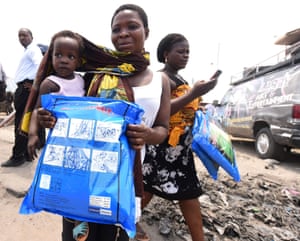
Despite widespread distribution of mosquito nets, malaria is still one of the world’s biggest killers


Despite widespread distribution of mosquito nets, malaria is still one of the world’s biggest killers. Photograph: Pius Utomi Ekpei/AFP/Getty Images

6 Single-dose anti-malarial drugs


Better drugs to protect against diseases like malaria are in the works, including a potent single-dose anti-malarial drug.


7 Neonatal resuscitators


As many as one in 10 newborns need help breathing at birth, new, simple, neonatal resuscitators can help prevent deaths.


8 Low-cost balloon tamponade


Women with postpartum haemorrhage can also be stabilised and treated by a balloon tamponade, a common tool in high-income countries. Recently, this tool has been adapted using readily available materials in low-income countries. Using the materials at hand, a healthcare provider can create a tamponade out of condoms and rubber tubing. Now simple low-cost kits and pre-assembled versions are available, that make this solution more accessible and effective.


9 Drugs to stop blood loss after childbirth


New forms of the drug oxytocin are currently being developed and tested that could increase coverage because they won’t require skilled health workers to administer or refrigeration for storage. These innovations could help ensure this highly effective drug reaches and treats hundreds of thousands of women at risk of death from postpartum haemorrhage (or severe bleeding after delivery) each year.


10 Rice fortification


For children who live in areas where rice is a staple food, we are seeing amazing developments in rice fortification, a process that enriches rice with vitamins and iron supplements. Better nutrition is at the core of better health and smarter ways to supplement staples and introduce foods with more nutritional value are essential.


11 New tests for a life-threatening maternal condition


Preeclampsia is another danger that affects more than one in 20 pregnant women. It is associated with dangerously high blood pressure that can lead to seizures. New diagnostic tools to treat preeclampsia will help identify at-risk women so that they can receive low-cost treatment.


How will these life-saving innovations be funded? Traditional donors cannot do it alone. Governments in low- and middle-income countries have a critical role to play and so do local entrepreneurs with the potential to take forward affordable solutions. The private sector and social impact investors, also want to engage. But all these groups need better data to assess what is available, what is coming soon, or where there is a gap that requires new ideas.


To achieve the goal of ending preventable maternal and child deaths, the world must invest in new and emerging health innovations so that bright ideas turn into real solutions. The lives of millions of women and children depend on it.


Join our community of development professionals and humanitarians. Follow @GuardianGDP on Twitter. Join the conversation with the hashtag #Dev2030.


11 health innovations to drastically cut maternal and child mortality rates

31 Ağustos 2016 Çarşamba

Chemotherapy mortality study could help improve cancer care in England

Almost 1,400 patients with either breast or lung cancer died in England in 2014 within a month of being given chemotherapy, according to a study which suggested they suffered harm rather than benefited from the drug treatment.


Those who died within 30 days accounted for a small proportion of the total number given the toxic anti-cancer drugs designed to destroy tumours. Most of the patients were given chemotherapy for palliative care, with the intention of relieving cancer symptoms rather than curing the patient.


But, according to the authors of the study commissioned by Public Health England (PHE), “patients dying within 30 days after beginning treatment [with chemotherapy] are unlikely to have gained the survival or palliative benefits of the treatment, and in view of the side-effects sometimes caused … are more likely to have suffered harm”.


The study, which is published in the Lancet Oncology journal, showed the deaths were spread across the country and not clustered in any one area. However, analysis of the data submitted by the hospitals revealed some had higher death rates than would be expected once the age and condition of the patient had been taken into account. All those hospital trusts have been asked to check their data and investigate whether patients were treated appropriately.


The study is groundbreaking because it is the first time that national data has been gathered together and analysed for 30-day mortality after chemotherapy. It found that a larger proportion of patients die than in the clinical trials carried out by the drug companies. The death rate in trials of drug treatments for lung cancer was 0.8%, but in the present study it is 3%.


“Trials try to exclude high-risk patients,” said Dr Jem Rashbass, cancer lead for PHE and one of the study’s authors. “You are more likely to get a positive answer [about the benefit of the drug] because of the case mix.”


PHE hopes the research will enable hospitals and clinicians to look carefully at who they treat with chemotherapy and, in some cases, make better decisions. There is no suggestion of blame, most people do well on chemotherapy.


“These are judgments,” said Rashbass. “Medicine is greatly informed by hindsight. No doctor tries to give medicine to their patient to kill them but sometimes that balance goes the wrong way. I don’t see this as being bad practice.


“The easiest way not to kill your patients with chemotherapy is not to give it to anyone, and that is clearly wrong.”


There were 569 breast and 720 lung cancer deaths within 30 days of those patients being given chemotherapy for palliative care.


There were 41 breast cancer patients and 53 lung cancer patients who died after chemotherapy intended to cure them. The breast cancer patients were being treated at seven hospital trusts: Burton, Ipswich, Kettering, South Warwickshire, Dorset, Gloucestershire and Coventry and Warwickshire.


The lung cancer patients were being treated at five trusts: Milton Keynes, South Tyneside, Torbay and South Devon, Surrey and Sussex, and the Royal Bournemouth and Christchurch.


Most of the trusts said either that they had made mistakes in the data they sent to PHE or that the patient died of something other than their chemotherapy treatment.


Chemotherapy mortality study could help improve cancer care in England

20 Ağustos 2016 Cumartesi

Texas has highest maternal mortality rate in developed world, study finds

The rate of Texas women who died from complications related to their pregnancy doubled from 2010 to 2014, a new study has found, for an estimated maternal mortality rate that is unmatched in any other state and the rest of the developed world.


The finding comes from a report, appearing in the September issue of the journal Obstetrics and Gynecology, that the maternal mortality rate in the United States increased between 2000 and 2014, even while the rest of the world succeeded in reducing its rate. Excluding California, where maternal mortality declined, and Texas, where it surged, the estimated number of maternal deaths per 100,000 births rose to 23.8 in 2014 from 18.8 in 2000 – or about 27%.


But the report singled out Texas for special concern, saying the doubling of mortality rates in a two-year period was hard to explain “in the absence of war, natural disaster, or severe economic upheaval”.


From 2000 to the end of 2010, Texas’s estimated maternal mortality rate hovered between 17.7 and 18.6 per 100,000 births. But after 2010, that rate had leaped to 33 deaths per 100,000, and in 2014 it was 35.8. Between 2010-2014, more than 600 women died for reasons related to their pregnancies.


No other state saw a comparable increase.


In the wake of the report, reproductive health advocates are blaming the increase on Republican-led budget cuts that decimated the ranks of Texas’s reproductive healthcare clinics. In 2011, just as the spike began, the Texas state legislature cut $ 73.6m from the state’s family planning budget of $ 111.5m. The two-thirds cut forced more than 80 family planning clinics to shut down across the state. The remaining clinics managed to provide services – such as low-cost or free birth control, cancer screenings and well-woman exams – to only half as many women as before.


Related: The biggest US city without an abortion clinic: El Paso’s sole facility faces closure


At the same time, Texas eliminated all Planned Parenthood clinics – whether or not they provided abortion services – from the state program that provides poor women with preventative healthcare. Previously, Planned Parenthood clinics in Texas offered cancer screenings and contraception to more than 130,000 women.


In 2013, Texas restored funding to the family planning budget to original levels. But the healthcare providers who survived the initial cuts reported struggles to restore services to their original levels.


Indeed, the report said it was “puzzling” that Texas’s maternal mortality rate rose only modestly from 2000 to 2010 before doubling between 2011 and 2012. The researchers, hailing from the University of Maryland, Boston University’s school of public health and Stanford University’s medical school, called for further study. But they noted that starting in 2011, Texas drastically reduced the number of women’s health clinics within its borders.


The report comes just as public health advocates are raising questions about Texas’s ability to prepare for the Zika virus, which is transmitted by a common species of mosquito and has been linked to severe birth defects. The World Health Organization has advised women in areas of local transmission to delay pregnancy.


Texas is one of several southern states where health officials say there is a risk of a local outbreak. But about half the state lacks ready access to OB-GYN care, making it difficult for women to obtain contraception or for pregnant women to confirm the health of their babies. Just this month, Texas’s health department drew fire for allocating $ 1.6m of the $ 18m the state budgets for low-income women’s family planning to an anti-abortion group that does not provide basic health services.


“There is a need to redouble efforts to prevent maternal deaths and improve maternity care for the 4 million US women giving birth each year,” the authors said.


Texas has highest maternal mortality rate in developed world, study finds

6 Mayıs 2014 Salı

Maternal mortality down 45% globally, but 33 girls an hour are even now dying

Deaths from preventable brings about related to pregnancy and childbirth dropped has dropped 45% since 1990, in accordance to a new report from the Globe Well being Organisation.


In 2013, an estimated 289,000 women died around the world, down from 523,000 in 1990. But 800 ladies a day are even now dying from complications in pregnancy and childbirth globally- equivalent to 33 an hour.


Sub-Saharan Africa is the riskiest area in the planet and 99% of all maternity connected deaths arise in developing countries.


Dr Geeta Rao Gupta, deputy executive director of UNICEF says:


A 15-12 months-old lady residing in sub-Saharan Africa faces about a 1 in 40 chance of dying throughout pregnancy and childbirth throughout her lifetime. A girl of the very same age residing in Europe has a lifetime threat of one in 3300 – underscoring how uneven progress has been close to the globe.”


Despite advances in the last twenty years, the report says, there has been too minor progress in avoiding adolescent pregnancies, abortions, maternal deaths, sexually-transmitted infections and HIV. There are also considerable gaps in availability, high quality and accessibility to extensive intercourse training and services for young folks, particularly in reduced-earnings nations.


The ten nations beneath collectively account for about 60% of global maternal deaths. Two countries alone accounted for virtually a third of all worldwide maternal deaths- India at 17% (50 000) and Nigeria at 14% (forty 000).


The sub-Saharan Africa region accounted for 62% (179 000) of international deaths in 2013 followed by Southern Asia at 24% (69 000). It is hard to draw any conclusions, nevertheless, when these figures have not been adjusted for population.


Deaths per one hundred,000 live births


A lot more indicative than the raw numbers is the international Maternal Mortality Rate (MMR),primarily based on the number of maternal deaths per one hundred,000 dwell births.


In 2013, there have been 210 maternal deaths per each and every one hundred 000, down from 380 in 1990.


The MMR in developing areas was identified to be 14 occasions greater than in developed areas. Sub-Saharan Africa has the highest regional MMR (510) with Sierra Leone topping the checklist with an estimated 1,one hundred deaths per 100,000 dwell births.


The graph under displays the ten countries with the highest number of deaths per one hundred,000 reside births. The only two countries to have comparably higher prices of maternal mortality outside the sub-Saharan African region were Afghanistan (400) and Haiti (380).


Cabo Verde and Mauritius had been the only two sub-Saharan African regions to have a reasonably minimal maternal mortality fee at 53 and 73 per 100,000 dwell births, respectively.


Triggers of maternal deaths


A second WHO examine, also published these days in The Lancet Worldwide Overall health, examined the brings about of more than 60,000 maternal deaths in 115 countries.


It discovered that at least one in four maternal deaths are caused by pre-existing health care situations such as diabetes, HIV, malaria and weight problems, whose wellness impacts can all be aggravated by pregnancy. Extreme bleeding throughout pregnancy and childbirth also created up a quarter of all such deaths.


Sub-Saharan Africa accounted for 6800 (91%) of the estimated 7500 maternal deaths attributed to acquired immunodeficiency syndrome (AIDS) globally. South Africa topped the record with 41.4% of all maternal deaths attributed to HIV.


Dr Marleen Temmerman, Director of reproductive health and analysis at WHO, and co-author of the research stated:


The new information exhibits a shifting profile in the circumstances that result in maternal deaths reflecting the growing burden of non-communicable conditions in females throughout the world.


Ending preventable maternal deaths will demand both continued efforts to minimize problems straight relevant to pregnancy, and much more of a focus on noncommunicable diseases and their result in pregnancy. Integrated care for women with conditions like diabetes and weight problems will lessen deaths and avoid prolonged-lasting well being problems.


The report lists a number of key methods which require to be taken to the lives of far more females. They contain quality care the two just before and following birth, secure blood supplies, access to essential medicines this kind of as antibiotics along with contraception and risk-free abortion services.


Better information needed to save lives


The report stresses that a essential challenge in addressing maternal deaths is the lack of accurate information. Though expertise on the number of females dying and the factors behind their deaths is strengthening, a lot stays unrecorded and unreported.


In a lot of lower-earnings nations, maternal deaths go uncounted and usually the trigger of death is unknown or not recorded correctly, especially when girls die at residence. This is constant with basic worldwide trends: only one-third of all deaths around the world are recorded and fewer than 100 countries record the trigger of death employing WHO’s International Classification of Ailment.


As a outcome, it is frequently hard for national wellness programmes to allocate assets in which they are needed most. At current, less than forty% of countries have a full civil registration program with very good attribution of result in of death necessary for the correct measurement of maternal mortality.


Tim Evans, Director of Well being, Nutrition and population for the globe bank group stresses the value of improving data assortment throughout the world:


33 maternal deaths per hour is 33 also a lot of. We want to document every single a single of these tragic events, establish their trigger, and initiate corrective actions urgently.


Download the data


• Information: download the full spreadsheet


Much more open information


Information journalism and information visualisations from the Guardian


Growth and aid information


• Search the world’s worldwide growth data with our gateway


Can you do far more with this data?


• Contact us at data@theguardian.com
• Stick to us on Twitter
• Like us on Facebook


Maternal mortality down 45% globally, but 33 girls an hour are even now dying

27 Nisan 2014 Pazar

NHS understaffing might have result on child mortality price, says prime medical doctor

Britain’s leading obstetrician says it is genuine to request whether or not understaffing of maternity care and labour wards is contributing to Britain’s stubbornly high costs of child death and brain harm.


Dr David Richmond, president of the Royal University of Obstetricians and Gynaecologists, has voiced alarm that practically 300 infants a yr are dying during or soon right after birth with a more one,200 ending up with brain injury or other serious well being problems.


The infant deaths, Richmond explained, were due to a variety of concerns. But with maternity units struggling to cope with a baby boom above the previous 10 many years and a shortage of each midwives and physicians, Richmond explained it was “a genuine query to ask” no matter whether stress on assets was contributing to the tragic toll.


“We require to appear at the possibility that understaffing, labour wards that are below pressure and occupied, and stretched facilities may be a factor in some of these poor outcomes,” Richmond told the Guardian in his 1st interview since taking up the publish.


The obstetrician, who represents the UK’s 6,000 maternity medical doctors, also conceded that errors by medical professionals and midwives have been to blame for some of the horrible outcomes.


There have been situations the place personnel produced “tiny, relatively innocuous blunders [which], when combined, lead to a disaster”, he added.


Richmond also mentioned that Britain’s substantial fee of stillbirth – nearly four,000 a 12 months or about 10 a day – was an “appalling” and largely preventable reduction of lifestyle. He voiced specific concern about the 144 babies who died in the course of labour in 2009, the final year for which figures are obtainable, and the 134 who died within the week after birth, regardless of not having a key congenital anomaly.


The United kingdom had the highest stillbirth fee of all but two other individuals amid 35 substantial-earnings nations, in accordance to a review in the health-related journal the Lancet in 2011. Although the numbers have gone down somewhat, “it really is still a good deal of mums in the 21st century that are losing their infants unnecessarily”, he additional.


Workplace of Nationwide Statistics data show that there were 4.9 stillbirths for each one,000 reside births in England and Wales in 2012.


The royal college’s new president mentioned the 22% rise in births above the final decade signifies maternity units are being “squeezed” simply because midwife and physician numbers have not increased at the exact same rate.


Labour wards are getting to cope with as well couple of midwives and 800 fewer consultants than is required to offer the 24/seven care in the 62 units which handle at least five,000 births a 12 months in which problems come up in pregnancy.


“If you need to have to have a advisor there at three in the afternoon, why is it not equally important to have a advisor there at three o’clock in the morning? In my view it is,” Richmond added.


But the NHS’s tight finances indicate there is no reasonable probability of consultant numbers rising from two,200 to the excellent of 3,000, he explained.


Action is also needed to decrease the 1,200 of yearly “close to misses”, Richmond stated, in which complications arise during labour and birth that frequently depart the child temporarily but dangerously deprived of oxygen. The issue, which doctors call “severely hypoxic”, involves infants facing the threat of brain harm and profound lifelong disability.


“These are babies that are born in really poor situation and could have a extremely slow heartbeat or really restricted breathing or not respond to stimulation,” he stated.


Every single such situation can leave the NHS getting to find millions of lbs in compensation to pay out for the significant expense of delivering lifetime care for the child.


The loss of life and quite significant health care consequences for newborns in all these deaths and close to-misses, totalling almost one,500 a yr, constitute “an ongoing tragedy involving probably avoidable extremely serious outcomes” and represents “1,500 person tragedies”, mentioned Richmond.


Asked why the child deaths occur, Richmond replied: “The ideal analogy is to describe them as plane crashes.


“Tons and tons of girls travel by way of pregnancy and labour safely but occasional tragedy occurs. These tragedies are always ‘multifactorial’ and require thorough investigation to establish why. It is not unusual that a series of tiny fairly innocuous mistakes, when combined, lead to a catastrophe.


“There are often no straightforward fixes. The challenge is to be inclined to share these experiences, learn from each other and invest in security.


“There is a big variation: flights are often cancelled for safety motives – health-related emergencies for the duration of pregnancy and labour can not be cancelled,” Richmond mentioned.


Sands, a stillbirth and neonatal deaths charity, mentioned the NHS’s frequently persistent shortage of midwives, in which some hospitals have virtually one particular in five posts unfilled, and probably inferior care at weekends, when frequently less experienced physicians are on duty, have been elements in the UK’s relatively higher child death rates.


“It is a travesty that so a lot of infants die every single year in labour in the United kingdom, devastating the lives of households”, stated Charlotte Bevan, the charity’s senior investigation and prevention advisor.


“In several instances these are tragedies that take place at term, when the baby is prepared to start new life outdoors the womb, and they must never happen. We need to have far more midwives so that women can have continuity of care in pregnancy and 1 to one care in labour.”


The NHS had to offer “a maternity services that functions as effectively at the weekend as it does throughout the weekday, that can react to an increasingly complex pregnancy population”, she added.


Dr Dan Poulter, the overall health minister, stated childbirth on the NHS was protected and perinatal mortality was declining.


“The numbers of stillbirths and infant mortalities are at the lowest amounts given that 1993, but there is nevertheless much more to do. The NHS is a protected spot to give birth, with females reporting large amounts of trust and self-assurance in workers,” explained Poulter, who is also an obstetrician.


The NHS in England has much more than one,500 much more midwives than in 2010 and a record 6,000 far more in instruction, he added.


Because 2012 the NHS has measured hospitals on their progress in decreasing stillbirths and infant deaths, and is making an attempt to much better determine unborn babies who are small for gestational age, simply because many who are stillborn are of beneath regular size.


NHS understaffing might have result on child mortality price, says prime medical doctor

31 Mart 2014 Pazartesi

Novartis Trial Was Stopped Early Since Of A Substantial Drop In Cardiovascular Mortality

The biggest-ever trial in heart failure was stopped early due to the fact of a extremely statistically significant reduction in cardiovascular mortality, in accordance to 1 of the trial’s two principal investigators.


Earlier today I reported that the PARADIGM-HF trial testing LCZ696, a novel, first-in-class Angiotensin Receptor Neprilysin Inhibitor (ARNI), had been stopped early due to the fact the trial had demonstrated a considerable reduction in the combined major endpoint of cardiovascular death and heart failure hospitalization. This info was taken from a Novartis press release.


But it turns out that the press release wasn’t entirely accurate. For after, a business appears to have in fact downplayed a optimistic discovering in its trial. In accordance to Milton Packer, the trial’s co-Principal Investigator, the information is a lot more persuasive than may possibly be gathered from the press release. (I spoke with Packer at the American University  of Cardiology meeting in Washington, DC.)


English: Mohawk Stop Sign

English: Mohawk Stop Sign (Photo credit score: Wikipedia)


In general when a trial has a mixed endpoint– for PARADIGM-HF it was the mixture of cardiovascular death and heart failure hospitalization– the results are largely driven by the “softer” part of the endpoint (in this case, heart failure hospitalization and not the “harder” endpoint of cardiovascular death.) This usually prospects to criticism when a trial has been technically superior in minimizing a combined endpoint but shows small or no effect on the harder, more crucial endpoint.


We will not know the full final results of PARADIGM-HF until finally they are presented at a medical meeting, maybe the European Society of Cardiology meeting in August in Barcelona. But in accordance to Packer, the trial will certainly show a huge and convincing reduction in the far more essential endpoint part, cardiovascular death.


Packer advised me that the stopping rule for the trial was “the most conservative stopping rule in any clinical trial I have ever been concerned with.” A lot more importantly, he stated, “the stopping rule was not on the primary endpoint, it was on cardiovascular death. It was a stopping rule that required a really high level of statistical significance for early termination.” And it was based mostly on this stopping rule that “the Data and Monitoring Board decided that stopping the trial was proper.”


Packer explained “the press release implies that the trial was stopped for the primary endpoint but that was not the situation, the trial was stopped for a persuasive impact on cardiovascular mortality alone, and my enthusiasm was based mostly on that very persuasive impact.”


Packer also advised me that the trial had been powered to detect a variation in cardiovascular mortality, so the finding may possibly not be quite so sudden. This also explains the trial’s huge dimension.


Novartis Trial Was Stopped Early Since Of A Substantial Drop In Cardiovascular Mortality

5 Mart 2014 Çarşamba

Large Animal Protein Intake Linked to Enhanced Cancer, Diabetes and Mortality

The volume of protein we need to sustain optimal health has prolonged been debated.


The present day-day hunter gatherer Paleo people would perhaps suggest that a increased intake of animal protein is best. Conversely, the vegan, plant eaters would typically stage to the reduced protein approach. Confusion ensues due to the fact both methods of consuming absolutely seem to have their rewards. They both encourage the consumption of total foods, and both have the identical aim in mind – well being. 


A new review published in Cell Metabolism however may aid us shine some light on the circumstance. I’m not claiming that the outcomes of one particular singular study need to be taken as gospel, but they are very fascinating. 


The Research


The researchers mixed an epidemiological examine of 6,381 US guys and women aged 50 and above with mouse and cellular studies in an attempt to “understand the hyperlink among the level and supply of proteins and amino acids, aging, illnesses, and mortality.”


In excess of a twenty year period, it was located that in middle-aged people a higher intake of animal protein (identified in meat, dairy and eggs) is linked to increased cancer, diabetes and general mortality. Conversely, in older populations, greater intakes of protein appeared to reduce the threat of cancer and mortality, despite the fact that the diabetes danger remained.


It is crucial to note that researchers define a “high-protein” diet plan as deriving at least twenty % of calories from protein, a “moderate” protein diet consists of ten-19 % of calories from protein, and a “low-protein” diet involves significantly less than ten %.


Middle Aged Risks


Participants inside the review aged 50–65 with substantial protein intake had a four-fold increase in cancer death risk, in the course of the following 18 many years. This was supported by the cellular research and individuals carried out on mice, exactly where the progression of cancer was considerably attenuated by a minimal protein diet regime, suggesting that it could perform a potential role in cancer prevention.


The research also showed that in middle age a substantial animal protein consumption lead to a 5 fold enhance in diabetes, and a 75% boost in general mortality. The researchers recommend that higher levels of animal proteins promote increases in IGF-1 and possibly insulin amounts, and that this is a single of the principal promoters of mortality for middle-aged individuals.


Conversely, the dangers of cancer, diabetes, and total mortality have been either completely abolished or attenuated if the proteins had been plant derived, this kind of as protein from legumes or grains. Plant based mostly proteins do not demonstrate the exact same IGF-1 and insulin selling results.


The hazards for of cancer and death had been not affected when the very same calculations had been performed for fat or carbohydrate consumption, suggesting that animal protein alone is the major situation. And even a moderate consumption was shown to have an unwell impact. People who ate on typical of sixteen% of their calories from protein were even now 3 times far more most likely to die of cancer than these who ate a reduced-protein diet regime in middle age.


The Older Generations


Interestingly, the review showed that for men and women aged 65-70, a greater protein intake may possibly be favourable.  High to moderate protein consumption was linked to a 60% reduction in cancer mortality danger, and a 28% reduction in overall mortality threat in the older generation, nevertheless the diabetes threat nevertheless remained.


The researchers suggest that the increased protein needs for elderly people may be due to their lower entire body fat and BMI, which may make them more susceptible to protein malnourishment. Other factors such as inflammation or genetics could also have contributed to the sensitivity to protein restriction.


Conclusions


The researchers conclude that a minimal protein diet during middle age is probably to be helpful for the prevention of cancer, overall mortality, and perhaps diabetes by way of a approach that might involve, to some extent, the regulation of IGF-1 and insulin levels.


Nevertheless at older ages, it looks that it could be essential to stay away from minimal protein intake and progressively adopt a reasonable to large protein diet program, preferably mostly plant-based consumption to let the upkeep of a healthy weight and protection from frailty.


The researchers also conclude that “a diet program in which plant-based mostly nutrients signify the vast majority of the foods consumption is very likely to maximize well being advantages in all age groups.”


Limitations


I should mention that there were a handful of limitations to the study. The researchers suggest that use of a single 24 hour dietary recall followed by up to 18 many years of mortality assessment could have led to “misclassifying dietary practice if the 24 hour period was not representative of a participant’s normal day.” Nonetheless, 93% of the sample reported that the 24 hour time period did in reality signify a typical day.


The review may possibly have also benefited from currently being carried out above a greater sample dimension, and this is specially true when looking at diabetes threat. Nevertheless, we would count on a small sample size to decrease statistical power and make it more difficult to detect any considerable trends, therefore the capability of the study to detect trends in this research could reinforce the associations amongst protein and mortality.


I would also be interested to see the exact same test repeated on younger populations, and whether the high quality of animal merchandise consumed could also have an affect on illness risk (e.g grass fed meat, organic cost-free variety eggs and so on.). I currently consume a plant primarily based diet plan, but I know other individuals have benefited from the higher protein Paleo strategy also, so I wouldn’t want to rule it out primarily based on the benefits of one study.


As I stated, the study seems thorough and the results are very intriguing, but we are even now far from fully figuring out this complicated nutrition puzzle. We should be mindful not to leap to conclusions till even more investigations are carried out.


References


  1. Morgan E. Levine, Jorge A. Suarez, Sebastian Brandhorst, Priya Balasubramanian, Chia-Wei Cheng, Federica Madia, Luigi Fontana, Mario G. Mirisola, Jaime Guevara-Aguirre, Junxiang Wan, Giuseppe Passarino, Brian K. Kennedy, Min Wei, Pinchas Cohen, Eileen M. Crimmins, Valter D. Longo. Minimal Protein Consumption Is Connected with a Key Reduction in IGF-1, Cancer, and Overall Mortality in the 65 and Younger but Not Older PopulationCell Metabolism, 2014 19 (3): 407-417 DOI:ten.1016/j.cmet.2014.02.006


Large Animal Protein Intake Linked to Enhanced Cancer, Diabetes and Mortality

24 Şubat 2014 Pazartesi

Bradford infant mortality: a five-year review

Arissa, mum and sisters

Born in Bradford was launched in 2007 to locate out why the city’s infant mortality rate is twice the British average.


“I will tell you what Born in Bradford has carried out for me, it truly is wrecked my knees,” laughs photographer Ian Beesley as he will get on all fours to capture his 1st pair of siblings this afternoon. He’s shooting at Temple Bank Home, component of Bradford Royal Infirmary, exactly where he is artist in residence. He has an simple rapport with the two ladies and their dad and mom it’s the fifth yr running he has taken Laiba, the older child’s, image.


When Born In Bradford (Bib) launched in 2007, it was set up as a longitudinal study of 13,500 kids born at the hospital between March 2007 and December 2010. The scheme was born out of the fact that Bradford’s infant mortality fee is twice the British average and was aimed at getting to get to the root of some of the region’s infant wellness difficulties even though exploring the physical and psychological growth of a generation. About 39% of mothers concerned in the scheme are of white British origin and 46% are of Pakistani origin, producing it a fascinating overview of a new multi-ethnic generation.


In 2012, researchers began testing hand and eye co-ordination, vocabulary and letter recognition with all the youngsters in the reception classes of 88 principal colleges. They also started operating with school nurses to measure cardiovascular well being in early childhood.


Jenson and mother Every single 12 months, pictures are taken of the young children involved in Bib and displayed in numerous areas.


Portion of the task requires taking the images of the youngsters each and every 12 months. The prepare is to continue for 20 many years, as extended as funding and participation will let. The photographs are displayed in a variety of locations, like the city’s Nationwide Media Museum, around the hospital and in some nearby schools. The images are a wonderful, colourful and evocative record of existence in Bradford but, as Beesley points out: “It is a lot more inward-facing than outward-dealing with and it truly is for them rather than the aggrandisement of my career.” The artwork is just the tip of the iceberg and is meaningless unless of course it really is undertaking excellent.


It appears as if it is. At the most recent forum (last week), more than 50 dad and mom gathered at a city-centre restaurant to talk about the implications of latest policy modifications on cost-free school meals, to hear about the results of air pollution on newborns and to contribute concepts to the Bib Family members Festival, which is to consider area in October. There were also discussions about a new app called Healthier Infant Weight, and the process for well being experts engaging with families the place the youngster is overweight or obese.


Sonia Rani is 5-year-old Laiba’s mom. “I signed up at first since my midwife recommended it. I really did not assume it to be this intriguing at the time. But as it went on I realised there was so considerably to uncover out. It really is also incredible possessing the picture every year,” she says. “We appear forward to it so considerably and I get copies for all our family members.”


The artwork still plays a critical role in engagement, says Ann Barratt, the project’s enthusiastic household liaison officer. The participating babies get a commemorative birthday card every 12 months. The crew has also produced a passive smoking comic (with a University of Bolton pupil) which has photographs only and no text. Beesley explains: “We have mothers and fathers right here speaking a lot of distinct languages [as many as 140 are spoken in Bradford] so it’s essential to use image-heavy resources wherever achievable.”


Sidra The artwork from the task plays a critical part in engagement, in accordance to family members liaison officer Ann Barratt.


So far the data has resulted in a variety of alterations in the NHS in the city, including the introduction of universal testing for gestational diabetes, growing detection and treatment method from 2% to seven% and schedule vitamin D supplements in antenatal care. The Satisfied (Healthier and Lively Parenting Programme For Early Many years) teaches women how to decrease their BMI and make sure their children are increasing up with wholesome diet plans. The programme, which is in pilot phase, consists of group sessions ahead of and soon after birth, led by early years employees.


Programs for the Bib information utilization “on the ground” are immense and dependent on a lot more funding. The staff hopes to do much more lectures (each in schools and for the Bib participants) and integrate some of the information into the college curriculum. And noises from the parents are good. Seventy per cent of mothers involved in the venture have said that getting part of it has changed their attitude to well being. Nureen, a mother of three, says: “I am much a lot more aware of consuming and what to avoid. My daughter has an asthma pipe and I now know about what can be done to stop asthma.”


Bradford infant mortality: a five-year review

14 Şubat 2014 Cuma

Cancer mortality globally mapped

Global cancer death costs are more than 50% greater in men than ladies, in accordance to figures published right now by Cancer Investigation United kingdom. The numbers show that four.6m males die from the condition every yr – equivalent to 126 guys in every single a hundred,000, in contrast to all around three.5m ladies – 82 ladies per a hundred,000. The statistics compiled by the Global Company for Research on Cancer, have been announced alongside a new interactive map by Cancer Investigation United kingdom, which compares cancer statistics from around the world. The map displays the variation in incidence, mortality and the dependability of the information in each and every country and region.

You can discover each the mortality and incidence maps under. Click on a nation to see its information. You can also select to see the map by cancer variety or by gender


Who manufactured this? Cancer Investigation Uk


Cancer mortality globally mapped

17 Ocak 2014 Cuma

Weight Acquire Starting up In Adolescence Is Linked To Greater Mortality Later in Daily life

A new review helps to resolve a nasty controversy from one 12 months in the past.


By Geoffrey Kabat


Just a yr in the past researchers at the Nationwide Center for Overall health Statistics published the results of a major examination of the connection of body mass index to subsequent mortality in the journal JAMA. The group led by Katherine Flegal carried out a meta-examination of all offered prospective research around the world that contained data on body mass index (BMI — defined as excess weight in kilograms/(height in meters)2) and subsequent mortality. (A meta-evaluation is basically an averaging of the results of personal studies with the objective of getting a more precise estimate).


Their sample integrated 97 scientific studies, almost 3 million folks, and 270,000 deaths. The authors utilised normal categories of BMI: 18.five-&lt25 (regular excess weight), 25-&lt30 (obese), and &gt=30 (obese). The last class was even more subdivided into 30-&lt35 (class 1), 35-&lt40 (class 2), and &gt=forty (class 3).


What they found was that, in contrast to regular fat people, these in the overweight class had a Reduced chance of dying of any trigger, and people in the obese group had an elevated risk. Nevertheless, more than half of those in the obese class had been in class 1, and these individuals had NO Improved Threat of dying in contrast to typical bodyweight men and women. Class two and 3 individuals did have a substantially elevated danger of death.


In other words, this analysis correlating BMI with risk of dying discovered that getting obese in fact appeared beneficial and that the ill effects of obesity had been limited to the quite obese.


The paper sparked a blistering retort from Walter Willett, professor of epidemiology and nutrition at the Harvard School of Public Wellness, who denounced the paper on NPR’s Morning Edition, calling it a “pile of rubbish” and saying that “no one particular ought to waste their time reading it.” He emphasized that, “We have a enormous volume of other literature displaying that people who gain weight or are obese have increased danger of diabetes, heart illness, stroke, a lot of cancers and numerous other circumstances.”


Letters to the editor integrated a defense of their examination by Flegal et al., as effectively as other supportive and critical feedback.


Now, virtually precisely one particular year later, a new paper goes a lengthy way towards clarifying the obvious contradiction between Flegal’s final results and people of Willett and other people. The paper appearing in the current concern of the American Journal of Epidemiology uses information from the potential Nationwide Institutes of Overall health-AARP Diet program and Wellness Study. This examine enrolled more than half a million AARP members in the mid-1990s and has followed the cohort in buy to document triggers of death. At entry into the research, participants finished a questionnaire covering their wellness, smoking habits, and self-reported fat and height, as nicely as their fat at ages 18, 35, and 50.


Using this huge information set, the authors, led by Kenneth Adams of the Minnesota Division of Wellness, examined the association of excess weight at diverse periods with complete mortality and mortality from distinct leads to (cardiovascular condition, cancer). But, in order to remove a significant distorting issue, they restricted their analysis to the 110,000 cohort members who had by no means smoked and were much less than 70 many years previous. (Like smokers in the examination could play havoc with the outcomes because smoking has results on weight and also on a person’s chance of dying).


Adams and colleagues examined the association of BMI at 3 different ages, weight change across 3 grownup age intervals, and the impact of initial attaining an elevated BMI at 4 successive ages.


More than 12.five years of following the cohort 12,017 deaths occurred.


What they identified was that BMI at all ages was positively related to mortality. Excess weight obtain was also positively connected to mortality, with more powerful associations for achieve among the ages 18 and 35 and ages 35 and 50 than between ages 50 and 69 years. Mortality hazards were greater in persons who attained or exceeded a BMI of 25. at a younger age than in persons who reached that threshold later in adulthood, and hazards had been lowest in individuals who maintained a BMI under 25..


In conclusion, the authors wrote: “Heavier original BMI and weight obtain in early to middle adulthood strongly predicted mortality danger in persons aged 50-69 years.”


The paper is not presented as a rebuttal of Flegal et al. It simply and in a easy method addresses the question of the effects of the onset of obesity at diverse ages on mortality. In truth, it doesn’t even cite the Flegal paper. Nonetheless, it is followed by a commentary that does mention Flegal, pointing out that “the findings contrast sharply with individuals of a latest systematic overview and meta-analysis.” The author of the commentary argues that a variety of various variables could describe the contradiction, including differences in the “reference group” for “normal weight” utilised in the two scientific studies.


Weight Acquire Starting up In Adolescence Is Linked To Greater Mortality Later in Daily life