trial etiketine sahip kayıtlar gösteriliyor. Tüm kayıtları göster

12 Mart 2017 Pazar

Schools to trial happiness lessons for eight-year-olds

Eight-year-old children will be given lessons on happiness and teenagers will be instructed on combating anxiety and suicidal thoughts, under government projects due to be trialled.


The Department for Education (DfE) is inviting bidders for multimillion-pound contracts to teach and train on mental health in more than 200 schools.


Typical mindfulness lessons will reportedly encourage children to think of disturbing thoughts as “buses” that will move away, and they will be given questionnaires on bullying and friends.


It is the latest attempt by Theresa May’s team to tackle what she called in January the “burning injustice of mental health and inadequate treatment that demands a new approach”.


An estimated 10% of children suffer a diagnosable mental health condition and mental illness is costing roughly £105bn each year.


Lord Layard, who is a government adviser for a current four-year trial of once-a-week mindfulness classes in 26 schools, said there was an obsession with only measuring academic achievement.


“The development of the character of children is an incredibly important issue,” said Layard, who is also a professor at the London School of Economics and Political Science (LSE).


“If you really want schools to take the wellbeing of their pupils as an important goal, there has to be a way of measuring that.”


The trials will follow an Institute for Public Policy Research report that said all secondary schools needed access to a mental health professional on site, at least one day a week, to combat anxiety and depression.


The National Audit Office claims there is a £3bn funding gap in schools.


Laura Henry, an award-winning early years specialist consultant and Ofsted inspector, said the trials could save the government billions in social care and housing costs down the line.


“I think it’s an excellent idea,” said the mother-of-two, whose eldest son is on the autistic spectrum. “Over the last decade there has been a massive push to academia, results and school league tables and children’s personal social development has been left behind.


“A holistic approach is needed and children should be able to self-regulate their own behaviour.”


Henry, a former teacher, said specially trained teachers should help with grieving techniques and that any questions about bullying and pupils’ friends needed to be sensitive.


“It’s absolutely the best way to spend DfE money. It will save x amount of money in social care when they are adults,” she added.


The government’s contracts for three trials, the Youth Aware of Mental Health (YAM), The Guide, and the “preventative programmes”, are out to tender until Friday 24 March.


The Guide, based on a Canadian model, will involve specially trained teachers giving 13 to 15-year-olds 60-minute classes on the different types of mental illnesses and how to combat them.


YAM, which mirrors schemes elsewhere in Europe, will give sessions by a trained instructor, lasting 45 to 60 minutes, focusing on collecting pupils’ attitudes.


The two will be rolled out to 135 secondary schools.


The third trial, of the preventative programmes, designed for 100 primary schools and 50 secondaries, will be a “lighter touch” all about wellbeing for kids between Year 4 and Year 8.


The trio of projects will run between this May and summer 2019.


The Sunday Times reported that children would be told to compare mental illness to buses and be asked to rate statements such as: “Other people pick on me or bully me.”


A spokesperson for the DfE, which says it is pumping £1.4bn into mental health support for young people, refused to comment on detail.


The spokesperson added: “We know that schools often want to provide specific interventions to promote the mental wellbeing of their pupils but sometimes struggle to know what approaches to use. That is why we have announced plans to do further research trials in schools on what interventions work best.”


Schools to trial happiness lessons for eight-year-olds

20 Şubat 2017 Pazartesi

FDA Approves Clinical Trial for Cancer-Busting Turkey Tail Mushroom

In what may be the most significant health discovery for mycologists and health researchers since the invention of penicillin (which was derived from the fungus Penicillium), research continues to mount as to the amazing healing effects of Turkey Tail mushroom against Breast Cancer.


News about Turkey Tail


The news about Turkey Tail made headlines in 2012 when the FDA approved clinical trials to test the cancer-healing properties of Polysaccharide K (PSK), an extract that comes from Trametes versicolor, or Turkey Tail mushroom. Turkey Tail has been used medicinally all over Asia for thousands of years, usually in tea form. As of 2014, the clinical trial, sponsored by Bastyr University and head researchers Cynthia Wenner PhD and Masa Sasagawa, ND, was in Phase I/II with women who have Stage IV breast cancer.


One of the first study reports that Bastyr University researchers published, along with their partners from the University of Minnesota Medical School, showed that the Turkey Tail extract (PSK) was successful at restoring the immune systems and improving the health of women who had undergone traditional cancer therapy (radiation in particular). The study found that Turkey Tail mushroom extract was able to increase the level and activity of Natural Killer Cells as well as “cytotoxic T-cells.”


The job of NK cells in the body is to hunt down harmful pathogens, especially cancer cells, and destroy them. All the women in this part of the trial had raised lymphocyte as well as NK cell counts after a daily dose of 6 and 9 grams over a period of 4 weeks. Those women who were given the higher amounts (9 grams) showed higher levels of T cells. No negative side effects were discovered with any of the women.


Noted Researchers Speak Out About Turkey Tail


Famed mycologist and author Paul Stamets, whose mother healed from breast cancer with the use of Turkey Tail in 2009, has been one of the main providers of Turkey Tail mushrooms and has also served as director of research for many past studies.


“Cancer is notorious for its ability to evade immune detection,” says Stamets. “One theory is that when patients ingest our Turkey Tail mycelium, the immune system’s increased populations of NK cells and their associated CD8 glycoproteins are better able to discover and bind to receptor sites on the stroma of tumors, thus allowing NK invasion.”


Dr. Wenner of Bastyr University recently spoke about their findings to a group of over 100 clinical oncologists in Tokyo.


“The opportunity to present our findings to an international audience is quite important,” Dr. Wenner said in a statement. “Having worked as an investigator on the study since 2004, it felt like a fitting conclusion to bring back these positive findings to a group that has access to this mushroom extract and can apply our findings to treatment options in their oncology practices and in doing further research.”


FDA Approval Still Stalled


In previous studies, Turkey Tail has also been shown to help with upper respiratory tract infections, pulmonary disease, urinary tract infections, malaise and digestive tract issues. And it has shown to be effective against colorectal cancer and lymphoma.


PSK/ Turkey Tail extract is still not approved for medical use in the U.S. but perhaps the final results of the Bastyr University study, combined with the results of all the other Turkey Tail mushroom studies over the years, will finally push the envelope towards approval soon.


One thing is for sure: the positive evidence demonstrated so far by the Bastyr study as to how Turkey Tail has helped reinvigorate the immune systems of Stage IV Breast Cancer patients proves that with a little help from Nature, the body can– and does– heal from cancer.


Dr. Veronique Desaulniers, better known as Dr. V, is the founder of  The 7 Essentials System ™, a step-by-step guide that teaches you exactly how to prevent and heal Breast Cancer naturally. To get your FREE 7-Day Mini e-Course and to receive her weekly action steps and inspiring articles on the power of Natural Medicine, visit her at BreastCancerConqueror.com


FDA Approves Clinical Trial for Cancer-Busting Turkey Tail Mushroom

7 Şubat 2017 Salı

Successful male contraceptive gel trial brings new form of birth control closer

A male contraceptive gel has been found to work reliably in a trial in primates, bringing the prospect of an alternative form of birth control for humans closer.


The product, called Vasalgel, is designed to be a reversible and less invasive form of vasectomy and in the latest study was 100% effective at preventing conception. A blob of the gel is injected into the sperm-carrying tube, known as the vas deferens, and acts as a long-lasting barrier.


Previous tests in smaller animals showed the procedure could be easily reversed by breaking up the gel using ultrasound.


Catherine VandeVoort, of the California National Primate Research Centre and the study’s lead author, said: “Men’s options for contraception have not changed much in decades. There’s vasectomy, which is poorly reversible, and condoms. If they knew they could get a reliable contraceptive that could also be reversed I think it would be appealing to them.”


The Parsemus Foundation, a non-profit organisation that funded the work, said it plans to start a human trial as soon as funding is secured, based on the promising monkey results.


“One of the great things about the monkey model is that the male reproductive tract is very similar to humans and they have even more sperm than humans do,” said VandeVoort. “Chances are, it’s going to be effective in humans.”


How Vasalgel male contraceptive works

After decades of minimal progress on male contraceptives, a range of different approaches now appear to be showing promise. A World Health Organisation investigation, published last year, found that a male hormonal contraceptive jab was as effective as the female pill. However, scientists are still working to overcome unwanted side-effects including depression, acne and soaring libido that are linked to hormone-altering gels, pills and injections.


By contrast, the Vasalgel procedure does not interfere with sperm production and hormone levels in the body remain unchanged, meaning such side-effects are not an issue. As with a vasectomy, sperm continues to be produced in the testes, but rather than being ejaculated, it dissolves and is naturally absorbed by the body.


Unlike vasectomy though, in which the tube is snipped and the two ends cauterised, the Vasalgel procedure should be reversible, potentially making it an attractive option for a wider range of men.


“They wouldn’t have to worry about it on a day-to-day basis,” said VandeVoort. “This would be more akin to an IUD [the coil] in women.”


In the study, published in the journal Basic and Clinical Andrology, 16 male rhesus monkeys were given injections of the gel and then returned to their group, which included between three and nine breeding females.


The monkeys were monitored for at least one breeding season and about half the monkeys lived alongside females for two years, during which time there were no conceptions and side-effects, such as inflammation, were minimal.


Angela Colagross-Schouten, lead veterinarian on the project, said: “We were impressed that this alternative worked in every single monkey, even though this was our first time trying it.”


The same team are now hoping to confirm that the procedure is fully reversible in monkeys.


Successful male contraceptive gel trial brings new form of birth control closer

25 Ocak 2017 Çarşamba

Trial finds combination of pancreatic cancer drugs extends survival

Cancer campaigners are hailing a “monumental leap forward” in pancreatic cancer treatment after a new drug trial significantly extended survival from what is the most lethal form of the disease.


The clinical trial found that 29% of patients given a combination of two chemotherapy drugs lived for at least five years compared with 16% who received the one chemotherapy drug that is still the NHS’s standard treatment.


The results are important because they could lead to an improvement in the prospects for people who develop pancreatic cancer, which has the lowest survival rates among the 21 most common forms of the disease and kills 8,800 Britons a year. Only one in 100 people survive for 10 or more years after their diagnosis.


“These results are a monumental leap forward in pancreatic cancer treatment. We believe this could herald a true step change in the treatment of this tough cancer, offering substantially more patients who have had surgery the chance to live for longer and, crucially, without significant added side-effects,” said Leanne Reynolds, head of research at the charity Pancreatic Cancer UK.


About 10,000 people are diagnosed with pancreatic cancer each year in the UK. However, the apparent breakthrough may only benefit the 800 who have surgery. The cancer is too advanced in most of the other 9,200 cases for surgery to be worthwhile.


Four in five patients are only diagnosed when the cancer has reached an advanced stage, and in 46% of cases only after they have presented as an emergency at an A&E unit. Survival rates have barely improved for 40 years, in contrast to some other forms of the disease. It is the fifth most common cause of cancer death in the UK.


The ESPAC-4 (European study group for pancreatic cancer) trial involved 732 patients from 92 hospitals in England, Scotland, Wales, Germany, France and Sweden. Of those given both gemcitabine and capecitabine, 28.8% survived for at least five years, compared with just 16.3% who received only gemcitabine.


Pancreatic Cancer UK and the researchers behind the findings are now urging the NHS to replace gemcitabine with the combination as the standard treatment for the one in 12 sufferers of the disease who undergo a resection of their pancreas.


“This is one of the biggest ever breakthroughs prolonging survival for pancreatic cancer patients,” said Prof John Neoptolemos of Liverpool University, who lead the team of researchers.


“When this combination becomes the new standard of care it will give many patients living with the disease valuable months and even years.” The two drugs taken together extend median overall survival from 25 and a half months for those on gemcitabine alone to 28 months, according to the study, which has been published in the Lancet.


Cancer survival rates in England and Wales

“The difference in short-term survival may seem modest, but improvement in long-term survival is substantial for this type of cancer,” added Neoptolemos.


Meanwhile, separate research has also brought good news about lung cancer, which has the second worst survival rates among the commonest forms of cancer.


The number of people surviving for at least a year after diagnosis rose from 31% to 38% between 2010-2015, according to the NHS’s latest audit of the quality of care patients receive. Experts in the disease welcomed the increase, which is mainly the result of earlier diagnosis.


Ian Woolhouse, the audit’s senior clinical lead, said it was “very encouraging” that one-year survival had improved in what is the UK’s second most common form of cancer after breast cancer.


His team noted other progress too in how the NHS treats patients, including the fact that 60% of patients now receive some for of anti-cancer treatment. They analysed the records of 43,000 people diagnosed with lung cancer in 2015.


However, they voiced concern about the persistent “wide and unacceptable variation in standards of care” provided by NHS trusts and boards across England, Wales, Scotland and Guernsey. Only 57% of patients are seen by a specialist lung cancer nurse, for example, even though the target for that is 90%.


Dr Jesme Fox, medical director of the Roy Castle Lung Cancer Foundation, said: “We are pleased to see this encouraging increase in patient survival. However, there is much still to do to ensure that lung cancer patients are diagnosed as early as possible and are able to access best practice treatment and care.”


Trial finds combination of pancreatic cancer drugs extends survival

22 Ocak 2017 Pazar

The chemo’s too much, but getting on a clinical trial is gruelling enough

Saturday 7 January


Now sharp-eyed readers may have spotted that this diary starts the day before the last one was published! By way of a little back story, my doctors have been trying to get me on to a clinical trial featuring new immunotherapy treatments, on the basis that my first line of chemotherapy worked well initially and then failed completely, and the second-line chemo, while it did show signs of working, was proving pretty hard for me to tolerate. But getting on to clinical trials has proved more than a trial in itself!


By the time of the last column I’d been consented for a really promising trial and come through all the necessary tests with flying colours. And because my New Year’s Eve heart scare – actually it was a complete false alarm (and thanks again to the staff at University College Hospital in London for sorting me out on their busiest night of the year!). But because there was nothing to it and it preceded my being consented for the trial – no reason why it should affect my trial status.


But that brings me to Saturday 6 January. I got up not feeling too great but set about the Observer diary for the next day’s paper. Finished the column early afternoon and set off to Hertfordshire to see my boys. But by the time I arrived there my fingers were absolutely freezing cold and I was getting really powerful rigors (I think they’re called …) right into my core – so much so I couldn’t stop my teeth chattering. After about an hour under a very warm blanket with a hot-water bottle the symptoms abated but I felt very odd indeed. So we started taking my temperature – which failed to produce a single reading under 38C and plenty up in the 39s and even 40. Temperatures at this level are a huge red flag for someone undergoing chemotherapy because it can indicate a systemic infection – occasioned by weakened immune system, low white blood cell counts etc, which can overrun your system in no time at all. In other words temperatures in this range are definitely potentially life-threatening for many cancer patients.


So another call to the Royal Marsden MacMillan helpline – who for some reason were nowhere near as efficient as they were the previous weekend – and instructions to go to nearest A&E – in this case Luton and Dunstable. Again, I got there and appeared to have been put to the front of the queue – the national protocol has it that potentially “neutropenic” cancer patients (those with low white blood cell counts) should be on intravenous antibiotics within an hour – but wasn’t seen for nearly 90 minutes. However once I was seen they were absolutely amazing. Blood tests, painkillers, fans to cool me down (temp still 39.4C) a bed on an intermediate ward and intravenous antibiotics and fluids in no time at all.


Sunday 8 January


On the upside it turns out according to the consultant I saw (yes L&D turns out consultants on Sunday mornings – and good for them!) that I do not have “neutropenic sepsis”, but I do have a “small pneumonia” at the bottom of my left lung. Which is a bit of an odd one because I had no indications of any signs or symptoms until the shivers started on Saturday early evening. Anyhow, signs are that the (very) strong antibiotics are overhauling the infection and that all being well I’ll be let out Monday afternoon with six days’ worth of oral antibiotics. Actually while I’m hugely grateful for the antibiotics they really don’t seem to agree with me – stomach pains and no appetite – again!


Monday 9 January


Still feeling antibiotic rotten but doctor comes at 2pm and says I can go. I just have to wait for my drugs from the pharmacy and for the final paperwork to be signed off. To cut a long story short – and remember this is a hospital with capacity issues – three hours later I was still sitting on my bed waiting. So late in fact that I had to do my regular interview with Radio 4’s PM programme from the ward! Can’t fault the treatment but these kind of system delays, especially when the staff and the NHS are under so much pressure, must be driving everybody mad!


Tuesday 10 January


Back to Marsden for blood tests before what might well have been my first dose of immunotherapy trial drugs on Thursday. But oh no! Unless my pneumonia infection has basically gone away then I can be excluded from the trial. And because this episode has occurred after I was consented to, the drug company (trial sponsors) has to be told about it. Medical team clearly a little exasperated – with me I think! What else can possibly happen? They’ve got me a spot on a high-profile trial – actually a relatively rare spot at that (120 places available via 50 centres in the US, Australia and the UK) So they’re clearly worried that if the sponsors start to feel I might be a bit flaky or especially sensitive to infections etc etc, we might lose our rare and valuable place.


For me this really is becoming stress city – which isn’t just psychological but produces actual pains in my stomach and oesophagus. What if I lose out on this trial as well? When might the next one come along? What will have happened to me in the meantime? So no treatment on Thursday – one of the genetic tests is not back, apparently.


Thursday 17 January


Back to the Royal Marsden for blood tests and good news! Blood tests all good – no outward sign of infection and I’m feeling OK. So nothing to frighten the horses at the trial sponsor there. But now it appears their “medical monitor” – in Poland apparently – has to say yea or nay to my inclusion in the trial. Stress levels definitely rising all round now. All data sent off and consultant Dr Starling firmly of the view that there are no solid grounds for excluding me.


Wednesday 18 January


Ordinarily this should be BBC Media Show day. But the stress is really getting to me – and as I say it requires painkillers to control the effects – so I decide not to do the show this week. BBC as always was amazingly considerate. Another issue now bubbles up. Can the pharmacy prepare the drugs in time for treatment tomorrow – still no word from Poland. At 4.30pm I call the senior research nurse Tracy to see if there’s any news. She says no. She then calls me at 6pm to say we still haven’t heard. Now, no one’s saying this – least of all me – but everyone’s thinking: is there a problem?


By 7pm Wednesday – the night before the treatment is supposed to start – and Tracy calls to say I’ve finally been accepted and “randomised” into that part of the trial who get both drugs. She’s thrilled. But all I could do was cry.


Thursday 19 January


First doses of nivolumab and GS-5745. The lists of side effects are long and some are potentially fatal but fortunately not that often – so fingers crossed on that front. But the thing I noticed most? They don’t make your hair fall out – so goodbye to the amazing Paxman “Coldcap”!


The chemo’s too much, but getting on a clinical trial is gruelling enough

5 Ocak 2017 Perşembe

NHS to trial medical advice smartphone app

An app that helps people get medical advice on their smartphones is to be trialled by NHS England, it has been announced.


The technology uses an algorithm to run a chat service that will search a database of symptoms, before advising whether to see a GP, go to hospital, visit a local pharmacy or stay at home.


NHS 111 is designed as an alternative to the NHS’s non-emergency 111 helpline, which has seen an increase in demand from two million calls a year to 15 million calls annually in four years.


But concerns have been expressed that the introduction of the app targets a symptom, rather than the cause, of the pressure on NHS services.


“Whilst it’s always important to maximise use of technology to empower patients and make efficient use of NHS resources, this initiative does not address the fundamental problem that we have a severe shortage of GPs and health professionals in community settings,” said Dr Chaand Nagpaul, the British Medical Association GP committee chairman.


He said that the app would rely “slavishly” on algorithms, rather than on clinical staff, which would leave no room for “clinical interpretation in certain instances”.


Nagpaul added: “This proposal does not address this fundamental limitation and may make the situation worse. What we should instead be doing is investing in having properly trained and appropriate clinical staff handling calls and requests from patients, complementing the use of new technologies.”


The six-month trial, beginning this month, will be available to north London residents in Barnet, Camden, Enfield, Haringey and Islington. Patients who choose to continue using the 111 helpline will still be able to do so.


Clinical commissioning groups have worked with technology firm Babylon to trial the app.


Adam Duncan, chief operating officer at GPs’ out-of-hours cooperative London Central and West, said the body was “happy to be working with NHS England and the other providers involved to ensure the piloting of the NHS 111 app is evaluated robustly”.


He said: “We aim to provide an alternative to using the NHS 111 telephone number for service users that would find it most convenient to their lifestyle. The use of the app could also reduce the demand on NHS 111 during the most busy periods, whilst retaining the high quality and accessible service.”


NHS to trial medical advice smartphone app

3 Kasım 2016 Perşembe

Alzheimer"s treatment within reach after successful drug trial

An Alzheimer’s drug has been shown to successfully target the most visible sign of the disease in the brain, raising hopes that an effective treatment could be finally within reach.


A small trial of the drug was primarily aimed at assessing safety, but the findings suggest it effectively “switched off” the production of toxic amyloid proteins that lead to the sticky plaques seen in the brains of Alzheimer’s patients.


If the tablet, produced by pharmaceutical giant Merck, is also shown to slow the pace of mental decline – a crucial question that a major clinical trial should answer when it reports next year – it could be the first treatment for Alzheimer’s to be licensed in more than a decade.


Prof John Hardy, a neuroscientist at UCL who first proposed that amyloid proteins play a central role in Alzheimer’s disease, welcomed the results. “People are excited,” he said. “This is a very nice drug and I’m sure Merck are feeling very pleased with themselves.”


Matt Kennedy, who led the trial at Merck, said: “Today there are very limited therapeutic options available for people with Alzheimer’s disease, and those that exist provide only short-term improvement to the cognitive and functional symptoms. They do not directly target the underlying disease processes. There is an urgent need for [these].”


How BACE1 blocking drug could reduce toxic proteins in Alzheimer’s patients

The new therapy is designed to do this by halting the steady production of amyloid-beta proteins, which are known to clump together in sticky plaques in the brains of Alzheimer’s patients. A leading theory of Alzheimer’s is that the accumulating proteins kill off healthy neurons, eventually leading to memory loss, cognitive decline and changes to personality.


Kennedy said it was too early to predict when a drug might reach the market if the next step is successful. “We are eagerly awaiting the results of the phase three clinical trials,” he said. “It is premature to speculate on availability.”


In the trial, published in the journal Science Translational Medicine on Wednesday, 32 patients with early stage Alzheimer’s disease were given the drug, called verubecestat, daily for seven days. Healthy volunteers were also given the drug for up to two weeks.


This was not long enough to show visible changes to the accumulation of plaques in the brain, by MRI scans for instance. However, samples taken from the fluid surrounding the brain showed the drug had reduced the levels of two compounds that are known to be the building blocks for abnormal amyloid proteins.


Hardy said that the changes to the biomarkers convince him that the drug is successfully targeting the buildup of plaques in the brain. The real remaining uncertainty, he said, was whether this would convert into cognitive benefits for patients.


“What we have to be worried about is that the plaques have set off other pathologies – that it is too late,” he said.


The drug works by blocking a brain enzyme called BACE1, which fuels the production of two small molecules that link together to form amyloids. Mutations in genes related to BACE1 have been found in people who appear to be protected against Alzheimer’s disease.


There have been previous attempts to develop drugs that inhibit BACE1, but these have mostly failed due to unacceptable side-effects, such as liver toxicity and eye problems.


The Merck drug appears to have very few side-effects and it will be the first of its kind to make it into a large efficacy trial. The company is running two phase three trials, in 1,500 patients with mild to moderate Alzheimer’s and in another 2,000 patients in the earliest stage of the disease. The results of the first of these are due to be reported in July 2017.


There are 850,000 people with dementia in Britain, and this figure is expected to reach one million by 2025. Alzheimer’s is the most common form of the condition.


Rosa Sancho, head of research at Alzheimer’s Research UK, welcomed the findings, adding that the Merck drug is one of several that are heading into the final stages of clinical testing. “There is a wave of potential new treatments currently being tested for dementia, with the results of these studies hotly anticipated over the course of the coming months and years,” she said.


Competing drugs include one developed by the biotech firm Biogen, which reported promising results in August and which also targets the plaques. The Biogen drug aims to sweep the proteins away once they appear rather than halting the production of proteins in the first place, however.


“With us, it’s a question of switching off the tap. With them it’s mopping up the water,” said Ian McConnell, a spokesman for Merck.


Hardy suggested that Merck’s drug is likely to be far cheaper and easier to produce than the Biogen therapy, which involves injecting patients with antibodies.


Alzheimer"s treatment within reach after successful drug trial

28 Ekim 2016 Cuma

Male contraceptive jab almost as effective as female pill, trial shows

A male contraceptive jab has been shown to be almost as effective as the female pill in a trial that could pave the way for men and women being able to share equal responsibility for birth control.


In the study, 350 men were given injections of hormones that were shown to dramatically lower their sperm count by “switching off” the male reproductive system. The drugs caused some unpleasant side-effects, however, meaning that the trial had to be halted early.


The men, who were all in long-term relationships, relied on the drugs to prevent unplanned pregnancies – and the combination of hormones was found to be nearly 96% effective.


Richard Anderson, a professor of clinical reproductive science and author of the study, said: “If you’re comparing it to other reversible male methods, it’s far better than the condom and it puts it in the same ballpark as the pill.”


However, the treatment was judged to have unacceptable side-effects, including depression, acne and increased libido, which caused 20 men to drop out of the study and ultimately led to the trial be stopped earlier than planned.


The trial involved injections of two hormones. A long-acting form of progestogen was designed to act on the pituitary gland to switch off sperm production. Testosterone was added to offset a drop in the male hormone triggered by the progestogen. “You need the testosterone to feel OK,” said Anderson.


After an initial period, when couples used both the injections and other birth control methods, the men entered the study’s “efficacy phase”. This lasted up to a year and the men relied on the jabs alone, which they received every two months.


Only four pregnancies occurred among partners of the 274 men, indicating a similar level of efficacy to the female combined pill and significantly better protection than condoms, which in real-life conditions are about 82% effective.


However, scientists stopped enrolling new participants into the study in 2011 due to the rate of reported side-effects.


Of the 1,491 incidents, 39% were found to be unrelated to the treatment. This included one suicide. One man experienced an abnormally fast and irregular heartbeat when he stopped receiving the injections.


Despite the side effects, at the end of the trial, three-quarters of the men said they would be willing to continue using the contraceptive jab. The scientists said it might be possible to reduce the side-effects by changing the dose of hormones or the way they are delivered.


“The results provide us with confidence that this can be done,” said Anderson.


He added that it would be difficult to convert the treatment to a pill form because the hormones are quickly metabolised by the liver, but the scientists are planning a new trial in which the combination is delivered through a gel that the men could rub on their chest each morning.


Other scientists were less convinced that the side-effects of could be overcome, however. Sarah Jones, a reader in pharmacology at the University of Wolverhampton, said: “Most previous attempts at male contraception that have involved hormonal targets have led to severe side-effects or have been irreversible. This study does seem better than previous ones, but it still doesn’t seem very good to me.”


Jones recently published research demonstrating that certain compounds could be used to impede sperm’s ability to swim, which she argues offers a more realistic route to reversible male contraceptives in the future.


Allan Pacey, professor of andrology at the University of Sheffield, agreed that the side-effects found in the study were a “major concern”. However, he said the efficacy was impressive. “Using long-acting injectable forms of [progestogen and testosterone] the authors were able to suppress the production of sperm to a remarkable degree,” he said. “As such, this contraceptive was extremely effective and therefore certainly has promise.”


The findings are reported in the Journal of Clinical Endocrinology & Metabolism.


Chris Barratt, professor of reproductive medicine at the University of Dundee, said: “This is high quality research from a very experienced group of investigators, and as there has been no progress in male contraceptives for 40 plus years this is a very significant and welcome development. Additionally, the fact that the study reports relatively low side-effects and good ease of use are real-world developments. The study involved a reasonable number of patients so the results are likely to be robust.”


Male contraceptive jab almost as effective as female pill, trial shows

31 Ağustos 2016 Çarşamba

Trial shows tantalising signs that new Alzheimer"s drug could benefit early-stage patients

A trial of a new Alzheimer’s drug has shown it could benefit patients in the earliest stages of the disease, raising hopes that a treatment for the devastating condition may finally be on the horizon.


While the trial was designed to assess the safety of the treatment and not whether patients fared better on the drug, an “exploratory analysis” of the data revealed that the treatment appeared to slow the mental decline of patients who responded to the therapy.


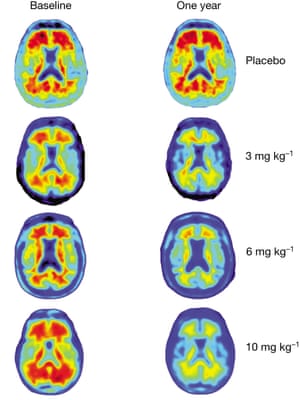
The small study of only 165 people with mild symptoms of the disorder found that a dozen monthly injections of the antibody aducanumab removed clumps of protein that build up in the Alzheimer’s brain.


A leading theory of the disease holds that the steady accumulation of a protein called amyloid-beta in the ageing brain kills off healthy neurons and brings about the memory and cognitive impairments experienced by Alzheimer’s patients.


In the trial, the strongest glimpse of mental improvement was seen in patients who had the highest dose of drug and who showed the greatest reduction in amyloid plaque proteins in follow-up brain scans. These patients did not worsen at all after six months of treatment. But the small number of patients enrolled in the study means that two much larger trials, which are now recruiting 2,700 patients in 20 countries, are needed to confirm whether the tantalising signs of benefit are real.


Alzheimer’s experts welcomed the results, but cautioned that it is too early to know whether the drug will be a help for patients. Other antibody treatments have looked impressive in early studies only to fail later on in larger trials.


Comparison brain scans, with amyloid beta protein shown in red. The different dosages of aducanumab being tested are shown on the right.


Comparison brain scans, with amyloid beta protein shown in red. The different dosages of aducanumab being tested are shown on the right. Photograph: Ayres, Michael/Sevigny et al/Nature

John Hardy, a neuroscientist at UCL who first proposed that amyloid was a driver of Alzheimer’s disease, said: “It’s very interesting and nice to see all these positive data, and it has caused genuine excitement in the field, but it’s a very small number of patients and too small to draw any definitive conclusions from.”


The results from the trial led by the US biotech firm, Biogen, and a Swiss company called Neurimmune, are reported in the journal Nature. The data were first released at a scientific conference in March last year.


Aducanumab was hailed as a potential treatment for Alzheimer’s when scientists found the antibody in people who aged without suffering the sort of mental decline that goes hand in hand with old age. It appeared that the antibody prevented the build-up of amyloid plaques and staved off dementia.


When injected into Alzheimer’s patients, one or two in every thousand of the antibodies enter the brain where they latch on to wayward amyloid-beta proteins. Researchers at Biogen believe that other cells called microglia then arrive and clear the aberrant proteins from the brain. The drug appears to be most effective if the accumulation of amyloid protein is blocked before it causes too much damage. The process may start 15 years before people show symptoms.


In the latest trial, some patients experienced side effects. MRI scans showed a shift in the brain fluid that was more common at high doses and in people who carry the APOE type-4 gene, which is a major risk factor for Alzheimer’s disease. The scientists are now working on ways to avoid the side effect or diminish the problems by reducing the doses patients receive.


David Allsop, professor of neuroscience at Lancaster University, said the side effects will have to be overcome if the therapy is to find widespread clinical use. “Nevertheless, these findings could be a gamechanger if the effects on memory decline can be confirmed in more extensive follow-on studies.”


There are 850,000 people with dementia in Britain, a number that is expected to reach one million by 2025. Alzheimer’s is the most common form of the condition. “If this drug works, we’ll have a treatment for patients suffering from this devastating disease,” said Biogen’s Alfred Sandrock.


“These results provide tantalising evidence that a new class of drug to treat the disease may be on the horizon, said David Reynolds at Alzheimer’s Research UK.


James Pickett at the Alzheimer’s Society was similarly optimistic: “These results are the most detailed and promising that we’ve seen for a drug that aims to modify the underlying causes of Alzheimer’s disease.”


Trial shows tantalising signs that new Alzheimer"s drug could benefit early-stage patients

24 Temmuz 2016 Pazar

Stem cell trial suggests damaged heart tissue could be regenerated

People suffering from heart disease have been offered hope by a new study that suggests damaged tissue could be regenerated through a stem cell treatment injected into the heart during surgery.


The small-scale study, published in the Journal of Cardiovascular Translational Research, followed 11 patients who during bypass surgery had stem cells injected into their hearts near the site of tissue scars caused by heart attacks.


One of the trial’s most dramatic results was a 40% reduction in the size of scarred tissue. Such scarring occurs during a cardiac event such as a heart attack, and can increase the chances of further heart failure. The scarring was previously thought to be permanent and irreversible.


At the time of treatment, the patients were suffering heart failure and had a very high (70%) annual mortality rate. But 36 months after receiving the stem cell treatment all are still alive, and none have suffered a further cardiac event such as a heart attack or stroke, or had any readmissions for cardiac-related reasons.


According to the British Heart Foundation, while there are several treatments to help people with heart failure, there is no known cure, and in some cases a heart transplant may be the only option.


Twenty-four months after participants were injected with the stem cell treatment there was a 30% improvement in heart function, 40% reduction in scar size, and 70% improvement in quality of life, as judged by the Minnesota living with heart failure (MLHF) score.


Related: Brain damage could be repaired by creating new nerve cells


“Quite frankly it was a big surprise to find the area of scar in the damaged heart got smaller,” said Prof Stephen Westaby from John Radcliffe hospital in Oxford, who undertook the research at AHEPA university hospital in Thessaloniki, Greece, with Kryiakos Anastasiadis and Polychronis Antonitsis.


Westaby began theorising about the impact of stem cells on regenerating heart tissue and reducing scarring after observing how scar tissue on the hearts of babies who have had heart attacks and undergone heart failure disappeared by the time they reached adolescence, suggesting that residual stem cells might be able to repair the damaged tissue.


“It’s an early study and it’s difficult to make large-scale predictions based on small studies,” said Ajan Reginald, the founder of Celixir, the company that produces the treatment. “But even in a small study you don’t expect to see results this dramatic.


“These are 11 patients who were in advanced heart failure, they had had a heart attack in the past, multiple heart attacks in many cases. The life expectancy for these patients is less than two years, we’re excited and honoured that these patients are still alive.”


Related: Nearly 2m people may have undiagnosed killer disease


Jeremy Pearson, the associate medical director at the British Heart Foundation (BHF), said: “This very small study suggests that targeted injection into the heart of carefully prepared cells from a healthy donor during bypass surgery, is safe. It is difficult to be sure that the cells had a beneficial effect because all patients were undergoing bypass surgery at the same time, which would usually improve heart function.


“A controlled trial with substantially more patients is needed to determine whether injection of these types of cells proves any more effective than previous attempts to improve heart function in this way, which have so far largely failed.”


Westaby conceded that the improvement in patients’ health was partly due to the heart bypass surgery those in the study were undergoing, and said the next study would include a control group who undergo bypass but do not receive stem cell treatment, to measure exactly what impact the treatment has.


“These patients came out of heart failure partly due to the bypass grafts of course, but we think it was partly due to the fact that they had a smaller area of scar [as a result of the stem cell treatment]. Certainly this finding of scar being reduced is quite fascinating,” he said.


Westaby will commence a large-scale controlled study later this year at the Royal Brompton hospital in London, and Celixir hopes to make the Heartcel treatment available to patients in 2018 or 2019.


Stem cell trial suggests damaged heart tissue could be regenerated

12 Ağustos 2014 Salı

Increase-IT Trial Scheduled For Presentation In November

Final results of the eagerly-awaited and hugely controversial IMPROVE-IT trial are last but not least going to be revealed. The American Heart Association has announced that the  trial will be presented by Chris Cannon on November 17 at 11:51 AM (central time) in Chicago at the group’s annual scientific sessions . IMPROVE-IT compared the impact on cardiovascular outcomes of the statin simvastatin with Vytorin (the mixture of simvastatin and ezetimibe, manufactured by Merck) in more than 18,000 individuals with acute coronary syndromes.


Both Vytorin and Improve-IT have been the topic of significant controversy. The drug was approved, and widely employed, regardless of the absence of clinical trials demonstrating  benefit. The Improve-IT trial, which was developed to assess the result of clinical outcomes, has taken several years to attain completion. Some observers  have pointed out that the trial’s length has closely paralleled the patent daily life of the drug.


But Boost-IT might have critical implications beyond our knowing of ezetimibe. It is extensively believed that the trial will provide a substantial contribution to the debate about the reliability of surrogate endpoints in general and the independent relevance of lowering LDL cholesterol in distinct. I have argued in the past that the fate of the new PCSK9 inhibitors may possibly depend on the outcomes of Improve-IT:


If Boost-IT meets its primary endpoint then the FDA will be far much more inclined to accept LDL-lowering as a surrogate endpoint and the PCSK9 inhibitors may possibly well achieve early approval (if all else goes properly, of program, however this is by no means assured). On the other hand, if Boost-IT does not meet its principal endpoint then the FDA will be significantly significantly less most likely to approve a new class of cholesterol-reducing medicines with out evidence of substantial clinical positive aspects.


Increase-IT Trial Scheduled For Presentation In November

10 Temmuz 2014 Perşembe

FDA Areas Clinical Hold On Phase 3 Trial Of Novel Anticoagulant

A extremely promising novel anticoagulant method now appears to be in serious issues. Regado Biosciences announced these days that the FDA had positioned a “clinical hold” on patient enrollment and dosing in the REGULATE-PCI trial, which is testing the Revolixys anticoagulation technique. Revolixys consists of the Factor IX inhibitor pegnivacogin and an agent, anivamersen, which reverses its anticoagulant result.


REGULATE-PCI is a phase 3 trial evaluating Revolixys to bivalirudin (Angiomax, The Medicines Firm) in 13,000 patients undergoing PCI. The principal investigators of the trial are A. Michael Lincoff (Cleveland Clinic), Roxana Mehran (Mount Sinai), and John Alexander (Duke Clinical Investigation Institute).


The FDA action is not fully unexpected. On July 2 the company announced that patient enrollment in the trial had been paused when the Data Safety Monitoring Board (DSMB) initiated an unplanned assessment of trial data. The company explained the DSMB would “conduct a full evaluation of security and treatment advantage-danger ratio of all individuals enrolled to date (3234) with a emphasis on significant adverse occasions connected to allergic reactions.”


Regado mentioned the clinical hold was taken by the FDA “to formalize the involvement of the FDA in any selection to re-initiate enrollment and dosing in the trial in the future.” The organization CEO stated that “any recommendation to re-initiate patient enrollment in REGULATE-PCI will be based mostly on the DSMB’s conclusions and would constantly be implemented in agreement with FDA.” The two the firm and the trial’s principal investigators stay blinded to the examine benefits.


FDA Areas Clinical Hold On Phase 3 Trial Of Novel Anticoagulant

7 Temmuz 2014 Pazartesi

Controversial Trial Finds No Benefit For Pricey Medicines Firm Drug

Even though there is broad consensus in the health-related neighborhood that principal PCI is the ideal remedy for heart assault patients when it can be delivered promptly, there is no agreement about the greatest accompanying drug routine, which normally entails a blend of antiplatelet and antithrombotic medication. The part of one particular antithrombotic, bivalirudin (Angiomax, The Medicines Firm) has been notably uncertain since it is far much more costly than its alternative, unfractionated heparin.


HEAT-PPCI was made to aid settle this dilemma. The investigators ran a large, sensible clinical trial that instantly randomized all main PCI sufferers at the Liverpool Heart and Chest Hospital in the Uk. The outcomes of the trial, which have been the topic of considerable debate when they had been presented at the American College of Cardiology meeting earlier this yr, have now been published in the Lancet, along with two editorials that tackle the controversies engendered by the trial.


one,829 sufferers have been randomized in the HEAT-PPCI trial to either heparin or bivalirudin. The final results did not show any advantage for bivalirudin.  There was a considerable increase in the principal efficacy outcome– a composite of death, stroke, reinfarction, or unplanned target lesion revascularization– in the bivalirudin group compared with the heparin group (8.seven% versus 5.7%, RR one.53, CI 1.09-two.13, p=.01). There was no significant distinction in the incidence of major bleeding (3.5% versus three.one%, p-.59). The use of bailout GP IIb/IIIa inhibitors was comparable in both groups: 13% for bivalirudin and 15% for heparin.


The authors conclude that their trial “suggests that the use of heparin, rather than bivalirudin confers substantial benefit in the avoidance of major adverse occasions. This locating may well give an possibility, uncommon in modern day overall health care, to give improved outcomes at much diminished price. In our centre, routine use of heparin (rather than bivalirudin, which fees about 400 occasions as a lot) would reduce quick drug costs in our yearly 1000 PPCI instances by £500 000.”


In an accompanying editorial, Peter Berger and James Blankenship say that the distinction in findings among HEAT-PPCI and earlier trials can be explained by many factors, such as the lower use of GP IIb/IIIa inhibitor in conjunction with heparin in HEAT-PPCI, the use of greater doses of heparin in earlier studies, and the better use of radial access in HEAT-PPCI. The trial, they compose, “provides strong proof that bivalirudin alone compared with 70 U/kg of heparin alone (with infrequent bailout use of GP IIb/IIIA inhibitors in each arms), with radial entry for STEMI percutaneous coronary intervention, seems to be inferior to heparin as administered in this trial. Even if heparin alone had produced statistically similar outcomes to bivalirudin, it would have been a win for heparin. A drug that charges significantly less than a 400th of an additional that has comparable efficacy and safety ought be utilised preferentially.”


In a second editorial David Shaw dismisses the intense criticism from some prominent critics of the trial’s ethics based on the truth that trial participants did not offer informed consent till following they had been randomized. Rather, he writes, “HEAT-PPCI is not only an extraordinary achievement in medical analysis, but also in ethical study style. Far from becoming unethical, the research sets a large standard for consent in pragmatic trials.”


Delayed consent “was preferable to attempting to acquire consent from potentially incompetent individuals needing really urgent cardiac treatment… The use of delayed consent is specifically appropriate in pragmatic comparative effectiveness trials the place the two medicines below investigation are each used for licensed indications in problems of equipoise. In regimen clinical care, it would be completely standard for a physician to select either heparin or bilvalirudin with no involvement of the patient in the determination.”


The results of the trial also “mean that assets will not be wasted on bivalirudin, a much more pricey and much less successful treatment than heparin.” Shaw observes: “Unsurprisingly, significantly of the opposition to HEAT-PPCI has come from medical professionals with shut industry ties.”


Controversial Trial Finds No Benefit For Pricey Medicines Firm Drug

4 Temmuz 2014 Cuma

Patient died throughout drug trial "because of numerous organ failure"


She was admitted to Royal Shrewsbury Hospital with a chest infection and died of a number of organ failure on August 24 last year following establishing a variety of viral infections. Dr Atheer al-Ansari, a advisor rheumatologist at the Orthopaedic Hospital in Gobowen, Shropshire, who cared for her throughout the trial, mentioned he was “shocked” by her issue and had never observed a patient with 3 such significant infections ahead of.


Mrs Owen, of Coed Y Go, Oswestry, suffered from rheumatoid arthritis and had been taking part in a clinical examine of a new drug, MK8457, to see if it could ease her symptoms.


He assured the hearing that he had created it clear from the commence that she ought to end taking the medication if she suffered any unwell effects.


Nonetheless, Heidi Knight, on behalf of Mrs Owen’s family, claimed that on the weekend she became sick, Dr Ansari informed her to keep taking the pills. He replied: “I spoke to Mrs Owen 3 instances that weekend and repeated that she ought to end the medication.”


He also sent a letter to her GP giving the very same advice.


Mrs Owen was the only Briton out of 60 patients in the globally study, run by a overall health care business referred to as MSD. In accordance to Dr Ansari, none of the other patients had suffered from severe infection.


Dr Catherine Whittall, analysis programme manager at the Orthopaedic Hospital, confirmed Mrs Owen totally understood the hazards and was content to get part. “Mrs Owen in no way expressed any concern about being on the trial and Dr Ansari often stored her up to date with the hazards and positive aspects,” she said.


The inquest heard Dr Ansari had ordered the review to be discontinued and the hospital had considering that carried out its personal inner assessment into the circumstances of Mrs Owen’s death.


John Ellery, the Shropshire coroner, ruled Mrs Owen had died from multi-organ failure due in component to rheumatoid arthritis and its treatment method.


Patient died throughout drug trial "because of numerous organ failure"

21 Mayıs 2014 Çarşamba

Egyptian physician to stand trial for female genital mutilation in landmark case

A medical professional is to stand trial in Egypt on costs of female genital mutilation on Thursday, the 1st case of its kind in a country where FGM is illegal but widely accepted.


Activists warned this week that the landmark case was just one modest stage in the direction of eradicating the practice, as villagers openly promised to uphold the tradition and a neighborhood police chief stated it was near-unattainable to stamp out.


Raslan Fadl, a physician in a Nile delta village, is accused of killing 13-year-old schoolgirl Sohair al-Bata’a in a botched FGM operation last June. Sohair’s father, Mohamed al-Bata’a, will also be charged with complicity in her death.


Fadl denies the costs, and claims Sohair died due to an allergic reaction to penicillin she took for the duration of a process to eliminate genital warts.


“What circumcision? There was no circumcision,” Fadl shouted on Tuesday evening, sitting outside his residence the place Sohair died final summertime. “It is all manufactured up by these dogs’ rights individuals [human rights activists].”


In the subsequent village along, Sohair’s dad and mom had gone into hiding, according to their loved ones. Her grandmother – soon after whom Sohair was named – admitted an FGM operation had taken spot, but disapproved of the court case.


“This is her destiny,” stated the elder Sohair. “What can we do? It really is what God ordered. Practically nothing will assist now.”


According to Unicef, 91% of married Egyptian ladies aged amongst 15 and 49 have been subjected to FGM, 72% of them by medical doctors, even although the practice was created illegal in 2008. Unicef’s research suggests that help for the practice is steadily falling: 63% of girls in the same age bracket supported it in 2008, compared with 82% in 1995.


But in rural locations the place there is a reduced standard of schooling – like Sohair’s village of Diyarb Bektaris – FGM nevertheless attracts instinctive assistance from the neighborhood population, who believe it decreases women’s appetite for adultery.


“We circumcise all our youngsters – they say it is very good for our ladies,” Naga Shawky, a 40-12 months-outdated housewife, informed the Guardian as she walked along streets close to Sohair’s property. “The law will not stop anything at all – the villagers will carry on. Our grandfathers did it and so shall we.”


Nearby, Mostafa, a 65-year-outdated farmer, did not realise that genital mutilation had been banned. “All the women get circumcised. Is that not what’s supposed to occur?” explained Mostafa. “Our two daughters are circumcised. They are married and when they have daughters we will have them circumcised as nicely.”


Nearby help for Fadl, who is also a sheikh [elder] in his village mosque, remains high. “Most people will inform you he is a quite excellent man: will not harm him,” explained Reda el-Danbouki, the founder of the Women’s Centre for Advice and Legal Awareness, a local rights group that was the 1st to get up Sohair’s case. “If you asked folks about who is the greatest person to do this operation, they would even now say: Dr Raslan [Fadl].”


Most villagers said they imagined the practice was prescribed by Islamic law. But female genital mutilation is not described in the Qur’an and has been outlawed by Egypt’s grand mufti, 1 of the country’s most senior Islamic clerics. It is also practised in Egypt’s Christian communities – foremost activists to stress that it is a social issue rather than a religious one.


“It’s not an Islamic concern – it’s cultural,” said Suad Abu-Dayyeh, regional representative for Equality Now, a rights group that lobbied Egypt to follow through with Fadl’s prosecution. “In Sudan and Egypt the practice is widespread. But in most of the other Arab countries – which are mainly Muslim countries – individuals don’t feel of it as a Muslim issue. In truth, there has been a fatwa that bans FGM.”


Campaigners hope Sohair’s case would discourage other doctors from continuing the practice. But villagers in Diyarb Bektaris stated they could nonetheless easily find physicians prepared to do it in the nearby town of Agga, in which practitioners could earn up to 200 Egyptian lbs (roughly £16.70) an operation. “If you want to ban it properly,” explained Mostafa, the farmer, “you’d have to ban medical professionals as properly.”


Up the road in Agga, no physician would publicly admit to carrying out FGM operations, and mentioned the law acted as a deterrent. But 1 claimed FGM could be morally justified even if it brought on ladies bodily or psychological discomfort.


“It provides the woman far more dignity to get rid of [her clitoris],” mentioned Dr Ahmed al-Mashady, who stressed that he had by no means carried out the operation but claimed it was necessary to cleanse females of a dirty physique part.


“If your nails are dirty,” he explained in comparison, “never you cut them?”


A number of hundred metres away, sitting in his heavily fortified barracks, the local police chief agreed the practice necessary to finish. But Colonel Ahmed el-Dahaby claimed police could not operate proactively on the problem because FGM happened in secret. He also explained they were held back by the nuances of the Egyptian legal system – one thing that would shock individuals who argue police officers have readily contravened due approach in other more politicised cases.


“It truly is extremely hard to arrest a medical doctor,” said Dahaby. “Why? You do not know when precisely he is going to do this operation. In purchase to arrest him legally you have to have the papers from the prosecutor, and only then can you go. But you never know when the operations will get place, so you have to catch them in the act or it has to be reported by the father. And that is challenging simply because the father will deny what happened.”


In Sohair’s situation, her family members did initially testify that she died following an FGM operation but then changed their testimony a few days later, top the situation to be closed. It was only reopened following a triple-pronged stress campaign led by Reda el-Danbouki, Equality Now and Egypt’s state-run Nationwide Population Council.


Thursday’s hearing will most likely be short and procedural. In subsequent sessions, Sohair’s loved ones is anticipated to waive the manslaughter charges towards Fadl, soon after Dahaby said the two sides reached a substantial out-of-court compensation agreement.


But the family members has no say above the FGM fees levelled at the two Fadl and Sohair’s father – and the state will carry on to seek a conviction against them each. But whether or not such a result will serve as a main deterrent against FGM remains to be observed.


For Equality Now’s Suad Abu-Dayyeh, the solution is a systematic educational programme that would see campaigners usually visit Egypt’s countryside to begin a conversation about a topic that has previously never been questioned. “You need to have to go continuously into the communities. We need to locate a way of actually debating these issues with the villagers, the physicians and the midwives.”


And for the victims themselves, says Abu-Dayyeh, this method can not start quickly sufficient. “They ought to get pleasure from their sexual relations with their long term husbands. They are human beings.”


Additional reporting by Manu Abdo


Egyptian physician to stand trial for female genital mutilation in landmark case

30 Nisan 2014 Çarşamba

Yet another Failed HDL Therapy Trial

In spite of robust epidemiological evidence suggesting that HDL has a sturdy protective result towards cardiovascular disease, there has been no excellent proof showing that HDL-primarily based therapies are helpful. Huge trials of medicines that increase HDL levels, including niacin and CETP-inhibitors, have failed to show enhancements in final result. Some observers gleaned hope from numerous small scientific studies of drugs that mimic HDL activity but these research have been as well modest to supply convincing evidence. Now a new study– the biggest to ever examine an HDL mimetic– has failed to locate even a glimmer of benefit.


Final results of the CHI-SQUARE (Can HDL Infusions Substantially QUicken Atherosclerosis Regression) examine were published on the internet in the European Heart Journal. Within two weeks of having an acute coronary syndrome, 507 patients had been randomized to obtain 6 weekly infusions of either placebo or one of 3 doses of CER-001, an HDL-mimetic from Cerenis Therapeutics.


Benefits of the trial were extensively unfavorable. CER-001 had no substantial impact on atherosclerosis, as assessed by both intravascular ultrasonography (IVUS) and quantitative coronary angiography (QCA). There were also no significant distinctions in the number of individuals who had at least a single significant cardiovascular occasion.


Cerenis was apparently so shocked by the unfavorable finding that it asked for a publish-hoc re-analysis of the IVUS recordings from a separate group. The outcomes, unluckily for them, were no diverse.


I asked several cardiologists who have performed HDL research to comment on the research. They remain remarkably optimistic about the prospects of HDL.


PK Shah sent the following response:


This is a really disappointing study displaying no quick phrase results of rHDL (containing wild kind Apo A-I linked to two phospholipid carriers) infusion at doses of 3, 6, 12 mg /kg on non-culprit coronary lesion size as assessed by IVUS and QCA.


If you are a pessimist and disregard all the biological plausibility information on vascular protective effects of Apo A-I or its mutants such as Apo A-I milano proven in preclinical models and modest clinical research , you could conclude that APo A-I infusions treatment may possibly not understand its guarantee on the other hand if you are an optimist , you could make the arguments that a damaging examine could have been due to:


  1. Not measuring plaque composition which is more very likely to adjust just before plaque dimension modifications i.e not measuring lipid core dimension and irritation that goes with it. IVUS could not be the ideal methodology.

  2. Not deciding on the sort of patient most likely to show a change in plaque, i.e., a patient with a lipid wealthy plaque rather than any plaque without regard to its composition.

  3. Not employing a large ample dose ( Apo Milano review in 2003 utilized 15 and 45 mg/kg /per dose even though as the dose utilised in this study were 3, 6, 12 mg/kg/dose)???

  4. Not using enough infusions to remodel the plaque ???

  5. The compositional attributes of the HDL mimetic utilised in this examine may possibly not be optimum HDL containing APo A-I milano, probably a obtain of perform mutant, may possibly make different final results as suggested by preclinical scientific studies carried out in our laboratory.


As a believer in HDL’s vascular protective results, I stay optimistic that, even though HDL has been a difficult nut to crack, one particular of these days we will get it right making use of the correct formulation, appropriate patient and correct dose investigation in this area need to continue till we get it correct, the simple biology is very compelling.


I asked William Boden, PI of the NIH’s AIM-Substantial trial, if it was time to write the obituary for HDL:


You have to be kidding me! The finish of what? HDL RIP? How about: RIP suboptimal examine style and trial hypotheses? I proceed to be astonished that we see nothing but pejorative commentary and noise about the death knell for the HDL hypothesis and HDL-raising therapy when, time right after time and trial after trial, we see the very same unenlightened examine style perpetuated.


What do ILLUMINATE, Dal-OUTCOMES, HPS-two THRIVE, and this CHI-SQUARE trial all have in frequent? The answer is: an unreasonable review population in which to test HDL-raising treatment. The two CETP inhibitor trials and this 1 incorporated ACS individuals who have been not pre-chosen for a profile of minimal HDL-C cholesterol. In reality, I did not see any baseline lipid worth for CHI-SQUARE. The baseline apo-B values were &lt80 mg/dL in two groups and had been 81 and 86 in the other 2 groups–values that would be considered “optimal” or perfect. The Apo-A1 values of &gt130 mg/dL are likewise typical. Consequently, we can presume that the baseline LDL-C and HDL-C had been regular, or possibly optimum. Why on earth would one assume that a patient with an HDL-C of, say, 50 mg/dL to demonstrate a reduction in coronary atherosclerosis or clinical events when you are producing a regular baseline worth super-typical with an HDL-raising intervention? Since the epidemiology of HDL-C tells us that the danger of incident CV events is both inverse and curvilinear, if the starting up HDL-C is on the flat (typical) component of the event connection, then why would a single count on that raising the HDL-C to 70 or 80 would decrease CV events?


Our latest data (from four separate sources of observational and submit hoc RCTs) recommend that baseline HDL-C &lt30 mg/dL could be the threshold under which one particular requirements to target HDL-Raising therapy. This is the place the event curve steepens inversely and the place one might anticipate to see an HDL-raising therapeutic advantage.


So this trial tells me practically nothing new that I haven’t witnessed in the other above trials. In our submit hoc evaluation of AIM-Substantial (admittedly only “hypothesis-generating”) an HDL-C &lt31 mg/dL was associated with a niacin treatment method result for the primary endpoint. This would really be the 5th information set to present that it is the extremely lower HDL-C subset that we need to target, not these “all-comers” styles where patients have typical or high HDL-C to start.


We have nevertheless to see the right trial design and style. And, of course, since the wonderful bulk of AIM-Substantial and HPS-two individuals have been getting statins for one-5 years, how can you assume, as in HPS-two, to see an incremental HDL-C raising effect when the baseline LDL-C was 63 mg/dL and the baseline HDL-C was ~47 mg/dL? Perhaps we require trials of individuals who are statin naïve, not such well-taken care of patients exactly where danger mitigation possibly cannot be attained.


Yet another Failed HDL Therapy Trial

17 Nisan 2014 Perşembe

Trial of GM plants to help fight heart ailment offered go-ahead

GM plants to help fight heart disease given go-ahead

GM crops at Rothamsted Analysis Centre in Hertfordshire, which has permission to start a new area trial. Photograph: Dominic Lipinski/PA


Scientists have been provided permission to grow genetically modified plants that could aid protect against heart disease.


The Department for Atmosphere, Meals and Rural Affairs (Defra) has provided the go-ahead for the field trial of a crop of GM camelina plants, the seeds of which are modified to produce fish oils. The oils could supply feed for farmed fish, which means that fewer fish want to be caught from the sea, and eventually could be used in overall health dietary supplements or as an additive in foods such as margarine.


Scientists at Rothamsted Investigation Centre in Hertfordshire who will run the trial hailed the selection as a substantial milestone for study into genetically modified plants.


Fish oils, or omega-three long-chain polyunsaturated fatty acids, have been confirmed to be useful for human well being and to assist shield against coronary heart condition. It is also hoped the crop, if grown commercially in the future, may minimize the burden of in excess of-fishing. About 80% of the fish oil harvested from the oceans is fed to fish grown in farms.


Researchers invested ten years developing a sustainable way to produce the oil just before effectively expanding the engineered plants in lab problems. The trial was announced in January, but has been offered the go-ahead right after a public consultation.


Professor Johnathan Napier, lead scientist of the project, mentioned: “We have produced considerable progress above the final ten many years in designing and developing these plants and my colleagues and I are very satisfied that we can now check the overall performance of these plants in the field, below real-daily life situations.”


The specific oils that benefit the wellness of fish and humans, named EPA and DHA, are not in truth made by fish themselves but rather accumulated by eating marine microbes. Napier’s group took up to 7 genes from algae that produce the fish oils and transplanted them into oil seed plants referred to as camelina. It naturally creates short-chain oils and has been grown as a food crop for centuries in southern and eastern Europe and is utilized a biofuel crop in North America.


The investigation is component of a task to discover out how seeds could be enhanced to benefit the population’s wellness.


The experiment will start off by the middle of May possibly this year, with the plants harvested in August or September. Some seeds from the plants will be used for analysis, even though the rest will be destroyed beneath the situations of the consent.


The GM inspectorate of the Meals and Setting Analysis Company will be carrying out regular inspections.


Professor Martin Parry, acting director of Rothamsted Research, stated: “We are delighted to be in place to carry out the field trial and to additional assess the likely of these GM plants to contribute, as 1 of several solutions, to the crucial environmental sustainability issue of offering omega-three fish oils.”


The trial will be funded by the Biotechnology and Biological Sciences Analysis Council (BBSRC).


Professor Jackie Hunter, chief executive of the BBSRC, explained: “This study is looking for to provide an substitute supply of omega-3 oil for the aquaculture industry that is searching for new techniques to sustain and boost its sustainability.


“Following many years of BBSRC-supported laboratory study this venture has reached the stage exactly where only a field trial will show scientists if this could function in true-globe situations. I am pleased that the team are now in a place to proceed and will be interested in hearing their benefits.”


Emma Hockridge, head of policy for the Soil Association, which represents organic farmers, called the move a “waste of scarce public funds”.


She advised Farming United kingdom: “GM crops are generating farming less honest, more risky and no much more sustainable. As an alternative, we support useful science and innovation that addresses true wants, is genuinely sustainable and puts farmers in management of their livelihoods.”


Trial of GM plants to help fight heart ailment offered go-ahead

16 Nisan 2014 Çarşamba

Cancer medicines targeted to patient"s own genetics to be supplied in new NHS trial

It will be extended to patients with breast, prostate and colorectal cancers within two many years and ‘will turn into mainstream in most cancers inside of five to 10 years’, Harpal Kumar, chief executive of Cancer Investigation Uk, informed the Telegraph.


The scheme will permit individuals diagnosed with non-little cell lung cancer to have a complete genetic examination conducted on their specific form of the cancer.


They will then swiftly be supplied a single of twelve medicines accessible from AstraZeneca and Pfizer that targets the abnormal genes in their tumour.


Menelas Pangalos, Executive Vice President of Innovative Medicines and Early Improvement at AstraZeneca, explained there had been presently ‘phenomenal response rates’ with some of these new drugs.


He added: “We anticipate that within the next decade we will see some of these tumour types becoming continual conditions exactly where we can offer you a sequence of therapies to prolong life.”


As the undertaking continues it is expected that other drug businesses will be ready to offer their new medicines.


The 12 existing medication in the trial are known to target at least one of 21 established genetic abnormalities identified in lung cancer.


This means that patients diagnosed with lung cancer have a 1 in two opportunity of becoming included in the trial to acquire a genetically targeted drug.


The remainder will be supplied immunotherapy which stimulates the body’s very own immune system to fight their cancer.


Up right up until now it has been almost extremely hard for the drug organizations to find enough sufferers with the exact same extremely rare genetic abnormalities in their cancers to run ordinary big scale trials.


But by providing thorough tests to every single patient diagnosed with lung cancer inside the NHS and matching them quickly to the new drugs, patients will be supplied new medicines far faster.


In most circumstances cancer is taken care of with blanket medication which are the exact same for all individuals but much more are coming online that target specific aspects of the specific tumour meaning they are much more effective and sufferers suffer fewer side effects.


Professor Peter Johnson, Cancer Investigation UK’s chief clinician, stated: “The thrilling progress we’ve made in understanding how cancers produce gives us hope that exclusively focusing on faults inside patients’ tumours could revolutionise medication in the following decade.”


Experts said that Britain was in a special position to lead the world in this research because of the complete and standardised methods within the NHS.


Overall health Secretary Jeremy Hunt mentioned: “By investing £11.five million a day into investigation and advancement for the daily life sciences we have made this nation a single of the best places in the globe to carry out and invest in clinical trials, which has produced ground-breaking programmes like this achievable.


“Cancer Study UK’s Stratified Medication Programme will see leading scientists function with industry and the NHS to collaborate on revolutionary, existence-conserving research, and I look forward to the benefits this will deliver for cancer sufferers and their families.”


Cancer medicines targeted to patient"s own genetics to be supplied in new NHS trial

Trial to see how personalised treatment method can battle cancer set to begin this 12 months

File photo shows a scientist preparing protein samples for analysis

Scientists will use the genetic understanding of each lung tumour to recognize individuals who are much more probably to benefit from a particular drug. Photograph: Stefan Wermuth/Reuters


A medicines trial made to uncover how personalised remedy can assist in the battle towards cancer commences later on this year. Cancer Research United kingdom has joined forces with pharmaceutical organizations AstraZeneca and Pfizer to develop a pioneering clinical trial for patients who have superior lung cancer, the UK’s greatest cancer killer.


Scientists from Cancer Research United kingdom will use the genetic understanding of every single lung tumour to identify modest groups of sufferers who are more most likely to benefit from a certain drug since of the distinct genetic changes triggering their cancer.


Researchers will be provided access to up to 14 medicines which target specific and usually rare mutations, that means that they could offer you hope for those who would otherwise have very constrained remedy possibilities.


During the trials, researchers will look for indicators of improvement, this kind of as improved survival, tumour shrinkage or an alleviation of signs. If the medicines show promise, they could be quick-tracked into more substantial trials. The charity has said the partnership marks a new era of study into personalised medicines. Funding for the trial – from the charity and the two pharmaceutical companies as nicely as assistance from the NHS – represents £25 million of investigation.


Harpal Kumar, Cancer Investigation UK’s chief executive, stated the trial is an essential phase forward in the battle towards cancer. “This partnership is fascinating because we’re making an attempt to obtain anything that none of us could manage alone – targeting treatments towards the patients who we know are the most probably to advantage. It is also a programme that can uniquely be carried out in the United kingdom simply because of our Nationwide Health Service and the network of centres across the country supported by Cancer Analysis United kingdom.


“We know that each patient’s cancer is distinctive so we’re now moving away from a one-dimension-fits-all technique and as an alternative striving for more personalised remedy. Critically, we are shifting the emphasis from designing a trial close to a particular drug to designing it around selecting from a selection of medication for a distinct patient.”


The trial will be led by Prof Gary Middleton in conjunction with the early drug development staff at the charity’s clinical trials unit in Birmingham. It will construct on the very first phase of the charity’s medication programme which established a way for NHS hospitals to routinely test tumour samples and use this details to assist match cancer patients to the most acceptable therapy.


Prof Middleton said that the trial will mean cancer medicine in the Uk gets a key worldwide player in the search for more efficient targeted therapies. He extra: “For our individuals, it really is a tremendous possibility to accessibility a broad-assortment of therapies tailored exclusively to their certain kind of lung cancer. For men and women caring for lung cancer individuals in the United kingdom, it’s fascinating to be ready to offer you these therapies to patients when they are even now at a quite early stage of clinical development.”


The wellness secretary, Jeremy Hunt, welcomed the news and mentioned that he looked forward to the advantages it would deliver for cancer sufferers. “By investing £11.five million a day into study and development for the lifestyle sciences we have created this country a single of the best spots in the planet to carry out and invest in clinical trials, which has made ground-breaking programmes like this feasible.


“Cancer Analysis UK’s stratified medication programme will see top scientists operate with market and the NHS to collaborate on modern, life-saving analysis, and I seem forward to the positive aspects this will deliver for cancer sufferers and their households.”


Trial to see how personalised treatment method can battle cancer set to begin this 12 months

9 Nisan 2014 Çarşamba

Troubled NHLBI TOPCAT Trial Disappoints

Though a important portion of folks with heart failure have preserved ejection fraction, none of the confirmed heart failure therapies has been proven to be advantageous in this critical and expanding heart failure subpopulation. Now a new NHLBI-funded review has failed to uncover a advantage in this group for spironolactone, which is a cornerstone of therapy for heart failure sufferers with decreased ejection fraction. But trial investigators and heart failure specialists think it is too early to dismiss hope that spironolactone and other aldosterone antagonists– like Pfizer’s Inspra (eplerenone)– may possibly eventually be found to operate in this population.


TOPCAT (Treatment method of Preserved Cardiac Perform Heart Failure with an Aldosterone Antagonist), published in the New England Journal of Medicine, randomized 3,445 individuals with heart failure with preserved ejection fraction (HFPEF) to either spironolactone or placebo. Following 3.three years of followup the major outcome– a composite of death from cardiovascular leads to, aborted cardiac arrest, or hospitalization for the management of heart failure– occurred in 18.6% of the spironolactone group and twenty.4% of the placebo group. This distinction did not attain statistical significance (hazard ratio .89, CI .77 – 1.04, p=.14).


However, there was a statistically significant difference in 1 component of the composite endpoint. Hospitalization for heart failure was diminished from 14.two% in the placebo group to 12% in the spironolactone group (p=.04).


The benefits have been consistent across various subgroups, with a single essential exception. At the time of enrollment sufferers had been stratified according to their eligibility criteria. 71.five% were enrolled simply because in the previous 12 months they had been hospitalized and the management of heart failure had been a major part of their care. 28.five% did not meet the hospitalization criteria but had been enrolled due to the fact they had elevated BNP ranges. The primary endpoint was substantially reduced in the BNP stratification but not in the hospitalization stratification.


Geographic variations could have played an critical part in this discrepancy. Almost half the sufferers in the trial had been enrolled in Russia and George. These sufferers had decrease occasion prices than topics elsewhere and have been a lot much more probably to be enrolled in the hospitalization stratum. The authors wrote: “The discrepancy in occasion charges with placebo may possibly have contributed to the observed treatment benefit in the Americas but not in Russia or Georgia (in which lower occasion costs would be tough to reduce even more) and the observed remedy advantage among sufferers enrolled in the BNP stratum but not amongst individuals enrolled in the hospitalization stratum (since most of the individuals enrolled in Russia and Georgia have been in the hospitalization stratum).”


In an accompanying editorial, John McMurray and Christopher O’Connor analyze this situation and end up questioning “whether some of the patients in the hospitalization stratum in fact had heart failure with a preserved ejection fraction, not least simply because this is a diagnosis that is not easy and that relies on the ruling out of other potential leads to of dyspnea and edema.”


In a discussion of the trial benefits on CardioExchange, principal investigators Bert Pitt and Marc Pfeffer stated that even though the trial as a total was not underpowered, the lower event charges in Russia and Georgia suggest that “we were certainly underpowered in these countries.” Additionally, “if you look at the benefits in the Americas (Canada, US, Argentina, Brazil) in which the placebo event rate is compatible with prior HFPEF studies-– spironolactone considerably reduced the main end result and its two key components.” They warned however that this is “a post hoc examination and as a result is open to debate.”


Clyde Yancy, who was not involved with the trial, also discussing the results of the trial on CardioExchange. Since of the absence of obtainable treatment options for HFPEF, Yancy stated that TOPCAT ought to not be viewed as a “positive” or “negative” trial: “A a lot far better method to the TOPCAT information is to declare that this was an informative trial that adds to our comprehending of HFPEF.”


He continued:


In the long run, the topline signal here was just not robust ample. But it was not absent the HF hospitalization data are reasonable and even a lot more so when deemed each in the North America cohort and yet again in the group stratified in accordance to an elevated BNP. Moreover, the substantial geographic variation, i.e., the Russian and Georgian cohorts, really speaks to a possible clinically important but not statistically considerable benefit. Lowering heart failure hospitalizations, particularly in HFPEF, is a great thing.


TOPCAT, stated Yancy, is “not the house run we sought, and won’t make the guidelines for heart failure today, but possibly it’s very good enough—at least for now.” Yancy said that in his very own practice “I have and will carry on to use” aldosterone antagonists in HFPEF.


Troubled NHLBI TOPCAT Trial Disappoints