Effective etiketine sahip kayıtlar gösteriliyor. Tüm kayıtları göster

20 Nisan 2017 Perşembe

Ad linking alcohol to cancer most effective at curbing drinking, study finds

A graphic Australian advertisement that highlights the link between alcohol and cancer has been nominated by drinkers as the most effective in leading them to reconsider their alcohol intake.


The video advertisement, titled Spread, was developed and funded by the Western Australia government. It shows alcohol being absorbed into the bloodstream, spreading and causing cancerous cell mutations in the liver, bowel and throat.


Researchers led by renowned international behavioural scientist Professor Melanie Wakefield tested 83 English-language alcohol advertisements from around the world on 2,174 Australian adults who regularly consume alcohol.


Study participants ranked each advertisement on a five-point scale, with a score of “one” representing a low motivation to reduce drinking after viewing and “five” representing high motivation to reduce drinking after viewing.


Spread ranked the highest with an average score of 3.77 and was favoured across a range of groups including men, women, young and older adults, and low and high-risk drinkers.


Four out of the top 10 most effective advertisements were from Australia and of those, all were from Western Australia. The least motivating ad, from New Zealand, was titled Add Nothing, and encouraged drinking water instead of beer. The results were published on Thursday in the medical journal BMJ Open.


The McCusker Centre for Action on Alcohol and Youth gave input into the development of the highest-ranked ad. The centre’s executive officer, Julia Stafford, said Spread was successful because experts in the field had been approached for input.


“We are really pleased that the evidence base for these harm-reduction ads is building and that we are learning more about what works in designing and running them,” Stafford said.


“It is important that very careful, research-based approaches are being taken.”


According to the Cancer Council of Australia, more than 3,200 cases of cancer each year could be prevented nationally if people limited their alcohol consumption.


But the CEO of Cancel Council Victoria, Todd Harper, said the carcinogenic properties of alcohol were still widely unknown in the community.


“Our 2015 survey of Victorian men and women found that nearly half of the respondents either believed that alcohol made no difference or were not sure if it had any effect on a person’s risk of cancer,” Harper said.


“It’s worrying because alcohol is a group one carcinogen – the highest classification available. It means that there is strong evidence that alcohol causes cancer at some body sites in humans.”


He said that “every drink” increased the risk of mouth, throat, bowel, liver and female breast cancers.


This risk as well as other alcohol-related harms has prompted some public health experts and health professionals to call for plain packaging on alcohol products that warn people of their risk, similar to that used on tobacco products.


But Alcohol Beverages Australia executive director Fergus Taylor dismissed the Spread adas “off the mark” and “scaremongering”.


“The industry has long advocated for targeted measures to deal with specific areas of problem consumption and misuse, as opposed to broad-based, population-wide measures like ads that use cynical scare tactics to frighten responsible drinkers,” he said.


“These ads will just be dismissed as scaremongering by the vast majority of Australians who drink responsibly and are well aware that alcohol should be consumed in moderation.”


Taylor accused researchers of “simply demonising a product that has well-established health benefits when consumed at moderate and responsible levels”.


Evidence from the World Cancer Research Fund and American Institute for Cancer Research identifies a causal relationship between alcohol and cancer. While any level of drinking increases cancer risk, this risk increases in line with the level of consumption.


Ad linking alcohol to cancer most effective at curbing drinking, study finds

22 Şubat 2017 Çarşamba

12 Most Effective Cholesterol Lowering Foods to Add To Your Diet

Probably you are familiar with a popular statement regarding the connection between cholesterol levels and heart health that says ‘in order to prevent heart disease you have to maintain high HDL (“good”) cholesterol and low LDL (“bad”) cholesterol levels.’


Studies have shown that having high cholesterol especially LDL cholesterol is associated with an increased risk of heart disease. In addition, having low HDL cholesterol and high triglycerides is also linked to increased risk. People with high blood triglycerides are usually found to have lower HDL cholesterol.


Oxidative Stress


When one has oxidative stress, in which antioxidants are lacking and more free radicals roaming around in your bloodstream and inside your cells, certain amounts of cholesterol in VLDL, IDL, LDL, and HDL become oxidized and converted into oxysterol.


There are many factors involve in oxidative stress, including smoking, psychological stress, unhealthy diet habits, high blood glucose, and physical inactivity.


Other factors less discussed include too many toxins in the body due to a prolonged impaired detox and drinking too much alcohol (ethanol from alcohol is converted to ethanal (an aldehyde), a strong oxidizer that can oxidize cholesterol).


Still, another factor thought to impair the lipid profile (triglyceride, total cholesterol, HDL, and LDL levels) is habitual uses of polyunsaturated vegetable oils, including soy oil, sunflower oil, and corn oil. When heated at 180 degrees Fahrenheit or more these oils turn into aldehydes, very potent oxidizing compounds which can oxidize cholesterol.


Other Oxidizers


Cholesterol is one of the cell membrane components. There are other components prone to get oxidized as well, including other types of lipids and proteins. When they are oxidized, you liver send out lots of LDL loaded with cholesterol to help strengthen the cell membrane structure.


Besides oxysterol, ethanal, and some other types of aldehydes (polyunsaturated vegetable oils) there are other oxidizers that can oxidize cell membrane components, including polycyclic aromatic hydrocarbon, polycyclic amines, and acrylamides. Other oxidizers include advanced glycation end-products, cadmium (in cigarette smoke), arsenic, lead, and mercury.


Once the cell membranes get attacked by any or a combination of these oxidizers, LDL cholesterol levels become higher as cholesterol is needed to repair/strengthen the cell membrane structures.


At the same time, HDL levels become lower because much is retained in the cell membrane.


Fortunately, there are foods you can consume to help lower and increase the LDL and HDL levels, respectively.


CHOLESTEROL-LOWERING FOODS


Fruits and Berries


Taking various types of fruits especially deep-colored ones can help lower cholesterol and improve heart health.


Studies have shown that soluble fiber contents in many types of fruits may help lower cholesterol levels. Insoluble fiber helps lower cholesterol levels by getting rid of cholesterol and preventing cholesterol production by the liver.


Pectin, a soluble fiber found in fruits, including grapes, citrus fruits, apples, and strawberries, has been shown to lower cholesterol by up to 10%.


Bioactive compounds in many types of fruits which comprise antioxidant and anti-inflammatory phytonutrients along with vitamin C can improve lipid profile which in turn may help prevent heart disease.


Berries and grapes are particularly rich sources of phytonutrients, including antioxidant and anti-inflammatory polyphenols and bioflavonoids, both of which can help increase HDL cholesterol and lower LDL cholesterol.


Vegetables


Fiber and antioxidant rich contents make vegetables an important part of a heart-healthy diet. In addition, their low calories are helpful for maintaining a healthy weight.


Some vegetables such eggplants, potatoes, okra, and carrots are rich in pectin, the same cholesterol-lowering soluble fiber found in citrus fruits and apple.


Vegetables also offer a range of plant compounds including carotenoids, polyphenols, bioflavonoids, lignins, and stilbenes, which are associated with many health benefits including protection against heart disease.


Carotenoids in dark leafy greens act as antioxidants to get rid of harmful free radicals that can lead to atherosclerosis.


Legumes


Legumes, alternatively known as pulses, are a group of plant foods that include beans, lentil, and peas.


Besides rich in fiber, they also contain minerals and good amounts of protein. Consuming them along with some unrefined grains can help lower your risk of heart disease.


A study involved a review of 26 randomized controlled studies found that eating half a cup (118 ml) of legumes per day is effective in lowering LDL cholesterol by an average of 6.6 mg/dl, as compared to not eating legumes.


Nuts, Especially Almonds and Walnuts


A study has demonstrated that’s eating nut-enriched diets have cholesterol lowering effects.  Another study involving subjects at high cardiovascular risk showed that regular nut consumption is associated with a 30% reduction in cardiovascular diseases.


Nuts, exceptionally nutrient-dense food, are very high in monounsaturated fats, a kind of fat similar to that of olive oil. In addition, walnuts also offer the plant variety of omega-3 fatty acids, a type of anti-inflammatory polyunsaturated fat that’s linked to heart health.


Besides particularly rich in L-arginine, an amino acid that helps make nitric oxide, nuts also contain phytosterols. These plant sterols are structurally similar to cholesterol which can help lower the body cholesterol by blocking its absorption in the intestines.


Magnesium, calcium, and potassium are also found in nuts, all of which are linked to reduced blood pressure and lower risk of heart disease.


A study that involved an analysis of 25 studies, eating two to three servings of nuts per day found to decrease LDL cholesterol by an average of 10.2 mg/dl


Fatty Fish


Fatty fish offers high levels of omega-3 fatty acids and have been linked to a decreased risk of heart disease and stroke.


Salmon and mackerel are the two fatty fish found to have excellent sources of long-chain omega-3 fatty acids, which have cholesterol-lowering effects and anti-inflammatory properties.


Fish is famously known as a major source of protein in the Mediterranean diet, which has been extensively studied for its benefits for heart health.


Avoid consuming fried fish as much as possible as it may actually increase the risk of heart disease and stroke. The healthiest ways to consume fish are baked, broiled, grilled, or raw.


Dark Chocolate and Cocoa


Dark chocolate and cocoa are rich in bioflavonoids that can help lower LDL cholesterol while raising HDL cholesterol. They also help lower blood pressure.


Another study has demonstrated that cocoa and dark chocolate may help protect the LDL cholesterol in your blood from oxidation, which is a key step in the pathway towards heart disease


As chocolate is often high in added sugar, which negatively affects lipid profile, therefore, you should use cocoa directly or choose dark chocolate with a cocoa content of 75–85% or higher.


Avocados


Avocados are an exceptionally excellent for lipid profile as they contain monounsaturated fatty acids and fiber, two heart-healthy and cholesterol-lowering nutrients.


Clinical studies have demonstrated that participants consuming one avocado daily had helped lowered LDL levels compared to those who didn’t eat avocados.


In addition, other studies have found that substituting avocados for other fats was associated with lower total cholesterol, LDL, and triglycerides.


Whole Grains, Especially Oats and Barley


Whole grains have all parts of the grain remain intact, which provides them with more vitamins, minerals, phytonutrients, and fiber compared to that of refined grains.


While studies have suggested that all whole grains may promote heart health, two grains are particularly worth noting: oats and barley.


Oats contain beta-glucan, a soluble fiber that helps lower cholesterol.  Consuming oats is associated with a decrease of 5% total cholesterol and 7% of LDL cholesterol.


Barley is also rich in beta-glucan that has also been found to help lower LDL cholesterol.


Garlic


Garlic has been used by people of diverse cultures the world over for centuries as an ingredient in cooking and as a medicine. It contains various potent phytonutrients, including allicin, which is the main active compound in garlic.


Studies have suggested that garlic may help lower total and LDL cholesterol, nonetheless, the effect is less strong.


Aged garlic is considered to contribute better results in improving lipid profile compared to normal garlic.


Soy Foods


Soy proteins and isoflavones (bioflavonoids) have been reported to exert beneficial effects on the lipid profile.


A recent analysis of 35 studies has suggested that consuming soy foods was linked to reductions in LDL and total cholesterol and increased HDL cholesterol.


Unfermented soy products such as soy milk and tofu are said to prevent the absorptions of important mineral such as iron. The best soy products to consume are fermented soy beans such as tempeh, miso, and brewed soy sauce.


Extra Virgin Olive Oil


Extra virgin olive oil is one of the most important foods in the heart-healthy Mediterranean diet.


Olive oil is loaded with monounsaturated fatty acids, carotenoids, polyphenols, and bioflavonoids that may help raise HDL cholesterol levels and lower LDL cholesterol. Its polyphenols, some of which have been shown to reduce the inflammation that can drive heart disease.


Tea


Two primary antioxidant phytonutrients in tea that deliver benefits are catechins and quercetin.


Catechins has been found to inhibit cholesterol synthesis and absorption and help prevent blood clots. Quercetin may help improve blood vessel function and lower inflammation.


Last but Not Least


There are many other antioxidant-rich foods, most of which you probably have already consumed them regularly to help improve your lipid profile, including thyme, rosemary, oregano, cinnamon, clove, ginger, turmeric, and jalapeno.


Kimchi and apple cider vinegar are also said to help improve lipid profile due to the increased bioavailability of the antioxidant phytonutrients.


12 Most Effective Cholesterol Lowering Foods to Add To Your Diet

21 Ocak 2017 Cumartesi

Effective Natural Remedies for High Blood Pressure That You Should Know

Hypertension or high blood pressure is a condition that results to your heart having to work extra hard to pump blood through your body. It is regarded by medical experts as a “silent killer” due to its characteristic of being symptomless. Here is the rundown of the causes, signs, and natural remedies for high blood pressure.


 What causes hypertension?


The Center for Disease Control and Prevention (CDC) indicated that elevation of blood pressure can be triggered by certain risk factors highly associated with lifestyle, nutrition, and other conditions, mainly:


  • Adrenal and thyroid disorder

  • Chronic kidney disease

  • Emotional stress or tension

  • Excessive sodium and fat in diet

  • Excessive alcohol intake

  • Familial history or genetics

  • Overweight and obesity

  • Age of 35 and above

  • Pregnancy

  • Sedentary lifestyle

  • Sleep apnea

  • Smoking

What are the signs and symptoms of hypertension?


Although it normally doesn’t show any signs and symptoms, here is the list of something to look out for:


  • Blood in urine

  • Chronic chest pain

  • Difficulty breathing

  • Fatigue and confusion

  • Irregular heartbeat

  • Severe headache

  • Vision problems

Natural remedies for high blood pressure


1. Herbs


Expensive treatment and medication can cost you a small fortune in the long run. There are many traditional and healthy options available to maintain blood pressure at normal levels – lifestyle changes, dietary discipline, and herbal supplements. If you will take herbal medication, take note if you have any known allergies. Consult your healthcare specialist if you have an existing current medication to avoid undesirable effects to your body.


  1. Basil. Basil is used to complement a variety of dishes. Its extract helps to lower blood pressure.

  2. Cinnamon. Adding cinnamon in your everyday diet such as your favorite breakfast meals (coffee and cereal) can be a good way of enhancing the flavor while lowering your blood pressure and blood sugar level at the same time. This is highly beneficial to diabetics.

  3. Flaxseed. Flaxseeds are rich in omega-3, which is known to be good for the heart as it reduces body cholesterol. Lowering your cholesterol effectively decreases blood pressure, preventing the risks for severe cardiovascular diseases.

  4. Garlic. Garlic is proven to be an effective kitchen remedy to combat a variety of diseases and conditions, including hypertension. Garlic causes your blood vessels to dilate, which eases blood flow.

  5. Ginger. Ginger is widely used in Asian cuisine. It prevents the elevation of blood pressure by improving blood circulation. (Ginger: An Amazing Spice That Promotes Healthy Life)

  6. Hawthorn. It is used in traditional Chinese medicine. It is rich in flavonoids that help prevent certain heart diseases.

2. Healthy Diet and Nutrition


  • Reduce the amount of sodium intake. Too much salt can cause fluid retention, resulting to the rise of blood pressure. The high volume of fluid forces the heart to exert more effort in pumping blood. Try to limit the amount of your salt intake by:-Checking the nutritional facts of the food you buy, especially the processed goods.
    -Avoiding pre-cooked meals as much as you can.
    -Reducing the amount of salt you add to your dishes.

  • Consume foods rich in Omega-3 Fatty Acids DHA. Fatty fishes like tuna and salmon are known sources.

  • Herbal Tea. Green tea and hibiscus tea contain high concentrations of enzymes that are good for lowering blood pressure.

  • Chocolate or cocoa. Research says that dark chocolate and any cocoa products are rich in flavanoids that keep blood pressure at normal level.

  • Fruits and vegetables. Control your protein, carbohydrates, and fat intake by resorting to a more-vegetarian diet (mostly dark green leafy veggies). Fruits rich in vitamin C are proven to be effective in stabilizing the blood pressure.

  • Coconut water. It replenishes potassium in the body and its magnesium content is good for regulating blood flow. (6 Reasons to Include Coconut Water in your Diet)

  • Boost your potassium. Potassium counterbalances the effects of sodium in the blood. Potatoes, tomatoes, and bananas are rich sources of potassium.

3. Lifestyle Change


  • Exercise frequently. This is essential. Engage in at least 30 minutes of exercise like brisk morning walks, jogging, or active sports to promote good circulation. This is also effective in reducing weight.

  • Lessen alcohol consumption. Excessive alcohol is known to drastically affect your organs, like your liver. Alcohol also suppresses the effectiveness of medications in your body.

  • Smoking cessation.

  • Choose decaffeinated coffee. Studies show that caffeine can raise blood pressure as it causes constriction of the blood vessels.

  • Avoid self-diagnosis. Should you experience any of the signs and symptoms mentioned above, have yourself checked by a healthcare professional. It’s highly advisable to regularly check your blood pressure level to prevent this silent killer from striking. Maintain good health by adapting a healthier lifestyle. Prevention is always better than cure.

Additional Sources: rd.com , blogs.naturalnews.com,


Related Reading: Lower Blood Sugar, Enjoy Your Diet: 8 Amazing Spices and Herbs


Please ‘share’ our page “Health Blog” with your FB network if you want to find more natural living tricks and ideas, thanks!


Effective Natural Remedies for High Blood Pressure That You Should Know

12 Ocak 2017 Perşembe

11 Most Effective Benefits of Hyperbaric Chamber

The concept of hyperbaric chamber goes back to the year 1600 when a British clergyman invented a new technique to use the atmospheric pressure in order to treat the patients. In the initial stage, oxygen was not the choice to be supplied artificially through this process. During the 1930s, the military discovered that oxygen can saturate hemoglobin in blood that makes the healing of wounds faster. Several medical studies have revealed that there are some conditions in which hundred percent oxygen supply can act like a magic, which can be achieved when a patient breathes in the hyperbaric chamber under high atmospheric pressure.


What is a Hyperbaric chamber


Hyperbaric Oxygen Therapy requires a chamber where the entire body can be placed in a transparent, airtight environment having high atmospheric pressure. The patient will breathe 100 percent oxygen (obviously pure). The chamber must be large enough to be comfortable for the patient. When a patient is prescribed hyperbaric oxygen therapy, he/she is taken into a hyperbaric chamber. Before going inside a hyperbaric chamber, you need to remove makeups, hair oils or spray, ointment, vaseline, wigs, synthetic products, jewelry, and electronics. You are allowed in this chamber only with the cotton scrub clothing which will be provided by the clinic.


Hyperbaric chamber benefits:


There are countless benefits of Hyperbaric oxygen therapy. Even, FDA (Food and Drug Administration) has approved 13 benefits of hyperbaric chambers. Here is a list of some medical conditions in which hyperbaric chamber benefits are quite significant:


1. Air/Gas embolism:


Air or gas embolism is caused by the presence of air in the arteries. Such a condition can happen by diving or by an invasive medical procedure which even can puncture a lung. Recompression is what a patient suffering from air/gas embolism needs. In such cases, a patient requires a pressure of 6 ATA in general.


2. Carbon monoxide poisoning:


Carbon monoxide poisoning can either be intentional or even accidental. It takes place when one inhales the colorless carbon monoxide gas which does not have any smell as well. Carbon monoxide poisoning can lead one to death. The treatment of sickness depends on the theory that oxygen competitively can displace carbon monoxide from hemoglobin. When a patient is breathing in the normal room, the inhaling process can take almost 300 minutes. But, when a patient is wearing a 100 percent oxygen non-rebreather mask, then the time is found to be reduced to almost 90 minutes. And when the patient is in a hyperbaric chamber, the time is reduced to 32 minutes. It helps to restore cytochrome oxidase aa3/c and prevents lipid peroxidation. Even, you can take the help of HBOT to combat DNS or delayed neurologic sequelae.


3. Gas gangrene:


Gas gangrene is a kind of infection caused by the bacteria named Clostridium. This bacteria pollutes the wounds and lets the gas get trapped under the skin. In this way, it kills the body tissue. Hyperbaric oxygen therapy helps to keep away the swelling and bacteria from spreading to the rest of the body.


4. Decompression sickness:


Decompression sickness indicates those symptoms which are caused by blockage of blood supply, damage from the mechanical consequences, biochemical actions from suspected bubbles. There are three types of DCS or decompression sickness. The first type includes musculoskeletal, and lymphatic tissue. The second type includes neurological systems, audiovestibular, cardiorespiratory and shock. The third type includes a syndrome that shows severe indications of DCS. Hyperbaric chambers diminish the size of the bubbles by using oxygen gradient. As per the law of Boyle, the volume of the bubble gets smaller as the pressure increases. While going through the HBOT treatment, the patient can breathe 100 percent oxygen and the process creates oxygen-rich blood having a low amount of nitrogen.


5. Exceptional blood loss:


Anemia is a kind of exceptional blood loss. In patients who suffer from exceptional anemia, significant oxygen carrying ability of the blood is lost. In such cases, the patients are instructed to get 100 percent pure oxygen by HBOT.


6. Intracranial abscess:


This intracranial abscess can be regarded as an accumulation of the infected materials. All of these brain abscesses can be found commonly in the patients with abnormal immune systems. HBOT can deal with such problems effectively. This therapy induces high oxygen tensions in the tissues that help to stop the growth of anaerobic bacteria.


7. Necrotizing soft tissue infection:


Necrotizing soft tissue infections are caused by surgical wounds, trauma or foreign bodies including muscular and subcutaneous injections polluted by certain street drugs. Hyperbaric therapy provides a number of mechanisms of action in order to control the infection reducing the tissue. The reduction of mortality and morbidity are immensely remarkable.


8. Osteomyelitis:


Osteomyelitis stands for bacterial infections that involve bone. These infections include Ischemia (insufficient blood supply), infection. Sometimes, these can take chronic forms. Hyperbaric oxygen therapy can provide oxygenation that helps to fight osteomyelitis in three ways:


  • by strengthening the bone cells named osteoclasts which reabsorb the dead bones and allows these bones to remove bony debris more effectively


  • by enhancing the function of white blood cells of the immune system that depend on oxygen and HBOT becomes very effective when it is used with antibiotics because then, it can support the functions of the antibiotics


  • by helping the body to make new blood vessels named capillaries


As an outcome of these three processes, the human body becomes able to be free from the grip of the sick bones and it can replace the disordered ones with the healthy bones.


9. Radiation injury:


There are different types of radiation injury including radiation cystitis, radiation tissue injury, dental injury, and bowel injury. A study named “Hyperbaric Oxygen Treatment in Radiation-Induced Cystitis and Politics: A Prospective Cohort Study on Patient-Perceived Quality of Recovery” stated that HBOT can act effectively to heal the soft tissue injuries induced by the radiation therapy. Several processes take place in the body to heal the injuries such as the production of stem cells, gene expression, enhancement of white blood cells, and the growth of blood vessels. HBOT supports these processes and the immune system as well.


10. Compromised skin grafts and flaps:


Hypoxia is the main pathophysiology of all compromised skin grafts and flaps. Hyperbaric chamber benefits include reducing the oxygen deficiency in a patient. The action of HBOT is designed to preserve the compromised flaps by closing arteriovenous shunts. This function also helps to improve wound healing.


11. Thermal burn injury:


Thermal burns refer to a multifactorial tissue injury that leads to a marked inflammatory response with vascular disorders. Several studies have established the benefits of HBOT in the treatment of thermal burn injury.


Final words:


The importance of hyperbaric chamber is increasing every day. People have started to depend on this treatment to combat the indications discussed above. More the people come to know about the hyperbaric chamber benefits, more the demand of the chamber is increasing.


11 Most Effective Benefits of Hyperbaric Chamber

11 Ocak 2017 Çarşamba

Can’t Sleep? Here are 13 Effective Ways to Fall Asleep Faster

Having trouble falling asleep can lead to getting not enough sleep or sleep deprivation, the most signs of which are excessive daytime sleepiness, yawning, and irritability. Chronic sleep deprivation can interfere with balance, coordination, memory, decision-making abilities. Worse still, it suppresses immune system function.


Remedies to the more physical and environmental sleep-deprivers are fairly obvious, even though not always easily employed. So, if you are in the majority of those having trouble to fall asleep and not having a quality sleep, here are some do-it-yourself suggestions:


Avoid eating within 1 ½ – 2 hours of bedtime


Eating or snacking before bedtime is one of many nighttime habits. Eating especially right before your bedtime can be very disruptive to sleep. Salt-filled snacks such as potato chips, for instance, could make you feel thirsty. Drinking too much fluid before bedtime may cause extra trips to the bathroom.


Taking refined carbohydrates and sodas loaded with sugar (especially high fructose corn syrup) before bedtime can also cause disrupted sleep. Eating high-carb diet before bedtime can cause blood sugar to nose dive.


Snack on fats and proteins


Snacking on fats and proteins 2 hours of bedtime are much safer than snacking on carbs especially processed carbs. The reason is these foods would not cause sugar spikes. Fats especially healthy fats such as coconut milk, cheese, full cream milk and most proteins that contain an amino acid tryptophan may help you to feel calm, which in turn make you falling sleep more easily.


Avoid alcohol, caffeine, and nicotine


Caffeine, nicotine, and sugar are stimulants if consumed close to bedtime can prevent you from falling asleep. Caffeine is found in a number of foods and drinks, including chocolate, tea, energy drinks, and some pain relievers. While alcohol sometimes makes users feel sleepy and may speed up the onset of sleep, as the body metabolizes the alcohol, it actually acts as a stimulant, preventing quality sleep and increasing awakenings during the night.


Good nite sleep depends much on parasympathetic nervous system (PSN) dominance. So nicotine, sugar (from table sugar or processed carbs), caffeine, and alcohol (certain amounts) would increase sympathetic nervous system activity resulting in its dominance over PSN and may awaken you as well as disrupt your sleep.


Note: Some people believe that any type of alcohol is bad for health due to ethanol content even only a glass of it at a time. Ethanol is converted to ethanal, a lethal aldehyde. This aldehyde is found to be very cytotoxic, meaning it can destruct and eventually kill cells.


Consider alternative treatment/therapy


 Some medications can cause disrupted sleep. These are the most common ones said to cause it, including alpha-blockers, beta-blockers, corticosteroids, SSRI antidepressants, ACE inhibitors, ARBs, cholinesterase inhibitors, H1 antagonists, glucosamine/chondroitin, and statins.


Write down every drug and supplement you take. If you’re taking any of them and having sleep problems, you may try an alternative treatment or therapy. Gotu Kola and Sensitive Plant, for instance, may be used as alternatives for alpha-blockers and beta-blockers. They may also be used as antidepressants.


Turn off you mind


Convert your concern over something that bothering such as worrying about next day’s event into some kind of action plan and you will rest easier. Take a piece of paper and jot down your top concerns. Then write down the steps you will take to resolve the problems or situations. Don’t forget to include how and when you want to materialize your planned strategies.


Exercise, at least four hours of bedtime


Exercise especially cardio workout helps improve the length and quality of you sleep. 30 minutes of vigorous aerobic exercise, for instance, keeps your body temperature up to 4 hours, thus, inhibiting sleep. When your body cools down, at the same time the stress hormone cortisol follows suit, your brain starts releasing melatonin, so then you will get drowsy.


Comfortable sleeping environment


Use your bed for sleep and sex only. Using your bed for other activities such as studying or watching television would let your brain to associate your sleep spot with being awake and alert.


Blue wavelengths are beneficial during daylight hours as they boost attention, reaction times, and moods, however, when emitted by electronics with screens, as well as energy-efficient lighting during bedtime may cause disrupted sleep. Many people don’t know that LED screen of their mobile phones emits blue wavelengths.


Use dim red lights for night lights as it has the least power to shift circadian rhythm and suppress melatonin.


Have sex


Having sexual activities before bed is seldom discussed as one of the ways to induce sleep and to have a good sleep. Some married couples have routine intercourses performed every night or several nights per week before bedtime as a means to help them to fall asleep more easily. Sexual activities release endorphins, which exert a soothing effect on the brain and nervous system.


Some married couples or individuals practice non-orgasmic sex or at least delayed orgasm, obtained via having intercourse or caressing/fondling genitals or sensual parts. The moderate release of dopamine would not only provide pleasure but also long-term satisfaction to both parties as well as inducing good night sleep.


Start a sleep ritual


When you were a child, your mother read you a bedtime story and tucked you into bed every night. This comforting ritual acts as a signal to your brain to fall asleep. Have sex, drink a glass of warm milk, take a bath, listen to calming music, or recite bedtime prayer are bedtime rituals, which help signal the mind and body that it’s time to sleep.


Make your bedroom smell good


Essential oils such as Ylang-ylang, Lavender, Bergamot, Marjoram, Neroli, Sandalwood, and Sandalwood are said can combat insomnia, two symptoms of which are difficulty falling asleep at night and waking up during the night.


The most convenience way to use them is by applying on your neck or pillow.


Epsom Salt and lemon


If you want to improve your sleep every night, you may want to consider taking lemon water with Epsom salt added to it. Magnesium is believed can help calm your brain and autonomic nervous system by activating parasympathetic nervous system over sympathetic nervous system.


Squeeze ¼ lemon in a glass of water, add ¼ teaspoon of Epsom salt and a pinch of Himalayan salt. Drink it ½ hour of your bedtime. It is useful in inducing sleep for those experiencing insomnia, hypertension, anxiety, and depression.


Alternatively, take Valerian root, Gotu Kola, Chrysanthemum or Lemon Grass tea ½ hour before bedtime. It can help relax your mind and body


Take coconut oil


Surprisingly, consuming coconut oil daily is said can help induce sleep and have a good night sleep. Coconut oil is believed to have the ability to regulate body functions and eventually help one sleep more easily.


Turmeric milk


In the evening, having a warm cup of golden yellow turmeric milk is soothing and can help you sleep soundly through the night. How to prepare: in a small pot, bring almond milk to a boil, turn off the heat and whisk in turmeric, cardamom, and raw honey. Adding 1/8 teaspoon of vanilla would make the turmeric milk taste better and further synergize its calming effect.


Can’t Sleep? Here are 13 Effective Ways to Fall Asleep Faster

10 Ocak 2017 Salı

5 Effective Ways to Prevent Hair Loss in Men

Hair loss is not uncommon. In fact, the average man loses 100 strands of hair every day. However, when hair loss is excessive, it is always a cause for concern. Stress, hormonal changes, diet and pollution are some of the things that can lead to hair loss. It is estimated that 66 percent of men who are over the age of 35 have noticeable hair loss. Fortunately, there are many things that you can do to prevent hair loss.


Wash Your Hair Regularly


Washing your hair regularly is one of the best things that you can do to prevent hair loss. If your hair is clean, then it will be less likely to develop infections that can lead to hair loss. Additionally, your hair looks healthier when it is clean. Make sure that you use mild shampoo. If a shampoo has harsh ingredients, then it can actually cause hair loss.


Follow a Healthy Diet


Eating a nutritious diet will not only keep your hair healthy, but also improve your overall health. Whole foods are filled with nutrients that your hair needs to maintain optimal health. Iron, zinc, vitamin C and omega 3 fatty acids are some of the nutrients that are essential for a healthy diet. Leafy greens, beans, oysters and berries are some of the foods that you should include in your diet.


Take Supplements


Even if you follow a healthy diet, you may still be lacking the nutrients that you need. That is why taking supplements is a great way to prevent hair loss. You may want to take an amino acid supplement because your hair is primarily made up of protein.


Do Not Brush Wet Hair


Many people think that it is best to untangle wet hair by brushing it. However, you do not want to brush your hair when it is wet. When the hair is wet, it is more prone to breakage.


Do Not Smoke


Smoking is bad for your hair, as it reduces blood circulation to the scalp. This will stunt hair growth. If you need one more reason to quit smoking, do it for the sake of keeping your hair.


Even though hair loss is normal, there are ways that you can prevent it. Taking care of your hair is one of the key things that you can do to prevent hair loss. Even if you have already started to lose your hair, proper care will prevent further damage.


Dixie Somers is a freelance writer and blogger for business, home, and family niches. Dixie lives in Phoenix, Arizona, and is the proud mother of three beautiful girls and wife to a wonderful husband. Dixie recommends that you get familiar with DQSA/DSCSA before you take antihypertensive vasodilator medications.


5 Effective Ways to Prevent Hair Loss in Men

23 Aralık 2016 Cuma

Ebola vaccine is safe and effective, scientists declare after trials

A vaccine for Ebola which has completed successful trials in Guinea and Sierra Leone means the virus should never again be able to wreak the havoc it did during the recent epidemic in west Africa, say scientists.


More than 11,000 people died in the outbreak, which began unnoticed in December 2013 and spread across the region, infecting at least 28,600 people and triggering a global response, including a race to get an effective vaccine tested and into use.


Final results for the vaccine that was rushed into trials in Guinea and later Sierra Leone show that it was highly effective against one of the most lethal known pathogens in existence. Ten days after vaccination, none of the trial subjects developed Ebola virus disease. The very few who did, in the days immediately following vaccination, are thought to have been infected already.


“While these compelling results come too late for those who lost their lives during west Africa’s Ebola epidemic, they show that when the next Ebola outbreak hits, we will not be defenceless,” said Dr Marie-Paule Kieny, the World Health Organisation’s assistant director general for health systems and innovation, and the study’s lead author.


Dr Marie-Paule Kieny of the WHO announces the results at the United Nations in Geneva on 22 December.


Dr Marie-Paule Kieny of the WHO announces the results at the United Nations in Geneva on 22 December. Photograph: Martial Trezzini/EPA

Merck, Sharp & Dohme, the company manufacturing the vaccine, has received permission to go through fast-track procedures for a licence from the US and European regulatory authorities. It has committed to making 300,000 doses that will be ready for any emergency even before formal approval, with $ 5m (£4m) in funding from Gavi, the Vaccine Alliance.


The trial began in the coastal region of Basse-Guinée, which still had cases in 2015, even though the numbers were abating across the region. Writing in the Lancet medical journal, the scientists say it was not easy.


“A devastating outbreak of Ebola virus disease is clearly not the ideal situation for doing a vaccine trial. The healthcare system in Guinea was strained, potential trial participants were worried about a candidate vaccine made by foreign people, and the Ebola virus disease response teams were facing security issues,” they write.


They collaborated closely with the government and local authorities in Guinea and chose a “ring vaccination” design for the trial, which was unusual but had been successful in helping stamp out smallpox decades ago.


When a new case of Ebola was diagnosed, the teams offered vaccination to everybody who had been in contact with that person in the previous three weeks, from family to friends and neighbours. They also offered vaccination to the closest contacts of those contacts. This cluster – or ring – amounted to around 80 people on average. Altogether, 117 such rings or clusters were identified. At first, adults were randomly assigned to get the vaccine immediately or three weeks later, but when it became clear that the vaccine was protecting most people, everybody was offered immediate vaccination, including children.


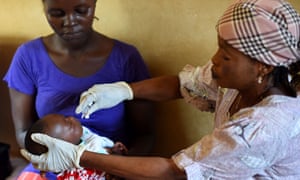
A baby receives a vaccine in Freetown, Sierra Leone, November 2014. The trial found that a ‘ring vaccination’ programme was effective in controlling Ebola.


A baby receives a vaccine in Freetown, Sierra Leone, November 2014. Photograph: Francisco Leong/AFP/Getty Images

Among the 5,837 people who received the vaccine, still known only as rVSV-ZEBOV, no Ebola cases were recorded 10 days or more after vaccination. Among those who were not vaccinated, there were 23 cases. There were very few serious side-effects – one case of fever and one of anaphylaxis (allergic reaction) thought to be related to the vaccine.


The authors of the study say the ring design was also helpful in ending the outbreak and suggest it could be a useful way to tackle the disease in future.


Co-author John Edmunds, professor of infectious disease modelling at the London School of Hygiene and Tropical Medicine, whose team helped design the trial, said: “This novel and historic trial, conducted under the most difficult of circumstances, has demonstrated that the rVSV-ZEBOV vaccine is safe and effective. When Ebola strikes again we will be in a much better position to offer help to affected communities, as well as protect the brave volunteers who help control this terrible disease.”


Jeremy Farrar, director of the Wellcome Trust, which supported the trial, said the outcome was “simply remarkable” and demonstrated what was possible even in the midst of a raging epidemic.“We’ve shown that by working collaboratively, across international borders and sectors, we can develop and test vaccines rapidly and use them to help bring epidemics to an end,” he said.


“Had a vaccine been available earlier in the Ebola epidemic, thousands of lives might have been saved. We have to get ahead of the curve and make promising diagnostics, drugs and vaccines for diseases we know could be a threat in the future. My hope is that this success story provides the inspiration we need to make this happen and change the way the world prepares for epidemics.”


Dr Sakoba Kéita, coordinator of the Ebola response and director of the National Agency for Health Security in Guinea, said: “Ebola left a devastating legacy in our country. We are proud that we have been able to contribute to developing a vaccine that will prevent other nations from enduring what we endured.”


Ebola vaccine is safe and effective, scientists declare after trials

17 Aralık 2016 Cumartesi

Aid for Autism – Learn 10 Most Effective ways to Deal with the Autistic Children

According to several surveys, each one child among 68 is autistic in the United States. The increasing number of the affected children is really threatening. There is a chance that you may find a friend, colleague or relative cursed by the disease autism. In most of the cases, children are the victims of this disease. Even if the affected child has no direct connection to you, you should help the child for the sake of humanity. Though the awareness regarding the disease is increasing, there are many people who do not know how they can offer any aid for autism. A list of ten tips is provided here to tell you how you can help an autistic child.


1. Be well aware of autism


First of all, you should have a clear concept of autism. In fact, the best way to aid for autism is to learn each detail about the disease. You can find a number of online resources to gather information about autism. There are many research articles that have discussed important aspects regarding autism such as home-based behavioral treatment of the autistic children.


2. Ask the parents about their kids


Whenever you are meeting the parents having autistic children, don’t forget to ask them about the kids. It will help you to gather knowledge about the disease and the children affected by the disease. You may also go to the non-profit organizations to meet the autistic children and know about them. A little information about the children will guide you about how to support them.


3. Don’t hesitate to go the extra mile


Parents of recently diagnosed children may not call, visit or come to your place as much as usual. If they belong to your friend circle or relatives, you would know that this is unusual. So, you should understand their condition. They might be busy with the doctors and the therapists to discuss the medications and treatments. They might be busy in calling the insurance company or the school authority. So, it is your responsibility to go the extra mile to catch them up. Such meetings can give the parents mental support and confidence.


4. Be patient


You should be patient enough to listen carefully to the parents talking about the diagnosis of autism of their children. You should keep it in your mind that the feelings of the parents may change from the day-to-day. So, you must be a good listener. You need to understand their circumstances and let them realize that you are available whenever they need any assistance.


5. Build friendship with the kids


The best way to deal with the kids is making a good bond with them. In your leisure, you may spend your times with the autistic children to know them better. Your presence and companionship can help them get positive vibes and confidence. You can become a kid too in order to give them company and I assure that it will give you immense pleasure.


6. Help the caregiver


Along with the affected children, you should also help their parents and their caregiver. It is obviously quite difficult to handle an autistic child. So, the caregivers also need assistance. You can offer to watch one of your friends’ kid with autism on behalf of the parents or caregivers.


7. Try to be comprehensive


If you are eager to aid for autism, you can try to teach your own children about the disease. It will guide your children to deal with the autistic friends in school. Some children bully the autistic children unconsciously. You should explain the disease to your kids in the simplest terms; you can invite their friends at your place and conduct one-on-one activities with the kids which can help the autistic children discover their hidden talents or the common interests they share with your kids and other healthy children. All you need is to be comprehensive.


8. Spread awareness


Awareness is really essential. Each year thousands of families suffer from autism. All of the affected families should come together to fight against the disease. Spreading awareness can help you to make them stand together. You can find a number of events and awareness camps taking place all over the country. You can inform one or more families about such events.


9. Donate for the children


Medical science has achieved great success to treat the disease successfully. It is possible to give an autistic child a better life if you can provide proper treatment to the child at the right time. Unfortunately, there is a large number of children who are deprived of proper treatment due to the expenses of the treatment. If you can donate whatever is possible for you; it will be a great aid for autism.


10. Help non-profit associations advocate


Advocating for the access to the services meant for autism is not so easy. The autism community gives immense priority to this advocation. It is no less than the world to the autistic children and their families. So, you can try to be an autism champion on the behalf of the community by advocating. Your simple step can help to change the life of an unfortunate child. Therefore, you may contact the organizations that aid for autism.


Summing up:


Nothing is more important to the parents than their children. There are many parents who have studied hard about the disease to find ways to raise their autistic children properly. Not only the parents, a large number of people have come to stand for autistic children in order to combat the disease. Don’t you want to be a part of this growing family that is supporting the children to get a better life? You little aid for autism can bring light to the world of the autistic children.


If you are eager to fight against autism and save countless children from the grip of this monster, you can join Aid for Autism.


Aid for Autism – Learn 10 Most Effective ways to Deal with the Autistic Children

18 Kasım 2016 Cuma

If You are Having Low Libido, Here are Natural and Effective Ways to Revive Low Testosterone Levels

Testosterone is a naturally occurring reproductive hormone that plays a vital role in both men and women – its concentration in men is higher than that of women. As a predominant male sex hormone mainly produced in the testicles, it plays a significant role in men including higher muscle mass, higher energy level, improved cognition, improved bone mass, increased libido, improved erection, and better insulin management.


On the opposite side, however, if testosterone level is low, one will experience a completely different set of characteristic, including muscle wasting, osteoporosis, lack of focus, fatigue, depression, insomnia, low libido, erectile dysfunction, irritability, and prone to gain weight with higher fat storage.


Test


The best way to determine whether or not one is experiencing low testosterone is by getting levels of testosterone tested by allopathic doctors. Experiencing one or more symptoms sometimes not necessarily reflect signs of low testosterone levels as many other factors may create similar symptoms.


Stay lean


There several ways of increasing testosterone levels naturally. Keep lean and stay lean all the time throughout life is one of the natural ways to maintain normal testosterone levels. A research found that 40 percent of obese non-diabetic men and 50 percents of obese diabetic men aged 45 or more have subnormal testosterone levels.


In the conclusion section of the study, authors state that obesity is most frequently associated with subnormal free testosterone concentrations in males. Furthermore, the concomitant presence of diabetes is associated with an additional increase in the prevalence of subnormal free testosterone concentrations.


High insulin


In obese individuals, enzyme aromatase that converts testosterone to estradiol is said increases with the increased of adipose tissue – leads to decreased testosterone levels. Hyperinsulinemia caused by insulin resistance experienced by diabetics is believed to be a mechanism for low testosterone levels.  This is believed to be responsible for decreased testosterone levels too.


Sugar 


A research found that the sugar ingestion decreased blood levels of testosterone by as much as 25 percent, regardless of whether the men had diabetes, prediabetes or normal glucose tolerance. Reducing sugar intake especially ultra-processed carbs and taking more servings of vegetables rather than sweet-taste-fruits on daily basis as sugar replacement is a smart move towards boosting testosterone levels.


Overweight and obese may be resolved by making some lifestyle changes including not to overeating, avoid being a couch potato, and exercising regularly.


Cortisol


It is a fact that chronic and prolonged emotional stress increase cortisol. As cortisol levels are inversely proportional to testosterone levels, one who experience prolonged emotional stress should prioritize stress management as the first step towards overcoming low libido.


Intense training


Overtraining such as intense training exceeding 45 minutes is said to elevate cortisol and lead to a reduction of testosterone levels. However, many individuals who are used to overtraining even by doing the not so intense training close to bed time is said to experience much better libido. In my opinion, this phenomenon is similar to those men experiencing better libido and penile sensitivity to touch after drinking coffee just before having sex. Better blood circulation and higher levels of nitric oxide due to polyphenols might be the best explanation for both phenomena.


Working out


According to a study, working out in the gym can worsen the effects of already elevated cortisol levels. If you are training a lot and start to lose the morning erection (morning wood) it may be a sign of overtraining and plummeting testosterone.


Black tea


According to a study, a mug of tea contains about half as much caffeine as a mug of coffee. Unless you are so addicted to coffee, why not try sipping some black tea for its cortisol lowering benefit. In a study, subjects were asked to complete a stressful task, then sip some black tea. Results demonstrated that the black tea drinkers experienced decreased cortisol levels by 47% while the non-tea drinkers only experienced a decrease of 27%.


Healthy fats


Getting adequate intake of healthy fats, including coconut oil, extra virgin olive oil, fish oil, nuts, avocado, and animal meat may be helpful in boosting testosterone levels. Some people still treat fats as taboo to talk and think about. However, there is a significant correlation between consuming diet higher in healthy fats and testosterone production.


Get enough sleep


Research showed that men who sleep just 5 hours or less experienced decreased testosterone levels of 10 – 15 percents. The study suggests that adequate sleep is needed every night in order to have optimal testosterone levels. So, how much sound sleep you need each night? Getting at least 6 hours of sound sleep might be adequate. However, 7-8 hours seems to be optimal. Try to take a nap during the day if possible as napping may relieve stress, subsequently, decreases cortisol and leads to better testosterone levels.


Alcohol


Make some effort to limit alcohol consumption as studies demonstrated ethanol, a component of alcohol produced by fermentation reduces testosterone levels. A study found that short-term alcohol consumption will not affect testosterone levels too much, however, smarter choice is probably to minimize the intake as much as possible.


Be mindful of xenoestrogen. Being chemicals mimicking estrogen originating from outside of the body as it is said to increase total free circulating estrogen and leads to testosterone-estrogen imbalance.


Adaptogens


Herbal intervention by taking adaptogens on a regular basis such as Ashwagandha, Gotu Kola, Tongkat Ali, Tribulus, Siberian Ginseng or Horny Goat Weed may help harmonize the production of reproductive hormones including testosterone by regulating cortisol levels.


Adrenal fatigue


Adrenal fatigue that occurs due to prolonged stress may decrease cortisol levels significantly. This, in turn, may cause many symptoms including low libido. Cortisol and two other stress hormones namely epinephrine and norepinephrine are needed in sufficient amount so that our body will physiologically be able to carry out its function optimally.  Whether one experiences adrenal fatigue or adrenal exhaustion (a worse version of adrenal fatigue), taking adaptogen herbs regularly is believed to boost the functions of adrenal glands responsible for the production of stress hormones.


Power pose


A study conducted by Harvard scientists found that standing in a dominant pose with wide legs and arms straight out in the air for just two minutes and performed as daily routine may decrease cortisol levels by 25% while raising testosterone levels by 20%.


These foods offer individual benefits towards reducing cortisol as they are stress busting, which include wild salmon, oats, dark chocolate, olive oils, garlic, oysters, berries, and chamomile tea, among others.


Lamb


Eating meat especially grass fed lamb regularly is said to improve libido. The positive effect is attributed to carnitine which is beneficial in increasing the amount of the active androgen receptors in muscle as well as improving blood circulation.


If You are Having Low Libido, Here are Natural and Effective Ways to Revive Low Testosterone Levels

17 Kasım 2016 Perşembe

5 Effective Natural Remedies For Blackheads

If you are one of the average 50 million Americans who have the unfortunate hassle of dealing with acne, you probably shutter when you hear the word blackheads. While considered a mild form of acne, blackheads can be a major source of stress, pain, and anxiety for those who suffer from them. These little black bumps can show up on your face, back, chest, neck, arms, and shoulders.


The good news is that you can cure these annoying little bumps easily with the usage of simple, risk free, healthy home remedies, Here they are:


Strawberries


Strawberries are juicy and yummy fruits for your smoothie, but did you know they can remove blackheads? Strawberry is a natural skin exfoliant. Its alkalinity can help cleanse blocked pores and reduce the swelling. This fruit is also rich in vitamin C, which moisturizes the skin and relieves the skin dryness. Just crush a strawberry and make a smooth paste. Apply the paste on the skin and let it remain for 15-20 minutes then rinse with cold water. Mix with honey or lemon juice for better results.


Coconut Oil


This is a bit surprising entry to the list, but coconut oil works very well to remove blackheads. It contains Lauric acid, which is also found in other natural sources like human breast milk. This shows how coconut oil is beneficial for human health. Lauric acid is an extensively tested antibacterial agent that is effective in protecting your skin from invasive bacteria. Furthermore, coconut oil nourishes the skin for quick and easy removal of dead skin cells. Simply apply coconut oil on your skin and massage well. Leave the oil on until it gets absorbed into the skin.


Turmeric


Yet another great healing, natural remedy. Turmeric contains Curcumin which has antimicrobial properties that help remove bacteria present in the pores of the skin. Apart from its antimicrobial nature, turmeric also has antioxidant and anti-inflammatory properties which improve the health and texture of your skin. This popular medicinal spice stains the skin when applied to get rid of blackheads. Thankfully, you can use a non-edible variety like Kasturi Turmeric, which is non-staining. Make a paste of turmeric with mint juice and apply on the affected area. Leave it for 10 to 15 minutes, then rinse it off with warm water. Don’t forget to moisturize.


Green Tea


Say goodbye to the endless hours of popping, scrubbing, or concentrating clogged pores on your face by utilizing the benefits of green tea. Other than antioxidants, green tea also has vitamins that help reduce inflammation and break down excess oil. This natural remedy protects your skin from future damage by clearing up your skin pores. Get healthy and glowing skin by applying green tea mixed with water on the area affected with blackheads regularly, at least one or two times a week.


Aloe Vera


What about a natural remedy that can do a variety of things. Well, Aloe Vera is well-known for its healing properties, especially for skin conditions. Aloe plant has certain properties that help reduce inflammation and swelling. Aloe Vera’s soothing action is essential for cleaning pores and controlling excess oil production, therefore effective in getting rid of blackheads and many other skin issues. Apply fresh gel extracted from an Aloe Vera leaf on your skin. Leave it on for 10 to 15 minutes, then rinse with warm water. Repeat this every day for smoother and clearer skin.


5 Effective Natural Remedies For Blackheads

15 Kasım 2016 Salı

New Hope For Our Veterans-Natural Effective Treatments Without Drugs

Thank you to all our Veterans. For far too long– gratitude for service, understanding the depth of emotional wounds, and lack of timely, compassionate care for the physical—have plagued our VA system.


It’s time our Veterans become educated and empowered about new and highly effective treatments for wounds both visible, and deeply hidden.


Along with the election, came the legalization of marijuana in several states. Make no mistake—we have a long way to go. This is not “pot smoking” like so many believe it to be. This is Cannabis—one of the oldest, most effective medicinal plants—showing up in government PubMed published studies with the potential to help more than a hundred ailments. New treatments from an old favorite are showing promise for everything from cancer and Alzheimer’s—to depression, diabetic neuropathy, fibromyalgia, Parkinson’s, epilepsy, MS, and pain.
Herbalists and Naturopaths are rejoicing. Even allopathic physicians and caring responsible oncologists can no longer deny the science-based evidence. Why does cannabis work on so many seemingly different ailments? It has to do with the nervous system.
Endocannabinoids are a group of molecules that affect neurons and their specific receptors in the brain. They have been studied extensively and found to play a part in the way the body processes appetite, pain sensation, mood and memory.


Endocannabinoids are part of the ECS (endocannabinoid system) already within us. This system maintains normal cerebral and physiological function. Any type of neurodegenerative disease will be helped by taking in exocannabinoids in the proper form to correct deficiency due to genetic issues or lifestyle choices. Endo are in us but not in the plant–exo are in the plant and when we consume Cannabis (one of the oldest medicinal plants)–we fortify our inner ECS system for good or bad depending upon which cannabis compounds we consume. The terpenes for example, inhibit amyloid plaque (anti-Alzheimer’s). Some are potent hallucinogens. So cannabis can potentiate or diminish, and negatively or positively interact with the human ECS. Responsible scientists are cultivating cannabis for the betterment of mankind—while there will always be those who exploit the plant for personal gain. Patented drugs like Marisol manipulate the natural plant extract components, which then lose the ability to work with the body to restore function. Patented drugs have side effects (in this case possible seizures) that nature does not.


Another one of my favorite innovations from Jorg C. Gerlach of the McGown Inst. For Regenerative Medicine, is the Skin Gun. This allows severe burn patients to use their own skin stem cells to heal in merely days; helps avoid infection, and painful, grafting procedures. Healing the physical wounds in a timely and minimally painful way is important for beginning the process of inner emotional healing.


Companies utilizing 3D printers to make prosthetics that are both realistic looking and fully functioning should be available to all Veterans– along with the physical therapy to fully restore activities of daily living. Integrating back into a meaningful life purpose prevents isolation and depression.


Evox Therapy is another cutting edge treatment for healing the mind. Every physical ailment begins as a perception of an event filtered by the mind. You must address the emotional component to heal the physical. This is not accomplished with drugs. Drugs suppress this process, not heal it. Evox therapy is a perception reframing therapy using the frequency of your voice to release negative energy. Biofeedback allows patients to receive helpful frequencies based upon their targeted vocal recognition to unblock and release toxic stressors and reframe perceptions with healing positive energy. (Links in resources)


There is a privately funded, non-profit healing center in Bluemont, Virginia where natural healing therapies are successfully treating PTSD.  The “Warrior Path” program is 18 months long and teaches people how to leave the past behind and find a new center for personal growth. Natural effective therapies include things like hiking, fishing, culinary skills, bonfires, music, and even a Labyrinth. (Links below)


This Veteran’s Day, let’s honor our heroes by empowering them back from helplessness and despair to health beyond danger —body, mind, and Spirit.


Resources:


Cannabis—one study
http://medical-cannabis-declaration.org/jahan-marcu/


Skin Gun
http://channel.nationalgeographic.com/explorer/videos/the-skin-gun/


3D Printers


https://www.youtube.com/watch?v=oEx5lmbCKtY


Evox Therapy


https://www.zyto.com/products/evox/


http://www.wholehealthamerica.com/designs/bp.php?idnum=7&zt=user&zn=3


Boulder Crest Retreat


http://www.bouldercrestretreat.org/


http://www.wusa9.com/news/local/healing-ptsd-at-boulder-crest-retreat-/351185178 


New Hope For Our Veterans-Natural Effective Treatments Without Drugs

28 Ekim 2016 Cuma

Male contraceptive jab almost as effective as female pill, trial shows

A male contraceptive jab has been shown to be almost as effective as the female pill in a trial that could pave the way for men and women being able to share equal responsibility for birth control.


In the study, 350 men were given injections of hormones that were shown to dramatically lower their sperm count by “switching off” the male reproductive system. The drugs caused some unpleasant side-effects, however, meaning that the trial had to be halted early.


The men, who were all in long-term relationships, relied on the drugs to prevent unplanned pregnancies – and the combination of hormones was found to be nearly 96% effective.


Richard Anderson, a professor of clinical reproductive science and author of the study, said: “If you’re comparing it to other reversible male methods, it’s far better than the condom and it puts it in the same ballpark as the pill.”


However, the treatment was judged to have unacceptable side-effects, including depression, acne and increased libido, which caused 20 men to drop out of the study and ultimately led to the trial be stopped earlier than planned.


The trial involved injections of two hormones. A long-acting form of progestogen was designed to act on the pituitary gland to switch off sperm production. Testosterone was added to offset a drop in the male hormone triggered by the progestogen. “You need the testosterone to feel OK,” said Anderson.


After an initial period, when couples used both the injections and other birth control methods, the men entered the study’s “efficacy phase”. This lasted up to a year and the men relied on the jabs alone, which they received every two months.


Only four pregnancies occurred among partners of the 274 men, indicating a similar level of efficacy to the female combined pill and significantly better protection than condoms, which in real-life conditions are about 82% effective.


However, scientists stopped enrolling new participants into the study in 2011 due to the rate of reported side-effects.


Of the 1,491 incidents, 39% were found to be unrelated to the treatment. This included one suicide. One man experienced an abnormally fast and irregular heartbeat when he stopped receiving the injections.


Despite the side effects, at the end of the trial, three-quarters of the men said they would be willing to continue using the contraceptive jab. The scientists said it might be possible to reduce the side-effects by changing the dose of hormones or the way they are delivered.


“The results provide us with confidence that this can be done,” said Anderson.


He added that it would be difficult to convert the treatment to a pill form because the hormones are quickly metabolised by the liver, but the scientists are planning a new trial in which the combination is delivered through a gel that the men could rub on their chest each morning.


Other scientists were less convinced that the side-effects of could be overcome, however. Sarah Jones, a reader in pharmacology at the University of Wolverhampton, said: “Most previous attempts at male contraception that have involved hormonal targets have led to severe side-effects or have been irreversible. This study does seem better than previous ones, but it still doesn’t seem very good to me.”


Jones recently published research demonstrating that certain compounds could be used to impede sperm’s ability to swim, which she argues offers a more realistic route to reversible male contraceptives in the future.


Allan Pacey, professor of andrology at the University of Sheffield, agreed that the side-effects found in the study were a “major concern”. However, he said the efficacy was impressive. “Using long-acting injectable forms of [progestogen and testosterone] the authors were able to suppress the production of sperm to a remarkable degree,” he said. “As such, this contraceptive was extremely effective and therefore certainly has promise.”


The findings are reported in the Journal of Clinical Endocrinology & Metabolism.


Chris Barratt, professor of reproductive medicine at the University of Dundee, said: “This is high quality research from a very experienced group of investigators, and as there has been no progress in male contraceptives for 40 plus years this is a very significant and welcome development. Additionally, the fact that the study reports relatively low side-effects and good ease of use are real-world developments. The study involved a reasonable number of patients so the results are likely to be robust.”


Male contraceptive jab almost as effective as female pill, trial shows

16 Eylül 2016 Cuma

CDC Admits Lemon Eucalyptus Oil As effective as Toxic DEET for Repelling Bugs

The Centers for Disease Control and Prevention (CDC) finally admitted that products using oil of lemon eucalyptus can provide longer lasting protection against mosquitoes, just as the toxic chemical bug repellent DEET does.


A study by the US Department of Agriculture compared four synthetic mosquito repellents and eight natural mosquito repellents and found that Repel Lemon Eucalyptus was the most effective repellent, more so than a 7% DEET repellent.


In a 2010 study, three species of eucalyptus (E. staigeriana, E. citriodora, and E. globulus) were tested for use with the blood-sucking sandfly, lutzomyia Lutzomyia longipalpis. Researchers found the eucalyptus essential oils were more effective against L. longipalpis than DEET.


Side Effects of DEET

DEET is an effective mosquito deterrent, however, despite the Environmental Protection Agency’s seal of approval to spray the stuff on our bodies, there are some serious concerns about the potential side effects of this chemical.


Side of Effects of Overusing Deet


Skin irritation
Rashes
Burning lips
Headaches
Nausea
Difficulty in concentrating
Dizziness


Other Natural Mosquito Repellents


Clove oil

Two studies have found that undiluted topical clove oil is active against mosquitoes. However, like thyme oil, clove oil should not be applied undiluted to skin as a homemade repellent.


Pine

If you love camping but despite using Deet or other chemical bug sprays, pine is your perfect companion. A natural repellent against mosquitoes, pine will also keep you smelling fresh as the forest!


Thyme

In one study, carvacrol and alpha-terpinene, two compounds derived from the essential oil of thyme, were found to have significantly greater repellency than a commercial DEET repellent. Spray made with 2% alpha terpinene is a promising natural mosquito repellent. However, don’t try to make a thyme oil repellent at home- it is too irritating and strong-smelling to be used at effective concentrations above 25%.


How to use Essential oils to repel insects?


-Distill the essential oils with water and rub over the body (this will last for 30-60mins)
-Showering – Mix essential oils with body shampoo
-Direct rub essential oils on body
-Use Diffuser – put the diffuser next to your bed


Sources:


1-http://www.homemadehints.com/homemade-mosquito-repellent/


3-http://www.scientificamerican.com/article/is-it-true-that-the-deet/


4-http://www.thealternativedaily.com/use-this-100-non-toxic-mosquito-repellent-instead-of-deet/


Read:


CDC Admits Lemon Eucalyptus Oil As effective as Toxic DEET for Repelling Bugs

15 Eylül 2016 Perşembe

Monitoring of prostate cancer as effective as treatment in some cases

Regular monitoring of men with localised prostate cancer offers them the same – higher than expected – survival chance after 10 years as surgery or radiotherapy, according to a major study.


The trial, the largest of its type, looked at men diagnosed with the low-risk form of the disease through a PSA (prostate-specific antigen) test and found the survival rate for all three main treatment options was 99%, compared with the 90% researchers expected.


Having surgery to remove the prostate gland – a prostatectomy – or radiotherapy halved the risk of cancer progression, compared with monitoring, to around 10%, but caused more unpleasant side-effects.


The experts behind the study, funded by the National Institute for Health Research (NIHR) and published in the New England Journal of Medicine on Wednesday, said it has significant implications for up to 30,000 men diagnosed with localised prostate cancer via a PSA test each year.


Chief investigator Prof Freddie Hamdy, from the University of Oxford, said: “The doctor will be able to say your risk of dying of prostate cancer within 10 years is very low. If you do have [radical] treatment, it does improve [the chances the disease will not spread] but you have those side-effects. The conversation now between doctors and patients will be much better informed than in the past and will have less bias than before.”


He said clinicians had a tendency to recommend the treatment they offer personally but hoped the study would change that.


For the ProtecT trial, led by researchers at the universities of Oxford and Bristol in nine UK centres, 82,429 men across the UK aged 50-69 were tested and 1,643 diagnosed with localised prostate cancer agreed to be randomised to active monitoring (545), radical prostatectomy (553) or radical radiotherapy (545) between 1999 and 2009. The research team measured mortality rates at 10 years, cancer progression and spread, and the impact of treatments reported by men.


Approximately 50% of men under active surveillance, which includes regular PSA tests, had surgery or radiotherapy later in the trial monitoring period because of fear the disease was progressing.


The researchers said a longer-term follow-up was needed to see whether reducing the spread of prostate cancer through radical treatment boosted longevity and/or quality of life.


Prostatectomy had the greatest negative effect on sexual function and urinary incontinence, and radiotherapy caused more bowel problems, although the number of men experiencing side-effects declined over time.


The researchers stressed they were not recommending a particular course of action for men with a positive PSA test.


Co-investigator Prof David Neal, from the universities of Oxford and Cambridge, said: “Clinicians don’t necessarily have the right answer. It’s important there’s a genuine partnership so men can really understand what the benefits and disbenefits are so they can take the right decision for them as an individual.”


Anne Mackie, director at Public Health England Screening, said the study provided “key information needed to manage localised prostate cancer”.


Prostate cancer is the most common cancer in men, with about 47,000 diagnoses and 10,000 deaths every year in the UK.


But there is currently no national screening programme because of issues with the accuracy of PSA tests and their potentially harmful consequences. However, the advantage is that they may catch the cancer early.


Dr Matthew Hobbs, deputy director of research at Prostate Cancer UK, said the results were good news for men diagnosed with the localised form of the disease, adding: “Many men decide against active surveillance because of the uncertainty about the impact of that choice and the anxiety it causes.”


He said more work was needed to ensure cancers are found at an early stage, pointing out that only 22% of men diagnosed when it has spread outside the prostate and abdomen survive for 10 years.


Monitoring of prostate cancer as effective as treatment in some cases

12 Eylül 2016 Pazartesi

Are vaccines really safe and effective?

We were taught in high school that vaccines have saved millions of lives in America and Europe. One of the greatest heroes of modern medicine is Louis Pasteur, the creator of the “germ theory,” the ideological foundation for vaccines. But the real history of vaccines, and the real story of Louis Pasteur, is something quite different.


In his early career, Pasteur did believe that germs were the cause of disease. But 15 years before his death he recanted this belief. He came to believe that it was not germs but the degradation of an organism’s internal environment that causes disease. He came to believe that germs took advantage of degraded or susceptible “terrain.”


Over a century of scientific research has validated Pasteur’s terrain theory. Maintaining a healthy terrain, not eliminating germs, has proved to be the key to disease prevention. But Pasteur’s germ theory retains a powerful hold on our collective imagination.


The polio vaccine is the most touted example of the human endeavor to triumph against germs. “Every school kid knows” that the polio vaccine eradicated polio in the Western hemisphere. But in fact there is no evidence to support this claim.


From 1923 to 1953, before Jonas Salk’s killed-virus polio vaccine was introduced, the polio death rate in the U.S. and England had already declined by 47 percent and 55 percent, respectively.


The epidemic ended not just in the United States and England, but in European countries that questioned the vaccine’s safety and refused to systematically vaccinate their citizens.


Not only was the vaccine ineffective, it produced results opposite to those intended. In the U.S, the number of polio cases following mass vaccinations was significantly greater than before mass vaccinations.


Doctors and scientists on the staff of the National Institute of Health during the 1950s were well aware that the Salk vaccine was ineffective. Some frankly stated that it was worthless as a preventive and even dangerous. Many refused to vaccinate their own children.


Dr. Salk himself said: “When you inoculate children with a polio vaccine you don’t sleep well for weeks.” But the National Foundation for Infantile Paralysis, and pharmaceutical companies with a large investment in the vaccine, convinced the U.S. Public Health Service to sign a proclamation claiming that the vaccine was “safe and 100 percent effective.”


From the early 1960s to the mid-1970s, a new live-virus polio vaccine became, in Salk’s words, “the principal if not sole cause” of all reported polio cases in the U.S. Between 1973 and 1983, 87 percent of all cases of polio (excluding imported cases) were caused by the vaccine. More recently, every case of polio in the U.S. since 1979 (excluding five imported cases) was caused by the vaccine.


In Dr. Benjamin Sandler’s book “Diet Prevents Polio,” an unequivocal correlation is found between diet and susceptibility to polio. Sandler found that persons in contact with the virus but eschewing foods high in sugars and starches have significantly greater protection from the polio virus. Dr. Sandler is one of many advocates of the terrain theory whose work has been systematically ignored. The details of his work were published in the American Journal of Pathology in 1941.


Sixty years later, in the waning days of the year 2000, members of the Association of American Physicians and Surgeons (AAPS) unanimously voted for an end to all government-mandated childhood vaccines. Jane M. Orient, M.D., AAPS executive director, said: “Children face the possibility of death or serious long-term adverse effects from mandated vaccines.”


One of the most serious adverse effects of vaccines is that they cause the very diseases they’re meant to prevent. Measles, for instance, which declined by more than 95 percent before the vaccine was introduced, is 14 times more likely to be contracted by vaccinated than by unvaccinated persons.


A recent study in Pediatrics found that women vaccinated with the measles vaccine pass on far less immunity to their offspring. Before the vaccine was introduced, it was extremely rare for an infant to contract measles. Now more than 25 percent of all measles cases are babies under a year of age.


One significant concern with vaccines today is their casual relation with the growing epidemic of childhood autism and attention deficit hyperactivity disorder (ADHD). ADHD has increased from 900,000 in 1991 to 5 million today. The MMR (measles-mumps-rubella) vaccine is the primary suspect.


Dr. Viera Scheibner, author of “Vaccinations: 100 Years of Orthodox Research” sums up the position of researchers not funded by pharmaceutical companies: “There is no evidence whatsoever that vaccines of any kind … are effective in preventing the infectious diseases they are supposed to prevent.


Further, adverse effects are amply documented and are far more significant to public health than any adverse effects of infectious diseases. Vaccinations have caused more suffering and more deaths than any other human activity in the history of medical intervention.”


Vaccines are only the tip of the iceberg for a look at how the medical industry has consistently defrauded the American public on issues from cancer to childbirth.


And, let’s not forget President Bush’s law passed in 1990 giving the pharmaceutical industry full immunity from lawsuits even when the results of vaccinations caused death.


In God we trust. All others pay cash!


Aloha!


To learn more about Hesh, listen to and read hundreds of health related radio shows and articles, and learn about how to stay healthy and reverse degenerative diseases through the use of organic sulfur crystals and the most incredible bee pollen ever, please visit www.healthtalkhawaii.com, or email me at heshgoldstein@gmail.com or call me at (808) 258-1177. Since going on the radio in 1981 these are the only products I began to sell because they work.


Oh yeah, going to www.asanediet.com will allow you to read various parts of my book – “A Sane Diet For An Insane World”, containing a wonderful comment by Mike Adams.


In Hawaii, the TV stations interview local authors about the books they write and the newspapers all do book reviews. Not one would touch “A Sane Diet For An Insane World”. Why? Because it goes against their advertising dollars.


Are vaccines really safe and effective?