On a good morning, from my Beijing tower block, I could gaze across the city to the hills far to the west. On the worst days, when pollution levels soared off the scale, I could barely make out the buildings across the road. The air purifiers in each room were turned up to 11. The filters inside were supposed to last for six months – but after just a couple of months, the pristine white folds had usually turned charcoal grey.
Even with a mask, 20 minutes outside could leave you feeling nauseous. Friends complained of sore throats and coughs that never went away. It was a running, though unamusing, joke: Airmageddon. The airpocalypse. Beige-jing. But it got inside your head as well as your system. After a spate of especially bad days, my spirits lowered. I longed to see the sky.
And then one spring I returned home for a holiday, and turned the corner at the Peak District’s Surprise View, one of the loveliest I know. Below me lay the Hope Valley, and, to my horror, the smog lay thick in its bottom. It took me a moment to recognise my error. Pollution had become so normal to me that, even at a place I knew so well, and had seen shrouded so often, it had not occurred to me that it was just mist.
In primary school my teacher had described climbing up to the hills as a child, and being unable to see Sheffield thanks to the blanket of smog. So many years after the Clean Air Act, it had been unimaginable to us. Now I took toxic air as the norm, like so many in China. I rolled my eyes when headlines shouted about the UK’s air pollution crisis in April 2014. It was, by Beijing’s standards, a pretty clear day.
Now I live in London again and note each morning how good it feels to breathe clean air. But I’ve noticed, too, how unpleasant it can be to walk along Euston Road. And I’ve started to ask myself why I’ve regarded illegal levels of pollution as acceptable. It is hard to see how our own attitudes – what we notice, what we tolerate – shift and how dependent this is on the views of people around us. To begin with, I took Beijing’s bad days for granted. I lived there for five years before getting purifiers. No one liked the filthy air: but most residents regarded it as inevitable, like bad weather. Masks were seen as at best an eccentricity, at worst an indulgent affectation. The only Chinese people who wore them were warding off infections or trying not to spread them.
It’s hard to pinpoint exactly when things changed. The research was piling up – scary data on the long-term health impacts: early deaths, heart and lung problems, cancer, diabetes, birth defects. So was the anecdotal evidence: toddlers who developed terrible asthma; the previously healthy friend who found himself waking in the night, struggling to breathe. Soon we were checking an air pollution app each morning, and discussing air purifiers and masks as petrolheads might compare sports cars. Private schools acquired inflatable domes so pupils could exercise without going outside.
We could afford to do this. Whether in Birmingham, Beijing or Delhi, pollution disproportionately affects the poor. They are more likely to live in heavily polluted areas (near factories or main roads, say) and are by definition less able to afford even partial remedies. But no one can escape the problem entirely.
Politburo members also looked out on a wall of grey, and presumably their sisters and sons were complaining, and their grandchildren too were racked by coughs. In 2015, hundreds of millions of people watched the documentary Under the Dome, which laid out the impact of pollution on China in frightening detail. It was a turning point in public awareness – and strikingly, while it was eventually censored, it had received at least partial official backing. Some within the leadership had realised that it had to take action, even if there is still a very long way to go.
That British problems are less severe does not mean we can afford to ignore them. The impact of nitrogen dioxide levels on our health, and especially that of our children, whose developing lungs are so much more vulnerable, is undeniable. The high court has twice judged the government’s response to air pollution as being illegally poor.
Measures such as masks and purifiers may help individuals and even save lives. But they are not enough. The true significance of their adoption in China was that they showed people were recognising the problem. Their popularity helped to reinforce the sense that such concerns were sensible and pressing rather than peculiar or trivial. The real solutions are social – taken by city leaders, national governments and international bodies. But they will act only when the rest of us decide we have had enough.
I once caught a glimpse of my medical records moving from trolley to receptionist’s desk at the GP. Perhaps they have long been computerised, but then they were housed in a large, weary-looking file. They had the heft of a first draft of a novel, a comprehensive and messy catalogue of pains and breaks, results and dead ends and cures. They were nothing unusual for a woman my age. One thing not in there, though, was any reference to or diagnosis of the dominant ill of our time: depression. Nor anxiety, insomnia, or any mental struggle whatsoever. No antidepressant has passed my lips; I have troubled only one counsellor briefly – when my father died.
However, I know for sure that, after the birth of my daughter and for a few years after, I was not in the world as I knew it previously.
I occupied an alternative reality, one that encompassed me and my baby and made sense of the onslaught that new motherhood brings. I was, in the words of a friend, “stark staring bonkers”. But I got up in the night as required, fed and cared for my baby, and attended all required groups, classes and appointments. I remained married and held down a job. My baby was healthy and seemed unaware that her mother was not mentally present in the ways society demands.
No one noticed that I had vacated the space I once occupied, and I know now that, as long as you don’t actually drop and break your baby, no one cares at all about your behaviour.
I am probably fairly typical of my generation of women: I married quite late and started a family late. I had had a lot of years of being an individual. I had all sorts of notions about independence: I thought my ability to think independently and solve problems was my primary asset. Combine this with a profound ignorance of children and babies and, indeed, most aspects of a woman’s traditional role, and it is plain I was ill-prepared for what awaited me.
I wanted my baby more than anything in the world. I loved her before she was even conceived. I longed for a family and wanted to have responsibilities and duties: these give life its meaning. I wasn’t a reluctant mother at all. But I had no notion of being simply a vessel: I stubbornly continued to think that, as an individual, I still mattered. What a vision I must have presented to the steady stream of officials who began to enter my life when I was pregnant: determined, articulate and believing myself the leader of the burgeoning team of two. Perhaps it was no surprise that other pregnant women grew scolding and told me to throw away my books, and from now on avoid any pleasure I had previously enjoyed for the sake of my baby.
I had a dangerously well-developed sense of self. It is this basic identity that new motherhood would destroy.
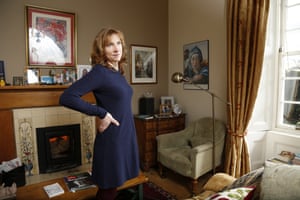
Polly Clark at home on Scotland’s west coast. Photograph: Murdo Macleod for the Guardian
Unlike every other woman I know who gave birth around then, I had what the doctor called “the experience we hope for everyone”. My baby was premature, which meant an emergency, and so the NHS pulled out all the stops: in the room at the moment of birth were a consultant paediatrician, an obstetrician and two midwives. One of the strongest memories I have is of the consultant paediatrician painstakingly explaining everything to me and checking I understood, even as I was writhing half naked and unable to form a coherent sentence.
He treated me as a person, even though I did not look like one at that moment. Mostly women are left alone for long periods and give birth without anything like that amount of skilled attention. But, although that doctor’s kindness is a standout moment in my experience of birth, nothing, not even a full complement of caring staff and being treated with dignity, can change the hard fact that birth is painful and frightening, a facing of one’s mortality and a loss of innocence akin to an experience of war. Most women will have not come so close to understanding death before that moment. It is a profound shock, and no less shocking for being an everyday occurrence.
I re-entered the world of the maternity ward, and the pressure began – to leave the hospital to make room (no seven to 10 days of lying-in these days) and to breastfeed on demand. There was no recognition of the enormity of the experience that had just occurred. It’s my belief that many women after birth have post-traumatic stress disorder: instead of being offered rest and help, they are sent home to be perfect mothers on no sleep.
Part of being a perfect mother in those early days is breastfeeding on demand. This did not feel like an “option”, it was official guidance, and to defy it set you against all the community health professionals who visited your home in the days and weeks after birth. My own baby was too premature to breastfeed. This did not prevent the midwives trying to make me, and questioning my commitment to my baby when I stayed on the feeding routine when I brought her home.
Having cyclical disagreements about the same thing when you are vulnerable and exhausted makes you doubt your own mind like nothing else. I had no family nearby to offer help, and experienced this period as a time without kindness, where everyone seemed to view me as an obstacle to the fulfilment of their own aims regarding my child.
Nevertheless, while in the fog of those early months, I knew enough not to admit I was struggling to cope. Every new mother knows that when the midwife comes round looking for signs of postnatal depression, you don’t answer honestly. In these days of anonymous reporting to social services and general paranoia about child welfare, any admission that you may not be coping could lead to your child being taken from you. For, as my friend summarised pithily, everything is now both your fault and your responsibility, and all of it must be achieved perfectly on levels of sleep that would normally be considered a torture weapon.
My baby is now 10. My medical records are thicker, but still they have no reference to any problems with my mental state. Almost to a woman, my friends will nod enthusiastically and agree they too were “not themselves” for months or years. Some of us will have flirted with drinking too much, or self-medicating in other ways; others of us may simply have been in a very bad mood, enjoying nothing about our lives for a long time.
Though we are, for the most part, no longer at odds with reality, I would posit that we are all profoundly changed by the experience. My identity as a person before motherhood has been obliterated. I have glimpsed that other country, that scary Handmaid’s Tale one, where women are nothing but vessels and slaves. I have experienced unkindness of the sort only doled out to third-class citizens. I may be a lucky mother of a happy child, but I have glimpsed what lies beneath our civilised veneer and it frightened me enough to be a factor in stopping at one child.
As one mother told me, it is the ones who don’t go mad who are weird. For when the world as you know it has vanished, is it really madness to try to escape? I “checked out” in some profound way, became instead a machine for caring, with a beady focus on detail. It’s a survival tactic employed by the kidnapped, the incarcerated. Do not reflect on what you have lost. The loss is so great and sudden it cannot be properly comprehended. Find a way to exist through time, to keep the time passing, to fulfil the obligations. Your mind, your soul, they can go where they will, and something of them will return. Just don’t drop your baby.
• Larchfield by Polly Clark (riverrun, £14.99). To order a copy for £11.24, go to bookshop.theguardian.com or call the Guardian Bookshop on 0330 333 6846. Free UK p&p over £10, online orders only. Phone orders min. p&p of £1.99.
So far, we know of 54 babies whose parents say wouldn’t be alive today if it wasn’t for The Chokeables, St John Ambulance’s first aid film teaching people how to save a choking baby in just 40 seconds.
We’re delighted our film has won charity film of the year, announced at Bafta on 15 March. So what’s the secret of its success?
Before making the film, we carried out research that revealed parents are the people most interested in first aid and what they worry about most is their baby choking. Over 40% of parents had seen it happen, 58% said it was a serious concern and yet 79% didn’t know what to do.
Our previous campaigns had been aimed at getting people to take first aid seriously but our audiences just weren’t taking the next step and learning it.
We realised we needed to teach directly – beam the advice into parents’ lives in a way they couldn’t ignore. And the tone needed to be spot on. Parents don’t want to be browbeaten and made to feel guilty. It’s hard enough being a parent. What we needed was an upbeat, engaging, shareable lesson.
Enter the geniuses at Bartle Bogle Hegarty. They realised that the lesson would come across best if taught by common household items that could potentially choke babies – the kind of things most parents would find under their sofas, like a toy or a pen lid. They crafted a script around the idea that these characters were so fed up with babies choking on them that they have decided to teach parents what to do.
We used animation to make the topic less scary, and pulled in the big guns with David Walliams and Johnny Vegas voicing the characters.
[embedded content]
This was all quite a feat considering the film needed to be 40 seconds long. Our tip with charity films is the shorter the better, to get as many people as possible watching to the end, but also to air it on TV in a cost-effective way.
I wanted a name for the campaign to help parents connect with the characters, and identify the campaign easily so it could trend on social media. Heaps of chocolate and one brainstorm later, The Chokeables was born.
When it came to sharing and promoting the film, we developed close relationships with key media to help create a buzz before we released the video. We focused in particular on those who could help us reach a high proportion of parents, such as ITV’s Good Morning Britain and Mumsnet, as well as nationals like MailOnline and the Mail on Sunday. Facebook was crucial as mums use it to share parenting tips, and we also worked with the mums who’d saved their babies so that even more parents could find out what to do.
Social media was key and we created a Thunderclap so people could mass share the video, flashmob style, as well as social media competitions to increase further engagement, such as a messy baby photo competition with first aid kit prizes. We also produced a whole suite of baby first aid advice videos to inspire further learning.
We entered The Chokeables into the inaugural Charity Film Awards, when entries opened in 2015. The awards have been set up to recognise the best videos created by or on behalf of UK charities, whether for raising awareness, changing attitudes and behaviours or fundraising.
Over 375 charities entered for the first round of public voting. More than 43,000 people voted and the resulting shortlist went to a panel of judges. They whittled it down to the finalists, including household names such as the RSPCA, Barnardo’s, the RNLI, Alzheimer’s Society and Great Ormond Street children’s hospital.
A second round of public voting for the people’s choice award has seen more than 66,000 people vote for the winner – the Soi Dog Foundation’s film about Cola the dog, who was given custom-made prosthetics after his front legs were amputated.
To win the overall award for film of the year for The Chokeables is just incredible. We’d put everything into this and hoped it would make an impact, but the success has knocked us sideways. Not only have we taught millions of people how to help a choking baby but it’s helped people feel that St John Ambulance is relevant to their lives.
The video continues to receive millions of views whenever it’s re-posted on social media. I love these stats but nothing beats getting a message from a mum who has saved their baby thanks to our video. There’s no greater reward than knowing we’ve reassured parents and helped all those babies.
Emma Sheppard is head of communications, St John Ambulance. The Chokeables won film of the year at the 2016 Charity Film Awards.
Talk to us on Twitter via @Gdnvoluntary and join our community for your free Guardian Voluntary Sector monthly newsletter, with analysis and opinion sent direct to you on the first Thursday of the month.
Despite the fact that the heart disease is the number one cause for death of women in the US, there is still a common misperception that it is a guy thing. Often women fear breast cancer more although they are eight times more likely to die of the heart disease. As per Pamela Ouyang, MBBS, director of the John Hopkins Women’s cardiovascular health center, “The message is getting out more but women still need help to understand their risk factors”. Now let us check out if any of these heart health mistakes often made by women apply to you.
Believing You’ll ‘Know’ When You Need to Get Your Blood Pressure Checked
Its great to be in tune with your body, but this approach will alone has its limits. Women often tell the doctor, “I got dizzy, so I knew my blood pressure was high”. You won’t know when you have high blood pressure or high cholesterol which are silent conditions.
How to proceed: Get the blood cholesterol, blood pressure and blood sugar measured regularly by your doctor. These tests can flag your risk for future heart trouble.
Installing an Exercise Bike in the Home
Having a bike or a treadmill itself is great. The trouble is that you have to use it often and that’s where many women go wrong. Hence, they decide to embark on a new exercise program which is not that fun, convenient and so far after an initial push as they slack off.
How to Proceed:Pick up an activity which is fun for you or so you’ll want to do it often such as running with a friend or walking around the mall.
Smoking Weight Down
Keeping your weight in a normal range is great for your heart. But using cigarettes for weight control snuffs out the good effects. This is because smoking is a leading cause of the cardiovascular disease.
How to Proceed:Control your weight with exercise and diet. Do not count on e-cigarettes, either. According to Dr. Ouyang, “They may not be as healthy as it has been hoped initially as it is still nicotine”.
Not Knowing the Warning Signs of Heart Trouble for You
A heart attack can be present differently in women than it does in men. Expecting a chest crushing episode, women will ignore other danger signs.
How to Proceed: If you notice abdominal pain, nausea, difficulty breathing or other bothersome symptoms which are unusual for you. Therefore it is important to consult with your doctor.
Avoiding Hormone Replacement Therapy at Menopause Because It’s Bad for the Heart
Some women may suffer unnecessarily through intense hot flashes and sleep disturbances. While it’s no longer believed that the hormone replacement therapy can help protect the heart at menopause, it doesn’t mean you need to avoid it. Ouyang says, “For most women in their 50s, the established cardiovascular risk is low and it is safe to take hormones”.
How to Proceed: If you need to take hormones for menopausal symptoms relief. Try a prescription at the lowest possible dose for the shortest period of time.
Thinking Certain Health Problems of Pregnancy Ended with Your Child’s Birth
Though your baby may no longer be inside you, but your heart, arteries and other organs still are. If you have hypertensive issue in pregnancy such as preeclampsia, pregnancy induced hypertension or gestational diabetes, then you are at increased risk of heart problems later in life.
How to Proceed: Always inform a new doctor about your full health history so that he/she has necessary information to consider your individual needs.
Am I the only one who laughs myself to tears when I read the meme: “Either my house is clean and I look like a dirty truck driver, or my house is a mess, and I look like JLo. There is nothing in between?” I’m so tired, and I can’t do it all and myself, or my house is generally always in disarray. I am 38 years old and have three small children, who suck the life from me. I’m trenched in tantrums, diapers, laundry and sleepless nights. For these three reasons – I didn’t get to check off any of my New Years resolutions from last year, so is setting resolutions this year even worth it?
Almost half of the people in the United States make New Years Resolutions, and eight percent actually keep their New Years goals. These numbers are a little discouraging, and I admit I am rarely a part of the coveted eight percent, but honestly my conscience would suffer too much if I didn’t at least try to commit to doing better.
So this year I’m going to lower my expectations, and set goals that make more sense for a young mom raising three children under six. I hope the goals will be as good for my kids as they are for me. The following are my 2017 goals in no particular order:
I’ll cut down on Facebook, Instagram, and Pinterest usage. During my downtime instead of spending time on social media, I’ll take in the sound of silence. When I am with my kids, I’ll watch them play and interact with them, instead of my iPhone.
It’s too hard to pack up the kids and take them to the daycare at the gym or to your friends. It takes twice the time to do. I used to swear off of at home workouts, but now they seem like the only option that actually makes sense. My little ones might get in the way a little, but most of the time they work out right alongside of me.
When you realize a 300-calorie workout is destroyed with a handful of chocolate chips, you are more particular about what you eat. I won’t walk away from sugar completely this year; I’ll just have one less handful of chocolate a day.
I’m going to leave my house without my kids more often. This year I will go on more dates, I will take more ‘me’ time, go to bed an hour earlier, or whatever else it takes to regain some of the sanity my children robbed me of during the day.
It’s a long-standing tradition of moms to pile on the responsibilities, and I am no exception to this rule. I’m going to set more boundaries in 2017. Take unnecessary things off of my plate. Learn to say ‘no’ more often to friends, family, and co-workers.
Young motherhood is one heck of a season. I never thought I would spend so much time crying over sappy commercials. Or laughing at really goofy things my toddlers says. Or wondering how long it will be before my kids are off to college.
Being an older mother of young children is tough and spare daytime hours are not generally on my side. But when I look at the bigger picture it does make sense to make and keep goals. Right now really is the best time to set New Year’s resolutions. My kids are still young, and I am still their world. Wish me luck this time around, because I hope to make 2017 count for my kids and for me.
Ministers last week stepped in with an extra cash boost for social care. On top of a funding increase announced three months ago, they unveiled a further rise to help meet payroll costs and to help professionalise the workforce. Council leaders “warmly welcomed” the move and the emphasis on preventive support for older and disabled people.
You may have guessed this wasn’t in England. It was in Wales, where, as the Welsh Local Government Association (WLGA) observes, the policy position is “very different”. True, the sums involved are not huge. After a £25m grant increase for social care in 2017-18 set out last October, the Welsh government last week found a further £10m and raised the individual cap on homecare costs – a feature of the system not replicated in England – from £60 a week to £70, which should give councils another £4m for the year from April.
Overall, that makes £39m more against what the WLGA says would have been a £92m shortfall in social care funding. Still a problem, then, but if the Westminster government were to make an equivalent contribution towards a previously forecast £1.9bn shortfall in England in 2017-18, that would be worth £805m. As it is, measures hastily put together just before Christmas may amount to a maximum of £281m, according to the Institute for Fiscal Studies, and only £75m of that is grant.
If ministers thought a combination of face-saving package and festive goodwill would get them off the hook, they were mistaken: last week, the chairs of three influential Commons select committees sent a joint letter to the prime minister urging cross-party agreement on the future of social care and health funding, and the Liberal Democrats’ health spokesman, Norman Lamb, is expected to put the idea of a cross-party convention directly to Theresa May in the Commons on Wednesday.
Leading care charities are rallying behind Lamb with support for a cross-party “process” – note the difference – in another letter to May. “Such a process should not aim to ‘take the politics out of health and care’,” says the letter, coordinated by older people’s charity Independent Age, “but rather to make clear the costs and consequences of the political decisions that must be made.”
That is a degree of clarity May is unlikely to be comfortable with. In all her (admittedly limited) utterances on what she concedes is a need to review the social care funding system, she has been careful not to include reviewing NHS resources, too. The prospect of opening another bidding war on NHS cash plainly terrifies her. And the ease with which the hospitals lobby has slipped back into its familiar importunate mode in recent days – muscling social care aside after their brief united front last autumn – shows why.
Would social care be better off going it alone? While logic and principle suggest that the care and health system should be seen as an inseparable whole, and reviewed as such, realpolitik may dictate otherwise.
But social care should also show willingness to look at its own performance. May is convinced there remains money to be found in the system by making better use of existing resources. Although this does not obivate the need for funding reform, it is true that better value is being found in some places than others. Research by the Social Care Institute for Excellence (SCIE) in Birmingham shows that significant savings could be made if the city adopted three models of care reform pioneered elsewhere: the Living Well scheme of support for older people in the community, developed in Cornwall; Kent county council’s hospital discharge programme; and the Shared Lives concept of family-based accommodation for people with disabilities.
Using data supplied by Birmingham council, SCIE estimates that applying the three approaches could save the council £6.6m a year and the NHS £1.4m. To put that into perspective, the council has to make cuts of £78m in its overall budget in 2017-18 and the care and health economy across Birmingham and Solihull faces a £720m shortfall by 2020. But £8m is not to be sniffed at. Equally important, the kind of community support fostered in SCIE’s models plays perfectly to May’s vision of a “shared society”. If that’s the flow, social care needs to go with it.
• David Brindle is the Guardian’s public services editor
One day during his last year at primary school, Jon Adams drew a picture of a street in Portsmouth, the city where he still lives. The scene he drew had no people in it, but its representation of everything else suggested a talent beyond his years.
The headteacher happened to see the picture, and said he wanted to put it up in the school’s entrance hall. “And that was an honour,” Adams says, “particularly for someone who didn’t think they were any good, because they’d been told they weren’t any good, every day.”
Adams was asked to write his name on the back, an instruction that threw up a choice. He had difficulties with writing, and he knew his class teacher could be cruel. “If I asked for help, I knew what he would say: ‘Oh, he can’t even spell his own name, what rubbish is that?’ So I did it myself.”
The teacher called Adams to the front of the class. “I went up, gave it to him, he held it up in front of the class, and then he tore it up. He said, ‘He’s spelled his name wrong – he’ll never be anything.’”
This happened 45 years ago. In recent years, Adams has been treated for post-traumatic stress disorder, caused at least partly by that episode, and how long it lived on, not just in his memory, but in his understanding of the world and his place in it. The story says a lot about the inhumanity that was once rife in the British education system; but it also shines light on what it’s like spending a lot of your life being not just misunderstood, but routinely insulted. “Someone telling you you’re no good every day worms its way inside your head,” Adams says. “Inside, you know you’re all right, so there’s this conflict going on.”
Since April 2013, Adams has known that he has Asperger syndrome – or, to put it another way, that he is autistic. Ten minutes online will tell you that Adams’ condition comes down to a so-called “triad of impairments” to do with social interaction, communication and imagination, or what some people call “flexibility of thought” – although the fact that Adams is a prolific artist suggests that, in his case, that last criterion might be misplaced.
Since 2013, many diagnoses of autism have also included a range of sensory issues, among them aversions to certain textures, sounds, smells and tastes, as well as a deep dislike of sudden noise. In Adams’ case, these seem to blur into a complex kind of synaesthesia: he understands music as something he can touch, and experiences the colour yellow as a profoundly unpleasant taste, like mould.
Adams sometimes talks about his condition in front of an audience, and there is one question that always comes up. “It goes: ‘My son’s eight, he sits in his room all day, he does Lego, he does complicated drawings, he won’t talk to anyone else – how do I make him socialise?’ Well, you don’t. He’s made his world. One day, he’ll show it to you. Don’t let him grow up thinking that the way he’s thinking and what he’s doing are faulty.”
***
Jon Adams was formally diagnosed at the age of 52, at an NHS clinic run as an offshoot of Cambridge University’s Autism Research Centre, after he was referred there by his GP. The initial spark had been a meeting with the centre’s founder and director, Simon Baron-Cohen (the cousin, in case anyone was wondering, of Sacha), who had spoken with Adams at the Cheltenham literature festival.
Adams had begun to realise what sat under a lot of his experiences; at the time, the biography that accompanied his work as an artist included the words “probably autistic”. From May 2012 until June 2013, he worked as the research centre’s artist-in-residence; immediately afterwards, a specialist gave him his formal diagnosis, a process that involved an interview and something akin to a questionnaire. “I got the letter through, saying I scored 18 out of 18 autistic traits, and I had Asperger’s,” Adams says.
I meet Baron-Cohen in a crowded Starbucks near St Paul’s Cathedral in London, where he wryly comments on the mixture of chatter, clattering cups and muzak – “For a lot of autistic people, this would probably be hell” – and casts his mind back over the 35 years he has been thinking about and researching autism. He started working with six autistic children in a special unit in Barnet, north London, in 1982. Fifteen years later, he set up the Cambridge research centre; two years after that, in 1999, he opened a clinic dedicated to diagnosing autistic adults.
My son received a diagnosis aged three. He had fixations with particular music or places – traits I recognise in myself
“There was a growing awareness that autism wasn’t just about kids,” he tells me. “I was receiving more and more emails saying, ‘My son’s an adult, but he’s never fitted in. Might he have autism?’ An adult couldn’t go to a child and adolescent clinic, so where were they meant to go? If they went to a learning disability clinic, and they had an IQ above 70, they’d be turned away. So these people were like a lost generation. That was a phrase I used a lot.”
The National Autistic Society estimates that there are currently around 700,000 people living with autism in the UK – more than one in every 100 of the population. Some of these people have learning disabilities. Some are what the medical vocabulary terms “non-verbal”, or unable to speak. Others are so-called “high-functioning”, a sub-group that includes those with Asperger syndrome, the condition named after the Austrian paediatrician who in the 1940s worked with a group of children he famously termed “little professors”. Asperger syndrome is distinguished by the fact that people who have it display no language delay as toddlers or small children. (Asperger died in 1980, long before the term “Asperger syndrome” entered popular usage. It has since been dropped from the relevant American diagnostic manual, but is still used in the UK.)
It is among this latter group that you will find many of the 20% of autistic people currently thought to have been diagnosed as adults. No national figures for adult autism diagnoses are available, but anecdotal evidence suggests numbers are rising: Baron-Cohen tells me that four years ago, 100 cases in Cambridgeshire were referred to his clinic; in the first four months of 2016 alone, it received 400 referrals.
Most of the terms used to describe autism don’t do justice to the nuanced, complicated traits bound up with it. Nonetheless, all its variants are covered by the catch-all term autism spectrum disorder, or ASD; people who dispute that autism is any kind of “disorder” prefer the term autism spectrum condition. The word “spectrum” was first used in this context by the pioneering British researcher Lorna Wing, who died in 2014. Baron-Cohen explains: “What she meant at the time, I think, was a spectrum within those who come to clinical attention. Where it’s gone since is that this spectrum runs right through society, out into the general population.”
My own interest in autism began when my son James received a diagnosis of ASD at the age of three. Back then, some things seemed strange: the social distance between him and his peers; his fixations with particular music (the Clash, the Beatles) or places; his pointed dislike of some foods or sounds (I still curse whoever invented the public toilet hand-dryer); his amazing facility with technology. Now, these things are simply part of the fabric of our shared life. I recognise echoes of myself in some of these traits (the music, the technology), and of plenty of other people: more than anything, his 10 years have brought me an ever-growing understanding of the complexities of human psychology, both among those diagnosed as “on the spectrum” and so-called “neurotypical” people.
Unfortunately, the everyday world has yet to catch up. Only 16% of adults diagnosed with autism in the UK are in full-time, paid employment. In 2014 Baron-Cohen’s team found that two-thirds of the patients in their clinic had either felt suicidal or planned to kill themselves, and that a third had attempted to do so. “To my mind, this is nothing to do with autism or Asperger syndrome,” he says. “These are secondary mental-health problems. You came into the world with autism, and the way the world reacted, or didn’t react, to you has led to a second problem, which is depression. And that’s preventable.”
***
A week after talking to Baron-Cohen, I take the train to the Lancashire town of Wigan, to meet 68-year-old Peter Street, who got his autism diagnosis only 10 months ago. He is an impish, funny presence, and says he loves conversation, perhaps a little too much. “I get this deep urge – it’s a pain, almost, to talk to people. When I’ve described it to the therapist, I’ve said I’m like a bucket of water and it’s full. And then all of it comes out, and it empties.”
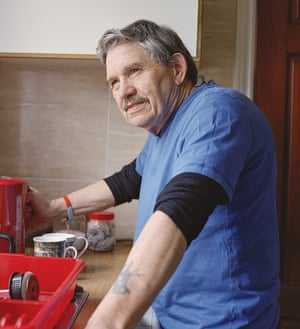
Peter Street: ‘I get too much for people, and they get too much for me.’ Photograph: Rosie Barnes
After 20 minutes, it becomes clear that Street has the most astonishing life story of anyone I have ever interviewed. His mother, he says, became pregnant with him when she was raped. In his native Bolton, the two of them were taken in by a man much older than her, who employed her as his housekeeper, and then married her and adopted Street to give the arrangement a veneer of normality. He grew up, he says, with no extended family and very few friends. “I get too much for people, and they get too much for me. A lot of the time, I overpower people. When I was a kid, when I made a friend, I would go and sit on their doorstep, waiting for them. I’m a really early riser, and I can’t cope with being late anywhere. I used to go and sit on the doorstep, maybe six, seven in the morning. And people obviously didn’t like that.”
His daily routine, he says, often revolved around an outside toilet, and his home’s back wall, which he would use for solo games of football and marbles. “And that was wonderful, in some sense. It wouldn’t have been wonderful for some people, but it was for me.” He also made endless trips to the cinema, where he acquired a forensic knowledge of Greek mythology; he mentions Steve Reeves, the musclebound 1950s actor who played Hercules. “I can take certain things in – really odd things, sometimes,” he says. “But I can’t take in what most people take in every day.”
At school, he found it almost impossible to tune in to the teachers. “They were shit with me,” he says. “They knew how to abuse. They were good at it. They were bullies. They used to stand me in the corner, in the wastebasket, and hit me over the head with the board rubber, to knock some sense into me. I’ve always blamed my epilepsy on that.” He started having grand mal seizures when he was 15; it is now estimated that around a third of autistic people also experience epilepsy, though the relationship between the two is something that neuroscience has yet to fathom.
Street left school unable to read or write. He passed through a series of jobs – a bakery, a butcher’s shop – some of which came to an end because he found it difficult to process complex instructions, before settling into work as a gardener and gravedigger. Along the way, he married his wife, Sandra, with whom he has three grownup children. “She doesn’t like being with people,” he says. “She’s very quiet, very introverted. In a way, she’s a mirror.”
In 1984, after breaking his neck while trying to climb into a transit van that was pulling away, Street began three years in recovery. While he was in hospital, he met a fellow patient who was an English teacher, and started to work with him on his literacy; then, through adult education, he discovered a talent for poetry.
While we talk, he hands me an anthology of his work, published in 2009, that begins with a poem titled Not Being Me, a perfect glimpse into the autistic experience of not fitting in:
Childhood nights were dreams of being a sheep then up and out of a morning, a quick check to see
if by any chance in the night there had been a change of being just like all my friends and not the odd one out
In the late 1980s, Street began to teach poetry in schools and day centres; in the early 90s, he became a writer-in-residence at the BBC in Manchester, which led to a series of assignments. In 1993, he went to Croatia to write about the war that was then engulfing the Balkans. “People with autism, it’s often said that they have no emotion or empathy,” he says. “I have too much emotion, too much empathy. It broke my heart.” Three experiences preyed on him: a meeting with an 18-year-old abandoned in a refugee camp; an occasion when he gave his water ration to an emaciated woman with a newborn child; and the experience of eating a sumptuous meal in the town of Lipik, with “three or four kids at the window, looking in. And I didn’t have the balls to get up and go and give them my food.”
By 2014, his inability to put away these memories had become too much. “I went to a therapist. And she said, ‘I want you to go and see a friend of mine. She’s a specialist in diagnosing people with autism.’ I thought, ‘I’ll go along’, as you do. And she gave me these really strange games. They were like a jigsaw puzzle: four pieces. White. They were so simple, I thought I could do them – and I couldn’t.” He was handed five plastic figures and toys, and told to make a story with them. “And I couldn’t do that, either. I couldn’t connect them together into one story. She said I was highly intellectual, but on the autism spectrum.”
His response was one of enormous relief. “I cried. It was wonderful. Wonderful. Because all my life suddenly made sense. And none of it – the beatings, the abuse – none of it was my fault. Apart from my family and Sandra, I’d put it in the top five greatest things that have happened in my life. Absolutely, incredibly wonderful.”
***
Penny Andrews got her diagnosis of Asperger syndrome (though she is perfectly comfortable with the term “autistic”) when she was 30. Back then, she was a regular user of LiveJournal, the social networking site that was a forerunner of Myspace and Facebook, and one of her online contacts had begun to write about the process of finding out he was autistic. “He wrote about it quite openly: all the reasons he’d gone for diagnosis, what the procedure was like, seeing half a dozen different psychiatrists before he found one who would refer him for diagnosis,” she tells me. “And the more he wrote about it, the more I was like, ‘Oh, God, this is me.’”
Andrews is now 35. She also has mild cerebral palsy, which manifests itself in spasms in her ankles, knees and wrists. She is a para-athlete whose specialism is the 100m, and has a punishing training schedule. She wears a vintage Bowie T-shirt, has a wood-cut picture of the Yorkshire town of Whitby tattooed on her right arm, and is a prolific and waspish presence on Twitter. Andrews is currently awaiting a decision on the funding of her PhD, which is focused on the relationships between academic libraries and “data flows, digital labour, academic social networking services and governance in research support”.
At secondary school, boys pretend to fancy you. It kills you, because you take it seriously
She grew up in Nidderdale in the Yorkshire dales and now lives in Leeds. Throughout her childhood, Andrews says she had a deep sense of “everything being wrong, somehow. Being clever and being a supposedly interesting person, but never able to maintain friendships and always, inexplicably, saying something wrong.”
Autism among women and girls is only starting to be properly understood. The male to female ratio of autistic people currently stands at around 5:1, although Baron-Cohen says he and other autism specialists are currently in a “transition period” in their research: the actual figure may eventually turn out to be very different. “There’s a whole new topic researchers are latching on to, about camouflage: whether females – for whatever reason – might be better at hiding their autism,” he says, something that is borne out by Andrews’ recollection of her time at school.
“You’re not supposed to get on with people’s parents better than them when you go round to their houses. I didn’t really want to play with people – I just looked really aloof. I read the diary of Anne Frank when I was six, and I talked about the Holocaust. But I would try to copy other people, how they talked and acted. I’d watch TV programmes that other people watched so I’d have something to talk about. Neighbours and Home And Away.” She laughs. “I got a Tamagotchi when everyone else got them, but I had no interest in it.”
In the end, teenage etiquette and the nastiness that often comes with it proved too much. “Girls are cruel. They exclude each other, and pretend to be friends with each other, as a game. And I get sarcasm, but I don’t get insincerity. And then, at secondary school, boys pretend to fancy you, because that’s the most ludicrous idea they can think of. It kills you because you take it seriously. And they invite you to things, and then they don’t show up, or they’re round the corner laughing. All of that happened.”
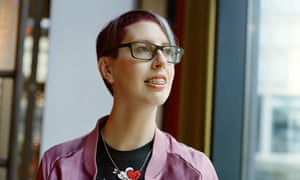
Penny Andrews: ‘I would try to copy other people, how they talked and acted.’ Photograph: Rosie Barnes
She has been married to her husband, Emil, for 11 years. “Because he loves me the way I am, I’m completely myself with him.” How hard does she find it to read other people’s emotions? “It sort of depends. If somebody’s actually upset, I can probably feel it quicker than other people. I can feel it too much. But I can’t usually tell if people are trying to get out of a conversation: if people are trying to leave. You have to tell me: ‘We need to stop.’ I can’t tell whether people like me or not, which is hard.”
Plenty of non-autistic people have issues with that, I say, myself included. “But they seem at peace with it. Even with people I’ve known for a long time, I won’t know whether they like me or not unless we’ve had an explicit conversation: ‘Do you actually like me?’ Which turns people off.”
When it comes to understanding autism, how much does she think the world still needs to change? “Quite a lot. Because I think a lot of people still don’t believe it, or think it’s a really mild thing: ‘Well, it just makes it a bit harder for her to make friends, makes her a bit more anxious.’ A lot of the time, it’s stressful. Painful. When the sensory stuff is happening, it’s like you’re being Tasered.” Andrews mentions people flicking their train tickets, or jangling their coins, or whistling. “It’s not just, ‘That’s annoying.’ It’s, ‘That’s unbearable.’ I have said, ‘I’m really sorry, but can you stop doing that?’ But people don’t.”
I have one last question. Self-evidently, Andrews is what some people call “high-functioning”. When she meets autistic people who are, say, non-verbal, does she feel they are part of the same community? “Yes. And I think we have a duty, as people who can speak, to make sure that those people are looked after properly, and they’re not exploited, and they don’t have inappropriate people speaking for them, or saying things like, ‘He’s got a mental age of three.’ How would they know, if they can’t communicate with them? From what I can observe, they are experiencing the same thing as me. When I’ve seen a non-verbal person have a meltdown, it looks like my meltdowns, only more physical. It looks…” She thinks for a minute. “It looks like an unrestrained version of how I sometimes feel.”
***
In Portsmouth, Jon Adams talks about what many autistic people call “passing”: like Andrews’ pretend interest in Australian soaps and techno pets, it’s about managing to blend in, even if that means submerging whole chunks of your personality. In Adams’ case, passing took its toll and, in his late 30s, he hit an emotional wall. “Not being true to yourself has an effect on you,” he says. “I’d been married, and that had failed. I had a girlfriend at the time, and that was failing. I had a bit of a breakdown, and it took me a couple of years to get used to people.”
He started out on a new path as an artist. The work he does ranges across disciplines including sculpture and music, and regularly touches on his own story. Among his most affecting works is a piece called My School Pen: an old-school fountain pen covered in spikes that perfectly evokes his struggles as a child.
You might have imperfections, but the basics of the way you view the world are right for you
In 2007, he was working on a project with a group of teenagers for a charity called the Foyer Federation. “The woman in charge said, ‘Have you ever considered you’re autistic?’” he recalls. “I said, ‘No, what’s that?’” She gave him a copy of Mark Haddon’s novel The Curious Incident Of The Dog In The Night-Time, now almost a set text for people interested in the condition. “And I went away and I read one page and I cried.”
He wells up now. “You might have faults and imperfections, but the basics of the way you view the world are right for you. When everybody tells you, ‘No, you’re thinking wrong’, you know you’re not. But if everyone tells you that, you think you’re faulty. That’s the root of the depression and the low self-confidence. So to read those things on a page was emotional. It was visual. I could see that someone understood. And I thought, ‘OK, maybe I am autistic.’” It would be another six years before he was formally diagnosed.
For most adults who receive a diagnosis, the formal recognition might make belated sense of their lives, but it tends to make little difference to their daily existence. According to the National Autistic Society, 70% of adults say they don’t get the help they need. People might just about recognise the condition’s more extreme manifestations, but as Penny Andrews puts it, “They’re probably not aware of the bulk of autistic adults: people who are sitting there, coping with a lot of stuff, and the fact that they’re dealing with all this noise and stress and uncertainty that they shouldn’t have to.”
Joblessness among autistic adults speaks for itself. Even such mundane things as the ubiquity of piped music, or inadequate signage in public spaces, attest to the same basic issue: a society averting its eyes from things that blight hundreds of thousands of lives and might easily be improved. We fetishise “awareness” of autism, but the point needs to be greater understanding – and then practical action.
Simon Baron-Cohen cites one big frustration: if autism comes down to an often profound difficulty navigating the world, only a tiny number of people currently receive the help they need to do that. “Whether it’s about how to go shopping, or how to go for a job interview, or how to reply to your girlfriend. To me, if we were a civilised society, we’d be paying for mentors. It doesn’t seem unreasonable.”
A government programme called Access To Work means that Adams does get help from a support worker called Donna, a calm and empathic woman who accompanies him to our interview. Donna is copied into all his emails, and in the course of Adams’ work as an artist and a researcher into disability and creativity at Portsmouth University, she regularly shadows him for a couple of hours a day. Among other things, her job is partly to assist him in the kind of reading between the lines that professional and social etiquette demands, but that a lot of autistic people find difficult. Very often, she explains, she is there to suggest that a particular request or instruction is put in a different way, or to remind people in authority that Adams has his own ways of working. “You might have a three-week time span to do a piece of work,” Adams explains, “and if your line manager is checking you each day to find out your progress – well, you might not do anything for two weeks: you might be mulling it over in your head.”
Adams talks a lot about “systemising”, the quintessentially autistic way in which he divines patterns in the world, often immersing himself in them. Music is a good example. He has an app called iMini, which he uses to programme sequences of electronic notes into an on-screen keyboard, which he can then use if a spurt of anxiety means he needs to readjust. He plays me a bit, which I say reminds me of the kind of experimental music that came out of Germany in the 1970s. That’s not a coincidence: “I got really into Tangerine Dream in about 1976 – the repeating sequences were heaven for me,” Adams says. He also likes the electronic pioneers Kraftwerk, which rings loud bells. My son is a Kraftwerk obsessive, and regularly zeroes in on particular segments of their songs and plays them over and over. Does that sound familiar?
“Yes,” Adams says, and his mind goes back to 1978. “I bought Mr Blue Sky by ELO. There was a track on the other side, and it had a very strange beginning. It was called Fire On High, and I’d play it over and over and over again.”
Why? “It aligned me. It made me feel that the world was right and everything was together. It felt like it was part of me. It’s like all the stars lining up.”
He smiles. “Things like that give me the feeling I’m meant to be here.”
It’s well known that all of us need a strong immune system to help defend the body against microbes, which are pathogenic organisms that result in illness. One of the most natural ways we boost immune system is eating some foods with antibacterial properties.
Many antibacterial foods and herbal plants can help prevent infections in your body. This recipe is considered as a miracle product which has been widely used and has helped lots of people to fight against infections and other bacterial diseases. Never underestimate the power of natural remedies, as well as for this natural tonic.
How to Make This Tonic to Kill Infections In Your Body
Ingredients:
24 oz of organic apple cider vinegar
2 tablespoons turmeric powder
1/4 cup onion (finely chopped)
1/4 cup garlic (finely chopped)
2 peppers (fresh is better)
2 tablespoons horseradish (grated)
1/4 cup ginger (grated)
Directions:
Put all the ingredients except apple cider vinegar in a bowl. Mix them well and add the mixture into a mason jar.
Add the apple cider vinegar to make it fills up to the top. Close the jar and shake to mix them well.
Shake the jar several times a day for 2 weeks. Then squeeze and strain it. Keep the juice in a glass container and save it in fridge. It’s well done for using.
How to Use:
Have 1 tablespoon of this tonic at the beginning, and increase your amount day by day until you have a small liquor glass a day. This is a totally natural drink without any side effects to improve your immune system, fight infections and cold. It’s also safe for kids, just in small doses.
This tonic is one of the most powerful natural antibiotics, it’s a combination of great natural ingredients that are full of nutrients and healing beneficial properties.
Apple cider vinegar
Raw apple cider vinegar benefits to you in several ways, from aiding in weight loss, alkalizing your body to fight against diseases to moderating cholesterol levels and even reducing the risk of cancers. This common household ingredient has great antibiotic and antiseptic properties, it’s highly recommended to Take 1 TB of Apple Cider Vinegar A Day, you’ll be surprised with the result.
Chili pepper
A substance called capsaicin in chili pepper gives it great anti-inflammatory properties. It benefits you in many ways, from relieving arthritis, boosting immunity, preventing prostate cancer, clearing lungs to lowering the risk of type 2 diabetes and aiding in weight loss.
Horseradish
With anti-bacterial and anti-microbial properties, horseradish has been used to treat many types of infections, including lung and urinary tract infections.
Onion
Another powerful natural antibiotic, onion has good anti-inflammatory effects, it protect you against free radicals, boosts your immune system, lowers cholesterol levels and also regulates blood sugar level.
Ginger
Ginger has been shown to help your body fight against infections thanks to the compound called gingerol.
Garlic
A super herb with anti-inflammatory, anti-fungal, antibiotic and anti-parasitic properties, which has been widely used since long time as natural remedies, by both internally and externally for curing lots of ailments. Garlic is also a good source of antioxidants, vitamins, minerals and other essential nutrients for proper body function. Add garlic into your diet even you don’t like its taste.
Turmeric
This is a miracle spice, Dr. Kelly Brogan MD prizes it as:
This wonder-spice is a mainstay of my anti-inflammatory work with patients in my practice where I use liposomal preparations of curcumin, the natural phenols responsible for turmeric’s yellow color, when I suspect their symptoms stem from a challenged immune system.
Hospital patients had to wear incontinence pads overnight and wait two months to have their hair washed because hospital staff were too busy to help them, an inquiry by NHS inspectors has concluded.
A&E patients were also being treated in corridors and in chairs because the Queen Elizabeth hospital in Woolwich, south-east London, was under such pressure when the Care Quality Commission (CQC) arrived on an unannounced visit in June.
The watchdog said that the hospital “requires improvement” after encountering a series of problems, including the deterioration of a patient with the deadly infection sepsis during their inspection because of inadequate monitoring.
Some staff were also observed speaking “sharply” and with a lack of kindness to patients, and children attending the A&E were not always given the full range of checks they needed. Patients also faced long waits to receive A&E care.
“This deeply shocking case is yet another example of a health service stretched to breaking point due to underfunding by the Conservatives,” said the shadow health minister Justin Madders.
The CQC’s report into the hospital’s A&E and acute medical units said: “We spoke with a patient on ward 18 who told us they had repeatedly asked staff for a bath or shower and had been told it wasn’t their job to provide this. Two other patients on this ward told us they would like to have their hair washed, but staff told them they were too busy.
“The nurse in charge … said staff were often too busy to provide personal care and this meant some patients could go up to two months without having their hair washed,” it added.
“In the acute medical unit one patient told us they had to use pads for incontinence because staff were too busy to help them use a commode. They said they felt very embarrassed because it meant they went to sleep with dirty pads. The nurse in charge … said patients were encouraged to wear pads because there were not enough staff for the volume of patients who would use commodes.”
Ministers’ “incompetent” decision in 2010 to cut the number of nurse training places had helped create the staff shortages that are common across the NHS, Madders said. “Nurses have been consistently saying for several years that they are so stretched they often find they are unable to complete all the tasks on their shift.”
Lewisham and Greenwich NHS trust, which runs the hospital, said: “We welcome the CQC’s report. The report does note that we have made progress since the last CQC inspection in February 2013, and we are pleased that our staff received a rating of ‘good’ for providing a caring, kind, and compassionate service.
“We recognise there is more to do and we have a detailed programme of improvements to our emergency pathway, and care in our wards,” it added.
The findings emerged as the Commons health select committee warned that hospitals could struggle to cope in the face of a winter that will be “substantially more difficult” than last year’s.
So many hospitals now fail to meet the target of treating 95% of emergency patients within four hours that patient safety is at risk, the cross-party group of MPs warned in a report on how winter pressures affect A&E units.
“The winter of 2015-16 was mild and the flu vaccine worked. We heard of a fear amongst leaders of acute NHS trusts that 2016-17 could be substantially more difficult,” the report said.
Philip Dunne, the health minister, said: “The NHS is better prepared for winter than ever before, with plans in place to help hospitals cope with additional demand – and the NHS is performing well despite the pressure of an ageing population, with nine out of 10 people seen in A&E within four hours.”
A last-chance drug that can lead to an “unprecedented” reduction in lung cancer tumours has become available on the NHS.
Tagrisso (osimertinib) was granted a licence only in February and has been hailed as a breakthrough drug by manufacturer AstraZeneca.
The once-a-day tablet will be available immediately for patients with non-small-cell lung cancer who have a specific mutation, known as EGFR T790M-positive, that means they have stopped responding to earlier treatments. Experts predict about 300 patients in England and Wales will be eligible for Tagrisso every year.
The National Institute for Health and Care Excellence (Nice) has issued final draft guidance that says Tagrisso should be made available through the Cancer Drugs Fund (CDF), after a financial agreement was reached with AstraZeneca.
Prof Carole Longson, the director of the health technology evaluation centre at Nice, said the drug was being made available while clinical trials continue to assess its full effectiveness. It is the first drug to be approved under the updated CDF.
She said: “People with this particular type of lung cancer usually have distressing symptoms and their disease can progress very quickly. Osimertinib is clinically effective in the short term. However, we do not have the full picture yet and we need more information on its long-term benefits to find out if it is truly cost-effective.
“For the first time, we are able to give patients access to a promising new cancer treatment whilst more evidence is gathered on its effectiveness. This is the system working as it should.”
Pooled data from phase two clinical studies involving 411 people who had failed on prior treatment found the patients typically lived for 11 months without their disease getting worse.
Sixty-six per cent of patients experienced a reduction in the size of their tumours, while six out of 397 patients experienced a complete response – meaning experts could find no evidence of disease.
Overall, almost twice as many patients responded to the treatment compared with another chemotherapy, and the drug stalled progression of the cancer by an extra four months.
Dr Alastair Greystoke, senior lecturer in medical oncology at Newcastle upon Tyne Hospitals NHS foundation trust and clinical investigator for the drug, said: “This is a turning point in the treatment of EGFR T790M mutation-positive non-small-cell lung cancer, and very welcome news for a group of patients with limited options.
“Two-thirds of patients have a good reduction in the size of their tumours with an accompanying improvement in their symptoms, which is unprecedented for patients at this stage of their disease.”
Lisa Anson, country president for AstraZeneca UK and Ireland, said: “We are very proud that NHS patients in England now have access to osimertinib. This is a breakthrough medicine with one of the fastest development programmes in pharmaceutical history.
“Now it is the first medicine to enter the newly reformed Cancer Drugs Fund, which is specifically designed to ensure earlier access to breakthrough cancer treatments.”
The cost of the drug agreement with AstraZeneca is being kept confidential, Nice said. Without the agreement, it costs £4,722.30 per pack of 30 80mg tablets.
Paula Chadwick, the chief executive of the Roy Castle Lung Cancer Foundation, said: “Osimertinib represents a new option for hundreds of patients who have this specific form of lung cancer.
“This new type of targeted therapy is an exciting development in the treatment of lung cancer. For many of our patients and their families this is a breakthrough moment – a recognition that these new medicines can truly benefit people with an advanced form of the disease.
“We welcome the announcement – it is good news for patients with the appropriate type of lung cancer. We hope this paves the way for further positive decisions for lung cancer patients across the UK.”
I found out my mum was dying four days before she passed away, and she wasn’t even the one who told me, it was my godfather. I had known she was unwell for some time, but her death still came as a shock. The last couple of days were very painful.
My issues with food started before her cancer diagnosis. At 12, I started to think I was fat. I have always been insecure about the way I look, so I went on a diet and it spiralled out of control. When I found out my mum was ill, everything got worse. I was eventually referred to children’s mental health services because I was so unwell. My life was so out of control that food, the one thing I thought I could control, became my obsession.
By the time my mum passed away, two years later, I was managing my eating disorder but not fully recovered. I was still very controlling about what I ate and worried about putting on weight. My family situation was getting more complicated: I had a difficult relationship with my dad and my grandfather suffered from Alzheimer’s, so I ended up in foster care.
The next few years involved seeing various therapists and moving to different foster families. At 16, when I was sitting my GCSEs I reached my lowest point. As I was walking in to take one of my exams I felt exhausted, cold and tired. My anorexia was the worst it had ever been and I didn’t want to be alive anymore. My latest foster placement wasn’t working out. I felt lost and alone, walking around in a blur. Shortly after this, I was sectioned. Those around me were worried I might kill myself. I ended up being taken into hospital to be looked after.
Sometimes in life you just crack, you cannot really explain it. I cracked and thought, “I cannot do this anymore.” I didn’t know who I was or what I was doing and I was still struggling to come to terms with my mum’s death.
It feels strange to look back at this time because now – as a 20-year-old woman – I am well on the path to recovery. Today, I am happy, with an amazing foster mother and about to embark on a trip to India to learn yoga. I’ve turned my life around, although it hasn’t been easy.
My journey to recovery was not plain sailing. I spent a year in a hospital ward, and it got to the point where I was afraid to leave, because being in hospital changed me. The thought of having to stay overnight in a hospital now terrifies me, but there was a point where, for me, it was the norm.
It was while I was in hospital, aged 16, that I met the woman who changed my life: my foster mum. She gave me hope and made me feel loved. At first, I was cautious because of past relationships, but gradually she helped lift me out of my depression and offered me a new life with her.
I remember we had this really awkward tour around the unit when she first arrived and the nurses were like, “It’s so nice to meet you.” The moment I thought she might be the right person for me was when I was flicking through this Cath Kidston magazine and saw a bag I wanted. The next day she bought it for me and I was so surprised. I suddenly felt that someone had noticed me.
The turning point that finally got me out of hospital was when I wanted to go to a vegan Buddhist camp with her and her family. Me and my foster mum are both very stubborn and we were like, “Let’s do this.” I got discharged three days before the holiday and never went back. It was a lightbulb moment, and I didn’t want to fall further behind in school. After this, I joined college and started my new life in London.
My foster mum is so supportive. She used to sit with me all the time when I ate, even if I took an hour to get through a single yoghurt. She was patient and kind. She never seemed annoyed at me and took me on at difficult time in my life. She also gave me the best advice, telling me that everything passes and a lot of the time we feel bad but then that goes, life is about change and nothing lasts for ever.
She made me realise that people are scared of change because it feels wrong, but if recovery feels wrong then that’s exciting. It’s hard being ill but it’s also hard taking those first steps to recovery, although it’s so worth it.
Having an eating disorder is like being stuck in a box and you know others have left the box before, but you’re not sure how you are going to do it. You hate being in the box, but the outside world also seems scary, so you are sat there looking out through the keyhole thinking, “How do I get out?” I was feeling very suicidal, which was part of the reason why I didn’t eat. My depression led to my anorexia, which was never really about the food at all.
I believe everyone can get through an eating disorder. My experiences have taught me to be more comfortable about being vulnerable. Strength is accepting we are human and bad times and good times all pass. Life has its ups and downs but you must be brave enough to keep going. Real strength is admitting you are vulnerable, and, if you need help, please go and get it.
The Beat youthline can help young people experiencing an eating disorder: 0345 634 7650. In the UK, the Samaritans can be contacted on 116 123. In the US, the National Suicide Prevention Hotline is 1-800-273-8255. In Australia, the crisis support service Lifeline is on 13 11 14. Hotlines in other countries can be found here
I got into clean eating with a friend around my AS levels, when I was 16. My friends only followed the diet for about two weeks but when they all stopped I continued. I got addicted to it and I lost loads of weight.
We all started the diet because we were really stressed and tired and had heard eating better made you feel better, but for me it went wrong.
I cut out snacking, I had smaller portions, and everything was a health food. I prepared all my meals myself from scratch.
I cut out dairy and any drinks that weren’t water. I was eating fruit and vegetables and no carbohydrates and no snacking. I was eating no processed food – I would have a handful of dried fruit if I had a snack. An average dinner would be just meat or fish and a small side of vegetables.
I obsessively watched Lean in 15 – a YouTube channel on healthy eating by Joe Wicks. I used to watch a lot of his videos and also followed loads of “transformation” accounts where people ate healthily to lose weight.
At first I did this all to feel better in myself and then it became about losing weight. I liked how it felt and people saying: “Oh you’ve lost weight and you look great.” I used to limit food groups and obsessively weighed my food. I had foods I was afraid to eat and would avoid, such as carbohydrates. This went on for two years, from 16 to 18, and eventually I was diagnosed with anorexia with orthorexic tendencies.
As well as losing weight, orthorexia made me feel exhausted. I couldn’t sleep because I was really hungry the whole time. I had depression and anxiety and I couldn’t focus on anything at all.
My parents noticed that something was wrong. I actually didn’t know what was happening – they took me to the doctor. I went to the Priory for diagnoses and was referred to Camhs (child and adolescent mental health services). I then got sent there on an outpatient basis and got cognitive behavioural therapy. That helped a lot.
Because of my eating disorder I have body dysmorphic disorder and have always feel more overweight than I am. CBT helped me realise that this was not logical. Medication also helped with my depression and gradually everything got better.
I feel more normal about food now. I am a student at Leeds and cook for myself. I eat out with friends. I still suffer guilt when I eat unhealthily but I can cope.
I think health food bloggers have a big influence on young people and they should make it clear that everything should be eaten in moderation. For example, it’s OK to have a biscuit every now and then – it’s not going to kill you. The expression clean eating makes it sound like other foods are dirty; it’s like making an enemy out of everyday food, making it something negative in people’s heads.
Healthy eating is supposed to make you feel better, but not if you develop orthorexia. Although some people need to be careful about what they eat, others can take this lifestyle to the extreme.
A few years ago, an outbreak of cholera and other deadly diseases swept through one of the poorest villages in the northern region of Ghana, taking the life of Ruhainatu’s mother, Jamila.
Ruhainatu was in her teens. A decade ago, Jamila’s death would have extinguished Ruhainatu’s chances of getting the education she needs to succeed in life. Instead of going to school, she would have taken on her mother’s role of caring full time for her home and family.
But efforts by the Ghanaian government, together with development partners like the Global Partnership for Education, have strengthened the country’s education system. Now Ruhainatu and girls like her have a more hopeful prospect for life. One of the top performing students in the local school, Ruhainatu has ambitions to go away to university to become a nurse and then return to her village to help others remain healthy.
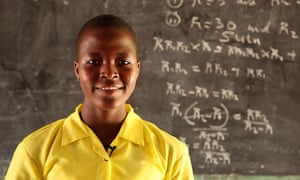
Ruhainatu has ambitions to go away and train as a nurse. Photograph: GPE/ Stephan Bachenheimer
Her story is one of countless affirmative real-life testimonials showing how educating girls can help them be healthier, more economically prosperous and become more civically empowered women. Their new knowledge can also improve the health and wellbeing of others around them.
But enabling children to succeed requires the right combination of support, so that they will be healthy, well-nourished and can attend a quality school that has access to clean drinking water and toilets.
Providing school meals and deworming programmes, for example, can have an important impact. The 2016 Unesco global education monitoring report notes that school meals and deworming programmes promote better education outcomes, especially for girls. For very poor families, the prospect that their daughter will be fed means that sending her to school is a more attractive option than keeping her at home so she can attend to domestic duties, farm work or taking goods to market. Greater access to clean water can also translate into education improvements for girls, by reducing the time they take to collect water for the family and giving them more time for school.
This give-and-take between education and other social development factors has received more emphasis since the unveiling of the sustainable development goals (SDGs) last year. We are breaking down the silos that have historically divided development sectors. Education and global health groups now understand that improvements in each are essential to progress for both and we are already creating opportunities for deeper collaboration.
Now the evidence of what works is increasingly clear, let’s just get on with it and drive progress on the mutually reinforcing goals for global education (SDG 4) and gender equality and women’s empowerment (SDG 5).
For groups like the Global Partnership for Education, whose board I chair and which partially funded the program in Ghana that helped Ruhainatu, “getting on with it” includes continuing to support countries to close the gender gaps in their education systems.
We are breaking down the silos that have historically divided development sectors.
Closing those gaps requires recognising and breaking down barriers to gender equality. Poverty is the biggest, but other significant factors include ethnicity, language, disability, early marriage, the distance from home to school, gender-biased pedagogy, fragility and conflict, absence of proper sanitary facilities, pressure to take care of family or earn money, and insecurity within and on the way to school.
We – in education or in any other related development sectors – could accomplish much more in less time if there was sufficient political support and enough financing. This includes first and foremost more domestic financing for education by developing countries themselves. But it also requires more donor funding. We can’t “just get on with it” when education’s share of overseas development aid has fallen from 13% to 10% since 2002. The International Commission for Financing Global Education Opportunities, notes in its just-released report that under present trends, only one in 10 young people in low-income countries will be on track to gain basic secondary-level skills by 2030. Clearly, this is completely unacceptable.
The Education Commission, on which I serve as a commissioner, advocates for a range of far-reaching transformations to improve education. The commission’s work provides new evidence on what works and costs out what it would take for the world to educate every child.
The call to action in financing is to increase total spending on education from $ 1.2tn (£0.9tn) per year today to $ 3tn (£2.3tn) by 2030. That’s a big jump but not an insurmountable one.
Making the leap starts with developing countries, donors, NGOs, the private sector and many others choosing right now to just get on with it.
Join our community of development professionals and humanitarians. Follow @GuardianGDP on Twitter.