'Breakthrough' etiketine sahip kayıtlar gösteriliyor. Tüm kayıtları göster

27 Kasım 2016 Pazar

HIV vaccine test hopes for breakthrough in combat against the virus

The first new trial of a potential vaccine against HIV in seven years has begun in South Africa, raising hopes that it will help bring about the end of the epidemic.


Although fewer people are now dying from Aids because 18.2 million are on drug treatment for life to suppress the virus, efforts to prevent people from becoming infected have not been very successful. The infection rate has continued to rise and experts do not believe the epidemic will be ended without a vaccine.


The vaccine being tested is a modified version of the only one to have shown a positive effect, out of many that have gone into trials. Seven years ago, the vaccine known as RV144 showed a modest benefit of about 31% in a trial in Thailand.


That trial was controversial because the vaccine was a combination of two, called AidsVax and ALVAC, which were already 15 years old when it began. One of them, AidsVax, had failed in a trial on its own. The RV144 trial was very large – more than 16,400 Thai men and women without HIV took part, randomly assigned to receive either the combined vaccine or a placebo injection. At the end of the three-year trial, 125 people had become infected – 51 who had received the vaccine and 74 who had not.


But researchers chasing the holy grail of a vaccine think they could have better success in South Africa, because of a number of modifications. The new trial, called HVTN 702, has just begun to enrol the first of 5,400 men and women aged 18-35.


“HIV has taken a devastating toll in South Africa, but now we begin a scientific exploration that could hold great promise for our country. If an HIV vaccine were found to work in South Africa, it could dramatically alter the course of the pandemic,” said Dr Glenda Gray, chief executive of the South African Medical Research Council, which is involved in the study.


“It’s an important trial to do. I’m very pleased that we were able to get it off the ground,” said Dr Anthony Fauci, director of the National Institute of Allergy and Infectious Diseases in the US that is co-funding the trial.


The Thai trial’s modest success was in people at low risk of HIV infection. “We have always said that if a vaccine is going to be ultimately effective, it is going to have to prove itself in a relatively high-risk group. So we always had the intention of extending and extrapolating the principle of the RV144 study to a setting such as southern Africa,” said Fauci.


The aspiration is to push the effectiveness up from 31% to between 50% and 60%, he said. “Obviously we’d like it to be 90% but that is probably asking too much given the complexity of HIV and the body’s immune response to it,” he said. If they could get a vaccine of at least 50% efficacy for use in combination with other prevention tools, such as condoms, antiretroviral drugs and circumcision, “that will be a major, major advance”, he said.


The modified vaccine uses an isolate of the virus that circulates in southern Africa, called the C clade. There will be more booster shots of the vaccine and the use of an adjuvant to enhance the response of the immune system. Volunteers will get five shots of the vaccine and three boosters – a schedule that the researchers will look to slim down for use in the real world if it is successful.


Prof Linda-Gail Bekker, of the University of Cape Town and president of the International AIDS Society, who is also involved in the study, said the result from the Thai trial, although only 31% “made those of us in the HIV vaccine world quite excited”. For the first time, it looked as though a vaccine was possible.


“Pretty soon after the trial, the world started to galvanise to decide what we needed to do,” she said. The epidemic in Thailand was abating, so with a low rate of new infections, it was not the best place to study the vaccine further. “We recognised we had to come to southern Africa to do the trial, so we had to modify the vaccine product.”


The aim of the new trial is to produce evidence for the regulators and obtain a licence for a vaccine. “Probably the magic number is 50% at three years,” she said. “I think nobody will be very interested in a vaccine that is less than 50%.” A vaccine with lower efficacy could be a problem if people assume they are protected and take no further precautions against HIV. But a vaccine with 50% efficacy could make a big impact, she said.


At least two-thirds of the participants will be women, who are more likely to get infected at that age than men. “The toolbox is in desperate need of something like this. We remain very optimistic,” said Bekker. “We are constantly aware of the desperate need and very excited that we are finally getting on and trying something again now.


“We’ve never treated our way out of an epidemic. There’s no doubt we have to have primary prevention alongside treatment in order to get HIV control, but we are not going to get HIV eradication without a vaccine. That is very clear.”


HIV vaccine test hopes for breakthrough in combat against the virus

25 Ekim 2016 Salı

Study offers potential breakthrough in care of children with autism

A new form of therapy has for the first time been shown to improve the symptoms and behaviour of autistic children, offering a potential breakthrough in care for millions of families.


Six years after parents were trained to better understand and interact with their preschool children, researchers found that the therapy had moderated the behaviour of those who had been severely autistic, unresponsive or unable to speak.


A child who might have run around a supermarket squealing, heedless of their parent, putting objects in their mouth and pushing past shoppers to try to press the buttons at checkout, might instead wait in the queue and even help load the trolley, the research found.


The success of the preschool autism communication trial (Pact) has surprised even the researchers who designed it. There are no drugs to treat the condition, which typically sets in around the age of two, and many families have tried intensive training of their children by therapists, with mixed results. Pact instead trained the parents to help their children.


Prof Jonathan Green at the University of Manchester, who led the study published in the Lancet medical journal, said they had not found the cure for autism, but he and his team believed it had great potential and hoped it would be widely adopted.


“The advantage of this approach over a direct therapist-child intervention is that it has potential to affect the everyday life of the child,” he said. “Our findings are encouraging, as they represent an improvement in the core symptoms of autism previously thought very resistant to change.


“This is not a cure, in the sense that the children who demonstrated improvements will still show remaining symptoms to a variable extent, but it does suggest that working with parents to interact with their children in this way can lead to improvements in symptoms over the long term.”


The trial involved 152 children aged two to four. The families visited a clinic twice a week for six months, where parents were videoed with their children and a box of toys. Autistic children might not interact with their parents at all, but when eventually a child did offer a toy or made a noise that could be interpreted as a request, the incident was rerun on video and the parent encouraged to respond. If the child offered a toy, the parent reciprocated. If the child said a word, the parent repeated it and added something. The practice was repeated at home every day.


The therapy continued with the parents for the next six months with less intensity. At the end of the first year, the researchers could see the children had improved, but the most dramatic development was seen at the follow-up six years later. At the start of the trial, 50% of those in the control group who did not get the therapy and 55% of those who did were assessed as severely autistic. The children in the intervention group, though, got better. The proportion assessed as severe in the control group was 63% by the end of six years, compared with 46% in the intervention group.


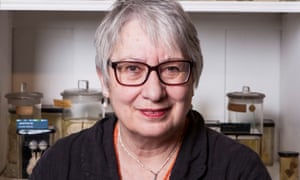
Uta Frith, emeritus professor of cognitive development at UCL


Uta Frith, emeritus professor of cognitive development at UCL, said called the study ‘a remarkably positive story’. Photograph: Antonio Zazueta Olmos/Antonio Olmos

Other experts applauded the work. “I can see why these researchers are excited,” said Dorothy Bishop, professor of developmental neuropsychology at the University of Oxford. “These results at follow-up are pretty consistent in showing the benefit of this early intervention for autism across a range of measures. My impression is that this is an intervention that reduces the severity of autistic symptoms, rather than curing autism. Nevertheless, for parents of children with autism, even a modest reduction would be worthwhile.”


Dr Max Davie, of the Royal College of Paediatrics and Child Health, said it offered “a hugely cheering message for families”, while Uta Frith, emeritus professor of cognitive development at University College London, called it “a remarkably positive story, because the intervention itself was neither intensive nor invasive”.


The absence of any hope, as well as the very sudden regression in children’s behaviour, led many parents to believe in the discredited theory of Andrew Wakefield that the MMR (measles, mumps and rubella) vaccine was the cause of autism.


“Parents commonly tell us that they fight for a diagnosis but, when they finally get itthe cupboard is bare, with little information or tailored support available to them,” said Dr James Cusack, director of science at the charity Autistica.Too often, parents fall victim to the false claims of charlatans who prey on desperate families. These results look promising for the many thousands of parents who want to find early interventions for their children based on solid science.”


The researchers said children’s communication with their parents was improved at the end of the six years. The parents said there were also improvements in relations with other children, in social communication and in repetitive behaviours. But there was no change in child anxiety, challenging behaviours or depression in the autistic children and they would still need a lot of support while growing up.


About 1% of children and young people are affected by autistic spectrum disorder, which ranges from mild to severe. The lifetime costs to the UK, which include health, social care and education costs as well as productivity losses, are estimated at £1m to £1.5m per child and between $ 1.4m and $ 2.4m in the United States.


Study offers potential breakthrough in care of children with autism

4 Ekim 2016 Salı

"Breakthrough" lung cancer drug made available on NHS

A last-chance drug that can lead to an “unprecedented” reduction in lung cancer tumours has become available on the NHS.


Tagrisso (osimertinib) was granted a licence only in February and has been hailed as a breakthrough drug by manufacturer AstraZeneca.


The once-a-day tablet will be available immediately for patients with non-small-cell lung cancer who have a specific mutation, known as EGFR T790M-positive, that means they have stopped responding to earlier treatments. Experts predict about 300 patients in England and Wales will be eligible for Tagrisso every year.


The National Institute for Health and Care Excellence (Nice) has issued final draft guidance that says Tagrisso should be made available through the Cancer Drugs Fund (CDF), after a financial agreement was reached with AstraZeneca.


Prof Carole Longson, the director of the health technology evaluation centre at Nice, said the drug was being made available while clinical trials continue to assess its full effectiveness. It is the first drug to be approved under the updated CDF.


She said: “People with this particular type of lung cancer usually have distressing symptoms and their disease can progress very quickly. Osimertinib is clinically effective in the short term. However, we do not have the full picture yet and we need more information on its long-term benefits to find out if it is truly cost-effective.


“For the first time, we are able to give patients access to a promising new cancer treatment whilst more evidence is gathered on its effectiveness. This is the system working as it should.”


Pooled data from phase two clinical studies involving 411 people who had failed on prior treatment found the patients typically lived for 11 months without their disease getting worse.


Sixty-six per cent of patients experienced a reduction in the size of their tumours, while six out of 397 patients experienced a complete response – meaning experts could find no evidence of disease.


Overall, almost twice as many patients responded to the treatment compared with another chemotherapy, and the drug stalled progression of the cancer by an extra four months.


Dr Alastair Greystoke, senior lecturer in medical oncology at Newcastle upon Tyne Hospitals NHS foundation trust and clinical investigator for the drug, said: “This is a turning point in the treatment of EGFR T790M mutation-positive non-small-cell lung cancer, and very welcome news for a group of patients with limited options.


“Two-thirds of patients have a good reduction in the size of their tumours with an accompanying improvement in their symptoms, which is unprecedented for patients at this stage of their disease.”


Lisa Anson, country president for AstraZeneca UK and Ireland, said: “We are very proud that NHS patients in England now have access to osimertinib. This is a breakthrough medicine with one of the fastest development programmes in pharmaceutical history.


“Now it is the first medicine to enter the newly reformed Cancer Drugs Fund, which is specifically designed to ensure earlier access to breakthrough cancer treatments.”


The cost of the drug agreement with AstraZeneca is being kept confidential, Nice said. Without the agreement, it costs £4,722.30 per pack of 30 80mg tablets.


Paula Chadwick, the chief executive of the Roy Castle Lung Cancer Foundation, said: “Osimertinib represents a new option for hundreds of patients who have this specific form of lung cancer.


“This new type of targeted therapy is an exciting development in the treatment of lung cancer. For many of our patients and their families this is a breakthrough moment – a recognition that these new medicines can truly benefit people with an advanced form of the disease.


“We welcome the announcement – it is good news for patients with the appropriate type of lung cancer. We hope this paves the way for further positive decisions for lung cancer patients across the UK.”


"Breakthrough" lung cancer drug made available on NHS

27 Temmuz 2016 Çarşamba

Remember the ice bucket challenge? It just funded an ALS breakthrough

It is often easy to dismiss viral charity campaigns as “slacktivism”, which lacks in real-world impact (we never did catch the warlord Joseph Kony, after all) but a breakthrough discovery bankrolled by 2014’s ALS ice bucket challenge may give the lie to that cynicism.


The ice bucket challenge was a phenomenon in the summer of 2014 in which people dunked a bucket of iced water over their heads in order to solicit donations before nominating others to do the same.


Scores of celebrities including Mark Zuckerberg, Anna Wintour, Tom Cruise, Charlie Sheen, Robert Downey Jr and hundreds more made videos, but the campaign was criticised by some.


Slate wrote that “for most of the people posting ice bucket videos of themselves on Facebook, Vine, and Instagram, the charity part remains a postscript”, while Time called it “problematic in almost every way”, going on to say that “most of its participants … didn’t mention the disease at all. The chance to jump on the latest trend was an end in itself. In fact, the challenge’s structure seems almost inherently offensive to those touched by ALS.”


[embedded content]

But the proof of the pudding was in the eating: the campaign raised more than $ 100m in a 30-day period, and was able to fully fund a number of research projects.


One of these was Project MinE, a large data-driven initiative funded by the ALS Association through ice bucket challenge donations, as well as donations from the organization’s Georgia and New York chapters. The project’s researchers announced on Monday that they have identified a new gene associated with the disease, which experts say could lead to new treatment possibilities.


Amyotrophic Lateral Sclerosis, also known ALS or Lou Gehrig’s Disease, is a neurological disorder in which the motor neurons that control muscle function slowly die. The disease can be either sporadic or inherited, and in either case there is currently no cure.


“It’s very exciting because it shows everyone who contributed to the ice bucket challenge that their donation had an impact on the research,” said Brian Frederick, executive vice-president of communications and development at the ALS Association. “The work that Project MinE is doing is really important, and the discovery of this new gene will help us better understand ALS.”


[embedded content]

The newly discovered gene, NEK1, is only associated with 3% of ALS cases, but it is present in both inherited and sporadic forms of the disease, which researchers say gives them a new target for the development of possible treatments.


Project MinE has been working to sequence the genomes of 15,000 people with the disease, and the discovery, which was described in a paper published on Monday in the journal Nature Genetics, involved more than 80 researchers in 11 countries.


The discovery was significant, Frederick said, “because it helps us understand what’s triggering this and can help us better find a treatment,” though he added that “it’s still very early in our understanding of this particular gene, and we still have a ways to go with understanding ALS generally.”


Remember the ice bucket challenge? It just funded an ALS breakthrough

21 Temmuz 2014 Pazartesi

HIV breakthrough reveals virus hidden in immune program cells

Danish researchers have used an anti-cancer medicine to to activate HIV hidden in the cells of patients taking anti-HIV medication, exposing the virus to the immune program and making it vulnerable to assault.


The final results uncovered on Tuesday have been hailed as a single of the key scientific breakthroughs to come from the Aids 2014 conference in Melbourne, as considerably of the language shifts away from obtaining a cure to focusing on breakthroughs in HIV treatment and prevention.


HIV hides in a state of hibernation in CD4 cells, an crucial element of the immune program. Nevertheless CD4 cells are unable to battle HIV themselves – that function lies with the immune system’s killer T-cells.


But simply because killer T-cells can’t detect the HIV hidden inside of CD4 cells, they are unable to attack and eradicate it from the entire body. Whilst HIV patients on antiretroviral drug remedy usually go on to have undetectable levels of HIV in their system, it is in no way eliminated.


There is usually a reservoir left hiding in cells, undetectable to existing screening tools and ready to consider hold of the immune system again must sufferers quit their antiretroviral therapy.


But a investigation team led by Ole Søgaard at Aarhus University’s department of infectious ailments in Denmark has utilised the anti-cancer drug romidepsin to activate the virus and deliver it out of hiding.


In principle, this implies that the killer T-cells need to be ready to detect the virus, since it leaves a trace on the outside of CD4 cells as it is activated and moves in the direction of the bloodstream, Søgaard mentioned.


“Despite really powerful antiretroviral remedy, there is still this reservoir left of HIV cells that are infected but not producing the virus,” he mentioned.


“Once you activate them, these particles will go to the surface and signal to the immune method that this cell is contaminated and wants to be cleared from the entire body. So this is a two-phase program where we bring the cells to the surface, and then rely on the immune method to kill them.”


In the pilot examine, researchers gave 6 individuals 3 doses of romidepsin above three weeks.


Just before each dose, no viral particles have been detectable in the patients.


“But after the dose was provided we simply measured the virus becoming launched into the plasma in 5 of these six individuals,” Søgaard mentioned.


“We also saw the virus go back to undetectable levels following 7 days, so it came up, then hid away yet again, returning back to a non-energetic state until the subsequent dose of cancer drug was provided.”


Nonetheless, the researchers identified the immune technique did not appear to assault the virus following detecting it. Researchers located no considerable reduction in the variety of infected cells each and every time the cancer drug brought the virus out of hiding.


“This suggests when you do this reactivation, you also need to also target and activate the immune technique and educate it to recognise these cells and assault,” Søgaard mentioned.


“That’s what we’re undertaking following in this examine. We will teach and prime the immune program to recognise HIV ahead of we give individuals the cancer drug, and we hope there will be a better possibility the immune program can clear these cells when the HIV is reactivated.”


Søgaard emphasised it was unknown how a lot of the HIV reservoir the immune method would be able to clear even if it could be taught to recognise the virus and attack it. Virus left in just a single cell may be ample to permit HIV to thrive once again.


“We’re nonetheless understanding about this disease and the place it hides, and it is a truly, genuinely difficult condition to cure since it hides in so many locations in the body, it hides genuinely properly and can hide for an indefinite time period of time,” he explained.


The trouble of an HIV cure grew to become particularly apparent with the now popular situation of the Mississippi infant, born to an HIV-good mom.


The youngster was placed on a powerful program of antiretroviral drugs inside thirty hours of birth. She continued the therapy for 18 months and when she stopped taking these drugs, she had no detectable virus in her system. It gave hope other infants taken care of early might be cured.


But 27 months later on, the virus was detected and she was placed on antiretroviral medication once again.


In a equivalent situation, two Boston patients acquired bone marrow transplants that appeared to rid them totally of HIV. They also relapsed, and are now back on antiretroviral remedy.


These instances have been referred to regularly throughout the AIDS 2014 conference, at times brandished as setbacks. But the cases reveal how far HIV therapy has come.


Attaining much more than two years with no antiretroviral therapy in an infant is unprecedented, especially because the Mississippi little one had no existing immunity to HIV. It has given researchers a new emphasis on exactly where to battle HIV, as they now know it requires just a small amount of dormant virus for HIV to become energetic once more.


The circumstances have shown that doing work out precisely in which dormant HIV virus resides in the body, and being in a position to measure it, will be essential to future research.


The development of HIV into lethal Aids was after regarded inevitable, and much less than thirty years following the epidemic started – not a extended period in medical science – individuals residing with HIV are able to lead prolonged and healthier lives.


But that all depends on entry to treatment, which has the extra advantage of safeguarding towards the transmission of HIV throughout unprotected sex by up to 96%.


The president of the International Aids Society, Françoise Barré-Sinoussi, won a Nobel prize for her function in discovering HIV and mentioned she would not be drawn into talk about how far away a remedy for HIV/Aids may possibly be.


“I bear in mind in 1984 a person mentioned we would have a vaccine inside of two years, and we are now 30 many years later,” she explained.


“We should move on from this. We will need to have to collaborate and combine distinct approaches to HIV – work on cures as effectively as therapies, prevention and vaccines – and strengthen the relationship among researchers to carry on to make progress in tackling HIV.”


HIV breakthrough reveals virus hidden in immune program cells

18 Temmuz 2014 Cuma

Breakthrough created in quest for new malaria medicines as resistance fears expand

Australian researchers have created a significant breakthrough in the race to discover new medicines to eliminate malaria, as resistance increases to the only drug left to treat the ailment.


Scientists from the Burnet Institute, Deakin University and Monash University were in a position to starve the malaria parasite of crucial proteins important to its survival, delivering a target for the improvement of new antimalarial drugs.


The malaria parasite exists inside a red blood cell – which permits it to go undetected by the immune technique, but is not an excellent atmosphere for the parasite to expand and thrive.


A co-writer of the paper, published in Nature, Tania de Koning-Ward from Deakin’s medical school, stated it meant the parasite had to “renovate” its setting by sending hundreds of its own proteins into the red blood cell for it to feed on.


“What our study has proven is individuals proteins can only get accessibility to the red blood cell via one gateway, which provides a channel for the proteins to get into the red blood cell so that it can reside and multiply,” she explained.


“We managed to alter the perform of this gateway so that these proteins can no longer get into the red blood cells, starving and killing the parasite.”


In 2009 researchers first discovered the malaria parasite obtained the proteins it essential by means of a gateway. But they were unsure whether blocking that gateway meant the parasite would basically uncover one more one. Parasites are notoriously great at adapting.


That meant convincing drug companies to invest in establishing medication to block the gateway had been a hard sell till now, De Koning-Ward explained.


“What we have shown by way of this analysis is the parasite utilizes just this a single gateway to acquire these proteins, which makes that gateway a excellent target for drug therapies.”


As parasites create resistance to drugs, researchers usually tweak them slightly to make them tougher for the parasite to battle. But the parasite often speedily develops resistance to the newer versions.


Artemisinin – the only drug left to deal with malaria – and the drug that came just before it, chloroquine, the two worked by offering the malaria parasite what was primarily a negative situation of indigestion, avoiding it from being able to eradicate a construct-up of iron that takes place right after it ingests haemoglobin.


Another co-author of the review, Dr Paul Gilson, senior investigation officer at Burnet Institute, stated the new research meant drug firms could now change their tactic totally. Alternatively of blocking the parasite’s capacity to detoxify the iron ingested, they could target the gateway it employed to get the “food”.


“It implies that when a drug that blocks the gateway is created, it may possibly get a whole lot longer for the malaria parasite to develop resistance to it, since it will never ever have witnessed a drug like this just before,” he said.


Resistance to artemisinin has previously occurred in parts of south-east Asia.


Gilson believes medicines that target the gateway could be prepared inside a few years, but explained they would then want to undergo trials that could get up to an additional ten many years.


“But the cupboard of medication obtainable to treat malaria is at present quite bare,” Gilson stated. “Our study supplies an critical new target for drug development.”


Malaria is spread via mosquitoes and its most lethal form is caused by the parasite plasmodium falciparum. More than 200 million people get malaria each and every 12 months and far more than half a million of those, mostly young children, die from the illness.


The speedy development in population movements meant there was a chance resistant malaria might reach other countries more speedily, Gilson explained. Whilst resistant malaria is not impossible to treat, it takes a whole lot longer.


Breakthrough created in quest for new malaria medicines as resistance fears expand

17 Temmuz 2014 Perşembe

Breakthrough made in quest for new malaria medicines as resistance fears expand

Australian researchers have created a significant breakthrough in the race to discover new medicines to remove malaria, as resistance increases to the only drug left to deal with the disease.


Scientists from the Burnet Institute, Deakin University and Monash University were ready to starve the malaria parasite of essential proteins important to its survival, offering a target for the growth of new antimalarial medication.


The malaria parasite exists within a red blood cell – which enables it to go undetected by the immune program, but is not an excellent setting for the parasite to grow and thrive.


A co-writer of the paper, published in Nature, Tania de Koning-Ward from Deakin’s medical school, said it meant the parasite had to “renovate” its environment by sending hundreds of its own proteins into the red blood cell for it to feed on.


“What our analysis has proven is those proteins can only get access to the red blood cell via a single gateway, which supplies a channel for the proteins to get into the red blood cell so that it can live and multiply,” she mentioned.


“We managed to alter the perform of this gateway so that these proteins can no longer get into the red blood cells, starving and killing the parasite.”


In 2009 researchers initial found the malaria parasite obtained the proteins it necessary via a gateway. But they have been uncertain regardless of whether blocking that gateway meant the parasite would merely uncover another one particular. Parasites are notoriously great at adapting.


That meant convincing drug organizations to invest in establishing drugs to block the gateway had been a difficult sell right up until now, De Koning-Ward stated.


“What we have proven via this investigation is the parasite utilizes just this one gateway to obtain these proteins, which helps make that gateway a excellent target for drug remedies.”


As parasites build resistance to medication, researchers usually tweak them somewhat to make them more difficult for the parasite to battle. But the parasite typically quickly develops resistance to the newer versions.


Artemisinin – the only drug left to treat malaria – and the drug that came prior to it, chloroquine, both worked by providing the malaria parasite what was primarily a poor case of indigestion, stopping it from currently being in a position to remove a develop-up of iron that happens soon after it ingests haemoglobin.


Yet another co-writer of the review, Dr Paul Gilson, senior research officer at Burnet Institute, stated the new analysis meant drug companies could now alter their tactic entirely. Rather of blocking the parasite’s capability to detoxify the iron ingested, they could target the gateway it utilized to get the “food”.


“It indicates that when a drug that blocks the gateway is developed, it could get a good deal longer for the malaria parasite to develop resistance to it, due to the fact it will never have noticed a drug like this ahead of,” he stated.


Resistance to artemisinin has presently occurred in elements of south-east Asia.


Gilson believes drugs that target the gateway could be ready inside a few years, but explained they would then need to undergo trials that could take up to another 10 many years.


“But the cupboard of medicines offered to deal with malaria is at the moment rather bare,” Gilson said. “Our investigation provides an essential new emphasis for drug development.”


Malaria is spread through mosquitoes and its most lethal kind is induced by the parasite plasmodium falciparum. Far more than 200 million people get malaria every year and more than half a million of those, mostly youngsters, die from the illness.


The quick development in population movements meant there was a risk resistant malaria may possibly attain other nations more swiftly, Gilson explained. Even though resistant malaria is not unattainable to deal with, it takes a great deal longer.


Breakthrough made in quest for new malaria medicines as resistance fears expand

16 Temmuz 2014 Çarşamba

Breakthrough produced in quest for new malaria medicines as resistance fears expand

Australian researchers have manufactured a main breakthrough in the race to uncover new medicines to remove malaria, as resistance increases to the only drug left to deal with the condition.


Scientists from the Burnet Institute, Deakin University and Monash University had been in a position to starve the malaria parasite of crucial proteins vital to its survival, supplying a target for the growth of new antimalarial medicines.


The malaria parasite exists within a red blood cell – which permits it to go undetected by the immune program, but is not an best environment for the parasite to grow and thrive.


A co-writer of the paper, published in Nature, Tania de Koning-Ward from Deakin’s health-related college, mentioned it meant the parasite had to “renovate” its setting by sending hundreds of its own proteins into the red blood cell for it to feed on.


“What our analysis has proven is people proteins can only get entry to the red blood cell by means of 1 gateway, which offers a channel for the proteins to get into the red blood cell so that it can dwell and multiply,” she explained.


“We managed to alter the perform of this gateway so that these proteins can no longer get into the red blood cells, starving and killing the parasite.”


In 2009 researchers first discovered the malaria parasite obtained the proteins it needed via a gateway. But they have been uncertain regardless of whether blocking that gateway meant the parasite would just uncover an additional one. Parasites are notoriously excellent at adapting.


That meant convincing drug businesses to invest in developing medication to block the gateway had been a challenging sell until finally now, De Koning-Ward mentioned.


“What we have shown through this analysis is the parasite makes use of just this a single gateway to obtain these proteins, which makes that gateway a fantastic target for drug treatment options.”


As parasites develop resistance to drugs, researchers usually tweak them slightly to make them harder for the parasite to battle. But the parasite usually swiftly develops resistance to the newer versions.


Artemisinin – the only drug left to deal with malaria – and the drug that came prior to it, chloroquine, the two worked by offering the malaria parasite what was in essence a bad situation of indigestion, avoiding it from being ready to eliminate a build-up of iron that occurs following it ingests haemoglobin.


Another co-author of the review, Dr Paul Gilson, senior study officer at Burnet Institute, mentioned the new research meant drug firms could now adjust their tactic completely. As an alternative of blocking the parasite’s capacity to detoxify the iron ingested, they could target the gateway it utilized to get the “food”.


“It signifies that when a drug that blocks the gateway is produced, it may take a good deal longer for the malaria parasite to develop resistance to it, simply because it will in no way have observed a drug like this prior to,” he mentioned.


Resistance to artemisinin has previously occurred in parts of south-east Asia.


Gilson believes medicines that target the gateway could be ready inside of a couple of years, but stated they would then want to undergo trials that could take up to yet another ten many years.


“But the cupboard of drugs offered to deal with malaria is currently rather bare,” Gilson said. “Our study supplies an important new concentrate for drug development.”


Malaria is spread through mosquitoes and its most lethal form is induced by the parasite plasmodium falciparum. Much more than 200 million folks get malaria every year and much more than half a million of people, mainly children, die from the condition.


The fast development in population movements meant there was a danger resistant malaria may well attain other countries a lot more speedily, Gilson mentioned. Although resistant malaria is not unattainable to treat, it requires a whole lot longer.


Breakthrough produced in quest for new malaria medicines as resistance fears expand

Breakthrough produced in quest for new malaria drugs as resistance fears increase

Australian researchers have created a key breakthrough in the race to locate new medicines to remove malaria, as resistance increases to the only drug left to deal with the illness.


Scientists from the Burnet Institute, Deakin University and Monash University were capable to starve the malaria parasite of important proteins vital to its survival, providing a target for the growth of new antimalarial drugs.


The malaria parasite exists within a red blood cell – which makes it possible for it to go undetected by the immune technique, but is not an ideal environment for the parasite to develop and thrive.


A co-writer of the paper, published in Nature, Tania de Koning-Ward from Deakin’s health care school, explained it meant the parasite had to “renovate” its surroundings by sending hundreds of its personal proteins into the red blood cell for it to feed on.


“What our analysis has proven is these proteins can only get entry to the red blood cell by way of 1 gateway, which offers a channel for the proteins to get into the red blood cell so that it can live and multiply,” she explained.


“We managed to alter the perform of this gateway so that these proteins can no longer get into the red blood cells, starving and killing the parasite.”


In 2009 researchers very first found the malaria parasite obtained the proteins it essential by means of a gateway. But they had been uncertain regardless of whether blocking that gateway meant the parasite would basically find yet another one. Parasites are notoriously good at adapting.


That meant convincing drug organizations to invest in developing medication to block the gateway had been a hard sell until finally now, De Koning-Ward said.


“What we have shown via this study is the parasite employs just this one gateway to obtain those proteins, which tends to make that gateway a excellent target for drug therapies.”


As parasites create resistance to medicines, researchers often tweak them somewhat to make them harder for the parasite to fight. But the parasite frequently quickly develops resistance to the newer versions.


Artemisinin – the only drug left to treat malaria – and the drug that came prior to it, chloroquine, both worked by giving the malaria parasite what was basically a negative situation of indigestion, preventing it from currently being in a position to remove a develop-up of iron that occurs soon after it ingests haemoglobin.


One more co-writer of the examine, Dr Paul Gilson, senior analysis officer at Burnet Institute, stated the new research meant drug organizations could now modify their tactic fully. As an alternative of blocking the parasite’s ability to detoxify the iron ingested, they could target the gateway it utilised to get the “food”.


“It signifies that when a drug that blocks the gateway is designed, it may take a great deal longer for the malaria parasite to produce resistance to it, because it will by no means have seen a drug like this ahead of,” he explained.


Resistance to artemisinin has already occurred in components of south-east Asia.


Gilson believes medication that target the gateway could be ready inside of a handful of years, but said they would then need to have to undergo trials that could take up to yet another ten many years.


“But the cupboard of medication accessible to deal with malaria is at present fairly bare,” Gilson explained. “Our research offers an essential new target for drug growth.”


Malaria is spread via mosquitoes and its most lethal form is brought on by the parasite plasmodium falciparum. Much more than 200 million people get malaria every single yr and a lot more than half a million of these, mainly youngsters, die from the disease.


The fast development in population movements meant there was a threat resistant malaria may possibly attain other nations a lot more speedily, Gilson stated. While resistant malaria is not not possible to deal with, it requires a lot longer.


Breakthrough produced in quest for new malaria drugs as resistance fears increase

8 Temmuz 2014 Salı

How did a perform expertise girl make a major cystic fibrosis breakthrough?

“[Professor Denning] just showed me the [details] and informed me to get on with it and do something with it,” she says. “I emailed each and every single particular person I could uncover on the web who had anything to do with cystic fibrosis to get as a lot data as I could. I invested hundreds of hours on it all summer season.”


In the end, that a single summertime wasn’t adequate and she spent the up coming academic year on it also. She was paid a modest amount for her function expertise (she purchased a bike with the cash) but she worked for the following 9 months cost-free of charge.


Jo pursuing her love of mountaineering and hiking


Cystic fibrosis breakthrough


It was well worth it however, since Armstead’s mindful operate meant that for the 1st time there was a figure on how numerous folks around the world had cystic fibrosis. Out of the thirty countries she managed to find the details for, she discovered 75,000 people had the genetic disorder.


Employing a previous United kingdom examine that showed all around 40 per cent of men and women with cystic fibrosis were contaminated with the aspergillus fungus, Armstead was then about to estimate that all around half of the 75,000 folks had been contaminated with aspergillus.


At the second, aspergillus bronchitis (this specific strand of cystic fibrosis) isn’t diagnosed by anybody in the planet, but now that scientists know the big scale of it, they can adjust the way they work with cystic fibrosis.


Raising awareness


“It’s just to raise awareness that individuals need to have to alter their mind-sets about the diagnosis,” explains Armstead. “It’s to attempt and increase other nations to create their personal scientific studies. It is all to try and increase treatments.”


Professor Denning, explained: “By painstakingly crunching the numbers, Jo has helped us better recognize the scale of the challenge which will lead to better diagnostics and remedy approaches. There will be many individuals who in excess of the coming years will be grateful to Jo and her operate.”


The findings have now led to Armstead’s operate currently being featured in the foremost research journal, the Public Library of Science. She has also spoken at an international cystic fibrosis conference in Barcelona, exactly where she was the only student in sight. It is not the typical result of a summer’s work knowledge for any pupil.


‘I had a breakdown at one particular point’


“It’s been genuinely interesting and it’s taught me a good deal,” says Armstead. “It was quite fulfilling especially now it’s been published it is wonderful to have all your operate published. I just imagined it was a typical paper. I wasn’t expecting it to go in the press.”


Her surprise was produced higher by the reality that there had been instances during the study that she “broke down” emotionally. “There was a moment in summer time exactly where I was having a breakdown simply because I wasn’t acquiring any information from any nations,” she says.


“But when I began acquiring the information that was valuable. Some people weren’t positive I could do it which was off-placing. The other things I located nerve-racking was the IT side of items.”


Although she was continuing the function during the third 12 months of her medicine degree, she gave up a couple of evenings every single week to carry on sourcing the information. “It fitted in quite nicely because a whole lot of it was e-mail based so I could do it in my very own time,” she says. “[Just] ahead of it was published I had to do quite a good deal. A couple of occasions when friends were going out, I had to do [the research].”


Her real dream


Her operate has now paid off and she tells me her university professors are “very impressed”, but Armstead isn’t really positive she desires to go into scientific investigation or something to do with cystic fibrosis.


“I almost certainly must say that I want to be a respiratory medical doctor for cystic fibrosis,” she laughs. “It’s something I’d take into account and no matter what you do as a medic you’ll often be coming across these sufferers.


“[But] the absolute dream is I genuinely like climbing and the outdoors. The dream would be to be an A&ampE medic and be an expedition medic.”


She does not expect something to hold her back, even even though she says that as a female pupil, “we’re told you can’t go into these specialised areas due to the fact you are female and it’s male-dominated. There’s nonetheless that sort of, go off and make babies attitude”.


But even even though territories like A&ampE are nevertheless male-dominated, if Armstead approaches her life ambition with anyplace close to the exact same sum of determination as she did her summer operate experience, I’m rather sure she’ll be on our wards ahead of we know it and they will be all the greater for her diligence.


How did a perform expertise girl make a major cystic fibrosis breakthrough?

7 Temmuz 2014 Pazartesi

Blood check breakthrough in search for Alzheimer"s remedy

Alzheimer

A brain scan of a patient suffering with Alzheimer’s condition. The darker locations show a reduction of perform and blood movement. Photograph: Alamy


A blood check to detect which men and women with failing recollections will go on to produce Alzheimer’s ailment has been designed by British scientists, who hope it might demonstrate a breakthrough in the hunt for a remedy.


Soon after a decade’s operate, an international collaboration led by scientists from King’s College London, with the United kingdom organization Proteome Sciences, has published a review identifying a set of ten proteins in the blood. The check can predict the onset of Alzheimer’s in the subsequent twelve months in men and women with memory troubles with an accuracy of 87%. It could value £100-£300 and be obtainable inside two many years.


Alzheimer’s and other forms of dementia are distressing and a large burden on people impacted, their households and the NHS. But regardless of the increasing issue as folks reside longer, there are no great prolonged-phrase therapies and there is no cure. David Cameron just lately announced a drive to uncover new medication for dementia, which he stated “stands alongside cancer as one of the best enemies of humanity”.


Many trials have ended in failure. As one particular likely drug right after one more has fallen by the wayside, scientists have begun to appear for ways to treat people at a much earlier stage, when their brain is not so badly broken. But to do that, they want a test to predict who is going to develop the condition.


A quantity of study groups have been striving to produce exams. Scientists in the US published details in March of a proposed check for lipids (fatty chemical compounds) in the blood of folks in the general population, who do not have memory issues. This kind of a screening test would be controversial, even so: number of healthy men and women want to know they may be in line for an incurable ailment that can be neither prevented nor treated.


The new test is aimed at folks with the kind of memory reduction named mild cognitive impairment, 60% of whom will go on to produce dementia. People are the individuals scientists now want to recruit into trials to avert, or at least delay, the onset of Alzheimer’s.


“Alzheimer’s begins to influence the brain many many years ahead of sufferers are diagnosed with the condition,” explained Professor Simon Lovestone from King’s University. “Numerous of our drug trials fail since by the time patients are given the drugs, the brain has previously been also severely impacted.


“A basic blood test could help us determine patients at a a lot earlier stage to take portion in new trials and hopefully build treatments which could prevent the progression of the condition.”


The researchers investigated 26 proteins which have all been linked to Alzheimer’s in the past. Writing in the journal Alzheimer’s &amp Dementia, they say they took blood samples from one,148 folks, of whom 476 had Alzheimer’s disease, 220 had mild cognitive impairment and 452 have been elderly but with out dementia.


They discovered that sixteen of the proteins were linked with brain shrinkage both in mild cognitive impairment or Alzheimer’s.


In a second set of exams, they recognized ten proteins whose presence could predict, with a realistic degree of accuracy, whether or not individuals with mild cognitive impairment would create Alzheimer’s inside of a yr.


Greater trials involving five,000 to ten,000 men and women are nevertheless essential, say the scientists. “The subsequent phase will be to validate our findings in further sample sets, to see if we can boost accuracy and decrease the risk of misdiagnosis, and to create a dependable test appropriate to be used by medical professionals,” explained Lovestone.


Other scientists had been enthusiastic about the likely for the check to support drug discovery, but cautious about its possible use for diagnosing the disease in otherwise healthy individuals.


Dr Eric Karran, science director at the charity Alzheimer’s Study Uk, which assisted fund the analysis, said a test identifying those at risk of Alzheimer’s at an early stage would be of “true value”, but warned that it would have to be employed responsibly.


“Alzheimer’s disease is now the most feared diagnosis,” he mentioned. “We have to be quite careful about how we use these tests, specifically in the absence of successful treatment.”


Dr James Pickett, head of analysis at the Alzheimer’s Society, mentioned: “Obtaining a way to detect dementia prior to signs and symptoms produce would revolutionise investigation into the issue … Nevertheless, this analysis does not imply that a blood test for dementia is just close to the corner.


“These 10 proteins can predict conversion to dementia with less than 90% accuracy, meaning one particular in 10 folks would get an incorrect outcome. Consequently, accuracy would need to be enhanced ahead of it could be a beneficial diagnostic check.


“Only via even more study will we uncover answers to the most significant queries around dementia, so we will observe the progress of this study with interest.”


Blood check breakthrough in search for Alzheimer"s remedy

28 Mayıs 2014 Çarşamba

The Cost is Correct: New Hepatitis C Drug is Truly a Priceless Breakthrough

As an infectious disease physician I greet the release of path-breaking new remedies for any infecting pathogen with pleasure. Such innovations represents yet another instance of man’s mind succeeding in the continual war with microbes.


Hepatitis C is a scourge that is the top result in for liver transplantation infecting near to 4 million Americans and above 180 million men and women globally. The historical treatments for this virus have been long, cumbersome, and laden with horrible side effects. The newest drug in our armamentarium, Sovaldi (sofosbuvir), offers the promise of considerably shortening therapy regimens although, at the same time, enhancing remedy response. In brief, this is a wonder drug that we all should be grateful to scientists for creating and pharmaceutical organizations for funding.


English: Electron micrographs of hepatitis C v... English: Electron micrographs of hepatitis C virus purified from cell culture. Scale bar is 50 nanometers. Courtesy of the Center for the Examine of Hepatitis C, The Rockefeller University. (Photograph credit: Wikipedia)


Sovaldi was the end result of the meticulous efforts of pharmaceutical company researchers and their collaborators. Once developed, it was place by way of rigorous and pricey and cumbersome FDA-sanctioned clinical trials prior to being approved—an onerous method that is estimated to cost in excess of $ one billion (not incorporated in the expense is the blind alleys that might have been followed to get to Sovaldi). As this kind of, Sovaldi is a solution of great mental hard work coupled to the assumption of considerable financial danger.


To these whom Sovaldi is prescribed it can be a miracle drug that, in weeks, can rescue one’s life from the perils of continual liver illness. It also has the potential to considerably decrease the potential require for liver transplantation and also lower the general burden of hepatitis C in the population, thereby lessening the opportunity of transmission occasions.


However, not every person shares my sentiment relating to this drug as evidenced by the latest outcry more than the price of this extremely efficacious and novel therapy.  In truth, what has been labeled as a “public shaming” more than the value by insurance coverage companies, healthcare advocates, and patient activists has translated into action as the WHO-convened Planet Wellness Assembly voted to support “flexibility” in intellectual residence rights when it comes to this novel drug giving sanction for countries to break patents if the price tag charged is deemed also high.


The fact that there is controversy in excess of the price tag set for this drug reveals a severe misunderstanding or evasion of the information of manufacturing. Sovaldi does not grow on trees it is not manna from the heavens. Sovaldi is the outcome of work and investment. As this kind of, those that created it and funded it deserve to charge what ever value the marketplace will bear. For, if not for their efforts, it would not exist. Sovaldi is not neighborhood residence but the intellectual home of Gilead.


Treating these discoveries and merchandise as community residence creates an surroundings in which I wonder why this kind of endeavors would ever be undertaken if, when productive, they can basically be confiscated in the identify of the nebulous collective excellent.


Just before the invention of Solvadi, no quantity of money could have produced it available.  It was priceless. To bemoan its cost is to denigrate the minds of people who manufactured such a product obtainable.


The Cost is Correct: New Hepatitis C Drug is Truly a Priceless Breakthrough

17 Mayıs 2014 Cumartesi

Newest Anti-Aging Skin Breakthrough: An Ancient Herb

Contact it gotu kola, centella asiatica, Indian pennywort, brahmi, or spade leaf – an ancient healing plant is generating a comeback in the present day science of stopping skin aging.


Centella asiatica (frequently just called centella) is wealthy in amino acids, beta carotene, fatty acids, and several potent phytochemicals. Extracts have been discovered to calm irritation, pace wound healing, stimulate new cell development, construct collagen, and boost circulation.


Recently, thanks to a new round of analysis into gotu kola’s wound-healing and skin rejuvenation properties, this herb has been turning up in a host of new skin remedies.


Here’s what historical past and science tells us about why you may well want to read ingredient lists to locate anti-aging skin serums and creams containing gotu kola. (And right here are three far more anti-aging skin therapies to try.)


A Extended History of Skin Healing


Number of medicinal plants have as prolonged a background as centella asiatica there is proof it was employed even by prehistoric man. Recognized in Chinese medicine as gotu kola, it is listed amongst the “miracle elixirs of life” and pointed out in legends as the herb that helped a well-known sage reside previous 200.


Gotu kola, or centella Asiatica, has been considered a potent skin healer for thousands of years. (photo: Wiki media)

Gotu kola, or centella asiatica, considered a potent skin healer for thousands of years, is turning up in new anti-aging skin care lines. (photo: Wiki media)


In India, centella has a host of names such as mandukparni, jalbrahmi, and just plain brahmi (not to be puzzled with bacopa monnieri, one more ayurvedic plant also known as brahmi). A centerpiece of Ayurvedic medicine for 1000′s of years, it is used to treat contaminated wounds, syphilis, eczema, psoriasis, lupus, and female disorders.


In England, the place it’s known by the lowly identify pennywort for it is coin-shaped leaves, it was one particular of the earliest remedies for leprosy. In France, centella was first recognized and accepted as a pharmaceutical agent in the 1800s for its use treating diarrhea, dysintery, and female troubles which includes infertility.


Taken internally, generally as a tea or other beverage, it is regarded an powerful treatment for fever, dysentery, hepatitis, and latest study exhibits it boosts memory and relieves depression and anxiety. In Thailand, centella is drunk as a cold beverage and considered a flip-back-the-clock well being tonic.


What the Science Displays


An overview in the Indian Journal of Medicine calls gotu kola a “potential herbal cure-all” while a investigation summary published in Phytomedicine, says: “Centella asiatica has been subjected to quite extensive experimental and clinical investigations.”


Just lately, researchers delving into how gotu kola heals wounds have recognized specific plant chemical substances called triterpenoid saponins (more specifically asiaticoside, brahmoside, brahminoside, madecassoside and madecassic or madasiatic acid) that have been shown to assist heal wounds by boosting antioxidants, increasing the blood supply to the region and strengthening the skin.


In a 2o12 examine, researchers utilized concentrate of centella asiatica to the skin of  rats with open wounds and located that the formulation inhibited bacterial development, fueled the development of new skin cells and improved skin “tensile strength” and resilience.


There’s also excellent proof that gotu kola helps restore veins. Current research shows that centella, not like some herbal extracts, is ready to penetrate the skin effectively ample to be utilized efficiently.


Scientists are experimenting with applying gotu kola to treat burns, prevent scars, treat psoriasis, and decrease stretch marks.


Newest Anti-Aging Skin Breakthrough: An Ancient Herb

14 Nisan 2014 Pazartesi

From Taiwan, A Extended Hoped-For Breakthrough In The Battle Against Alzheimer"s

Disclosure: I personal stock in AstraZeneca, a single of the companies pointed out in this commentary.


A group of 6 Taiwanese scientists has announced what might be a lengthy hoped-for breakthrough in the battle against Alzheimer’s disease. They have found that statins, a family members of drugs originally produced to decrease cholesterol amounts, seem to reduce the risk of dementia by as much as a single-quarter.


The team, led by Jui-Ming Chen of Asia University in Taichung and Cheng-Wei Chang of Hsing Wu University in Taipei, has published its findings in PLOSONE, a peer-reviewed open-access journal of the Public Library of Science (PLOS). Their paper can be accessed here.


It is nevertheless early days however, of course, and the fact that statins are connected with a lowered threat of Alzheimer’s might not suggest they are the causal agent.


Nonetheless the findings contribute to a increasing realization that the discovery of statins constitutes one particular of the most crucial developments in present day pharmacological history. The discovery was created in the early 1970s by Akira Endo, a biochemist functioning for Tokyo-based mostly Sankyo Company. Endo was awarded the prestigious Lasker Prize in 2008.


Aside from Sankyo, other Japanese firms that have played a crucial function in establishing statins incorporate Nissan Chemical Industries, Kowa Pharmaceuticals, and Shionogi.


In the United States, the most widespread kinds of statins are manufactured by, amongst other corporations, Pfizer (below the brandname Lipitor), Merck (Zocor), and Bristol-Myers Squibb (Pravachol). Other versions are offered for Swiss-based mostly Novartis and British-based AstraZeneca.


Teva of Israel and Ranbaxy of India make generic versions


From Taiwan, A Extended Hoped-For Breakthrough In The Battle Against Alzheimer"s

13 Mart 2014 Perşembe

Pfizer"s Breakthrough Vaccine Could Be A Victim Of Its Personal Achievement

Yesterday morning at a conference on infectious illness in Hyderabad, India, Marc Bonten, an epidemiologist from Utrecht University, the Netherlands, presented results from a giant and progressive examine Pfizer Pfizer carried out of its vaccine, Prevnar 13, in adults over 65. In 84,496 Dutch individuals in excess of the age of 65, individuals who acquired a Prevnar 13 shot were 45.six% significantly less likely to get critical pneumonia brought on by the bacteria strains covered by Prevnar 13 than those who acquired a placebo shot. “Now, for the 1st time we know that a vaccine can prevent pneumonia in the elderly,” Bonten advised me by way of telephone.


That’s a massive end result. Though the vaccine is accredited in the U.S. to be offered to grownups, and despite the fact that there is a competing, but really distinct, vaccine from Merck Merck that has been obtainable for decades, achievement was not a foregone conclusion. And the addressable market is large. There are 60 million Americans more than the age of 65.


But Pfizer, the marketing behemoth that brought the world Lipitor and Viagra, could not be in a position to attain numerous of those individuals. That’s partly due to the fact no matter whether insurers spend for vaccines in the U.S. depends  on the recommendation of the Advisory Committee on Immunization Practices, which is run by the Centers for Illness Handle and Prevention. But it is also due to the fact there’s a actually big query as to how numerous grownups become infected with the strains of pneumococcus bacteria that the Prevnar vaccine targets.


Pneuomoccocus, it turns out, likes to reside in the noses and throats of kids. And kids have gotten 3 programs of the earlier Prevnar seven because 1998, with the newer Prevnar 13 approved in 2010. As I’ve written previously, the introduction of Prevnar resulted in a dramatic reduction in the variety of cases of pneumococcus infection in youngsters, producing the disease nearly go away. A few resistant strains stuck about developing the 13-strain edition gave Pfizer a possibility to take on those strains, too, and also to raise the price tag of the shot, which now costs $ 120 per course.


But when you get rid of pneumococcus in youngsters, you wind up with much less of it in grownups. As you can see in the beneath graphic from The Journal of Infectious Conditions,  giving Prevnar seven to little ones led the strains in the vaccine to go from creating a vast majority of infections in grownups to causing a minority. There’s previously been a dramatic drop in adult infections, the argument goes, and we’re obtaining it for free of charge by providing Prevnar to children. Is it really worth the value to advise a new vaccine in grownups?


Decrease In adult pneumonia after kids were vaccinated with Prevnar 7

Decrease In adult pneumonia after kids were vaccinated with Prevnar 7


Emilio Emini, the Pfizer senior vice president who pushed this vaccine through advancement, says that it is. For a single point, children in the Netherlands get Prevnar there was nevertheless enough benefit for the review to be positive. (There have been 90 circumstances of vaccine-preventable pneumonia in the placebo group, versus 49 in the manage group.) He says that in each this examine and other scientific studies that have been carried out in the United States, about 10% of adult sufferers presenting to the hospital with pneumonia are infected with these strains. That is about 30,000 instances a yr that could be prevented by offering Prevnar 13 to adults. And these can be pricey infections, requiring lengthy hospitalizations.


There is another, older vaccine from Merck. Unlike the Pfizer vaccine, which links up sugars from the outside of the virus’ coating to chemical substances that make the immune system understand them, Merck’s Pneumovax 23 consists of only the sugars, and there’s lots of purpose to think that it could not be as successful at provoking an immune response. There’s no definitive evidence, like Pfizer’s large review, that Pneumovax prevents pneumonia cases. But it does cover strains of pneumococcus that are not in Prevnar 13, and it is less costly: just $ 68 per shot. So maybe it tends to make sense to hold utilizing Pneumovax, the existing suggested vaccine, alternatively? Then yet again, there may possibly be concerns with providing repeated doses with the older vaccine repeatedly as a booster if sufferers are at large chance  – it may possibly loose efficacy — and there are some research that indicate if you are going to give each vaccines, it is greatest to give Prevnar first.


“There’s no clear reply,” says Kenneth Bromberg, director of the Vaccine Investigation Center at The Brooklyn Hospital Center. “People have their view about this.”


Most observers count on ACIP to split the distinction later this year, and to include Prevnar 13 as another alternative for sufferers. But there’s the chance the committee could do a lot more. In an all-out win case, Pfizer may well persuade it that individuals should use Prevnar 1st, simply because there’s some proof that Pneumovax delivers diminishing returns after booster shots but Prevnar does not. What’s at stake? Nicely, tens of 1000′s of situation of pneumonia, and a product sales improve for Pfizer that could be anyplace from $ one billion on the low finish to a number of occasions that on the higher a single. We’ll know far more later on this yr.


Pfizer"s Breakthrough Vaccine Could Be A Victim Of Its Personal Achievement

9 Ocak 2014 Perşembe

Pivotal Medtronic Trial For "Breakthrough" Blood Stress Device Goes Down The Tubes

The hypertension local community woke up this morning to a huge dose of reality with an announcement by Medtronic that the a lot-anticipated SYMPLICITY HTN-three trial of its novel renal denervation device had failed to meet its main efficacy endpoint. Renal denervation has been broadly touted as a breakthrough merchandise that could drastically reduce blood strain by as much as 30 mm Hg, permitting physicians to remedy the most significant type of higher blood pressure, resistant hypertension.


“SYMPLICITY HTN-three met its major security endpoint connected to the incidence of key adverse occasions one month following randomization and renal artery stenosis to six months,” stated Deepak Bhatt, the co-principal investigator of the trial, in the Medtronic press release. “Importantly, nonetheless, the trial did not meet its primary efficacy endpoint.” To show efficacy in the trial blood pressure in the treatment method arm would have essential to be 10 mm Hg decrease than in the handle arm.


Medtronic mentioned that simply because no security considerations emerged in the trial, “no particular action is currently indicated for sufferers who have had the renal denervation procedure with the Symplicity method.” The organization mentioned it will assemble a panel of independent advisors “to make suggestions about the potential of the global hypertension clinical trial system.”  Until then Medtronic mentioned it would suspend enrollment in ongoing trials, including the SYMPLICITY HTN-4 trial studying renal denervation in individuals with much less serious varieties of hypertension. Symplicity will still be accessible in Europe and other markets where it has been accredited and the firm will carry on its international submit-market surveillance registry as nicely as studies that are evaluating other non-hypertension indications for the gadget.


Wells Fargo analyst Larry Biegelsen stated that the news means that that Medtronic is unlikely to achieve US approval for the gadget with no very first operating yet another trial.


Until finally just lately the forecast for renal denervation had been very optimistic. In December 2012 the American Heart Association listed renal denervation as one of its top advances of 2012 and there had been glowing reports in health-related journals and continuing healthcare education applications as nicely as the well-known press. A single newspaper quoted a former president of the American Heart Association: “It makes one particular dizzy to feel about the following set of advantages that stick to.”


Much more sensible expectations started to seem in 2013. As I reported last summertime, a paper published in Heart showed that the big reductions in blood stress seen in earlier clinical trials of renal denervation were most likely a solution of serious flaws in the style of these trials. Right up until SYMPLICITY HTN-3 the renal denervation trials had been largely uncontrolled, unblinded, and had utilized workplace-primarily based blood stress measurements rather than the far a lot more trustworthy and consistent ambulatory blood pressure monitoring. The senior writer of the Heart paper, Darrel Francis,  predicted that ”people are going to be severely disappointed” by the benefits of SYMPLICITY HTN-3.


In December St. Jude confirmed that it had halted enrollment in its EnligHTN IV trial, which was the pivotal trial for its very own renal denervation gadget.  Renal denervation items are at present offered in Europe and elsewhere from Medtronic, St. Jude Health-related, Boston Scientific, Covidien, Recor, and Terumo.


Pivotal Medtronic Trial For "Breakthrough" Blood Stress Device Goes Down The Tubes