Patients with one of the most lethal forms of cancer are having to wait months to have vital diagnostic tests, in a new sign of the relentless pressure on NHS services.
People suspected of having bowel cancer are facing waits of three months for tests when they should have them within a maximum of six weeks, the latest NHS waiting time figures show.
In March almost half the patients referred for the disease to Mid Yorkshire Hospitals NHS Trust had to wait more than the six weeks set out in the NHS constitution. In all 144 (49.3%) of the 292 patients that month had to ensure waits of several months, and 39 of them were kept waiting for more than 13 weeks.
Campigners warned that patients could die as a result of the delays in patients undergoing either a colonoscopy or flexible sigmoidoscopy, the two tests used to detect bowel cancer.
Prof Colin Rees, vice-president of the British Society of Gastroenterology, said: “By testing the right people at the right time we can save lives and stop people dying needlessly.”
In March 24% of hospital trusts in England missed the six-week target for colonoscopy, which meant that 1,121 patients were kept waiting. In the same month, 18% of hospitals breached the six-week target for flexi-sigmoidoscopy.
Deborah Alsina, chief executive of Bowel Cancer UK, said the waiting times “present a worrying picture for patients”. She identified a lack of diagnotic staff as a key problem and lamented the latest of several delays in Health Education England publishing a plan, first promised in 2015, to boost the NHS cancer workforce.
About 41,000 people a year in the UK develop bowel cancer and around 16,000 die from it. It is Britain’s fourth most deadly cancer after lung, breast and prostate.
Meanwhile, NHS performance against its key waiting times targets is now the highest it has been for five years, NHS Englnd’s latest statistics show.
During 2015-16, 2.5 million people were not treated within four hours of arriving in A&E, and a total of 362,687 patients did not receive planned care in hospital – usually an operation – within 18 weeks.
Another 26,113 waited longer than 62 days for supposedly urgent cancer treatment after being referred by their GP, while 985,583 people with a life-threatening condition waited more than the maximum eight minutes for an ambulance to respond to an 999 call.
“These figures reveal the dismal human cost of the NHS crisis,” said Norman Lamb, the Liberal Democrat health spokesman. “Millions of patients are waiting in distress and anxiety, but Theresa may doesn’t care.”
Responding to the latest monthly statistics, a Conservative spokesman said: “These figures show A&E performance has improved a great deal since the equivalent time last year. Waiting times for an operation again got shorter in March, and crucially patient outcomes continue to improve. Breast cancer survival is at its highest ever level.”
The figures came as the Health Foundation warned that the care patients receive is under threat because of the NHS’s unprecedented financial squeeze.
In a report, the thinktank says: “It is difficult to see how the intense financial pressures on all NHS and social care services will not threaten the quality of care in the near future if nothing changes.
“As OECD analyses have shown, the UK’s performance on quality is middling when compared with other OECD countries, but then so are our funding levels.”
As one of the thousands of people waiting for a hip replacement, I’d like to highlight some of the consequences of longer waiting lists (NHS axes key 18-week target for operations, 31 March). I am 66 and until last June was fit and active. I have reached 19 weeks on the waiting list and am hoping to get notified of a cancellation any day. I have had to give up a range of volunteering activities and also my fitness classes. The pain, despite medication, prevents me from getting out much and increases social isolation. I fear that even after my operation I will be out of the habit of being active and it will take a lot of willpower to get back to how I was.
Longer waiting lists will lead to us “active older people” being unable to undertake community volunteering. Has the cost of this ever been factored in? The impact will be exacerbated by the rising retirement age. Younger retired people will disappear from the ranks of volunteers. Many people delay seeing their GP until pain levels are intolerable. Those in the know will go early and pressurise GPs for referral for orthopaedic assessment, to get into the system. The local waiting list is based on time, not on need. The government needs to consider more sophisticated measures of need for elective surgery and to take into account the wider impact on society of longer waiting lists.
I feel lucky that a new hip is even possible. Had I lived in my grandparents’ time this would be a life sentence of pain. I would be willing to pay more tax to fund the NHS and social care. Time for government to grasp that nettle. Sue Craythorne Exeter
• In addition to the consequences of later retirement covered in Amelia Hill’s splendid piece (A world without retirement, 29 March), what about the holes currently filled by volunteers in a range of services? In my borough, Haringey, the parks department has only skeleton staff. Our unique nature reserve, Queen’s Wood, is looked after entirely by volunteers. Local parks and green corners are also looked after by an army of volunteers. How about the local food bank and soup kitchen? They are volunteer-run. And in many boroughs, library opening hours are maintained only because of volunteers. I could go on. Alison Watson London
• Join the debate – email guardian.letters@theguardian.com
• Read more Guardian letters – click here to visit gu.com/letters
Labour has challenged the health secretary over the legal basis for dropping a commitment on NHS waiting times.
The shadow health secretary, Jon Ashworth, wrote to Jeremy Hunt claiming the government and NHS England were acting unlawfully by accepting that the 18-week target would be missed.
NHS England’s chief executive, Simon Stevens, said he expected waiting times to rise slightly as a “trade-off” for improvement in other areas such as hitting the four-hour A&E target and better cancer care.
Longer waits can be expected for planned operationssuch as hip and knee replacements, cataract removal, hernia operations and laparoscopies.
The NHS target is for 92% of patients to be treated within 18 weeks of referra. Ashworth said: “The absolute nature of this legal duty to meet the 92% is reflected in the NHS constitution.
“The NHS constitution isn’t just a pledge by politicians; it’s a legal guarantee about the standards of care that patients can expect to receive in the English NHS. That includes a guarantee to treatment within 18 weeks, which NHS England have now said they can no longer provide because the government has denied them the funding they need.
“Government ministers need to urgently clarify they are not breaching the NHS constitution and must outline the consequences of denying patients their legal right to treatment within 18 weeks.
“As a first step, the secretary of state must publish his department’s legal advice urgently.
“Earlier this week NHS chiefs announced – without any public consultation or changes to the law – that the NHS will no longer be required to meet the 18-week treatment target because the financial crisis has got so bad. It’s utterly unacceptable and a striking admission of how badly the Tories are running the NHS.
“Since Theresa May became prime minister standards of care for NHS patients have been in a rapid downward spiral. She might be prepared to ignore NHS staff and the public but she can’t just ignore the NHS constitution based on legislation voted upon by parliament.”
On Sky News’ Sophy Ridge on Sunday Ashworth said he thought the NHS needed up to £5bn extra funding this year, suggesting the government should scrap tax cuts in order to pay for the health service.
“We can afford the NHS if the government is prepared to put the money in and make different decisions on tax,” he said.
Asked if he was prepared to consider tax increases to fund the NHS, he said: “I am ready to have that discussion with people about how we fund the NHS.”
But he added that money was being wasted because of the “privatisation agenda” and a failure to deal with public health problems such as obesity.
Dying patients are waiting up to eight hours to receive pain relief because of cuts to district nursing services during the NHS’s unprecedented budget squeeze, a new report has revealed.
Severe financial pressures on the NHS are leading to longer waits for treatment and a short-sighted and growing rationing of care that is storing up problems for the future, according to a study by the King’s Fund health thinktank.
The report quotes one unnamed manager of a hospice saying: “The district nurses working at night are not able to give effective response times; you can wait up to eight hours … for patients experiencing pain and discomfort in the last two to three days of their life, it has a massive impact. It’s a frightening time for patients.”
The King’s Fund research has found that district nursing and sexual health services are among the areas of care most affected by six years of the NHS in England receiving annual budget increases of 1.2%, far less than its historic average of 3.7% rises.
It highlights how the diminishing number of district nurses are struggling to give patients prompt high-quality care because they are increasingly overworked.
The need to balance budgets and the smaller numbers of district nurses are prompting some NHS bodies to restrict their eligibility criteria for patients seeking help, refusing it for those with serious mobility problems unless they are completely housebound.
“We heard some examples of providers attempting to limit access. This was mainly through tightening referral criteria, particularly in relation to patients being ‘housebound’. Increasingly, if patients are able to visit their general practice (even if doing so is challenging), they will not be eligible to receive care from district nurses,” the report states.
The past two years have seen a loss of one in seven (14.8%) district nursing posts. “There is a significant gap between demand for district nursing and the available resources in terms of funding and staff numbers,” researchers found. Heavier workloads are contributing to 20% vacancy rates in some places.
The report also warns: “Pressures in district nursing are affecting the quality of patient care. Staff are increasingly rushed. Visits have become more task-focused, and there is less opportunity for thorough assessments. This dilution of quality may damage patient experience and outcomes.”
Many services provided by acute hospitals have been “relatively protected” despite the lack of investment in the NHS in recent years, the authors say.
However, genito-urinary medicine services have been hard hit, with cuts of up to 20% in 2014/15-2015/16 in some places in the budgets for testing for and treatment of sexually transmitted infections. “This has resulted in fewer clinics and reductions in staff in some areas, while there have also been cuts to prevention and outreach services. This could put patients and the general population at greater risk of infection,” the report adds.
The number of hip replacements has also started to fall, despite growing demand for them caused by the ageing population. Slightly fewer were carried out in 2015-16 than the year before as NHS clinical commissioning groups (CCGs) sought to save money by making surgery conditional on losing weight or giving up smoking. Waiting times for the procedure have also lengthened and more patients are waiting longer than the supposed maximum 18 weeks.
“It’s a disgrace that as a result of the Tory funding squeeze many elderly people are forced to live in prolonged agony and without independence because they are denied a hip replacement in reasonable time,” said Jonathan Ashworth, the shadow health secretary.
“Patients are unfairly suffering the consequences of a deliberately underfunded NHS at breaking point,” said Dr Mark Porter, chair of council at the British Medical Association.
The King’s Fund warns that rationing of care will become ever more common. “Although NHS funding growth began to slow in 2010/11, it appears to have taken some time for financial constraints to impact on patient care, and our data suggests that these impacts will spread and intensify,” the report adds.
The Department of Health has told CCGs not to ration care, despite the tight financial constraints it has imposed. NHS England said only: “Ultimately these are legally decisions for CCGs, but informed by best evidence and national guidance where appropriate.”
Ministers are coming under growing pressure to scrap plans to quit Europe’s medicines regulator as part of Brexit, with drug firms saying doing so could force Britons to wait a year longer than patients in the EU to access new drugs.
Labour and leaders of the UK’s pharmaceutical industry fear that patients and the NHS will lose out if Britain gives up its membership of the European Medicines Agency (EMA). The health secretary, Jeremy Hunt, told MPs last week that he did not expect the UK to continue as a member once it left the EU.
Several EU states, including the Netherlands and the Republic of Ireland, have already expressed interest in hosting the EMA’s headquarters if and when it relocates from London with its 890 medical, scientific and managerial staff. Hunt said it was likely the EMA would move as a result of Brexit.
The shadow health secretary, Jonathan Ashworth, has written to Hunt branding departure from the EMA “reckless and unbelievable” and highlighting the “damaging loss of jobs and wealth from our shores” it would involve.
He said that British people would face “longer waiting periods to access life-saving treatments”. He added: “If we leave the EMA we could, like Canada and Australia, have to wait for many months before being able to buy drugs already available in bigger markets like the EU and the United States.”
The Association of the British Pharmaceutical Industry (ABPI), which represents drug firms employing about 220,000 people in the UK, voiced similar concerns. Dr Virginia Acha, its executive director for research, medical and innovation, said that Britain being outside the EMA could lead to patients waiting six to 12 months longer than the rest of Europe to receive newly developed medicines because the UK would be a small market rather than part of a large EU-wide one.
“While there is opportunity in creating a bespoke regulatory framework for the UK, if this operates outside of the EMA, the added time, cost and burden of having to seek additional regulatory approval in a separate system is likely to mean British patients’ access to medicines will face even greater delay,” Acha said.
The EMA currently licenses all medicines that manufacturers want to sell in the 28 EU states and some other countries in the European Economic Area. Its resident population of 500 million people represents 25% of the world’s total drug market. If Britain left the EMA and made its own arrangements to regulate drugs, it would be of much less priority to pharmaceutical firms because it would be as little as 3% of the global market, Acha added.
The prime minister, Theresa May, was non-committal on how drugs regulation would work after Brexit when Philippa Whitford, the Scottish Nationalist MP and an NHS doctor, raised it at last week’s prime minister’s questions.
“Leaving the EMA would be bad for patients and bad for the NHS. We should be doing our damnedest to stay inside the EMA, maybe through some form of associate membership,” Whitford said.
The ABPI is lobbying several Whitehall ministries, including Hunt’s Department of Health and David Davis’s Department of Exiting the European Union, to try to ensure the UK retains some form of membership of the EMA. Britain already has its own drugs regulator, the Medicines and Healthcare products Regulator Agency (MHRA), which is part of an EMA-led pan-European network of 36,000 national regulators and scientists.
The MHRA already plays a disproportionately large role in the EMA’s work, assessing about 20% of all the drugs the EMA evaluates every year. But it would have to increase hugely in size if it became responsible for approving all new drugs aimed at the British market.
Ashworth has asked Hunt to spell out how much it would cost Britain to have a dedicated national drugs regulator and also said that “regulatory divergence between a post-Brexit Britain and the EU” could lead to job losses in the life sciences industry, a sector May has highlighted as central to the UK’s economic prospects after departure form the EU.
An increasing number of patients are having to endure long waits for operations, according to a study that provides the latest evidence of the NHS’s failure to meet waiting time targets because hospitals are so busy.
Analysis by the Royal College of Surgeons found that over the past year an average of 193,406 people a month did not get surgery within 18 weeks of being referred.
The figure compares with 139,240 the previous year and 105,427 four years ago, and is the NHS’s worst performance by this measure since 2008. It covers patients waiting for operations including for broken limbs, traumatic injuries, brain conditions and eye problems.
Ian Eardley, the college’s vice-president, said: “We are now struggling to meet the standards and timeliness of care that the public rightly expect. Waiting longer creates prolonged pain, uncertainty and immobility for patients and is stressful for them and their families, especially those who may be very ill or in significant pain.
“Many of these patients are older and in the most serious cases, such as heart or cancer surgery, waiting longer could have a big effect on the quality of someone’s life and their eventual recovery from surgery.”
He said the sharp rise in the number of patients waiting longer than 18 weeks suggested the NHS had passed a tipping point.
In October 2016, for example, patients who had been on the waiting list for more than 18 weeks included 52,816 who needed trauma and orthopaedic surgery, 33,547 classified under general surgery, and 24,578 who needed a procedure to improve their eyesight.
The increases were most pronounced in ear, nose and throat surgery, up 124% since 2012-13, to 23,454 a month in 2015-16, and neurosurgery, up 109%, to 5,004.
The number of women who did not receive gynaecological surgery within the target time rose by 102% in the same period, to 14,795 a month..
Some NHS hospital trusts are leaving notably large proportions of patients waiting longer than 18 weeks for certain forms of surgery. For example, of the 717 patients who were waiting for neurosurgery at Plymouth Hospitals NHS trust last October, 59% had been waiting longer than 18 weeks.
The same applied to 48% of the 1,359 people awaiting oral surgery at Walsall Healthcare NHS trust and 44% of the 655 patients awaiting oral surgery at the University of South Manchester NHS foundation trust.
The shadow health secretary, Jon Ashworth, said he hoped hospitals’ poor performance against surgery waiting time standards would not prompt the government to soften the targets.
“We already know ministers want to water down the A&E target. Given this more widespread deterioration in waiting times, I hope this won’t lead to ministers abandoning others standards too,” he said.
Eardley said the delays in accessing surgery were likely to get worse given the intense pressure on hospitals and widespread bed shortages. “There is no sign of waiting times reducing any time soon and they are very likely to have become worse this winter. The key question is: how much longer will patients have to wait before the government steps in to relieve the pressure?”
On Friday, Theresa May seemed to edge closer to acknowledging the seriousness of the crisis confronting the NHS. “I recognise, and we have acknowledged, that the NHS is under pressure,” she said at a Downing Street press conference. She stressed the NHS had put £400m into preparations for coping with winter pressures.
She had said on Thursday there had been a “small number” of incidents of unacceptable practice in NHS trusts, and the health secretary, Jeremy Hunt, said there were problems in “one or two” areas.
Earlier on Friday, NHS England revealed that 65 out of its 152 acute trusts had had to declare an alert during the first week of January.
Comfortably seated in the fertility clinic with Vivaldi playing softly in the background, you and your partner are brought coffee and a folder. Inside the folder is an embryo menu. Each embryo has a description, something like this:
Embryo 78 – male • No serious early onset diseases, but a carrier for phenylketonuria (a metabolic malfunction that can cause behavioural and mental disorders. Carriers just have one copy of the gene, so don’t get the condition themselves). • Higher than average risk of type 2 diabetes and colon cancer. • Lower than average risk of asthma and autism. • Dark eyes, light brown hair, male pattern baldness. • 40% chance of coming in the top half in SAT tests.
There are 200 of these embryos to choose from, all made by in vitro fertilisation (IVF) from you and your partner’s eggs and sperm. So, over to you. Which will you choose?
If there’s any kind of future for “designer babies”, it might look something like this. It’s a long way from the image conjured up when artificial conception, and perhaps even artificial gestation, were first mooted as a serious scientific possibility. Inspired by predictions about the future of reproductive technology by the biologists JBS Haldane and Julian Huxley in the 1920s, Huxley’s brother Aldous wrote a satirical novel about it.
That book was, of course, Brave New World, published in 1932. Set in the year 2540, it describes a society whose population is grown in vats in an impersonal central hatchery, graded into five tiers of different intelligence by chemical treatment of the embryos. There are no parents as such – families are considered obscene. Instead, the gestating fetuses and babies are tended by workers in white overalls, “their hands gloved with a pale corpse‑coloured rubber”, under white, dead lights.
Brave New World has become the inevitable reference point for all media discussion of new advances in reproductive technology. Whether it’s Newsweek reporting in 1978 on the birth of Louise Brown, the first “test-tube baby” (the inaccurate phrase speaks volumes) as a “cry round the brave new world”, or the New York Times announcing “The brave new world of three-parent IVF” in 2014, the message is that we are heading towards Huxley’s hatchery with its racks of tailor-made babies in their “numbered test tubes”.
The spectre of a harsh, impersonal and authoritarian dystopia always looms in these discussions of reproductive control and selection. Novelist Kazuo Ishiguro, whose 2005 novel, Never Let Me Go, described children produced and reared as organ donors, last month warned that thanks to advances in gene editing, “we’re coming close to the point where we can, objectively in some sense, create people who are superior to others”.
But the prospect of genetic portraits of IVF embryos paints a rather different picture. If it happens at all, the aim will be not to engineer societies but to attract consumers. Should we allow that? Even if we do, would a list of dozens or even hundreds of embryos with diverse yet sketchy genetic endowments be of any use to anyone?
I don’t think we are going to see superman or a split in the species any time soon, because we just don’t know enough
The shadow of Frankenstein’s monster haunted the fraught discussion of IVF in the 1970s and 80s, and the misleading term “three-parent baby” to refer to embryos made by the technique of mitochondrial transfer – moving healthy versions of the energy-generating cell compartments called mitochondria from a donor cell to an egg with faulty, potentially fatal versions – insinuates that there must be something “unnatural” about the procedure.
Every new advance puts a fresh spark of life into Huxley’s monstrous vision. Ishiguro’s dire forecast was spurred by the gene-editing method called Crispr-Cas9, developed in 2012, which uses natural enzymes to target and snip genes with pinpoint accuracy. Thanks to Crispr-Cas9, it seems likely that gene therapies – eliminating mutant genes that cause some severe, mostly very rare diseases – might finally bear fruit, if they can be shown to be safe for human use. Clinical trials are now under way.
But modified babies? Crispr-Cas9 has already been used to genetically modify (nonviable) human embryos in China, to see if it is possible in principle – the results were mixed. And Kathy Niakan of the Francis Crick Institute in the UK has been granted a licence by the Human Fertilisation and Embryology Authority (HFEA) to use Crispr-Cas9 on embryos a few days old to find out more about problems in these early stages of development that can lead to miscarriage and other reproductive problems.
Most countries have not yet legislated on genetic modification in human reproduction, but of those that have, all have banned it. The idea of using Crispr-Cas9 for human reproduction is largely rejected in principle by the medical research community. A team of scientists warned in Nature less than two years ago that genetic manipulation of the germ line (sperm and egg cells) by methods like Crispr-Cas9, even if focused initially on improving health, “could start us down a path towards non-therapeutic genetic enhancement”.
Besides, there seems to be little need for gene editing in reproduction. It would be a difficult, expensive and uncertain way to achieve what can mostly be achieved already in other ways, particularly by just selecting an embryo that has or lacks the gene in question. “Almost everything you can accomplish by gene editing, you can accomplish by embryo selection,” says bioethicist Henry Greely of Stanford University in California.
Because of unknown health risks and widespread public distrust of gene editing, bioethicist Ronald Green of Dartmouth College in New Hampshire says he does not foresee widespread use of Crispr-Cas9 in the next two decades, even for the prevention of genetic disease, let alone for designer babies. However, Green does see gene editing appearing on the menu eventually, and perhaps not just for medical therapies. “It is unavoidably in our future,” he says, “and I believe that it will become one of the central foci of our social debates later in this century and in the century beyond.” He warns that this might be accompanied by “serious errors and health problems as unknown genetic side effects in ‘edited’ children and populations begin to manifest themselves”.
For now, though, if there’s going to be anything even vaguely resembling the popular designer-baby fantasy, Greely says it will come from embryo selection, not genetic manipulation. Embryos produced by IVF will be genetically screened – parts or all of their DNA will be read to deduce which gene variants they carry – and the prospective parents will be able to choose which embryos to implant in the hope of achieving a pregnancy. Greely foresees that new methods of harvesting or producing human eggs, along with advances in preimplantation genetic diagnosis (PGD) of IVF embryos, will make selection much more viable and appealing, and thus more common, in 20 years’ time.
PGD is already used by couples who know that they carry genes for specific inherited diseases so that they can identify embryos that do not have those genes. The testing, generally on three- to five-day-old embryos, is conducted in around 5% of IVF cycles in the US. In the UK it is performed under licence from the HFEA, which permits screening for around 250 diseases including thalassemia, early-onset Alzheimer’s and cystic fibrosis.
As a way of “designing” your baby, PGD is currently unattractive. “Egg harvesting is unpleasant and risky and doesn’t give you that many eggs,” says Greely, and the success rate for implanted embryos is still typically about one in three. But that will change, he says, thanks to developments that will make human eggs much more abundant and conveniently available, coupled to the possibility of screening their genomes quickly and cheaply.
Carey Mulligan, Keira Knightley and Andrew Garfield in the 2010 film adaptation of Kazuo Ishiguro’s Never Let Me Go, in which clones are produced to provide spare organs for their originals. Photograph: 20th Century Fox/Everett/Rex
Advances in methods for reading the genetic code recorded in our chromosomes are going to make it a routine possibility for every one of us – certainly, every newborn child – to have our genes sequenced. “In the next 10 years or so, the chances are that many people in rich countries will have large chunks of their genetic information in their electronic medical records,” says Greely.
But using genetic data to predict what kind of person an embryo would become is far more complicated than is often implied. Seeking to justify unquestionably important research on the genetic basis of human health, researchers haven’t done much to dispel simplistic ideas about how genes make us. Talk of “IQ genes”, “gay genes” and “musical genes” has led to a widespread perception that there is a straightforward one-to-one relationship between our genes and our traits. In general, it’s anything but.
There are thousands of mostly rare and nasty genetic diseases that can be pinpointed to a specific gene mutation. Most more common diseases or medical predispositions – for example, diabetes, heart disease or certain types of cancer – are linked to several or even many genes, can’t be predicted with any certainty, and depend also on environmental factors such as diet.
When it comes to more complex things like personality and intelligence, we know very little. Even if they are strongly inheritable – it’s estimated that up to 80% of intelligence, as measured by IQ, is inherited – we don’t know much at all about which genes are involved, and not for want of looking.
At best, Greely says, PGD might tell a prospective parent things like “there’s a 60% chance of this child getting in the top half at school, or a 13% chance of being in the top 10%”. That’s not much use.
We might do better for “cosmetic” traits such as hair or eye colour. Even these “turn out to be more complicated than a lot of people thought,” Greely says, but as the number of people whose genomes have been sequenced increases, the predictive ability will improve substantially.
Ewan Birney, director of the European Bioinformatics Institute near Cambridge, points out that, even if other countries don’t choose to constrain and regulate PGD in the way the HFEA does in the UK, it will be very far from a crystal ball.
Nearly anything you can measure for humans, he says, can be studied through genetics, and analysing the statistics for huge numbers of people often reveals some genetic component. But that information “is not very predictive on an individual basis,” says Birney. “I’ve had my genome sequenced on the cheap, and it doesn’t tell me very much. We’ve got to get away from the idea that your DNA is your destiny.”
If the genetic basis of attributes like intelligence and musicality is too thinly spread and unclear to make selection practical, then tweaking by genetic manipulation certainly seems off the menu too. “I don’t think we are going to see superman or a split in the species any time soon,” says Greely, “because we just don’t know enough and are unlikely to for a long time – or maybe for ever.”
If this is all “designer babies” could mean even in principle – freedom from some specific but rare diseases, knowledge of rather trivial aspects of appearance, but only vague, probabilistic information about more general traits like health, attractiveness and intelligence – will people go for it in large enough numbers to sustain an industry?
Greely suspects, even if it is used at first only to avoid serious genetic diseases, we need to start thinking hard about the options we might be faced with. “Choices will be made,” he says, “and if informed people do not participate in making those choices, ignorant people will make them.”
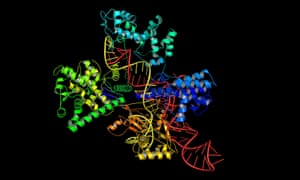
The Crispr/Cas9 system uses a molecular structure to edit genomes. Photograph: Alamy
Green thinks that technological advances could make “design” increasingly versatile. In the next 40-50 years, he says, “we’ll start seeing the use of gene editing and reproductive technologies for enhancement: blond hair and blue eyes, improved athletic abilities, enhanced reading skills or numeracy, and so on.”
He’s less optimistic about the consequences, saying that we will then see social tensions “as the well-to-do exploit technologies that make them even better off”, increasing the relatively worsened health status of the world’s poor. As Greely points out, a perfectly feasible 10-20% improvement in health via PGD, added to the comparable advantage that wealth already brings, could lead to a widening of the health gap between rich and poor, both within a society and between nations.
Others doubt that there will be any great demand for embryo selection, especially if genetic forecasts remain sketchy about the most desirable traits. “Where there is a serious problem, such as a deadly condition, or an existing obstacle, such as infertility, I would not be surprised to see people take advantage of technologies such as embryo selection,” says law professor and bioethicist R Alta Charo of the University of Wisconsin. “But we already have evidence that people do not flock to technologies when they can conceive without assistance.”
The poor take-up of sperm banks offering “superior” sperm, she says, already shows that. For most women, “the emotional significance of reproduction outweighs any notion of ‘optimisation’”. Charo feels that “our ability to love one another with all our imperfections and foibles outweighs any notion of ‘improving’ our children through genetics”.
All the same, societies are going to face tough choices about how to regulate an industry that offers PGD with an ever-widening scope. “Technologies are very amoral,” says Birney. “Societies have to decide how to use them” – and different societies will make different choices.
One of the easiest things to screen for is sex. Gender-specific abortion is formally forbidden in most countries, although it still happens in places such as China and India where there has been a strong cultural preference for boys. But prohibiting selection by gender is another matter. How could it even be implemented and policed? By creating some kind of quota system?
And what would selection against genetic disabilities do to those people who have them? “They have a lot to be worried about here,” says Greely. “In terms of whether society thinks I should have been born, but also in terms of how much medical research there is into diseases, how well understood it is for practitioners and how much social support there is.”
Once selection beyond avoidance of genetic disease becomes an option – and it does seem likely – the ethical and legal aspects are a minefield. When is it proper for governments to coerce people into, or prohibit them from, particular choices, such as not selecting for a disability? How can one balance individual freedoms and social consequences?
“The most important consideration for me,” says Charo, “is to be clear about the distinct roles of personal morality, by which individuals decide whether to seek out technological assistance, versus the role of government, which can prohibit, regulate or promote technology.”
She adds: “Too often we discuss these technologies as if personal morality or particular religious views are a sufficient basis for governmental action. But one must ground government action in a stronger set of concerns about promoting the wellbeing of all individuals while permitting the widest range of personal liberty of conscience and choice.”
“For better or worse, human beings will not forgo the opportunity to take their evolution into their own hands,” says Green. “Will that make our lives happier and better? I’m far from sure.”
A scientist at work during an IVF process. Photograph: Ben Birchall/PA
Easy pickings: the future of designer babies
The simplest and surest way to “design” a baby is not to construct its genome by pick’n’mix gene editing but to produce a huge number of embryos and read their genomes to find the one that most closely matches your desires.
Two technological advances are needed for this to happen, says bioethicist Henry Greely of Stanford University in California. The production of embryos for IVF must become easier, more abundant and less unpleasant. And gene sequencing must be fast and cheap enough to reveal the traits an embryo will have. Put them together and you have “Easy PGD” (preimplantation genetic diagnosis): a cheap and painless way of generating large numbers of human embryos and then screening their entire genomes for desired characteristics.
“To get much broader use of PGD, you need a better way to get eggs,” Greely says. “The more eggs you can get, the more attractive PGD becomes.” One possibility is a one-off medical intervention that extracts a slice of a woman’s ovary and freezes it for future ripening and harvesting of eggs. It sounds drastic, but would not be much worse than current egg-extraction and embryo-implantation methods. And it could give access to thousands of eggs for future use.
An even more dramatic approach would be to grow eggs from stem cells – the cells from which all other tissue types can be derived. Some stem cells are present in umbilical blood, which could be harvested at a person’s birth and frozen for later use to grow organs – or eggs.
Even mature cells that have advanced beyond the stem-cell stage and become specific tissue types can be returned to a stem-cell-like state by treating them with biological molecules called growth factors. Last October, a team in Japan reported that they had made mouse eggs this way from skin cells, and fertilised them to create apparently healthy and fertile mouse pups.
Thanks to technological advances, the cost of human whole-genome sequencing has plummeted. In 2009 it cost around $ 50,000; today it is most like $ 1,500, which is why several private companies can now offer this service. In a few decades it could cost just a few dollars per genome. Then it becomes feasible to think of PGD for hundreds of embryos at a time.
“The science for safe and effective Easy PGD is likely to exist some time in the next 20 to 40 years,” says Greely. He thinks it will then become common for children to be conceived through IVF using selected genomes. He forecasts that this will lead to “the coming obsolescence of sex” for procreation.
Income received by NHS hospital trusts from private patients has risen by 23% in the last four years, as waiting lists for non-paying patients have soared.
Under the government’s reforms, hospitals have been given the right to raise 49% of their funds through non-NHS work, often from patients seeking to avoid waiting for surgery. Prior to this, there had been a 2% cap on income that could be raised from private patients.
Ministers revealed in parliament that in 2015-16, hospitals in England received £558m from patients choosing to pay private – up from £454m four years earlier. The figures come as the number of patients waiting more than 18 weeks for treatment has increased by 54% during the same period. Of those treated in October, more than 360,000 patients had been waiting for 18 weeks or more for treatment, according to the latest data from NHS England, compared to 234,030 in October 2011.
The shadow health minister, Justin Madders, said: “This government is presiding over a two-tier system, where the wealthiest in society can pay to jump the queue. The Tories’ disastrous top-down reorganisation has allowed hospitals to fill up to half of their beds with private patients while leaving NHS patients waiting longer on ever-growing waiting lists.
“The NHS is stretched to breaking point at the moment, so for it to be seeing more and more private patients is an unforgivable position to be in. Access to healthcare should be based on a patient’s needs, not ability to pay for treatment, and this government needs to act in the interests of all patients, not just those who can stump up cash for quick treatment.”
Seriously ill children are waiting up to nine hours for an intensive care bed to become available, while others are being transported up to 120 miles from their homes to receive the medical treatment they urgently need, senior paediatricians have revealed.
In the last two weeks, at least 17 children with acute illnesses requiring intensive care have had to be transported out of their regions because of a lack of beds. Some paediatric intensive care units, treating the most seriously ill children, are worked at 150% of their capacity, such is the level of demand and lack of resources, according to the Paediatric Intensive Care Society. As of Friday night, there were just four beds available in England and one in Belfast.
The revelations illustrate the stress being faced by the NHS this winter. New figures provided by the Labour party additionally show that, in October, only 67.3% of ambulances for the most seriously ill adults and children, who are not breathing or do not have a pulse, arrived on the scene within eight minutes of being called, against a target of 75%.
Dr Peter-Marc Fortune, a consultant paediatrician and president of the Paediatric Intensive Care Society, said the network of intensive care units had been officially designated “critcon 2” at a national level, meaning that the system was running at “full stretch”.
Last week the Observer revealed that units in London and Leicester were at full capacity.
Fortune said the situation was now “hottest” in the north of England and added that he feared paediatric intensive care units nationally could in the coming days be designated as “critcon 3”, defined as an unprecedented situation under which three of the four regions declare themselves as working at maximum capacity.
He said: “I have heard back from about a third of the units in the country. None of them were running at less than capacity. And there were reports of anything up to 150% of what would be the commissioned full level.
“I would not suggest that anyone has come to any harm, and it is important to say that. However, we are concerned that the system is stretched to capacity and that any further stress on the system will risk a reduction in safety standards.
Dr Peter-Marc Fortune, president of the Paediatric Intensive Care Society
“We are in this position because we commission a certain number of beds in the country and during the year that capacity copes.
“But we believe, anecdotally, it runs above the international safety standard of 85% of capacity. Most units are reporting that over the year. When we come to the pinch points, which is traditionally the second and third weeks of December, you are obviously going to stress the system at that time. It is being pushed to its absolute limits.”
Fortune said he was aware in the last two weeks of a child having to be transported 120 miles to an intensive care bed, and a second case in which an acutely ill child had to wait nine hours before a free bed could be identified.
He said: “Fortunately with that particular child we were able to deliver all the therapies via our mobile team. There are therapies that require a child to be physically in an intensive care unit. We are being forced into a triage situation because we don’t have the ability to move children immediately into beds full time.
“While our mobile teams – of which there are only one or sometimes two for a brief period of time in each of the regions – are tied up they cannot respond to another case, perhaps in a different general hospital. People there will be very able to do the initial care but as things step up they cease to be in a comfort zone. It’s certainly not ideal.”
Fortune, who called for a review of paediatric critical care services being undertaken by the NHS to address the lack of resources, added: “In itself the time on the road is not a problem as long as the child doesn’t become unstable in that time. And our teams are very good at getting them stable. But you clearly want them to be able to get from a place of security to the ultimate place of security, which is intensive care, as fast as possible. And that ideally does not mean travelling 120 miles.”
Details of the current situation have emerged as a report from the Paediatric Intensive Care Audit Network (Picanet) lays bare the strains on the system. In 2015, only a third (29%) of the country’s paediatric intensive care units (PICUs) met the nursing establishment levels currently recommended by the Paediatric Intensive Care Society.
One in five referrals for admission to a PICU are refused, with nearly two thirds of these refusals due to no staffed bed being available. The report notes: “While most children who require a PICU bed will eventually be admitted, the process of approaching many PICUs to find a bed is time-consuming and stressful for parents and carers and hospital staff.”
Referring to the data for last weekend, a spokesman for NHS England said: “Figures published on Friday show PICU occupancy across England was 85%, proving that beds are indeed available when needed.”
A hard Brexit would lead to the loss of scientific funding for the UK drug industry and would mean patients waiting much longer for life-changing medicines, a thinktank has warned.
The report by the Public Policy Projects notes that patients, taxpayers and drugmakers benefit from a shared clinical trials and drug approvals process between the UK and the EU. This would be lost under a hard Brexit, which could mean years of delays before vital new drugs come on to the UK market – and £144bn of lost sales for the UK life sciences industry by 2020. A hard Brexit would mean the UK having no access to the single market.
Stephen Dorrell, a former Tory health secretary who heads the thinktank, said the government must be equally focused on Brexit’s implications for the pharmaceutical and biotech industries as it was on banking and the car industry. Life sciences contribute £60bn a year to the UK economy and employ 220,000 people.
Dorrell, who also chairs the NHS Confederation, warned that a hard Brexit would “take ourselves out of the scientific mainstream and thereby undermine the vitality of the British life sciences”. The UK life sciences, which David Cameron described as a “jewel in the crown”, risked being demoted to a “second-tier player”, Dorrell added.
The report, backed by healthcare consulting firm QuintilesIMS, argues that access to the single market is vital for drugmakers, ensuring free movement of scientists and preventing a brain drain. It says students should be taken out of the migration count.
Theresa May’s government has promised to make good the loss of the €8.8bn (£7.9bn) in scientific funding the UK received from the EU last year. But Dorrell said it was just as important to ensure that UK science remained at the heart of the European scientific community.
Luke Tryl, author of the report, said: “If we were to put [UK research and development] at risk, that would be highly reckless.”
The pro-EU group Scientists for EU says it knows of 41 foreign researchers who have refused to take UK posts or are thinking of refusing because of the Brexit vote, and of 100 who have already left or are planning to leave Britain. There have also been incidents of British scientists being dropped from EU projects owing to funding concerns.
The report highlights the importance of regulatory alignment. Tryl said if UK drugmakers were forced to choose between launching medicines in the UK and the EU, they would choose the latter market with its 500 million consumers rather than the former with its 60 million. The report points to Switzerland, noting that the Swiss authorisation agency works closely with the European Medicines Agency under mutual recognition agreements.
Another blow would come from pharmaceutical companies relocating. Japan’s drugmakers – at least 18 have R&D operations in the UK – have already warned they would move to wherever the EMA, currently based in London, relocates.
But UK companies GlaxoSmithKline and AstraZeneca are pushing ahead with investment plans despite the Brexit vote, and US biotech firm Alnylam said in September that it would base its European drug development team in Berkshire.
The NHS is missing so many of its key performance targets that it has entered “the perpetual winter of Narnia”, a medical leader has said, after figures revealed the highest ever number of patients on waiting lists.
Claire Marx, president of the Royal College of Surgeons, criticised the NHS’s failure to give patients planned care in hospital within the required 18 weeks, such as surgery for cataract removals, hernia repairs and hip and knee replacements.
The number of people in England who are awaiting such treatments has climbed to almost 3.9 million.
Hospitals are meant to treat 92% of patients on the “referral-to-treatment” (RTT) waiting list within 18 weeks, according to guarantees in the NHS constitution. However, they did so in just 91.3% of cases in July, NHS-wide performance data released on Thursday shows. It was the service’s worst RTT performance in more than five years.
Hospitals met the 92% target in nine categories of RTT patients, including those requiring treatment for eye problems (92.7%), cardiac care (92.7%) and gynaecological problems (92.3%). However, it missed the target in 10 other categories. It treated barely four of of five (81.7%) of all those awaiting neurosurgery within 18 weeks, 86.9% of those needing plastic surgery and 88.9% of trauma and orthopaedic patients.
“It feels as if the NHS has stepped through the wardrobe and into the perpetual winter of Narnia,” Marx said. “We cannot forget that behind these statistics are potentially very ill and anxious patients who are being made to wait far too long for treatment. This is the true impact of the serious financial pressure we’ve seen the NHS come under in recent months.”
The NHS also missed targets covering A&E, ambulance response times, diagnostic tests, two forms of cancer treatment and rapid first treatment for those experiencing psychosis for the first time.
Dr Mark Holland, president of the Society for Acute Medicine, said: “This data reflects a system which is close to breaking down.”
Bed blocking has reached record levels. In July a total of 184,188 bed days were lost to delayed discharges – when patients are fit to leave but social care support is not in place – up sharply from 147,376 in the same month last year, and the highest number since records began in August 2010.
At midnight on the last Thursday in July, 6,364 patients who were fit to leave were still in their beds, up from the previous record of 6,105 patients the month before.
“For every 100 people who come to A&E, around 30 are admitted and, of these, 20 come under acute medicine. That number is increasing and our front-of-house workforce is depleted”, Holland said.
“However, performance is most significantly hampered due to our inability to discharge people at the backdoor of our hospitals. Failure to get people home is, in my view, a national emergency.”
Medical leaders want ministers to urgently pledge more money for the NHS to tackle its growing problems.
Marx said: “The forthcoming autumn statement offers an opportunity for the government to provide more money for the NHS and social care, and to agree to a cross-party commission to review how we can make the NHS sustainable for the long-term. Without a serious look at what the NHS needs in funding, we will remain in a state of constant winter.”
NHS England said that despite missing so many targets, its performance was still very good by international standards.
“As the NHS responds to ever increasing care needs, hospitals are continuing to look after more than nine out of 10 A&E patients within four hours, and more than nine in 10 patients are waiting less than 18 weeks for their routine operations,” said Matthew Swindells, its national director of operations and information.
“While this is probably the best performance of any western nation, these figures underline the pressures facing the NHS, and the obvious risks to patient care posed by weeks of further drawn-out industrial action.”
In many trusts, the only way to find out something like how long people are waiting in accident and emergency is to phone the department and ask. “There are not many people at any one time who know what’s going on,” says Marc Farr, director of information at East Kent hospitals university NHS foundation trust. “A hospital has lots of people phoning people all day for information,” he says.
The trust has ended the need for such phone calls. It displays live average emergency waiting times, as well as the number of people waiting, at each of its four hospitals, on its website. As well as informing the public, the business intelligence system helps the trust know when to redirect emergency patients to manage demand.
Farr tells of one situation where they arranged for ambulances to be diverted from one hospital. For six hours, some ambulances that would normally have used Margate’s Queen Mother hospital went to Kent and Canterbury hospital. “You need that type of data and those types of predictions to make those kinds of decisions,” he says.
Related: The NHS needs a strong dose of tech investment
Chris Dodgson, head of information for the Royal Bournemouth and Christchurch hospitals NHS foundation trust, says that real-time information also helps meet the target for 95% of patients to be seen by emergency departments within four hours. This is often affected by other wards being full, preventing patients being moved on from an emergency bed. “You want to know roughly where your blockages are, and this is where real-time information really helps to unpick those questions.”
East Kent shares data with external organisations, including a nursing agency which it pays to support those leaving hospital to return home. “Having a data flow between us prompts us to discharge patients more quickly …”, Farr says. “Having a mobile, real-time view of how many patients they can take at any one time is really helpful.”
East Kent sells the information-sharing systems it has developed through Beautiful Information, a company jointly owned by the trust, Farr – its founder – and other individuals. Its customers in the NHS and private healthcare sectors access up-to-date data on areas such as bed usage, finance and the workforce through online systems including a smartphone app.
Providing data through smartphones means managers can react quickly, but small screens require clear and simple presentation. The information dashboards use the common traffic light code, with green indicating few problems, amber some and red a serious situation.
However, it also offers black for the worst cases and blue for measures that continually meet targets, meaning “you don’t need to keep checking up on these people,” according to Farr. Users of the system can set their own thresholds for each colour code, which he says is important in getting them to trust its warnings.
Royal Bournemouth and Christchurch, which is working on developing its own data visualisations, uses business intelligence to monitor its progress on treating strokes. The Royal College of Physicians works out a grade for hospitals based on more than 50 clinical measures every four months. The trust puts the same data into the same formula to calculate the grade as often as clinicians want to check it, allowing them to redesign the service and see improvements far faster. “The impact of that over the last few months is that if you plot our scores we’ve gone from being at the lower end up to the very top end,” says Dodgson.
The trust has just installed a Microsoft SQL 2016 data warehouse to improve its work in this area. In his previous job at Salisbury NHS foundation trust, Dodgson established a business intelligence system that greatly speeded flows of information. Demand on beds varied significantly throughout the year, so Dodgson and colleagues used three years of data to predict availability for each week. As a result, more staff were placed on-call for the weekend after New Year’s Eve: “It was a really busy weekend,” he says, adding that by publishing what actually happened as well as predictions, staff gained confidence in the accuracy of the forecasts.
Related: Why the closure of care.data is bad news for the NHS and society
Dodgson says business intelligence can be hit by poor-quality information if staff do not have the time to collect it. This can be tackled by using data that is already being gathered for other purposes, such as patient observations.
He has also occasionally met opposition, including a consultant who didn’t like the idea that decreasing lengths of stay could lead to bed closures. He says it is vital to take all views into account: “The numbers say one thing, operationally it says something different. Where do we meet in the middle? Business intelligence from my point of view is about the beginning of a conversation, it’s not about cast-iron certainties, especially when you’re talking about service transformation and change.”
Health and Care Innovation Expo in Manchester on 7 and 8 September will explore the Five Year Forward View in action. High profile health leaders will speak across two stages, while feature zones will explore digital health, personalised medicine and new models of care. NHS colleagues can attend free-of-charge. Click here to register.
Do you work in the NHS? Please take our survey and tell us whether bullying is a problem and how it affects your work.
Join the Healthcare Professionals Network to read more pieces like this. And follow us on Twitter (@GdnHealthcare) to keep up with the latest healthcare news and views.
David Cameron talks to employees at the A&E department of Salford Royal Hospital last year. NHS figures show his A&E claims at PMQs on Wednesday are wrong. Photograph: Getty Photos
Delays faced by sufferers for typical types of surgical treatment this kind of as hernia repairs and cataract removals have risen sharply underneath the coalition, despite David Cameron’s pledge to preserve waiting times lower, NHS statistics reveal.
Individuals are now waiting on common 15 days longer than in 2010 to have their tonsils taken out, 14 days more to have adenoids eliminated and 10 days longer for a hernia method.
The findings, in a Sufferers Association report published on Friday based on official NHS functionality data, come weeks following increasing unease in Downing Street about lengthening delays for therapy led to the Department of Well being (DoH) offering the NHS an added £400m to tackle the issue.
Information supplied by more than half of England’s 162 acute hospital trusts also shows that patients are facing a postcode lottery in how long they have to wait just before they get handled, with delays of as lengthy as 215 days in some locations. That is far much more than the greatest 18 weeks or 126 days that individuals are supposed to be taken care of inside of under the NHS constitution right after being referred by their GP beneath the Referral to Therapy scheme.
Katherine Murphy, chief executive of the Sufferers Association, branded the delays unacceptable. They mean that individuals are struggling in discomfort or discomfort and might encounter immobility and social isolation when they have to wait, she mentioned. Some are becoming so frustrated at not acquiring treated promptly that they are currently being forced to pay out personal well being companies to relieve their signs.
“Although we enjoy the financial squeeze in the NHS, it are not able to be at the expense of patient care and ought to not suggest that patients are suffering, as these figures propose that they are. It truly is unfair and unjust for individuals to have to suffer the consequences of unnecessary delays following they have been referred,” added Murphy, a former nurse and manager in the NHS.
Labour seized on the worsening delays as proof that the prime minister had broken his pledge in 2011 to make sure waiting times, which he said he knew “truly mattered”, remained low.
Coalition anxiousness more than NHS waiting times was compounded on Thursday when the Residence of Commons library contradicted Cameron’s declare at prime minister’s questions on Wednesday that common A&E waiting instances had fallen from 77 minutes beneath Labour to 30 minutes under the coalition. That was based on a “simplistic” reading of the information and was not appropriate, the library stated in a blogpost.
However, on Thursday evening the study was eliminated by the Property of Commons library simply because of inquiries in excess of its impartiality. A statement on its internet site read through: “”The website post ‘Have A&E waiting times fallen?’ has been eliminated by the Residence of Commons Library as it does not meet our expected standards of impartiality. A revised publish will be uploaded as soon as attainable”
Andy Burnham, the shadow health secretary, said: “This report [the Patients" Association research] exposes the growing gap in between the prime minister’s spin on NHS waiting occasions and the agonizing reality for thousands of patients.”
The complete amount of patients waiting to be treated topped 3 million final month for the very first time in 6 many years. Common waiting occasions for tonsillectomies have risen from 63.five days in 2010 to 78.6 days in 2013, for adenoid removals from 65.3 to 79.2 days and for hernia repairs from 70.four to 80.seven days, according to data supplied by the 92 trusts.
Similarly, typical waits for knee replacements have improved to 95 days (up six days because 2010), for cataract removals from 63.7 to 68.eight days – 5 days longer – whilst hip replacements are typically taking 91.2 days to happen – three.seven days more than in 2010.
It is unclear how numerous sufferers are now impacted by unusually prolonged delays. But all around a million sufferers a year have a single of the ten procedures. For instance, 337,000 alone have cataract surgery.
The longest delays uncovered by the hospitals’ responses have been 215 days at Barnet and Chase Farm hospitals in north London for knee replacements, 192 days for surgical treatment for carpal tunnel syndrome at West Hertfordshire hospitals and 191 days for hip replacements, also at Barnet and Chase Farm hospitals. By contrast other hospitals were performing the exact same three procedures on typical in 50, three and 47 days respectively.
Rob Webster, chief executive of the NHS Confederation, which represents hospitals, explained: “Delays can be distressing for individuals and commissioners and suppliers of NHS-funded care will be acutely aware of this and be undertaking all they can to deliver timely waits. The complete technique is below much more stress than ever, and what we are seeing in this report is that this can have a major influence on elective care, as measured by way of performance targets like 18 weeks,” he extra.
A DoH spokesman explained: “Beneath this government, the NHS has kept waiting times low and ended the scandal of 1000′s of individuals having to wait a lot more than a year for treatment.
“With an ageing population pressure on the NHS is inevitably rising so we are overseeing a a single-off programme to tackle the sharp rise in demand for elective surgical treatment.”
The NHS just about met the necessity to treat 90% of hospital sufferers within 18 weeks in April, obtaining narrowly missed it in February and March. Photograph: Christopher Furlong/Getty Photos
The quantity of individuals waiting for NHS therapy has hit 3 million for the initial time in 6 many years, amid warnings that the increasing demand for care implies it could soon begin routinely missing important targets.
The latest official figures from NHS England show that in April a total of 2,993,108 patients have been on the waiting listing for treatment, supposedly within 18 weeks. Even so, the actual total was more than 3 million simply because 6 hospital trusts did not submit data due to pc problems.
That was the highest quantity since the 3,057,163 recorded in March 2008 and led to claims by Labour that millions of individuals had been now waiting in pain and discomfort to have an operation and that David Cameron had breached a crucial pledge.
It was considerably up on the two the 2,748,808 seen in April 2013 and 2,508,495 in April 2010, the month just before the coalition took office.
In April this 12 months 29,417 of the 295,641 patients admitted and taken care of that month had waited more than the 18 weeks enshrined in the NHS’s politically important referral-to-treatment target.
That indicates that the NHS met – just – the requirement to treat 90% of such individuals inside 18 weeks, obtaining narrowly missed it in February and March. A Division of Overall health spokesman insisted the 90% figure showed that “underneath this government, the NHS has kept waiting occasions consistently reduced and ended the scandal of 1000′s of individuals having to wait much more than a 12 months for treatment.
“We know elective waiting lists constantly have a tendency to develop at this time of year but NHS employees are doing work tough to get this back on track in the coming months.”.
However, this year’s figure of 29,417 was considerably up on the 25,397 sufferers treated in April 2013 who had waited past 18 weeks and the 22,774 forced to do so in April 2010.
Richard Murray, the director of policy at the King’s Fund, explained the truth that the waiting checklist had topped 3 million was “a indicator of in which the NHS is heading”.
He added: “The worrying issue about the growth in the waiting record is that it demonstrates that demand is growing and will suggest in the close to potential that it could be much more difficult for the NHS to maintain hitting the 90% target. There could be substantial breaches of the target, with it falling well beneath 90%.”
It was worrying that referral-to-therapy functionality was below this kind of strain at the same time as the targets to deal with sufferers in A&E units and with cancer were being missed in a growing number of hospitals, he mentioned.
“If the NHS is to preserve meeting the 90% target it is going to have to do further operations and it really is not clear where that funds would come from. With the amount of each efficiency troubles and fiscal issues increasing in the NHS, it truly is starting up to be a bit of a race as to regardless of whether the government can get to the basic election both by providing the NHS far more cash or viewing NHS overall performance deteriorate.”
In April the three worst-doing hospitals have been Ealing in west London, which taken care of 74.one% of patients inside 18 weeks, the James Paget hospital in Norfolk (75.seven%) and Watford general hospital in Hertfordshire (77.five%).
Andy Burnham, the shadow wellness secretary, explained: “Following a decade of progress by Labour, NHS waiting lists are obtaining longer by the day.
“It is usually what occurs when the Tories are in charge of the NHS, leaving hundreds of thousands of people facing the agonising choice of waiting in discomfort or paying out to go personal.”
Will the FDA finally approve Contrave, Orexigen’s sizzling new diet plan drug, this week? Expectations are high for this new weight reduction medication, which could demonstrate an crucial anti-obesity support. The ruling is anticipated as quickly as tomorrow.
Now temporarily renamed NB32, Contrave was eagerly awaited when it got a startling thumbs-down from the FDA in 2011. The company demanded further study into cardiovascular dangers.
Orexigen resubmitted its application for Contrave in December 2013, citing “encouraging” good interim results from the 8900-patient Light Research, still ongoing. As summarized by the Independent Information Monitoring Committee, the interim Clinical Study Report (CSR) appears to proveContrave/NB32 safe, or safe enough.
With the FDA’s doubts thus addressed, skilled consensus has the company voting yes on NB32. Then once again, if the background of bodyweight loss medicines tells us practically nothing else, it’s that no weight reduction drug’s success is a sure point.
If accepted by the FDA tomorrow, NB32 (formerly Contrave) will join Qsymia and Belviq as not too long ago accepted prescription excess weight reduction treatments. (Photo: wiki media)
But let’s stick with what we do know right now. If you’re overweight and hoping Contrave/NB32 can assist you, here’s what you require to know about this new fat reduction drug treatment.
1) Contrave (NB32) is probably to be less powerful than Qsymia, more successful than Belviq. That’s a key generalization, but in trials people taking Qsymia misplaced an average of 9 percent of their body fat, even though people taking Belviq lost an common of just three %. Clinical trials display individuals taking NB32 lost an regular of 5 % of their physique excess weight.
2) Contrave (NB32) could be less difficult to obtain. Each Qsymia and Belviq are regarded managed substances, placing stiff limits on how physicians prescribe them. NB32 is not expected to be approved as a managed substance, that means medical doctors can hand out samples and meet much less stringent criteria when prescribing.
three) Obesity therapy – and insurance coverage – is simpler to get now. In accordance to current information from the Centers for Ailment Control, 35 %, or a lot more than 1 in three American adults, are obese. Yikes. With that in thoughts, the powers that be (aka the American Medical Association) finally in June 2013 classified obesity as a ailment. This need to – at least in theory – make it simpler to get bodyweight loss drugs and other remedies prescribed and covered by insurance coverage. The Inexpensive Care Act (Obamacare) also mandates obesity prevention and treatment method, which must help in the expense/coverage division as well.
4) Some individuals need the extra assist of a drug. In accordance to a growing body of research, consuming a higher-fat diet plan and currently being overweight could, above time, trigger metabolic changes that can make it hard or impossible to drop bodyweight on your personal. Harm to the brain’s signaling technique can influence the cues that tell you when you’re hungry and when you are full, top you to overeat. In this situation, weight loss medication could help you push the “reset” button on your metabolism.
5) Weight problems drugs have side results. The cause it’s taken three years for the FDA to approve NB32/Contrave is that obesity drugs have significant side effects. So serious, in fact, that several significant diet medication have been yanked from the marketplace, creating doctors, regulators (and yes, investors) shy away. Cardiovascular illness and mood troubles are just two of the probably critical side results related with Qsymia and Belviq. Older medicines Xenical and Alli carry a chance of long term liver and kidney injury. And people excess weight loss supplements you purchase above the counter? Some are deadly.
six) Contrave may possibly lighten your mood as properly. Like Qsymia, NB32 is a mixture of two separate drugs, naltrexone, best known as a treatment method for alcoholism, and bupropion, the antidepressant in common Wellbutrin. Thanks to the buproprion, trial participants reported that Contrave created them truly feel much better, as well as seem greater.
Contrave Not the Final Word in Fat Reduction Medication
Regardless of the rocky route that is faced current fat reduction drug approvals, more medicines are in advancement, like a 2nd drug from Orexigen. Known as Empatic, it’s also a two-drug combo, this time combining bupropion with the anti-seizure drug zonisamide.
Empatic not too long ago finished a Phase 2B clinical trial with Phase 3 trials in the planning phases. While that puts Empatic at least two many years out, word is the FDA will not need Empatic to undergo cardiovascular security trial (speeding up the approval approach) if Phase 3 trial results are comparable to individuals for NB32. Remain tuned.
For much more health news, follow me right here on Forbes.com, on Instagram and Twitter @MelanieHaiken, and subscribe to my posts on Facebook.