designer etiketine sahip kayıtlar gösteriliyor. Tüm kayıtları göster

8 Ocak 2017 Pazar

Designer babies: an ethical horror waiting to happen?

Comfortably seated in the fertility clinic with Vivaldi playing softly in the background, you and your partner are brought coffee and a folder. Inside the folder is an embryo menu. Each embryo has a description, something like this:


Embryo 78 – male
• No serious early onset diseases, but a carrier for phenylketonuria (a metabolic malfunction that can cause behavioural and mental disorders. Carriers just have one copy of the gene, so don’t get the condition themselves).
• Higher than average risk of type 2 diabetes and colon cancer.
• Lower than average risk of asthma and autism.
• Dark eyes, light brown hair, male pattern baldness.
• 40% chance of coming in the top half in SAT tests.


There are 200 of these embryos to choose from, all made by in vitro fertilisation (IVF) from you and your partner’s eggs and sperm. So, over to you. Which will you choose?


If there’s any kind of future for “designer babies”, it might look something like this. It’s a long way from the image conjured up when artificial conception, and perhaps even artificial gestation, were first mooted as a serious scientific possibility. Inspired by predictions about the future of reproductive technology by the biologists JBS Haldane and Julian Huxley in the 1920s, Huxley’s brother Aldous wrote a satirical novel about it.


That book was, of course, Brave New World, published in 1932. Set in the year 2540, it describes a society whose population is grown in vats in an impersonal central hatchery, graded into five tiers of different intelligence by chemical treatment of the embryos. There are no parents as such – families are considered obscene. Instead, the gestating fetuses and babies are tended by workers in white overalls, “their hands gloved with a pale corpse‑coloured rubber”, under white, dead lights.


Brave New World has become the inevitable reference point for all media discussion of new advances in reproductive technology. Whether it’s Newsweek reporting in 1978 on the birth of Louise Brown, the first “test-tube baby” (the inaccurate phrase speaks volumes) as a “cry round the brave new world”, or the New York Times announcing “The brave new world of three-parent IVF” in 2014, the message is that we are heading towards Huxley’s hatchery with its racks of tailor-made babies in their “numbered test tubes”.


The spectre of a harsh, impersonal and authoritarian dystopia always looms in these discussions of reproductive control and selection. Novelist Kazuo Ishiguro, whose 2005 novel, Never Let Me Go, described children produced and reared as organ donors, last month warned that thanks to advances in gene editing, “we’re coming close to the point where we can, objectively in some sense, create people who are superior to others”.


But the prospect of genetic portraits of IVF embryos paints a rather different picture. If it happens at all, the aim will be not to engineer societies but to attract consumers. Should we allow that? Even if we do, would a list of dozens or even hundreds of embryos with diverse yet sketchy genetic endowments be of any use to anyone?


I don’t think we are going to see superman or a split in the species any time soon, because we just don’t know enough


Henry Greely, bioethicist


The shadow of Frankenstein’s monster haunted the fraught discussion of IVF in the 1970s and 80s, and the misleading term “three-parent baby” to refer to embryos made by the technique of mitochondrial transfer – moving healthy versions of the energy-generating cell compartments called mitochondria from a donor cell to an egg with faulty, potentially fatal versions – insinuates that there must be something “unnatural” about the procedure.


Every new advance puts a fresh spark of life into Huxley’s monstrous vision. Ishiguro’s dire forecast was spurred by the gene-editing method called Crispr-Cas9, developed in 2012, which uses natural enzymes to target and snip genes with pinpoint accuracy. Thanks to Crispr-Cas9, it seems likely that gene therapies – eliminating mutant genes that cause some severe, mostly very rare diseases – might finally bear fruit, if they can be shown to be safe for human use. Clinical trials are now under way.


But modified babies? Crispr-Cas9 has already been used to genetically modify (nonviable) human embryos in China, to see if it is possible in principle – the results were mixed. And Kathy Niakan of the Francis Crick Institute in the UK has been granted a licence by the Human Fertilisation and Embryology Authority (HFEA) to use Crispr-Cas9 on embryos a few days old to find out more about problems in these early stages of development that can lead to miscarriage and other reproductive problems.


Most countries have not yet legislated on genetic modification in human reproduction, but of those that have, all have banned it. The idea of using Crispr-Cas9 for human reproduction is largely rejected in principle by the medical research community. A team of scientists warned in Nature less than two years ago that genetic manipulation of the germ line (sperm and egg cells) by methods like Crispr-Cas9, even if focused initially on improving health, “could start us down a path towards non-therapeutic genetic enhancement”.


Besides, there seems to be little need for gene editing in reproduction. It would be a difficult, expensive and uncertain way to achieve what can mostly be achieved already in other ways, particularly by just selecting an embryo that has or lacks the gene in question. “Almost everything you can accomplish by gene editing, you can accomplish by embryo selection,” says bioethicist Henry Greely of Stanford University in California.


Because of unknown health risks and widespread public distrust of gene editing, bioethicist Ronald Green of Dartmouth College in New Hampshire says he does not foresee widespread use of Crispr-Cas9 in the next two decades, even for the prevention of genetic disease, let alone for designer babies. However, Green does see gene editing appearing on the menu eventually, and perhaps not just for medical therapies. “It is unavoidably in our future,” he says, “and I believe that it will become one of the central foci of our social debates later in this century and in the century beyond.” He warns that this might be accompanied by “serious errors and health problems as unknown genetic side effects in ‘edited’ children and populations begin to manifest themselves”.


For now, though, if there’s going to be anything even vaguely resembling the popular designer-baby fantasy, Greely says it will come from embryo selection, not genetic manipulation. Embryos produced by IVF will be genetically screened – parts or all of their DNA will be read to deduce which gene variants they carry – and the prospective parents will be able to choose which embryos to implant in the hope of achieving a pregnancy. Greely foresees that new methods of harvesting or producing human eggs, along with advances in preimplantation genetic diagnosis (PGD) of IVF embryos, will make selection much more viable and appealing, and thus more common, in 20 years’ time.


PGD is already used by couples who know that they carry genes for specific inherited diseases so that they can identify embryos that do not have those genes. The testing, generally on three- to five-day-old embryos, is conducted in around 5% of IVF cycles in the US. In the UK it is performed under licence from the HFEA, which permits screening for around 250 diseases including thalassemia, early-onset Alzheimer’s and cystic fibrosis.


As a way of “designing” your baby, PGD is currently unattractive. “Egg harvesting is unpleasant and risky and doesn’t give you that many eggs,” says Greely, and the success rate for implanted embryos is still typically about one in three. But that will change, he says, thanks to developments that will make human eggs much more abundant and conveniently available, coupled to the possibility of screening their genomes quickly and cheaply.
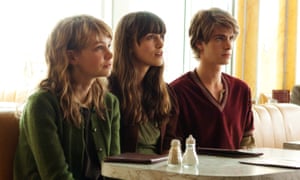


Carey Mulligan, Keira Knightley and Andrew Garfield in the 2010 film adaptation of Kazuo Ishiguro’s Never Let Me Go, in which clones are produced to provide spare organs for their originals.


Carey Mulligan, Keira Knightley and Andrew Garfield in the 2010 film adaptation of Kazuo Ishiguro’s Never Let Me Go, in which clones are produced to provide spare organs for their originals. Photograph: 20th Century Fox/Everett/Rex

Advances in methods for reading the genetic code recorded in our chromosomes are going to make it a routine possibility for every one of us – certainly, every newborn child – to have our genes sequenced. “In the next 10 years or so, the chances are that many people in rich countries will have large chunks of their genetic information in their electronic medical records,” says Greely.


But using genetic data to predict what kind of person an embryo would become is far more complicated than is often implied. Seeking to justify unquestionably important research on the genetic basis of human health, researchers haven’t done much to dispel simplistic ideas about how genes make us. Talk of “IQ genes”, “gay genes” and “musical genes” has led to a widespread perception that there is a straightforward one-to-one relationship between our genes and our traits. In general, it’s anything but.


There are thousands of mostly rare and nasty genetic diseases that can be pinpointed to a specific gene mutation. Most more common diseases or medical predispositions – for example, diabetes, heart disease or certain types of cancer – are linked to several or even many genes, can’t be predicted with any certainty, and depend also on environmental factors such as diet.


When it comes to more complex things like personality and intelligence, we know very little. Even if they are strongly inheritable – it’s estimated that up to 80% of intelligence, as measured by IQ, is inherited – we don’t know much at all about which genes are involved, and not for want of looking.


At best, Greely says, PGD might tell a prospective parent things like “there’s a 60% chance of this child getting in the top half at school, or a 13% chance of being in the top 10%”. That’s not much use.


We might do better for “cosmetic” traits such as hair or eye colour. Even these “turn out to be more complicated than a lot of people thought,” Greely says, but as the number of people whose genomes have been sequenced increases, the predictive ability will improve substantially.


Ewan Birney, director of the European Bioinformatics Institute near Cambridge, points out that, even if other countries don’t choose to constrain and regulate PGD in the way the HFEA does in the UK, it will be very far from a crystal ball.


Nearly anything you can measure for humans, he says, can be studied through genetics, and analysing the statistics for huge numbers of people often reveals some genetic component. But that information “is not very predictive on an individual basis,” says Birney. “I’ve had my genome sequenced on the cheap, and it doesn’t tell me very much. We’ve got to get away from the idea that your DNA is your destiny.”


If the genetic basis of attributes like intelligence and musicality is too thinly spread and unclear to make selection practical, then tweaking by genetic manipulation certainly seems off the menu too. “I don’t think we are going to see superman or a split in the species any time soon,” says Greely, “because we just don’t know enough and are unlikely to for a long time – or maybe for ever.”


If this is all “designer babies” could mean even in principle – freedom from some specific but rare diseases, knowledge of rather trivial aspects of appearance, but only vague, probabilistic information about more general traits like health, attractiveness and intelligence – will people go for it in large enough numbers to sustain an industry?


Greely suspects, even if it is used at first only to avoid serious genetic diseases, we need to start thinking hard about the options we might be faced with. “Choices will be made,” he says, “and if informed people do not participate in making those choices, ignorant people will make them.”
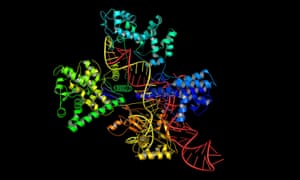


The Crispr/Cas9 system uses a molecular structure to edit genomes.


The Crispr/Cas9 system uses a molecular structure to edit genomes. Photograph: Alamy

Green thinks that technological advances could make “design” increasingly versatile. In the next 40-50 years, he says, “we’ll start seeing the use of gene editing and reproductive technologies for enhancement: blond hair and blue eyes, improved athletic abilities, enhanced reading skills or numeracy, and so on.”


He’s less optimistic about the consequences, saying that we will then see social tensions “as the well-to-do exploit technologies that make them even better off”, increasing the relatively worsened health status of the world’s poor. As Greely points out, a perfectly feasible 10-20% improvement in health via PGD, added to the comparable advantage that wealth already brings, could lead to a widening of the health gap between rich and poor, both within a society and between nations.


Others doubt that there will be any great demand for embryo selection, especially if genetic forecasts remain sketchy about the most desirable traits. “Where there is a serious problem, such as a deadly condition, or an existing obstacle, such as infertility, I would not be surprised to see people take advantage of technologies such as embryo selection,” says law professor and bioethicist R Alta Charo of the University of Wisconsin. “But we already have evidence that people do not flock to technologies when they can conceive without assistance.”


The poor take-up of sperm banks offering “superior” sperm, she says, already shows that. For most women, “the emotional significance of reproduction outweighs any notion of ‘optimisation’”. Charo feels that “our ability to love one another with all our imperfections and foibles outweighs any notion of ‘improving’ our children through genetics”.


All the same, societies are going to face tough choices about how to regulate an industry that offers PGD with an ever-widening scope. “Technologies are very amoral,” says Birney. “Societies have to decide how to use them” – and different societies will make different choices.


One of the easiest things to screen for is sex. Gender-specific abortion is formally forbidden in most countries, although it still happens in places such as China and India where there has been a strong cultural preference for boys. But prohibiting selection by gender is another matter. How could it even be implemented and policed? By creating some kind of quota system?


And what would selection against genetic disabilities do to those people who have them? “They have a lot to be worried about here,” says Greely. “In terms of whether society thinks I should have been born, but also in terms of how much medical research there is into diseases, how well understood it is for practitioners and how much social support there is.”


Once selection beyond avoidance of genetic disease becomes an option – and it does seem likely – the ethical and legal aspects are a minefield. When is it proper for governments to coerce people into, or prohibit them from, particular choices, such as not selecting for a disability? How can one balance individual freedoms and social consequences?


“The most important consideration for me,” says Charo, “is to be clear about the distinct roles of personal morality, by which individuals decide whether to seek out technological assistance, versus the role of government, which can prohibit, regulate or promote technology.”


She adds: “Too often we discuss these technologies as if personal morality or particular religious views are a sufficient basis for governmental action. But one must ground government action in a stronger set of concerns about promoting the wellbeing of all individuals while permitting the widest range of personal liberty of conscience and choice.”


“For better or worse, human beings will not forgo the opportunity to take their evolution into their own hands,” says Green. “Will that make our lives happier and better? I’m far from sure.”
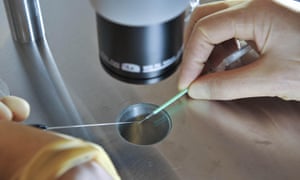


A scientist at work during an IVF process.


A scientist at work during an IVF process. Photograph: Ben Birchall/PA

Easy pickings: the future of designer babies


The simplest and surest way to “design” a baby is not to construct its genome by pick’n’mix gene editing but to produce a huge number of embryos and read their genomes to find the one that most closely matches your desires.


Two technological advances are needed for this to happen, says bioethicist Henry Greely of Stanford University in California. The production of embryos for IVF must become easier, more abundant and less unpleasant. And gene sequencing must be fast and cheap enough to reveal the traits an embryo will have. Put them together and you have “Easy PGD” (preimplantation genetic diagnosis): a cheap and painless way of generating large numbers of human embryos and then screening their entire genomes for desired characteristics.


“To get much broader use of PGD, you need a better way to get eggs,” Greely says. “The more eggs you can get, the more attractive PGD becomes.” One possibility is a one-off medical intervention that extracts a slice of a woman’s ovary and freezes it for future ripening and harvesting of eggs. It sounds drastic, but would not be much worse than current egg-extraction and embryo-implantation methods. And it could give access to thousands of eggs for future use.


An even more dramatic approach would be to grow eggs from stem cells – the cells from which all other tissue types can be derived. Some stem cells are present in umbilical blood, which could be harvested at a person’s birth and frozen for later use to grow organs – or eggs.


Even mature cells that have advanced beyond the stem-cell stage and become specific tissue types can be returned to a stem-cell-like state by treating them with biological molecules called growth factors. Last October, a team in Japan reported that they had made mouse eggs this way from skin cells, and fertilised them to create apparently healthy and fertile mouse pups.


Thanks to technological advances, the cost of human whole-genome sequencing has plummeted. In 2009 it cost around $ 50,000; today it is most like $ 1,500, which is why several private companies can now offer this service. In a few decades it could cost just a few dollars per genome. Then it becomes feasible to think of PGD for hundreds of embryos at a time.


“The science for safe and effective Easy PGD is likely to exist some time in the next 20 to 40 years,” says Greely. He thinks it will then become common for children to be conceived through IVF using selected genomes. He forecasts that this will lead to “the coming obsolescence of sex” for procreation.


Designer babies: an ethical horror waiting to happen?

31 Ağustos 2016 Çarşamba

The designer loo revolutionising Madagascar"s toilet crisis

American design student Virginia Gardiner did not expect to end up finding her muse in a toilet, or find power and profit out of poo.


She also did not expect to find herself and the waterless toilet she designed for wasteful westerners (originally it was embraced by posh festivalgoers), on the island of Madagascar, piloting a system that turns faecal waste into biogas.


“I didn’t even know about the global sanitation crisis,” says Gardiner, who founded the London-based company Loowatt in 2008. “I wanted to turn the idea of a flushed toilet on its head and say that there should be a waterless toilet that turns shit into a commodity.”


Loowatt’s system of an odourless, waterless and contactless toilet, involves a biodegradable liner that wraps human waste and is pulled into a cartridge with the foot pedal. The cartridges are either emptied into micro-scale digesters on site, or into larger digesters at plants. Then the waste and liners are turned into biogas to power electric lights, batteries or gas cookers, or are turned into organic fertiliser.


The model impressed judges at RELX Group Environmental Challenge which awarded LooWatt the first prize, and $ 50,000, in the competition for the world’s best sustainable water and sanitation projects that was announced this week at SIWI World Water Week.


The UN estimates that around 2.5 billion people in the developing world don’t have access to a toilet and Madagascar is the fourth-worst place in the world to find one.


Loowatt was drawn into the field of development in 2011. One of its first investors was living in Madagascar’s hilly capital Antananarivo and invited Gardiner to see the state of sanitation there, starting with the low-lying neighbourhoods where most waste washes up.


“Everywhere you look, you just see faeces,” she recalls. “You can’t look around for more than a few seconds without seeing evidence of faecal contamination, children playing around it and leafy vegetables growing in or around cesspools.”


The problem, especially in a city where the water table is only a few feet below the earth, comes from pit latrines being flooded by rains, or people in crowded areas being forced to dump on their own doorstep.


“People, especially women and children, don’t like to leave the house at night so they use buckets, and very often you’ll see people emptying them into the canals as there’s just nowhere else to put it,” says Gardiner. Mothers are terrified of their children drowning in metres-deep slime pits when wooden latrine platforms rot and give way.


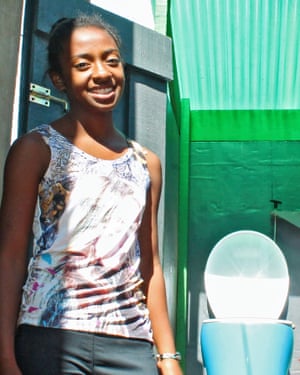
A customer of the first LooWatt model in Antananarivo’, Madagascar.


A customer of the first LooWatt model in Antananarivo’, Madagascar. The toilet is named ‘Tsiky’, which is Malagasy for ‘smile’. Photograph: Art’dyh/LooWatt

Only half of the capital’s residents have access to water and three-quarters have to rely on latrines that are “a ticking time-bomb when it comes to fecal pathogens”, Gardiner says. She explains that as a latrine is a hole in the ground, flies can go in an out and then might land on food. This has caused diarrhoea-related diseases that have stunted more than half the island’s children due to malnutrition.


Even if Antananarivo’s residents were conscientious about where they dumped their waste, the city of two million people has no working wastewater plant. “Ninety-eight percent of those latrines are emptied by unregulated service providers, so basically the faecal sludge is being dumped all over the city or in rivers just outside,” says Gardiner.


In 2012, with pilot funding from the Bill & Melinda Gates Foundation, Loowatt launched its first model in Madagascar named Tsiky, which is Malagasy for “smile”. It launched in Antananarivo’s worst neighbourhoods to see whether it could tackle a problem that charities have found hard to fix.


“Latrines have been considered the toilet for Africa by NGOs,” says Gardiner. “But they become vectors of disease upon emptying or flooding.”


Loowatt has installed 70 toilets in the capital and will complete its pilot of 100 by the end of the year. “Our hope is that the Madagascar business can create a strong data set to support how the business can scale globally, in Madagascar, but also in cities all over the developing world,” says Gardiner.


Customers are pleased that they can ‘make money off this shit’ by generating power for the community


Loowatt calculates its success on how frequently people buy cartridge refills that cost roughly $ 1.10 and should last a week. Despite 92% of Madagascar’s population living below the poverty line , Loowatt has 90% repeat weekly purchases.


Customers say that they “don’t hesitate” to use the toilet and don’t worry about their children using it. Others are pleased that they can “make money off this shit” by generating power for the community.


Gardiner says that there is demand for their toilets all over sub-Saharan Africa and parts of Asia, and that requests from events or wedding organisers, once limited to the UK, have now hit Madagascar.


In Madagascar a small office manages everything from printing 3D parts and importing others, to finding local waste collectors, treatment centres and businesses that would use its electricity. Loowatt is looking for the right partners and funding to scale up the business next year.


Gardiner sees this work as the next step in proving that Africa and the rest of the developing world is ready for, and deserves, better basic services for people’s most intimate ritual. “It’s about changing the mentality away from thinking that basic, rudimentary technology is going to be good enough.” And as for the dangerous, disease-ridden and sometimes deadly latrines “the view of them is changing,” says Gardiner. “People see that maybe these are not good enough.”


Join our community of development professionals and humanitarians. Follow @GuardianGDP on Twitter, and have your say on issues around water in development using #H2Oideas.


The designer loo revolutionising Madagascar"s toilet crisis

8 Ağustos 2014 Cuma

How She Did It: Launching a Charity that Gives Designer Clothing to Cancer Patients

Bethany Heinrich, Executive Director and Co-Founder of the vogue-oriented cancer charity Fantastic &amp Fighting, has constantly had an entrepreneurial and inventive spirit. A graduate of the University of Michigan and Juilliard, she has had the opportunity to operate on and off-Broadway, in media at WNET, associate generate an award-winning documentary, and is now spearheading the creation of a charity whose mission is collaborating with the style sector to offer donated new clothes and accessories to cancer individuals. The charity focuses on empowering individuals with the beauty and self-self-assurance to keep a positive outlook in the course of remedy, as nicely as alleviating some of the financial burden related with the disease.


Bethany came together with co-founders Susan Goodwillie and Erick Herrscher, excellent pals who all met although doing work at Williamstown Theatre Festival in 2008, precisely one yr ago this month to start the organization that is already creating a powerful amount of buzz in the style planet.


Fabulous &amp Fighting


The charity will gather donated goods from fashion homes and distribute the products at least twice a 12 months to sufferers in need to have at partnering NYC hospitals. Temporary pop-up retailers will be staffed by volunteers who will support patients to pick comfortable but trendy things.


I had the chance to sit down with Bethany Heinrich to examine the method of creating a nonprofit and to find out far more about its official launch, sponsored by Dolce Vita, on September 3rd in Soho to aid kickoff Vogue Week.


Tiffany Pham: What inspired your decision to start off a nonprofit charity?


Bethany Heinrich: Effectively, I believe subconsciously I have usually been looking for a way to contribute to the fight towards cancer. I misplaced a brother named Joshua to the illness when I was 1 and so it was some thing I was really mindful of all all through childhood. Last summer time although was the greatest trigger for me when my mom was diagnosed with lymphoma (she is now in remission). Whilst house in Texas assisting her begin therapy, we visited the American Cancer Society American Cancer Society to select out her totally free wig in planning for one particular of the side results of chemotherapy. This act of generosity gave me a newfound respect for the hair and cosmetic industries, and it made me very curious as to no matter whether the style sector was carrying out the same since there was a clear need to have given the excess weight fluctuations that can happen with treatment. In addition, the side effects of treatment method can really have an effect on one’s self-picture and I imagined the trend market has the possibility to play a enormous function in assisting lift patients’ spirits by means of the basic gift of a new outfit. From the starting, I knew the organization I wanted to create may not be in a position to modify the prognosis for the sufferers served, but it could assist generate constructive, uplifting moments that would mean a good deal to individuals and their households.


So following undertaking a thorough amount of research when I came back to New York and finding out nothing like it was yet in existence, I decided to invest my time in generating Fabulous &amp Fighting when outdoors of work. I have to admit that in the course of these very first months back, I was dealing with a good deal of anger at the scenario with my mom, and to flip all that damaging power into something constructive was a huge element for me in launching this organization. My hope is that this will inspire others who are going by means of hard moments to turn that pain into some thing great. I have actually come to accept that in existence we are not able to always handle the cards we are dealt, but we can select how we react to conditions.


Caption: Bethany Heinrich explains the advancement of her charity.


Pham: What was your program of action after you decided to launch your personal charity?


Heinrich: My first phase was to lay out my vision for the organization on paper and to locate co-founders who I genuinely respected. Erick and Susan are incredible friends, but also exceptionally intelligent, ambitious and generous folks, so I knew they were the proper colleagues for this endeavor. The up coming phase was to produce a pitch deck and to go to my mentors to obtain their advice on how to logically turn this notion into a actuality. Another crucial aspect was to discover a wonderful legal group, and I was very fortunate to have been launched to Jason Miller at Blank Rome LLP. Jason and his team have been beyond outstanding in guiding us through the procedure of developing a nonprofit and making sure we prevented potential pitfalls. In addition, our artwork director Rosalind Roongseang has been invaluable to the process in terms of producing confident we have an on-line presence of the highest quality.


With a strong group and enterprise prepare in place, I then made it a level to network as a lot as feasible, which thankfully is anything I actually take pleasure in.  I would set up numerous meetings after function and pitch the notion to hospitals and trend homes, which have been two places the place I did not previously have strong connections, so it took different techniques to figure out how we were going to pave our way into these industries.


The next step was to have our very first distribution occasion. The occasion is taking place on August 15th for a modest group of patients, and we will be providing away clothes that has been graciously donated by our sponsor Candela.


An additional big event coming up is our launch get together on September threerd down in Soho. Our main sponsor Dolce Vita has been unbelievably generous in delivering support, and my team and I are thrilled that they are hosting the event at their lovely showroom in The Puck Building. It is shaping up beautifully and we are very fortunate to have discovered amazing sponsors from a wide array of industries, such as MOGUL, an award-winning platform for ladies worldwide The Hedaya Capital Group, a factoring and trade finance company found in New York City and Barça, the wonderful new tapas restaurant in Nolita.


Pham: What have been some of the individual and skilled problems you faced in the procedure of turning into entrepreneurs in the nonprofit area?


How She Did It: Launching a Charity that Gives Designer Clothing to Cancer Patients

7 Nisan 2014 Pazartesi

Commence-up supplying DNA screening of "hypothetical babies" raises fears more than designer children

Two days right after Anne Morriss took her newborn son home from hospital, she acquired a bone-chilling phone contact. The stranger on the end of the line asked her no matter whether she was certain her baby was still alive. Rushing to the up coming room, she was relieved to find the little one was fine, but the get in touch with was from a Massachusetts state physician who told her that a regimen scan had revealed her baby had been born with a rare and frequently fatal genetic condition.


The issue, MCAD deficiency, is triggered by mutations in a gene involved in fat metabolic process. Some babies born with a severe model of the illness do not live for more than fortnight since their bodies can not derive vitality from body fat by regular methods when their sugar shops run out. An infant with MCADD (Medium-chain acyl-CoA dehydrogenase) can simply sleep beyond the sum of sugar in his or her entire body, without having an productive way of converting unwanted fat into vitality to maintain the brain alive, says Morriss.


“That first year was a blur of anxious, sleepless nights. I concerned that he was not going to wake up in the morning. I worried when he was sick with a cold and didn’t want to eat,” Morriss recalls. But simply because the situation was picked up so early, Alec now has as excellent a chance as any youngster to reside a long and healthier lifestyle.


That was six years in the past. But for Morriss those early days had been the commence of anything bigger. When she looked into it, she found that her son had inherited the problem as a outcome of a coincidence. MCADD impacts 1 in 17,000 people in the US, but the sperm donor that she and her spouse had chosen, using a sperm financial institution, had, unknowingly, been the carrier of this unusual genetic mutation. And so had she.


Conditions like MCADD may well be uncommon, but there are several of them and taken with each other they impact millions of folks. Now Morriss has come up with a way to minimise the possibilities of other dad and mom getting to go by means of the agony that she seasoned.


Along with her company partner Lee Silver, a scientist at Princeton University, she is about to launch a firm referred to as Genepeeks that employs the DNA of sperm donors and recipients to generate “virtual babies”. These in-silica offspring can then be screened for hundreds of genetic illnesses, before ruling out donors who could pose a risk. In the future, the staff hopes to make the technologies offered to any couple making an attempt to conceive.


The new technological innovation – which they get in touch with Matchright – could be a gamechanger in reproductive overall health technological innovation, enabling potential mother and father to make much more detailed analyses of illness chance than ever before, with no even needing a actual pregnancy from which to extract DNA. But it will also let them an unprecedented glimpse at what their future offspring may possibly be like and could theoretically be utilised to display for other qualities and traits besides conditions. Falling outdoors regulations typically used to deal with embryo testing and screening, the new technology raises important ethical questions about privacy, companion choice and the part that computing will come to perform in reproduction. “We are getting into a complete new era,” says Ronald Green, a bioethicist at Dartmouth University in the US, “an era the place biology turns into info.”


Logging on to the web to seem for donor sperm can be eerily comparable to carrying out the weekly meals store. A couple of mouse clicks on the London Sperm Bank website, say, brings up donor 1015. He is mixed race, has blue eyes and dark hair, a BA in theology and is a Christian. The “much more info” tab reveals him to be properly travelled, worldly, with a gift for carpentry. After you have made your choice, merely click “include to cart” and proceed to check out out.


But whilst you can chose height, eye colour, religion, schooling, no matter whether they have freckles and even which Television series they like, when it comes to a donor’s medical information, there tends to be tiny to go on. Blood sort is regular and many websites also provide a report in the kind of a questionnaire about the health care historical past of the donor’s family. How dependable these are is unclear, nonetheless – most of us would probably have scant information about the medical conditions of our own dad and mom, allow alone grandparents, cousins and so on. The volume of genetic testing of donors varies but the clinics have a tendency to display for a handful of circumstances – cystic fibrosis, for instance. “The tests with the most breadth go up to about a hundred [ailments],” Morriss says.


But component of the dilemma is that it is not all about the donor – it also has to do with the recipient’s genome. There are hundreds of uncommon heritable ailments but the amount of men and women impacted is comparatively tiny – only 4% of the population is born with genetic illnesses induced by mutations in single genes (rather than currently being impacted by a amount of genes, this kind of as breast cancer) and, simply because the amount of individuals affected is small, there are far fewer therapies. A single in three children with rare conditions will not make it to their fifth birthday.


Several of these conditions – including MCAD deficiency – are mentioned to be recessive, which indicates that a man or woman will be affected by it if they inherit two faulty copies of the gene, 1 from every parent. People who have only 1 faulty copy will not have any manifestation of the problem and are unlikely to know they are a carrier – as was the situation with Morriss. If two folks who are carriers reproduce, they have a 1 in 4 opportunity of the child getting born with that problem. “Recessive condition chance is not probably to show up on a medical background,” says Morriss. “No a single in my family members had ever had MCAD deficiency. I was a silent carrier for the ailment, and we took place to select a donor who was a silent carrier.”


It was poor luck. But it manufactured her wonder if anything at all could be carried out and she began to educate herself about genetics via books and posts. In the meantime, Lee Silver, a molecular biologist at Princeton, had been doing work for much more than 3 decades in reproduction and improvement, initial with mice, then with people. With the explosion in the field of human genetics in the final decade, along with pc power and computational tools, and a more rapidly, less expensive generation of gene sequencing technologies, Silver was beginning to apply the rules he had been learning in mice to humans. At the very same time Morriss was digging into the genetics behind her son’s condition, Silver was, in 2008, starting to realise how his function “could be put together in a really valuable way – [applied to] sperm banking institutions and that we could predict the risk for specific ailments in the hypothetical offspring of two folks”.


When Morriss and Silver have been introduced by a mutual good friend in New York, they right away found their common ground and came up with the idea of Genepeeks. While Silver is the science behind the organization, Morriss provides the enterprise side – and the layman’s touch.


In her phrases, “the engineering simulates the genetics of reproduction and we literally make digital sperm and eggs and place them together to make digital babies. We then look at the disease danger that’s displaying up in individuals future kids.”


The company then uses this to give customers their personal individual catalogue of sperm donors – “the consumer comes in and we make a bunch of digital babies with each single donor in our network and then we filter out all the donor matches where there is an elevated danger of disease”.


The consumer, as a result, never will get a “test outcome” based mostly on their genes or those of the donors, but a record of appropriate matches. On regular, the technique guidelines out in between 10% and 15% of donors, which displays that it is conservative, taking into consideration that only four% of the population is born with these rare illnesses.


Morriss tends to make it sound easy but for the engineering to function it wants to pull off a couple of incredible tricks. For a start, it is not as easy as producing a single digital sperm and an egg based on the mother and father and placing them together. When an egg and a sperm fuse in genuine existence, they swap a bunch of DNA – a procedure called recombination – which is part of the reason why every single child (bar identical twins) is various. To recreate this process, the software needs to be run ten,000 instances for each person potential donor. They can then see the percentage of these offspring that are affected by the condition.


The Matchright program screens for far more than 600 recessive paediatric situations, says Morriss, compared with the small amount typically tested for in sperm donors. She says that it is the first time in human background that these further illnesses can commence to be prevented. Collectively, the diseases screened for account for about 20% of infant mortalities and 18% of paediatric hospitalisations.


It is usually stated that if two people are the two carriers for a recessive disease they have a one particular in 4 possibility of passing it on to every kid. But Silver says even the easiest diseases are a lot more complex disease and its severity depends on the combination of the two mutated versions. His technique can model people subtleties, even although it will rule out any donor who conveys even the slightest danger.


Anne Morriss plus Alec Anne Morriss and Alec at property in Cambridge, Mass. Photograph: Steve Schofield for the Observer


To do this, the software program pulls in data from publicly offered databases that list acknowledged mutations for these diseases – at the moment a lot more than eight million mutations – and looks for all of them, in each and every digital embryo. Get cystic fibrosis, says Silver. There are 196 mutations recognized to affect the cystic fibrosis gene, CFTR. Matchright’s check would look at all of them.


But the attractiveness of the new technologies, says Silver, is that it also incorporates software program that allows him to detect mutations that have never ever been implicated prior to and function out if qthey would be most likely to lead to enough protein damage – due to the fact genes are the code for constructing proteins – to cause the ailment. Going back to cystic fibrosis: “In addition to people 196 mutations, there are another six,800 bases [components of the gene] that could be mutated, so we would have to analyse how risky they are if we located a particular person with any of those mutations.”


The technique will provide the most comprehensive genetic evaluation to date of the potential chance of illness in a newborn, without even needing to fertilise a single egg. It gives people more confidence about disease danger, says Green, who is not involved in the perform: “If an individual I care for was in the industry for donor sperm I may encourage them to use this technological innovation,” he says.


The whole system relies on the fact that study into mutations that result in genetic ailments are made publicly accessible. If new, peer-reviewed research demonstrates that a new mutation might be involved, it will be extra to the listing that are screened for. “If there wasn’t this throughout the world neighborhood of public data sources, our firm couldn’t exist,” Silver says.


Due to the fact this data feeds his technologies, it also indicates that the much more we realize about genetics, the far more comprehensive his analyses can become. At the moment, Genepeeks focuses on genetic conditions from single genes, even if they can be brought on by tons of types of mutations to that gene. But, says Silver, “we want our program to be prepared for much more complex ailments”.


Get diabetes or heart ailment, for illustration. These are complicated conditions where there are many genes and environmental influences involved. “It really is a great deal much more challenging,” says Silver. “That is what we’re operating towards. The genetic databases are not enough yet to do that, but we want to be in a place that when the information is obtainable, we can jump on that.”


The concept that their engineering may well one particular day be used to display for a lot more complex traits does not sit nicely with everyone. Morriss’s study has discovered that many sperm donor recipients want children who look like them. Green says that in the long term he would not be amazed to see the listing of traits individuals pick with the support “go over from evident damaging mutations, then hair colour, eye colour, athletic ability, skin colour”, whose genetic influences we are starting to realize.


Such an notion is not fully new. Final year, a genetics startup, 23andMe, was granted a patent for what it calls its “loved ones inheritance trait calculator” – a instrument it bills as an engaging “way for you and your spouse to see what variety of traits your child may possibly inherit from you … and is utilized by our clients as a entertaining way to search at this kind of things as what eye colour their youngster may have or if their child will be in a position to perceive bitter taste or be lactose intolerant. The tool gives individuals an satisfying way to dip their toes into genetics.”


Nevertheless, when the patent was granted, there was a enormous backlash, both in the media and from organisations dealing with reproductive issues in the US. For instance, in a press statement offered by the Centre for Genetics and Society in the US, director Marcy Darnovsky said: “It would be very irresponsible for 23andMe or any person else to supply a item or service based on this patent. It quantities to shopping for designer donors in an work to produce designer infants. We feel the patent office manufactured a severe blunder in enabling a patent that consists of drop-down menus from which to decide on a future child’s traits.” At some point, 23andMe stated that it would not use its inheritance calculator in fertility remedies.


The Genepeeks technological innovation is firmly based in healthcare applications for now, but which is not reflected in the patent, which contains a thoughts-boggling record of traits that have some component of genetic heritability – however small a element it plays. The record involves complicated illnesses such as cancers, stroke and asthma down to memory, hip circumference, BMI, nicotine dependence and eye and skin pigmentation. “The patent covers any disease or trait that has a genetic influence,” Silver says. Thomas Murray, president emeritus of the Hastings Centre for bioethics analysis in the US, agrees that the listing of traits on the patent goes way beyond medical traits, much in the identical way the 23andMe patent does.


Simply because there is no embryo concerned, Murray says these technologies distil the query into its purest kind: “How much parental discretion is sensible and good in choosing the traits in the offspring?”


Morriss says they are asked a great deal if they are “in the designer baby company”, but dismisses the question since folks do not say they want the excellent child. “We hear, I want a wholesome child, and I want them to maybe appear like me.”


At the same time, even though, the patent also consists of a description of how “identical intercourse and infertile couples will be able to simulate the genomic profile of their ‘own’ purely hypothetical youngster and match this profile to the ones designed almost with the selected donors”.


Some may well argue that it truly is normal for men and women, especially those making use of donor companies, to want their child to appear like them, but for others the concept of taking the randomness out of the approach, of deciding on a child based mostly on physical appearance, is creepy or downright incorrect.


These subjects have been hotly debated in the previous, in particular in the course of the 1990s surrounding the use of preimplantation genetic diagnosis (PGD), which tends to be used by couples acknowledged to be a substantial danger of genetic ailment, letting them fertilise a number of eggs in vitro and pick the most viableone. That discussion was embedded with troubles above the ethics of fertilising eggs only to discard them and what constitutes a existence. This technology bypasses individuals concerns, but has some of its own.


What is much more, it also bypasses the regulation that was put in place by organisations this kind of as the Human Fertilisation and Embryology Authority (HFEA) in the United kingdom to regulate these sorts of practices. “If tests are carried out digitally, with out an real embryo being created, then this variety of testing would not be classed as embryo testing underneath the terms of the HFE Act 1990 (as amended), and would not be regulated as embryo testing by the HFEA. But presumably it will be subject to other types of regulation and validation,” a spokesperson for the organisation said.


Green says the notion of couples using this technologies to choose for superficial traits is not one thing that keeps him awake at evening. “Men and women have been producing genetic alternatives on superficial details since the 1st individual met one more in a bar. This just adds a technical level to it.”


What he is concerned about is what Morriss and Silver prepare up coming – to move the technological innovation from 1 that assists sperm bank consumers to any couple considering about possessing a youngster.


While Morriss sees this as advantageous – potential couples could verify out the probability of their getting a child with a genetic illness, make a selection based mostly on that, and potentially do something about it, for instance deal with it early, as was the situation with her son, or turn to PGD for peace of mind. “It’s a actually strong insight for anybody pondering about bringing a kid into the world,” she says.


But Green points out it would take only a strand of a lover’s hair to be ready to go off and get a detailed glimpse of your long term kids. “In addition to liking someone, you will run a genetic test on them, with or with no consent. Are we going to enable folks to be examined without their consent?”


Genepeeks is now working with two sperm banks – Manhattan CryoBank and Seattle Sperm Financial institution (also acknowledged as European Sperm Bank USA). The support will be provided at a fee of $ 1,995. New donors actively consent to participate in the programme. In the situation of Manhattan Cryobank, individuals donors previously on the books have been notified of the programme and provided the option to inquire questions and opt out. Consenting to some genetic screening is currently part of the donor qualification approach, though it’s usually limited to just a handful of situations.


The official US launch is in mid-April and then the group plans to expand it internationally. “Our strategy is to function with worldwide customers on a country by country basis, but we’ll want to figure out the laws as we go, so we do not trip above anything at all,” says Morriss.


As for the ethical troubles, Morriss does not deny they are there, but believes in opening up the discussion “past the self-appointed ethicists”. “I think everyone should be involved – the public and the scientists and the regulators.”


And, of course, the organizations. “We will not want to be in the best child company. And for the most part nor do the folks out there who want to be mother and father.”


designer babies


Commence-up supplying DNA screening of "hypothetical babies" raises fears more than designer children