suicide etiketine sahip kayıtlar gösteriliyor. Tüm kayıtları göster

10 Mayıs 2017 Çarşamba

Male suicide: ‘Gender should not be a death sentence’

We take a two-fold approach to changing and saving lives: firstly providing support for men who are down or in crisis, and secondly campaigning for culture change to tackle outdated stereotypes of masculinity that prevent men seeking help.


We do this in the face of a problem that is deeply entrenched. Many men feel forced to stoically “man up” (whatever that means) and grind through bad times without societal permission to open up or seek help. Calm’s research shows that while 67% of women tell someone about going through depression, only 55% of men do the same.


The result? Men are three times more likely than women to take their own lives and suicide is the single biggest killer of men aged between 20 and 49 – something the Duke of Cambridge describes as “an appalling stain on our society”.


But the tide is turning. Since Calm was founded 10 years ago, awareness of male suicide has trebled. Definitively, men are talking more. Calm alone has taken 200,000 helpline calls to date, and prevented more than 1,000 suicides.


The work of organisations and campaigns such as Lift The Weight and the royals’ mental health campaign Heads Together (Calm is a partner charity of the latter) – is a massive step forward. Historically, the alpha-male archetype has had no time for conversations about emotions but, in recent weeks, this has been dismissed by men such as Stormzy, Rio Ferdinand, and Calm’s patron Professor Green – strong, famous, tough men explaining how communication has, in some way, saved their lives.


There is still much work to be done. The emphasis now is to move beyond the rallying cry to open up. We must better equip ourselves, our mates, our workplaces, schools and health services to support those who need it. And we start by building a generation who believe that society’s ideas of your gender should not be a death sentence.


In the UK, the Samaritans can be contacted on 116 123.
In the US, the National Suicide Prevention Hotline is 1-800-273-8255.

In Australia, the crisis support service Lifeline is on 13 11 14.


Male suicide: ‘Gender should not be a death sentence’

21 Nisan 2017 Cuma

Netflix show condemned for "romanticising" teenager"s suicide

Mental health groups have criticised a new Netflix drama for its “sensationalised” portrayal of a 17-year-old’s suicide, which they say could encourage young people to take their own lives.


The Samaritans, psychiatrists, and mental health campaigners claim 13 Reasons Why could prompt troubled young people to copy the suicide of its central character, Hannah Baker.


“We have a responsibility to protect children and teenagers,” said Dr Helen Rayner, a psychiatrist specialising in children and adolescent mental health who is also a spokeswoman for the Royal College of Psychiatrists. “Dramatic and detailed portrayals of suicide needlessly put vulnerable young people at risk of copycat behaviour as they see how to carry out harmful or potentially fatal acts.


“Graphic depictions of suicide may only influence a small number of viewers, but the consequences can be tragic.”


Ged Flynn, the chief executive of Papyrus, a charity that seeks to prevent suicide among young people, said parents and young people viewing the series should “be aware that when watching this programme there is a danger that suicide is romanticised and sensationalised”.


The US-set series aimed at young people is based on a novel of the same name by Jay Asher. Selena Gomez, the actor and singer, is among its executive producers. Its 13 episodes depict 13 friends of Hannah listening to a tape she made for each of them explaining the difficulties she faced that prompted her to kill herself.


Dylan Minnette and Katherine Langford in episode two of 13 Reasons Why.


Dylan Minnette and Katherine Langford in episode two of 13 Reasons Why. Photograph: Beth Dubber/Netflix

Sarah Hulyer, a mental health campaigner, said the show’s portrayal of Baker’s plight was irresponsible.


“Mental ill-health and suicide isn’t pretty and while we need to admit that, we also have a duty to look out for the wellbeing of our younger generations and not encourage unhealthy behaviours. By graphically depicting the protagonist’s suicide method, they’re not helping vulnerable young people; they’re encouraging them,” said Hulyer.


“[13 Reason’s Why’s] creators claimed they were hoping to ‘help’ people struggling with the issues shown in the show, but it’s a storyline that is about revenge suicide, demonises counsellors and includes none of the characters reaching out for help and receiving it, it’s not clear exactly what they think ‘helping’ is,” she added.


While she acknowledged that the show has helped thousands of young people think about the lasting impact of suicide, Hulyer asked: “Does a show that depicts a young girl who uses her own death to inflict pain upon others really deserve to be put on a pedestal?”


The number of suicides in the UK among 10 to 14-year-olds has risen from four in 2010 to 10 in 2015, and among those aged 15-19 from 166 to 221 over the same period, according to the Office of National Statistics.


The Samaritans said 13 Reasons Why exposed failings in the UK’s media regulation. “It is extremely concerning that a drama series aimed at young audiences can be produced outside of the UK and made available to UK audiences and yet not subject to UK media regulation. This is simply not acceptable and creates a barrier to protecting our young audiences i the UK,” said Lorna Fraser, a Samaritans media adviser.


The show’s writer, Nic Sheff – who has been open about his own suicide attempt – said he wanted to jolt viewers and make them realise how awful suicide is.


“When it came time to discuss the portrayal of the protagonist’s suicide in 13 Reasons Why, I of course imediately flashed on my own experience. It seemed to me the perfect opportunity to show what an actual suicide really looks like – to dispel the myth of the quiet drifting off, and to make viewers face the reality of what happens when you jump from a burning building into something much, much worse,” he wrote in a blog for Vanity Fair.


“It overwhelmingly seems to me that the most irresponsible thing we could’ve done would have been not to show the death at all,” Sheff said.


In the UK, the Samaritans can be contacted on 116 123. Papyrus are contactable on 0800 068 41 41 or by texting 07786 209 697 or emailing pat@papyrus-uk.org. In the US, the National Suicide Prevention Hotline is 1-800-273-8255. In Australia, the crisis support service Lifeline is on 13 11 14. Hotlines in other countries can be found here.


Netflix show condemned for "romanticising" teenager"s suicide

17 Nisan 2017 Pazartesi

Prince William: suicide callout shed light on men"s mental health

The Duke of Cambridge has spoken of his shock at being called out to his first suicide as an air ambulance pilot in a joint interview with his brother, Prince Harry, on tackling masculinity and mental health issues.


Prince William said the “tipping point” for him in understanding how men struggle to deal with mental health problems came with his work with the East Anglian air ambulance.


“My first callout was to a male suicide and I was told there were five suicides or attempted suicides every day in East Anglia alone. When I looked into it I was shocked by how bad this situation is – suicide is the biggest killer of men under 45 in the UK – which is absolutely appalling.”


He praised grime star Stormzy, sportsmen Rio Ferdinand and Freddie Flintoff, and rapper Professor Green for publicly talking about pressures on their mental health.


The interview with the princes is part of a campaign to encourage better communication about mental health issues. It follows Harry’s revelations that he sought counselling after coming close to a breakdown over the death of his mother and had two years of “total chaos” that led him to process his grief.


The interview, with CALMzine, published by the Campaign Against Living Miserably, is for a special edition before the London Marathon, during which the princes and the Duchess of Cambridge will cheer on runners taking part for their mental health campaign, Heads Together, which is the charity of the year for the marathon.


Talking about how men often feel it was a sign of weakness to discuss their mental health, William said: “There may be a time and a place for the stiff upper lip, but not at the expense of your health. The recent interview by Stormzy about his depression was incredibly powerful and will help young men feel that it’s a sign of strength to talk about and look after your mind as well as your body.


He said he hoped subsequent generations would find it more normal to talk about their emotions. “Catherine and I are clear that we want both George and Charlotte to grow up feeling able to talk about their emotions and feelings.”


Harry, who served two tours of Afghanistan with the army and who actively campaigned to raise awareness of mental health issues within the military, believed progress was being made.


“The military is a complex picture as on one hand there is an incredible sense of brotherhood and belonging between you and your mates,” he told the magazine. “You’ll do anything for each other – scrub each other’s boots, drag each other through the mud – anything.


Stormzy’s appearance on Channel 4 news to discuss his battle with depression has been described as ‘a game changer’.


Stormzy’s appearance on Channel 4 news to discuss his battle with depression has been described as ‘a game changer’. Photograph: Ian West/PA

“Yet, on the other hand, this support for each other hasn’t, up to now, included looking after how your buddy is feeling and thinking about things. When you’re serving you look after your physical health, your training, your equipment, but not your head.


“There’s definitely been a misplaced sense of pride has got in the way of the people in the military community talking about their mental health and getting help. It’s changing now and I’m proud that this is part of the Heads Together campaign.


“Hopefully, if men see soldiers talking about mental health, it will give them the confidence to do the same.”


In an interview with the Daily Telegraph published on Monday, the prince reflected on the impact of his mother’s death and the time it took him to process it. “[I thought] it’s only going to make you sad, it’s not going to bring her back,” he said. “So from an emotional side, I was like ‘right, don’t ever let your emotions be part of anything’. So I was a typical 20-, 25-, 28-year-old running around going ‘life is great’, or ‘life is fine’ and that was exactly it.


“And then [I] started to have a few conversations and actually all of a sudden, all of this grief that I have never processed started to come to the forefront and I was like, there is actually a lot of stuff here that I need to deal with.”


On 19 April, four days before the marathon, the duchess will host runners from Team Heads Together at Kensington Palace to talk about their reasons for running and wish them luck.


William will attend the screening of the BBC’s Mind Over Marathon documentary at the BBC Radio Theatre on 18 April, which follows 10 runners affected by mental health issues. The royal trio will open the Global Academy in support of Heads Together on 20 April.


  • In the UK, the Samaritans can be contacted on 116 123. In the US, the National Suicide Prevention Hotline is 1-800-273-8255. In Australia, the crisis support service Lifeline is on 13 11 14.


Prince William: suicide callout shed light on men"s mental health

2 Nisan 2017 Pazar

Cancer patients have 55% greater risk of suicide, study finds

Cancer patients have a 55% greater risk of suicide than people without the potentially deadly disease, according to preliminary research findings.


Previous research has found suicide rates to be higher than in the general population but a paper being presented at this week’s European Congress of Psychiatry in Florence, Italy is an attempt to quantify the size of the increased risk.


Co-author Dr Raffaella Calati from the department of emergency psychiatry and post-acute care at Lapeyronie hospital, Montpellier, described the results, derived by pooling data from 15 studies, as “extremely preliminary” but nevertheless significant.


“The key message that remains is that in the majority of the studies there is an increased risk,” she said. “We are quite sure the risk would be higher, although I cannot say the exact number.”


The analysis, which also looked at suicide attempts and suicidal thoughts, included studies published between 1983 and 2015 from Australia, Canada, China, Norway, South Korea, Sweden, the UK and the US.


Patients with cancer were found to have a 55% higher suicide rate compared with people without the disease. But the analysis revealed no increased risk of suicide attempts ( 8,147,762 participants) or suicidal thoughts (42,700 participants) in patients with cancer.


The authors are currently seeking to add more studies into the mix and, in their initial analysis, did not seek to rule out other external factors that might influence the results, hence their emphasis on it being preliminary.


They say: “The assessment of suicide risk in patients with cancer is crucial. We suggest there is a need in cancer patients to be screened and cared not only for anxiety and depression, but also specifically for those people with suicidal thoughts and a lifetime history of suicide attempts, in particular during the period immediately subsequent to the diagnosis of cancer.”


A 2014 study by Cancer Research UK and the Scottish government found that three-quarters of cancer patients who also have clinical depression were not receiving any treatment for depression.


As the analysis is ongoing, it has not yet been submitted to a medical journal for publication but to be accepted for the European Congress of Psychiatry it had to undergo a peer review process set out by the European Psychiatric Association.


  • In the UK, the Samaritans can be contacted on 116 123. In the US, the National Suicide Prevention Hotline is 1-800-273-8255. In Australia, the crisis support service Lifeline is on 13 11 14. Hotlines in other countries can be found here


Cancer patients have 55% greater risk of suicide, study finds

30 Mart 2017 Perşembe

Suicide rate among defence veterans far higher that for those currently serving

The rate of suicide among current serving Australian Defence Force members is much lower than the general population, but higher for those who have left the force, particularly if under 30 years of age.


The National Mental Health Commission says the reason for this phenomenon needs to be better understood, requiring further investigation.


It says the ADF must improve the preparation it gives personnel for life beyond the ADF, and then provide support services from the moment of discharge for the duration of post-service life.


The final report of the Commission’s review of the suicide and self-harm prevention services available to serving and ex-serving ADF members and their families was released on Thursday.


It relied on interviews with more than 3,200 serving and ex-serving ADF members, family members, and experts. It found current and former ADF personnel could access a range of suicide services, and a survey conducted for the review found 80% of current ADF members described their experience of those services as fair, good, very good or excellent.


But it heard a range of poor experiences of services, and feelings of cynicism, distrust, frustration, abandonment and loss, with many ADF members unaware that services existed, and barriers preventing some from accessing services.


According to the Australian Institute of Health and Welfare, the suicide rate among current serving ADF members is much lower than the general population.


When adjusting for age, when compared with all Australian men, it says the suicide rate is 53% lower for men serving in the ADF full time – a statistically significant difference.


But the suicide rate is 13% higher for men who have left the force.


The commission says this suggests the Australians recruited for military service may be at lower risk than the general population, and features of military service may also protect against the risk of suicide.


But it says more needs to be done to ensure suicide and self-harm is prevented among current and former ADF personnel.


Peggy Brown, chief executive of the National Mental Health Commission, said barriers still existed that prevented some ADF members from accessing suicide services, including stigma attached to mental health issues, the culture within the ADF, and the perception that seeking mental health treatment could have a negative impact on career progression.


“I guess what’s interesting about this is that, if that’s the reason why people are deferring seeking help then it’s more likely that their mental health state will actually deteriorate, and then it will actually impact on their career, rather than if they seek help early,” she said on Thursday.


Brown said the report identified no glaring gaps in services, but found the ADF and government ought to engage better with families.


The Commission has made 23 recommendations, including that the government specifically engage former members of the ADF aged 18–29 years, who have left the service in the last five years, and who could be at risk of suicide or self-harm.


It says further investigation is required to understand why ex-ADF members under 30 face a higher risk of suicide than the general population.


More support needs to be provided to families of current and former members, it says.


Dan Tehan, the minister for veterans’ affairs, said new data will be released later this year that provides greater insight into the welfare of current and former-ADF members.


Regarding suicide rates among current and ex-personnel, he said initial figures showed there was no correlation between those who had served overseas and those who had committed suicide.


“As a matter of fact, it shows those who have stayed here, the incidence is slightly higher,” he said. “But we really need to do a lot more work in this area, and that’s why we really are now beginning to drill down [into new data].”


Statistics from the Australian Institute of Health and Welfare


A recent study found 292 certified suicide deaths among serving and ex-serving personnel between 2001 and 2014.


The total included 84 suicide deaths in the serving full-time population, 66 in the reserve population and 142 in the ex-serving population.


Men accounted for more than nine in 10 suicide deaths (272 deaths, 93%) over that period, while women accounted for 20 deaths (7%).


Nearly three in five suicide deaths among serving and ex-serving personnel were of people aged 18–34 (170 deaths, 58%).


Of these, 66 deaths (23%) were among people aged 18–24; 58 (20%) were people aged 25–29; and 46 (16%) were aged 30–34.


  • For information and support in Australia call Lifeline on 13 11 14, Mensline on 1300 789 978 or Beyond Blue on 1300 22 4636


Suicide rate among defence veterans far higher that for those currently serving

17 Mart 2017 Cuma

Male construction workers at greatest risk of suicide, study finds

Men working in the construction industry and women employed in culture, media and sport, healthcare and primary school teaching are at the highest risk of suicide, official figures for England suggest.


The research, commissioned by Public Health England (PHE), found people in roles as managers, directors and senior officials – the highest paid occupation group – had the lowest risk of suicide.


The Office for National Statistics (ONS) looked at all 18,998 deaths of people aged 20 to 64 – a rate of about 12 deaths for every 100,000 people per year – who killed themselves in England between 2011 and 2015. Of these records, 13,232 had information on the deceased’s occupation.


Suicide is the leading cause of death for men under 50 and about four in five (10,688) deaths included in the analysis were among men.


The ONS found low-skilled male construction workers had the greatest risk, at 3.7 times above the national average.


Building finishing trades, including plasterers, painters and decorators, had a risk twice the national average and the risk for low-skilled workers in process plant operations was 2.6 times higher. The agricultural sector also carried an elevated risk for men, more than 1.5 times above the average for both low-skilled and high-skilled workers.


For women, the risk was elevated among those working in culture, media and sport occupations, at 0.69 times higher than the national average, compared with 0.2 times higher for men.


The risk of suicide among female health professionals was about a quarter higher than the national average, largely driven by suicides among nurses, and it was 0.42 times higher for primary and nursery school teachers, although lower than average for the teaching and education profession as a whole.


The risk among male and female carers was almost twice the national average but among corporate managers and directors the risk was more than two-thirds lower for both sexes.


The ONS said previous studies suggested an occupation may have a high risk because of low pay and job security and/or access to or knowledge of methods of suicide.


The Samaritans chief executive, Ruth Sutherland, said: “We spend a third of our lives at work and one fifth of us experience suicidal thoughts, so these resources are much needed. We shouldn’t stop there though – it is up to us to create a culture in our workplaces where people feel safe enough to talk about their feelings and get support if they need it.”


PHE said the research, published on Friday, will help build a better understanding of factors that influence suicide and help identify where inequalities exist among different groups.


The PHE chief executive, Duncan Selbie, said: “People who die from suicide are usually not in contact with health services, and often push through in silence as their ability to cope deteriorates. With more than two-thirds of adults in employment, the workplace offers an opportunity to reach people who need extra support.


“I urge all employers, large or small, public or private sector to treat mental health as seriously as physical health. Early action can stop any employees reaching a desperate stage. Simple actions can make a huge difference – talking with a manager or colleague can help people get the support they need, and ultimately save lives.”


PHE, Business in the Community and the Samaritans have published toolkits to help employers prevent and respond to suicides.


The ONS limited its analysis to occupations where there were 50 suicides or more so that relative mortality rates could be estimated more precisely.


  • In the UK, the Samaritans can be contacted on 116 123. In the US, the National Suicide Prevention Hotline is 1-800-273-8255. In Australia, the crisis support service Lifeline is on 13 11 14. Hotlines in other countries can be found here


Male construction workers at greatest risk of suicide, study finds

16 Mart 2017 Perşembe

TV dramas should not portray suicide methods, say MPs

Greater restrictions should be placed on the portrayal of suicide in TV dramas to prevent encouraging copycats, say MPs.


In a report on the government’s suicide prevention strategy, the House of Commons health select committee, chaired by the Conservative MP Dr Sarah Wollaston, raises fears that irresponsible media coverage has a damaging effect on vulnerable people.


The MPs say: “We recognise the need for programme makers to portray dramatic situations but we contend that this can be done without unnecessary and exact detail about a suicide method which could influence imitative behaviour. This is of particular concern where the method depicted is relatively uncommon and where scenes show suicide as being quick, easy and painless.”


Ofcom’s broadcasting code currently dictates that methods should not be included except where they are justified editorially and by the context. But in the report, published on Thursday, the committee says the wording is too weak.


The MPs recommend that the code “should be strengthened to ensure that detailed description or portrayal of suicide methods, including particular locations where suicide could be easily imitated, are not permissible”.


They also say more must be done to ensure the news media report suicide responsibility. The committee calls for the government to nominate an individual responsible for ensuring good practice in the media and also recommends strengthening the Independent Press Standards Organisation (Ipso) editors’ code of practice.


The editors’ code currently states that “excessive detail” should be avoided when reporting suicides. The MPs say this should be replaced with the term “unnecessary detail”, as recommended by the Samaritans, who say any mention of the method of suicide risks increasing public awareness of it.


The Samaritans chief executive, Ruth Sutherland, said: “We are pleased that our work with the media to ensure that the portrayal and coverage of suicide and attempted suicide is responsible has been acknowledged. We know that strengthening media codes of practice in this area will mean fewer people are put at risk because of irresponsible content.”


The report reiterates previous concerns raised by the committee about online content about suicide methods and urges the government to clearly state its expectations of social media companies with respect to such content and to monitor compliance.


It concludes that the government’s overall strategy on suicide prevention is “essentially sound” but says there may be gaps in implementation. The MPs say 95% of local authorities have a suicide prevention plan, but there is little or no information about the quality of those plans. It recommends local and national oversight of such plans.


There were 4,820 recorded suicides in England in 2015 but the committee suggests the true figure is likely to be higher. It says the standard of proof – beyond reasonable doubt – for findings of suicide in inquests leads to underestimating the number of people who kill themselves. Accordingly, it recommends that it should be changed to “the balance of probabilities”. Other recommendations include calling for the government to detail how different strands of the strategy will be funded and for health professionals to be trained to assess suicide risk.


The health secretary, Jeremy Hunt, said: “We agree with the committee that every death by suicide is a tragedy which has a devastating effect on families and communities.


“We are taking action to ensure we quality assure every local plan so they reach the most vulnerable people – and local authorities now are supported by record mental health funding, with big developments in the availability and quality of crisis care services as a result.”


  • In the UK, the Samaritans can be contacted on 116 123. In the US, the National Suicide Prevention Hotline is 1-800-273-8255. In Australia, the crisis support service Lifeline is on 13 11 14. Hotlines in other countries can be found here.


TV dramas should not portray suicide methods, say MPs

15 Mart 2017 Çarşamba

After my suicide crisis I set up a centre to give others a safety net | Joy Hibbins

It took just minutes for a deeply traumatic experience in March 2012 to fracture my life. I experienced such terror during those moments that I couldn’t sit with my back to a door for weeks. I was convinced that someone would come in and harm me. The event replayed constantly in my mind. I couldn’t escape. I was in the grip of severe post-traumatic stress disorder and within days I was at the point of suicide.


I called my out of hours GP and was referred to a mental health crisis and home treatment team, but I found it hard to connect with the number of different people involved in my care. Their methods were very practical. They would tell me to distract myself when I felt suicidal. But what I wanted was emotional support from a team who knew and understood me as an individual. The clinical distance of psychiatric staff left me feeling detached and alone


On a summer’s day in that year I started to picture in my mind what would have helped me: a suicide crisis centre. It would be a place I could visit every day. If I was at imminent risk of suicide, I could be supported there over a number of hours. The staff would be highly trained, skilled professionals – but they would also be kind, caring and empathic.


In the months that followed I worked tenaciously to make that picture a reality: focusing on setting up the crisis centre gave me a reason to live. There are now 25 of us working there, and we will soon be marking four years of providing services. A high proportion of our clients are men, and this is significant; nationally, three times (pdf) as many men die by suicide as women.


We never set out to achieve zero suicides. That would have been a massive pressure on all of us. We simply set out to do everything that we could for each individual to help them survive. We have never had a suicide of a client under our care.


One of our clients says he carries us in his pocket. He feels that we are always with him


We don’t just provide a static centre for people to visit when they are in crisis. If they are very distressed, they may not be able to get to us, so sometimes we need to go out to them. The combination of an accessible crisis centre, home visits and our emergency phone lines places a safety net around our clients.


The quality of the relationship is so important when you’re supporting someone at risk. We work hard to build a strong connection with our clients. It’s the reason they call our emergency line at 3am, when they might not have called another service. They get through to someone they know and that makes a difference. Clients often say they wouldn’t have called an anonymous service at that point.


If you build a strong connection with clients, it can “hold” them even when you are not with them. One of our clients says he carries us in his pocket. He feels that we are always with him.


I sometimes get asked how I cope with the emotional intensity of the work. Firstly, we get excellent support and supervision from senior staff who are available at very short notice. Secondly, I see such wonderful personal qualities in our clients and that’s a source of optimism. They will go out into the world and affect other people in a positive way. That gives me huge hope for the future.


When I started to talk about my plans back in 2012, people were sceptical. It seemed such an ambitious project for a person who had recently been in crisis. But I knew it had to be set up.


MPs on the Commons health select committee recently asked us to provide evidence about our suicide crisis centre for an inquiry into suicide prevention. Their final report has just been published.


We are contacted by people from all over the country who would like a similar centre in their area. I hope that will be possible. I know how much they are needed.


  • Joy Hibbins is founder and director of Suicide Crisis, which runs a suicide crisis centre in Cheltenham, Gloucestershire.

In the UK, the Samaritans can be contacted on 116 123. In the US, the National Suicide Prevention Hotline is 1-800-273-8255. In Australia, the crisis support service Lifeline is on 13 11 14. Hotlines in other countries can be found here.


Comments on this article will be switched on later. Comments on this article will be pre-moderated and will only be visible after being approved by a moderator.


The day I made a difference is the Guardian Voluntary Sector Network’s series that showcases the work of people involved with charities. If you have a story to share about a landmark moment in your life, email voluntarysectornetwork@theguardian.com.


Talk to us on Twitter via @Gdnvoluntary and join our community for your free fortnightly Guardian Voluntary Sector newsletter, with analysis and opinion sent direct to you on the first and third Thursday of the month.


After my suicide crisis I set up a centre to give others a safety net | Joy Hibbins

6 Mart 2017 Pazartesi

Strong link between disadvantage and suicide, says Samaritans

The state of the British economy, including low incomes, job insecurity, zero-hours contracts, unmanageable debts and poor housing, is putting people at increased risk of suicide, according to a report by the Samaritans.


The report, Dying from Inequality, says there is “overwhelming evidence of a strong link between socioeconomic disadvantage and suicidal behaviour”.


It says governments should place a stronger emphasis on suicide prevention as an inequality issue. It calls for national suicide prevention strategies to be targeted at the most vulnerable people and places, in order to reduce geographical inequalities in suicide.


Samaritans also calls on workplaces to put in place suicide preventions plans and provide better psychological support for employees experiencing job insecurity or affected by downsizing.


“Men in the lowest social class, living in the most deprived areas, are up to 10 times more at risk of suicide then those in the highest social class living in the most affluent areas,” the report says.


Recent research indicates middle-aged men are at higher suicide risk due to economic recession. Unemployed people are two to three times more likely to die by suicide than those with a job.


The least skilled occupations have higher rates of suicide, and a low level of educational attainment and no home ownership has been found to increase an individuals risk of suicide, the report says.


Suicide rates are two to three times higher in the most deprived neighbourhoods compared to the most affluent, and admissions to hospital after self-harm are two times higher.


Disadvantaged people are less likely to seek help for mental health problems and less likely to be referred by GPs to specialist mental health services after self-harm, the report says.


The Samaritans chief executive, Ruth Sutherland, said: “Living in poverty shouldn’t mean losing your life. Going through difficult times like losing your job or being in debt shouldn’t mean not wanting to live. But that is what’s happening in the UK and Ireland today. Suicide is killing the most disadvantaged and vulnerable people, devastating families and communities.”


Among the recommendations is better training of service staff in disadvantaged areas. “Government, public services, employers, service providers, communities, family and friends all have a role in making sure help is relevant and accessible when it matters most,” Sutherland said.


“Everyone can feel overwhelmed at times in their life. People at risk of suicide may have employers, or they may seek help at jobcentres or go to their GP. They may come into contact with national and local government agencies, perhaps on a daily basis. So, in the light of this report, we are asking key people and organisations from across society – for example, those working in housing, in businesses, medical staff, job centre managers – to all take action to make sure their service, their organisation, their community is doing all it can to promote mental health and prevent the tragedy of suicide.”


In the UK, the Samaritans can be contacted on 116 123. In the US, the National Suicide Prevention Hotline is 1-800-273-8255. In Australia, the crisis support service Lifeline is on 13 11 14. Hotlines in other countries can be found here.


Strong link between disadvantage and suicide, says Samaritans

27 Ocak 2017 Cuma

Donor pledges C$380,000 for suicide prevention in First Nations community

A private donor is being lauded by aboriginal leaders for stepping in “where the government of Canada has failed” after anonymously pledging C$ 380,000 to provide mental health workers for a suicide-stricken First Nations community in northern Ontario.


One week ago, Wapekeka First Nation – reeling from the recent suicides of Jolynn Winter and Chantel Fox, both 12 years old – declared a state of emergency. Suicide had tightened its grip on the remote community of 430 people, forcing officials to fly out four young girls to be placed on 24-hour suicide watch and label another 26 students as high risk for suicide.


“Our community is in crisis,” said Joshua Frogg, the spokesman for Wapekeka First Nation. Months earlier the community had approached federal officials, detailing a spike in drug use and suicide attempts. Noting concerns about a potential suicide pact among young women, the community requested C$ 376,706 to hire and train four mental health workers.


The request was denied by Health Canada, who later said the request arrived at an “awkward” time in the federal funding cycle. As the community grieved the loss of two girls, leaders drew a direct link between their deaths and the denied funds. “Our community plan was turned down by government and now two are dead,” said Frogg.


Others saw the denied request as part of a larger pattern, one that has left basic health and mental health services on reserves chronically underfunded, with deadly consequences. Across Canada, indigenous youth are five to six times more likely to die by suicide than their non-indigenous counterparts.


“The healthcare system on reserves is far inferior to what other people get,” said Mike Kirlew, a physician who works in Wapekeka First Nation. “The cost of our complacency will be paid for, in full, in the cost of children’s lives.”


This week the community said an anonymous donor had pledged to fund the full amount of the denied request. “Words cannot express how grateful we are that this donor has committed to helping our young people with their mental health struggles,” Chief Brennan Sainnawap said in a statement.


The donor contacted the community last week, moved by reports of the suicide crisis, said Grand Chief Alvin Fiddler of the Nishnawbe Aski Nation, which represents First Nations in northern Ontario. “The continued loss of First Nation youth to suicide is unacceptable to the Canadian public.”


An initial installment of C$ 30,000 was wired to the community on Monday and the community has already begun hiring mental health workers. “We are grateful that a private donor has stepped in where the government of Canada has failed,” added Fiddler.


Health Canada said it was aware of the donation. After news of the suicides broke, the government reversed its decision and said it would be able to provide the funding. Government officials are in talks with Sainnawap but have yet to confirm the exact amount that will be provided, the agency said in a statement.


Donor pledges C$380,000 for suicide prevention in First Nations community

11 Ocak 2017 Çarşamba

Sharing suicide videos is dangerous. Facebook has failed us by allowing it | Kyle MacDonald

Late last year an American child, not yet a teenager, killed herself. A video has surfaced online which purportedly shows the girl recording herself via life stream video doing it.


I came across the video via Facebook. Someone alerted me to it less than a week after her death. I did what any reasonable person would do: I followed Facebook’s own advice and reported it for showing graphic details of self-harm or suicide.


Less than two hours later I received a reply. It wasn’t what I expected:


We’ve reviewed the share you reported for showing someone injuring themselves and found that it doesn’t violate our Community Standards.


In subsequent communications, Facebook also claimed that because it is not hosting the video, it is not responsible. This is despite the fact that due to its inaction the links were widely available on Facebook for anyone to see long after I reported the problem. It has not been verified that the video is authentic but whether it is or it isn’t, the content of the video shows a child committing the most serious act of self harm and is not appropriate for public viewing.


After nearly 20 years working with suicidal people I have a particular view on whether this is something that people should be watching:we should not. What community would find this acceptable?


Before social media, we used to have a term for videos like this: snuff films.


In New Zealand, we have very clear laws around the reporting of suicide. You can’t even report that a death is a suicide without permission from the chief coroner. And even then, talking about how the person did it, or what happened is out. There’s a good reason for this.


Research shows that when suicides are reported in detail, including how the person did it, there is a sharp rise in “copycat” suicides. Vulnerable people are triggered and influenced by the gratuitous details of suicide stories. In fact, if you feel suicidal it’s not uncommon to feel compelled to watch such a video. And in doing so, drive yourself even closer to the edge.


Despite what many might think, suicidal people are not going to be “talked out of” their situation by the reality of how painful, or messy the death they choose for themselves might be. You don’t shock people out of such state; you care them out of it.


Facebook has recently made a big deal of being sensitive to, and aware of, mental health issues and the impact of graphic videos about self-harm and suicide. They even have a “Compassion Team”.


But is it compassionate to allow the sharing of a snuff video of a child’s death? If a distressed child stumbles across the video on Facebook and takes their own life, is Facebook liable?


Facebook claims to have taken the video down but it still appears on other pages. Whatever systems Facebook has in place aren’t working. They claim people need to report each and every instance of the video being shared in order for it to be taken down – but couldn’t it use its extensive resources more effectively than that? That’s why I have set up a petition with suicide prevention ambassador Mike King to call on Facebook to make the required changes urgently.


Perhaps the last word should go to her family, the people who loved her and have watched this unfold. They posted their own request, on Facebook of course, begging people to share their tribute rather than the video:


I get the fact that people want to spread awareness about depression and I stand up for that 100% because I know how real it is, but spreading a video showing a … girl do the absolute unthinkable is not the way to do it. Please remember that we (her family) already have to live with it and having that video pop up every time we turn around is NOT what we need right now.


For those who have showed our family nothing but compassion, I would like to say THANK YOU. It is a very difficult time for us all and your support is greatly appreciated.


May you finally rest in peace.


I assume they’re not thanking Facebook for their compassion.


So it’s up to all of us. If you think you’re helping by sharing this video, you’re not. So please if you have shared it, delete your post. And if you see a link to this video in your feed report it to Facebook.


Facebook has failed us. But we don’t have to fail each other.


  • In Australia, the crisis support service Lifeline is on 13 11 14. In the UK, the Samaritans can be contacted on 116 123. In the US, the National Suicide Prevention Hotline is 1-800-273-8255. In New Zealand, you can contact Lifeline on 0800 543 354.

Kyle MacDonald is a New Zealand based psychotherapist.


Sharing suicide videos is dangerous. Facebook has failed us by allowing it | Kyle MacDonald

22 Aralık 2016 Perşembe

Head-injury survivors and suicide risk | Letters

Sarah Wollaston MP rightly urges the government to identify suicide risks (Curbs needed on pro-suicide sites, say MPs as toll mounts, 19 December). There is one very grave one which the national suicide strategy takes no account of. There is compelling research to demonstrate that head-injury survivors – even survivors of concussion – are at particular risk of suicide and should receive the same attention and supervision from medical professionals as other high-risk groups, such as prisoners, mental health patients and those with a history of self-harm. A large epidemiological survey carried out in Denmark, which covered 145,440 head-injury patients, noted that suicides were more than double the norm after skull fracture, triple after concussion and four times after brain haemorrhage.


If my husband and I had known this we would have been more vigilant with our own son after his head injury, and might not have lost him to suicide.
Joanna Lane
Coulsdon, Surrey


Join the debate – email guardian.letters@theguardian.com


Read more Guardian letters – click here to visit gu.com/letters


Head-injury survivors and suicide risk | Letters

19 Aralık 2016 Pazartesi

MPs urge government to do more to combat "unacceptable" UK suicide rates

Access to websites and social media platforms that tell people how to kill themselves should be restricted, according to MPs, who are warning that the government is not doing enough to bring down the “unacceptable” suicide rate in the UK.


The House of Commons health select committee, chaired by the Conservative MP Dr Sarah Wollaston, is calling on ministers on Monday to “work with internet providers and social media platforms to consider what changes can be made to restrict access to sites which encourage self harm or give detailed advice on suicide methods”.


They said they had taken evidence from a recent study by the University of Bristol that exposure to suicide content, including reading about others’ attempts, had served to validate or justify suicide as an acceptable course of action.


Suicide rates are still ‘unacceptably high’ in the UK.

Detailed information about methods of suicide and the relative painfulness of different techniques is available instantly through search engines including Google. According to Suicide.org, a suicide prevention charity, “pro-suicide websites, groups, and bulletin-boards continue to expand.”


Earlier this year, the National Society for the Prevention of Cruelty to Children revealed that its Childline service is being contacted by record numbers of children and young people who are struggling with suicidal thoughts and feelings.


The call for action came as the government prepares to renew its suicide prevention strategy. “4,820 people are recorded as having died by suicide in England last year, but the true figure is likely to be higher,” said Wollaston. “Suicide is preventable and much more can and should be done to support those at risk.”


The suicide rate in 2013 was the highest it has been since 2001, and the 2014 and 2015 rates were only marginally lower. Suicide is highest among men, who account for three-quarters of all such deaths, and it remains the biggest killer of men aged under 49. Rates among women are rising too. However, rates have been on an overall downward trend since 1981 everywhere in the UK apart from Northern Ireland, where they spiked in 2005 and 2006 and remain the highest anywhere in the UK.


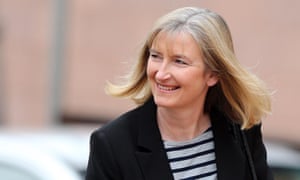
Dr Sarah Wollaston MP.


Dr Sarah Wollaston is leading the committee calling for restrictions to be placed on certain websites. Photograph: Peter Byrne/PA

The select committee is urging the government to increase support for public mental health and early intervention services. It found that around a third of people who end their lives by suicide are in contact with their GP before their death, but are not receiving specialist mental healthcare. Another third are in the care of specialist mental health services.


“GPs need better training in suicide risk,” the report states. “All patients being discharged from inpatient care should receive follow-up support within three days of discharge rather than the current standard of seven days.”


A Department of Health spokesperson said it recognises that “every death by suicide is a tragedy and devastating for families, friends and communities”. “We are investing almost £1bn in providing mental health support in A&E and home-based crisis care — and are currently updating our suicide prevention strategy, which we are confident will address many of the issues raised by the committee,” they said.


NHS England has set a goal to reduce suicides by 10% by 2020.


A spokesman for the NHS Confederation, which represents NHS trusts, said: “Developing mental health services is essential, but money hasn’t come as quickly as promised, and this is holding-up progress. For too long we have seen year-on-year increases in prison suicide and there are worrying trends around children’s mental health, too, with insufficient investment to improve their care.”


The health select committee also called for those bereaved by suicide to receive better primary and secondary care, and said media guidelines on the reporting of suicide were being widely ignored and that greater attention should be paid to breaches of the rules. The MPs claimed that too many newspapers and broadcasters use the term “commit suicide”, which they said “reinforces stigmatising attitudes from when suicide was a criminal offence”.


In the UK, the Samaritans can be contacted on 116 123. In the US, the National Suicide Prevention Hotline is 1-800-273-8255. In Australia, the crisis support service Lifeline is on 13 11 14. Hotlines in other countries can be found here.


MPs urge government to do more to combat "unacceptable" UK suicide rates

9 Aralık 2016 Cuma

Risk of poverty and suicide far higher among transgender people, survey finds

Transgender people are substantially more likely to have attempted suicide, to be unemployed, and to be living in poverty than the broader US population, according to a landmark new survey by the National Center for Transgender Equality (NCTE).


The survey of more than 28,000 trans individuals by the Washington DC-based advocacy organization suggests that along with a battery of health and economic indicators, transgender people face persistent discrimination and a litany of other challenges.


“Responses revealed pervasive mistreatment, harassment and violence in pretty much every facet of life whether that be in the schools, the workplace or family life,” said survey project manager Sandy E James.


The results on mental health were of particular concern. Thirty-nine percent of respondents said they had experienced “serious psychological distress” in the past year, compared with 5% of Americans.


Forty percent of those surveyed said they had attempted suicide in their life, almost nine times the US overall attempted suicide rate. Seven percent said they had made an attempt within the last year, more than 10 times the national prevalence.


“We have already known that these are issues … in the trans community but now we actually have a tool that we can reference to [say] these are the numbers,” said NCTE executive director Mara Keisling. “That can be a useful instrument for creating transformative change in the lives of transgender people.”


Nearly one third of respondents said they were living in poverty, about twice the rate of Americans nationwide. Respondents also reported an unemployment rate of 15%, three times higher than than the national rate. Trans people of color were the most likely to experience high rates of unemployment. Researchers said they intentionally shaped survey questions to be comparable to survey data regarding the broader US public.


A quarter of those employed over the last year said they had experienced discrimination in the workplace, and more than three quarters of those who were “out” or perceived as transgender during school recall experiencing “some form of mistreatment”, including sexual assault and verbal and physical harassment.


James said NCTE plans to repeat the effort every five years to keep tabs on the challenges that transgender individuals face over time. The study released this week is the second such report, following a less expansive effort in 2011.


This year’s study also looked at what could be considered the most visible aspect of the battle for trans rights in the US today, public restroom accommodations. Legislation like North Carolina’s HB2, which restricts individuals to using only the bathroom reflective of the biological sex listed on their birth certificate, has turned the issue into a flashpoint for transgender rights.


The most visible recent debate over transgender rights has surrounded North Carolina’s so-called ‘bathroom battle’.


The most visible recent debate over transgender rights has surrounded North Carolina’s so-called ‘bathroom battle’. Photograph: Mandel Ngan/AFP/Getty Images

“I can speak first hand for how critical [it is] for transgender people to have safe and private bathroom access just like everyone else”, said Sharron Cooks, a trans woman and activist. Cooks added that when she was in high school, she was banned from the women’s room, calling the experience “crushing”.


“It made it impossible to learn and it severely delayed my academic career,” Cooks said.


The study found that Cook’s experience is far from unique. More than half of survey respondents said they had avoided using a public restroom in the past year because they “were afraid of confrontations or other problems they might experience”. 32% said they had limited the amount they ate or drank in the previous year specifically to avoid using the bathroom.


But Keisling cautioned that while the bathroom issue is important, “we have a lot of issues … that are missed when all we talk about is bathrooms.”


Keisling added: “Every minute we spend talking about it, we’re not talking the problems in real people’s lives. We’re not talking about the economic marginalization and we’re not talking about people being alienated from their faith communities and families.”


Risk of poverty and suicide far higher among transgender people, survey finds

28 Kasım 2016 Pazartesi

One prison suicide every three days in England and Wales, say reformers

More than 100 people have killed themselves in prisons in England and Wales so far this year, , according to penal reform groups, prompting warnings of a mental health epidemic within the incarcerated population.


The Howard League for Penal Reform said it had been notified of the deaths by suicide of 102 people up until 18 November – the equivalent of one every three days and breaking the record for frequency of suicides.


“With five weeks remaining until the end of the year, it is already the highest death toll in a calendar year since recording practices began in 1978,” said Frances Crook, the director of the Howard League. “The previous high was in 2004 when 96 deaths by suicide were recorded.”


Crookwho is meeting the justice secretary, Elizabeth Truss, on Monday, said: “The number of people dying by suicide in prison has reached epidemic proportions. No one should be so desperate while in the care of the state that they take their own life and yet, every three days, a family is told that a loved one has died behind bars.


“By taking bold but sensible action to reduce the number of people in prison, we can save lives and prevent more people being swept away into deeper currents of crime and despair.”


The current rate of self-inflicted deaths in prisons across England and Wales of nearly 10 a month means the final toll for 2016 could be as high as 115, compared with 89 in 2015.


A joint report, Preventing Prison Suicide by the Howard League and the Centre for Mental Health, links the rise in the number of prison suicides to cuts to staffing and budgets and the rise in the number of people in prison that has resulted in overcrowding.]


Prison deaths
Prison deaths

“Violence has increased and safety has deteriorated. Prisoners are spending up to 23 hours a day locked in their cells, the imposition of prison punishments has increased and a more punitive daily regime was introduced in prisons at the same time as the number of deaths by suicide began to rise,” it says. “The prison suicide rate, at 120 deaths per 100,000 people, is about 10 times higher than the rate in the general population.”


The report calls for a recently revised incentives and earned privileges regime to be scrapped and for an undertaking that prisoners with mental health problems or at known risk of suicide should never be placed in solitary.


The Howard League’s figures show that the highest number of self-inflicted deaths – six – this year have been at Woodhill prison, Buckinghamshire, which is at the centre of a high court legal battle.


Mr Justice Lavender gave permission on Thursday for a judicial review case to be heard, saying that evidence of repeated failures to implement policies to prevent self-inflicted deaths at Woodhill could not be dismissed as “operational failures”.


It has also emerged that an independent monitoring board at Bedford prison, which has had four deaths so far this year, wrote “an urgent letter of concern” to the prisons minister about the “alarming rise in prisoners attempting to hang themselves” at the jail before its recent riot. They highlighted that staffing shortages were “beyond crisis point”.


An independent monitoring board report published on Monday into Bullingdon prison in Oxfordshire warns that inadequate staffing is also damaging morale and relationships with prisoners.


“The board is concerned about increasing difficulties in recruiting and retaining sufficient officers to maintain levels defined as acceptable by the prison service. It has also observed that indiscipline and violence have increased noticeably since staff cutbacks were implemented in 2013,” says the Bullingdon report.


The chancellor, Philip Hammond, confirmed in the autumn statement last week that an extra £555m over the next three years would be made available to fund prison safety measures, including the recruitment of 2,500 extra prison officers.


A Ministry of Justice spokesperson said that mental health in custody was taken extremely seriously: “Providing the right intervention and treatment is vital to improving the outcomes for people who are suffering and all prisons have established procedures in place to identify, manage and support people with mental health issues.


“But we recognise that more can be done. That is why have invested in specialist mental health training for prison officers, allocated more funding for prison safety and have launched a suicide and self-harm reduction project to address the increase in self-inflicted deaths and self-harm in our prisons.”


One prison suicide every three days in England and Wales, say reformers

17 Kasım 2016 Perşembe

My colleague"s suicide showed how vulnerable medical professionals can be

I stood in front of the ambulance bay door. My badge clutched in my hand, knuckles white, jaw clenched. I questioned my attempt at returning to work on this day. I stood in front of the doors grappling with a burning feeling in the pit of my stomach. I knew then, right there, that my career in the emergency department was over.


A quiet swollen presence of pain ran down every corridor. The night before, we lost a colleague to suicide. Some of us found the body. Some of us carried out the post mortem care. Some of us stood there as family filed in to the room. Some of us made the calls alerting fellow staff. Some of us, all of us, changed forever that night.


For some vocations, a bad day at the office means: “I dropped a carton of eggs” or “I broke the copier”. Some are more serious of course: “I really messed up a haircut” and the infamous “I crashed the company car”. In medicine, however, a bad day usually means, “We lost a toddler”; “A young family lost their baby”; “She will never walk again”; and “Time of death …”. The list could go on and on; the point is, the magnitude at which we affect the world of each individual person in healthcare is far different than most jobs. We take on the world, we attempt heroic measures, forgetting, we are indeed, so very human.


We study for years, sometimes decades, focusing our skill, perfecting it, to heal, to save, and to comfort. The team we do all these things with becomes a sort of family. You are all present on the worst days together. You share the sorrow, the shock, and the deep regret that everything you have dedicated your life to studying has failed you. You failed together. You failed in the worst way, but you have one another. You can share that dark humour, the memory of this fleeting moment. You can share together the memory of watching the doctor whisper something comforting, or that nurse hold the deceased family member’s hand. Each of you knows what it feels like, to pronounce a patient dead in one room, and in the very next room, moments later, help a three year old change into a hospital gown so that they can be evaluated thoroughly. You do all this with a smile on your face, never for a second letting on that in the next room, a tragedy they can’t imagine has just unfolded.


Eventually, it eats little holes in your soul. Sometimes there are nightmares, other times you stand in a quiet trauma room and feel the presence of every lost soul standing behind you as you scrub down a stretcher. Bigger and bigger it creeps, into you, never though are you afforded the right to go and lament to your friends over drinks, or weep at your place of worship. Never can you post on public media and share your sorrow. Never can you truly convey what it feels like to have dedicated your life to becoming an expert, but when you have a bad day, someone dies. You cannot ever make someone, who isn’t sunken knee deep into the profession, understand what that means.


The kinship you establish with those with whom you share this camaraderie cannot be duplicated. They are a family that knows all your secrets of trauma and sorrow. There is something indescribably comforting in having these people know you at your worst moments, exhausted, angry, and sad.


The secrets within the hospital walls bonding us together are the same web, that when one of us succumbs to the beast of depression, is torn apart forever. None of us knows what cost our colleague and dear friend their life, it was never made clear. But our family, if you will, was severed to the core, doing the thing we did well together, without them, to them.


I still practise, in a different forum. I think of emergency department life every day. Now I realise how human each of us really is, there are no superheroes among us. Now when my team is becoming saturated, I actively seek out ways to alleviate that pressure, for myself, and for my team. On good days someone gets to live another day, but this doesn’t make the really bad days any easier.


  • In the UK, the Samaritans can be contacted on 116 123. In the US, the National Suicide Prevention Hotline is 1-800-273-8255. In Australia, the crisis support service Lifeline is on 13 11 14. Hotlines in other countries can be found here. If you would like to contribute to our Blood, sweat and tears series which is about memorable moments in a healthcare career, please read our guidelines and get in touch by emailing sarah.johnson@theguardian.com. If you’re a healthcare professional affected by the issues raised in this article, help and support is available from Support 4 Doctors.

Join the Healthcare Professionals Network to read more pieces like this. And follow us on Twitter (@GdnHealthcare) to keep up with the latest healthcare news and views.


My colleague"s suicide showed how vulnerable medical professionals can be

4 Kasım 2016 Cuma

This Medication Doubles The Risk Of Suicide & Violence In Healthy Adults

Unfortunately, almost half of the American population uses a prescription drug daily. The third most usual prescription drugs used are antidepressants. This is according to Centers for Disease Control and Prevention. Although the population is somehow used to taking antidepressants, they aren’t aware of the side effects it causes. Unfortunately, manufacturers of psychotropic drugs are fully conscious of how their products can affect the user’s brain. However, they are not willing to share that information, or they just choose to give limited information. According to researchers in Denmark, people who take antidepressants risk from twice the increased chance of suicides. They suggest that this applies to the two most commonly prescribed antidepressant classes, i.e. SSRIs and SNRIs. These are the drugs containing these types: Fetzima, Effexor, Prozac, Celexa, Lexapro, Zoloft and Paxil. Patients need to take care of themselves better. Especially when it comes to the addictive usage of these drugs, they need to consider alternative ways.


Reasons


Although antidepressants are made to help people who already suffer from suicidal thoughts, they are not helping them in a long-run. According to Dr. Ann Blake Tracy, Prozac causes the human brain to stop the production of serotonin. The drug may make the patient feel a little better. Nevertheless, it causes the patient to experience a lot of different emotions. These emotions lead to more suicidal thoughts and greater risk of violence, on a long-run. However, due to their short-term effects, the patients feel the need to take even more of the prescribed drugs. Therefore, this way pharmaceutical industry flourishes.


Patients need to be aware of the side effects of the drugs they use. There are so many medications that list the side effects which, in many cases, are a contradiction to the main purpose of them.


How To Treat Depression Without Medication


People who are already taking an antidepressant and notice their side effects should consider other alternative ways for healing. Becoming aware of other choices alternative medicine has to offer is the first step towards helping themselves. Meditation, sleeping schedule, going for a walk, relaxation exercises are ones of the known ways to boost energy, mood, and love for life. Yoga helps a lot for depressive thoughts, too.  They need to seriously consider these, if they want to stay healthy in a natural way and with positive attitude.


Source:


Cdc.gov


MayoClinic.org


This Medication Doubles The Risk Of Suicide & Violence In Healthy Adults

19 Ekim 2016 Çarşamba

ABC"s Man Up tackles the tragedy of male suicide – but only among blokey blokes

According to figures released last month, Australia’s suicide rate is increasing, and death among men from intentional self-harm is three times greater than that for women.


In Man Up, a three-part ABC-TV series which aired its second episode on Tuesday, radio presenter Gus Worland is spurred by the 2006 suicide of a friend, Angus – and, more recently, conversations with his widow and daughter – to challenge stoic, self-reliant stereotypes of masculinity, and instead champion emotional vulnerability and communication as signs of strength.


It’s a well-meaning, heartfelt show, but flawed: Man Up spends too much time trying to entertain and not enough time challenging the normalised, constructed identities of Australian manhood – white, heterosexual, masculine – which continue to alienate anyone who falls outside them.


Worland jackhammers concrete on a worksite, talking to men in the construction industry about their particularly high risk of suicide. He goes yachting with returned military servicemen dealing with trauma. He takes part in male nude yoga – all in an attempt to get beneath the skin of men.


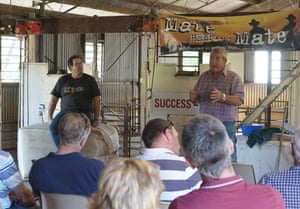
Gus Worland and farmer John Harper


Gus Worland and farmer John Harper at the Mate Helping Mate country man organisation meeting, featured in Man Up. Photograph: ABC

He poses for a GQ shoot, while we learn about commercial, fluffy categories of manhood: metrosexuality, retrosexuality and, I kid you not, lumber-sexuality (some sort of mix of lumberjack and hipsterism). He tries to craft a media campaign to appeal to men to talk, even consulting one advertising guru who was responsible for reinforcing the stereotype that the social world of men revolves around booze and barmaids with big boobs.


All of this is watchable, but it leaves less than a minute for discussion of the high rate of suicide among Aboriginal and Torres Strait Islander men. That task falls to Wiradjuri man Joe Williams, a former National Rugby League Rabbitohs player who doesn’t appear on screen but whose voice is heard as a radio talkback caller.


There is no explicit mention of gay and bisexual men, or those whose identity falls outside normalised gender binaries. If, as the Man Up manifesto states, the “pressure to be an Aussie man is fuelling a suicide crisis”, then we must acknowledge the groups of men who are the most at risk of depression, anxiety and suicidal feelings.


This show cannot be all things to all people, of course – yet it doesn’t even seem interested in trying to speak to the spectrum beyond blokey blokes. Man Up’s reliance in Tuesday’s episode on UK-born Australian psychologist and author Steve Biddulph – whose opinion is unquestioningly sought in on-the-road interviews – makes me wonder if the series is coming from a very conservative view of male identity.


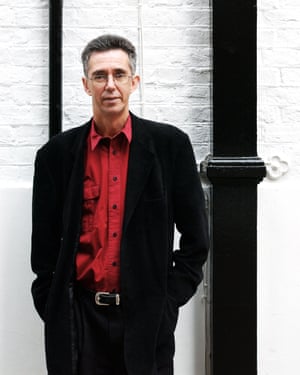
Steve Biddulph


Steve Biddulph, author of Raising Boys. Photograph: David Levene for the Guardian

Biddulph’s 1997 book Raising Boys is described in Man Up as “the handbook on how we can better raise Australia’s sons” – but I remember it differently.Biddulph’s glib, blithe discussion of homosexuality in an early edition distressed my own mother, making her fear she was at fault for my orientation – even though I’ve been living happily as a gay-identifying man for some time. It was in Biddulph’s book, so it must be true, right?


Now in its fourth edition (2013), Biddulph has made a few palatable tweaks to his bestseller, but it still raises dubious “mounting evidence” that sexuality may be determined by “certain hormonal settings” in the womb – without citing an actual scientific reference. The book still makes the outdated, sloppy suggestion that having a teenage gay son “demolishes” parents’ “fond hopes” of a “rewarding career, marriage and grandchildren”. And it still says that “some dads fear that cuddling their son will turn him into a ‘sissy’. In fact, the reverse is probably true.” (To his credit, Biddulph has deleted the subsequent line of earlier editions: “Many gay or bisexual men I have spoken to say a lack of fatherly affection was part of what made male affection more important to them.”)


As Flinders University psychologist associate professor Damien Riggs wrote in 2008: “[Biddulph’s] inference is that if fathers gave more affection the sons wouldn’t grow up to be gay, which is thus constructed as the preferable option.”


The most affecting scenes in Man Up involve Worland’s own teenage son, Jack. In the second episode, facilitator Tom Harkin runs a special workshop on masculinity, in which Jack and fellow students apply nail polish. “Not a guy thing to do,” says Harkin, who then asks: “Who wrote that rule?”


The workshop encourages these teenagers to rethink what it means to be a man, to talk, to listen and to show emotion. To cry, which they do, openly and cathartically. This would have been the ideal point to say: it’s OK to be straight, bisexual, gay, queer; it’s OK to question your identity or gender. But the show is too timid to make that important leap, instead relying uncritically on Biddulph as a barometer of all men’s emotional lives.


Gus Worland and son Jack


Gus Worland and his son Jack. Photograph: ABC

There are other missed opportunities. Man Up vaguely links suicidal ideation among men to financial pressures. What these pressures are is not spelled out, but surely there is a great deal to say about the growing inequity between rich and poor. The rising costs of rent and mortgages under a government unwilling to change investment policies. The burden many men take on to be primary breadwinners, and where that burden comes from.


We are told in Man Up that women attempt to take their lives more often than men, but men are more likely to die. We are told this is because women reach out for help more often, but other factors – such as the preference among women for drugs as a means of suicide – would have been worth discussing.


My hopes for Man Up clearly overreached its narrowly focused aims. But in its sincere efforts to find a new vocabulary for men, the series is a step in the right direction.


Man Up continues on 25 October on the ABC; for information and support in Australia call Lifeline on 13 11 14, Mensline on 1300 789 978 or Beyond Blue on 1300 22 4636


ABC"s Man Up tackles the tragedy of male suicide – but only among blokey blokes