meet etiketine sahip kayıtlar gösteriliyor. Tüm kayıtları göster

10 Nisan 2017 Pazartesi

Meet the girl who has had four hearts – video

Born with a serious heart condition called dilated cardiomyopathy, Chloe Narbonne had five major operations – and four hearts – by the age of 12. She defied the odds to become the youngest person in Europe to receive an artificial heart thanks to groundbreaking surgery involving 30 NHS staff. Now Chloe, her mother and medical personnel tell her amazing story for the first time


Meet the girl who has had four hearts – video

20 Mart 2017 Pazartesi

Few foods on track to meet salt reduction targets, survey reveals

Bread rolls are the only manufactured foodstuff likely to meet stringent 2017 salt-reduction targets, research has revealed.


The food industry will miss almost every salt target set to lower the amount of the “hidden killer” in processed food.


A survey carried out by Consensus Action on Salt and Health (Cash) found that the only food group likely to scrape into the 2017 target range is “bread and rolls”. This means that by the end of this year they should contain no more than 1.13g of salt per 100g.


After examining all 28 categories of processed food, researchers could not find any other foodstuff coming close to meeting that target.


The government set up the public health responsibility deal in 2011 with the aim of encouraging manufacturers to self-regulate.


Targets for 2017 were set out in 2014 and Cash agreed to monitor the scheme independently by recording the salt content of common foodstuffs in UK shops and supermarkets.


The recommendations were designed to get British consumers eating no more than 6g of salt a day.


Health campaigners are now calling on Public Health England (PHE) to urgently set new targets for 2020 and push food companies to meet this year’s recommendations.


In their latest survey, doctors and scientists assessed salt levels on the typical supermarket shelf. In one of their more surprising findings they discovered that Galaxy Ultimate Marshmallow Hot Chocolate is saltier than seawater. A single serving contains more salt than a packet of crisps.


Looking at a shopping basket of everyday food items, the group found that for every unhealthy high-salt option, healthier lower sodium alternatives were also available.


In comparing the two sets of groceries overall, they found that there was a difference of 57g of salt between them.


Graham MacGregor, a professor of cardiovascular medicine at Queen Mary University of London and chair of Cash, said the findings were a national scandal.


“The UK was leading the world in salt reduction, but PHE are doing nothing to ensure that the 2017 salt targets are met,” he said.


Katharine Jenner, a nutritionist and Cash’s campaign director , described salt as the forgotten killer.


“The findings from our FoodSwitch shopping basket survey are alarming and we are shocked to see that many food manufacturers and retailers are still failing to meet the salt reduction targets, despite having had years to work towards them,” she said.


“We congratulate the other, more responsible manufacturers that have successfully achieved them, or are on track to meet them by the end of the year – which shows it is possible. With only nine months to go, action must be taken now.”


PHE’s chief nutritionist, Dr Alison Tedstone, defended the decision to allow the industry to self-regulate.


“The food industry has reduced the amount of salt found in our foods by 11% in recent years, which is encouraging progress,” she said.


“We know there is more to do. This is why we’re talking to retailers, manufacturers, and the eating out of home sector on how they go further and faster to reaching the 2017 salt reduction targets.”


A diet high in salt has been linked to high blood pressure, heart disease and stroke. NHS guidelines say that adults should aim to eat less than 6g of salt a day.


Last year, Cash recorded dangerously high levels of salt in dips and spreads commonly seen as healthy options.


It revealed that one supermarket brand of the hummus contained 1.6g per 100g.


Few foods on track to meet salt reduction targets, survey reveals

26 Şubat 2017 Pazar

Heal thyself: meet the doctors living with the conditions they treat

The dermatologist with skin problems


Bav Shergill: As a teenager I was terribly embarrassed about my skin – I had really bad acne from the age of 15. It took me until I went to medical school to find the courage and confidence to change my GP and get a hospital referral.


Now, when i’m treating patients with acne I can reassure them by drawing on my own experience. I can say: “I was on this drug, too, and my head didn’t fall off.”


This connection between my own experience and relating to patients increased in my late 30s when I discovered I had rosacea. This causes severe redness and inflammation and can develop into acne-like spots, accompanied by a stinging, burning sensation.


Rosacea breakouts can be triggered by a number of things, including caffeine, alcohol and stress – in my case, I was preparing to go on TV while working full-time and trying to look after a poorly, heavily pregnant wife and small child at home when my face flared up. I’d treated rosacea before, so I knew what it was, but mine was the worst case I’d ever seen.


A nurse I worked with said: “It’s OK, there’s a whole range of products for rosacea and acne-type skin. We can cover this up.” I would never have considered make-up, but watching the programme later, I couldn’t see a blemish.


So that’s a tip I was then able to pass on to patients. If they were worried about putting cream on their painful skin, I was able to reliably tell them that the discomfort would pass and I was living proof the medication worked. I know only too well how difficult it can be to face the world during an outbreak, so I don’t brush aside that aspect of it at all. I’m aware how much it can impact on someone.


I have also learned that it’s possible to compromise – with rosacea you’re advised to avoid red wine and coffee, both of which I enjoy. I can help patients make an informed decision. I’ll say: “Look, life’s short and if you want a cup of coffee, go ahead. Your skin may look worse tomorrow, but it’ll get better.” It becomes more of a collaborative situation, where we share experiences and I do think the fact I’m candid about it helps patients relax.


I know very well what it’s like to wait three months for an appointment and then have 10 minutes with the doctor and think: “That was a lot of build-up for not a lot of time. Have they really understood me?”


I’m not saying every doctor has to suffer with the disease they specialise in to excel in their field, but I do think it increases your understanding and empathy levels.


Dr Bav Shergill is a consultant dermatologist at Queen Victoria Hospital, East Grinstead


The psychiatrist who suffers from depression


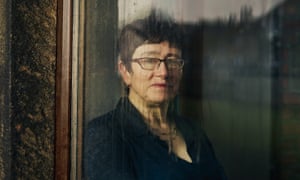
Linda Gask looking out of a rain-streaked window


Linda Gask: ‘When I meet a patient, I now think this is a person like me, with similar problems.’ Photograph: Alex Telfer for the Observer

Linda Gask: In psychiatry there’s an emphasis on “strength”. I can only think of one other senior psychiatrist who’s come out and said he’s had depression. There are still people within the profession who I am sure would view my problems as my own personal weakness.


In my family everyone experienced mental health problems of one kind or another. It wasn’t the easiest environment to grow up in. By the time I went to university to study medicine I was often overwhelmed by anxiety.


Following a particularly debilitating period of depression, I got in touch with the psychiatrist who had treated me and asked if he thought it was something I could do. It was the area of medical training I felt most at home in. I felt my ability to understand how people felt was helpful. To my delight, he agreed.


I’ve experienced three or four prolonged episodes of depression and I’ve taken antidepressants for more than 20 years. I’m aware some of my colleagues would take issue with that – some think medication doesn’t work or can even be dangerous. But I know how helpful it has been for me.


I don’t think being a psychiatrist automatically makes you aware of your own processes. It’s not a matter of insight, of being able to heal yourself. There’s never just one simple solution and sometimes you need someone to talk to – someone who won’t try to offer reassurance, as a friend might, by reminding us of everything that’s good in our lives.


My own experience of therapy has taught me how important it is to engage your patient. You can’t just sit back and think: “Have I asked the right questions here? What’s the diagnosis and what’s the treatment?” as if working through a recipe. Instead, I’ve learned to think: “This is a person like me, perhaps with similar kinds of problems to the ones I’ve had. How can I reach out to them and help?”


Patients have occasionally picked up on the kind of questions I’ve asked during a consultation, or when I’ve given an example that particularly resonated with them. I’m well aware of how difficult it can be just to make it to your appointment in the first place – how some days, even getting out of bed can become impossible. I’ve had patients say: “I think you might have experienced this as well? Have you?” In those instances, I have to step back and say: “Well, yes, but this is your time so we won’t talk about me, but I do understand quite a lot how you are feeling.” It’s possible to retain a boundary while still offering a glimpse of your humanity and, though that approach isn’t encouraged, some patients told me they really appreciated it.


I’ve never felt any need to hide the fact I was seeking help myself, either. I’ve been treated by colleagues and told I could wait in private, away from the waiting room, as if I’d be worried about the risk of being spotted by a patient or colleague who recognised me. But I’ve always made a point of sitting with everyone else. We really are not being honest with ourselves if we say that we’re against stigma, but we won’t sit and wait with those we treat. I’ve spent years telling people that mental health issues are nothing to be ashamed of, so why would I do otherwise?


Professor Linda Gask’s The Other Side of Silence: a Psychiatrist’s Memoir of Depression, is published by Vie Books at £9.99. To order a copy for £8.49, go to bookshop.theguardian.com


The fertility expert who couldn’t conceive


Shannon Clark holding her to babies


Shannon Clark: ‘Having been through infertility, it’s now much harder to see another woman experience it.’ Photograph: Felix Sanchez for the Observer

Shannon Clark:The first time I saw a baby being born, the course of my life changed. That first delivery took place in an operating room, a very sterile environment, and we all wore masks and gowns. I was completely overwhelmed – no one could see, but I was crying.


I decided to specialise in high-risk obstetrics, and for a long time I thought I’d be OK if I never experienced motherhood myself. My goal in life was to be the best doctor I could be.


That altered when I met my future husband, René. Suddenly, the desire to have my own children became strong. We married within a year and a half and started to try for a baby – I was 39. Obviously, I knew all about the biological clock, but somehow felt it didn’t apply to me. I was healthy, I didn’t drink or smoke, I worked out and didn’t have any medical problems. Everything I ever wanted to achieve I was able to with ease. I guess I felt becoming a mother was no exception. But I was wrong.


I became pregnant within a few months of marrying, but miscarried. The next thing I knew, I was 40 and panic set in. We were told that our best option for conceiving was IVF.


Over the next 18 months we went through five cycles. Meanwhile, I was still working and delivering babies for other women. It was hard not to think: “Why not me?” But I couldn’t let it overwhelm me.


Those IVF cycles produced only one embryo that was chromosomally normal. It was transferred, but failed, so we decided to try donor eggs. The first two donor egg embryos failed as well, but we tried again in March of last year. After two years of infertility treatments, I became pregnant with twins.


As a physician, I was all too aware that twin pregnancies are high risk. But I knew I couldn’t have been in better hands. I was very lucky to make it to 31 weeks when I went into labour and had my babies by emergency C-section.


It all happened so quickly. I didn’t get to see my son, Remy, and daughter, Sydney, until nearly 24 hours after they were born. Although I knew what to expect, I was still startled at how small they were.


Now they’re both thriving, healthy and five months old, and I’ve just recently started back at work. Before the twins, I’d deliver babies and hand them to the paediatrician straight away. Now I want to hold them a little longer, spend more time at the mother’s bedside.


When you’re a physician and you’ve gone through something your patients are going through, you have to read that patient to see if it’s appropriate to say: “Well, I went through it too.” But at least I can understand a little more and I’ll choose my words more carefully, I’ll take more time with her. There are little things I can do to try and make it better.


Some parts of my job are a bit harder now. After maternity leave, the first time I delivered a baby that didn’t survive I just broke down. Having been through infertility and pregnancy loss myself, it’s much harder to see another woman experience it.


That’s one of the biggest things I’ve learned. A pregnancy loss before there’s even a heartbeat can be just as devastating as later on. I need to give all women the time they need to grieve and heal. I understand that better now.


Dr Shannon M Clark is a maternal-fetal medicine specialist at UTMB-Galveston, Texas, and founder of BabiesAfter35.com


The oncologist who survived cancer


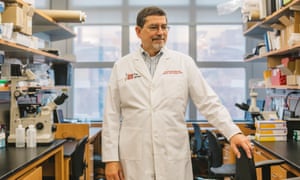
David Carbone in his lab


David Carbone: ‘I suspected I had lung cancer as I’d seen patients present in exactly the same way.’ Photograph: Andrew Spear for the Observer

David Carbone: One of the things that attracted me to lung cancer was the intensity of the doctor- patient relationship. Almost all my patients come to me with a diagnosis in advanced lung cancer. They’re hearing this totally new vocabulary, meeting a new set of people in whom they are trusting their lives.


Seventeen years ago, I was an associate professor in my second academic job and 44 years old. I was shaving before going into a meeting and noticed my neck veins were sticking out. I knew I didn’t have a cardiac condition, so the first thing that came to mind was superior vena cava syndrome, caused by a mass in the chest. When I got home from the meeting I ordered a chest x-ray, which indeed revealed a mass in the centre of my chest, and a lung mass as well. A CT scan backed this up and I suspected I had stage III lung cancer, because I’d seen patients present exactly the same way.


To be an oncology physician in that situation is both easier and harder than being a patient without medical training. Easier because I knew the physicians I could trust with my life; but also harder because I’ve seen how ugly cancer can be and how horribly people die.


My father was an oncologist, too, and I phoned him and said: “Dad, it’s c… It’s c…” I couldn’t even say the word. It took me a few tries to get it out. It was the start of a rough few years. My wife ended up leaving me. I’m now happily remarried, but it showed me that you can never predict how people will react.


Once part of my left lung had been removed and the mass in my chest biopsied, it turned out I had a large cell lymphoma, rather than lung cancer. On the face of it, that was good news, but the first medical articles I read still only gave me a 17% chance of five years’ survival. I was afraid, largely because I worried about what would happen to my children. Age from six to 12, each of them had a different level of understanding. The eldest was aware that he might lose his dad. The youngest ones saw my hair falling out during chemotherapy and became frightened I had something contagious they were going to catch.


That really brought home to me the importance of family and friends in the cancer patient’s experience. Some patients have family members around them every single time they see me, others always come alone. They catch the bus in to get their therapy and they take it back home, and it’s pretty sad to see that – even 20 or 30-year-old people sometimes suffering alone with no support system.


I always dealt empathetically with my patients, but until I lived their experience, I don’t think I fully understood it. I survived my cancer, but I still lost part of my lung, had multiple rounds of multi-agent chemotherapy and radiation, thoracic surgery and inadequate pain control – I’ve experienced how bad the side-effects of therapy can feel. I actually enjoy taking these desperate patients and trying to make them comfortable with me as a partner in fighting this disease. I give them my phone number and often see them every two or three weeks until they die. As I said, it’s an intense relationship, but a meaningful one and often a rewarding one, too.


Dr David P Carbone, MD, PhD is a director at the James Thoracic Center, James Cancer Hospital and Solove Research Institute, Ohio State University


Heal thyself: meet the doctors living with the conditions they treat

24 Şubat 2017 Cuma

Meet the people who eat 10 portions of fruit and vegetables a day

Forget five a day, now it’s all about getting 10 portions of fruit and vegetables into your diet. That is according to scientists who say doing this could prevent up to 7.8 million premature deaths worldwide.


But how do you make sure you get your 10 a day (about 800g of fruit and veg)? We asked those of you who already consume this amount. Here is a selection of responses.


Jenny Broomfield 27, from Oxfordshire – ‘Cook from scratch. If you do that it will allow you to pack vegetables in’


Jenny Broomfield

It’s not a big deal at all. I started eating more greens after joining Weight Watchers. On this diet you are allowed to eat as much fruit and vegetables as you like, it’s not included in your daily points you have to eat within. That encouraged me to pack everything full of vegetables. I had 10 or more portions (if not more) a day. Now I no longer follow that plan to the letter but I have developed good eating habits that stayed with me. I have lost over four-and-a-half stone.


I buy a lot of vegetables and put them into what I eat. I don’t even think about it any more. For example, on Saturday night I had a pasta bake with four peppers, massive courgettes, mushrooms and onions and not much pasta. That was low calorie and five portions of vegetables all in one meal.


I do still eat meat but have smaller portions of it now. I snack on fruit as well, so I eat cherry tomatoes, satsumas, pineapples, that sort of thing. My advice is to cook from scratch. If you do that it will allow you to pack vegetables into every meal. Meals such as lasagnes, shepherd’s pie, curries – even pizzas – can be loaded up with delicious veg. It’s worth it because as well as the added vitamins the likelihood is you will be consuming fewer calories. Also vegetables are so much cheaper, which is incentive enough.


Adam Marks, 37, from Bristol – ‘Invest in a smoothie maker’


Adam Marks

I’m vegetarian, but this doesn’t mean I only eat vegetables. Most of my diet is protein-heavy stuff like Quorn, tofu and other soya products. So getting vegetables into every meal can be a struggle. But having said that, I’ve recently discovered an easy way to do it: homemade smoothies. I usually have one for my lunch using a 600ml bottle. It might not sound like much but it’s surprisingly filling. Plus, it’s an easy way to get at least five portions of fruit and veg a day. If I’m still hungry in the afternoon, I have a handful of nuts or seeds. The rest of my intake comes from other meals. I usually have an apple with my breakfast toast, and a good-sized amount of leafy greens or broccoli with dinner.


People forget that a “portion” of fruit and veg is not a huge amount. For example, 80g of banana is a pretty small banana. The same amount of blueberries is a little handful. You don’t have to hide the rest of your food. And best of all, it’s cheap.


I adopt this way of eating for health reasons mainly, and also for weight control. Eating a good amount of vegetables with a meal means you need less fatty or carbohydrate-rich foods on the same plate to feel full. My favourite smoothie includes bananas, blueberries, fresh baby spinach, cucumber, strawberries and raspberries. I mix it up with some skimmed milk. I judge the size of each portion by eye, having weighed them roughly the first time I made it.


It’s best to introduce vegetables gradually. Try substituting them into recipes instead of things like potatoes. You’ll feel just as full, but it’ll be way healthier. At some point it will become second nature. Oh and buy a smoothie maker.


Rakin Choudhury, 23, from Hull – ‘I would say prepare your meals in advance as much as you can’


Rakin Choudhury

I am dedicated with fitness and try to prepare meals in advance, so I incorporate a lot of vegetables. I would count fruit as dessert. I started eating more healthily a couple of years ago when I left a long-term relationship. I was unhappy with my weight so I decided to change my diet and gym routine. It took a while to get the balance right as it can be expensive. It’s much cheaper if you get frozen fruit and vegetables. It’s routine now, I don’t think about it. When my office has McDonald’s Fridays I have a sandwich or porridge. It’s normal to me now.


Rakin Choudhury


Rakin Choudhury prepares all his food for the week on Sunday. Photograph: Rakin Choudhury

To try to get more vegetables and fruit in your diet I would say prepare your meals in advance if you can. That’s what I do. I prepare all my food for the week on Sunday. Also if you are having pasta, have a salad with it. Or eat an apple with breakfast. It’s as simple as that. Another way to get enough good stuff in is by making smoothies. Ten portions a day sounds daunting but it’s not. I feel great for it.


Cathy, 60 from Thames Ditton – ‘My advice is don’t buy processed foods’


I have always eaten a lot of fruit and vegetables. In an average day I have a banana and blueberries in my porridge, an apple or pear and nuts as a snack. Then lunch is a salad of mixed coloured lettuce, cherry tomatoes etc and either chicken breast or salmon. I will snack on an apple afterwards. Late afternoon I have some nuts and dried fruits (cranberries or maybe some strawberries in season). Then for dinner I eat meat and broccoli and carrots, or kale and carrots, followed by melon and orange cut up as a fruit salad. I make that about 10 portions.


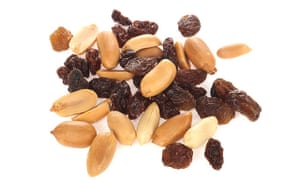
Dried fruit and nuts


Fruit and nuts are a popular snack. Photograph: Alamy

My weakness is cake and chocolate so my diet is liberally sprinkled with these plus spoonfuls of peanut butter and honey.


I don’t believe in measuring. Fruit tends to come in convenient meal-size portions ready-made (a pear, apple, banana etc). With vegetables I just fill my plate up, it’s not rocket science.


If I have a bad day eating with loads of bread, cakes and sweets I feel horrible mentally and physically. I still do it though sometimes.


Fruit and veg are cheap so I don’t know why people don’t buy more. I’m driven by my determination to stay active and healthy well into old age. My advice is don’t buy processed foods.


Tamraparni Dasu, 55, from New Jersey, US – ‘The food I grew up with was centred around vegetables’


Tamraparni Dasu

My mother was a terrific cook, and coming from the Andhra region of India, we ate three- to four-course meals, each with a different type of vegetable dish. Every celebration included multiple courses. When I got married, I was introduced to a whole new cuisine, also vegetarian, from Palghat [a city in southern India]. And when none of the restaurants could match the quality of my mother and mother-in-law’s cooking, I was forced to strike out on my own and start experimenting with recipes.


Breakfast for me is usually chapati or toast with a leftover veggie dish, like curried cauliflower. I snack on almonds and fruit. I go a bit fruit crazy, sometimes eating an entire bunch of grapes. Lunch is usually a big bowl of fruit and vegetables in a salad and then dinner will be chapati or rice and maybe eggplant or another vegetable dish.


I feel healthy and energetic, and attribute my good skin and hair to eating lots of fruit and vegetables. My advice is always cook at home, buy fresh produce every week (daily is hard for most of us working shifts). We cook together as a family and friends and it makes it more fun. There are lots of resources for vegetarian cooking, which have exploded in the last decade. Variety is important so improvise from as many cuisines as possible (Italian, Chinese, Mexican, all south Asian and east Asian). Improvise and it is OK to fail, scrape off the burnt broccoli and move on.


Anonymous, from north Wales – ‘I add vegetables to add flavour but also to add bulk and nutrients cheaply’


I get 10 portions a day. I have to work to a tight budget but also cooking is something I enjoy and take pride in. I cook our evening meals myself and while I enjoy trying out recipes I mostly cook standard stuff, such as spaghetti bolognese or stews. I add a variety of vegetables to every meal both to add flavour but also to add bulk and nutrients cheaply.


My spaghetti bolognese recipe, for instance, includes chopped onion, garlic, a red pepper and a tin of tomatoes. Also maybe a stick of celery, carrot or a handful of mushrooms chopped and sweated with the onion to start with. I do the same sort of thing with my stews and curries. I add in a bit of whatever vegetable I have to hand. I use my slow cooker a lot and that means the vegetable cooks down nicely to become part of a delicious sauce. A couple of sweet potatoes added to anything like that are delicious.


The key to getting it done is to not see it as a chore or a big thing. Just grab a glass of orange juice with breakfast. Or a cheese or ham salad sandwich with lettuce, tomato and cucumber for lunch. Then snack on a banana. Throw lots of vegetable in your dinner with apple pie to follow. There, you’ve had your 10 portions without even realising.


Meet the people who eat 10 portions of fruit and vegetables a day

26 Ocak 2017 Perşembe

Meet the woman who lived for six days without lungs – video

Doctors saved a Canadian woman’s life by removing her lungs for six days while she waited for a double lung transplant. In what is believed to be the first procedure of its kind in the world, Melissa Benoit arrived at Toronto hospital with just hours to live when staff and her family decided to take the unprecedented procedure


Meet the woman who lived for six days without lungs – video

4 Ocak 2017 Çarşamba

Ugh! Why hand sanitiser is a must when celebrities meet the great unwashed

For a man who has boasted about his record of enthusiastic manual engagement with the public, Donald Trump is shy about grabbing women – or anyone – by the hand. Or at least he was. In his 1997 book The Art of the Comeback, Trump called hand-shaking “one of the curses of American society”, adding: “The more successful and famous one becomes, the worse this terrible custom seems to get. I happen to be a clean hands freak. I feel much better after I thoroughly wash my hands, which I do as much as possible.”


If Trump has spent the past year furiously cleaning those little fingers (he was an outwardly keen gladhander on the presidential campaign trail), then he is more discreet than Robbie Williams. In a clip that went viral faster than an outbreak of E coli on a cruiseship, the singer was captured grimacing and using hand sanitiser after a New Year’s Eve singalong of Auld Lang Syne. A subsequent Instagram video, in which Williams does the same thing after wishing a woman Happy New Year, suggests he might have been joking, but how concerned should a public figure be about contact with the great unwashed?


Sarah Wollaston ought to know. The GP-turned-MP and chair of the health select committee confirms that some bacteria and viruses can pass between hands, and points out the importance of handwashing in the bathroom and before eating. “But it would never occur to me not to shake hands with someone because I was worried about my health,” she adds. “And if you’re worried about that kind of thing, you probably shouldn’t be a politician.” Wollaston says decades of medical practice have made her “bomb proof”, but advises all MPs to take the precaution of getting a flu jab.


Ann Widdecombe calls concern about handshaking “an absolute nonsense”. En route to a Caribbean cruise, where she is similarly blase about bacteria, she adds: “What an attitude to take. You might as well worry about shaking hands with people in church when doing the peace.”


Special advisers say politicians can be wary. “I know several people who have kept hand sanitiser in the car to use after a really big door-knocking session,” says Ayesha Hazarika, who worked with Ed Miliband among others. She won’t name names. Nor can she recall encountering germ freaks, but says the former Labour leader was a genuinely enthusiastic gladhander. “Let’s be honest, we weren’t blessed with brilliant photo ops, but Ed loved dashing into a crowd and shaking hands and chatting away,” she says. And no, he didn’t have a secret stash of sanitiser, she adds.


Trump and Williams are not alone in being, or playing at being, paranoid. British athletes were advised not to shake hands during the 2012 Olympics, for example. But the president-elect’s fans should be warned: while fist bumps have been recommended as a more hygienic alternative to the handshake, a team including members at the London School of Hygiene and Tropical Medicine recommended in 2007 that the least risky greeting was … a kiss. Presumably without lips.


Ugh! Why hand sanitiser is a must when celebrities meet the great unwashed

6 Kasım 2016 Pazar

Failure to meet cancer targets shows the NHS can no longer cope

Everywhere is struggling to cope. The increasing failure to hit the waiting time targets for cancer patients reflects systems that are struggling to meet workloads. Hospitals are struggling to get people’s tests done in time, to get their diagnosis for them as soon as possible and to be able to make plans for their treatment.


Three years ago, hospitals were managing to respond to the needs of people by generally meeting NHS waiting time targets for the growing number of those being referred with suspected cancer. The fact that we were hitting the targets didn’t mean that everything was perfect, but it did indicate that the way the system was organised meant that we were coping and working to meet demand. It doesn’t feel like we are coping any more.


Patients are waiting longer for scans, biopsies, pathology results and for treatment plans to be finalised. We are largely meeting the 14-day target and the target for 31 days from diagnosis to treatment. But we are largely failing to meet the 62-day target. That’s the time between someone being referred by their GP and them having their first definitive treatment. Delays are occurring mainly between a suspected cancer patient seeing a specialist and having a definite plan for their treatment drawn up. Myself and colleagues come across this all the time; people who have waited two, three or four weeks for a CT scan or biopsy.


That matters for individual patients because they have a prolonged period of uncertainty. Do I have cancer or do I not? And if I do have cancer, will it be curable? If it was a private hospital or one of the great hospitals in the US or Europe the consultant could expect to have the answers from the tests within a week. But here it can be as long as a month.


There will be some people who get worse while they are waiting for tests to take place or for the results to come back. Their cancers will grow. In a small proportion of them their cancer may spread. If you look after people with cancer it’s a desperate situation to be asking them to wait for their tests and to be planning to see them after a month because they won’t have their results until then, and we know that’s going to be a month of terrible worry for them.


This failure to meet targets, to keep up with the growing demand for cancer care, was a foreseeable problem – and it’s getting worse. Previously we planned for what we knew was going to be the growing number of people needing tests and treatment. Now we need a lot more radiologists and endoscopists, for example, to keep up with what we know is going to be the even greater numbers of people needing cancer care in the years to come. But now it’s not just the tens of thousands of people who have not been treated within 62 days over the last two and a half years since the NHS nationally began missing that target. It’s the fact that we now have a system that’s failing, and that can’t be acceptable.


Peter Johnson is professor of medical oncology at Southampton University and Cancer Research UK’s chief clinician


Failure to meet cancer targets shows the NHS can no longer cope

18 Temmuz 2014 Cuma

Calling future leaders: meet the head of the UN Population Fund

Executive Director of the United Nations Population Fund ( UNFPA ) Babatunde Osotimehin

Executive Director of the United Nations Population Fund (UNFPA) Babatunde Osotimehin is interviewed at the UN’s news centre. Photograph: Paulo Filgueiras/UN Photo


Babatunde Osotimehin’s job is to guarantee that “each and every pregnancy is wished, every birth is secure, and every single young person’s prospective is fulfilled”. A experienced medical medical professional, Osotimehin was formerly minister of wellness in Nigeria and the director-general of the Nigerian National Company for the Management of Aids.


At the United Nations Population Fund (UNFPA), in which he is executive director, he has made maternal overall health, gender-based mostly violence and youthful folks central to his mandate. It is since of this curiosity in tomorrow’s advancement leaders that the Worldwide Growth Professionals Network is doing work with UNFPA to give you an possibility to meet him.


Speaking about his early daily life and having neglected his studies at college, Osotimehin says: “younger people may consider a long time to uncover their way and attain their likely. The work of grownups is to offer them choices.”


So as this “champion for reproductive wellness” approaches the finish of his 4-12 months term at the UNFPA, join the Network understand a lot more about his career, his vision and to place your tips and questions to him.


This invitation is open solely to members of the Network so if you are presently studying a subject that will stand you in good stead for a advancement job, and would like to attend the lunch at Kings Spot in London, here’s what you require to do:


Join the network send an e mail to globaldevpros@theguardian.com with the executive director’s title in the subject line. Contain a query for Osotimehin, and an illustration of when you have demonstrated leadership, as nicely as your university and contact particulars. Spots are restricted.


Calling future leaders: meet the head of the UN Population Fund

17 Temmuz 2014 Perşembe

Meet the guy who can help your brain dwell longer

From there he moved to Arizona in which he taught at the University of Arizona in Tucson, before obtaining a masters degree in overall health policy and administration and working the regional hospital. In 2002, President George W Bush nominated him to be Surgeon Standard of the US – “the greatest practice in the world”, he laughs, which genuinely crystallised his belief in “absolute science” as the reply to health care questions.


So how do these experiences translate into a thirty-day strategy to develop and safeguard our brains into previous age? “I worked with so several sufferers with head injuries, victims of stroke, or ageing seniors with dementia, and although I saw many medics trying to educate men and women how to stay physically match longer, no a single was addressing cognitive fitness.”


Soon after talking to scientists across the nation, Dr Carmona determined that improving the well being of your brain was “realistic and viable”, and that if you adhere to his programme, you can anticipate to see the “beginning of a transformation in a month”. This is not an absolute goal, he factors out, but the chance to “maximise the possibility for the brain to stay youthful – the start off of a journey”.


First, he explains, you have to understand the science, specifically the concept of neuroplasticity. “We utilized to think that nerve harm and decay in the brain had been irreversible but we now know that you can start studying the piano at 90. We can scan the brain and see new connections being manufactured. So there is no purpose – or excuse – not to try.”


The exact same is true of recollections, he explains. “We feel we are getting to be far more forgetful, but we really don’t shed recollections. Alternatively, we shed the capacity and pace essential for retrieving them.” By improving the communication network in the brain – the neurotransmitters, chemical messengers sent in between neurons – we can defend our memory and retain our capability to think obviously and rapidly.


So how can we create cognitive ability that will stay with us until finally the finish? Dr Carmona thinks we want to increase both brain framework and perform if we are to stave off decline. “It’s never ever too late or also early to heal the brain from harm inflicted by a bad diet program, bad wellness, or even bodily injury like concussion.”


The primary challenges are not surprising: our genes (the gene ApoE4 is most notably a threat element for Alzheimer’s) cholesterol, which can fur up the small arteries in the brain totally free radicals, which harm neurons and can trigger cell death higher blood pressure, which can lead to stroke or irritation – reduced levels are related with far better cognitive health.


Lastly, there is the Type two diabetes connection – doctors have located that insulin resistance is associated to poor performance on memory exams. Some medical doctors are even calling Alzheimer’s illness Type 3 diabetes.


The very first area of adjust, Dr Carmona suggests, is close to stress. “Learn to lessen stress and nervousness by altering behaviour. Resilience is an critical portion of brain wellness.”


Looking following the entire body is following: we need to reject toxic environments by limiting our publicity to air pollution, plastics, pesticides, hefty metals and chemical-primarily based house products this kind of as air freshener.


The programme also suggests steering clear of toxic food items – individuals that are commercially prepared or which include antibiotics and hormones (this kind of as non-organic meat). Meals need to be washed, and weekly saunas can assist you sweat out toxins by means of your skin.


And it is critical to eat positively, explains the doctor. Aim for foods higher in entire grains and lean proteins eat frequently but not in large amounts. Coffee is a must for its antioxidant properties, soup stops you overeating and incorporating cinnamon liberally to foods is excellent for stabilising blood sugar ranges.


Workout is just as essential, even though, and can reverse poor brain overall health, says the medical doctor, as it truly wakes up dormant cells and stimulates them to make new neurons and boost memory. He operates out “five or 6 times a week”. The prepare suggests a mixture of aerobics or cardiovascular exercise, muscle strength conditioning, versatility and stability perform.


Lastly, incorporate a spiritual component – no matter whether you decide on meditation, mindfulness or contemplation.


His very own physical overall health “age” is “mid-30s”, Dr Carmona estimates. “I have a resting heart price of 52 beats per minute, blood pressure of 112/68, weigh 185lb and have the very same minimal cholesterol as when I was 25. I get no medicines – just a multivitamin with additional omega three oil.


“I keep away from processed meals and consume a lot of veggies. Of course, I’ll eat a slice of birthday cake now and then, and I have to work out harder to sustain what I have, but generally, I practise what I preach.”


One particular day at a time: Dr Carmona’s 24-hour strategy for great brain overall health


7am Before you get up, be grateful – don’t forget there is one thing larger and broader in life than just you. Meditate for twenty minutes.


seven.30am Operate out for thirty minutes – decide on from cycling at 10mph, walking at 4mph or anything you take pleasure in like trampolining or callisthenics.


8am Breakfast. Decide on a high-protein and antioxidant-wealthy commence to the day this kind of as a spinach and tomato frittata, plus a handful of blueberries. Drink a cup of coffee, and brush teeth effectively. Make confident you have a bowel movement (for detoxifying) – drink lots of water during the day to support.


11am Take a brain health club-break for twenty minutes. Devote time understanding a new language or reading tough fiction.


twelve.30pm Consume a light lunch such as quinoa and white-bean soup, with plenty of vegetables. Keep in mind the Japanese principle of Hara hachi bu – eat right up until you are 80 per cent full.


3pm Mindfulness physical exercise – taking 20 minutes out to refocus now can help re-energise for the rest of the day.


7pm Supper. Get pleasure from a protein-rich meal like sesame-crusted salmon teriyaki – sesame seeds are an essential supply of vitamin B, necessary for brain health.


8pm Flip off all electronics and unwind. Socialise with close friends. Try out one of the plan’s de-stressing suggestions like acquiring outside for a gentle walk just before bed.


11pm Clean teeth and practise a 5-minute deep breathing workout.


12pm Get at least seven hours of uninterrupted rest to reset your brain.


Canyon Ranch’s 30 Days to a Far better Brain by Dr Richard Carmona (Atria Books, $ 25) is available from Telegraph Books for £15.99, plus £1.95 p&ampp. Contact 0844 871 1514 or go to books.telegraph.co.uk


Meet the guy who can help your brain dwell longer

Meet the guy who can support your brain reside longer

From there he moved to Arizona exactly where he taught at the University of Arizona in Tucson, ahead of obtaining a masters degree in health policy and administration and running the nearby hospital. In 2002, President George W Bush nominated him to be Surgeon General of the US – “the most significant practice in the world”, he laughs, which genuinely crystallised his belief in “absolute science” as the response to health care questions.


So how do these experiences translate into a 30-day plan to create and defend our brains into old age? “I worked with so many individuals with head injuries, victims of stroke, or ageing seniors with dementia, and although I saw a lot of medics making an attempt to educate individuals how to remain physically match longer, no one particular was addressing cognitive fitness.”


Soon after speaking to scientists across the country, Dr Carmona made the decision that strengthening the health of your brain was “realistic and viable”, and that if you adhere to his programme, you can anticipate to see the “beginning of a transformation in a month”. This is not an absolute aim, he factors out, but the likelihood to “maximise the possibility for the brain to stay younger – the start off of a journey”.


First, he explains, you have to understand the science, specially the concept of neuroplasticity. “We used to think that nerve damage and decay in the brain had been irreversible but we now know that you can commence finding out the piano at 90. We can scan the brain and see new connections becoming made. So there is no purpose – or excuse – not to attempt.”


The very same is accurate of recollections, he explains. “We feel we are turning out to be much more forgetful, but we don’t shed recollections. Rather, we drop the capability and pace required for retrieving them.” By strengthening the communication network in the brain – the neurotransmitters, chemical messengers sent between neurons – we can shield our memory and retain our potential to believe clearly and rapidly.


So how can we build cognitive ability that will remain with us till the end? Dr Carmona thinks we need to boost both brain framework and function if we are to stave off decline. “It’s never too late or too early to heal the brain from harm inflicted by a poor diet regime, bad health, or even physical injury like concussion.”


The major difficulties are not surprising: our genes (the gene ApoE4 is most notably a risk element for Alzheimer’s) cholesterol, which can fur up the tiny arteries in the brain totally free radicals, which damage neurons and can result in cell death high blood strain, which can lead to stroke or inflammation – reduce amounts are associated with much better cognitive health.


Lastly, there is the Type two diabetes connection – medical professionals have found that insulin resistance is connected to poor overall performance on memory tests. Some physicians are even calling Alzheimer’s ailment Kind 3 diabetes.


The 1st region of adjust, Dr Carmona suggests, is about tension. “Learn to lessen stress and nervousness by altering behaviour. Resilience is an crucial portion of brain overall health.”


Seeking after the physique is up coming: we need to have to reject toxic environments by limiting our publicity to air pollution, plastics, pesticides, hefty metals and chemical-primarily based property products such as air freshener.


The programme also suggests avoiding toxic foods – those that are commercially prepared or which have antibiotics and hormones (such as non-organic meat). Meals ought to be washed, and weekly saunas can aid you sweat out harmful toxins by means of your skin.


And it is essential to eat positively, explains the physician. Aim for foods substantial in whole grains and lean proteins consume regularly but not in big quantities. Coffee is a should for its antioxidant properties, soup stops you overeating and including cinnamon liberally to meals is fantastic for stabilising blood sugar levels.


Exercise is just as critical, even though, and can reverse poor brain well being, says the doctor, as it truly wakes up dormant cells and stimulates them to make new neurons and improve memory. He operates out “five or 6 times a week”. The plan recommends a combination of aerobics or cardiovascular exercise, muscle power conditioning, versatility and stability perform.


Lastly, consist of a spiritual element – whether you decide on meditation, mindfulness or contemplation.


His own bodily health “age” is “mid-30s”, Dr Carmona estimates. “I have a resting heart rate of 52 beats per minute, blood pressure of 112/68, weigh 185lb and have the very same low cholesterol as when I was 25. I consider no medicines – just a multivitamin with additional omega 3 oil.


“I remain away from processed meals and consume a lot of veggies. Of course, I’ll consume a slice of birthday cake now and then, and I have to perform out more difficult to maintain what I have, but generally, I practise what I preach.”


A single day at a time: Dr Carmona’s 24-hour strategy for good brain well being


7am Prior to you get up, be grateful – keep in mind there is something bigger and broader in life than just you. Meditate for 20 minutes.


7.30am Perform out for thirty minutes – select from cycling at 10mph, walking at 4mph or one thing you appreciate like trampolining or callisthenics.


8am Breakfast. Pick a large-protein and antioxidant-wealthy begin to the day such as a spinach and tomato frittata, plus a handful of blueberries. Drink a cup of coffee, and brush teeth nicely. Make confident you have a bowel motion (for detoxifying) – drink plenty of water throughout the day to support.


11am Take a brain gymnasium-break for twenty minutes. Spend time learning a new language or studying difficult fiction.


12.30pm Consume a light lunch this kind of as quinoa and white-bean soup, with tons of veggies. Remember the Japanese principle of Hara hachi bu – eat until finally you are 80 per cent complete.


3pm Mindfulness exercising – taking 20 minutes out to refocus now can support re-energise for the rest of the day.


7pm Supper. Enjoy a protein-wealthy meal like sesame-crusted salmon teriyaki – sesame seeds are an essential supply of vitamin B, required for brain health.


8pm Turn off all electronics and unwind. Socialise with pals. Consider one particular of the plan’s de-stressing suggestions like acquiring outdoors for a gentle walk ahead of bed.


11pm Clean teeth and practise a 5-minute deep breathing exercise.


12pm Get at least seven hours of uninterrupted sleep to reset your brain.


Canyon Ranch’s 30 Days to a Greater Brain by Dr Richard Carmona (Atria Books, $ 25) is offered from Telegraph Books for £15.99, plus £1.95 p&ampp. Get in touch with 0844 871 1514 or check out books.telegraph.co.united kingdom


Meet the guy who can support your brain reside longer

Meet the guy who can assist your brain reside longer

From there he moved to Arizona the place he taught at the University of Arizona in Tucson, just before acquiring a masters degree in overall health policy and administration and operating the neighborhood hospital. In 2002, President George W Bush nominated him to be Surgeon Common of the US – “the largest practice in the world”, he laughs, which actually crystallised his belief in “absolute science” as the solution to wellness care queries.


So how do these experiences translate into a 30-day program to develop and shield our brains into old age? “I worked with so several individuals with head injuries, victims of stroke, or ageing seniors with dementia, and although I saw many medics attempting to teach folks how to remain physically match longer, no one was addressing cognitive fitness.”


After talking to scientists across the country, Dr Carmona determined that enhancing the well being of your brain was “realistic and viable”, and that if you adhere to his programme, you can assume to see the “beginning of a transformation in a month”. This is not an absolute goal, he points out, but the chance to “maximise the chance for the brain to keep young – the start of a journey”.


1st, he explains, you have to recognize the science, particularly the notion of neuroplasticity. “We utilized to feel that nerve harm and decay in the brain had been irreversible but we now know that you can start learning the piano at 90. We can scan the brain and see new connections currently being made. So there is no reason – or excuse – not to try out.”


The identical is accurate of recollections, he explains. “We believe we are turning out to be more forgetful, but we really do not get rid of recollections. Instead, we shed the capability and velocity required for retrieving them.” By strengthening the communication network in the brain – the neurotransmitters, chemical messengers sent amongst neurons – we can safeguard our memory and retain our capacity to feel plainly and rapidly.


So how can we develop cognitive potential that will keep with us till the finish? Dr Carmona thinks we require to boost the two brain construction and perform if we are to stave off decline. “It’s never ever as well late or as well early to heal the brain from harm inflicted by a poor diet regime, poor wellness, or even bodily damage like concussion.”


The major difficulties are not surprising: our genes (the gene ApoE4 is most notably a threat factor for Alzheimer’s) cholesterol, which can fur up the tiny arteries in the brain totally free radicals, which harm neurons and can lead to cell death higher blood pressure, which can lead to stroke or inflammation – decrease amounts are associated with greater cognitive well being.


Lastly, there is the Type 2 diabetes connection – medical doctors have identified that insulin resistance is connected to bad functionality on memory tests. Some medical doctors are even calling Alzheimer’s disease Sort 3 diabetes.


The very first region of alter, Dr Carmona suggests, is around tension. “Learn to lessen tension and anxiety by modifying behaviour. Resilience is an crucial component of brain overall health.”


Looking right after the body is up coming: we need to reject toxic environments by limiting our exposure to air pollution, plastics, pesticides, heavy metals and chemical-primarily based property goods such as air freshener.


The programme also suggests staying away from toxic meals – people that are commercially ready or which include antibiotics and hormones (such as non-natural meat). Food need to be washed, and weekly saunas can support you sweat out harmful toxins through your skin.


And it is essential to eat positively, explains the medical professional. Aim for foods large in entire grains and lean proteins eat often but not in huge amounts. Coffee is a should for its antioxidant properties, soup stops you overeating and including cinnamon liberally to meals is excellent for stabilising blood sugar amounts.


Exercising is just as essential, though, and can reverse poor brain health, says the doctor, as it in fact wakes up dormant cells and stimulates them to make new neurons and increase memory. He functions out “five or six instances a week”. The plan recommends a combination of aerobics or cardiovascular physical exercise, muscle strength conditioning, versatility and stability function.


Lastly, consist of a spiritual component – no matter whether you decide on meditation, mindfulness or contemplation.


His very own physical well being “age” is “mid-30s”, Dr Carmona estimates. “I have a resting heart charge of 52 beats per minute, blood strain of 112/68, weigh 185lb and have the very same lower cholesterol as when I was 25. I take no medicines – just a multivitamin with added omega three oil.


“I keep away from processed food and consume a lot of greens. Of course, I’ll consume a slice of birthday cake now and then, and I have to perform out more difficult to preserve what I have, but essentially, I practise what I preach.”


One day at a time: Dr Carmona’s 24-hour prepare for very good brain health


7am Just before you get up, be grateful – don’t forget there is one thing bigger and broader in lifestyle than just you. Meditate for twenty minutes.


7.30am Operate out for thirty minutes – select from cycling at 10mph, strolling at 4mph or one thing you take pleasure in like trampolining or callisthenics.


8am Breakfast. Pick a high-protein and antioxidant-rich begin to the day this kind of as a spinach and tomato frittata, plus a handful of blueberries. Drink a cup of coffee, and brush teeth well. Make certain you have a bowel motion (for detoxifying) – drink lots of water during the day to support.


11am Consider a brain fitness center-break for 20 minutes. Devote time learning a new language or reading demanding fiction.


12.30pm Eat a light lunch this kind of as quinoa and white-bean soup, with lots of greens. Don’t forget the Japanese principle of Hara hachi bu – consume until you are 80 per cent total.


3pm Mindfulness exercise – taking 20 minutes out to refocus now can assist re-energise for the rest of the day.


7pm Supper. Appreciate a protein-wealthy meal like sesame-crusted salmon teriyaki – sesame seeds are an essential source of vitamin B, necessary for brain overall health.


8pm Flip off all electronics and unwind. Socialise with close friends. Attempt a single of the plan’s de-stressing tips like getting outside for a gentle walk ahead of bed.


11pm Clean teeth and practise a five-minute deep breathing physical exercise.


12pm Get at least seven hrs of uninterrupted rest to reset your brain.


Canyon Ranch’s thirty Days to a Better Brain by Dr Richard Carmona (Atria Books, $ 25) is accessible from Telegraph Books for £15.99, plus £1.95 p&ampp. Get in touch with 0844 871 1514 or pay a visit to books.telegraph.co.united kingdom


Meet the guy who can assist your brain reside longer

Meet the guy who can assist your brain dwell longer

From there he moved to Arizona in which he taught at the University of Arizona in Tucson, prior to obtaining a masters degree in well being policy and administration and working the nearby hospital. In 2002, President George W Bush nominated him to be Surgeon Common of the US – “the most significant practice in the world”, he laughs, which truly crystallised his belief in “absolute science” as the reply to wellness care inquiries.


So how do these experiences translate into a 30-day prepare to build and shield our brains into old age? “I worked with so many individuals with head injuries, victims of stroke, or ageing seniors with dementia, and despite the fact that I saw several medics striving to educate individuals how to stay physically fit longer, no one was addressing cognitive fitness.”


Soon after speaking to scientists across the nation, Dr Carmona made a decision that bettering the overall health of your brain was “realistic and viable”, and that if you adhere to his programme, you can assume to see the “beginning of a transformation in a month”. This isn’t an absolute aim, he points out, but the chance to “maximise the chance for the brain to remain youthful – the start of a journey”.


Initial, he explains, you have to comprehend the science, especially the concept of neuroplasticity. “We utilized to think that nerve injury and decay in the brain had been irreversible but we now know that you can start learning the piano at 90. We can scan the brain and see new connections getting manufactured. So there is no reason – or excuse – not to try out.”


The same is real of memories, he explains. “We feel we are becoming more forgetful, but we do not get rid of recollections. As an alternative, we get rid of the capability and pace necessary for retrieving them.” By strengthening the communication network in the brain – the neurotransmitters, chemical messengers sent among neurons – we can protect our memory and retain our ability to consider plainly and quickly.


So how can we develop cognitive capacity that will remain with us until finally the end? Dr Carmona thinks we need to increase each brain construction and function if we are to stave off decline. “It’s by no means too late or as well early to heal the brain from damage inflicted by a poor diet regime, poor overall health, or even bodily injury like concussion.”


The principal issues are not surprising: our genes (the gene ApoE4 is most notably a chance element for Alzheimer’s) cholesterol, which can fur up the tiny arteries in the brain cost-free radicals, which injury neurons and can cause cell death substantial blood pressure, which can lead to stroke or irritation – decrease amounts are related with far better cognitive health.


Lastly, there is the Type 2 diabetes connection – medical doctors have found that insulin resistance is relevant to poor functionality on memory tests. Some medical professionals are even calling Alzheimer’s illness Kind 3 diabetes.


The first spot of modify, Dr Carmona suggests, is about tension. “Learn to lessen pressure and anxiousness by shifting behaviour. Resilience is an critical component of brain well being.”


Looking soon after the physique is up coming: we need to reject toxic environments by limiting our exposure to air pollution, plastics, pesticides, hefty metals and chemical-based mostly property merchandise this kind of as air freshener.


The programme also suggests keeping away from toxic foods – those that are commercially prepared or which include antibiotics and hormones (such as non-organic meat). Meals ought to be washed, and weekly saunas can help you sweat out toxins through your skin.


And it is crucial to eat positively, explains the doctor. Aim for foods high in whole grains and lean proteins consume often but not in large quantities. Coffee is a must for its antioxidant properties, soup stops you overeating and incorporating cinnamon liberally to foods is wonderful for stabilising blood sugar ranges.


Exercising is just as essential, although, and can reverse poor brain wellness, says the medical professional, as it in fact wakes up dormant cells and stimulates them to make new neurons and improve memory. He performs out “five or six instances a week”. The strategy recommends a mixture of aerobics or cardiovascular exercise, muscle power conditioning, versatility and stability function.


Lastly, include a spiritual element – whether or not you choose meditation, mindfulness or contemplation.


His very own physical health “age” is “mid-30s”, Dr Carmona estimates. “I have a resting heart charge of 52 beats per minute, blood strain of 112/68, weigh 185lb and have the very same low cholesterol as when I was 25. I take no medicines – just a multivitamin with added omega 3 oil.


“I remain away from processed food and eat loads of vegetables. Of program, I’ll consume a slice of birthday cake now and then, and I have to operate out tougher to maintain what I have, but fundamentally, I practise what I preach.”


1 day at a time: Dr Carmona’s 24-hour prepare for great brain overall health


7am Before you get up, be grateful – don’t forget there is some thing bigger and broader in life than just you. Meditate for 20 minutes.


seven.30am Work out for 30 minutes – decide on from cycling at 10mph, strolling at 4mph or something you get pleasure from like trampolining or callisthenics.


8am Breakfast. Decide on a large-protein and antioxidant-wealthy begin to the day such as a spinach and tomato frittata, plus a handful of blueberries. Drink a cup of coffee, and brush teeth well. Make certain you have a bowel motion (for detoxifying) – drink tons of water throughout the day to support.


11am Consider a brain fitness center-break for 20 minutes. Invest time finding out a new language or studying difficult fiction.


12.30pm Eat a light lunch such as quinoa and white-bean soup, with lots of vegetables. Remember the Japanese principle of Hara hachi bu – eat right up until you are 80 per cent full.


3pm Mindfulness exercise – taking 20 minutes out to refocus now can aid re-energise for the rest of the day.


7pm Supper. Take pleasure in a protein-rich meal like sesame-crusted salmon teriyaki – sesame seeds are an crucial source of vitamin B, required for brain overall health.


8pm Turn off all electronics and unwind. Socialise with buddies. Consider one of the plan’s de-stressing tips like getting outdoors for a gentle walk prior to bed.


11pm Clean teeth and practise a five-minute deep breathing exercising.


12pm Get at least seven hours of uninterrupted sleep to reset your brain.


Canyon Ranch’s 30 Days to a Greater Brain by Dr Richard Carmona (Atria Books, $ 25) is obtainable from Telegraph Books for £15.99, plus £1.95 p&ampp. Phone 0844 871 1514 or visit books.telegraph.co.united kingdom


Meet the guy who can assist your brain dwell longer

Meet the guy who can aid your brain live longer

From there he moved to Arizona exactly where he taught at the University of Arizona in Tucson, prior to getting a masters degree in well being policy and administration and working the regional hospital. In 2002, President George W Bush nominated him to be Surgeon Basic of the US – “the biggest practice in the world”, he laughs, which truly crystallised his belief in “absolute science” as the reply to wellness care queries.


So how do these experiences translate into a thirty-day strategy to construct and protect our brains into outdated age? “I worked with so many individuals with head injuries, victims of stroke, or ageing seniors with dementia, and even though I saw a lot of medics striving to teach folks how to stay physically fit longer, no one was addressing cognitive fitness.”


After speaking to scientists across the country, Dr Carmona determined that bettering the health of your brain was “realistic and viable”, and that if you adhere to his programme, you can assume to see the “beginning of a transformation in a month”. This is not an absolute purpose, he factors out, but the possibility to “maximise the opportunity for the brain to stay younger – the begin of a journey”.


Initial, he explains, you have to recognize the science, specially the concept of neuroplasticity. “We employed to think that nerve damage and decay in the brain had been irreversible but we now know that you can start off studying the piano at 90. We can scan the brain and see new connections becoming manufactured. So there is no explanation – or excuse – not to try.”


The same is real of recollections, he explains. “We feel we are becoming a lot more forgetful, but we really don’t lose memories. As an alternative, we get rid of the capability and velocity essential for retrieving them.” By enhancing the communication network in the brain – the neurotransmitters, chemical messengers sent between neurons – we can protect our memory and retain our ability to think plainly and rapidly.


So how can we build cognitive capability that will remain with us right up until the end? Dr Carmona thinks we want to boost both brain construction and perform if we are to stave off decline. “It’s in no way also late or also early to heal the brain from damage inflicted by a poor diet plan, bad health, or even bodily injury like concussion.”


The principal difficulties are not surprising: our genes (the gene ApoE4 is most notably a chance element for Alzheimer’s) cholesterol, which can fur up the tiny arteries in the brain free radicals, which damage neurons and can trigger cell death substantial blood pressure, which can lead to stroke or inflammation – lower ranges are related with better cognitive wellness.


Lastly, there is the Variety two diabetes connection – physicians have discovered that insulin resistance is associated to poor overall performance on memory exams. Some medical doctors are even calling Alzheimer’s ailment Sort three diabetes.


The very first region of modify, Dr Carmona suggests, is all around tension. “Learn to decrease stress and anxiety by modifying behaviour. Resilience is an important part of brain health.”


Seeking following the entire body is up coming: we need to reject toxic environments by limiting our publicity to air pollution, plastics, pesticides, hefty metals and chemical-primarily based property merchandise such as air freshener.


The programme also suggests steering clear of toxic foods – those that are commercially prepared or which contain antibiotics and hormones (such as non-natural meat). Food must be washed, and weekly saunas can aid you sweat out harmful toxins through your skin.


And it is important to consume positively, explains the physician. Aim for food items large in total grains and lean proteins eat often but not in large quantities. Coffee is a must for its antioxidant properties, soup stops you overeating and adding cinnamon liberally to meals is wonderful for stabilising blood sugar ranges.


Physical exercise is just as vital, though, and can reverse bad brain overall health, says the medical professional, as it truly wakes up dormant cells and stimulates them to make new neurons and boost memory. He operates out “five or six instances a week”. The plan recommends a blend of aerobics or cardiovascular exercise, muscle strength conditioning, flexibility and stability operate.


Lastly, incorporate a spiritual component – regardless of whether you decide on meditation, mindfulness or contemplation.


His personal physical well being “age” is “mid-30s”, Dr Carmona estimates. “I have a resting heart rate of 52 beats per minute, blood pressure of 112/68, weigh 185lb and have the same reduced cholesterol as when I was 25. I get no medicines – just a multivitamin with added omega 3 oil.


“I keep away from processed meals and consume a lot of greens. Of program, I’ll eat a slice of birthday cake now and then, and I have to work out harder to maintain what I have, but fundamentally, I practise what I preach.”


One day at a time: Dr Carmona’s 24-hour plan for very good brain well being


7am Just before you get up, be grateful – bear in mind there is anything larger and broader in daily life than just you. Meditate for twenty minutes.


seven.30am Operate out for 30 minutes – choose from cycling at 10mph, walking at 4mph or one thing you enjoy like trampolining or callisthenics.


8am Breakfast. Pick a large-protein and antioxidant-wealthy start off to the day such as a spinach and tomato frittata, plus a handful of blueberries. Drink a cup of coffee, and brush teeth effectively. Make confident you have a bowel movement (for detoxifying) – drink tons of water during the day to help.


11am Get a brain gymnasium-break for twenty minutes. Spend time understanding a new language or reading challenging fiction.


12.30pm Consume a light lunch such as quinoa and white-bean soup, with tons of vegetables. Bear in mind the Japanese principle of Hara hachi bu – consume until you are 80 per cent full.


3pm Mindfulness exercising – taking 20 minutes out to refocus now can help re-energise for the rest of the day.


7pm Supper. Enjoy a protein-wealthy meal like sesame-crusted salmon teriyaki – sesame seeds are an critical supply of vitamin B, essential for brain overall health.


8pm Flip off all electronics and unwind. Socialise with close friends. Try out a single of the plan’s de-stressing tips like acquiring outdoors for a gentle walk before bed.


11pm Clean teeth and practise a 5-minute deep breathing exercise.


12pm Get at least seven hours of uninterrupted rest to reset your brain.


Canyon Ranch’s thirty Days to a Greater Brain by Dr Richard Carmona (Atria Books, $ 25) is available from Telegraph Books for £15.99, plus £1.95 p&ampp. Phone 0844 871 1514 or visit books.telegraph.co.uk


Meet the guy who can aid your brain live longer