PTSD etiketine sahip kayıtlar gösteriliyor. Tüm kayıtları göster

6 Nisan 2017 Perşembe

A puke bucket and an ancient drug: is ayahuasca the future of PTSD treatment?

I’m sitting on a blue plastic, wipe-down mattress with my back to a wooden pillar. Within arm’s reach on the floor is a small torch to light my way to the toilet during the night, on the other side an orange plastic bucket to puke into. As the light fades my four companions, each with his or her own plastic mattress and bucket, disappear from view while on every side the barks, croaks, growls and cries of jungle life grow louder. Twenty minutes ago I gulped down a draught of the bitter psychedelic brew known as ayahuasca and I have convinced myself that I can feel its hot, unstoppable progress through my body, from my seething guts into my veins and onwards to my brain.


This is hardly a recreational drug experience, what with the nausea, vomiting and diarrhoea, not to mention the possibility a truly terrifying trip, yet thousands now beat a path to Peru, Ecuador and Brazil every year to drink ayahuasca. Some are just looking for an exotic thrill, but others hope for enlightenment and healing from this ancient plant medicine. In the past few years, many of them have been war veterans desperate to escape the nightmares of post-traumatic stress disorder.


Combat-related PTSD is notoriously difficult to treat and in theory ayahuasca can work as a form of drug-assisted exposure therapy. When traumatised people repeatedly avoid fear-inducing situations this only serves to maintain and reinforce the deeply ingrained conditioning that underlies their illness. The idea is that by dredging up traumatic memories and exposing them to conscious awareness within a safe, controlled environment, ayahuasca allows the brain to reassess and extinguish conditioned fear responses.


Classic psychedelics such as DMT – an active component of ayahuasca – break the control that the prefrontal cortex normally holds over more primitive parts of the brain, triggering vivid hallucinatory memories and emotions. “That lets us go to places in our psyche or internal landscape that we wouldn’t normally allow ourselves to go,” says Gerald Thomas, who researches addiction at the University of Victoria, British Columbia. “In psychotherapy, it’s how we reconcile past events that have traumatised us.”


Thomas has conducted preliminary research suggesting that ayahuasca can reduce dependence on addictive drugs. Part of the explanation may be that it helps ease the pain of traumatic memories that people sometimes “self-medicate” with substances such as alcohol, tobacco and cocaine.


To date, any evidence that ayahuasca can do the same for people with PTSD has been anecdotal. But an ambitious study now under way at the Temple of the Way of Light in the Peruvian Amazon is monitoring its long-term effects on psychological wellbeing and may provide some answers. The research is a collaboration with the International Center for Ethnobotanical Research and Service in Spain and the Beckley Foundation in the UK. Around 580 retreat participants a year – among them combat veterans suffering from PTSD – are being recruited, making it the largest psychedelic study of its kind ever undertaken.


But the study highlights a problem. The Temple of the Way of Light rigorously screens applicants for any history of psychosis or mania, which can be triggered by ayahuasca. Adverse effects like these are rare, says bookings manager Karin Gingras, but the temple is in a remote jungle location far from the nearest hospital. “We have seen how difficult it can be to recover from psychosis for some of these folks and are very aware that we are not equipped with the professional psychological staff to safely support these individuals.”


Most ayahuasca retreat centres in Peru do not go to such lengths to screen applicants, and the cheaper ones advertised on the streets of tourist hotspots such as Iquitos and Cusco will take anyone’s money, no questions asked. They provide little or no psychological support.


“People should pursue using ayahuasca with great care and do thorough research to find reputable retreat centres,” advises Alli Feduccia of MAPS, the Multidisciplinary Association for Psychedelic Studies. “Counselling and support during and after ayahuasca retreats are necessary to integrate the intense experiences that can emerge,” she says. “People have been traumatised by ayahuasca experiences because this very needed support is lacking.”


Then there’s the risk of interactions with prescription drugs. In addition to DMT, ayahuasca contains potent monoamine oxidase inhibitors (MAOIs), which block an enzyme that usually breaks down neurotransmitters in the brain, including serotonin. As a result, taking ayahuasca while on an SSRI or MAOI antidepressant can cause potentially fatal “serotonin syndrome”. Under normal circumstances the enzyme also breaks down tyramine – found in pork, pickles, smoked and fermented foods, chocolate and alcoholic drinks – and excess tyramine can trigger a dangerous spike in blood pressure.


If you’ve got PTSD, it’s unlikely your doctor will send you on an ayahuasca retreat any time soon (you are more likely to be offered psychotherapy under the influence of MDMA). In the US, where DMT is outlawed as a schedule one drug, Feduccia says MAPS has faced major obstacles in its efforts to gain approval for a clinical trial of ayahuasca for PTSD. A perverse effect of the lack of research may be to drive desperate patients into the arms of dubious retreat centres in South America that will fail to screen them adequately, offer advice on potentially dangerous dietary and drug interactions, or provide the necessary psychological support.


My own encounter with ayahuasca was a happy one. I felt nauseous but didn’t vomit. I witnessed no earth-shattering visions, though I did experience perceptual distortions and a temporarily enhanced sense of meaning and beauty. The only long-term effect on my physical and psychological wellbeing appeared to be a persistent bout diarrhoea that lasted several days. Retreats like those at the Temple of the Way of Light usually involve a series of ceremonies over several days, but I attended just this one – at another reputable retreat centre near Iquitos – and requested a very low dose of the medicine. I have a family history of bipolar disorder, which can involve psychosis, so even though I don’t have the condition myself I was unwilling to take a major gamble with my mental health.


This article was edited on 6 April 2017 to make it clear that the author did not participate in a ceremony at the Temple of the Way of Light.


James Kingsland is the author of Siddhartha’s Brain: Unlocking the Ancient Science of Englightenment


A puke bucket and an ancient drug: is ayahuasca the future of PTSD treatment?

18 Kasım 2016 Cuma

CBD (Cannabidiol) and Anxiety Disorders, Including PTSD

CBD (Cannabidiol), a non-psychoactive compound in cannabis, can be very helpful in those suffering from anxiety of many kinds.


One difficulty of supporting a healthy, anxiety-free mood is the fact that many of us are habituated to caffeine and this — in itself — can cause varying degrees of anxiety.


We Americans have a long history of the use of caffeine and other stimulants to obtain the clearest state of mind for creative work, group discussions, and performance in front of a group of people. The problem of anxiety arises, often unexpectedly, at the intersection of where the need for stimulation comes in conflict with our ability to stay composed. Those who have tried to become performing musicians or public speakers may have experienced this conflict.


Even without caffeine, though, our modern fast-paced lifestyle is full of stressors that may cause anxiety.


The need for a substance that allows us to be fully alert, but not anxious, has long been an unsatisfied one that has limited the performance of many who attempt success in competitive areas of life. There is even growing scientific evidence that we have a physical need for CBD supplementation, but its prohibition as a component of the cannabis plant has made it scarce.  CBD occurs elsewhere in foods, but in smaller concentrations than in cannabis and hemp.


CBD Has Only Recently Become Available Again to Americans


Even though cannabis compounds, including CBD, have been in human use for at least 4,700 years, they were — until recently — outlawed for use as medicine, beginning about 1906, no doubt to protect the growing use of synthetic pharmaceuticals and petroleum-based fiber products.


The fact that our body may have a need for CBD supplementation to support the health of the important endocannabinoid system (ECS) that regulates relaxation, eating, sleeping, memory, and our immune system — and that the most abundant source of this non-psychoactive nutrient has been prohibited in our diet to protect the growth of the competing synthetic chemical and drug industries — is a fascinating topic that deserves further study.


As bans on non-psychoactive Hemp are relaxed, many are rediscovering this rich source of CBD in preference to psychoactive pharmaceutical substitutes.


Many psychoactive substances are available that help to varying degrees with anxiety and PTSD. In recent years, pharmaceutical opioids may have seemed an attractive solution until their unpleasant side-effects, especially dependence, became obvious. Then, when one tried to quit, the patient found their anxiety had become much worse.


Cannabis sativa (Marijuana) is another anxiolytic that works well for some, but comes with legal and psychological baggage that makes it an imperfect remedy for the problem of anxiety.


Alcohol is another popular way many people self-treat their anxiety in social situations, but it obviously has its limitations. Drinking at work is “frowned upon”, which limits its usefulness. In social situations, few can walk the line for long until their relaxation moves further down the spectrum into slurred speech, bad judgement, and other obvious signs of intoxication.


Alcohol is a very crude and often destructive tool with which to self-treat anxiety.


Food is another imperfect substance many use to quell anxiety. We are all too familiar with the unwanted side-effects of weight gain, which in turn contributes to the frustration that seems to be a part of the “anxiety package”. The choice of sweets as an alternative to alcohol creates further problems for the approximately 50% of Americans who are either diabetic or pre-diabetic, whether they know it or not.


The Reintroduction of CBD Into the Food Chain — after Decades of Suppression of this Important Nutrient — Offers a Healthier Way to Deal with the Problem of Anxiety without the Side-Effects of Intoxication or Weight Gain


CBD (Cannabidiol) helps one avoid the problems inherent in the commonly used, legal and illegal methods of self-medicating anxiety in its many forms: generalized anxiety disorder, panic disorder, social anxiety disorder, obsessive-compulsive disorder, and post-traumatic stress disorder.


Some have found that CBD oil is useful for the acute anxiety that may arise during the working day, but it may cause a degree of lethargy which is counterproductive. Used only in the evening before bed, this problem can be avoided, in that only the benefits are seen the next day. Each of us will need to find our own best regimen for dosing.


Cannabidiol, when used in the evening to relax, has the advantage of producing a restful night’s sleep and allows us to bring that relaxation into our waking hours the next day, even after enjoying a wake-up cup of tea, coffee, or a nootropic “smart pill”.


There is no hangover from CBD use, as there might be from drinking alcohol in the prior evening.


The value of good quality sleep also contributes to increased productivity, personal effectiveness, and reduced anxiety — all valuable benefits of regular CBD use.


CBD consumption also relieves the pain caused by muscular tension that often accompanies stress, for whatever reason. This tension is compounded by the hard-to-stop mental monologue of worries that customarily trouble the anxious person.


Looked at from a philosophical point of view, we know these thoughts of “what if” and “if only I would have” are unproductive, but trying to stop them consciously only seems to make them worse.


Could a simple natural nutrient be what we’re lacking?


Money worries are another unproductive, but seemingly unavoidable aspect, of anxiety. Like a computer running too many unnecessary background programs, our mental capacity is hampered by worries. The best solution to these problems is to stop worrying about them and get to work doing whatever we can to produce more income!


Many find that CBD oil nightly can help relieve the anxiety that keeps us from doing our best in all areas of life — work, play, health, and personal growth. Keep in mind that it takes 10-14 days of regular nightly use for the CBD to build up to effective levels in our body.


So Stop Worrying and Start Working on those projects you’ve been putting off due to anxiety!


Worry contributes to anxiety, even while it does nothing to help us accomplish our goals. For this reason any herb like CBD or kratom, which helps us stop worrying — without affecting our  thought processes — can be very useful in solving the problems that contribute to the dysfunctional symptoms of anxiety.


We can know all the teachings of personal development gurus like Tony Robbins and Denis Waitley — or a long line of distinguished spiritual teachers and prophets — but until we find a predictable way to turn off that anxiety switch and stop wasting our mental and emotional energy on worry, there isn’t enough energy left for doing our best thinking and our best work.


It is exciting to find something we’ve been lacking for decades– a supplement that, used nightly, produces sound, restful sleep and then carries over into our waking hours a feeling of peace and hope for the future that makes constructive activity possible, unhampered by anxiety.


CBD is that supplement — a natural source of Nature’s non-psychoactive help for anxiety.


Paul Kemp writes and researches how to be vibrantly healthy without the need for synthetic medical products and invasive surgical procedures.


Cannabidiol as a Potential Treatment for Anxiety Disorders  


Cannabidiol, a Cannabis sativa constituent, as an anxiolytic drug.


Clinical endocannabinoid deficiency (CECD): can this concept explain therapeutic benefits of cannabis in migraine, fibromyalgia, irritable bowel syndrome and other treatment-resistant conditions?


High on Health: Cannabinoids in the Food Supply


CBD (Cannabidiol) and Anxiety Disorders, Including PTSD

5 Ekim 2016 Çarşamba

What is PTSD? You asked Google – here’s the answer | Richard J McNally

The NHS reported last week that 12.6% of women in England aged 16 to 24 screened positive for post-traumatic stress disorder (PTSD) in a national study, compared with just 3.6% of their male peers. These findings were especially alarming as only 4.2% of women in this age bracket were identified as having PTSD in 2007. Although the assessments carried out in the two surveys differed somewhat, the new data seemingly implies a rising epidemic of PTSD among young women in England today.


The principal cause of PTSD is exposure to an extremely stressful, often life-threatening, event. Stressors that are unpredictable, uncontrollable and especially terrifying are those most likely to produce the disorder. Interpersonal violence, such as combat, rape, torture and domestic abuse, usually triggers PTSD more often than accidents, natural disasters, and events not involving deliberate intent to harm.


PTSD is a disorder of vivid memory. Sufferers do not merely remember their trauma; they re-experience it emotionally in the form of involuntary, distressing thoughts; nightmares about the trauma; and sudden sensory “flashbacks” of sights, sounds and odours that produce the illusion that it is happening once again.


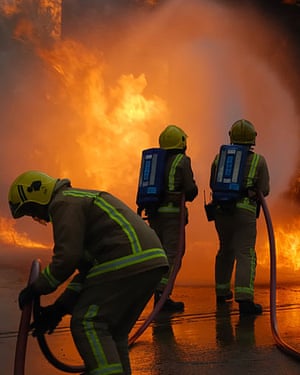
Firefighters in Scotland

‘A psychological debriefing group consisting of firefighters or employees of a recently robbed bank was typical, although it was also used for individual survivors.’ Firefighters in Scotland. Photograph: Alamy

Yet the mind does not operate like a video recorder, infallibly encoding our experiences, traumatic or otherwise. And recollection is not like a replay of one’s experience. Rather, autobiographical recall entails reassembly of encoded elements of the event distributed throughout the brain.


Terror during trauma focuses one’s attention, strengthening memory for the most salient features of the experience, and occasionally at the expense of less salient ones as the phenomenon of “weapon focus” illustrates. Victims of armed robbery often encode and thus can recall details about the weapon, but sometimes fail to encode information such as the clothing worn by the assailant. Likewise, traumatised refugees seeking asylum who provide vivid accounts of an assault sometimes misremember the precise date that it took place. The upshot is that intense emotion at the time of an experience tends to produce robust memories of it. Hence, PTSD sufferers remember their trauma all too well.


Understandably, people with PTSD tend to steer clear of reminders of their trauma as best as they can. Activities, places, people and thoughts associated with the experience are avoided as much as possible lest intrusive memories become triggered. Sufferers are hypervigilant for potential threats, startle easily and are often irritable. Their sleep is disturbed, and their ability to concentrate in everyday life becomes difficult. They often lose interest in previously enjoyed activities, become disconnected from other people, and feel as if their capacity to experience positive emotions has disappeared. Finally, they can develop problematic beliefs, such as losing the capacity to trust other people and believing the world is an unpredictably dangerous place.


Acute symptoms of PTSD are common in the days following a trauma. But these must persist for at least one month before PTSD becomes diagnosable. Short-term stress reactions can be normal responses to an abnormal stressor, but the persistence of symptoms long after the stressor has passed is the hallmark of PTSD. For example, the clinical psychologist Barbara Rothbaum and her associates assessed 95 survivors of rape or attempted rape. They found that 94% of them met symptomatic criteria for PTSD within the first two weeks following the assault. The rate dropped to 65% and then to 47% approximately one and three months, post-assault, respectively. About half recovered naturally, whereas the others failed to remit.


Although exposure to one or more traumatic events is by definition essential for PTSD to develop, most people exposed to such events never develop the disorder. One representative survey of American adults conducted by the epidemiologists Naomi Breslau and Ronald Kessler found that 89.6% of the general population had experienced at least one traumatic stressor such as a serious accident, natural disaster, rape or the unexpected death of a loved one, yet only 9.2% developed PTSD. Such findings indicate that trauma is common, but PTSD is relatively rare, hence implying that risk and resilience variables influence the psychological impact of traumatic events.


Yet for years the study of risk factors for PTSD was de facto taboo for many working in the field of traumatic stress studies. After the diagnosis first appeared in 1980 in the third edition of the American Psychiatric Association’s Diagnostic and Statistical Manual of Mental Disorders, or DSM-III, some warned that research on risk factors amounts to blaming victims for their plight. But identifying statistical predictors of PTSD among trauma survivors no more blames victims than identifying predictors of other psychological or medical conditions. Indeed, progress continues as researchers pinpoint risk and resilience variables. For example, having a personal or family history of anxiety or mood disorders increases risk of PTSD, whereas above-average cognitive ability and good social support decreases it.


The evidence suggests many trauma survivors may prefer to rely on family, friends and clergy rather than counsellors


The recent NHS study underscores the urgency of taking steps to prevent PTSD, and to treat it effectively when it does develop. Primary prevention entails decreasing the frequency of events likely to trigger the disorder. Secondary prevention targets people who have recently experienced trauma.


A once-popular approach called “psychological debriefing” involved trained counsellors conducting a single session with trauma-exposed individuals shortly after their horrific experience. For example, a group consisting of firefighters or employees of a recently robbed bank was typical, although it was also used for individual survivors. The purpose was to prevent the emergence of chronic, post-traumatic reactions by having survivors describe aloud their thoughts and feelings during the trauma, reliving it while processing their emotions in the session.


Although debriefed individuals expressed gratitude for the efforts of their counsellors, dissemination of the method was premature. Indeed, most randomised controlled trials (RCTs) indicated that debriefed and non-debriefed trauma survivors did not differ in terms of symptoms at follow-up, whereas in other RCTs debriefing actually impeded natural recovery from trauma; non-debriefed survivors were doing better psychologically at follow-up than the debriefed ones.


Wood decoration at the charity Gardening Leave in Ayrshire, Scotland


Veterans work in the gardens and greenhouses at the charity Gardening Leave in Ayrshire, Scotland. Photograph: Murdo MacLeod for the Guardian

Taken together, this evidence suggests that many trauma survivors may prefer to rely on family, friends and clergy rather than professional counsellors. Having professional counsellors available is important, but compelling survivors to undergo psychological debriefing is not.


The story of the rise and fall of psychological debriefing makes an essential point. We must not rely on clinical intuition alone when treating survivors of trauma. They deserve better. Furthermore, the methods we devise must undergo rigorous evaluation in RCTs. This is precisely what leading clinical researchers have been doing. There are effective cognitive-behavioural therapies developed and tested by clinicians, such as Edna Foa and Patricia Resick in the US, Metin Başoğlu and Anke Ehlers in the UK, and Richard Bryant in Australia, among others.


An important element of these evidence-based therapies is the gradual, systematic exposure to traumatic memories until their capacity to trigger distress diminishes. Although most PTSD patients benefit from these treatments, others terminate treatment prematurely or fail to recover. We need to continue to explore and evaluate new interventions to help those who continue to suffer.


What is PTSD? You asked Google – here’s the answer | Richard J McNally

29 Eylül 2016 Perşembe

Self-harm, PTSD and mental illness soaring among young women in England – survey

Rates of self-harm, post-traumatic stress disorder (PTSD) and chronic mental illness are soaring among young women in England aged 16 to 24, according to the biggest NHS survey of mental ill-health and treatment since 2007.


One in eight young women (12.6%) within that age group has PTSD, according to the study. That is three times the 4.2% rate found when the government-funded adult psychiatric morbidity survey was last conducted in 2007.


PTSD graphic

Researchers found a similarly worrying upward trend for the number of 16- to 24-year-old young women who self-harm – almost one in five. That has risen three-fold from 6.5% in 2000 to 11.7% in 2007 to the 19.7% found in 2014.


The same age group also has the highest rates of common mental disorders such as anxiety and depression of any group in the population. Overall 28.2% of young women told researchers they had some form of mental health condition, almost three times higher than the 10% of men from the same age group who did so.


Mental health graphic

Experts said that violence and abuse, including rape, as well as near-death experiences such as car crashes, and a loved one being killed or committing suicide were part of the explanation for the sharp rise in PTSD.


Although the definition of what constitutes trauma has remained unchanged since the survey was last conducted in 2007, the researchers said that their use for the latest survey of a new screening tool for PTSD, which is thought to be more accurate than its predecessor, may help explain the big jump in those with that disorder.


Sally McMahon, the lead researcher behind the survey, said: “We know that there are things like violence and abuse that are strongly associated with mental illness.”


Graphic

But, she added: “This is also the age of social media ubiquity. This is the context that they [young women] are coming into and it warrants further research.”


She described 16-25 year olds as the “first cohort to come of age in social media ubiquity”.


She pinpointed mobile phone use as another potential driver if the alarming trends revealed in the report, published on Thursday by NHS Digital.


Self-harm, PTSD and mental illness soaring among young women in England – survey

7 Eylül 2016 Çarşamba

Largest active veterans group calls for legalizing marijuana to treat PTSD

Faced with stark numbers of brain trauma and psychological distress cases among combat veterans, the nation’s largest active veteran’s organization has thrown its weight behind the growing movement to push for relaxing federal restrictions on marijuana.


The American Legion, the nation’s largest wartime veterans organization, took a position on medical marijuana for the first time last week. At its national convention, it passed a resolution calling on Congress to amend its laws to “at a minimum … recognize cannabis as a drug with potential medical value”.


Marijuana is currently classified by the Drug Enforcement Administration (DEA) as a Schedule 1 drug, putting it alongside drugs such as heroin and cocaine. The designation, which the DEA reaffirmed last month, means that the federal government officially believes there is no “accepted medical use” for the drug.


“It’s a tool in a toolbox,” said William Detweiler, who serves as the chairman of the American Legion’s traumatic brain injuries (TBI) and post-traumatic stress disorder (PTSD) committee and who is a past national commander of the organization. “We’re not advocating the use of marijuana or any other drugs,” but he said veterans “have a right to anything that may help them”.


The American Legion’s new policy platform comes amid greater medical understanding and scientific research in recent years on the causes and consequences of TBI and PTSD.


In the aftermath of the wars in Iraq and Afghanistan, the incidence of PTSD and TBI among veterans has rapidly increased, leading to a national crisis that has also coincided with alarming rates of depression and suicide.


The Department of Veterans Affairs estimates that 22% of combat casualties from the post-9/11 conflicts are brain injuries, compared to 12% for Vietnam veterans. It also estimates that between 60% and 80% of combat vets who have blast injuries may also have brain trauma.


A large and growing body of literature suggests that cannabis can be an effective medical treatment to alleviate the worst effects of PTSD. About two decades ago, scientists discovered the presence of an endocannabinoid system in the brain which responds to some 60 chemicals that are found in marijuana.


Detweiler said he and the organization as a whole were convinced of the case for allowing more study into the possible effects of treating PTSD and TBI with marijuana after coming into contact with the work or Dr Sue Sisley, a medical researcher who has pushed to reform cannabis laws so she can study the potential of cannabis for treating PTSD.


Detweiler admitted that he was initially concerned about how the push into the terrain of medical marijuana would be received, but he said those concerns were quickly allayed once people heard the case on its merits. “I’ve heard nothing but good things” from fellow Legion members and combat vets who urged the organization to consider taking a position on medical cannabis, he said.


In April, after seven years of trying to get the necessary federal approval, Sisley and other researchers were given a DEA license to begin a private study into the correlation between cannabis and PTSD, although the DEA’s official position remains that there is no medical value for the drug. The study is the first of its kind, involving a randomized, controlled study that uses actual marijuana plants, rather than oils or synthetic forms of the drug.


To that end, the American Legion’s resolution also calls on the DEA to “license privately-funded medical marijuana production operations in the United States to enable safe and efficient cannabis drug development research”.


“I consider this a major breakthrough for such a conservative veterans organization,” Sisley said after the vote. “Suddenly the American Legion has a tangible policy statement on cannabis that will allow them to lobby and add this to their core legislative agenda. The organization has a massive amount of influence at all levels.”


According to a major survey released in July by Iraq and Afghanistan Veterans of America, one of the nation’s largest veterans empowerment groups, some 68% of combat veterans support medical marijuana legalization in their states, while a further 75% said that the Department of Veterans Affairs ought to allow medical cannabis as a treatment option.


Marijuana reform groups have hailed the American Legion’s decision.


“Medical marijuana has been found to be a safe and effective treatment for PTSD, chronic pain, and other conditions that often affect veterans,” said Mason Tvert, director of communications at the Marijuana Policy Project. “Those who serve in our nation’s armed forces deserve access to every medical treatment option that could help them live a healthier and more productive life.”


Largest active veterans group calls for legalizing marijuana to treat PTSD

18 Şubat 2014 Salı

Soldiers Exposed To Blasts At Elevated Chance Of PTSD, Brain Damage

The Institute of Medication released a complete report last week on the extended-phrase risks of blast exposure for support members.


The bulk of these blasts are caused by improvised explosive devices (IED). A lot more than 33,000 veterans of the Iraq and Afghanistan wars have been wounded by an IED, but according to the IOM report, that figure most likely underestimates the prevalence of blast-connected injuries. Soldiers who really do not sustain noticeable or catastrophic wounds may not understand that the entire body absorbs a blast shock wave, sometimes leading to nervous system or tissue damage that’s not obvious in the aftermath.


The report’s authors, a panel of a lot more than a dozen scientists and doctors, identified that blast exposure put veterans at lengthy-term heightened danger for post-traumatic anxiety disorder, specified varieties of traumatic brain injury, development hormone deficiency, and reoccurring signs and symptoms, which includes cognitive impairment and headaches. Regardless of many years of


Relevant Story: Morale, Mental Wellness Improve For U.S. Troops In Afghanistan


There is restricted evidence, the report explained, that encountering numerous blasts prospects to a degenerative brain situation acknowledged as continual traumatic encephalopathy, which gradually erodes a patient’s cognitive and emotional faculties. Although this situation has been seen in a modest number of football gamers and veterans, there are not however adequate instances to generalize the findings.


The report stressed the need for effectively-made scientific studies to assess how blasts result in complex injuries to diverse components of the entire body. The authors urged both the Department of Defense and Department of Veterans Affairs to build robust programs for identifying blast injuries and tracking outcomes. The panel’s recommendations integrated producing a registry of veterans exposed to blasts producing a database that backlinks DoD and VA health care records to coordinate extended-term overall health care wants and conducting investigation on both the instant and chronic consequences of blast injuries amongst active-duty service members and veterans.


To study the report, click here.


Soldiers Exposed To Blasts At Elevated Chance Of PTSD, Brain Damage