Half etiketine sahip kayıtlar gösteriliyor. Tüm kayıtları göster

30 Mart 2017 Perşembe

Quarter of adults in England "get less than half hour of exercise a week"

One in four adults in England get less than 30 minutes of exercise a week, with women more likely to be inactive, a report shows.


NHS Digital’s annual review of obesity in England also found high levels of obesity among adults and children, with only around a quarter of adults eating the recommended five portions of fruit and vegetables a day.


Twenty six per cent of all adults were classified as inactive (undertaking fewer than 30 minutes of physical activity a week), with women more likely to be inactive (27%) than men (24%).


People who are long-term unemployed or who have never worked are most likely not to take exercise (37%), compared with 17% of those in professional and managerial jobs.


Almost a third of people in South Tyneside, Leicester, Barking and Dagenham and Rochdale are deemed to be inactive, while the lowest rates of inactivity were found in Wokingham (13%) and Brighton and Hove (14%), the report said.


In 2015, 58% of women and 68% of men in England were overweight or obese. Obesity has risen from 15% of adults in 1993 to 27% in 2015.


The prevalence of morbid obesity has more than tripled since 1993, affecting 2% of men and 4% of women in 2015.


The report also revealed high numbers of overweight children, with more than one in five in reception class (aged four to five) being overweight or obese in 2015-16, rising to more than one in three for children in year 6.


On Thursday, Public Health England (PHE) published new voluntary targets for the food industry to reduce sugar levels by 20% by 2020 in nine categories of food popular with children.


The NHS Digital report found that only 26% of adults ate the recommended five portions of fruit or vegetables a day in 2015: 47% of men and 42% of women ate fewer than three portions a day. But 52% of 15-year-olds said they hit the recommended five a day.


The data also showed there were 525,000 hospital admissions in England in 2015-16 where obesity was recorded as a factor. Two in three patients, or 67%, were female.


The data revealed, too, that 6,438 weight-loss surgical procedures were carried out.


A spokesman for the Obesity Health Alliance, a coalition of more than 40 health charities, campaign groups and medical colleges, said: “As waistlines increase, so do the chances of developing life-threatening conditions like Type 2 diabetes, heart disease and cancer, putting further strain on our already overstretched health service.


“This data is a stark reminder of exactly why we need measures like the sugar reduction programme and the soft drinks industry levy to help create a healthier environment for all.”


Dr Justin Varney, Public Health England’s national lead for adult health and wellbeing, said: “We need many more adults and children to be more physically active. Little and often makes a big difference – just 10 minutes extra walking each day can improve a person’s health and their overall quality of life.”


Chris Allen, senior cardiac nurse at the British Heart Foundation, said: “Being inactive can dramatically increase your risk of having a deadly heart attack or stroke.


“But the good news is that it’s never too late to start being more active, which can help you control your weight, reduce blood pressure and cholesterol and improve your mental health.


“The recommended 150 minutes of physical activity a week may seem like a lot, but you can break it down into 10-minute sessions and gradually build up.”


Quarter of adults in England "get less than half hour of exercise a week"

27 Mart 2017 Pazartesi

Half of £2bn boost for NHS "spent outside health service"

Health chiefs spent about half of the £2bn of extra cash allocated in George Osborne’s pre-2015 election autumn statement on buying care from private and other non-NHS providers, an analysis has shown.


The Health Foundation research for the Financial Times showed £901m was spent on buying services from outside the health service in 2015/16 for care provided free at the point of use for NHS patients. It compared with £800m spent on purchasing the same kind of care from NHS trusts.


In his 2014 autumn statement, the former chancellor described the money for NHS England as a “down-payment on the NHS’s own plan” and said it would go towards frontline services.


The report also found that £1 in every £8 of local commissioners’ budgets in England is now spent on care provided by non-NHS organisations. The Health Foundation said the figures showed NHS providers have not had the capacity to deal with rising demand.


Anita Charlesworth, director of research and economics at the Health Foundation, said: “Rising demand for emergency care meant that NHS providers haven’t had the capacity to deliver planned care and patients had to be diverted outside the NHS. NHS hospitals were left squeezed by sharply rising drug and staff costs with little additional funding. The result was big deficits that had to be covered by raids on investment budgets.


“The NHS urgently needs to look at how to ensure additional funds reach NHS providers. The health service needs to plan better for emergency demand, fund emergency care fairly and make sure it gets the best possible price for care provided outside the NHS.”


The Department of Health said the report showed the NHS was judging how best to deliver care and and spends less than 10% of its budget on independent providers. A spokesman said: “This report simply shows the NHS is making clinical judgments about delivering high-quality care for patients – the truth is that for many years the independent sector has made a contribution to helping the NHS meet demand, now amounting to less than eight pence in every pound the NHS spends.”


Half of £2bn boost for NHS "spent outside health service"

26 Mart 2017 Pazar

Why dissecting the brain only gives us half its story | Daniel Glaser

News that a man captured and killed the UK’s rarest butterfly reminds us how much biology relies on Wordsworth’s famous line, ‘murdering to dissect’.


The obsessive collector appreciates the butterfly’s beauty by killing it and pinning it to a board. In neurobiology, historically, researchers relied on slicing up the brain to understand more about its structure. But ‘murdering to dissect’ hasn’t always given us the best picture. When Renaissance physicians examined the cerebrospinal fluid in the brain that runs to the spinal cord, they assumed – wrongly – that this liquid transmitted impulses. And when Aristotle noticed the fine network of blood vessels in the folded surface of the brain, he believed its function was as a radiator. Neither error could have persisted if they had been able to conduct live experiments.


Dissection alone led to all sorts of mistaken conclusions, which is why modern neuroscience tries as far as possible to study the brain in action. If you want to truly understand and appreciate something, be it a brain or a butterfly, better to observe it in the wild and not just pinned to a board.


Dr Daniel Glaser is director of Science Gallery at King’s College London


Why dissecting the brain only gives us half its story | Daniel Glaser

23 Mart 2017 Perşembe

Less than half of women breastfeed after two months, survey finds

Almost three-quarters of women in England start breastfeeding after giving birth but less than half are still doing so two months later, according to NHS and Public Health England data.


PHE recommends exclusive breastfeeding for the first six months, as does the World Health Organisation, because it boosts a baby’s ability to fight illness and infection. But a comparison of initial breastfeeding rates and those after six to eight weeks in the final quarter of 2015 found that they were 40% lower for the latter (44% compared with 73%).


A survey of 500 mothers commissioned by PHE found that fears about breastfeeding among women included that it could be painful (74%), prevent them taking medication (71%) and be embarrassing in front of strangers (63%).


The PHE’s chief nurse, Viv Bennett, said:“We can all help women feel comfortable breastfeeding their baby wherever they are. Creating a wider culture of encouragement and support will help make a mother’s experience all the more positive.”


PHE has launched an interactive breastfeeding friend chatbot, accessed through Facebook messenger, to provide personal support for breastfeeding 24 hours a day. Bennett said it would help women through the “crucial” initial period, after which things generally became easier.


A study published in the Lancet last year found the UK had the lowest rate of breastfeeding in the world, with only one in 200 women breastfeeding their children after they reach their first birthday.


The WHO recommends that breastfeeding form part of a baby’s diet up to two years of age. As well as reducing the likelihood of babies getting diarrhoea and respiratory infections, breastfeeding also lowers a mother’s risk of ovarian and breast cancer and burns about 500 calories a day.


The PHE survey found that many women were not only embarrassed about breastfeeding in front of strangers, but also their partner’s family (59%) and around siblings and wider family members (49%).


The results, published on Thursday, suggested high-profile figures who promote breastfeeding can have a positive influence on other mothers. Just under half of respondents said the example of household names such as The Only Way is Essex star Sam Faiers, broadcaster Fearne Cotton and actor Blake Lively, who have recently championed breastfeeding on social media, had inspired them to do so themselves. About two-thirds (64%) said they felt more confident to breastfeed in public because of celebrity mums.


Other concerns raised by more than half of women were not being able to tell if their baby was getting enough or too much milk and that it could potentially place restrictions on the mother.


Jacque Gerrard, the director for England at the Royal College of Midwives, said: “Any initiative that goes towards helping mothers start and sustain breastfeeding for longer is positive as we know the health benefits from being breastfed last a lifetime.”


Less than half of women breastfeed after two months, survey finds

8 Mart 2017 Çarşamba

Over half of NHS staff work unpaid overtime every week, survey finds

This past year has sent shockwaves through an already challenging working environment in the NHS. From the withdrawal of nursing bursaries and junior doctors’ strikes to the uncertain impact of Brexit on 58,000 EU nationals currently working in the health service, workforce pressures continued to build for an already overstretched service.


So what do the findings of the latest NHS staff survey, released on Tuesday, tell us about how staff are coping? Covering 316 participating NHS organisations, the survey is the biggest in the world, capturing the experiences of more than 423,000 healthcare professionals across the country.


The good news is that despite the tremendous pressures the NHS faces, nearly three quarters of staff remain enthusiastic about their job, while 70% said they would be happy with the standard of care provided by their organisation if a friend or relative needed treatment. The proportion of staff who reported feeling unwell due to work-related stress is at its lowest since 2012, down to 37%.


Responses addressing another key aspect of staff motivation – feeling empowered to contribute suggestions for improving work practices – also signalled positives. More than 70% of staff said that there are frequent opportunities to show initiative in their role, and 75% reported making suggestions to improve the work of their team or department. The survey did indicate room for improvement, however. Only a small majority of staff (56%) stated that these suggestions were actually acted upon – staff feedback does not appear to always translate into tangible change.


As is to be expected in such a pressured working environment, the survey does highlight some challenges for the NHS. More than half of staff (56%) report having attended work in the last three months despite feeling unwell, due to pressure from either their manager, colleagues or themselves. This is, however, a significant improvement since 2012, when 64% attended work despite illness. Most of this pressure comes from staff themselves (92%), rather than from managers (26%) or other colleagues (20%).


Generally, staff report feeling that managers are invested in their health and wellbeing. Most say that their immediate manager takes an interest in their health and wellbeing (67%) and that their organisation more broadly takes positive action on the health and wellbeing of staff (90%). These figures are on a par with those from last year’s survey and describe a workforce committed to working together and supporting one another to deliver high quality care – one that struggles more with heavy workloads and external pressures.


A key aspect of wellbeing is maintaining a healthy work-life balance and this is another area that contains some worrying figures. Staff report being satisfied with the opportunities to work flexibly – but 59% are, on average, working additional unpaid hours each week. Overall, the proportion of staff working additional hours is 72%, indicating that not enough has been done to alleviate workloads in light of similar results in recent years. The steady increase in both paid and unpaid overtime since 2012 is concerning as research repeatedly suggests that relying on tired and over-worked staff can lead to poorer standards of care.


The results of the 2016 staff survey suggest NHS staff are showing remarkable resilience despite the huge pressures that have been placed on the system. However, with external pressures such as Brexit likely to exacerbate existing problems in future years, a concerted effort is required from the government and NHS England to ensure that the positives to be found in staff motivation and engagement this year are not lost. NHS staff are subject to immense pressures that are unlikely to ease without significant support.


  • Rory Corbett is a senior research associate at Picker, a charity that co-ordinates the NHS staff survey on behalf of NHS England

Join the Healthcare Professionals Network to read more pieces like this. And follow us on Twitter (@GdnHealthcare) to keep up with the latest healthcare news and views.


Over half of NHS staff work unpaid overtime every week, survey finds

14 Şubat 2017 Salı

Half of GPs unaware of drug"s use in cancer prevention – study

A “worrying” number of family doctors are not offering at-risk patients a preventive breast cancer drug, a charity has said.


A study found that only half of GPs were aware the drug tamoxifen could be used to reduce the risk of breast cancer.


In 2013 the National Institute for Health and Care Excellence (Nice) recommended that women deemed to be at moderate or high risk of breast cancer should be offered chemoprevention drugs including tamoxifen.


But the new research found that just over half of GPs knew the medication could be used in this way. The study, published in the British Journal of General Practice, also found that three-quarters of GPs were not aware of the Nice guidelines.


Delyth Morgan, chief executive of the charity Breast Cancer Now, said: “It is extremely concerning that many women at an increased risk of breast cancer are still not being offered the choice of taking tamoxifen to reduce their risk. Given the current debate on the increasing patient demand on the NHS, it is essential that we make the most of low-cost preventive measures such as tamoxifen.


“This study highlights that greater support needs to be offered to GPs in prescribing off-patent drugs in new uses. Ultimately, while not all women will want to take tamoxifen as it has side-effects as well as benefits, it’s imperative that they are offered the choice and given all the information they need to make an informed decision.”


The study involved online responses from 928 family doctors from England, Northern Ireland and Wales. The researchers presented respondents with a series of scenarios in which a healthy patient was seeking a tamoxifen prescription. They found 51% of the GPs knew the drug could reduce breast cancer risk, and 24% said they were aware of the relevant professional advice.


They found GPs were more comfortable discussing and more willing to prescribe or recommend these drugs if supported by hospital doctors. Cancer Research UK (CRUK) called for better support for GPs.


The tamoxifen study formed part of a CRUK report that also looks at other cancer-preventing drugs. The report says 73% of GPs know that aspirin could reduce the risk of bowel cancer in people who are at high risk.


Among GPs who had heard of the Lynch syndrome – a genetic condition that can increase a person’s risk of bowel cancer, cancer of the womb and some other cancers – just under half knew that aspirin could reduce the risk of cancers linked to the syndrome.


The report makes a number of recommendations to ensure cancer-preventing drugs are routinely discussed with and offered to patients who may benefit.


Its author, Dr Samuel Smith, a CRUK fellow at the University of Leeds, said: “Our report helps us to understand GP attitudes towards the use of cancer-preventing drugs. It’s clear that more needs to be done to promote the evidence and guidance associated with these drugs, particularly as research reveals GPs are lacking the support to discuss effectively the risks and benefits of preventive therapy.”


Prof Arnie Purushotham, CRUK’s senior clinical adviser, said: “Cancer-preventing drugs have the potential to have a huge impact by reducing the risk of cancer developing in the first place. This report reveals that it’s vital that GPs are given the right support and information so they are confident to explore the value of these drugs with those who would benefit from them, wherever they are in the UK.


“While this study focuses on reducing cancer risk, chemoprevention can also be used to reduce the risk of some cancers returning or spreading. It’s essential that the NHS provides a clear steer to doctors to ensure all patients have equal access to treatments that could benefit them.”


NHS Digital data shows there were 662,264 prescriptions dispensed for tamoxifen in 2015.


Prof Helen Stokes-Lampard, chair of the Royal College of GPs, said: “The benefits of using long-term medication to lower the risk of developing cancer are becoming clearer as new research findings become available, and it’s important that this informs official clinical guidelines and that GPs and our teams are aware of them.


“But with clinical guidelines rightly being updated so frequently and given the incredibly broad spectrum of knowledge GPs need to have, it’s understandable that family doctors often take cues from our specialist colleagues in hospitals, so improved communication channels between primary and secondary care would certainly be helpful.”


Half of GPs unaware of drug"s use in cancer prevention – study

6 Ocak 2017 Cuma

Half a million older people spend every day alone, poll shows

[unable to retrieve full-text content]


Scale of loneliness among over-60s revealed as Age UK develops scheme to provide support and companionship


Half a million people over the age of 60 usually spend each day alone, with no interaction with others, and nearly half a million more commonly do not see or speak to anyone for five or six days a week, a poll suggests.


Age UK, which commissioned the research, said the results highlighted a growing number of chronically lonely older people, which was placing increasing demand on health services.


Related: Jo Cox’s campaign to tackle loneliness lives on with help of friends


Related: Loneliness is a hazard of old age. A phone call can mean a lot | Michele Hanson


Continue reading…


Half a million older people spend every day alone, poll shows

3 Ocak 2017 Salı

Children consume half of daily sugar quota at breakfast – study

Children in England consume half their recommended maximum daily intake of sugar at breakfast, and by the end of the day have had more than three times the healthy limit, according to research from Public Health England (PHE).


The study, based on the annual National Diet and Nutrition Survey, found that on average children have the equivalent of three cubes – about 11g – of sugar before they go to school, mainly in sugary cereals, drinks and spreads. Despite this, researchers found that eight out of 10 parents believed their children’s breakfast was healthy.


PHE is launching a campaign to raise awareness of health problems linked to excessive sugar intake. It has developed an app that allows people to scan products’ barcodes to see how much sugar, saturated fat and salt they contain.


“Children have far too much sugar, and a lot of it is before their first lesson of the day,” said Alison Tedstone, PHE’s chief nutritionist. “It’s crucial for children to have a healthy breakfast, but we know the mornings in a busy household can be fraught. That’s why we’ve developed our Be Food Smart app, taking some of the pressure off parents and helping them to choose healthier food and drink options for their children.”


The recommended maximum daily sugar intake for four- to six-year-olds is five cubes of sugar, and for seven- to 10-year-olds it is six cubes.


The PHE study based on a representative survey of 1,000 people found that children under 10 consumed on average more than three times those quantities.


Sara Stanner, science director at the British Nutrition Foundation, said: “When analysing a number of breakfasts from families across England, we were concerned to see the high amount of free sugars and low amount of fibre in many of these.


“We know a healthy breakfast can make an important contribution to children’s vitamin and mineral intakes and its consumption has been linked to many positive health outcomes. There are plenty of healthier options available so we need campaigns like Change4Life to help busy parents make the right choices for their families.”


The Obesity Health Alliance, a coalition of more than 30 leading charities, medical colleges and campaign groups, also welcomed the move, saying online tools that allowed people to check sugar and fat in products could help parents and families make better food choices.


More than one in five children are overweight or obese when they start primary school, rising to more than a third when they leave.


Theresa May’s government was widely criticised in 2016 after it watered down previous commitments to place restrictions on junk food advertising and on unhealthy product placement in supermarkets.


Jamie Oliver.


Chef and healthy eating campaigner chef Jamie Oliver. Photograph: ITV/Rex/Shutterstock

The chef and campaigner Jamie Oliver accused ministers of letting down young people, and parents describing the childhood obesity strategy as “the same old bull [that] hasn’t worked for 20 years”.


As part of the strategy, the government is expected to bring in a sugar tax from April 2018, which will put up the price of sugary soft drinks. It has faced pressure from the soft drinks industry to reduce or scrap the levy.


The Obesity Health Alliance said it was important that the government pursued a robust obesity strategy. “The healthy choice isn’t always the easy choice, so it’s important that we have measures like the soft drinks industry levy and the sugar, salt and fat reduction programme to help create a healthier environment overall,” it said.


The PHE campaign will launch with television, digital and outdoor advertising and updated web content from Tuesday. More than 4.5 million free Be Food Smart packs will be given away to primary-age children and their families via schools and local authorities, and a roadshow will tour England from 9 January.


Children consume half of daily sugar quota at breakfast – study

22 Aralık 2016 Perşembe

Half of adult women in Brazil put off pregnancy by Zika virus – survey

More than half of adult women of reproductive age in Brazil have actively tried to avoid pregnancy because of the Zika virus epidemic, according to a survey carried out there.


Brazil has confirmed far more malformations of the brain in babies born to mothers who were infected with Zika than any other country.


So far, there have been 1,845 confirmed cases of what is now being called congenital Zika syndrome; a further 7,246 cases are suspected but the link to the virus has not yet been firmly established.


The survey carried out in June, led by academics in Brazil, shows that 56% of women who responded have tried to avoid becoming pregnant as a result. The numbers are no different among those who describe themselves as having religious beliefs – 58% of Catholics and 55% of Evangelicals in the survey said they were avoiding pregnancy.


In a letter to the Journal of Family Planning and Reproductive Healthcare, Dr Debora Diniz from the University of Brasilia and colleagues say there is an urgent need for Brazil to reconsider its policies on family planning and abortion, to help women who want to avoid the risk of having a baby with brain malformation.


“As indicated by the high proportion of women who avoided pregnancy because of Zika, the Brazilian government must place reproductive health concerns at the centre of its response, including reviewing its continued criminalisation of abortion,” they write.


The government should ensure better access to contraceptive methods and information, they say, arguing for a wider range of methods to be made available. Long-lasting reversible contraception such as intrauterine devices are scarce, they say, and hormonal implants are unavailable through the public services.


Women’s groups are attempting to challenge Brazil’s abortion restrictions through the courts, arguing that those infected by the Zika virus should be permitted a termination.


The team conducted a face-to-face survey of more than 2,000 women, who are literate and between the ages of 18 and 38, which corresponds to 83% of the female population.


They found that 27% had not tried to avoid pregnancy and 16% were not planning to become pregnant anyway, regardless of the Zika epidemic.


The response reflects the geographical impact of the epidemic, with a higher proportion of women from the hard-hit north-eastern region (66%) trying to avoid pregnancy than in the south (46%).


“Black (64%) and brown (56%) women were more likely to report avoiding pregnancy than white women (51%), which also likely reflects the disproportionate impact of the epidemic among the most vulnerable racial groups,” they write.


An estimated 174,000 Brazilians are said by the ministry of health to have been infected with the Zika virus, although the last updated figure was in early July.


Half of adult women in Brazil put off pregnancy by Zika virus – survey

15 Kasım 2016 Salı

Half of Ebola screening staff at Heathrow "were not clinically qualified"

An Ebola health screening programme that was put in place at Heathrow airport to protect Britain against the spread of the deadly virus was hampered by poor organisation, lack of training and lack of resources, a tribunal has heard.


The breakdown in the system was so great that the manager of the screening system called the wrong number for the specialist on call at the infectious disease hospital when concerns were raised on 28 December 2014 when the Scottish volunteer nurse Pauline Cafferkey passed through the airport.


Passengers deemed to require further observation or assessment were to be sent to Northwick Park hospital in north-west London. But the screening manager revealed he rang an incorrect switchboard the day Cafferkey arrived, rather than the infectious disease consultant on call.


David Carruthers, the shift manager the day Cafferkey returned from Sierra Leone, admitted in the tribunal that his team had run out of screening kits and monitoring kits, and that half the staff on the screening team were not clinically qualified and were “office workers” previously.


He was giving evidence at a Nursing and Midwifery Council hearing where one of Cafferkey’s volunteer group, the nurse Donna Wood, is facing being struck off for allegedly concealing the Scottish nurse’s high temperature on the day. Wood has denied the charges.


Pauline Cafferkey


Pauline Cafferkey. Photograph: Jeff J Mitchell/Getty Images

Carruthers described how the screening team was given passenger numbers for the two indirect flights coming in from Sierra Leone where NHS workers had volunteered at the peak of the Ebola outbreak.


However, he was not aware of how many passengers had actually worked on the Ebola frontline and would therefore have been deemed to be “category 3” passengers with a risk profile.


He said the screening team was unable to cope with the high numbers of category 3 passengers arriving on the Royal Air Maroc flight. But he claimed the Scottish nurse only got past the checks put in place by Public Health England to check travellers entering the country from west Africa after a deception.


“Chaotic is a bit of a harsh term, it was busy and it was a little disorganised,” he said.


Carruthers conceded that the screening system was flawed on some fronts, under cross-examination by Wood’s counsel, but said he was not clinically qualified to manage a health risk.


He said he was reliant on border control and PHE managers to provide passenger lists for any given day. “It wasn’t an exact science, I’m afraid,” said Carruthers, who worked as a Metropolitan police officer from 1984 to 2013.


He said they had only four cubicles in Terminal 4 to deal with passengers arriving on the Royal Air Maroc flight. He said passengers from Ebola-hit countries were not isolated at Heathrow.


Those, like Cafferkey, who had come from “high risk” environments were allowed to mingle freely with other passengers in the screening zone, the tribunal heard. Transit passengers were also able to move freely between terminals before being screened.


“We are talking about a highly infectious and dangerous disease,” said Ben Rich, for Wood.


Carruthers described how he had arrived in the screening area in Terminal 4 the day Cafferkey and her volunteer group returned from Freetown, the capital of Sierra Leone. He noticed that some people were agitated and unhappy with what was going on. Staff also complained that some of the forms had not been filled out properly.


However, he said he did not talk to passengers as he felt this would “exacerbate” things. His job was to manage the process, he said.


The former police officer learned that Cafferkey had been allowed through the screening process with a temperature above 38 degrees at about 6.20pm.


It is alleged that Wood recorded her temperature a degree lower in order to escape the “chaos” at the screening area and “sort it out”.


He said he learned of the alleged “deception” after he received a call from an infectious diseases nurse and then had a telephone conversation with Cafferkey directly.


At this point she was in either the arrivals hall or on the train platform to take her to Terminal 5 for a connecting flight to Glasgow.


“Pauline Cafferkey confirmed her temperature had been recorded as lower than it was,” said Carruthers. “I told her she should return to screening and have her temperature recorded. I assured her there was plenty of time for her flight [to Glasgow] and assured here there was nothing to worry about.”


He told the independent panel that he remained calm and courteous with her as he did not want to panic her as he escorted her from arrivals back to the screening area.


“I did summarise to her that the temperature had been taken at 38.3 degrees but recorded as lower than his. She did not disagree with this. I would describe her as tail between the legs or sheepish,” he said.


He later said: “Ms Cafferkey got through the screening area with what I would call as deception.”


He told how the screening team was made up of eight staff on the day, including a communicable disease expert, three clinically qualified professionals and four non-professional screeners.


In addition, an infectious diseases clinician was on call at Northwick Park hospital in the event of a high-risk patient arriving.


When alerted to Cafferkey’s temperature, he took responsibility in place of the PHE clinician on the team, to contact the expert at the hospital. By mistake, he phoned the switchboard and did not get a reply.


“That’s a breakdown in communication and for that I am partly responsible without a shadow for a doubt,” he said.


After Cafferkey was tested positive for Ebola on 28 December, Nick Gent, a doctor and deputy dead of PHE’s emergency response department was drafted in to assess the efficacy of the body’s screening process.


He interviewed volunteers in Cafferkey’s group as part of a fact-finding rather than evidential operation, he told the tribunal. Gent added that along with Cafferkey and Wood, doctors Hannah Ryan and Mark Willcox were referred to their regulatory bodies.


The NMC hearing continues.


Half of Ebola screening staff at Heathrow "were not clinically qualified"

Half of fizzy drinks have more sugar in one can than adult daily limit

Half of the fizzy drinks sold in supermarkets have more sugar in one can than an adult should consume in a day, with ginger beer as the worst offender, research has found.


New research reveals that 55% of all the carbonated drinks on sale in shops from Aldi to Waitrose contain more than 30 grams, or seven teaspoons, of sugar – the limit that everyone over the age of 11 is encouraged to stick to.


The high sugar content of such drinks is even worse when it comes to children’s health. A typical 330ml can of almost three out of four (73%) of the 169 products studied contained more than the 24g (six teaspoons) of sugar which official advice says is the most children aged seven to 10 should have over 24 hours.


Ginger beer contains the most sugar, according to the findings, which are published in the journal BMJ Open. The average sugar content across the 21 different types of branded and non-branded ginger beers studied was 38.5 grams, or 9.6 teaspoons, and 81% of them contained more than the 30g adult daily limit.


“It is disgraceful that so many children can access these products, which contain such staggering amounts of sugar, far in excess of their maximum allowance for the entire day. It is therefore not possible to state that these drinks can be consumed as part of a ‘healthy balanced diet’, even though drinks companies claim [they] can be”, said Kawther Hashem, a co-author of the study and researcher for the campaign group Action on Sugar based at Queen Mary University of London.


Flavoured colas were the second most heavily sugared. All four of the types tested had more than 30g of sugar and the average was 37.5g, or 9.4 teaspoons. They were followed by colas, fizzy orange drinks and cream soda, all of which contained on average more than 30g of sugar per 330ml.


The lowest amounts of sugar were found in elderflower, dandelion and burdock, lemonade and ginger ale. Hashem acknowledged that some manufacturers had already started reducing the sugar content of their fizzy drinks in advance of the government’s bringing in its planned sugar tax on such products.


Last week Tesco announced that it was cutting the amount of sugar in its own brand drinks to less than five grams per 100ml, the level at which the new levy is due to kick in. Ministers hailed the move as proof that the introduction of the tax is prompting beneficial change.


Suntory have also pledged that they will do the same, which will affect brands such as Lucozade and Ribena.


“It will be no surprise to most people that soft drinks contain a lot of sugar, but it’s the sheer amount of sugar that will come as a shock to many,” said a spokeswoman for the Obesity Health Alliance, a coalition of charities and medical organisations. “Drinking just one can of ginger beer or cola, for example, would immediately take you over the daily recommended limit for sugar, and significantly over if you’re a child.”


Free sugars are simply “empty calories” which are “seriously endangering people’s health” and contributing to type 2 diabetes, tooth decay and obesity, she said. The alliance is encouraged to see manufacturers such as Tesco reducing the amount of sugar in their products and others pledging to do the same, she added.


Sarah Toule, head of health information at World Cancer Research Fund, said: “Over-consuming these high-calorie soft drinks with little nutritional value can lead to being overweight and obese, which can increase the risk of developing 11 common cancers in later life, including breast and prostate cancer.”


Half of fizzy drinks have more sugar in one can than adult daily limit

7 Kasım 2016 Pazartesi

As a prison doctor I’ve seen the crisis in jails – half the inmates shouldn’t be there | Gordon Cameron

I have worked as a GP over the past decade in about a third of the around 140 prisons in England and Wales – all categories, male and female – and in all there has been a gradual increase in the prison population, leading to overcrowding.


This reflects the national situation. Ministry of Justice figures show that between June 1993 and June 2012 the prison population in England and Wales increased by 41,800 prisoners, to more than 86,000. Without urgent steps aimed at cutting the prison population this could exceed 100,000 by 2020. However, this has not been matched by a corresponding increase in the number of prison officers. On the contrary, their numbers have been cut.


When our prisons are at crisis point, amid continuing controversy about incidents such as the recent killing at Pentonville, consider our direction of travel. Take HMP Berwyn, the so-called super prison expected to open in February 2017.


Built at the cost of £212m and located at Wrexham in Wales, HMP Berwyn is expected to accommodate 2,100 category C prisoners – those who cannot be allowed to move freely but are considered unlikely to try to escape. Instead of taking steps to radically reduce the UK prison population the government keeps building more prisons to house even more prisoners.


I have come across numerous cases over the years where a noncustodial sentence would have been more appropriate than imprisonment. I recall a heavily pregnant lady suffering from a life-threatening condition who was jailed for breaching a restraining order. What was to be expected of a pregnant sufferer confined for a good deal of the time in a small, poorly ventilated prison cell? During her time behind bars she was rushed to hospital several times. Whenever she was there, for sometimes up to a week and longer, she was guarded round the clock by prison officers.


Sending people to jail in the hope of ridding society of the menace of drug abuse is a woefully inadequate approach


I recall another instance when the nurse, seeing the new arrivals on reception duty, sent me the following message, asking me to prescribe a short course of sleeping tablets for a recent arrival. She was in prison for failing to pay a bill. Her partner was supposed to be looking after their young children but, the message said: “she does not believe he is up to the task. She is in a very weepy state and unable to sleep. She has another four weeks to do – could you please help?”


These women represent a not insignificant proportion of the prison population who are not a “danger to the public”. So why is the state spending large sums to keep them behind bars?


Ministry of Justice figures from 2013 revealed that 55% of prisoners connected their offences to drug-taking, with the need for money to buy drugs the most commonly cited factor. Eliminating the addiction factor could lead to the closure of about half the prisons in the UK and free resources for other matters.


‘Prison is punishment enough’: are inmates paying price of industry politics?

Sending these people to jail in the hope of ridding society of the menace of drug abuse is a woefully inadequate approach to the complex problem of drugs. It is akin to a doctor treating the symptoms of a disease without concerning themselves with its cause or its future prevention. There should instead be a holistic approach to the problem of drug addiction, with treatment and rehabilitation forming the centrepiece.


And then there are the inmates with mental health issues. Surely these are best handled in psychiatric institutions rather than prison. Instead of spending millions on “super prisons”, the state would be better employed building additional psychiatric hospitals and homes to accommodate the hundreds, if not thousands, of them languishing in jail. Instead of helping them to overcome their mental impairment, society is punishing them for a condition they cannot help having. Labelling them criminals on a par with those who commit armed robbery, rape and murder is antiquated at best and nonsensical at worst. Samuel Butler lampooned this stance in his classic satire, Erewhon, describing a culture who imprisoned the sick for the crime of not being well. That was published in 1872, but what has changed since then?


A report published last month by the RSA’s Future Prison project says the prison and probation services in England and Wales are failing to protect the public because they do not rehabilitate offenders, and that they should be radically restructured. I welcome the rehabilitation aspect, but it still ignores the central issue of population.


We need urgently to address sentencing, because too many offenders are being sent to prison for short terms. A record-breaking case was that of a lady who was jailed one evening only to be released the next day. I believe any sentence below three months should be suspended, turned into fines or whatever other punishment society deems appropriate short of an actual prison sentence.


As for drug addicts, the power to sentence them to drug rehabilitation homes makes sense for everybody. Keeping the most dangerous criminals – sex offenders, murderers, terrorists, armed robbers, and so on – in jail, and finding alternative punishment for those committing petty crimes, would not only lead a radical reduction in the prison population, it would also allow for the proper supervision of extremely dangerous inmates.


Whatever else is said this week, population reduction is where our focus is and it is quite achievable. What is really needed is the will.


• Dr Gordon Cameron is a pseudonym. Memoirs of Her Majesty’s Prison Doctor by Dr Cameron is available now. Visit hmpdoctorsmemoirs.com


As a prison doctor I’ve seen the crisis in jails – half the inmates shouldn’t be there | Gordon Cameron

7 Ekim 2016 Cuma

Almost half of young Australian adults binge-drink every month, report says

Almost half of young Australian adults engage in binge-drinking on at least a monthly basis, a new report shows – but across the board rates of alcohol consumption are falling.


Findings from the Australian Institute of Health and Welfare on trends in alcohol availability, use and treatment show that 18- to 24-year-olds are most likely to report risky drinking behaviour.


The report says 47% reported drinking more than four standard drinks on a single occasion on at least a monthly basis, 33% consumed 11 or more standard drinks on a single occasion at least yearly, and 18% at least monthly.


But older Australians were more likely to have more than an average of two standard drinks a day, with 23% of respondents aged from 40 to 49 reporting what was defined as a “lifetime” risk.


Similarly, nearly half (49%) of respondents receiving treatment were aged in their forties. Overall, treatment for alcohol had increased by 20% from a decade ago, with patients in 2014-15 most likely to be males aged over 40 and living in major cities.


Researchers said it was possible that problems related to drinking did not develop until later in life or that people simply did not seek treatment for them until then.


The report, released on Friday, assessed trends in alcohol availability, use and treatment.


Volume of alcohol consumed per capita

Tim Beard, a spokesman for the AIHW, said binge-drinking – particularly among younger Australians and those living in rural or very remote areas – was at odds with the downward trend of consumption rates overall.


“That contrast really jumped out at us.”


He said drinking alcohol in significant quantities became less socially acceptable as people aged, and those who reported receiving treatment was “an ageing cohort”, seeking help for “habits they formed sometimes 20, 30 years ago”.


“They might have been receiving treatment for years.”


In 2013, just over 15 million Australians, about 78% of the population, had consumed alcohol in the past year – but the apparent consumption of alcohol as determined through sales and taxation data has decreased nationally from 2003-04 to 2013-14.


The proportion of people abstaining – who had never consumed a full serving of alcohol – had risen from 17% in 2004 to 22% in 2013; the rate of ex-drinkers had also increased.


Alcohol consumption per person had also fallen to 9.7 litres in 2013-14 from 10.8l in 2008-9.


The increasing price of alcohol, restrictions on trading hours, and fewer outlets were understood to be effective in reducing harms.


“I think there’s a lot more public awareness of the impact of all sorts of behaviours on health,” said Beard, noting the National Drug Strategy aimed to reduce rates of smoking, drinking and drug abuse across the board through prevention.


“It’s not just younger people who aren’t taking it up – it’s a lot of people who are giving it up.”


But despite some emerging positive patterns, risky drinking and alcohol dependence continued to be significant issues in Australia, particularly among some groups.


Remote and very remote areas were more likely to engage in risky drinking than people living in major cities, said Beard.


Interactive

“They’re sort of bucking the trend, unfortunately, when you look at them as a group. It’s a small pocket but a notable one.”


The report found 15% of people who identified as lesbian, gay or bisexual reported drinking at very high levels each month, compared to 7% of people who identified as heterosexual.


Indigenous Australians were more likely than non-Indigenous Australians to report risky drinking on single occasions, and more than three times as likely to drink at very high levels every week – though the gap was decreasing over time.


Alcohol was the leading cause of burden of disease for Australians under the age of 45 in 2011; alcohol-use disorders were responsible for 1.5% of the total burden of disease.


Research published by the University of Adelaide last week highlighted the difficulties experienced by Australians to cut back on their alcohol intake or quit altogether.


Ashlea Bartram, a PhD researcher at the university’s School of Public Health, found that people routinely made excuses to remove themselves from situations where others were drinking, or provided accepted excuses for abstaining such as being unwell or needing to drive.


She said it was “quite clear there is a stigma attached” to people attempting to change their drinking habits. “It’s as though some kind of social code has been violated.”


People tended to make excuses not to attend social gatherings, and instead found “new ways to spend time with their peers that weren’t focused on alcohol,” Bartram said.


Almost half of young Australian adults binge-drink every month, report says

15 Eylül 2016 Perşembe

Maternal deaths worldwide drop by half, yet shocking disparities remain

The number of women dying from causes related to pregnancy and childbirth has almost halved since 1990, a global report has revealed.


Worldwide the annual number of maternal deaths per 100,000 live births fell by 44% between 1990 and 2015, from approximately 385 to 216.


But the figure came far below the target set by the United Nations as part of its millennium development goals in 2000, which aimed to see a drop of 75% by 2015.


The report also highlights that global inequalities in maternal healthcare are increasing, with the gap between countries with the lowest level of maternal deaths and the highest doubling between 1990 and 2013, reaching a 200-fold difference.


“Lots of people worked very hard and progress was achieved, but it was patchy,” said Wendy Graham from the London School of Hygiene and Tropical Medicine, who was a co-coordinator of the report. “Like many things in health, in the progress that the average receives invariably there are some left behind.”


It is estimated that 210 million women become pregnant every year, with 140 million babies born. But according to the report – a series of six papers published in the Lancet by an international team of researchers – provision of maternal healthcare worldwide is hugely variable.


“This is about human rights and a lack of standardised care across the world,” said Stephen Kennedy, head of the Nuffield department of obstetrics & gynaecology at the University of Oxford, who was not involved in the series.


“Women should be as healthy as possible before pregnancy and have access to adequate health care when they are pregnant,” he added. “There is then no reason why common problems in pregnancy shouldn’t be managed in exactly the same everywhere because the evidence base is so strong. We know what to do. The problem is that we are failing to implement that knowledge.”


According to the new Lancet series, the chances of a woman dying from childbirth over her lifetime is about one in 4,900 in high-income countries, while for women in sub-Saharan Africa the figure is one in 36. By contrast, according to the World Health Organisation, the UK figure is one in 5,800.


“[What] drives some of the risk is that we still have high fertility in some parts of the world,” said Graham. “We still have large parts of low- income countries where there is a high unmet need for contraception.”


While births in the presence of skilled birth attendants rose from 57% to 74% between 1990 and 2013, the authors warn that many women in poor and rural settings do not have access to such care, while the increase in coverage does not necessarily mean such care is of high quality.


“There are still about 53 million women who have no care at all at the time of delivery,” said Graham.


“If you have coverage of care that is not good quality you are not going to prevent the deaths,” she added. “There is a non-trivial proportion of facilities that are called maternity units but don’t have running water, don’t have electricity, don’t have trained providers.”


Where women do make use of maternal healthcare services, the quality of care can vary dramatically, the authors add, with some receiving too little care, too late. That, they say, can be down to delays in recognising or accessing care, as well as poorly-equipped facilities, with too few staff and a lack of evidence-based care.


The situation, they add, can arise not only in low income countries, such as those in sub-Saharan Africa, but also in high- and middle-income countries due to social inequalities: black women were more likely to die in childbirth in New York in 2010 than women in North Korea or Vietnam.


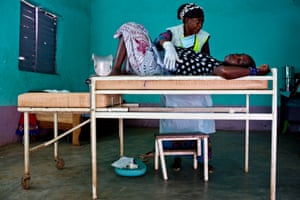
A woman is examined by a midwife at a health clinic near Doko, Siguiri, Guinea.


A woman is examined by a midwife at a health clinic near Doko, Siguiri, Guinea. Photograph: Kate Holt/UNICEF

The opposite end of the spectrum is also of concern, the authors write, citing the over-medicalisation of birth that they dub “too much too soon”, as shown by high rates of caesarean sections and induced labour as well as unnecessary ultrasound examinations and excessive use of antibiotics.


“You have countries like Brazil and parts of Latin America where about 40% of deliveries are by caesarean section, they are a very common procedure,” said Graham. “Now there is no way that 40% of women need a caesarean section.”


By contrast, around a quarter of babies in England and Wales are delivered by caesarean section, while almost 19% of births worldwide involve the procedure. “Globally, caesarean section rates are rising, and medically unnecessary caesarean sections are prevalent,” the authors report.


The authors also reveal that about 27 million cases of serious pregnancy-related complications occurred in 2015 from the five main direct obstetric causes including haemorrhage and problems arising from abortions. “Death is the tip of the iceberg,” said Graham. “Morbidity is a very large burden on families and health systems.”


The authors highlight a need for maternal healthcare services to respond to growing diversity in the health problems affecting pregnant women as well as the trend for women to have babies later in life. The latter, they say, includes offering care not just regarding the pregnancy and birth itself, but also taking into account that older mothers are more likely to have medical conditions that also need to be addressed and considered, as well as different preferences for their care.


“That joined-up thinking and that joined-up working among professionals and services doesn’t really exist in low income countries in many places on the scale that can respond to these epidemiological transitions,” said Graham.


Other challenges, the authors note, lie in the boom in people moving into urban centres, as well as the rise in obesity, pointing out that in 2014, 13% of mothers were obese.


“Again it is this issue of getting prepared for services to meet the needs of obese patients,” said Graham.


The report also highlights the need for emergency services to provide better maternal health care during crises, from outbreaks such as that of the Zika virus to mass migration, whether political or environmental.


“Your first line services have to recognise that pregnancy will continue and births will happen,” said Graham. “Systems need to be more resistant to what we call shocks – whether it is Zika or indeed ebola, shocks happen.”


“The new report makes it evident that there is a growing divide between the haves and the have-nots,” said Katja Iversen chief executive of Women Deliver.


“We have come far in bringing down maternal mortality, but we are definitely not there yet,” she added. “It is not just about increasing the number of health centres, it is also about women’s economic status in society. It is not just about increasing the quality of care that women receive, it is also about education, nutrition and equality. And it is not just about low income countries, it is also something that we see in pockets of very wealthy countries.”


Maternal deaths worldwide drop by half, yet shocking disparities remain

19 Ağustos 2016 Cuma

Half of UK parents allow children to drink alcohol at home, says survey

Half of parents with children under the age of 14 allow them to drink alcohol at home, research by Churchill home insurance has found.


It also found that 34% of parents with children under 14 used alcohol as a bribe to encourage good behaviour, while 11% of parents with children aged five to seven allowed them to drink at home. A quarter of those surveyed who let their children drink said they saw nothing wrong with it.


Related: Should you be worried about your student son or daughter’s drinking?


While it is not illegal for children aged five to 16 to have alcohol at home, the Chief Medical Officer’s report states that children under 14 who drink have increased health risks – including suicide attempts, involvement in violence and alcohol-related injuries.


Almost a third of parents said that allowing their children to drink at home let them monitor their child’s alcohol consumption. The research also suggested that one in five parents would allow minors who are not family members to have alcohol in their house.


Martin Scott, head of Churchill home insurance said: “The relationship between children and alcohol in Britain always seems more fraught than for our continental cousins. Many parents want their children to have a responsible attitude to drinking and introduce alcohol in a safe, controlled environment.


“The challenge any parent will recognise is how to prevent excessive drinking, especially amongst teenagers … Whenever people are drinking in the home, there is a greater risk of injury or property damage as alcohol has a significant impact on co-ordination.”


Joanna Simons, chief executive at Alcohol Concern, said: “We know that many parents start from the best intentions when they introduce children to alcohol at home, but all the research indicates that the younger that children start drinking, the more likely they are to have problems with alcohol in later life.


Related: Alcohol-related deaths in England up 4% in one year


“Parents are really important role models for their children and the more that they can keep an eye on the number of units they’re drinking, and have a few days off drinking each week, the more that their children’s attitude to alcohol will be shaped in a safer way.


“The Chief Medical Officer advises that an alcohol-free childhood is the safest option and that those under 15-years-old, ideally, should not drink at all.”


Rosanna O’Connor, director of alcohol, drugs and tobacco at Public Health England, said: “Advice from the Chief Medical Officer for England is that an alcohol-free childhood is the healthiest option.


“Most parents are aware of the dangers of children and young people consuming alcohol from an early age and evidence points to the fact that starting to drink alcohol before the age of 15 can affect their health and wellbeing in the future.”


Half of UK parents allow children to drink alcohol at home, says survey

15 Temmuz 2014 Salı

Anxious effectively: half of shoppers now purchase "free from" generate for meals intolerance


Last week, its variety expanded to 150 items, with new items this kind of as green olive ciabatta rolls, baguettes, pizza bases, tea cakes and loaves, all-butter fruit scones and golden syrup pancakes. Two gluten-free of charge beers are now on sale for the very first time.


Data from Kantar Worldpanel shows that a lot more than half of Britons – 55.two per cent – are now acquiring “free from” goods.


The market place, which was worth just £173 million in 2009, is now worth twice as much – valued at £355 million in 2014.


The sector is anticipated to expand even more and by 2018 could be really worth £538 million, in accordance to forecasts by client analysts Mintel.


Trade magazine The Grocer described “free from” create as “one particular of grocery’s fantastic success stories”.


“Free of charge from’s march on the British mainstream has been lent a massive assisting hand by higher-profile endorsements from celebrities this kind of as Victoria Beckham, Jessica Alba and Miley Cyrus,” it said.


“It is clear way of life choice plays a big component in the sector’s good results. Far much more buyers purchase into free of charge from than have been diagnosed with a meals-connected issue.


“For illustration, just a single per cent of the Uk population has been diagnosed with coeliac disease – an autoimmune condition that requires sufferers to keep away from all gluten – and an estimated 15 per cent are intolerant to lactose. ”


David Jago, director innovation and insight at Mintel, stated increasing availability and selection had contibuted to the rise in popularity of the variety.


“The style element helped to get it off the ground but it truly is received beyond that now,” he said.


“There are a good deal more items out there and they are a good deal far better top quality than they utilised to be. And there’s significantly greater presence and visibility in-retailer. It is no longer a ghetto ”


Tesco purchaser Lauren Tredgett informed the magazine that “the massive development in demand is becoming driven by an boost in clients getting to be a lot more conscious of their intolerance to wheat and gluten”.


Anxious effectively: half of shoppers now purchase "free from" generate for meals intolerance

9 Temmuz 2014 Çarşamba

Half of NHS bosses think individuals will have to spend for some services

Doctor with a stethoscope

Thirty-five % of respondents backed the thought of introducing costs for solutions such as visiting a GP or for missed appointments. Photograph: Hugh Macknight/PA


Almost half of NHS bosses feel the wellness support is underneath this kind of strain that patients will be forced to pay out for at least some solutions inside 10 years.


The obtaining reflects deepening gloom among chief executives of NHS organisations that the services is becoming unsustainable in its existing type as a outcome of increasing demand for care amid an ongoing economic squeeze.


In a survey of 78 senior NHS leaders by the Nuffield Trust health thinktank, 47% mentioned it was quite (33%) or really (14%) unlikely that extensive healthcare would nonetheless be supplied free at the point of use in England a decade’s time.


Despite the fact that 48% believed the NHS would nonetheless be working along current lines by 2024, the thinktank mentioned in a report published on Thursday that it was struck by the lack of self confidence “that some of the NHS’s core values will continue to be in 10 years’ time, squeezed out by relentless austerity, and the need to have to meet rising numbers of (extremely) frail older men and women and men and women with persistent sickness, and rising expectations about what a health service can and ought to provide.”


Amid the respondents 63% mentioned that taxes ought to rise to fund the NHS, despite the fact that 29% disagreed. And although fifty five% opposed introducing costs for companies such as visiting a GP or missed appointments, 35% backed the thought. NHS England’s chairman, Prof Sir Malcolm Grant, explained final yr that whoever types the government soon after the next election would have to think about introducing fees to assist the NHS keep intact.


3-quarters of (76%) NHS bosses also believe the support could turn out to be far more efficient with out harming care but the thinktank warned that individuals could commence to come to feel the effects of its tightening financial squeeze before up coming May’s basic election.


“I feel they will discover it in some hospitals. They will locate growing A&ampE waits, some men and women will have to wait longer [for elective remedy] and I think they will have to wait longer to see a GP”, said Andy McKeon, the thinktank’s senior policy fellow.


The squeeze indicates hospital trusts are increasingly getting to decide whether or not to spend income to improve the top quality of care they supply or allow it slide, for illustration by letting waiting lists lengthen.


Its report, Into The Red?, warned that the NHS could encounter a funding crisis just before next year’s election and that, soon after coping well until finally last 12 months with the growing demands positioned on it, official NHS monetary data for 2013-14 display that “cracks are beginning to display in a method beneath significant economic stress”.


There was a worrying £1bn turnaround in the monetary wellness of the hospital sector in England between 2012-13 and 2013-14, which noticed the variety of trusts in deficit rise from 45 to 66 and a £383m surplus in 2012-13 grow to be a £100m deficit in 2013-14, even after a additional £500m was pumped into ailing trusts by the government.


In Might the well being minister Lord Howe stated that while 2014-15 would be “a difficult year financially” for the NHS, “in 15/16 … we are going to be actually up against it.” It is probably to be up against it just before then, McKeon said.


Additional evidence emerged on Wednesday of the growing pressures on the NHS when official figures showed the quantity of folks being forced to wait longer than the 6-week target for a diagnostic test for cancer and other critical illnesses, this kind of as a CT scan or MRI scan, had reached its highest level for 6 many years.


In May a total of 18,664 men and women waited more than 6 weeks to have either form of scan, ultrasound or an endoscopy.


Duleep Allirajah, head of policy at Macmillan Cancer Support, explained it was really worrying that the proportion of people waiting much more than six weeks for exams to diagnose cancer had more than doubled from 1% to two.2% in a year.


“Regardless of the fact that waiting occasions are significantly decrease because the introduction of the 6-week waiting time target in 2008, it is alarming to see them creeping back up once again. The NHS is underneath strain and cancer hazards being overlooked and not offered the target it demands,” he extra.


Andy Burnham, the shadow well being secretary, mentioned the figures were further proof of “an NHS heading seriously downhill underneath David Cameron. Sufferers are waiting longer for vital exams, causing stress and true anguish for anxious households.”


Half of NHS bosses think individuals will have to spend for some services

3 Temmuz 2014 Perşembe

Half of physician whistle-blowers "not listened to"

The findings display virtually a third are preparing to perform abroad, three quarters are doing extra, unpaid perform in buy to deliver acceptable patient care and that one half of physicians who had raised concerns about care felt they had not been listened to.


It comes only days soon after an inquiry into the treatment method of whistle-blowers was announced by the Department of Overall health.


Robert Francis QC, who chaired the inquiry into catastrophic failures as Mid Staffordshire NHS Believe in, will lead the new probe following staff explained there was even now a culture of fear.


Dr Mark Porter, chairman of the BMA Council stated: “We’re presently seeing the impact of a recruitment and retention crisis on the NHS in the type of queues in our GPs surgeries and emergency departments, so it really is a trigger for genuine concern that practically a third of physicians are organizing on leaving the NHS to function abroad.


“This confirms what we hear around us all the time, that the government is steadily turning the NHS into a place where doctors do not want to perform, by cutting its resources, devaluing medical professionals and cheapening the support to patients.”


He warned that with increasing demand from an ageing population much more medical doctors have been essential not fewer.


Dr Porter extra: “Unless the government will take urgent action to handle the workload pressures dealing with medical professionals, which are also a barrier to delivering the very best attainable patient care, then we will get rid of a generation of youthful medical professionals to health companies overseas.


“Unmanageable workloads, particularly in basic practice and emergency medication, collectively with the steady chipping away of spend and circumstances are eroding even younger doctors’ morale and producing the NHS a less and significantly less eye-catching area to perform.


“This is specially sad provided doctors say functioning with sufferers is the ideal part of their work and not a single person surveyed regretted turning into a doctor.”


A Department of Well being spokesman stated: “We have come a lengthy way because the tragic events at Mid Staffordshire, nevertheless we nonetheless hear of circumstances the place NHS staff who have raised considerations about safety tell us they have been ignored. That is why we have asked Sir Robert Francis QC to lead an independent assessment into how we protect NHS employees who communicate out and produce a much more open culture.


“Doctors are operating incredibly tough and carry on to give substantial good quality care in the face of growing demand. We want to do every thing we can to help them to offer safer care for individuals.”


He additional that despite the fact that some physicians want to perform abroad there are 7,000 much more medical doctors operating in the NHS than in 2010 and there has often be a movement in and out of the nation of healthcare personnel.


He stated: “The majority return to perform for our NHS, and bring back with them expertise that will advantage British patients.”


Half of physician whistle-blowers "not listened to"

26 Haziran 2014 Perşembe

Complete siblings are far more violent to every other than half or stage siblings, review finds


Half and unrelated siblings, this kind of as step, fostered or adopted siblings, used significantly less violence with much less severity, it was uncovered.


In households created up of each blood-connected and unrelated siblings, people surveyed used much more violence in the direction of their relevant – total and half – brothers and sisters, even employing weapons such as heavy objects and knives, the research by Dr Roxanne Khan, Dr Vanlal Thanzami and Jennifer Bowling from University of Central Lancashire concluded.


“This research centered on the ‘Cinderella Effect’ that, according to evolutionary theories, suggests that stepchildren are far more most likely to encounter neglect or abuse than these related by blood. We wished to check out no matter whether this was the case amongst complete, half and unrelated siblings,” Dr Khan mentioned.


“Contrary to what we anticipated, this research did not help the ‘Cinderella Effect’ taking place within siblinghood.


“Sibling relationships are very complex so we assume a variety of other aspects could have influenced our outcomes.


“It could be the case that full siblings count on much less retaliation for using violence towards their blood brothers and sisters, in contrast to the uncertain revenge of half or unrelated siblings, and this could make clear the friction.”


The group asked to 315 brothers and sisters, aged 16 to fifty five, how they fought with their siblings and about the severity of the violence.


Participants supplied data about 456 complete siblings, 123 half siblings and 39 unrelated siblings.


The findings will be presented at the British Psychological Society Division of the Forensic Psychology annual conference in Glasgow on Friday, June 27.


Complete siblings are far more violent to every other than half or stage siblings, review finds

16 Haziran 2014 Pazartesi

Half who miscarry "wait 24 hours for a scan" - Mumsnet

“I had to wait 6 months to get counselling and lost six months of my existence as I was not coping with the loss,” one particular girl wrote.


And while 58 per cent of respondents wanted additional health-related care, just 26 per cent were presented it.


“The hospital explained they’d request a well being visitor to get in touch with me. That was two months ago nobody has been in touch,” replied an additional.


The survey located that aftercare following miscarriage is woefully inadequate. Photo: ALAMY


In 2012, Nationwide Institute for Overall health and Care Excellence (Nice) advice stated that miscarrying at property would be the default clinical response for girls undergoing miscarriage before the 13th week of pregnancy. But these outcomes show this policy is leaving women with out the assistance they need: only 15 per cent of females who miscarried at property, following a scan, felt they had the proper assistance, data and ache relief to cope.


“I was told, more than the telephone, to ‘just sit on the toilet and hopefully it will all come out’,” recalled a single Mumsnet user.


Eleven ladies were asked to retailer their miscarried foetus at residence – some reportedly in the fridge – prior to additional tests currently being carried out.


Only a quarter of the girls surveyed spoke of their experiences to pals and only 13 per cent told wider loved ones.


A campaign for greater care


Mumsnet users are campaigning for far better care in situation of miscarriage. They are calling for straightforward improvements in the treatment patients acquire like: supportive employees, accessibility to scanning, secure and appropriate spots for therapy, good info and powerful treatment method and joined-up care.


Many of the factors are integrated in greatest-practice advice from the Department of Well being. But the analysis exhibits that, also usually, it’s not becoming implemented.


Mumsnet is now asking for a parliamentary dedication to strengthening miscarriage care.


Mumsnet founder Justine Roberts (right) is campaigning for better miscarriage care. Photo: ABBIE TRAYLER-SMITH.


Justine Roberts, the founder of Mumsnet, explained: “There’s no escaping the ache of a miscarriage. But for this to be compounded by lack of treatment method, pain relief, very good care – or just plain human kindness – is fully unacceptable.


“We are calling on the three primary parties to contain a pledge in their manifestos to enhance miscarriage care, primarily based on the ideas in our code.”


Cathy Warwick, chief executive of the Royal College of Midwives, added: “Midwives and other overall health professionals have an important role to play in supporting ladies and families via the bodily and psychological influence of miscarriage.


“Kind, compassionate and empathetic communication about care and remedy is an important stage to assistance households. It is specifically important that there is successful communication amongst the hospital, GP and midwife to supply ongoing assistance or guidance, as essential.”


Half who miscarry "wait 24 hours for a scan" - Mumsnet