experts etiketine sahip kayıtlar gösteriliyor. Tüm kayıtları göster

10 Mayıs 2017 Çarşamba

Gluten-free diet carries increased obesity risk, warn experts

Substituting everyday staples with gluten-free foods could increase the risk of obesity, experts have warned, after finding that such products often contain higher levels of fats than the food they aim to replace.


A gluten-free diet is essential to those with coeliac disease – an auto-immune condition that is thought to affect 1% of Europeans – while the regime is also proving increasingly popular among those without the disease. But while a host of gluten-free products are on the market, researchers have said they have a very different nutritional make-up to conventional staples.


“There is very little [consumers] can do about it,” said Joaquim Calvo Lerma of the Instituto de Investigación Sanitaria La Fe in Spain and co-author of the research. “Unfortunately consumers can [only] eat what is available on the market.”


Calvo Lerma’s warning comes after he and his and colleagues compared 655 conventional food products to 654 gluten-free alternatives across 14 food groups including breads, pasta, breakfast cereals, biscuits and even ready meals, covering a range of brands.


The results – presented at the annual meeting of the European Society for Paediatric Gastroenterology, Hepatology and Nutrition – reveal that, overall, gluten-free products were more energy-dense than their conventional counterparts.


The team found that, on average, gluten-free bread loaves had more than twice the fat of conventional loaves, while gluten-free breads in general had two to three times less protein than conventional products. Gluten-free biscuits were also found to be lower in protein but higher in fat, while gluten-free pasta had lower levels of sugar and just half of the protein of standard pasta.


Calvo Lerma warned that gluten-free foods could be contributing to an increased risk of obesity, particularly among children who are more likely to eat products like biscuits and breakfast cereals. He urged consumers to compare gluten-free products across brands to find those with the lowest fat content.


Calvo Lerma also called on manufacturers to innovate. “It is the responsibility of the food industry to produce these type of gluten-free products from other materials that are much healthier or have a [more] enhanced nutritional profile than the current raw materials being used, like cornflour or potato starch,” he said, pointing out that healthier products could be made, for example, using grains such as buckwheat or amaranth.


He added that manufacturers should also add more complete and clearer labels to products to highlight their nutritional content, including levels of vitamins and minerals.


Benjamin Lebwohl, from the coeliac disease centre at Columbia University, who was not involved in the research, said that the study backs up previous evidence that gluten-free foods are nutritionally suboptimal. But while a gluten-free diet is essential for coeliacs, it is not intrinsically healthy or unhealthy, he added. “It depends on the choices you make as part of the gluten-free diet,” he said.


Sarah Sleet, chief executive of Coeliac UK, said the latest findings tie in with the charity’s own research, adding that further development of lower-fat, gluten-free products would be welcomed.


David Sanders, professor of gastroenterology at the University of Sheffield, noted that other studies have found gluten-free and conventional foods to have similar nutritional value. “The jury is out,” he said.


But Sanders cautioned that there is no evidence a gluten-free diet has benefits for those without gluten sensitivity or coeliac disease. “Once you go into the territory of dietary restrictions without medical symptoms then you are running the gauntlet of missing out on various vitamins or minerals without realising it,” he said.


Gluten-free diet carries increased obesity risk, warn experts

Universities must do more to tackle use of smart drugs, say experts

Universities must do more to tackle the growing number of students turning to “smart drugs” to cope with exam stress, leading academics have said.


UK institutions are being called on to consider measures such as drug testing to stem the rise of cognitive enhancement drugs being used by young people to improve their academic performance.


As hundreds of thousands of students across the UK prepare to sit their summer exams in coming weeks, Thomas Lancaster, an associate dean at Staffordshire University, said we were entering a “dangerous world” where students have access to the “study drugs”. He called on universities to have “frank discussions” with students and to develop policies around their use.


“Universities need to seriously consider how to react to the influx of smart drugs on campus. Educating students about smart drugs and seeing if they view this as cheating is important here. If the trend continues, universities may need to think about drug testing to ensure the integrity of the examination process,” Lancaster said.


Smart drugs, also known as nootropics, are a group of prescription drugs used to improve concentration, memory and mental stamina during periods of study. The most commonly used ones are Modafinil, Ritalin and Adderall. These substances are normally used to treat disorders such as narcolepsy and attention deficit hyperactivity disorder.


Larissa Maier, a research associate at the University of Zurich, called for more education about the risks associated with the substances. Her concerns were echoed by Prof Tim Hales, the head of neuroscience at Dundee University. He said: “In the short term some of these drugs may not be harmful, but we don’t know about their potentially harmful cumulative effects. Different students will respond differently, particularly when taking other medications, alcohol or recreational drugs at the same time.”


The growth of smart drugs over the past five years has been well documented, especially in top institutions such as Oxford University. In May 2016 the Oxford student newspaper, the Cherwell, published a survey that showed 15.6% of students knowingly took Modafinil or another such drug without prescription.


Oxford has introduced workshops to educate young people about smart drugs.


A recent European study co-authored by Robert Dempsey, a lecturer in psychology at Staffordshire University, found that the majority of university students believe it is normal to use such drugs to enhance academic performance.


Maier said current estimates indicate about 10% to 15% of students have tried to enhance their cognitive performance with prescription drugs, alcohol or illegal drugs at least once. With a UK student population of 2.3 million, this works out at about 230,000 people.


Students at Oxford


Students at Oxford. Photograph: Pete Lusabia/Alamy Stock Photo

Oxford University said it had not seen evidence of a widespread problem, but added that students were strongly advised not to take any unprescribed drugs. “Students who are struggling to cope personally or academically will find a range of support at Oxford. They should talk to their tutors, their college welfare officers, Oxford University Student Union, their GP, or the university counselling service.”


The health risks that the drugs could pose are still unclear, but using them without a prescription is illegal and can lead to unwanted side-effects, such as increased anxiety and heart rate.


Maier said the number of students using the drugs could increase due to increased availability both at universities and online.


Dr Dominique Thompson, the director of the students’ health service at Bristol University, said she sees a handful of students a year who come in suffering the side-effects of the medications, such as insomnia. She put the rise in use down to increased competition and pressure on young people.


Thompson said: “There is a huge pressure to do well and excel and be different to everyone else as well as financial pressure now. That may be another factor as to why students feel they need to use any means to do well.”


The Guardian heard from several students who claimed to have faked ADHD symptoms in order to be prescribed Ritalin or Adderall. One student, from UCL, said: “I obtained the drugs from a friend who wanted Ritalin to use as a smart drug. She memorised the symptoms of attention deficit hyperactivity disorder and convinced a GP to prescribe it.”


Non-prescription sale of Noopept, a fine white powder that its makers claim enhances cognitive ability, was banned in the UK last year under the Psychoactive Substances Act. However, several British websites appear to be actively selling this substance.


Modup, a website selling Modafinil, told the Guardian that during exam time the volume of Modafinil shipped to the UK doubles. It claimed the campuses it mainly sent stock to were Oxford and Cambridge, followed by the London institutions Imperial and the London School of Economics.


One second-year student from Cambridge University, who asked to remain anonymous, said: “I know quite a few people who have used study drugs, including several of my housemates and friends. They all tend to take Modafinil rather than either Ritalin or Adderall … given the sheer volume and quality of work expected of people here, I would be unsurprised if my college is representative of the university as a whole.”


Another student from Leeds said they had been taking Modafinil or some variant for essays and exams since the middle of second year. “My own work rate has always been fairly pathetic without it so it’s been vital for me in completing my dissertation and other big projects at uni. I do know people who work very hard anyway, but take it for the non-stop work they have to do for degrees like medicine.”


Universities do not appear to have a plan in place for tackling the problem. Dr Cathy Montgomery, a reader in psychopharmacology at Liverpool John Moores University, said: “Many universities don’t have specific policies regarding use of cognitive enhancers as this is a new area. Most universities do, however, have a drug policy, stating that the use of drugs is prohibited on campus, but this does not necessarily extend to medicines.”


But she said that before policies were put in place, more research should be done: “We need a large-scale epidemiological study looking at use of enhancers across the UK.”


Neal Patel, a spokesman for the Royal Pharmaceutical Society, said: “Unfortunately, prescription-only medicines are available to just about anyone with some spare cash willing to buy them from unscrupulous online providers. You may or may not get what you pay for.


“Unrealistic expectations of the benefits of these powerful medicines, coupled with peer pressure to use them, is an unhealthy mix for students. Our advice remains for people to steer clear of prescription medicines unless they are being prescribed under the supervision of a health professional.”


Universities must do more to tackle use of smart drugs, say experts

17 Nisan 2017 Pazartesi

Prince Harry grief revelations draw praise from mental health experts

Mental health experts have praised Prince Harry for revealing that he sought counselling after 20 years of bottling up his grief over his mother’s death.


The prince said he had suppressed his emotions after losing his mother, Princess Diana, when he was 12. He took up boxing to help cope with feelings of aggression before finally seeking counselling.


“I have probably been very close to a complete breakdown on numerous occasions when all sorts of grief and all sorts of lies and misconceptions and everything are coming to you from every angle,” he said in an interview with the Telegraph.


Sir Simon Wessely, the president of the Royal College of Psychiatrists, said the prince had achieved more in terms of communicating mental health issues in a 25-minute interview than he had in a 25-year career.


“He has a reach across the world that people like me can only dream – he will have communicated in a way that I have been working all my life to achieve,” he said.


Wessely said grief – “though raw, painful and uncomfortable” – should not be viewed as a mental health problem and, for some, coping with it in silence could be the right approach.


“It’s not rocket science, and we should be wary of applying an orthodox approach to the individual experience of grief,” he said. “However there are times when prolonged grief can become a barrier, preventing us from moving on in life, and then it can become a problem which may perhaps need help.”


Marjorie Wallace, founder of the mental health charity Sane, said: “It’s done more good than many many campaigns. It’s given a message of hope that feelings left for too long can become malignant – but that it is never too late to seek help.”


Paul Farmer, chief executive of the Mind, said the interview would have a huge impact. “It’s inspiring to see Prince Harry speaking out about his experiences. It shows how far we have come in changing public attitudes to mental health that someone so high-profile can open up about something so difficult and personal,” he said.


“We know that this will have a huge impact on people who are still struggling in silence with their mental health – every time someone in the public eye speaks up we know that it encourages ordinary members of the public to do the same.


“Prince Harry speaking so candidly is a true turning point that shows that as a society we must no longer adopt a ‘stiff upper lip’ attitude and that we need to talk openly about mental health, something that affects us all directly.”


Sue Baker, director of the Time to Change mental health charity, said research showed that speaking out helps overturn stigma.


“Prince Harry sharing his experiences of mental health issues and the counselling he sought as a result of losing his mother will have helped change attitudes, not just at home but also overseas. It was a dream of mine 20 years ago that we’d see the royal family join sports people, music stars, politicians and business leaders as well as everyday people in sharing their mental health experiences in all sorts of communities,” she said.


On Twitter there was admiration for the prince for breaking the stigma over speaking of mental health and bereavement. Chuka Umunna, the former Labour shadow cabinet member, tweeted:


Chuka Umunna (@ChukaUmunna)

1/2 Big big respect to Prince Harry for opening up about his mental health and grief https://t.co/zXE3mZmyPm


April 17, 2017


Chuka Umunna (@ChukaUmunna)

2/2 Losing a parent so young is v.tough. I lost my Dad at 13 -doing so in the public eye wld have been harder still https://t.co/zXE3mZmyPm


April 17, 2017


Bryony Gordon, who interviewed the prince, told the BBC: “To hear someone of his profile talking so candidly about the stuff in his head, it’s a watershed moment, it’s so important.”


Gordon, who has had mental health problems, said if when she first became ill aged 12, a member of “the most famous family in the world” had spoken about it, the ensuing decades might have been very different.


“He has taken something massively negative and he’s turning it into a positive,” she said.


Prince Harry grief revelations draw praise from mental health experts

31 Mart 2017 Cuma

Rise in middle-aged men taking steroids to feel youthful, experts say

[unable to retrieve full-text content]


People who work with users have raised concern about a new trend among men in their 40s and 50s who take the drug to fight some of the signs of ageing


Growing numbers of middle-aged men are turning to anabolic steroids to make themselves look and feel more youthful and boost their sexual performance, experts say.


People who work with users have raised concern about a new trend among men in their 40s and 50s, and some even in their 60s and 70s, who are taking the drug to boost energy levels and fight some of the effects of ageing, such as weight gain and a lower libido. Steroids can cause a range of potential health problems, such as heart disease and blood clots.


Continue reading…


Rise in middle-aged men taking steroids to feel youthful, experts say

24 Şubat 2017 Cuma

Cancer patients could be significantly disadvantaged by Brexit, say experts

British cancer patients could be left “significantly disadvantaged” by the UK’s departure from the EU, leading oncologists have said, as collaboration with European scientists has been vital to making breakthroughs in the field.


In an editorial published on Friday in the ecancermedicalscience journal, six doctors, representing cancer physicians, patient advocacy groups and genomics researchers, said the UK government must be prepared to fill in the gaps in law, regulation and resource allocation that would open up after Brexit.


“It’s important that the UK’s cancer researchers and cancer care providers watch the ‘Brexit space’ very closely,” they wrote. “We need to take every opportunity to remind the UK government that cancer patients and cancer research could be significantly disadvantaged, unless great care is deployed in the negotiations of the legal and economic frameworks which will govern the UK’s relationship with the EU beyond Brexit.”


The authors are the Nobel prize winner Sir Paul Nurse, CEO of the Francis Crick Institute; Peter Selby, the president of the Association of Cancer Physicians UK; Mark Lawler, the chair of transnational cancer genomics at Queens University Belfast’s Centre for Cancer Research and Cell Biology; Richard Baird, a consultant at the Cambridge Breast Cancer Research Institute; Ian Banks, vice-president for patient advocacy at the European Cancer Concord; and Patrick Johnston, vice-chancellor of Queens University Belfast.


Lawler said: “It is vital that UK researchers continue to perform high-quality science that leads to new diagnostic tests and therapies for cancer patients. Research is no longer an ivory tower silo-type pursuit – collaboration is the key.


“UK scientists contribute greatly to the European research effort while having scientists from different countries working within our research institutions and hospitals contributes greatly to our battle against cancer.”


The authors, who in May argued the case for voting remain, said the consequences of the Brexit vote were unlcear, but expressed a lack of confidence over current regulatory structures being replaced by the UK government.


“There are widely held concerns among the cancer community,” they wrote. “Brexit would mean that the EU directive no longer applied in the UK, which is of concern to the manufacturers of devices and tests unless the EU and the UK share regulatory frameworks in future to allow ready import and export of devices/tests.”


Another complication is the fact that the headquarters of the European Medicines Agency is in London. “It is also possible that the EMA would not feel it appropriate to have its headquarters in a country not fully part of the EU,” Lawler said.


“If the EMA was to move to another jurisdiction, then the Medicines and Healthcare products Regulatory Agency (MHRA) would have to step up to take over certain regulatory activities and conduct cooperations with other global regulators.”


The uncertainty about funding, Lawler said, could discourage senior researchers from relocating to the UK, particularly if they felt that prestigious funding such as European council grants were no longer available to them.


“Anecdotally, a number of UK institutions have already indicated that pre-Brexit recruits have turned down positions due to uncertainties related to continued EU funding,” he said.


Genetic analysis of tumour samples can help decide what course of treatment is best for individual patients, and help researchers fully understand the mutations behind many cancers. One recently announced international project, Harmony, seeks to centralise and make better use of genetic data from blood cancer patients across Europe. But a key issue is how sensitive patient data is handled.


“There would be considerable uncertainty about the movement of personal research data between the EU and the UK,” Lawler said. “Data protection regulations would influence UK companies wishing to trade in services to individuals within the EU. All of this is likely to be the subject of complex negotiations.


“We need to break down data silos not build them up. It is vital for cancer research and most importantly for our patients that we share information that can help to identify new targets for cancer therapy.”


After Brexit, the group wrote, the UK will have to establish its regulations for clinical trials with a view to achieving the minimum necessary bureaucracy, as well as compatibility with other European countries for multinational trials.


They noted that some assurances have been offered: it has been agreed that current EU funding held by UK individuals and institutions will be honoured, and the government is talking about increasing the total spend available for research, within which cancer might figure significantly.


“But will they continue to fund researchers who compete successfully for European grants? That is the key question that needs to be answered,” Lawler said.


The Guardian has contacted the Department of Health for comment.


Cancer patients could be significantly disadvantaged by Brexit, say experts

3 Şubat 2017 Cuma

Herbal supplements" illegal ingredients pose health risk, experts warn

Many herbal supplements, including for obesity and erectile dysfunction, contain hidden unlicensed pharmaceutical ingredients that could endanger people’s health, experts have warned.


The research team, from Queen’s University Belfast, Kingston University in London and the life sciences testing company LGC, concluded that not only do such supplements often make unverified claims as to their benefits but some have illegal ingredients which could pose a threat – potentially causing low blood pressure or an increased risk of heart attacks.


The substances are unlicensed medicines as they are appearing in products classified as food supplements. Among the most common substances identified was sibutramine, according to the study, published in the Journal of the Association of Public Analysts.


Sibutramine was licensed as the medicine Reductil until 2010, when it was withdrawn across Europe and the US due to an increased risk of heart attacks and strokes associated with the use of the drug.


Tadalafil and sulfoaildenafil were among the most frequently undeclared ingredients in products for erectile dysfunction. When taken with other medicines containing nitrates, they can lower blood pressure drastically and cause serious health problems.


Emeritus professor Duncan Burns, from Queen’s University’s Institute for Global Food Security, said: “We have found that these supplements are often not what customers think they are – they are being deceived into thinking they are getting health benefits from a natural product when actually they are taking a hidden drug.


“These products are unlicensed medicines and many people are consuming large quantities without knowing the interactions with other supplements or medicines they may be taking. This is very dangerous and there can be severe side effects.”


The research team analysed adverse findings recorded by the European Union’s rapid alert system for food and feed (RASFF) between 2009 and 2016 inclusive. The database is designed to inform member states who can then take appropriate action locally. Consumers can access the database but, unlike authorities in member states, they often cannot see the product names.


The experts believe the pharmaceutical ingredients are sometimes added accidentally but on other occasions deliberately in an attempt to enhance products.


They identified 63 instances of food supplements containing sibutramine between 2009 and 2016, including 47 after 2010, when Reductil was withdrawn. There were 29 instances of tadalafil being found in food supplements in the eight-year period examined and 68 of sulfoaildenafil and chemical substances similar to it.


People suffering from conditions such as diabetes and hypertension are frequently prescribed nitrate-containing medicines. Erectile dysfunction is often associated with these conditions, raising the prospect that patients may be tempted to try herbal supplements, which they do not know contain tadalafil or sulfoaildenafil, which can interact negatively with the nitrates.


Burns said: “People who take these products will not be aware they have taken these substances and so when they visit the doctor they may not declare this and it can be difficult to determine what is causing the side effects. It is a very dangerous situation.”


Another common substance was yohimbine, found in 30 supplements, which has been said to have aphrodisiac-like effects but has been known to increase blood pressure and induce anxiety.


Burns said the RASFF list was unlikely to be comprehensive “unless they went to every health food shop and every herbalist in the country”.


He advised consumers: “Be cautious about supplements you buy and use reputable websites. Discuss any concerns with your GP and always tell them what you’re taking.”


Herbal supplements" illegal ingredients pose health risk, experts warn

25 Ocak 2017 Çarşamba

AI system as good as experts at recognising skin cancers, say researchers

Computers can classify skin cancers as successfully as human experts, according to the latest research attempting to apply artificial intelligence to health.


The US-based researchers say the new system, which is based on image recognition, could be developed for smartphones, increasing access to screening and providing a low-cost way to check whether skin lesions are cause for concern.


“We hope that this is a first step towards early detection,” said Andre Esteva, an electrical engineering PhD student from Stanford University and co-author of the research.


According to the World Health Organisation, skin cancer accounts for one in every three cancers diagnosed worldwide, with global incidence on the rise.


In the UK alone, 131,772 cases of non-melanoma skin cancer were recorded in 2014. In the same year there were 15,419 new cases of the deadliest skin cancer, melanoma, making it the fifth most common cancer, according to Cancer Research UK.


As the disease is often initially spotted by a visual examination, Esteva teamed up with colleagues in fields ranging from dermatology to artificial intelligence to create a computer system that would aid screening.


Their approach, described in the journal Nature, is based on deep learning – a class of algorithms used for artificial intelligence. When fed with a large set of ready-sorted data these algorithms pick out and “learn” patterns and relationships. Once trained, the algorithms can then be used to categorise new, unsorted data.


To create the system, the team harnessed a deep learning algorithm built by Google that had already been presented with 1.28 million images of objects such as cats, dogs and cups. Esteva and colleagues then fed the system more than 127,000 clinical images of skin lesions, each already labelled, encompassing many different skin diseases.


Once trained, the team then tested the system’s ability to classify skin cancer by presenting it with just under 2,000 previously unseen images of skin lesions, whose nature had previously been determined by biopsy, and further compared the results for nearly 400 of the images against the judgement of at least 21 dermatologists.


The results reveal that the system is on a par with – if not better than – the experts in telling apart carcinomas from common benign skin growths and melanomas from moles.


For melanomas, the average dermatologist classified around 95% of malignant lesions and 76% of harmless moles correctly. By comparison, the algorithm is capable of correctly classifying 96% of malignant lesions, and correspondingly 90% of benign lesions.


“The aim is absolutely not to replace doctors nor to replace diagnosis,” said Esteva. “What we are replicating [is] sort of the first two initial screenings that a dermatologist might perform.”


While Esteva and colleagues admit the system needs further testing in clinical settings they believe the approach has great promise, suggesting it could be applied to a host of other medical fields.


Boguslaw Obara, a computer scientist at Durham University and expert in image processing, said that the size and complexity of the dataset used to train the system was impressive. The work, he adds, shows we are likely to see algorithms cropping up more and more in everyday life.


Dr Anjali Mahto, consultant dermatologist and spokesperson for the British Skin Foundation also welcomed the research. “This is an exciting new technology that has the potential to increase access to dermatology at a time where there is a national shortage in this speciality and the rates of skin cancer continue to rise,” she said.


But, Mahto warned, the system will need to be carefully assessed for its benefits before it can be rolled out. The approach is also unlikely to replace the role of dermatologists, she adds, pointing out that during a full-body examination experts often discover skin cancer at different sites to those that initially concerned the patient. “There is therefore a possibility that if you rely on people to self-report what they are worried about, other skin cancers – particularly in hard to see sites, e.g. the back – may be missed,” she said.


AI system as good as experts at recognising skin cancers, say researchers

22 Aralık 2016 Perşembe

NHS hospitals facing toughest winter yet, say health experts

Record numbers of patients are leaving A&E units without being treated, new figures reveal, sparking fears that the NHS is on the brink of a winter crisis and cannot cope with soaring demand.


The figures for September show 53,000 people left an emergency department in England before receiving treatment, up 24% compared with September 2015.


The data released by NHS Digital does not include patients’ reasons for leaving, but many are likely to have done so because they felt they had waited too long to be seen.


“Our NHS is facing a massive crisis and most politicians seem happy to look the other way,” said Tim Farron, the Liberal Democrat leader. “The strain of overcrowded A&E units and a creaking social care system means the government are failing millions of sick and vulnerable people.”


Questions are also being asked about the quality of care that A&Es provide because the number of patients who have to come back for further treatment within a week of their first visit is increasing quickly. Experts say the trend may indicate A&E staff are struggling to provide the highest standard of care because they are now too busy too much of the time.


In September, 137,164 patients (8.1% of all 1.68m attendances that month) came back to an A&E in an unplanned way within seven days of their first attendance, compared with 119,856 (7.6%) in the same month a year earlier.


Prof John Appleby, chief economist and director of research at the Nuffield Trust health thinktank, said: “There is no doubt that this winter will be exceptionally tough across the NHS. A&E targets have been missed for months, record numbers of patients are waiting on trolleys to be admitted to hospital and, as today’s figures show, there is a worrying rise in people going back to A&E units within seven days, raising questions about whether they’d had the right treatment or advice.


“These figures paint a picture of an NHS under severe pressure, which will put staff under great strain over the winter period and could put patients at risk. The NHS has managed in previous years by opening extra beds, deploying more staff and reducing the numbers of non-urgent operations. We expect to see the same this year, but the question for this winter is whether there will be enough slack in the system to deal with a sudden outbreak of flu or norovirus.”


The NHS Digital figures show that the time it takes for a patient to start treatment in A&E has risen in the past year, from 55 to 59 minutes – a 7% increase. In September last year, 95% of all A&E cases left the unit within 5hrs 53mins of arriving; this September 95% left within 6hrs 30mins.


NHS Improvement, the health service’s financial regulator, ordered hospitals last week not to carry out non-urgent surgery over Christmas so that beds were left free to help deal with a potential influx of patients. Jim Mackey, the agency’s chief executive, told hospital bosses that the NHS was facing a “critical” time.


A separate study suggests the NHS is on track to have its most difficult winter ever. A total of 785,883 patients could end up waiting more than the supposed maximum 4hrs for A&E care in the December to February months, far more than the 613,971 who did so in those three months in 2015-16.


The projection is based on a 28% year-on-year rise in such delays seen each year between 2010-11 and 2015-16, according to Incisive Health, a specialist health communications and policy firm.


Similarly, trends over the past six years suggest A&Es in England may have to treat as many as 5.76 million patients over the winter period, up from 5.65 million last winter.


“The NHS has got used to difficult winters but this looks likely to be the toughest yet,” said Sarah Winstone, one of Incisive Health’s founding partners.


Dr Taj Hassan, the president of the Royal College of Emergency Medicine, which represents A&E doctors, said that the figures underlined that the NHS was now facing winter-type levels of demand all year round, to the extent that some hospitals could “fall over”.


He criticised ministers for inaction. “The situation continues to worsen every year despite repeated pleas for emergency medicine, social care and the wider NHS to be appropriately funded and resourced,” he said. “All evidence points to a badly failing system, yet these warnings continue to fall on deaf ears. Unless appropriate action is taken, patients will continue to suffer and some systems will fall over completely.”


The Department of Health said that many patients did not need to go to A&E in the first place and insisted that hospitals had made good preparations to cope with extra demand over winter.


“Increasingly, hospitals have systems in place to direct patients to the best NHS service. We know that four out of 10 patients going to A&E don’t need to be there.


“The NHS is better prepared for winter than ever before, funded by £400m to cope with the extra pressure, and is performing well despite being busy. In fact, over 27,000 more people were seen within four hours in A&E compared to October 2010,” a spokesman said.


NHS hospitals facing toughest winter yet, say health experts

18 Kasım 2016 Cuma

Experts raise alarm over declining effect of last-line antibiotics

Last-line antibiotics against serious pneumonia and bloodstream infections are under real threat in Europe as resistant strains of bacteria emerge, experts are warning.


A new report from the European Centre for Disease Prevention and Control (ECDC) reveals that resistance has continued to increase across Europe in spite of attempts to raise global awareness of the danger to the fundamentally important antibiotic class of drugs. Without them, some infectious diseases could become untreatable and some forms of major surgery would again become perilous.


The report shows that antibiotic resistance continued to increase between 2012 and 2015 across the EU for most of the bacteria and drugs that are being monitored.


Particularly worrying is the increase in resistance to antibiotics considered the last line, where there are no new drugs to treat patients with certain serious infections.


In the Klebsiella bacteria, which is responsible for dangerous pneumonia infections, resistance to the antibiotic class called the carbapenems increased from 6.2% in 2012 to 8.1% in 2015. Combined resistance to carbapenems and polymyxins, such as the antibiotic colistin, was reported in some countries.


Antibiotic use went up in hospitals across the EU, although it went down in community settings in six countries.


Vytenis Andriukaitis, the European commissioner for health and food safety, said: “Antibiotic resistance is one of the most pressing public health issues of our time. If we don’t tackle it, we can go back to a time when even the simplest medical operations were not possible and organ transplants, cancer chemotherapy or intensive care even less so.


“The European commission will launch a new action plan next year so that we can, together with our partners in the EU member states and internationally, continue to ensure that the prevention and control of antibiotic resistance is strengthened within a one-health approach.”


There are concerns about the rise of strains of E coli that are resistant to antibiotics. The bacteria is a frequent cause of infections to the bloodstream and urinary tract, which could become harder to treat.


Widespread publicity about the dangers of the “superbug” MRSA (methicillin-resistant staphylococcus aureus) and efforts to increase hygiene in hospitals brought the levels down between 2012 and 2015, but eight out of 30 countries still have levels of resistance of 25%, making it a public health priority.


Dr Andrea Ammon, the acting director of the ECDC, said there was a lot of variation in the picture around Europe, but generally the proportions of resistant bacteria were higher in the southern and southeastern European countries.


“Multidrug resistance is worrying,” she said. “We also have some reports of combined resistance against so-called last line antibiotics.”


These drugs, which include the carbapenems and colistin, are usually kept in reserve for infections that other drugs can no longer treat.


There have been single reports of resistance to the last-line antibiotic colistin in the Czech Republic, France, Germany, Greece, Italy, Poland and Romania.


“It is not a large problem but it exists. Whenever we have something like this and don’t take good care, it spreads,” she said.


New classes of antibiotic drug are needed, butAmmon said: “We know what can be done and what should be done right now regardless of what new drugs come along. We must try to do the utmost to make the current antibiotics last as long as possible.”


That meant using them prudently and only when necessary and at the right dosage, as well as careful hand hygiene control, especially in hospitals.


Experts raise alarm over declining effect of last-line antibiotics

14 Kasım 2016 Pazartesi

Global health leaders failing women in Zika-hit areas, experts warn

Public health experts are warning that the failure of global health agencies to challenge political and religious resistance to contraception in Zika-affected countries in Latin America and the Caribbean is leading to a humanitarian crisis for women .


The World Health Organisation (WHO) and US Centre for Disease Control (CDC) recommended women in the region delay pregnancy or not have sex well before the Zika virus was definitively linked in April to the birth defect microcephaly. But family planning experts say that women are merely being told to avoid pregnancy without being given the means to do so and that such advice is insufficient in the face of a global epidemic.


“This is in a region where rates of violence against women are high and women do not always have the power or ability to say no to sex,” says Giselle Carino, director of the International Planned Parenthood Foundation’s western hemisphere region, which covers Zika-affected areas.


“Asking women not to get pregnant without ensuring they have the means to prevent unintended pregnancies puts them in an impossible catch-22 situation.”


Most Zika-affected countries in Latin America and the Caribbean are predominantly Catholic and have strong political and cultural barriers to women accessing and using contraception. In Haiti, only 34% of women have access to contraception, while in El Salvador, almost 90% of pregnancies are unplanned. Terminating pregnancies is another minefield: more than 97% of women of child-bearing age in Latin America and the Caribbean live in countries where abortion is restricted or illegal.


Although the Pope suggested earlier this year that contraception could be used – in a departure from Catholic teaching – to prevent infection with Zika, he tempered the advice by calling it a lesser evil. Abortion, he stressed, was still “an absolute evil”.


But international funding to provide contraception in the region has all but dried up, say family planning experts. In the US territory of Puerto Rico, where a Zika epidemic is raging, two-thirds of pregnancies are currently unintended [pdf] and nearly 140,000 women are estimated to not use contraception, according to the CDC. Yet Congress stalled for months to push through an emergency funding bill to combat Zika in the US and its territories, thanks to a provision that would have banned funding to a Puerto Rican Planned Parenthood affiliate that provides sexual health services, including contraception and abortion. Under US law, federal funds cannot be allocated for abortion.


As a result of such political in-fighting, countries most in need of family planning are at crisis point, says Carino: “The unfinished sexual and reproductive health and rights agenda has now become a humanitarian crisis in Latin America.”


Asking women not to get pregnant without ensuring they [can] prevent pregnancies puts them in an impossible situation


Giselle Carino, International Planned Parenthood Foundation


Perhaps as a result of the delicate balance in the region, the WHO, CDC and Pan American Health Organisation (which works in the Americas) have been seemingly loth to stress the significance of contraception in relation to the Zika virus. The CDC, tellingly, refers instead to the timing of a woman’s pregnancy as a “deeply personal and very complex decision” that should be taken with her partner and healthcare provider.


Such tempered language points to the fine line that global health agencies walk, says James Hodge Jr, professor of public health law and ethics at Arizona State University.


“These issues are deeply political and at times legally contested in some countries where access to contraceptives and abortions is greatly restricted, if not prohibited,” he told the Guardian. In Latin America, for example, “public health organisations can be reticent to engage in policies that directly contravene national laws or politics”. As a result, recommendations remain recommendations, not global health policy.


While the WHO has developed a Zika strategic response plan that would also include family planning and education, the $ 122m required to put it into practice is “drastically underfunded”, says Dr Babatunde Osotimehin, executive director of the UN population fund, UNFPA, and under-secretary general of the UN.


“Women of childbearing age and their partners in Zika-prone or affected areas [must] have full access to sexual and reproductive health supplies and services,” he says. “We already know that voluntary family planning is one of the most cost-effective investments in our futures, with some estimated benefits as high as $ 120 for every dollar invested. The Zika outbreak means that, for affected countries, that return on investment could be even higher.”


But Dr Vincent DeGennaro of the University of Florida, who runs a clinic supporting women’s health in Haiti, told the Guardian that the failure to put family planning at the heart of the response to Zika is contributing to a growing crisis.


“When we are in clinic and we offer women access to birth control they accept it like a hungry man eating food,” says DeGennaro. “The current policy on Zika is short-sighted and narrow. There are millions of women of reproductive age without access to contraception and the majority of pregnancies are unintended. We are failing women, and with the low cost of contraception, it’s hard to say it’s not deliberate.


“Why are we talking about Zika? Microcephaly. How do you prevent microcephaly? Prevent pregnancies,” DeGennaro adds. “I struggle to find a more urgent public health issue.”


Global health leaders failing women in Zika-hit areas, experts warn

13 Ekim 2016 Perşembe

Genetic testing should not be used to diagnose coeliac disease, experts say

[unable to retrieve full-text content]


NPS MedicineWise’s new health guidelines also recommend considering surveillance rather than radiation to manage some low-risk cancers


Doctors should not routinely screen for herpes when testing for sexually transmitted infections, genetic testing should not be used to diagnose coeliac disease in most cases and radiation to treat some low-risk cancers should be reconsidered.


These are among the latest recommendations released on Thursday by NPS MedicineWise, an Australian-based organisation led by medical experts to provide doctors and patients with independent, evidence-based information.


Related: Could a diet tailored to your DNA save your life?


Related: Genetics tests flawed and inaccurate, say Dutch scientists


Continue reading…


Genetic testing should not be used to diagnose coeliac disease, experts say

12 Ekim 2016 Çarşamba

More babies face health risks due to obese parents, experts warn

A growing number of babies worldwide are at risk of brain damage or having a stroke, heart attack or asthma in adulthood because their mother was obese, health experts have warned.


Leading doctors said dangerously overweight mothers were passing on obesity to their children as the result of “a vicious cycle” in which excess weight can seriously affect the health of parents and their offspring.


Four studies published in the Lancet Diabetes and Endocrinology make clear that the risks of maternal obesity include stillbirth, dangerously high blood pressure in pregnant women, diabetes in the mother or child, and complications during childbirth.


The scale of obesity in women of childbearing age and the consequent dangers to health were so great that urgent action was needed to ensure women were a normal weight before they conceived, the authors say.


Mothers being very heavily overweight could lead to their children having autism or attention deficit hyperactivity disorder or developing cancer in later life, the researchers say.


British women have the highest rates of obesity in Europe. One in five women in the UK who became pregnant were already obese, while in England, 26% of 35- to 44-year-old women were obese in 2013, as were 18% of those aged 24-35.


UK obesity rates

Rates are even higher elsewhere. In the United States, 32% of women of peak childbearing age, between 20 and 39, were obese in 2011-12, and 60% of American women were either overweight or obese when they conceived, according to one study.


Prof Lesley Regan, the president of the Royal College of Obstetricians and Gynaecologists, which represents 14,000 doctors working in Britain and worldwide who specialise in childbirth and women’s health, said: “Obesity has reached pandemic proportions globally and its origins start in the womb. In the UK, the prevalence of obesity is over 25% in both women and men. Around one in five pregnant women are obese, increasing their risk of miscarriage, stillbirth and neonatal death as well as gestational diabetes, blood clots, pre-eclampsia, more complicated labours and severe bleeding after the birth.”


The international team of experts behind the studies said they feared that the problem, which is worst in developed countries, would escalate further because one in five (21%) women in the world are projected to be dangerously overweight by 2025.


One of the research papers, which have reviewed hundreds of previous obesity studies, warned: “The long-term effects of maternal obesity could have profound public health implications.” Another concluded that maternal obesity was spreading so fast, especially in western countries, that governments should start treating it as a global public health priority.


One of the research reviews, led by Prof Keith Godfrey of Southampton University, detailed the range of serious health problems that excess maternal weight could have on a child and pointed out that fathers’ weight could also increase the risks.


“Increasing evidence implicates maternal obesity as a major determinant of offspring health during childhood and later adult life,” the review states, adding that it heightened the child’s risk of obesity, coronary heart disease, stroke, type 2 diabetes and asthma. Maternal obesity could also lead to poorer cognitive performance and increased risk of neurodevelopmental disorders, including cerebral palsy.


An unborn child’s brain could be damaged because “obesity in pregnancy is associated with complex neuroendocrine, metabolic, immune and inflammatory changes, which probably affect foetal hormonal exposure and nutrient supply,” Godfrey’s paper explains.


The key lies in “eipgenetic processes by which aspects of parental (both mother’s and father’s) lifestyle can affect the way the baby’s genes operate during development. These can change the person’s responses to the challenges of, for example, living in an ‘obesogenic’ environment,” it adds.


The National Institute for Health and Care Excellence advises women who may become pregnant to eat healthily, exercise for at least 30 minutes a day and try to maintain a healthy weight.


Each obese woman who gave birth in Britain cost the NHS £500 to £1,000 more than a mother of a normal weight, said Prof Rebecca Reynolds, of Edinburgh University.


However, the authors drew few firm conclusions in their search for ways to address and prevent maternal obesity and found limited evidence that specific interventions were effective.


“We know that there are going to be more and more obese people in years to come, so there will be passage of obesity from one generation to the next, even though no parent who is obese wants their child to suffer from it too,” said Prof Mark Hanson, of Southampton University, another co-author.


He recommended that overweight women be given more information and guidance from health professionals before they conceived or after they had given birth to help them lose weight, especially before they had any more children.


Bariatric surgery undertaken before an obese woman conceived could benefit both her and her baby’s health, the authors found, though anyone who has the operation should wait for up to 18 months afterwards before giving birth.


“Women who are overweight when entering pregnancy or who gain excess weight during pregnancy may well establish an inter-generational amplification of the obesity epidemic,” said Dr Tim Lobstein, director of policy at the World Obesity Federation.


“There is international agreement at United Nations level to halt the rising prevalence of obesity and diabetes across the globe. However, turning an ambitious target into practical action is proving elusive.


“There are well-recognised but well-embedded systemic problems to resolve, such as the increasingly commercialised food supply, the dominance of motorised transport, the development of dense and hazardous urban environments, or the enticements of sedentary screen-watching,” he said.


More babies face health risks due to obese parents, experts warn

1 Ekim 2016 Cumartesi

Clean eating trend can be dangerous for young people, experts warn

Mental health experts are warning of the risks of the increasingly popular “clean eating” dietary trend, which is leaving a growing number of teenagers very thin and even at risk of dying when taken to extremes.


One nutritionist said she had been contacted by a girl as young as 12 and people had got in touch on social media saying they wanted to be healthier, giving details of their existing diets.


Rhiannon Lambert, a registered associate nutritionist in Harley Street, London, has encountered people who obsess over where food comes from and some clients who will not drink water from a tap, because they normally stick to a brand of bottled water.


“They develop particular habits, or won’t eat food when walking, because they think that food can only be processed when they’re sitting down,” she said. “All this interferes with general life and becomes an obsession.”


The extreme form of this is a psychological condition known as orthorexia nervosa, the Californian doctor Steven Bratman has said. Experts have described it as a “fixation with righteous eating”.


Clean eating is promoted by some food bloggers, who are increasingly felt by a number of medical experts to be having a negative impact on certain vulnerable young people.


A plate of bourbon biscuits


Having strict rules can mean that some people ‘worry all day about eating a biscuit,’ one expert says. Photograph: Catherine Shaw for the Observer

“Young people lose sleep over this and cannot afford the lifestyle needed to maintain it,” Lambert said. “Health bloggers can be unqualified and offer dangerous advice. Not all of them want to impose their lifestyle on others, but lots of them do and they often give advice on clean eating with no scientific backing.


“The books come along, the products come along and these people are now role models whose every word will inspire impressionable young people. I have clients who think they have to be vegan to be successful.”


There are no official figures for the number of children and young people following a clean eating regime, because orthorexia is not recognised as a clinical diagnosis. But psychologists and nutritionists have reported a recent surge in the phenomenon among younger clients, especially girls, and believe that it is gaining in popularity.


The eating disorders charity Beat told the Guardian that it had recently seen a rise in the number of calls to its helpline from young people who have experienced problems as a result of following the trend.


Ursula Philpot, a dietitian at the British Dietetic Association, said a fixation with eating healthily had been a noticeable route into eating disorders for vulnerable individuals in the past couple of years.


She identified social media and the rise of healthy food trends and blogs as key drivers of the trend, but said it is difficult to blame them completely. “If it wasn’t health bloggers, then it could be something else that becomes the inroad, but it seems to be the route in now,” she said.


Orthorexia affects girls more than boys, although boys are much more affected than previously, she added.


The range of foods that people worry about eating has changed, Philpot said. “At the top of most people’s lists [of bad foods] is gluten and dairy. When you talk to young people more, you find out about their stringent rules – some will worry all day about eating a biscuit,” she said.


The condition starts out as an innocent attempt to eat more healthily, but those who experience it become fixated on food quality and purity, according to experts.


A Beat spokeswoman said: “We are concerned by the rising trend of ‘clean eating’ and the impact it could have on young people vulnerable to the development of an eating disorder. We are aware that contacts to our helpline are raising issues around orthorexia and clean eating.”


There may be several reasons for someone to take up clean eating, the spokeswoman said.


“Eating disorders are serious mental illnesses and their causes are many and complex. Research is telling us that they may be more biologically based than we previously thought, but social and environmental factors will also play a part in their development,” she said.


“Orthorexia does not have a clinical diagnosis and it would be for clinicians to determine whether it should, which may be helpful, because then it would have a clear clinical pathway of treatment.


“There is a view that it may be more closely connected to OCD due to the nature of the illness, although it does also share behavioural traits with anorexia. Anorexia has the highest mortality rate of any mental illness.”


Deanne Jade, the founder of the National Centre for Eating Disorders, a counselling network, has also seen an increase in orthorexia. “A lot of younger people don’t think they need therapy and that the solution to bulimia and anorexia is to eat clean, but this can become an obsession and there’s now more pressure than ever to be healthy.


“There are too many messages in the media and especially social media. What worries me is that a lot of people promoting these ideas have no knowledge of nutrition.


“I don’t know what the solution is, but a lot of the time getting people to recover from an eating disorder means getting them to relax their ideas about clean eating.”


Clean eating trend can be dangerous for young people, experts warn

12 Eylül 2016 Pazartesi

World Health Organisation should outsource key duties, experts say

Global public health experts have called for “fundamental and extensive reform” of the World Health Organisation (WHO) including major outsourcing of key activities, warning that the organisation is already at risk of repeating the mistakes it made in handling the Ebola crisis.


Writing in the British Medical Journal (BMJ), Professor Joel Negin of the University of Sydney and Dr Ranu Dhillon of Harvard Medical School say that only radical reform of the organisation will ensure it can get sufficient funding in the coming years and tackle public health crises.


Negin describes the current WHO response to an outbreak of drug-resistant tuberculosis in Papua New Guinea as having a “similar pattern” to the Ebola catastrophe.


“They are being slow in their response, not taking it as seriously as some others suggest they should. Some on the ground are saying this is like Ebola with wings, and we have a potentially cavalier attitude from the WHO,” he says.


The WHO faced severe public criticism for its handling of the Ebola crisis in West Africa in particular over the failure to declare a public health emergency quickly enough. About 11,000 people died in the outbreak, which started in 2013. Dhillon and Negin say that there have been similar failings in public health responses in Sri Lanka in 2009, Haiti in 2010 and South Sudan in 2013.


At the heart of the vision for reform outlined in the article is a radical change to the way the WHO operates, with vital activities outsourced to other key players in the global health field, such as the Bill and Melinda Gates Foundation, the Global Fund for Aids, TB and Malaria, and frontline humanitarian response groups including Médecins Sans Frontières (MSF).


The report says: “WHO should aim to outsource a number of its functions to other global agencies that are already leading the way. This would allow the WHO to focus on a small number of core activities where it has comparative advantage and to coordinate or orchestrate the broader array of global health actors to take on other activities.”


Negin points to recent calls, following the Ebola epidemic, for the WHO to establish a humanitarian rapid response team. “Why does this role fall to WHO when organisations such as MSF and the International Rescue Committee already have committed experts willing to travel to crisis zones and systems in place to quickly mobilise a response? These organisations have the credibility, track record and networks to fulfil this role and could further be reinforced instead of trying to create parallel mechanisms within WHO.”


Responding to the BMJ article, a spokesman for the WHO said that the organisation is already undergoing two waves of reform following public discussion on its functions.


“The first [of these] was triggered by the financial situation after the global financial crisis. On top of this, the Ebola outbreak has shown that WHO needed to reform its work on emergency response to become, in addition to its normative and technical mandates, much more operational in the field.


“WHO is the world’s best-placed convenor and has been mandated by its 194 member states to build an effective emergencies response and management function. This is currently under way.”


Much of the WHO’s work in the humanitarian sector is severely underfunded but Negin believes that without substantial reform and a willingness to use the expertise already existing across the sector, funders will not be prepared to give the large sums that the WHO needs, putting its operations at risk.


“A lot of donors are more impressed by the actions of other global health actors so they cut their funding for the WHO … I just want [the organisation] to be more focused on a few things it does well, [such as] orchestrating the global health community expertise. WHO is being bypassed and only with reform can it play the role it should play.”


World Health Organisation should outsource key duties, experts say

21 Ağustos 2016 Pazar

Theresa May"s first test was obesity strategy and she has failed, health experts say

Leading health experts have accused Theresa May of failing the first test of her premiership over the government’s response to the obesity crisis.


The delayed obesity strategy had already attracted strong criticism over its failure to restrict junk-food marketing and advertising and its reliance on voluntary action by the food and drink industry.


And now one campaigner has labelled it a “national scandal” that augurs ill for the future given that, on entering No 10, May pledged to reduce inequalities and that obesity disproportionately affects those in socially deprived areas.


Related: May’s obesity ‘plan’ betrays children who face a rising tide of preventable cancer | Harpal Kumar


Prof Graham MacGregor, an NHS cardiovascular expert and chair of Action on Sugar, said he had seen a previous version of the plan under David Cameron and while it was still not satisfactory, Thursday’s final version was even worse.


“She [May] came in saying ‘We are going to look after the poor and the socially deprived’ and immediately shown she’s absolutely not interested. This is a huge crisis facing the UK: we are the most obese nation in Europe; it’s going to bankrupt the NHS. Farcically, she’s gone backwards even on Cameron. It’s a national scandal.


“It’s been watered down in the last three weeks. To release it [while May is] on holiday when neither Jeremy Hunt nor her are there, it augurs very badly for her as prime minister. If she continues like that it’s [going to be] a disaster.”


The strategy was delayed for more than a year amid much speculation about its contents and grave warnings by campaigners about the consequences if it did not take a tough line on practices they say are fuelling obesity.


They include: supermarket price-cutting promotions on junk food; promotion of unhealthy food to children in restaurants, cafes and takeaways; and advertising of unhealthy food through family TV programmes, social media and websites.


Cancer Research UK’s chief executive, Sir Harpal Kumar, who headed up NHS England’s cancer taskforce, which reported last year, said the government had given in to industry lobbying despite May’s talk on entering office of not being in thrall to “the privileged few”.


Writing in the Guardian, he said: “The new prime minister entered Downing Street with a pledge to tackle health inequality and to champion the needs of the individual in preference to the ‘mighty’.


“Obesity has a disproportionate impact on the poorest in our society … The new government faced its first test of this pledge with a chance to address inequality and to protect the next generation from diseases like cancer. This plan fails that test.


“There can be little doubt that preventing cancer has fallen victim to economic scaremongering and industry lobbying, despite the fact that obesity costs UK society almost £1bn every week.”


Drinks cans labelled with their sugar content.


Drinks cans labelled with their sugar content. Photograph: Frank Augstein/AP

While welcoming the reaffirmed commitment to the sugary drinks tax and the funding for school breakfast clubs and sport that it will facilitate, Kumar said there was an inexcusable failure to address the impact of marketing and in-store promotions.


“Some will say parents should be responsible for what their children eat,” he wrote. “Parents clearly have a key role, but as a father I know the pitfalls of pester power and how hard it can be for families to shun the tempting junk and ensure healthy food is always on the table.”


Kumar said restrictions on junk food adverts before the 9pm watershed could more than halve children’s exposure to them.


A Department of Health spokesman said: “Our obesity plan is world-leading, with more far-reaching and comprehensive measures than anything pursued by any other western government. Nevertheless, we will measure progress carefully and do not rule out further action if results are not seen.”


Theresa May"s first test was obesity strategy and she has failed, health experts say

17 Ağustos 2016 Çarşamba

"Weak" strategy on childhood obesity is wasted opportunity, say experts

Medical experts and campaigners have criticised the government’s childhood obesity strategy as weak and embarrassing, and accused policymakers of throwing away the best chance to tackle the culture of unhealthy eating that is crippling the NHS.


The government’s measures, centred on the sugar tax announced by George Osborne in March, rely on voluntary action by the food and drink industry and are shorn of any restrictions on junk food marketing and advertising.


The industry, which has lobbied hard against regulation for months, has undertaken to reduce by 20% the amount of sugar in products such as cereals, desserts, yoghurts and sweets. The strategy document makes clear that manufacturers that reduce sugar in their products will escape the sugar tax, which is not due to come in for two years.


The money accrued by the levy on sugary drinks will go to fund breakfast clubs and sport. Schools will be asked to give pupils an extra 30 minutes a day of physical activity, and parents and carers will be encouraged to get their children moving for a further 30 minutes.


Citing the triumphs of Team GB at the Olympics and the example of St Ninians primary school in Stirling where children walk or run a mile every morning, the public health minister, Nicola Blackwood, said: “Initiatives like this will make a huge difference to children’s health and fitness and we hope our new measures on school sport will help to create future Team GB Olympians.”


But the strategy contains neither of the two measures that Public Health England (PHE) said would have the most impact on the childhood obesity epidemic.


A third of children leaving primary school are overweight or obese and at risk of a lifetime of health problems including diabetes, heart disease and cancer. Asked to investigate the issue and make recommendations on what should be done, PHE backed a sugar tax and reductions in sugar content of foods but prioritised two other measures:


  • Banning price-cutting promotions of junk food in supermarkets, such as multipacks and buy one get one free, as well as promotion of unhealthy food to children in restaurants, cafes and takeaways.

  • Restricting advertising of unhealthy food high in salt, fat and sugar to children through family TV programmes such as Britain’s Got Talent and The X Factor, as well as on social media and websites.

Neither appears in the strategy.


Campaigners likened the strategy to the responsibility deal brought in by Labour and continued throughout David Cameron’s premiership, which was widely condemned as a failure. Food and drink companies were encouraged to pledge to make their food healthier by cutting salt, fat and sugar. There has been little in the way of monitoring, but health groups believe the deal has not significantly contributed to improving the nation’s diet.


“After the farce of the responsibility deal where Andrew Lansley made the food industry responsible for policing themselves, it is sad to see that this is just another imitation of the same responsibility deal take two,” said Prof Graham MacGregor, chairman of Action on Sugar and Consensus Action on Salt and Health.


“It is an insulting response to the UK crisis in type-2 diabetes, both in children and adults. This will bankrupt the NHS unless something radical is done.”


Action on Sugar called on the prime minister to rescue the childhood obesity strategy. “Theresa May launched her prime minister campaign by saying that she wanted to tackle health inequalities, obesity being a major factor in this,” said Jenny Rosborough, the group’s campaign manager and a registered nutritionist. “The UK should lead the world in tackling obesity and type-2 diabetes and this is an embarrassing and inexcusable waste of a fantastic opportunity to put the nation’s health first.”


Although the childhood obesity strategy was a flagship initiative of Cameron’s and originally the work of staff in Downing Street, May has chosen not to launch it. It has been published by the Department of Health while she is on holiday in Switzerland.


The Children’s Food Campaign, a member of the Obesity Health Alliance, which includes charities and health organisations such as the royal colleges, fought hard for tough action on cut-price junk food and a ban on TV adverts for unhealthy food before 9pm, when viewing by children tends to drop off.


“Price promotions were one of the big issues that Public Health England majored on,” said Malcolm Clark of the campaign. “It looks like the government is failing to listen to its own public health experts.


“Industry likes to paint us as nanny-statists, but PHE is not a campaigning organisation. They have done a very thorough literature review of peer-reviewed evidence and come up with a recommendation on that.”


Sir Harpal Kumar, Cancer Research UK’s chief executive, said: “While encouraging more exercise in schools is to be welcomed, the evidence is compelling that we also need restrictions on the marketing and promotion of unhealthy foods. We need stronger action to protect children from junk food advertising if we want to make a difference. So for the government to ignore these aspects is inexcusable.


“The government had a chance to protect the next generation from diseases like cancer and reduce the crippling burden of obesity on the NHS. We need the game-changing strategy it promised a year ago. As it stands, our children will witness a rising tide of ill-health from obesity well into the future.”


The strategy document nods to the thinking underlying the focus on voluntary measures and physical activity. It aims to “significantly reduce” childhood obesity within 10 years, it says. “We are confident that our approach will reduce childhood obesity while respecting consumer choice, economic realities and, ultimately, our need to eat.”


The president of the Royal College of Physicians, Prof Jane Dacre, said: “I am disappointed that after such a long wait for the childhood obesity strategy, the government has published a downgraded plan.”


The British Medical Association described the strategy as weak. “Given the UK has the highest level of obesity in western Europe, with one in three children overweight or obese by the time they leave primary school, the government should be doing everything in its power to tackle this problem. Instead it has rowed back on its promises by announcing what looks like a weak plan rather than the robust strategy it promised,” said Prof Parveen Kumar, the BMA board of science chair.


“Although the government proposes targets for food companies to reduce the level of sugar in their products, the fact that these are voluntary and not backed up by regulation, renders them pointless. Targets are also needed to reduce levels of saturated fat and salt in products – these must be backed up by regulation.


“Poor diet has become a feature of our children’s lives, with junk food more readily available, and food manufacturers bombarding children with their marketing every day for food and drinks that are extremely bad for their health. It is incredibly disappointing that the government appears to have failed to include plans for tighter controls on marketing and promotion.”


The British Soft Drinks Association, meanwhile, said it was unhappy that the sugary drinks levy was going ahead. “Given the economic uncertainty our country now faces, we’re disappointed the government wishes to proceed with a measure which analysis suggests will cause thousands of job losses and yet fail to have a meaningful impact on levels of obesity,” said Gavin Partington, its director general.


He said manufacturers were already cutting the sugar content of their drinks.


Ian Wright, director general of industry body the Food and Drink Federation, said:
“The proposed tax on soft drinks is a disappointing diversion from effective measures to tackle obesity. Soft drink companies are already making great progress to reduce sugars from their products, having achieved a 16% reduction between 2012 and 2016.


“However the target set for sugars reduction in the plan is flawed. It focuses too strongly on the role of this single nutrient, when obesity is caused by excess calories from any nutrient. Moreover the target is unlikely to be technically practical across all the selected food categories.


Reformulation is difficult and costly: there are different challenges for each product; recipe change can only proceed at a pace dictated by consumers. We will of course do everything we can in the next six months to work towards a practicable reformulation solution while continuing to urge the government to adopt a ‘whole diet’ approach.”


"Weak" strategy on childhood obesity is wasted opportunity, say experts

31 Temmuz 2016 Pazar

Hope for "end of Aids" is disappearing, experts warn

Efforts to combat Aids in Africa are seriously faltering, with drugs beginning to lose their power, the number of infections rising and funding declining, raising the prospect of the epidemic once more spiralling out of control, experts have warned.


The UN has set a target of 2030 for “the end of Aids”, which has been endorsed by donor governments including the US, where the president, Barack Obama, said the end was in sight last month.


Related: Think the Aids epidemic is over? Far from it – it could be getting worse | Sarah Boseley


But the reality on the ground, especially in the developing world, looks very different. Many experts believe that the epidemic will continue to spread and the Aids death toll, still at 1.5 million people a year, could begin to soar again.


Prof Peter Piot, the first executive director of UNAIDS and director of the London School of Hygiene and Tropical Medicine, told the Guardian: “I don’t believe the slogan ‘the end of Aids by 2030’ is realistic and it could be counterproductive. It could suggest that it’s fine, it’s all over and we can move to something else. No. Aids is still one of the biggest killers in the world.”


At the recent International Aids Conference in Durban, South Africa, Bill Gates, a self-proclaimed optimist whose foundation has invested heavily in combatting HIV, warned of trouble ahead.


“If we only do as well as we have been doing, the number of people with HIV will go up even beyond its previous peak,” Gates said. “We have to do an incredible amount to reduce the incidence of the number of people getting the infection. To start writing the story of the end of Aids, new ways of thinking about treatment and prevention are essential.”


Those fighting the epidemic face a devastating combination of problems:


  • Every year, around the world, nearly 2 million people, 60% of them girls and young women, become newly infected with the virus, despite prevention efforts.

  • In developing countries, HIV is becoming resistant to the drugs used to treat people and keep them well, which means they will increasingly need other drugs that are currently unaffordable.

  • Donor countries are cutting back on funding.

Globally, 38 million people are living with HIV, 17 million of whom are now on drugs that stop them transmitting the virus to others. But the rise in infections appears inexorable.


Piot said: “It is as if we’re rowing in a boat with a big hole and we are just trying to take the water out. We’re in a big crisis with this continuing number of infections and that’s not a matter of just doing a few interventions.”


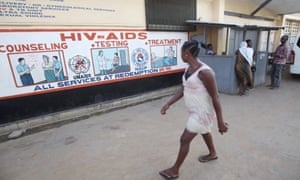
A woman walks past Aids information on a wall in New Kru Town near Monrovia, Liberia


A woman walks past Aids information on the wall of the Redemption hospital in New Kru Town near Monrovia, Liberia. Photograph: Ahmed Jallanzo/EPA

There had been hope that treating people would stop the spread, but studies are beginning to show that “test and treat” – putting people on drugs as soon as they test positive for HIV to prevent them being infectious – may not work. Many people do not want to take medication until they become ill. Piot believes that drugs will not stop Aids and that cultural change, which is far harder to bring about, will be necessary.


“We will not end HIV as an epidemic just by medical means,” he said. “People are not robots. Sex happens in a context. It is about power. Southern African girls and young women are infected by men who are much older than themselves. It’s about poverty. It’s also about a culture of machismo. There are also gay men all over the world who are discriminated against and underground, and there’s no way you can prevent infections if something is underground.”


Gates said the number of young people at risk in Africa is set to rise markedly. In a few decades, 40% of the world’s youth will live on the continent.


Related: It isn’t lack of drugs preventing us eradicating Aids, but inequality | Lilianne Ploumen


“The largest generation in history is entering an age where they are most at risk … In 1990, there were 94 million people between the ages of 15 and 24. Already, that number has doubled. By 2030, [there will be] more than 280 million young people. The vulnerable age group will be three times as large in 2030 as it was back in 1990,” he said.


Drug resistance is only now beginning to be monitored in Africa, but there are clear signs that it is growing. Médecins Sans Frontières has found 10% resistance in its projects.


A report for the World Health Organisation by Michael Jordan of Tufts University in Massachusetts tells of 40% resistance to one of the crucial drugs in the basic cocktail given to people in less economically developed countries. Resistance is widespread in Europe and North America, but people with HIV are moved on to newer drug combinations that are vastly more expensive. The basic regime in Africa costs $ 100 (£75) a year. Drug treatments in the US cost more than $ 20,000 a year.


Jordan’s report shows that more than one-third (35.7%) of nearly 1,200 clinics reported regularly running out of at least one drug over the course of a year. If antiretroviral drugs are not taken consistently, the virus mutates, resistance develops and the drug will no longer work. It also found that one in five patients was lost to followup, so nobody knows whether they are being successfully treated.


Funding for HIV is declining, in response to austerity measures, financial crises and the assumption that the epidemic is under control. A recent report from the Kaiser Family Foundation and UNAIDS said funding from donor governments fell last year for the first time in five years, from $ 8.6bn in 2014 to $ 7.5bn.


Hope for "end of Aids" is disappearing, experts warn