obituary etiketine sahip kayıtlar gösteriliyor. Tüm kayıtları göster

10 Nisan 2017 Pazartesi

Margaret Wolfendale obituary

My wife, Margaret Wolfendale, who has died aged 85, led a very useful life as a doctor, initiating in 1963 a cytology service in Buckinghamshire for the screening and early detection of cervical cancer. To do this she trained a group of laboratory technicians to screen specimens, under her supervision. She ran this service as a consultant for 35 years, and it grew to be of great importance in detecting life-threatening infections.


Margaret was the eldest of the three daughters of Agnes (nee Fisk) and Stephen Paton; she also had two brothers. Her father taught languages at Radley college, and Margaret was educated at Dragon school, Oxford, during the war, one of the few girls allowed there. She then studied classics at Cheltenham ladies’ college and, later, science at Radley, before graduating in medicine from the Royal Free hospital, north London, in 1956.


She took jobs in Nottingham before moving to a maternity unit near Clapham, south London, and I met her at this time at an impromptu musical evening. I was designing electronic instruments, and was impressed to discover that she was a doctor. We married in 1958.


We adopted our four children over six years, each of them at a few weeks old and nurtured by Margaret while undertaking medical work in the mornings and evenings. She went on to play a great part in encouraging our grandchildren by providing music lessons, trips to Paris, cultural outings and summer jobs.


On retirement in 1996, having moved to a house with four acres of land in the Buckinghamshire village where we had raised our family, Great Brickhill, Margaret became a successful breeder of rare breed Shetland cattle and Kunekune pigs. She learned to scuba dive at 80, and travelled to India and to Nepal, where she supported schools for disadvantaged children. At 82 she volunteered to become a non-directed kidney donor, with a successful outcome for the fortunate recipient, who is still in good health.


Recently Margaret welcomed and helped Syrian refugees in Milton Keynes, via the Red Cross. She was also in demand as a companion to local people who needed someone to help their understanding of medical consultations.


Margaret was bold, brave, adventurous, determined and greatly admired. She is survived by me and by our four children, Alistair, Julian, Clare and Naomi, six grandchildren, a brother, John, and a sister, Stephanie.


Margaret Wolfendale obituary

4 Nisan 2017 Salı

Don Thomas obituary

My father, Don Thomas, who has died aged 88, was inspired to take up an academic life as a biologist, by his childhood love of the rivers, mountains and wildlife of Ceredigion in Wales.


He was born at Llangeitho, a village near the market town of Tregaron, and attended Tregaron grammar school. He was always very grateful for the way that the school helped him to expand his horizons academically. By 1954 he had been awarded a BSc in zoology and a PhD from the University of Wales at Aberystwyth, where he met his future wife, Joy Robinson. They married the following year.


In 1953 he took up a lecturing post at the University of Ghana, where he remained until 1965, latterly as an associate professor. During his time there he became a committed biologist, researcher and teacher. His field of study was mainly freshwater ecology and parasitology and how the knowledge he gained could be used in combating bilharzia, a disease that affects millions of people across the world and is transmitted via water snails. He also helped many students in Ghana to achieve qualifications in zoology.


In 1965, following a research fellowship at the University of California, Don joined the University of Sussex at Brighton, where he remained for nearly 30 years, living in the nearby village of Kingston. He started as a lecturer, and in 1969 became a reader in ecology, population ecology, freshwater ecology, statistics, comparative physiology and evolution. He continued his interest in human parasitic diseases, visiting countries including China, Brazil and Denmark. He regularly presented his research findings at the World Congresses of Malacologists with his characteristic rigour and attention to detail.


In 1989, he was awarded a doctorate of science from the University of Wales, reflecting his contribution over many years to scientific research. He retired in 1993.


His interests included fishing, tennis and history; one of his great passions was researching the origins of the Welsh language. Although he enjoyed living and working in Sussex, he was at heart a Welshman.


Don is survived by Joy, their four children, Julian, Fiona, Ian and me, and nine grandchildren.


Don Thomas obituary

30 Mart 2017 Perşembe

Ken Harrap obituary

Ken Harrap, who has died aged 85, was a pioneer in the development of anti-cancer drugs. The research he directed over several decades in the UK resulted in the discovery of three registered cancer drugs, carboplatin, raltitrexed and abiraterone, an outstanding achievement.


When Ken was born there were no effective anti-cancer drugs and, except for patients in the early stage of the disease who could be cured by surgery, a diagnosis of cancer was a death sentence. Today, thanks to treatment in which his drugs play an important role, more than half of cancer patients can expect to be alive 10 years after diagnosis.


Ken’s drug development took place at the University of London Institute of Cancer Research (ICR), which he joined in the mid-1950s. The ICR had developed three early anti-cancer medications – busulfan, chlorambucil and melphalan – but they suffered from serious problems: their effectiveness was limited, they were toxic, and responses were often transient because of the development of resistance. In the mid-70s Ken brought together a team of chemists, biologists and clinicians to address these limitations.


As part of this work, he took over a collaboration with the technology firm Johnson Matthey that had been established by Tom Connors, a colleague at the ICR, and started work in 1976 on developing the drug carboplatin, which was comparable to the very effective but highly toxic chemotherapy medication cisplatin. Carboplatin retained the effectiveness of cisplatin but did not have the same serious side-effects – such as kidney toxicity, nerve damage, nausea and vomiting – that received wisdom maintained would be impossible to avoid.


Approved for medical use in 1986, carboplatin went on to be the top-selling anti-cancer drug worldwide at peak sales, benefiting millions of cancer patients. In 1991 Ken and his colleagues at ICR received the Queen’s award for technological achievement, for the development of carboplatin.


In another major project, conducted in collaboration with ICI Pharmaceuticals (now AstraZeneca), Ken’s team developed the new chemotherapy medication raltitrexed, a next-generation version of the early drug methotrexate. Raltitrexed has been used in the treatment of colorectal cancer since 1998, and a later version, pemetrexed, is now one of the world’s top-selling anti-cancer therapies.


One further drug discovered by Ken’s group, abiraterone, was licensed in 2011 and has become a major new treatment for prostate cancer. While the drug was discovered on his watch, it was only licensed well after his retirement.


In addition to Ken’s anti-cancer drug development, his earlier work on the biology of leukaemia was also groundbreaking, in that it foresaw the possibility of targeted treatments for haematological malignancies that were subsequently realised in breakthrough drugs such as imatinib.


Ken was born in Streatham, south London, to Lilian (nee Critchley), an embroiderer, and George Harrap, a bank messenger. He went to Woking grammar school and then George Green’s school in east London, and for a time during the second world war was evacuated to Wales. After school he trained as a chemist while working at the chemical company Hopkin & Williams in London, and in 1956 he joined the ICR, where his mentor was the Viennese professor Franz Bergel, who had been a student of the Nobel prize-winning chemist Heinrich Wieland. Wieland in turn had studied with the father of organic chemistry, Friedrich Wöhler, and Wöhler had worked under the German chemist Robert Bunsen. Thus Ken used to say that he could trace his scientific heritage in four generations back to the Bunsen burner.


Ken stayed at the ICR for the rest of his career, becoming head of applied biochemistry in 1970, head of biochemical pharmacology in 1977, director of the drug development section in 1982 and head of the Centre for Cancer Therapeutics in 1994, a position he held until his retirement in 1997. He became a professor of biochemical pharmacology in 1984.


His scientific management style involved hard work and leadership by example, but he was non-hierarchical and made science fun. He also clearly communicated a sense of direction, coupled with a light hand on day-to-day activity. This approach sometimes led to conflict between ambitious junior scientists, prompting him to mutter about “too many prima donnas”, but in truth he relished the atmosphere of creative anarchy.


The ethos in Ken’s lab was “work hard, play hard”. Among his non-scientific contributions to the life of the institute was his organisation of the fearsome annual men v women rugby match, and in later years he enjoyed a debased form of rugby known as jumbo, played on hands and knees, usually in a crowded bar-room, with a matchbox for a ball.


Those of his trainees who crossed over to commerce found that replication of his management style, especially his lack of respect for stuffed shirts, did not always go down well in the pharmaceutical industry (though he was a sought-after industry consultant). When, in the 1990s, the creative focus of drug discovery switched to startup biotech companies, for Ken’s people it was like coming home.


His main extracurricular interest was the sea: he was a member of the Island Sailing Club in the Isle of Wight, owned a succession of boats and, after a few years of racing, enjoyed cruising around the seas of the British Isles and France. He continued sailing until well into his 70s, when a knee replacement operation put a stop to it. He was made CBE in 1998.


Ken is survived by his wife, Beverley (nee Weston), whom he married in 1983, by two children, Kerry and Gwynne, from his first marriage, to Kathleen (nee Gotts), which ended in divorce, and by his granddaughters, Hannah and Sophie.


Kenneth Reginald Harrap, cancer researcher, born 20 November 1931; died 9 February 2017


Ken Harrap obituary

16 Mart 2017 Perşembe

Marian ‘Billy’ Lindkvist obituary

Marian “Billy” Lindkvist, who has died aged 97, was a pioneer in the use of drama and movement in therapy. The method she created, known as the Sesame approach, involves the use of touch, story enactment, improvisation and non-verbal communication to help people with various cognitive and mental health conditions.


Developed by Billy in the 1960s in conjunction with sympathetic actors and health professionals, Sesame acquired its own institute in 1971, responsible over the years for training hundreds of people in its disciplines, which have been successfully taken into hospitals, day centres and community settings. Billy was for many years director of the Sesame Institute in London, as well as a teacher on its course, which evolved into the MA in drama and movement therapy currently taught at the Royal Central School of Speech and Drama in London.


Billy was born in Cardiff to John Gaskell, a solicitor, and his wife Rita (nee Gaskell – she was his cousin), both of whom were directors of the Red Cross in Glamorgan. After a Catholic boarding school in Newport, she spent a year in France teaching English.


She had two children from a brief early marriage, and the story of Sesame began when Billy was looking for ways to help her older daughter, Helen, who was diagnosed in the 1960s with autism. Little was known about the condition at the time, and Billy was convinced that her child needed something different from the treatment she was getting.


While working in advertising in London and struggling to help Helen, Billy found solace and inspiration in a drama group based at City Lit, an adult education college in Covent Garden. She played Tituba in The Crucible and Polly Garter in Under Milk Wood, and found that being involved in the stories and characters not only occupied her mind, but helped her to keep going. Then one night in 1964 she had a dream about some actors coming into a hospital and interacting with the patients. In contrast to the dreary wards where she had spent a lot of time with her daughter, the place came alive. When she awoke she decided to make the dream a reality.


Billy’s singlemindedness inspired fellow actors and directors to get involved. With Ursula Nichol, her director at the City Lit, she formed a mime and movement troupe called the Kats, which toured hospitals and day centres and drew members of the audience into its performances. Another small team of actors, directed by Graham Suter, ran workshops for occupational therapists in hospitals, encouraging them to bring drama into their work.


Doctors and psychiatrists were impressed with their patients’ responses and invited Billy to carry out further work in their hospitals. She also began to visit the US and South Africa. At a psychiatric hospital in Cape Town, where she became a regular visitor, some patients taught her a stamping ritual that she brought into her teaching, a strong movement to a drum beat with a feelgood effect that is still enjoyed by therapists and their clients.


In 1971 a galaxy of theatre people launched the Sesame Institute as a charity to support and raise funds for Billy’s work, taking the name from the magic phrase that opens the robbers’ cave in the Ali Baba story, revealing treasure within.


In 1975 the institute began a one-year Sesame course, teaching the use of drama and movement in therapy at Kingsway Princeton college in north London (now Westminster Kingsway college). Billy drew in tutors from three separate disciplines: Peter Slade on child drama, Audrey Wethered on Laban movement analysis (a method of interpreting and documenting human movement) and Molly Tuby, who brought in the psychology of Jung. By the time the course transferred to the Royal Central School of Speech and Drama in 1986, drama and movement therapists were working all over Britain in a wide range of settings, including hospitals, day centres, schools, prisons and homes for elderly people.


Billy taught on the Sesame course for many years, in both studio and clinical settings. I met her when I studied on the course in 1989. In a session for adults with autism I was paired with a man who was prone to fits when he became over-excited, which he did. Calmly directed by Billy, I found myself seated on the ground, rocking the man in my arms while the group sang. Later I reflected that this was unusual behaviour with someone unknown to me an hour before, but it felt fine and the session ended well.


Billy retired in 1994 when she handed over directorship of the Sesame Institute. After that we worked together on a book, Discovering the Self Through Drama and Movement (1996). Billy then brought out her own publication, Bring White Beads When You Call on the Healer (1998).


In the mid 1950s she married Torbjörn Lindkvist, a BBC journalist. He died in 1998. She is survived by her two daughters, Helen and Christine.


Marian Lindkvist, drama and movement therapist, born 2 June 1919; died 2 February 2017


Marian ‘Billy’ Lindkvist obituary

2 Mart 2017 Perşembe

Dr Borislav Dimitrov obituary

Our friend and colleague Borislav Dimitrov (“Bobo” to his close friends and family), who has died aged 50 after a stroke, was associate professor of medical statistics at the University of Southampton.


Borislav was passionate about clinical research and teaching, and had accomplished much in his academic career. Organised and reliable, he used his clinical knowledge in both applied and biomedical research, and established collaborations with leading clinicians in Southampton, Dublin, Bulgaria, Italy and the US.


He had particular expertise in chronobiology, which examines periodic (cyclic) phenomena in living organisms, so-called biological rhythms; and in prediction models, calculating the risk of people developing a disease or condition, so that the degree of intervention (advice or drug therapy for instance) can be targeted to that risk. He published more than 100 peer-reviewed academic papers in leading international journals and in diverse clinical areas including renal, respiratory, cardiac, neurological and cancer.


Borislav was born in Stara Zagora, Bulgaria. His mother was a doctor and his father an engineer. Borislav trained in medicine and public health in Bulgaria and then in medical statistics, working from 2000 as a researcher in biostatistics and clinical epidemiology at the Mario Negri institute in Milan and from 2008 as senior health outcomes manager at the Health Research Board Centre for Primary Care Research in Dublin. He joined the faculty of medicine at Southampton University in 2012 as a senior lecturer in medical statistics.


Borislav’s thoughtful advice and expertise were much in demand and he was very generous with his time to junior researchers and medical students alike. He was a warm and engaging colleague who was immensely proud of his Bulgarian heritage and organised an Erasmus exchange programme between Southampton and Trakia University in Stara Zagora, due to take place in May.


He was a noted linguist, fluent in English, Italian, French, Russian and Bulgarian, and interested in travelling and learning about other cultures. He was particularly popular in the Bulgarian communities in Southampton and Dublin, and was an accomplished DJ of Bulgarian folk and western music.


Most of all, Borislav was a dedicated family man, married to Daniela Baramova, and very proud of his stepdaughter, Desi, and son, Mitko. They, and his parents and brother, survive him.


Tom Fahey and Paul Roderick


Dr Borislav Dimitrov obituary

19 Şubat 2017 Pazar

Norma McCorvey obituary

Jane Roe, the anonymous plaintiff in the Roe v Wade case by which the US supreme court legalised abortion, became an icon for feminism. But the real Jane Roe, Norma McCorvey, who has died aged 69 of heart failure, was an unlikely heroine, unwilling to take the spotlight and uncomfortable with it when she finally did. Then she underwent a Damascene conversion and became an equally iconic anti-abortion campaigner.


McCorvey was 22 and pregnant for the third time when in 1969 she sought an abortion, then illegal under Texas law except when necessary to save the mother’s life. Born Norma Nelson in Simmesport, Louisiana, she had a difficult childhood. Her father, Olin, a TV repairman, abandoned the family. Her mother, Mildred, known as Mary, an alcoholic, moved Norma and her brother, James, to Houston, Texas. At the age of 10, Norma robbed the till at a gas station and ran away with a girlfriend. They took a motel room in Oklahoma City, but were caught when a maid walked in on the two girls kissing and reported them to the police.


Norma was made a ward of the court and sent to state institutions. She described this as the happiest time of her life. At 15 she was sent to live with a cousin who abused her sexually. At 16 she left school and was working as a waitress when she met and married a sheet-metal worker, Woody McCorvey. He beat her, before and after she became pregnant. She left him and gave birth to a daughter, Melissa, in 1965. She began drinking heavily and came out as a lesbian. When she left her baby with her mother, to take a weekend trip, Mary charged her with abandonment, and soon afterwards made her sign what Norma thought were insurance papers; she had in fact agreed to let her mother adopt Melissa, and was then barred from the family home.


At 18, working in a series of menial jobs, she had a second child, whom she gave up for adoption. She became pregnant again in 1969. After first claiming she had been gang-raped, thinking that might get her a legal abortion, and seeking an illegal one as well, she visited the Dallas lawyers Sarah Weddington and Linda Coffee. She was already five months pregnant. They wished to challenge the law; McCorvey wanted an abortion quickly. She later claimed she had again signed papers that she had not read, not understanding what the case would entail. She was given a pseudonym, Jane Roe, a variation of the John/Jane Doe used for unknowns, and the case was filed against the Dallas County district attorney Henry Wade, previously best-known as the DA in charge of the case against Lee Harvey Oswald.


McCorvey’s baby was born and given up for adoption. The supreme court’s decision, by a 7-2 majority, did not come until January 1973. Justice Harry Blackmun’s opinion, giving women the right of choice, while protecting the state’s interest in preserving life in the later stages of pregnancy, in effect overturned anti-abortion laws in almost all of the 50 states. The landmark decision marked a milestone in women’s rights. McCorvey was living quietly in Dallas with her partner, Connie Gonzalez at the time. McCorvey stepped out of the shadows in the 1980s to counsel women at pregnancy clinics, and in 1987 became a cause celebre when she admitted in a TV interview that she had lied when she claimed to have been raped, though that played no part in the case that went to the supreme court. She was decried as a “baby-killer” and faced death-threats, but she still spoke at a massive pro-choice Washington rally in 1989, the same year Holly Hunter won an Emmy playing her in a television film.


But by the time her autobiography, I Am Roe, written with Andy Meisner, was published in 1994, McCorvey had become a born-again Christian, baptised by the evangelical minister Flip Benham, the head of Operation Rescue, a leading anti-abortion campaigner. She began campaigning fiercely against abortion, claiming she had been a pawn of her Roe v Wade lawyers. “They could have been nice to me instead of treating me like an idiot,” she said.


She also renounced her lesbianism, and, after the publication of her second book, Won By Love, written with Gary Thomas, in 1998, converted once again, this time to Roman Catholicism, under the auspices of Father Frank Pavone, director of Priests for Life.


Testifying before the Senate in 1998, she said: “I am dedicated to spending the rest of my life undoing the law that bears my name.” She petitioned the supreme court to undo the Roe v Wade decision, but it rejected her appeal. She protested when Barack Obama spoke at the Roman Catholic University of Notre Dame in 2009, and was arrested at Senate hearings while protesting against the appointment of the pro-choice Sonia Sotomayor to the supreme court. She also made TV ads against Obama in 2012, saying: “He murders babies.”


She was the subject of a 1998 documentary, Roe vs Roe: Baptism by Fire, and featured in Lake of Fire (2006), a pro-choice film. She also played a small role in an independent feature film, Doonby (2013). McCorvey said in her first biography: “I wasn’t the wrong person to become Jane Roe, I wasn’t the right person to become Jane Roe. I was just the person who became Jane Roe.”


She is survived by Melissa; she does not appear to have had any contact with her other two childrne after their adoption.


Norma Leah McCorvey, campaigner, born 22 September 1947; died 18 February 2017


Norma McCorvey obituary

7 Şubat 2017 Salı

Gerald Graham obituary

In 1954 the clinical physiologist Gerald Graham, who has died aged 98, introduced to Great Ormond Street children’s hospital in London a new method of investigating congenital heart disease in children. It used cardiac catheterisation and angiocardiography as well as a safe method of maintaining circulation during open-heart surgery. Up to then, the diagnosis of cardiac defects had relied on clinical examination, a chest x-ray and an ECG. Cardiac catheterisation – which involves inserting a thin tube, or catheter, into a vein and threading it through to the chambers of the heart – allowed the measurement of oxygen saturation in the blood, and of the pressure in the four chambers of the heart and the great vessels leading to and from it.


From these measurements, deductions could be made about defects in the walls separating the chambers of the heart, and the severity of the abnormality. Angiocardiography – the x-ray imaging of the heart and great vessels following the injection of a contrast medium into the veins – delineated the anatomical defects.


Gerald was invited to join Great Ormond Street as a lecturer by the cardiac paediatrician Dr Richard Bonham Carter, who along with the surgeon David Waterston had formed a thoracic unit that combined the medical and surgical care of children with heart disease. Having gained expertise in the US in cardiac catheterisation and angiocardiography, Gerald was a valuable asset, and he also had the physiological training to establish safe cardiopulmonary bypass in the young. This combination of skills was fundamental to expanding the range of treatment available in the UK, and in 1959 Gerald was appointed consultant clinical physiologist.


The two modes of evaluation, cardiac catheterisation and angiocardiography, are now performed as a single procedure, but when Gerald began his work the catheterisation was carried out in an operating theatre, while the angiocardiograms were seven floors down in the basement. The opening of a new wing in 1964 to accommodate the growing thoracic unit included a single, fully equipped room.


As more complex conditions came within the surgeons’ realm, a safe system of cardiopulmonary bypass suitable for children was needed. There were no “off the shelf” systems available, and early attempts to devise a system based on a modified Archimedean screw were impractical. Gerald recruited a team of three technicians to build by hand a rotating pump model, utilising spinning disc oxygenators of different sizes to accommodate children, infants and newborns. These three became the highly skilled operators who ran the bypass on a daily – and, not infrequently, nightly – basis under Gerald’s watchful eye.


He was born Gerd Greiffenhagen into a Jewish family in Berlin, the son of Kurt, a dentist, and his wife, Erna (nee Rosenfeld), a kindergarten teacher. In 1936 Gerd visited Britain, where he met two sisters who taught him English grammar and helped him to develop a perfect English accent. The following year, as antisemitism continued to grow in Germany, he moved to London.


Through an introduction from an uncle who was an anti-fascist activist in the US he met the Labour politicians Aneurin Bevan and Jennie Lee, who arranged for his parents to join him in Britain, and in the spring of 1940 they emigrated to the US, anglicising their names. Gerald was awarded a Kellogg Foundation scholarship in 1941 to read chemistry at Carlton College in Bryn Mawr, Pennsylvania, as a stepping stone to studying medicine.


Before he graduated, and as he was low on funds, he became an assistant in a physiology laboratory following a chance meeting with Louis Katz, a prominent Chicago cardiologist. Although not properly qualified, he then became a lecturer in physiology under Charles Wiggers, at that time the doyen of American physiology, whose teaching staff had been depleted by wartime call-ups.


This position gave him the time and funds to read for his medical degree, which he completed in 1950 at Western Reserve University in Cleveland, Ohio. A two-year residency with Katz followed, and he then set up a cardiac unit at Northwestern University in Chicago. But by 1953, Joseph McCarthy’s anti-communist witch-hunt was at its height, and thanks in part to the activities of his anti-fascist uncle, Gerald found himself facing a day’s questioning by a tribunal.


Although he was cleared of subversion, the university was wary of keeping him on, and this – added to the experience of losing family members to the Nazis, and the disappearance of his elder brother in the Soviet Union, a victim of Stalin’s purges – persuaded him to return to Britain.


Gerald’s department of clinical physiology at Great Ormond Street was integral to the thoracic unit, but perhaps because of his quiet, retiring nature, he may not have received the recognition his achievements deserved. However, he did gain a wider reputation thanks to his editorial work. For 21 years, he edited German Medical Monthly, the English edition of the weekly journal Deutsche Medizinische Wochenschrift, translating many of the articles himself. He later became a founding editor of the journal Pediatric Cardiology.


He retired from Great Ormond Street in 1983, but continued translating articles into his 95th year.


In 1950 Gerald married Ilse Applebaum. She died in 1988, and in 1990 he married Anthea Rolle. She survives him, along with the children, Nina and Martin, of his first marriage.


Gerald Ralph Graham, clinical physiologist, born 27 June 1918; died 21 January 2017


Gerald Graham obituary

Rashida Abedi obituary

My friend, Rashida Abedi, who has died of cancer aged 65, handled her profound deafness with courage and her story, recorded in her autobiography From Sound to Silence (1988), inspired many others.


Rashida was born and grew up in Quetta, Pakistan, to where her father had retired after working for the Indian railways. She lost the hearing in her right ear after a severe attack of meningitis when she was 14. “I was advised by specialists to leave school,” she recalled. “All my hopes were destroyed. From then on my life was confined to the house. Most of the time was spent helping my mother, and I also used to knit, do embroidery and read books. We had a radio and my favourite hobby was listening to radio plays in Urdu.”


A marriage was arranged for Rashida, but after she lost the hearing in her left ear at 21, the engagement was broken off. “It was a cruel blow. I prayed to God I should die.” She recalled “agonising sadness and loneliness”. In 1981 Rashida’s brother, Syed, who had been long settled in London, brought her to the UK in the hope of finding a cure.


After it was confirmed that nothing could be done, she concentrated on making the most of new opportunities. I first got to know her in 1982 when she joined the English class I taught at South Norwood Adult Education Centre and made amazing progress despite never having heard the language. I thought it was a miracle. Soon she had progressed to an advanced class, was learning lip-reading and computing, and found things to interest her in the lives of friends from many different backgrounds.


Then, in 1983, a letter from the Home Office threatened deportation. A campaign to fight against it gathered strong support, including from the local MP, Bernard Weatherill, and went nationwide through the British Deaf Association. Rashida spoke movingly and fluently in both English and Urdu to a large public meeting in Croydon. She won her case and was once again “able to concentrate on the bright side of my life”. She said she had many things to look forward to and wrote her autobiography in the hope that others would find inspiration from her story to overcome similar problems and lead a full life.


After Syed’s death, Rashida shared a home with her sister Fatima and brother-in-law Kazim, and was very attached to the younger members of the family – she particularly loved children. She was a loving, optimistic person with a great sense of humour. She loved meeting new people and we travelled together to English language classes across Britain to publicise her book. She wrote: “This country has given me so much, I am glad to return something by giving others the confidence that they too can learn to speak good English and maybe even write a book themselves.”


She is survived by her sisters, Fatima and Yasmin, and brother, Akbar.


Rashida Abedi obituary

26 Ocak 2017 Perşembe

Annette Karmiloff-Smith obituary

What is the origin of the unique and complex behaviours that our species are capable of? Is it nature or nurture? How is human cognition – our memory, language, numerical abilities – organised? How do developmental disorders occur? These age-old questions have puzzled – and deeply divided – scientists for hundreds of years. Over the course of more than four decades, research by the developmental neuroscientist Annette Karmiloff-Smith, who has died aged 78, provided key insights that challenged the traditional answers, and led to a new understanding of how genetic and environmental factors interact to give rise to different outcomes in individuals.


She argued that developmental disorders should not be understood as “normal minus something broken”, but as developmental trajectories that take very different paths from the typical. When one sees what appears to be the same behaviour in both typical and atypical populations, that behaviour may actually be supported by processes that are quite different in each population. Annette’s work in this area involved individuals with Down’s syndrome, Fragile X syndrome and Williams syndrome, among others.


Most recently, Annette moved into an area that appears at first to be an odd focus for a developmentalist – Alzheimer’s disease (AD). She pointed to an intriguing phenomenon: by later age, 100% of individuals with Down’s syndrome have brains that (on autopsy) have the signature characteristics of AD, even though not all of them have the cognitive deficits typical of this form of dementia. The question she asked is, what protective factor in these individuals inhibits the behavioural and cognitive effects that are otherwise associated with the brain characteristics of AD? At the time of her death, Annette was pursuing a set of hypotheses to address this question.


She began her career at the University of Geneva as a doctoral student in the mid-1970s under the developmental psychologist Jean Piaget, whose theories of development were dominant during most of the 20th century. While Annette respected those theories she was not afraid of challenging them.


The study of development at the time generally involved a “snapshot” approach, capturing infant and child behaviours at different ages. She believed the key to understanding development was to understand the mechanisms that underlie the trajectory of changes across developmental time that give rise to increasing complexity in behaviour. One of her early contributions was to pioneer the so-called “microgenetic” approach, which involved tracking developmental change at a fine grain of temporal analysis. The method has now become standard in the field.


Her early work was in the area of language development (prior to her studies, she had worked as a simultaneous French/English translator). This work brought her into contact with a wide range of scientists, including linguists, cognitive psychologists and developmentalists, who proposed that the human cognitive system was organised into modules innately present from birth. This proposal was hotly debated within all these fields.


Annette offered a fresh and compelling theory, which on the one hand did not require innate modules, but which on the other accounted for behaviours that seemed to implicate modular organisation. These ideas were the core of her book Beyond Modularity: A Developmental Perspective on Cognitive Science. Annette explained how modularisation – as a process – might result over the course of development as a result of internal cognitive changes that yielded successively more refined and more modularised knowledge representations (a process she called “representational redescription”). Thus, modularisation of knowledge need not be innate, but instead a result of learning and development.


In more recent years, Annette turned her attention to developmental disorders, both because of their public health importance and as potential windows into the mechanisms that underlie human cognitive development.


Born in London to Isaac Smith, a tailor, and Doris (nee Findlay), an administrator, Annette attended Edmonton County grammar school from 1949, and then the Institut Français, London (1954-57).


She loved languages, and so decided to work in Geneva as a UN translator; however this proved to be less intellectually stimulating than she had hoped. A chance encounter with Piaget in a bookstore led her to attend one of his courses, which she found fascinating, and she subsequently studied with him, gaining her BA in experimental psychology in 1970 and doctorate in 1977.


She then worked in Geneva and the Netherlands until 1985, and then moved to London, where she was a scientist at the Medical Research Council’s Cognitive Development Unit for 13 years. From 1998 to 2006 she was head of the Neurocognitive Development Unit at the UCL Institute of Child Health, and honorary research fellow at Great Ormond Street hospital. For the last 10 years, she was a professorial research fellow at the Centre for Brain and Cognitive Development, Birkbeck College, University of London.


A generous scientist, Annette mentored many students and inspired them with her zest for science. She was accessible, warm, funny and loyal and supportive to her many friends. She was also an excellent communicator, writing books for the general public such as Everything Your Baby Would Ask If Only He Or She Could Talk (1999), co-authored with her daughter Kyra, giving talks at festivals and appearing on shows such as The Life Scientific (BBC Radio 4).


Her first marriage, to the economist Igor Karmiloff, with whom she had Kyra and another daughter, Yara, ended in divorce. She subsequently married Mark Johnson, a cognitive neuroscientist, in 2001.


Annette was elected fellow of the Academia Europa (1991), British Academy (1993) and Academy of Medical Sciences (1999). In 2002 she received the European Latsis prize and an honorary degree from the University of Louvain. She was made CBE in 2004.


She is survived by Mark, Yara and Kyra, her brothers, Stephen, Peter, and Paul, and seven grandchildren.


Annette Dionne Karmiloff-Smith, developmental neuroscientist,born 18 July 1938; died 19 December 2016


Annette Karmiloff-Smith obituary

22 Ocak 2017 Pazar

Brian Neville obituary

Brian Neville, who has died aged 77, was a key figure in the development of paediatric neurology and neurodisability in Britiain. He was the first UK professor of paediatric neurology, appointed in 1989 at the Institute of Child Health, University College London, and Great Ormond Street hospital.


Brian was born in Bexleyheath, south-east London, to Louie and George Neville. Brian and his mother moved out of London during the second world war, and his early years were spent in the idyllic setting of Brough, Cumbria. He later spoke fondly of the local women who taught him about farming life.


On the family’s return to Bexleyheath, he went to Upland primary school and then to St Dunstan’s college in Catford. Brian qualified in medicine at Guy’s hospital and soon came under the influence of Ronnie MacKeith, Philip Evans and Paul Polani, who inspired him to develop an interest in child neurology. When MacKeith retired, he took on his mantle as a consultant and director of the Newcomen Centre at Guy’s hospital.


Brian was an incredible support to me in my pursuit of becoming a paediatric neurologist, as he was to many trainees. He was an outstanding mentor who always found the balance between getting the research project done and allowing his mentee to develop their own ideas and direction. He always maintained an enthusiastic curiosity in the clinical problems of his patients. His priority was the children he cared for and it was they who inspired his internationally renowned research in multiple areas, including epilepsy, movement disorders and acute brain injury.


Brian was key to the development of the British Paediatric Neurology Association and served as its secretary (1980-83) and president (1986-89). He was a founding member of the European Paediatric Neurology Society and the European Academy of Childhood Disability, which he chaired for 12 years.


Brian’s vision of a multidisciplinary approach to the treatment of his patients led him to a long involvement with the charity Young Epilepsy, that evolved from St Piers, a specialist school for children with epilepsy in Lingfield, Surrey. He was instrumental in the development of the charity and its expansion into medical research of the childhood epilepsies. He also helped create the Prince of Wales’s chair of childhood epilepsy and between 2004 and 2007 was its first incumbent. The research centre at Young Epilepsy now bears his name.


Music was a huge part of Brian’s life, from playing the organ at his local Methodist church, to putting on music parties during which everyone could participate and enjoy making music together. For many years, he was also the chairman of Petts Wood playgroup for children with special needs.


He married Heather Gemmell in 1964, and she survives him, with their four children, Kate, Lisa, Andrew and Rachel, and seven grandchildren.


Brian Neville obituary

16 Ocak 2017 Pazartesi

Archie Norman obituary

My father, Archie Norman, who has died aged 104, was an eminent paediatrician who pioneered research into cystic fibrosis and asthma at Great Ormond Street hospital, in London, and neonatal care at Queen Charlotte’s.


The son of George Norman, a radiologist, and his wife, Mary (nee MacCallum), a nurse, he was born in Oban, Argyll and Bute, and watched his father march off to the first world war. He grew up in the soot-covered mill town of Shaw in Lancashire (now part of Greater Manchester), and remembered the “waker” coming down the street and the sirens summoning workers to the morning shift.


After attending Charterhouse school, in Godalming, Surrey, he studied medicine at Cambridge University, taking psychology as a postgraduate and then went to the Middlesex hospital. He served as a house registrar at Great Ormond Street before the second world war when there were few antibiotics and no NHS. At his weekly whooping cough clinic distressed mothers with children queued around the block to be given coloured pills depending on their ability to pay.


During the war he was assigned as medical officer to the 4th battalion of the Northumberland Fusiliers, a reconnaissance unit sent to North Africa in early 1942. At the battle of Knightsbridge he was left behind in the retreat tending the wounded and sending away his last vehicle to safety. He served in PoW camps in Italy and Silesia before being liberated by the Russians. He led 150 troops to freedom, marching on foot for weeks through Russian lines and then by train to the Black Sea. On their commendation he was appointed MBE in 1945. “They had an exaggerated idea of what I did,” he said.


Returning to Great Ormond Street, he arrived in an extraordinary new era for paediatrics. He founded the hospital’s respiratory clinic to pioneer research and treatment of cystic fibrosis and asthma. He undertook the first UK life tables for cystic fibrosis, which showed that in the early 1950s few children reached teenage years. Asthma was a significant cause of child mortality in smog-filled London and he raised money to pay for new lung function tests and pioneered the use of steroids to treat children.


As the numbers of patients grew, he organised the founding of the Cystic Fibrosis Research Trust, cajoling parents and benefactors into getting it off the ground. Later he was a driving force behind the founding of the Children’s Trust at Tadworth, Surrey, as a centre for helping children with brain injury.


In 1953 he became consultant paediatrician at Queen Charlotte’s, where he worked on groundbreaking care of premature babies. He looked after the first quintuplets born in the UK, in 1969. At night he would dash up to London from the family home in Kingswood, Surrey, to do an emergency transfusion, driving home afterwards “feeling that I had done something worthwhile”.


He worked long hours and lived for his patients until he retired to spend more time with his wife, Betty, a GP. He never sought recognition and disdained bombast. He always wore a clean white coat on the ward and walked up the stairs even if the lift was available. He drank little and settled for a cheese sandwich for lunch.


He is survived by Betty and their five sons, Duncan, Thomas, Sandy, Donald and me, and by seven grandchildren.


Archie Norman obituary

6 Ocak 2017 Cuma

Andrew Ward obituary

My fiance, Andrew Ward, who has died aged 38, was born with cystic fibrosis. The life expectancy of someone born today with CF is 41, but for Andy it was a triumph to reach adulthood. Throughout his life he defied the odds.


Andy was born and brought up in Leeds, the son of Valerie Bond (nee Ward), a cleaner, and Steven Westerman, a builder. He attended Whitecote primary, Bramley St Peter’s C of E middle and Benjamin Gott High schools, then left home to become a bar supervisor in Harvey’s wine bar, Leeds. After being retired through ill health in his early 20s, he returned to education and completed an access to higher education course in 2009.


He then embarked upon a full-time honours degree in media and popular culture at Leeds Beckett University. He viewed his condition as motivation for his drive, ambition and tenacity. He got up at 4.30 each morning to have time for nebulisers and physiotherapy before travelling to lectures and seminars. In July 2012 he graduated with first-class honours and a trio of awards: the best dissertation award, the Dean’s prize for outstanding student achievement in media and the Alan McGregor prize for outstanding work by a mature student. His dissertation tutor said: “It was an utter pleasure and privilege to teach Andrew and the highest mark I have ever awarded was to Andrew for his remarkable dissertation.”


Andy was awarded a scholarship for an MA course in cultural studies at the University of Leeds, where his intention was to build a module about disability and to become a lecturer. Unfortunately, he was unable to complete this because of declining health. He was placed on the transplant list and received six false calls for transplant before he died.


Andrew was witty, positive, funny and completely open and honest about all aspects of his life, his illness, organ donation and transplant. He was an avid reader of comics and a Star Wars fan. He enlightened and influenced many with his unique approach to life, appreciating each day as if it were his last.


In his own words: “I wouldn’t change a thing. Why? For better or worse, cystic fibrosis has given me so much. All I need to be happy is to wake up and feel relatively good and be surrounded by the people I love. CF has given me the ability to see life and all of its glory in a purer, more valued sense than most people do.”


He is survived by me and by two stepsons, Cameron and Morgan, by his parents and by his siblings, Sarah, Darren, Ben and Claire.


Andrew Ward obituary

24 Kasım 2016 Perşembe

Bethan Davies obituary

My mother, Bethan Davies, who has died aged 89, was a consultant paediatric audiologist at Charing Cross hospital, London. Between the early 1970s and her retirement in 1993, she built up a renowned unit there for the diagnosis of deaf children.


She was passionate about her work and even when dealing with the most difficult of children she rarely failed to get an audiogram, assessing the quietest sound that the young patient could hear. Bethan had a particular interest in the hearing problems of patients with Down’s syndrome.


Born in Gravesend, Kent, to Welsh parents, Enid (nee Thickens) and Benjamin Davies, who were both teachers, Bethan spoke only Welsh until the age of five. On leaving school in Gravesend, Bethan trained at the West London hospital medical school and qualified as a doctor in 1952. In the same year she married Ralph Schwiller, a concert violinist. They moved to Bournemouth, where Bethan worked for the local authority health department. In 1958 she moved to Southampton as a school doctor. Bethan and Ralph divorced a few years later.


In 1970 she welcomed the first of the many Burmese cats she would keep throughout her life. Bethan also collected cat pictures and 20th-century illustrated children’s books.


In her mid-40s, she signed up to study for an MEd in audiology at Manchester University. At the time the Inner London Education Authority was concerned that children were arriving in schools with hearing aids from hospitals but without essential information for teachers. It was decided that four specialist clinical teams should be established, one in each quadrant of London.


Bethan was identified as one of the people from the MEd course who should be based at Guy’s hospital, London, once she had finished her training. However, changes were afoot in the NHS and halfway through the course Bethan heard that Guy’s had appointed its own medical audiologist.


When she arrived in the capital after graduating in 1973, she toured hospitals looking for a base. Initially, Bethan established a clinic at Paddington Green children’s hospital. The new Charing Cross hospital was just opening in Hammersmith and Bethan decided to take a look and eventually discovered a large, empty room that was supposed to be the patients’ library. She commandeered the space and it became her audiological base.


In 1986, she married Val Tyrrell, a professor of chemistry at Kensington and Chelsea College, and they lived in Kingston, south-west London. In 2001 Bethan, Val and the cats moved to Wilmslow, Cheshire, but she was starting to show signs of the memory loss that later developed into Alzheimer’s.


She is survived by Val and me, by her stepchildren, Pippa, Fiona, Patrick and Sebastián, and by 13 step-grandchildren.


Her brother, Jeffrey, who emigrated to Australia in the 60s, predeceased her.


Bethan Davies obituary

15 Kasım 2016 Salı

Anthony Ryle obituary

In recent years the National Health Service has made much greater use of talking therapies for people with mental health problems. However, first-line approaches to more complex disorders, based crudely around diagnostic labels, are frequently ineffective. An alternative approach to such disorders is cognitive analytic therapy (CAT), developed by Anthony Ryle, who has died aged 89. For these, it is recognised as an effective and user-friendly treatment.


CAT looks beyond the initially identified problems to the whole person, and to that person’s coping patterns, which will in turn have arisen from earlier formative relational experiences with care-givers and significant others (“reciprocal roles”). Though he acknowledged biological factors, Tony also noted that arguably our most important biological predisposition is to be socially formed. He based CAT around a concept of a predominantly relationally and socially formed self, with a style of therapy to match. CAT depends on an active collaboration between the patient and an overtly compassionate therapist to enable change, and makes use of “psychological tools” – narrative summary letters and descriptive maps of these reciprocal roles and their consequences, often counterproductive.


Decades ago, when Tony first did this, a doctor sharing formulations with patients was unheard of, although it is widely used now. These tools also contribute to the therapeutic alliance between therapist and patient – recognised as critical in generating good outcomes regardless of the therapy’s brand name. CAT is also being used for group therapy, for consultancy in organisations, and for work in challenging settings such as prisons, or indeed the modern NHS.


Tony became interested in mental health while a GP in inner London, and wrote an MD thesis (1959) that provided the basis for his book Neurosis in the Ordinary Family (1967). His appointment as head of health services at the new Sussex University (1964-76) led to the books Student Casualties (1969) and Frames and Cages (1975), the latter exploring George Kelly’s repertory grid method for charting interview responses in order to understand how people view their world.


He then served as consultant psychotherapist at St Thomas’ hospital, London (1980-92), with an honorary fellowship (FRCPsych) of the Royal College of Psychiatrists. His later books reflect the emergence of his own method: Psychotherapy, A Cognitive Integration of Theory and Practice (1982), Cognitive-Analytic Therapy: Active Participation in Change (1990), Cognitive Analytic Therapy and Borderline Personality Disorder (1997) and Introducing CAT: Principles and Practice (2002).


His interests led to a restless exploration of a range of therapeutic models: psychoanalysis, family therapy, behaviourism, early cognitive psychology (including Kelly’s personal construct theory), and later, inspired by his colleague Mikael Leiman in Finland, Lev Vygotsky and Mikhail Bakhtin’s notions of a self formed interpersonally and through dialogue.


While most of Tony’s critiques of the limitations of – for example – behaviourism or classical psychoanalysis are now taken for granted, at the time taking such a stand was extremely courageous, risking marginalisation and unemployment. Tony was considerably influenced by psychoanalysis, but also highly critical of its complex, often contradictory, esoteric theories and a therapeutic style that was “blank screen” and deliberately uninvolved, seeming frequently to view patients as inherently devious or “perverse”.


CAT represented a remarkable attempt, based on Tony’s own clinical research, to integrate the valid and effective elements of these various approaches into a “good enough” time-limited treatment for people looking to the NHS for help. Several thousand practitioners around the world have now received CAT training.


Tony acknowledged the influence on his work of that of his father, John A Ryle, the first professor of social medicine at Oxford University, who stressed the “physician as naturalist” and, correspondingly, meticulous observation and recording of patients’ problems, then correlation with outcomes, before developing any grand or esoteric theories. Tony’s uncle was the philosopher Gilbert Ryle, and the family was a privileged one composed of brilliant intellectuals and nonconformists. Tony, born in London, saw the Irish heritage of his mother, Miriam (nee Scully), as contributing to that lack of orthodoxy. One brother was the Nobel prize-winning astrophysicist Martin, and another, John, was also a doctor.


This background, while a mixed blessing, offered encouragement to think critically, to do and to speak out. But Tony always maintained that privilege should also bring a duty to humanity – a principle he aspired to follow all his life. From Gresham’s school, Norfolk, he went to Oxford University and University College London, qualifying in medicine in 1949. He co-founded the innovative Caversham group practice in Kentish Town, north London, just after the inception of the NHS, which, as a lifelong socialist, he fervently supported. His political concerns and nonconformism contributed to a sense of social responsibility that still pervades the model and the CAT community.


Tony could be single-minded, demanding and at times quite grumpy. He did not suffer obstruction or fools gladly, whether from NHS management, colleagues who propounded what he saw as unhelpful approaches to therapy, or those who supported what he saw as immoral wars.


After a lifetime on the margins he became in some ways an establishment figure, although he found this hard to appreciate. He retained Groucho Marx’s scepticism about any club that would want to have him as a member – including to some extent the Association for Cognitive Analytic Therapy, of which he was life president. But this lifelong marginal position undoubtedly freed him up intellectually and clinically.


Although less active recently, he was always happy to engage with colleagues and to offer advice and support. As he recalled in Diary from The Edge 1940-44: A Wartime Adolescence (2014), he belonged to a generation that grew up during the second world war. As such, he regretted that he and his generation had not been able to do more to address the injustices, conflict and suffering that were widespread in the world. He would like to have done more to address the social basis of mental health. Inevitably, he was saddened by the increasing “commercialisation” of his beloved NHS.


Tony also had a lively, fun-loving side and was interested in literature, music and painting. He could describe changes in the bird population in the Sussex countryside going back to childhood. A keen sailor, he crossed the Channel several times in a small keelboat.


Tony is survived by his second wife, Flora Natapoff, and two stepchildren, Sasha and Sam; by the four children, Martin, Cym, Conrad and Miriam, from his first marriage, to Rosemary (nee Langstaff), which ended in divorce; and by nine grandchildren and four great-grandchildren.


Anthony Ryle, psychotherapist, born 2 March 1927; died 29 September 2016


Anthony Ryle obituary

12 Ekim 2016 Çarşamba

Michael Sweet-Escott obituary

Our father, Michael Sweet-Escott, who has died aged 93, enjoyed working as a GP for 30 years in the Yorkshire Dales. He came from a family of classical scholars who mostly became teachers or members of the clergy, so his choice of occupation was a break with tradition, largely prompted by his wartime experiences.


Michael, the eldest of three sons of Will, a schoolteacher, and Olive (nee Mitchell), was born in Lyme Regis, Dorset, and educated at Westminster school, London, winning a scholarship to study classics at Christ Church, Oxford. He completed his degree in a year, combining this with training to be an RAF pilot. For three formative years between 1942 and 1945 he was with the RAF in Canada, teaching navigation for 18 months and flying Tiger Moths and Mosquitos.


Towards the end of the second world war, he decided beyond doubt that he wanted to train as a GP, influenced by the Beveridge report and the feeling that peace would bring a new and better world, of which he wanted to be part. He trained at Oxford and at Barts in London, qualifying in 1951, and as a young doctor worked in the East End of London, including treating severe health problems caused by smog.


Michael’s life was enriched in 1950 by meeting Ragnhild, a Norwegian woman who had come to live in Lyme Regis as a companion to two elderly ladies. They were introduced by his parents, who had befriended her as she was so far from home. The couple married in 1953 and had three children.


In 1954 he arrived in Skipton, North Yorkshire, as a southerner who had rarely been “north”; the expectation of the altruistic practice was that a GP was also a counsellor, social worker and paramedic. Michael rose to the challenge of long hours and weekend and night duties, often driving 20,000 miles in a year. He later became one of the earliest participants in the GP vocational training scheme, enjoying teaching, preparing lectures and running discussion groups. His focus on clinical excellence, a patient-centred approach and the support of his colleagues was central to his practice.


Annual family holidays to Norway were a hugely important part of his life, and of ours. He loved walking in the mountains, and painting there, and he developed close friendships with our mother’s extended family.


After Michael’s retirement in 1985 the couple initially moved to the Cotswolds, returning to live near Skipton four years ago. He had a long and fulfilling retirement, enjoying painting, gardening, walking and travelling. He was an interested conversationalist, open to new ideas and intellectually sharp, challenging the family to Scrabble and card games.


He is survived by Ragnhild, us, and seven grandchildren.


Michael Sweet-Escott obituary

3 Ekim 2016 Pazartesi

Jean Cleary obituary

My friend and former colleague Jean Cleary, who has died aged 88, was a pioneering researcher into the treatment of children in hospital. Her work over four decades helped to switch the focus of care towards the needs of the child rather than the priorities of the medical profession.


In the 1960s she was one of the key researchers in the influential Children in Hospital team, led by the sociologist Margaret Stacey, at Swansea University. At the time the sole objective of admitting a child to hospital was to treat the illness; some children were separated from their parents, families, friends and schools for many months. Concern about the consequences of this for the broader wellbeing of the child had been mounting and, in response, the Ministry of Health agreed to fund research into the issue.


The final report of the study documented in detail the impact of hospitalisation on children, revealing how, for the majority, it was a negative experience. As a result of the study, it became widely recognised and accepted that the active involvement of parents in the daily care of sick children was crucial.


When the Medical Sociology Research Centre was launched in Swansea in 1972, Jean collaborated on studies of other aspects of hospital life, including the employment of playleaders on children’s wards. Later she studied the experiences of first-time mothers, and then, with funding from the Nuffield Foundation, looked at the effects of a project in which, through nurse training, parents became actively involved in the care of their children in hospital.


Jean was born in Hackney, north London, to Frederick Pruden, who collected money from automatic weighing machines, and his wife, Martha (nee McGookin). As a teenager she was evacuated to Welwyn Garden City, in Hertfordshire, and then she studied anthropology at University College London.


In 1949 she took up a research post at Swansea University, where her set of friends included the writer Kingsley Amis, then a lecturer in English. Unbelievably, or so it seems in 2016, Jean was required by the university to give up her job when she married Esmond Cleary, a lecturer in economics. In the 60s, however, she returned to university research to join the Children in Hospital team.


She was a generous colleague, and was clear sighted and objective when advising others. A team player, she rarely sought the limelight of publication and public speaking, although in 1992 she did write a book based on her experiences, Caring for Children in Hospital: Parents and Nurses in Partnership.


Jean gained a wide knowledge of the NHS and when she retired in 1991 she joined the Swansea community health council, working unstintingly as its chair.


Esmond, and their daughter, Alison, predeceased her. She is survived by their son, Rob.


Jean Cleary obituary

16 Eylül 2016 Cuma

Mary Mitchell obituary

My aunt, Mary Mitchell, who has died aged 96, was possibly the first woman to make the move from practical nursing on the hospital ward into the male-dominated world of hospital planning, first at the Ministry of Health and then as a consultant to architects designing hospitals around the world.


She was born in Malta, the daughter of Richard LeQuesne Mitchell, who worked for the Eastern Telegraph Company, and his wife, Mary Ann (nee Wyllie), a headteacher. Her mother died giving birth to Mary and her twin (Wendy, my mother). Her father died five years later of a cerebral haemorrhage, leaving his second wife, Gertrude, to raise the three small children from his first marriage. Mary attended St Katharine’s school, Wantage, and then became a Nightingale nurse (a graduate of the Nightingale School of Nursing at St Thomas’ hospital, London).


After tending the wounded during the blitz, she held senior nursing posts at St Thomas’. In 1953, she was awarded a Fulbright scholarship to attend Columbia University, New York. From there, she went to the Peter Bent Brigham hospital in Boston. In 1958, she was appointed director of nursing at Ankara hospital – the first British matron in Turkey since Florence Nightingale.


She gave this all up when my mother became seriously ill in the late 50s and Mary came back to the UK to support our family. But her talents as a nursing planner were recognised and in the early 60s she became the first nursing officer appointed to the Department of Health and Social Security, where she ensured that the needs of nurses were met in the planning of the series of “best buy” hospitals built in the 1960s and 1970s.


In 1971, Mary was appointed MBE. In the 1970s, she embarked on two more ventures, one as a consultant for a firm of international hospital planners and the other as tutor and lecturer at the Polytechnic of North London (now London Metropolitan University) on a course for postgraduate architects, administrators and nurses from around the world.


She loved meeting people from different countries and enjoyed introducing her students to the English countryside, entertaining them at her Cotswolds cottage, where she lived independently until her death.


She is survived by two nephews, me and Justin, and two nieces, Romilly and Dicke.


Mary Mitchell obituary

13 Eylül 2016 Salı

Harrison Spencer obituary

My colleague Harrison Spencer, who has died aged 71, was dean of the London School of Hygiene and Tropical Medicine between 1996 and 2000. He devoted his life to improving the health of people around the world.


The son and grandson of doctors, he was born in Baltimore, Maryland. After qualifying in medicine from the Johns Hopkins hospital in Baltimore and receiving a master’s in public health from the University of California at Berkeley, he was employed by the US Centers for Disease Control (CDC). This was a time when those in the fight against malaria could celebrate considerable success, such as the eradication of disease from southern Europe, but were confronting significant challenges elsewhere, including concerns about the persistence of DDT in the environment and resistance to insecticides and antimalarial medicines.


After an initial posting to El Salvador, Harrison moved to the University of Nairobi, where he founded a new CDC research station. He gained a solid grounding in both the technical and, arguably more importantly, political challenges involved in eradicating malaria. He would later move to the World Health Organisation in Geneva and back to CDC, where he became head of its parasitic diseases branch.


By the early 1990s he was ready for a move to academia and became dean of the Tulane School of Public Health and Tropical Medicine in New Orleans. Later in the 1990s, as dean of the London School of Hygiene and Tropical Medicine, he led a major expansion in the school’s activities.


His time overseas had convinced him that schools of public health in northern countries would have to reach out to students who would never be able to find the time or resources to come to them. He initiated an ambitious distance learning programme that since its inception has trained more than 8,000 health professionals from more than 130 countries.


Harrison also recognised the need for new approaches to the many complex challenges facing global health, including climate change, mass migration, conflict and political and economic transition. He encouraged the development of research centres that broke down the traditional barriers between disciplines and connected researchers with policymakers.


After London, he returned to Washington to lead the US Association of Schools and Programs of Public Health, applying many of the same principles that had been so successful in London. Harrison published more than 100 scientific papers and received many honours.


He was found dead from stab wounds at the home he shared with his family. One of his sons has been charged with his murder. He is survived by his wife, Christine, and two sons.


Harrison Spencer obituary

Jim Watson obituary

My friend Jim Watson, who has died aged 80, was a committed psychiatrist who inspired generations of students and trainees, psychologists and nurses with his combination of humanity and applied scientific rigour.


Jim was born and brought up in London, the son of Hubert Watson, a teacher, and his wife, Grace, a doctor. From the Roan School for Boys in Greenwich, he went to study medicine at Trinity College, Cambridge. He moved to King’s College hospital medical school for his clinical studies, where he met Christine Colley, a fellow student. Jim qualified in 1960 and married Christine two years later.


After higher training in medicine he studied under Aubrey Lewis at the Bethlem Royal and Maudsley hospital and was appointed consultant and senior lecturer in psychiatry at St George’s hospital in 1971.


Three years later he was appointed to the chair of psychiatry at Guy’s hospital, and was subsequently head of the academic department of psychiatry of the United Medical and Dental Schools of Guy’s and St Thomas’s. While training at the Maudsley, he was influenced by the poet and psychotherapist Bob Hobson and by Douglas Bennett and Jim Birley, pioneers in community psychiatry.


As a result of his enthusiasm for teaching, a higher proportion of medical students at Guy’s opted for psychiatry as a career than in any other medical school.


Jim deplored the absence of training about sexuality for medical students and trainees and he established a popular course on this topic. Together with Christine, a consultant and senior lecturer in sexual and reproductive healthcare, he established a new sex and relationship problem clinic at Guy’s.


Jim described himself as a “Christian agnostic” and he promoted “respectful conversation” as an essential therapeutic tool, influenced by Samuel Tuke, the Quaker. He detested cant and bureaucracy and believed that psychiatrists had to tolerate partial knowledge, uncertainty and ambiguity. They always needed to be aware, he said, that all they were doing was making a best guess about what the trouble is, what caused it, what should be done about it and what was going to happen in the future.


When interviewed in 1974 for his professorial post at Guy’s he was asked: “What is the most important science underpinning psychiatry?” He replied psychology, but after 25 years working in a deprived inner-city area, he concluded that sociology is a more useful discipline. In a recent lecture, he reminded his audience that most of the beneficial effect of any type of psychotherapy is attributable to non-specific factors, particularly “accurate empathy” and “positive regard”.


After his retirement in 2000, Jim and Christine moved to the Cotswolds. As a keen gardener he grew vegetables. He was also active in his local church, in a patient support group and as a trustee of the Soundwell music therapy trust.


He is survived by Christine, their four sons, Peter, Andrew, John and Robert, and seven grandchildren.


Jim Watson obituary

11 Eylül 2016 Pazar

Philip Kingsley obituary

Philip Kingsley, who has died aged 86, began his career sweeping hair from the floor of a Bethnal Green salon, and broke through the shame barrier around thin or limp locks in both sexes to become the senior trichologist for celebrities and the beauty business. Kingsley took hair, and its effect on confidence, seriously, and made of his affinity with it a considerable business in the form of clinics, products and a waffle-free manual, The Hair Bible (2003).


He was candid that his lifelong interest went back to his apprenticeship in his uncle’s shop, which he began just out of school at 14, in 1944, as he needed to earn to help his East End rag-trade family: his father, Barney, a tailor, mother, Dora, a seamstress, and siblings. Women on war work had money to spend on their appearance, but hat materials were unavailable, so many paid instead for perms and dos to make the most of their hair. Contemporary chemicals were brutal – ammonia for perms, hydrogen peroxide for lightening: there were no conditioners, styling preparations or emollients for shine. Even basic shampoo was hard to come by, and generic since there was no textural classification of hair (he later codified this).


Kingsley had wanted to be a doctor, but could not afford the years of education, so he saved to take a correspondence course with the Institute of Trichologists, studying scalp dermatology and hair cycles. He qualified in 1953, and improvised treatments in a side-room in a Mayfair salon. (As a boy, he had dialled phone numbers beginning with the letters MAY, just to hear how the one per cent talked.)


When Kingsley had enough clients to open his own clinic in 1957, his first move was to a room off Baker Street, among denture-fitters and orthopaedic cobblers. Over the next decade he migrated to permanent premises in Green Street, Mayfair. He reluctantly opened his Fifth Avenue, New York, clinic in 1977, at the request of American celebrity clients.


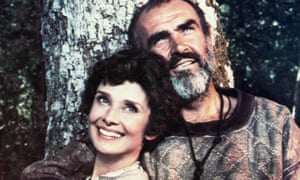
Audrey Hepburn and Sean Connery in Robin and Marian, 1975.


Audrey Hepburn and Sean Connery in Robin and Marian, 1975. Photograph: SNAP/Rex Features

Kingsley was honest (even to Laurence Olivier, an early patron who forwarded him actors from his new National Theatre company) that male-pattern baldness was genetically pre-determined, as was a rarer, related, female condition. Otherwise he insisted that all hair could be much improved through diet and kind care – many women treated its living growth more carelessly, even cruelly, than they would ever do their clothes.


Hats had ceased to be daily wear by the mid-1960s, and the fashion began, and continues, for extreme length, volume and shine in women’s hair. Movie and fashion beauties had a hard time complying with this, because studio lights, and aggressive styling punished their hair; Kingsley’s most successful product, Elasticizer, was first formulated especially for Audrey Hepburn (she had booked to see him under her married name; he wasn’t quite sure he recognised her), to stop her hair breaking after over-colouring and teasing on the set of Robin and Marian in 1975. Kingsley was a longstanding driver of the change that made “health and beauty” a major subdivision of fashion culture, no longer discreetly hidden. Jean Shrimpton, Jane Fonda, Cate Blanchett, Gwyneth Paltrow, Victoria Beckham and many others publicly acknowledged his services.


Kingsley formalised his products into a retail line in 1983. He was protective of its quality, reclaiming the licence to produce it from Eli Lilly in 1987, and later from another corporate buyer, and was involved in its tests to the last. He claimed to have told a journalist about “bad hair days” around 1960 – he certainly established the close link between hair condition and psychology – although the first recorded public use of the phrase dates from 1992.


He is survived by his wife, Joan, their daughters, Anabel and Kate, and his daughters Sue and Helen from an earlier marriage.


Philip Kingsley, trichologist, born 4 June 4 1930; died 4 September 2016


Philip Kingsley obituary