sickness etiketine sahip kayıtlar gösteriliyor. Tüm kayıtları göster

2 Mart 2017 Perşembe

Pregnancy sickness can kill – why are doctors so uninformed about it? | Caitlin Dean

During my first pregnancy, I fully expected to glow and bloom. I was going to eat healthy, organic food, and exercise to nurture the life growing inside me. I never imagined that by week 10 I would look up the number for an abortion clinic from a bed where I had been a prisoner for two months, bar the days spent in hospital on a drip. I suffer from hyperemesis gravidarum and for me pregnancy is life threatening.


Hyperemesis is not just normal waves of nausea and occasional vomiting that most women experience in early pregnancy. It is nausea so intense and all-consuming you feel like you’ve been poisoned. It is vomiting so relentlessly that your throat bleeds and your stomach muscles tear. It is a sense of smell so powerful and warped that your partner can’t come near enough to offer comfort without making you retch. I could not swallow my own saliva without puking it back up.


The long, dark days lying motionless in my bed with acid trickling from my mouth slowly turned into weeks and then months. I was wracked with guilt for taking medication and at the same time I fantasised about miscarrying or aborting my baby.


But when I sought help from doctors or support from friends I was met with scepticism and doubt. People thought that ginger, fresh air and a positive mental attitude was all I needed. Some people thought I was skiving off work or that because they had never heard of it, hyperemesis couldn’t possibly be a real condition.


When my GP took me off the medications the hospital had prescribed, saying “It’s normal, pull yourself together”, we seriously considered termination. I had come so far but still had so far to go. My husband worried that I might die and he felt helpless. But even an abortion seemed impossible; I couldn’t get out of bed to shower, let alone manage long car journeys for multiple appointments.


Unsurprisingly, the mental toll of hyperemesis can be profound. And yet much of the mental burden and suffering could be avoided. The physical symptoms are torturous but it is the loneliness and stigma that is so hard to bear. When a doctor or midwife simply believes what you’re saying, the first battle is won and the fight to survive the illness feels more achievable. Is it too much to ask to be believed?


Historically, hyperemesis was taken very seriously as it was the leading cause of death in early pregnancy. Before intravenous fluids and anti-sickness medication, the only effective treatment was abortion, which was generally fatal anyway. The death rate dropped with modern treatments but then came the psychodynamic era. Suddenly women were being accused of mentally rejecting the foetus and were subjected to barbaric “therapies” such as isolation and interrogation.


Incredibly, this was the mainstay of treatment in Europe until earlier this century and, despite a vast amount of scientific evidence showing it is not a psychological condition, the psychodynamic theories persist in public and healthcare opinion. In part, they prevail because we don’t yet know the precise biological cause of either morning sickness or hyperemesis gravidarum.


The thalidomide tragedy of the 1950s also casts a long, dark shadow over the condition and is the key reason doctors are fearful to prescribe in pregnancy. There is no cure for hyperemesis. What we have is a range of safe medications to manage the physical symptoms. Decades of safety data has shown they don’t harm the baby; in fact recent research found that not treating severe symptoms can be harmful. The old adage that “Baby will be fine, it takes what it needs” is simply not true. The only solution is education and awareness, but doctors have to want to learn about hyperemesis and its treatments in the first place.


It’s not all doom and gloom – dedicated hyperemesis day units are springing up across the UK


I consider myself one of the lucky ones. I don’t know how we got through it but we did. The moment I gave birth to my son it felt as though a 70kg rucksack of nausea and misery I’d been carrying for nine months was lifted off my back; it was euphoric. Many women aren’t as lucky and face little choice but to terminate their wanted pregnancies as the physical, mental and financial toll becomes a reality. For some women, it is simply a matter of life or death.


Access to treatment has thankfully improved this decade, and the condition is once again being recognised as the life-threatening pregnancy complication it is. Yet the stigma remains tenacious. My research with Plymouth University, published by the Midwives Information and Resource Service this week, looked at women’s experiences of treatment for hyperemesis across the UK over the past two years and found that, for more than half of women, accessing treatment was difficult.


Women’s symptoms were often dismissed or normalised, or the treatments for them were described, incorrectly, as risky. A mere 34% of women felt they were making informed decisions about their treatment and couples terminated based on misinformation about other options. Healthcare professionals can’t give the information that women need to give informed consent if they don’t know the information themselves, so again, education and awareness is the key.


It’s not all doom and gloom – dedicated hyperemesis day units are springing up across the UK and could offer a solution to some of the challenges faced by those affected by hyperemesis. Staff knowledge and understanding, information provision and overall satisfaction was found to be higher in such settings. Treatment can be fitted around family, work and childcare commitments and the number of treatment days were halved thereby reducing financial burdens and saving a lot of money for overstretched maternity units. It is likely that the very process of setting up a day unit ensures staff are educated about hyperemesis.


Ultimately, however, the drugs are the same whether they are given in hospital, day unit or by a GP. It’s when they are administered with compassion, knowledge and informed consent that they can really make a difference.


For more information about hyperemesis gravidarum, its treatments and to get support for someone suffering, there is a UK charity called Pregnancy Sickness Support


Pregnancy sickness can kill – why are doctors so uninformed about it? | Caitlin Dean

17 Ağustos 2016 Çarşamba

MenW, mumps and mono: a guide to student sickness

Young people are being urged to get vaccinated against meningitis W. Now accounting for a quarter of all meningitis infections in England, there has been a rapid rise in cases of this strain, with a corresponding increase in fatalities, and university campuses can act as petri dishes for a host of infectious diseases. Here is a selection:


Measles and mumps


Most festival-goers this summer just hoped to have a working pop-up tent and sufficient dry shampoo. But Public Health England has confirmed a significant number of measles infections linked to music festivals and other large public events, with 38 suspected cases at events in June and July alone. Tellingly, the Vaccines weren’t playing. In the US, by the time of Harvard’s 26 May commencement ceremony this year, there were 59 confirmed cases of mumps on campus, with 713 cases throughout England last year.


Usual symptoms include headaches, fever, joint pains and the hamster face of parotid gland swelling. Rarely, complications can lead to meningitis, pancreatitis and hearing loss. Testicles can swell to up to four times normal size and 10% of men have a drop in sperm count. However, this is rarely significant enough to cause infertility.


Glandular fever


Glandular fever – also called infectious mononucleosis, mono, or “the kissing disease” can turn a romantic afternoon into a fortnight with a sore throat, swollen glands, a fever and the voice of Phil Mitchell. Apart from kissing, it can also be spread through exposure to coughing and sneezing, as well as sharing eating and drinking utensils.


One in four people develop glandular fever at some point. If you get it, rest, take paracetamol if needed, avoid alcohol, and avoid contact sports for three weeks to decrease the risk of your spleen rupturing.


Syphilis and other STIs


Any condition that causes chancres and condylomata lata (ulceration and wart-like lesions) is best avoided. These two things are not pretty. Syphilis is a condition of blame and border disputes – Italians, Germans and the British named syphilis “the French disease”, the French named it “the Neapolitan disease”, the Russians called it “the Polish disease”, and the Polish named it “the German disease”.


The most commonly diagnosed STI in England last year was chlamydia, with 200,288 cases. Meanwhile, rates of syphilis and gonorrhoea continued to rise (proportional increases of 20% and 11% respectively). Those aged 16-24 experienced the highest rates of chlamydia, genital herpes and genital warts – not quite the freshers’ society they planned to join. Nowadays, a shot or two of penicillin should cure syphilis – so there’s no need to bear responsibility for creating a flashmob of syphilitic students.


Stay safe. Also, wear sunscreen.


MenW, mumps and mono: a guide to student sickness

1 Temmuz 2014 Salı

Psychological sickness treatment method requirements massive investment. The case is overpowering | Richard Layard

mental health nhs

‘Nearly forty% of all illness in this nation is mental illness, but most of it is untreated.’


What is the greatest supply of misery in our society – poverty, unemployment or psychological illness? As surveys show, the reply is mental illness. But underneath a third of people with these troubles are in treatment method. If you break a bone, you obtain care instantly, but if your spirit is broken, you do not.


Almost 40% of all sickness in this nation is psychological sickness, but most of it is untreated. It is the biggest injustice in our society and every single party’s manifesto requirements a program to redress it. The good information is that both depression and chronic anxiousness situations are hugely treatable by contemporary proof-primarily based psychological therapies such as cognitive behavioural treatment (CBT). Half of the people taken care of recover entirely, and numerous other individuals improve considerably. After recovery, the probabilities of relapse are considerably decreased numerous patients say they feel reborn.


The National Institute for Well being and Care Excellence (Wonderful) has recommended that these therapies be made available to all people with depression or anxiousness issues, but at existing they are supplied to only 13%. That is substantially far better than the one% in 2008, just before the government instituted Improving Accessibility to Psychological Therapies under this programme 1000′s of therapists have been educated, and new standards for speaking therapies have been set. The scheme has accomplished well and the journal Nature has known as it “world-beating”. But it needs to double in dimension during the next parliament and each and every party need to include that dedication in its election manifesto.


Can we afford the expense of it? Effectively, really, it would price us practically nothing simply because it would conserve more than it costs. The gross value of remedy is only £650 on common, and set towards this there are massive financial savings – on positive aspects, misplaced taxes and even bodily healthcare.


Due to the fact depression and anxiety are also poor for your bodily health. Between men and women with a provided physical illness, people who also have a mental illness cost the NHS £2,000 a 12 months a lot more – they go more typically to A&ampE, and have a lot more hospital appointments. The complete price of this to the NHS is £10bn a year. It follows that if we make psychological treatment far more readily offered, there would be large cost savings.


As is properly identified, many NHS commissioners, when brief of income, minimize mental healthcare. Final week Sue Bailey, the retiring president of the Royal University of Psychiatrists, named the circumstance a “vehicle crash”, alluding to the truth that cuts in psychological therapy trigger far much more problems than they solve.


One-third of all households in Britain contains somebody who is mentally unwell. It is a everyday fret for millions of families, and out of shame it is minor mentioned. But individuals know about it all also properly, and they will cheer any political party that shows it is aware of, too.


This letter that I obtained not too long ago is normal of numerous other individuals: “Dear Lord Layard, my husband was referred for CBT in April final 12 months. Four months later on he had a telephone assessment and was put on a waiting listing. 5 months right after that his psychological well being truly deteriorated. We begged for support because we had been frightened of him dropping his job and us our residence. 3 months later that happened.”


What is necessary in the manifestos is fairly basic. Will every party please undertake to double the psychological therapy obtainable in the NHS by 2020?


Psychological sickness treatment method requirements massive investment. The case is overpowering | Richard Layard

30 Haziran 2014 Pazartesi

Channel 4"s Bedlam series acquired men and women talking about mental sickness

James, one of the case studies from Channel 4

James, who appeared in Channel 4′s Bedlam series, with his mum Penny. Photograph: Richard Ansett


Two years ago we manufactured the selection to let Channel 4 to film an observational documentary series at South London and Maudsley NHS foundation believe in. Our reasons for taking element had been to raise awareness about psychological sickness, draw focus to the realities of living with it, and deal with issues surrounding stigma. Even so, we also knew that we were possibly opening ourselves up to criticism. I would not want to expose any of our staff and individuals to ridicule or to repeat the historical past of Bedlam – when the rich paid to see “mad” individuals as enjoyment.


As a consultant psychiatrist, as well as medical director of the trust, I had to think about whether or not taking portion was advantageous for our individuals and for mental health typically, as one of the fundamental factors of my operate – and a lot of other folks at Slam – is the constant battle to minimize stigma.


For also extended our individuals and mental well being professionals have endured ignorance, stigmatisation, social isolation and even abuse. I would not be completely truthful if I mentioned I never anxious about the outcome I was, however, confident in our partners (Channel four and Garden Productions) and believed that as it was an crucial story to inform, it was worth the risk.


So when we stood on stage acquiring a Bafta last month, it struck me how far we have come (I also manufactured a psychological note that this was a personal knowledge unlikely to be repeated in my lifetime). A series about psychological illness triumphed over mainstream populist documentaries to win a significant award.


Many years in the past it was unlikely that a series like this would have been produced, allow alone acquire such recognition. Just before Bedlam was on Tv no person actually knew what psychiatrists or psychological well being nurses do for a residing through Channel four millions of people acquired a small glimpse into our planet from their living room. Even my pals and family members mentioned it was the first time they actually knew what I got up to. When I watched the programmes I was immensely proud of the personnel and patients who took element – they did so simply because they believed their work is essential and should be acknowledged about. There was an huge sense of humanity and humility in what was portrayed.


During the transmission of Bedlam we noticed many new developments on social media web sites and many rewarding responses from the public. Gradually, men and women have been possessing their eyes opened. Folks were ultimately obtaining the thought that psychological illness is not constrained to a particular kind of individual it can impact anybody – your neighbours, colleagues and friends. The individuals on Bedlam are ordinary folks who have sometimes had to encounter extraordinary conditions. It isn’t going to matter what your tax band or your postcode are.


Bedlam followed men and women on a journey to recovery – something we will not see virtually enough in the media. People can be reluctant to look for assist for a psychological health difficulty, or even to talk about it with their family and close friends, due to the fact of the stigma and discrimination that is sadly nonetheless as well prevalent in our society. The series exhibits that it is attainable to live with and recover from severe psychological illness if you receive the proper treatment method and help.


Close to 80% of folks with psychological overall health issues say they are subjected to stigma or discrimination. The individuals who took part desired to confront this. The dangers have been explained to them and there was a complicated procedure of consent in area to make sure their demands had been met every single stage of the way.


Usually when I seem in the media it is to speak about the UK’s psychological wellness crisis and bed shortage. Sadly, this predicament has nevertheless not enhanced. The bed shortage is a nationwide phenomenon underpinned by a lot of factors. Squeezed social companies budgets, pressures on housing, reductions in specifications of living and adjustments to the positive aspects technique have all played their part in leading to a national upturn in mental overall health issues. It is also a truth that, at a time when healthcare funding is under enormous strain, psychological wellness providers have taken a disproportionally huge hit.


This is why we need to have more displays like Bedlam – shows that can portray mental illness accurately, increase the profile of psychiatry and attract talented younger medical doctors into the profession.


I was worried about the responses of colleagues, possibly fearing I would be accused of trivialising psychological well being issues. In fact I have received a massive quantity of unsolicited thanks and appreciation for what the trust has accomplished with the programme.


It is naive to believe Bedlam has modified anything at all lengthy term but it genuinely feels as although we have manufactured some commence on tackling mental well being discrimination. If nothing else, Bedlam received folks talking about psychological sickness – and that can only be a step in the proper course.


Dr Martin Baggaley is health care director at South London and Maudsley NHS basis believe in. He is also a advisor psychiatrist at Lambeth hospital triage ward, which offers quick evaluation and treatment method for folks with severe mental illness in crisis. The operate of the unit featured in the Channel four documentary series Bedlam, which won a Bafta for ideal factual tv series.


Are you a member of our online community? Join the Healthcare Professionals Network to receive typical emails and exclusive provides.


Channel 4"s Bedlam series acquired men and women talking about mental sickness

27 Mayıs 2014 Salı

Share your story: are you a caregiver for an individual with mental sickness?

A single consequence of the inadequate mental overall health care program in the US is that the households and pals of men and women with mental illnesses often have to fill in the gaps and offer care to their loved ones. The caregivers featured in the Guardian’s series on the mental wellness crisis in the US are not alone.


It’s tough to know the actual amount of Americans presently caring for mentally ill loved ones, and even a lot more challenging to quantify the price of caregiving, from hrs invested taking off function to income lent or spent on fundamentals like foods and shelter.


As part of the Guardian’s ongoing investigation into mental wellness care in the US, we want you to support us illustrate the rippling effects of the broken technique.


Share your story of how you have cared for a mentally unwell loved a single (or loved ones) and we’ll characteristic picked responses on the Guardian. If you happen to be a therapy provider who’s witnessed caregivers struggling to get aid for the people in their lives, we want to hear from you as well.


Share your story: are you a caregiver for an individual with mental sickness?

Dear Washington: consider severe mental sickness significantly. It"s a matter of lifestyle and death | Rep Tim Murphy

In the practically 12 months and a half since I have been investigating America’s broken psychological wellness technique – even with my 30-year background in clinical psychology – I have been shocked to discover just how considerably our country has failed these with significant psychological sickness.


Get Elliot Rodger, a 22-yr-old whose instability was known, but went overlooked ahead of he killed 6 school college students and himself in California more than the weekend. Or get Gus Deeds, yet another younger man who was in mental wellness crisis but was denied extended inpatient care before he killed himself and stabbed his father, a Virginia state senator. There was Adam Lanza in Connecticut, Jared Loughner in Tucson, James Holmes in Aurora, Aaron Alexis at the Washington Navy Yard, and on and on.


All had untreated or undertreated severe mental sickness. All spiraled out of manage inside a method that lacked the simple mechanisms to help.


mental well being beds above time

Whilst these are severe cases, they highlight how our broken technique does not respond until finally right after a crisis when we could be carrying out some thing to quit it from taking place. But even in the face of tragedy, we are also uncomfortable to acknowledge the information because the final bastion of stigma in mental overall health considerations these with critical mental illness.


The information are that psychological sickness is a brain ailment, and of the 9.6m individuals in this country with a severe psychological illness – like schizophrenia, bipolar disorder or key clinical depression – approximately 40% will not even get treatment this 12 months.


We have identified it less complicated to focus the two the discussion and public sources on gauzy packages for “behavioral wellness” and “emotional nicely-being” than to confront the agonizing actuality that these with schizophrenia or serious psychosis are a lot more probably to up with no care (four.4m), homeless (250,000), in prison or on parole (1.3m), or dead by or trying suicide (1.38m) than in appropriate psychiatric remedy (roughly 4m).


federal funding mental health

The time has come that we approach critical mental illness as a healthcare emergency demanding an method ideal described as “crisis psychiatry”. Which is the basis for a bill I very first introduced six months ago, the Assisting Households in Mental Health Crisis Act. My legislation fixes the shortage of psychiatric hospital beds, clarifies HIPAA privacy laws so families are portion of frontline care delivery crew, and aids sufferers get treatment method effectively prior to their sickness spirals into crisis.


In contrast to newer, more restricted legislation that lacks bipartisan help, my bill represents a extensive and broad-ranging overhaul, delivering acute psychiatric care to the most vulnerable. None of the difficult concerns surrounding significant mental sickness are taken up in a competing measure offered by Rep Ron Barber of Arizona.


Placing a lot more funds into the current failed technique will do absolutely nothing to avert the following Elliot Rodger, nor will it support the millions of households caring for a loved one particular with an acute untreated psychiatric sickness who refuses treatment and lacks insight into their problem.


And most assuredly, preserving the standing quo will only serve the monetary interests of legal advocates and anti-psychiatry activists who get federal taxpayer dollars to in fact stop patients from obtaining treatment and direct them into the criminal justice method or homelessness.


The status quo is not just uncompassionate it is inhumane.


Now is the time for courage just before yet another tragedy unfolds. For the hundreds of thousands of families in psychological well being crisis, we should have the courage to reject the failed status quo and provide true answers to aid SMI patients get life-saving therapy and recover. When it comes to conserving lives, there can be no compromise.


Rep Tim Murphy is a Republican US Representative from Pennsylvania and a training psychologist.


Interactive report: America’s psychological wellness care crisis, part a single – households left to fill the void of a broken technique


Dear Washington: consider severe mental sickness significantly. It"s a matter of lifestyle and death | Rep Tim Murphy

14 Mayıs 2014 Çarşamba

AstraZeneca cancer drug hailed as "great white hope" in battle towards sickness

AstraZeneca

AstraZeneca’s head drug developer: This drug could “hold the prospective to form the future of cancer treatment”. Photograph: Christopher Furlong/Getty Photos


It might not be the catchiest of names, but AstraZeneca drug MEDI4736 was revealed on Wednesday night as a “new fantastic white hope” in the fight against cancer as it took centre stage in the British company’s battle against Pfizer’s planned £63bn takeover.


It is this drug, designed in Cambridge and Maryland, that AstraZeneca chief executive Pascal Soriot was referring to when he warned MPs that an aggressive cost-cutting transaction could delay improvement and price lives.


Physicians and scientists are so excited about the likely of MEDI4736 that it has been quickly-tracked to phase III hospital trials just before the outcomes of the initial clinical benefits have even be published.


AstraZeneca’s head drug developer Briggs Morrison believes the drug, which has initially been trialled on lung cancer but could be extended to a total range of tumours, could “hold the potential to shape the long term of cancer remedy” and rake in yearly sales of up to £3.9bn.


The benefits of phase-I trials were launched on Wednesday night ahead of a full presentation at the American Society of Clinical Oncology conference later this month.


The advancement of MEDI4736, or in scientific terms a human monoclonal antibody, is so critical to AstraZeneca that Soriot will fly to the ASCO conference in Chicago to oversees its presentation.


MEDI4736 performs by stripping cancer cells of their “stealth cloak” so that the patient’s immune technique can detect and destroy tumours, and could change chemotherapy in some cases. AstraZeneca last week began testing the drug on 702 patients that are suffering from non-tiny-cell lung carcinoma at a lot more than a hundred hospitals across the globe. The tests have begun far more than six months ahead of schedule as AstraZeneca rushes to get the drug to market ahead of rivals.


“MEDI4736 is an crucial molecule in our immuno-oncology portfolio and its entry into phase III clinical trials is more proof of our commitment to invest in distinctive science in our core therapy regions, and to rapidly progress our immuno-oncology pipeline,” Morrison said. “Lung cancer is still the major cancer killer, there is a clear need for a lot more treatment method possibilities to provide individuals with a greater possibility of beating the illness.”


The pleasure surrounding the drug was even more underpinned on Wednesday when the business announced plans for a separate trial of MEDI4736 in conjunction with yet another drug to develop “an enhanced anti-tumour immune response”.


Savvas Neophytou, analyst at Panmure Gordon, said the investment and scientific communities were buzzing with excitement about the “excellent white hope [of] MEDI4736″.


He mentioned combining MEDI4736 with US biotech organization Incyte’s NCB24360 molecule was the equivalent of “removing the stealth from cancer and hitting the target with significantly higher ballistics at the same time”.


“MEDI4736 blocks the signals that support tumours keep away from detection by the immune technique, countering the tumour’s immune-evading tactics, although INCB24360 enhances the potential of immune cells to combat the tumour,” he stated.


Colin White, lead analyst and head of oncology at Datamonitor Healthcare, mentioned MEDI4736 had “a incredible sum of commercial possible”.


“It looks like it truly is going to be an effective remedy against a wide selection of distinct tumours, so there is possible for higher industrial returns.


“This drug could be really worth multi-billions of dollars, but here there are lots of rivals out there and there is a chance they could get beat AstraZeneca to market and steal a enormous industrial benefit.”


Roche, Merck and Bristol-Myers are also creating similar immunotherapy therapies.


Regardless of AstraZeneca’s criticism of the positive aspects of massive pharmaceutical acquisitions in the wake of Pfizer’s curiosity, it picked up MEDI4736 when it purchased Maryland analysis firm MedImmune for $ 15.6bn (£9.3bn) in 2007. The business has developed a number of of AstraZeneca’s most promising pipeline drugs which includes other cancer immunology medicines Tremelimumab, MEDI0680 and MEDI6469.


If MEDI4736 proves as profitable as hoped it could be well worth about £35bn if it was spun out on its very own, according to analysts.


Soriot warned on Tuesday that a Pfizer takeover and the struggle to reconcile “saving tax and saving lives” could jeopardise the progress of medicines. “Any distraction on operate we are doing now could run the chance of delaying our drugs pipeline,” he mentioned, alluding to Pfizer’s wish to save US tax payments via taking above AstraZeneca and domiciling the mixed organization in the United kingdom. He additional: “From the lab to the patient takes several many years.”


There are fears that long term of MedImmune, in Gaithersburg, Maryland, could be particularly at risk because Pfizer has committed to basing at least twenty% of analysis and improvement employees in the Uk and the US business already has a 25-acre globe-major oncology analysis park in San Diego, California.


John LaMattina, Pfizer’s head of investigation from 2004-2007, said he would be anxious if he worked at MedImmune and pointed out that the business consolidated three oncology investigation internet sites into its La Jolla campus while he was in charge.


US politicians have written to Read to implore him to sustain MedIummune’s investigation in Gaithersburg if the deal goes ahead.


Maryland congressman John Delaney mentioned Read’s promises to preserve 1 fifth of the mixed company’s investigation in the United kingdom made him fret that it would “put much more strain on choices they make in the US”.


Soriot has accused Pfizer of making an attempt to snap up AstraZeneca on the cheap just before the accurate worth of its long term medicines are reflected in its share price.


“A year and a half ago, we did not have significantly of a portfolio,” he explained. “Now we have one particular of the best in the market.”


Roy Herbst, chief of medical oncology at the Yale Cancer Center, stated: “Each and every company is realising that immune therapy is going to be element of armamentarium [doctor"s arsenal towards] nearly every single cancer.”


He mentioned acquiring AstraZeneca would give Pfizer “all the immune treatment they will not have. They absolutely want to spouse.”


AstraZeneca cancer drug hailed as "great white hope" in battle towards sickness

4 Mayıs 2014 Pazar

Sunglasses could put an end to travel sickness

The livery farmer, from Burgh Castle, Norfolk, whose movement sickness was so bad he could only previously travel by automobile if he was driving, informed The Sunday Occasions: “It has liberated me.


“I have flown to France, which was fantastic, travelled round Europe in the vehicle and tested them at sea. I am thrilled.”


Flaxman created his lifestyle-changing discovery one particular evening when taking the London Underground following going to the theatre


His invention was featured in the programme Make Me a Millionaire Inventor, on the Choose channel on Sunday [yesterday] evening, exactly where the glasses were put to the check with positive outcomes.


Following spending 10 years and £85,000 creating the glasses Flaxman is now working with one more British organization and has attracted interest from Lloyds Pharmacy over stocking the glasses.


He explained: “These glasses would open up the globe to so a lot of men and women that, even if I do not make cash, that would be a great legacy.”


Travel, or motion, sickness is triggered by the disconnect among what the physique is feeling and the visual signals becoming sent to the brain.


An spot of the brain which controls vomiting, the area postrema, is activated when there is an imbalance between these two signals and this triggers nausea and sickness.


TravelShades aim to quit the conflicting signals by blocking off the visual motion signals by cutting vision from 3D to 2D.


Other strategies utilised to try and fight motion sickness consist of magnetic bracelets or chewing ginger.


Sunglasses could put an end to travel sickness

13 Nisan 2014 Pazar

Amazon, Gary Busey, And The Mocking Of Mental Sickness

You may have noticed that Amazon’s launch of its new streaming media box, Fire Television, attributes actor Gary Busey. The ad campaign’s shtick is that Busey likes talking to inanimate objects, like a lamp and his pants, but nothing happens when he talks to his Roku streaming media box. Fire Television, a voice-activated gadget, does reply to Busey’s shouts, creating him very content.


Considering that his mainstream movie job slowed in the 90s, Busey has banked on his reputation for saying and undertaking strange items. From his defunct Comedy Central present, I’m with Busey, to his bizarre visual appeal in a Turkish nationalist film, Busey has turn into synonymous with zaniness.


And I need to admit some of what he does is truly humorous. If it wasn’t, he wouldn’t get components like his starring function in Amazon’s advertising campaign. Folks really like laughing at Busey. But even even though I’m laughing, I have to remind myself that Busey’s conduct isn’t an act, at least not totally, but the consequence of extreme brain injury from a motorcycle accident he suffered in 1988.


When Busey appeared on Celebrity Rehab with Dr. Drew in 2008, he was referred to a psychiatrist who evaluated Busey and concluded that his brain injury took a substantial toll on his executive management capability – the filtering procedure a typical brain engages to regulate what we say and do. Busey’s brain trauma broken this capability, resulting in a loss of management more than impulsive imagined and habits.


The reality is that Busey’s habits is a form of psychological sickness spawned by brain trauma, and however we find it hilarious.


That being explained, I’m forced to wonder if Amazon’s selection to showcase him in its commercials is in poor taste. Or is the well-liked caricature of Busey’s conduct a kind of ‘get out of jail free card’ when it comes to laughing about psychological sickness?


A single argument in Amazon’s favor is that Busey is being paid nicely, and it’s not unreasonable to assume that it’s in his very best monetary curiosity to act as off-the-wall as possible.  I’m positive that’s at least partly true, but it doesn’t erase the reality that his brain injury is quite actual.


A buddy of mine with a efficiency background reminded me lately that efficient comedy is all about dissociation. We laugh at factors to distance ourselves from the ache and discomfort they may otherwise lead to us.  Psychological illness, in any type, is an unpleasant subject. When we see an interview with Muhammad Ali or others suffering from brain trauma-induced sickness, it is not humorous. Maybe Busey is our well-liked go-to source of dissociation about psychological sickness that enables us to laugh at a relaxed distance.


Let’s open the floor to opinions. Is Amazon out of line for featuring Busey’s bizarre conduct in its commercials, or is it okay since Busey’s behavior—no matter its cause—is funny, and as lengthy as anything is humorous, it’s honest game? Please leave your thoughts in the remarks.


You can find David DiSalvo on Twitter @neuronarrative and at his site, The Day-to-day Brain. His latest book is Brain Changer: How Harnessing Your Brain’s Power To Adapt Can Modify Your Life.


Amazon, Gary Busey, And The Mocking Of Mental Sickness

6 Mart 2014 Perşembe

Dark ideas: why mental sickness is on the rise in academia

Mental wellness difficulties are on the rise between United kingdom academics amid the pressures of greater task insecurity, continual demand for results and an more and more marketised greater schooling system.


University counselling personnel and workplace wellness specialists have witnessed a steady increase in numbers in search of assist for mental health problems above the past decade, with investigation indicating almost half of academics show symptoms of psychological distress.


“Culture of acceptance”


A recent blog on the Guardian Increased Schooling Network blog, which highlighted a “culture of acceptance” in universities close to psychological wellness troubles, has acquired an unprecedented response, pointing to large ranges of distress among academics.


The report, which reported situations of depression, sleep concerns, consuming disorders, alcoholism, self-harming, and even suicide attempts amongst PhD college students, has been shared hundreds of thousands of instances and elicited remarks outlining similar individual experiences from college students and academics.


But while anecdotal accounts multiply, psychological well being troubles in academia are minor-researched and hard information is thin on the ground.


Even so, a examine published in 2013 by the University and School Union (UCU) used wellness and security executive measures, assessed against a large sample of above 14,000 university employees, to reveal increasing tension amounts amongst academics prompted by hefty workloads, a extended hrs culture and conflicting management demands. Academics knowledge increased anxiety than those in the wider population, the survey unveiled.


Tackling perfectionism


Pat Hunt, head of Nottingham University’s counselling support for workers and students and a member of the United kingdom body for heads of university counselling services, mentioned all universities had been going through an enhance in psychological wellness issues.


“There are rising levels of anxiousness, the two generalised and acute, levels of anxiety, of depression and amounts of what I would call perfectionism,” she says.


“By that I suggest when an individual is aiming for and constantly expecting actually high standards, so that even when there is a constructive outcome they truly feel they have fallen short. So as an alternative of internal aspiration assisting them to do properly it actually hinders them.”


Academics are also caught up in a range of cycles, from league tables and pupil satisfaction surveys to research league tables, that dominate thinking, she adds. In one situation, a department’s top position in a study profile “became a poisonous issue simply because absolutely everyone then fights to sustain that”.


Hunt stated increased education ought to not be stigmatised for the increase in psychological wellness issues, considering that it reflected a related improve in wider society. Figures show a lot more working days are now misplaced to the mental health issues than any other wellness issue.


Nottingham delivers one-to-a single and group aid to college students and workers, including assistance exclusively targeted at men, who make up only a third of individuals searching for aid, a figure most likely to reflect the continuing stigma more than in search of aid for psychological sickness.


Improved workloads partly to blame


Dr Alan Swann of Imperial College London, chair of the higher education occupational doctors committee, blamed “demands for elevated solution and productivity” for rising levels of psychological overall health issues between academics.


He says: “They all have to generate outcomes – you are only as great as your investigation rating or as great as your capacity to deliver in funding for research.”


Swann says most academics are stressed rather than mentally unwell: “They are considering about their work and the consequences of not currently being as very good as they should be they’re getting problems switching off and feeling guilty if they’re not doing work seven days a week.”


Academics and researchers can become isolated and not realise how “out of kilter” their operating lives are, he says.


The intense stress of doctoral and submit-doctoral examine, and early-occupation academia can also reveal existing mental health difficulties, he adds. Universities, which includes Imperial, have improved techniques to aid, but academia remains “quite macho”.


Uncaring academic atmosphere


“There is still a degree of ‘if you can’t stand the heat, you shouldn’t be here’,” says Swann. He says there are “still individuals in senior positions in academia who really will not care”.


He adds: “But there are measures to counter that and there has been a whole lot of adjust for the very good. What we have not been capable to get rid of are the external pressures from government funding and the academic marketplace.”


Investigation by Gail Kinman, professor of occupational well being psychology at the University of Bedfordshire, on behalf of the UCU, delivers one particular of the few pieces of information on mental overall health issues between academics.


Kinman utilized the health and security executive’s well being and security at work framework to assess the views of some 20,000 academics, and discovered “substantially increased” levels of psychological distress than in the population as a complete.


She points to poor function-life balance as a essential issue, with academics placing in rising hrs as they attempt to respond to large amounts of inner and external scrutiny, a quick tempo of adjust and the notion of students as clients – top to demands this kind of as 24-hour limit for responses to student queries.


Internalised values tough to shake


There are examples of excellent practice inside of universities which could be shared across the sector, Kinman says, but, as an independently-minded group who are strongly committed to their work, academics are not constantly simple to help. “We never like getting advised ‘you cannot e-mail at two in the morning’. You cannot impose answers from other sectors – academics are really distinct and there is no ‘one dimension fits all’.”


And internalised values are difficult to shake. Nadine Muller, lecturer in English literature and cultural history at Liverpool John Moores University, suggests that academia promotes the blurring of lines amongst the individual and the expert – often described as “performing what you adore”.


“This signifies that doctoral and early-job scholars are seldom skilled in how to firmly draw that line and worth themselves beyond their perform,” says Muller.


UCU says concerns relating to psychological well being are often encountered by its representatives. Standard secretary Sally Hunt says sufferers knowledge particular prejudice at perform. “More and greater education staff who knowledge troubles relating to mental health encounter ignorance, discrimination and stigma from their managers and colleagues.


“Damaging and inflexible attitudes can often exclude individuals with mental well being problems from getting able to do their occupation. Usually these attitudes can intimidate a particular person away from feeling able to disclose their mental wellness problem at all.”


John Hamilton, head of security, overall health and wellbeing at Leeds Metropolitan University, says academics’ problems are usually a query of burnout, which he defines as a “considerable disengagement” with an employer, in which a workers member no longer feels in charge of their role.


Some universities, including his own, are working challenging to supply assistance, he says, but even though numerous could “absolutely do a lot more”, there stays a basic difficulty that some academics simply do not like the changes in their sector that have taken place more than the final twenty many years. “For some, it’s going to be a situation of ‘I’m sorry, but this is the way it is, this is the political landscape’. So there’s an element of putting up with it.”


If academics already in submit need to wrestle with the stresses of quick change, what of their successors? Edward Pinkney, a mental wellness consultant operating in schooling, says: “Institutions have a broader civic duty to educate prospective academics about the university surroundings, so that potential academics can make a far more informed determination about whether or not to proceed.


“As universities turn out to be more and more businesslike, there is a increasing want for them to be independently monitored to make certain that they are not just meeting standard specifications of support for their members, but also that they are providing an accurate representation of academic lifestyle and not misselling it.”


PhD in overall health sciences at a Canadian university


“At the starting of my PhD, the director of the division gave our total cohort a lecture about not obtaining pregnant and told 1 of my pals when she applied for maternity leave that the PhD ought to be a time of celibacy. Some of our supervisors publicly and proudly exchanged stories of failed marriages as if this was the ultimate proof of their devotion to study. Other folks gossiped about promising colleagues who ‘would have achieved so considerably more’ had they not had kids. All of these subtle and not so subtle hints guaranteed that no graduate student, specifically those with households, would ever sacrifice adequate for their research and would hence, by implication, constantly be a failure in some respect.”


Lecturer at the Open University, Uk


“I had only been doing work for the university for two years when I suffered a extreme breakdown and was hospitalised. It was really difficult indeed to even contemplate going back to operate but thanks to transition counselling from the union I was capable to resume work soon after 9 months. The transition counselling was invaluable for a amount of causes it was linked to function so aided me to get started to think about going back it carried on in the course of my initial few weeks back in the workplace, so it was invaluable in dealing with my emotions at returning to that atmosphere yet again and it enabled me to see my psychological overall health difficulty as being no different to any physical one. A single of the hardest things to encounter soon after a breakdown is facing the stigma (the two genuine and perceived) that takes place in the workplace. The union gave useful and psychological assistance, without which I would not have been capable to return perform.”


University of Maine College of Law, US


During my three years of law college, I had to come to grips with my acceptance of and in search of remedy for depression and PTSD. I’ve been lucky to have had a whole lot of help from near close friends, but I have never ever shared these problems with the faculty. The law college culture is successfully 1 along the lines of ‘suck it up’. When I worked in the law college clinic, I actually hid and lied to my professor about the reality that I was struggling with suicidal thoughts due to the fact I was afraid of simply being booted out of a clinic I loved. Even though a quite huge amount of law college students I have recognized have coped with psychological wellness issues and even college-related nervous breakdowns, it truly is not talked about, or even admitted beyond shut pals.”


PhD in chemistry, Bangor University, Wales


“In 2010 I started out a PhD in chemistry. A yr on, and the stress started to build, reaching the point where I had a nervous breakdown. I invested time going to counselling for help, but then decided to consider a 10-month break from the research I was performing. Upon returning I was able to work for a number of months just before falling back into depression due to the fact I felt I had no opportunity of gaining the qualification I wanted. I ultimately acquired to the stage in which I felt I was going nowhere and cleared my desk late a single Saturday, saying nothing at all to any individual that I was leaving. While suffering from depression, I felt isolated, as everyone close to me was in a position to get on with their PhDs. I felt I was the dilemma. I really feel I received some assistance for my troubles but much more could have been carried out to ease me back into complete-time review right after returning.”


PhD in molecular biology, Uppsala University, Sweden


“My university and department supported me right after I admitted I had been diagnosed with depression. In the starting I took advantage of studenthälsan, the university’s student well being centre. Their team of psychologists and psychiatrists aided me to discover the correct lengthy-term support. Later, my depression worsened and I was provided a personal psychologist at the value of the department. Yes, my PhD research are nevertheless a demanding work total of pressure, mentally as properly as physically, but I am glad that in the days the place death was the only resolution to every thing, my colleagues, supervisors and other officials became friends that just desired to help me.”


If you have been affected by any of the problems talked about in this piece, contact Samaritans or Nightline.


Are universities undertaking sufficient to support academics with mental wellness issues? Share your thoughts in the comments below, citing any related analysis.


This material is brought to you by Guardian Professional. Searching for your following university function? Browse Guardian jobs for hundreds of the newest academic, administrative and investigation posts.


Dark ideas: why mental sickness is on the rise in academia

26 Şubat 2014 Çarşamba

Children of older males at higher chance of psychological sickness, research suggests

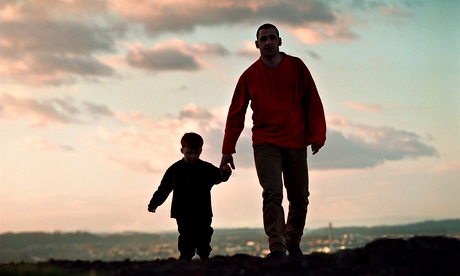
Father and son walking

Comparing siblings, scientists identified a hyperlink in between the father’s age and children’s mental well being and school efficiency. Photograph: Murdo Macleod/Guardian


Kids born to fathers over the age of 45 are at greater danger of developing psychiatric troubles and much more very likely to struggle at school, according to the findings of a big-scale research.


The investigation identified that children with older fathers have been more frequently diagnosed with issues this kind of as autism, psychosis, consideration deficit hyperactivity disorder (ADHD), schizophrenia and bipolar disorder. They also reported more drug abuse and suicide attempts, researchers said.


The children’s issues seemed to have an effect on school functionality, leading to worse grades at the age of 15 and fewer years in training general.


“We had been shocked when we saw the comparisons,” stated Brian D’Onofrio, the first writer of the review at Indiana University in the US. But he added that it was impossible to be certain that older age was to blame for the problems.


Scientists have reported backlinks among fathers’ age and children’s cognitive efficiency and health just before but this review suggests the hazards may be far more serious than previously thought. The enhanced risks may be brought on by genetic mutations that create up in sperm as men age.


Researchers at Indiana University and the Karolinska Institute in Stockholm studied health care and educational information of far more than two.six million babies born to 1.four million guys. The group amounted to virtually 90% of births in Sweden from 1973 and 2001. Making use of the data, the scientists extra up diagnoses for psychiatric ailments and educational achievements and compared the figures for youngsters born to fathers of diverse ages.


The numbers advised a complicated story. When well being and college overall performance had been in contrast across all the youngsters, and aspects such as parents’ schooling and any background of psychiatric sickness had been taken into account, paternal age manufactured tiny difference, except for situations of bipolar disorder, which rose with older fathers.


But the researchers went on to do yet another examination. This in contrast the well being and efficiency of siblings in the identical families, in the hope of ruling out distinctions between households that may possibly have skewed the benefits. This time they discovered a striking link among paternal age and children’s mental health and educational outcomes.


According to the research, the children of fathers aged 45 and above have been 3.5 times as probably to have autism, had much more than twice the danger of psychotic ailments, suicidal behaviour and drug abuse, and had a 13-fold higher threat of ADHD. Fewer than 1% of children born to fathers younger than 45 had bipolar disorder, a figure that rose to about 14% in their siblings when fathers were 45 or older. In several situations, the threat of every single disorder rose steadily with the father’s age.


The influence on academic achievements was less dramatic. Kids with older fathers had a 60% higher risk of poor functionality at age 15, defined as the equivalent of an total fail grade across sixteen academic topics. They have been also 70% much more likely to spend less than 10 years in formal training.


The findings appear in the journal JAMA Psychiatry.


Some specialists have questioned the analysis, due to the fact important elements that could be to blame had been not ruled out.


Whilst searching at siblings has the benefit of ruling out variations from one family members to the following – such as the amount of books on shelves and diet – teasing out lead to and result is not possible.


For example, a initial born youngster could do far better than his or her siblings at college, but that could be down to the parents having a lot more time to commit with him or her than later youngsters. The father currently being younger at his or her birth could be immaterial. Equally, a man’s second wife might be a worse parent than his initial wife, with knock-on results for his youngsters with her. Once again, his older age would not be the direct culprit.


In many nations, the age of very first-time fathers is on the rise, and if the most current findings are appropriate, that could drive more psychiatric and educational problems in potential generations. The common age of men who grew to become fathers in England and Wales rose from 30.eight to 32.6 years previous in the two decades to 2011, with mothers’ age increasing to 29.7 years outdated above the very same time period. In 2011, 31,643 babies were born to fathers aged 45 and more than. Some 833 fathers were 60 and in excess of, according to the Office of Nationwide Statistics.


Ryan Edwards, who scientific studies the economics of health and ageing at the City University of New York, said the examine exposed “some evidence that paternal age could worsen children’s psychiatric, behavioral and educational outcomes.”


But he warned that the final results hinged on the scientists’ comparisons amongst siblings. “In that setting, it is hard to separate the overlapping effects of paternal age, children’s age, and birth buy in a convincing way,” he said.


Jennifer Roff, also at the City University of New York, had related reservations. “I am not saying that there is no feasible genetic role for paternal age. I just feel that this could be confounded with other environmental aspects like birth order. The extent of the issue will differ. I can imagine that for things like cognitive scores, this could be a bigger difficulty than for factors like schizophrenia.”


Children of older males at higher chance of psychological sickness, research suggests

25 Şubat 2014 Salı

Sickness leave tumbles by a lot more than 25% given that 1993

sick leave with a cold

Minor illnesses, such as coughs and colds, accounted for 27m lost days final 12 months. Photograph: Lewis Whyld/PA


The amount of doing work days misplaced to sickness fell to 131m in 2013, and was down by a much more than a quarter on the figure recorded in 1993, official figures present.


However, despite the fact that the amount of sick days taken is usually falling, a lot more doing work days were lost to tension and depression.


The Office for National Statistics mentioned the average employee took four.four days off in 2013 due to sickness, in contrast with 7.2 days in 1993. Above the exact same period the total quantity of days misplaced has fallen from 178m.


Although concerns about work reduction during the recession may have prompted some people to go into work rather than calling in sick, the amount of days taken off was falling in the runup to the economic crisis. The ONS explained most of the fall in sickness absence took location between 2003 and 2011.


The major result in for functioning days lost in 2013 was musculoskeletal conditions such as back and neck ache, which led to 31m days off, while minor illnesses such as coughs and colds resulted in 27m days sick. Anxiety, anxiousness and depression have been the result in of 15m absence days, up from eleven.8m in 2010.


Dr John Philpott, director of The Jobs Economist, said the scale of mental well being troubles could be even larger, even though disguised by staff providing other motives for their absence.


“Although widespread psychological overall health difficulties account for only eight% of all working days misplaced to sickness absence, the disturbing upward trend indicates that the Uk workforce is turning out to be increasingly stressed out, with stress from bosses to get the work carried out ever far more intense at a time when falling true wages mean most employees are struggling to make ends meet,” he explained.


“Critics are incorrect to dismiss this kind of absence as simply symptomatic of a ‘sickie culture’ and must as an alternative direct their interest to the excessively controlling management practices and insecure labour marketplace circumstances, such as the increasing incidence of zero-hours contracts, that are triggering growing numbers of employees to crack under the strain.”


The ONS figures showed that guys had a decrease absence rate than girls, shedding 1.six% of their hrs to sickness in 2013, in contrast with two.six% among women.


“Females and guys work in distinct sorts of jobs and when controlling for these differences and other factors that influence sickness, girls had been 42% more probably to have a spell of sickness than men,” the ONS said


The ONS also compared the self-employed with staff and identified that while those in employment lost 2.1% of their operating hrs to sickness, amongst these working for themselves the figure was just one.two%.


The percentage of hours lost to sickness in the private sector was lower than in the public sector, at 1.8% and two.9% respectively. Sickness prices were larger for people doing work in a health authority or NHS believe in


(3.4%), followed by people in central government (three%).


The ONS explained: “When controlling for the different elements that influence sickness, public sector staff had been 24% much more very likely to be off function due to sickness than people in the personal sector.”


Sickness leave tumbles by a lot more than 25% given that 1993

24 Şubat 2014 Pazartesi

Sick cities: why urban daily life is breeding new sickness fears

“The entire background of urban daily life, in a sense,” says Richard Barnett, “is of living with parasites and attempting to get rid of them.” We are at the end of a rainlashed walk by means of London, one of a series of wellness and ailment tours run by Barnett, a historian of science and a Wellcome engagement fellow. He has informed us of mummification and mass graves the heads when displayed on spikes at the entrance to London Bridge and the bodies that washed up in dead man’s hole in the Thames, before becoming taken to a mortuary. The historical past of cities throughout the world, he says, is a single of filth and condition, of docks humming with men and women, rats and mysterious cargoes, of overcrowded slums, poor diet program and pollution.


One particular of our final stops is St Olave’s church, where Samuel Pepys is buried, and the site of a plague pit – the entire body of Mary Ramsey, the woman mentioned to have brought plague to London from France in the 1660s is between individuals buried here. Barnett thinks Ramsey’s alleged position in the plague was almost certainly just anti-French propaganda, but it illustrates an ongoing worry – the sense of cities as pregnable entities, vulnerable to bacterial invaders, to infections that enter by way of a port and spread speedily via a population that is living at perilously near quarters.


Above the last decades, these fears have flared with the Sars virus, avian flu and swine flu, each outbreak prompting new concerns about our capability to stop and deal with illness, at a time of drastically increased drug resistance.


While travel hubs in most cities are themselves far more hygienic than in Ramsey’s day, Dr Ronald Cutler, an expert in infection management at Queen Mary University of London, says the frequency – and pace – of travel has had large ramifications for the possible for ailments to spread.


“In the past,” he says, “if you were going on a boat to the Americas it may possibly take six or seven weeks to get there, and if you had a truly serious infection, there was a great likelihood you’d die in transit. Nowadays, you can choose up a horrible lergy, fly to the other side of the planet, and not realise you have received it. It does not matter how a lot of good infection management measures you have in place, no one can tell, unless of course someone’s visibly unwell, regardless of whether or not they’re actually carrying anything.”


Cities: germs 2, play Any area of mass communal touch is a potential magnet for spreading illness – such as children’s playgrounds. Photograph: Janine Wiedel Photograph Library/Alamy


When an infection has arrived in a city, proximity allows its spread. The city is a playground for parasites. “There are a lot more exciting human beings they can leap on to,” says Barnett, “lots far more possibilities for vectoring and transmission. It’s all about movement. Parasites enjoy motion. So in that sense the city is an totally fantastic place for them.”


The possibilities for infection are usually powerful in places of substantial population inside a city – schools, for instance. In January 2010, at the height of a swine-flu outbreak, researchers at Stanford University in the US used wireless sensors to keep track of the movements of 788 college students, teachers and personnel at a substantial college. They have been especially interested in how several occasions folks came within 10ft of a single another, the distance at which it really is possible for infections to spread by way of coughs and sneezes. In the program of a day, the researchers were astonished to discover 762,868 encounters in all.


Human proximity in cities has been increasing as a outcome of increases in world population, and fast urbanisation – the Planet Health Organisation has explained that, even though four in 10 people were residing in cities in 1970, by 2050 this proportion will be seven in 10 throughout that 70-yr period, the world population is projected to have grown from three.seven billion to 9.three billion.


The human population is also increasing older than ever. This is a significant issue in the spread of ailment, says Cutler, since, “the older you get, the a lot more susceptible you get. The extremely young and quite outdated are the two main groups that are prone to infections.”


Infections can be passed from person to man or woman partly via bad respiratory etiquette. Dr Arpana Verma, senior lecturer in public health at the University of Manchester, says she was lately concerned in a task exactly where a group of researchers covertly observed people’s coughs and sneezes: “We were amazed by how numerous people spit.”


Washing hands Specialists advise washing hands for as lengthy as it requires to sing Satisfied Birthday twice. Photograph: Tay Jnr/Getty Photos


Throughout the group’s survey close to the city of Manchester, they observed 154 individuals coughing, sneezing, or blowing their noses, and classified this behaviour in accordance to the Centres for Disease Manage and Prevention (CDC) recommendations. Only one person – .seven% of their sample – had very good respiratory etiquette, coughing in to their upper arm, in line with CDC recommendations. 4 (two.six%) had acceptable etiquette, and 149 (96.8%) had poor respiratory etiquette. None reached the bar set for outstanding etiquette. “People were sneezing, just out into the open,” says Verma, “and I’m confident you have witnessed that photograph of how far the droplets from a sneeze go …”


Yet another traditional route for the spread of germs is bad hygiene, specially bad handwashing. Latest United kingdom analysis discovered that 99% of men and women interviewed at services stations claimed to have washed their hands right after using the toilet – but recording units unveiled only 64% of girls and 32% of males actually had. In 2012, Cutler published analysis which discovered faecal bacteria on 26% of hands in the Uk 11% of hands had as several germs as a dirty toilet bowl.


This bacteria is passed to every little thing we touch. Cutler screened banknotes and credit cards and found 26% of the notes and 47% of the cards had large amounts of bacteria, which includes E coli. Evaluation of mobile phones has shown a single in 6 are contaminated with faecal bacteria. (Experts have advised, as a guideline, that washing your hands correctly need to consider as lengthy as singing Satisfied Birthday twice.)


In environmental terms, public toilets are naturally breeding grounds for germs in cities, and Cutler says he’d like to see “techniques of strengthening environments so they become easier to clean, simpler to manage – novel surfaces and structures, so there aren’t so numerous nooks and crannies in public areas. There is now a plethora of different toilet types, none of which have been realistically examined but which nevertheless display promise. What people forget is that when you flush a toilet, there’s a thing called a spray that goes something like two metres in the air and can contain faeces, which indicates you could breathe in E coli and the rest.”


Other possible environmental hazards consist of air-conditioning techniques – it truly is important that the reservoir of water utilised for cooling a space is kept free of charge of bacteria, says Verma. In 1976, following a meeting of the American Legion at a hotel in Philadelphia, 182 legionnaires have been taken ill, and 29 died. They had contracted a type of pneumonia from bacteria in the hotel’s cooling tower, a potentially fatal sickness which grew to become known as legionnaires’ condition.


There is other proof that air conditioning in city offices can be hazardous. A 2004 review in France identified that girls who worked in air-conditioned offices have been virtually twice as likely to get sick days – and more than twice as probably to pay a visit to the medical doctor for ear, nose and throat issues.


Apple iPad The proliferation of touch gadgets has also contributed to the spread of illnesses. Photograph: Chris Rout/Alamy


And however, city daily life isn’t all bad. Some components which are perceived as hazardous may possibly really support us create immunity – public transport, for instance. Last yr, a survey by the London College of Hygiene and Tropical Medication located that men and women who use public transport to commute are in fact less probably to be infected with flu than individuals who use other modes of travel. Even though cities “have typically, through historical past, been filthy, overcrowded, diseased”, says Barnett, “they have also been the places where you uncover medical professionals, hospitals, sanitation. And very typically, cities are very nicely fed.” So though infection may well spread a lot more freely than in rural areas, there are also much more tools on hand to combat it.


Cities have not only been threatened by condition they have also been shaped by it. “In some approaches,” says Barnett, “we owe the creation of the modern day city first to plague, and then to cholera in the 19th century.” There have been four major outbreaks of cholera in London in excess of four decades, beginning in the 1830s, and despite the fact that it was not the most deadly disease – tuberculosis killed numerous a lot more men and women – its brutality forced city authorities to turn into serious about sanitation.


“If you received cholera in the 19th century,” says Barnett, “you had about a a single in two possibility of fitting yourself to death in your personal watery shit within about 48 hrs.”


The 1830s was a time of economic depression, and different political revolutions had been underneath way in Europe. As a end result, says Barnett, “it wasn’t surprising that governments feared cholera, due to the fact it had the potential to make the sick, poor functioning-classes become revolutionary.”


The early Victorians had their own theory about what brought on cholera, that it was “spread by miasmas,” he says, “which are basically bad smells. So you have rotting things – sewage, horse shit, industrial waste – the idea was that it decayed, gave off poisonous vapours, which blew about in the air and were breathed in.”


The actual culprit was sewage in consuming water (as the Soho medical professional John Snow deduced in the 1850s), nevertheless the miasma theory was nonetheless helpful in establishing city infrastructure, as it encouraged the authorities to clean up.


“A illness like cholera assisted produce the modern city,” says Barnett, “in the sense that it aided develop most of the institutions we believe of as contemporary. So public health, sanitation, sewerage, fresh water. I think cholera genuinely forced the city to abandon an older way of thinking about health that is virtually each and every guy for himself, and acknowledge that a population lives and dies with each other, and we all have to consider care of 1 one more.”


In a 2007 poll by the British Health-related Journal, sanitation was voted the best health care milestone because 1840. Verma compares the infrastructure developed in Victorian England to that becoming produced in the building globe nowadays, where speedy urbanisation is taking location, usually without enough time and sources. “So you’ve got open sewers, and shared toilets out in the open. I think we fail to remember how completely basic access to clean water and risk-free and efficient sanitation is.”


The fast development of cities is a significant concern for the planet’s well being – as is the expanding number of infections which are resistant to all offered medication. In the US last September, the CDC warned that the country faces “probably catastrophic consequences” if it doesn’t fight drug resistance, echoing a statement from Sally Davies, the UK’s chief health care Officer, who said that the British well being method could slip back 200 many years, if the “catastophic risk” of antibiotic resistance is not correctly tackled.


“Antimicrobial resistance is a ticking timebomb not only for the United kingdom but also for the world,” Davies wrote in her very first annual report, last March.


There had been times, in the final century, when specialists believed we may well see the finish of infectious illness. That seems a lot less most likely now. The death toll stays horrifying: the US Division of Overall health and Human Services estimates infectious conditions account for about one in 4 deaths throughout the world, such as about two-thirds of all deaths of young children under five.


Provided their certain vulnerabilities, cities would be nicely suggested to put together for the worst by way of great hygiene management, infection handle, and urban infrastructure and design. But, says Cutler, “you nonetheless will not be capable to cease somebody carrying a drug-resistant organism in their entire body coming into a nation, not even knowing they’ve got it – and when they locate out, it is too late, they’ve currently spread it. Not to be scaremongering, but it will happen.


“The bottom line is that if you mix the lack of advancement of new antimicrobials with international travel with the truth that the globe has more people now, each and every yr, than it ever had just before and that they are ageing, the consequence is extremely regarding.” At the quite least, we can all wash our hands.


Sick cities: why urban daily life is breeding new sickness fears

21 Şubat 2014 Cuma

Breast cancer isn"t attractive. Nipnominate"s cleavage shots trivialise a devastating sickness | Daisy Buchanan

nipnominate buchanan

The pictures Beth Whaanga posted after she underwent a double mastectomy ‘show us that women’s bodies can represent their strength and personalized power’. Photograph: Nadia Masot


Neknomination, the online drinking game that has led to cases of hospitalisation and death, has inspired a range of social media responses. You’d have to be rather churlish to choose on one particular that has raised thousands of pounds for breast cancer care. Nipnominate urges ladies to post photos of themselves in their bras hashtagged #bangerstocancer, it back links to a Just Providing page in which these enjoying the pictures can donate to the campaign – like a feelgood, charity edition of Nuts or Zoo. Michelle Kent, the founder, has currently raised £2,500.


But to me there is one thing offensive about seeing photographs of healthful women in push-up bras posting cleavage shots to assistance breast cancer sufferers. Breast cancer is a devastating illness. It isn’t sexy. Attempting to “fight” it with amateur glamour shots is an exercising in narcissism, and trivialises a significant healthcare matter. The model Brandy Brewer was praised for lending her help to the campaign and introducing a significant number of Twitter followers to the fundraising hard work, but the lacy bra, lip gloss and open-mouthed expression on her selfie would seem to say “Hello boys”, not “I’m right here for the women”.


Women who haven’t suffered from a debilitating illness, but declare that a attractive selfie is a good way to boost their entire body self confidence, want to feel tough about their motives. From where I am standing it doesn’t seem like a demonstrate of assistance, but an try to titillate. If I would had a mastectomy, I wouldn’t feel comforted or supported if a group of attractive, healthful women tweeted images of their bouncing breasts to enhance the profile of breast cancer care. I would feel alienated and angry. We tacitly deal with breasts as the greatest feminine attribute, which tends to make it all the far more traumatic and bewildering if you lose them. If we’re going to help breast cancer survivors, we need to challenge and criticise this way of considering. Why are we celebrating breasts, when we ought to be celebrating females?


If we’re going to increase awareness of the problems surrounding breast cancer, we genuinely do not want to begin by raising awareness of breasts. They’re all over the place. You can see them on Television in the afternoon, and in some of our national newspapers. The issue is that virtually all the breasts on display are ornamental. They’re currently being provided up for someone else to look at. We nonetheless can not make our minds up about whether or not it really is Ok to breastfeed in public, but we have become utilised to consistently seeing breasts, or the suggestion of breasts, in a sexual context. The problems with nipnominate is that it isn’t showing breasts and bodies in a revolutionary or new way.


We may well sigh if we noticed photographs like these in a magazine, but we would not increase our eyebrows. Raising cash for breast cancer care is admirable. But it’s a pointless endeavour if the fundraising action contributes to and compounds the culture in which our breasts are only pertinent if they are currently being admired by an individual else’s eyes.


Final week Beth Whaanga posted topless images of herself soon after she underwent a double mastectomy. At the end of 2013, the Mimi Basis designed a film documenting what occurred when a group of cancer sufferers underwent “blind” makeovers, and have been only permitted to seem at the results when they had been completed. These pictures are effective and critical since they display us that women’s bodies can signify their strength and private electrical power. When your physique bears the scars of life-conserving surgery, and you have the courage and confidence to share those photographs with other people in buy to comfort and inspire them, the concept of posing with a pout and a pushed-up cleavage is laughable.


I will not be saying bangers to cancer, and I will urge every woman I know to weigh up no matter whether or not it is actually a very good notion to publish a nipnominate shot. But I will do every thing I can to current my personal entire body in a optimistic way, and to show that my breasts have a significantly bigger purpose and significance than the pursuit of sexiness. If I do submit any photos of myself online, I want them to demonstrate what my physique does, rather than focusing on what it seems like. I am keen to repost and spread the images shared by the brave, inspiring surgery survivors who have the guts to demonstrate us what they have gone by way of.


Whaanga mentioned: “My scars are not ugly, they indicate I’m alive” – and to me they are considerably more impressive than a excellent, pert cleavage. For also extended we’ve noticed women’s bodies exclusively presented in a way that is supposed to please. Nipnominate will succeed only if it modifications our viewpoint on our breasts. But that won’t happen if it’s just an excuse for us to get paid to get ‘em out – even if it is for charity.


Breast cancer isn"t attractive. Nipnominate"s cleavage shots trivialise a devastating sickness | Daisy Buchanan

11 Şubat 2014 Salı

How do health-related college students cope when sickness hits shut to house?

grandmother ill medical student

Just before my grandmother got sick, any stroke sufferer referred to in a lecture had been just a faceless, hypothetical patient. Photograph: Alamy


Obtaining chosen to research medication for up to 6 years, it is simple to presume medical college students are properly prepared to deal with illness and ailment. But is that actually the situation when illness hits near to home?


This is a query I recently found myself asking when my grandmother unexpectedly suffered from a stroke.


I’m in my third 12 months of learning medicine. Getting covered the ins and outs of stroke in lectures, and obtaining had a couple of interactions with stroke patients on best of that, I (perhaps naively) thought that I had a fair comprehending of what it should be like to have a loved ones member take sick in this way. It turns out that it really is in reality a very various expertise to what I’d imagined.


After it took place, I recalled teaching we would lately had on stroke. Until finally now, facts that we’d been advised about threat variables and survival rates had appeared so distant and far-removed from my personal daily life, but now every little thing abruptly appeared so true.


Just before, any stroke sufferer referred to in a lecture had been just a faceless, hypothetical patient, or an anonymous statistic but now the stroke patient was my grandmother. I would imagined that learning medication would have far better prepared me for a scenario like this, but getting a household member grow to be significantly sick is anything you can in no way actually be prepared for.


I’m in my third yr at university, so my time has primarily been invested in lectures and seminars rather than in hospitals or clinics. In learning medication you are exposed to so many diverse illnesses and conditions that it really is simple to grow to be desensitised.


Sickness gets anything impersonal and abstract. It really is some thing that you discover about that transpires to other individuals. The emotional aspect of it all would seem a million miles away when you’re sitting in a lecture theatre hungover and striving to stay awake. It really is not until something affects you or someone shut to you that you produce a accurate appreciation of the effect it can have.


Illness is widespread amongst students. All around 20% of healthcare college students in the United kingdom are imagined to have personally suffered from critical injury or illness in the past 3 many years, and a additional forty% are believed to have a near good friend or relative affected by damage, illness or death in the exact same time time period.


In the short term, these experiences have been linked with poorer exam functionality and higher levels of anxiousness, which is something any pupil can most likely discover truth in.


But a great deal of health care students also report discovering a silver lining in an otherwise quite grey cloud. In one review, health care students cite personalized experiences of illness as “a constructive element in their determination to review medication”, and say their experiences have “aided them relate to sufferers and see their viewpoints”.


Kate, a health care graduate, echoes these sentiments. Whilst at university she created a neurological situation that left her reliant on a wheelchair. She says, “I grew to become far far more empathetic. Having been through some of the processes as a patient, I could use my personal experiences to assist other folks.”


Obtaining the tables turned and discovering yourself as the patient or the relative of a patient offers you a greater viewpoint on factors. It’s sometimes easy to get bogged down in the countless scientific detail of medicine and neglect that you’re really dealing with genuine individuals and real feelings.


We’re taught to express empathy and compassion at healthcare college, but truly experiencing illness 1st-hand can teach you skills that no guide is able to.


Guardian Students banner


How do health-related college students cope when sickness hits shut to house?