lead etiketine sahip kayıtlar gösteriliyor. Tüm kayıtları göster

18 Aralık 2016 Pazar

How Britain plans to lead the global science race to treat dementia

Early next year, Professor Bart De Strooper will sit down in an empty office in University College London and start to plan a project that aims to revolutionise our understanding and treatment of dementia. Dozens of leading researchers will be appointed to his £250m project which has been set up to create a national network of dementia research centres – with UCL at its hub.


The establishment of the UK Dementia Research Institute – which was announced last week – follows the pledge, made in 2012 by former prime minister David Cameron, to tackle the disease at a national level and comes as evidence points to its increasing impact on the nation. Earlier this year, it was disclosed that dementia is now the leading cause of death in England and Wales. At the same time, pharmaceutical companies have reported poor results from trials of drugs designed to slow down the progress of Alzheimer’s disease, the most common form of dementia.


“Humans have truly wonderful brains that can cope with terrible diseases like Alzheimer’s for decades and can find all sorts of ways to get around defects that are growing inside,” said De Strooper, who is currently based at the University of Leuven in Belgium. “Eventually individuals succumb to the condition and start to display memory loss and other symptoms – but usually only after decades have passed and their brains have gone through considerable changes. This makes it very difficult to treat the disease. That is the challenge that we need to tackle.”


Current understanding of Alzheimer’s suggests the disease is triggered when beta amyloid, a protein in nerve cell membranes, starts to clump together. Slowly the brain undergoes metabolic changes as amyloid clumping continues. In particular, a protein known as tau, which is involved in memory storage, is affected. It starts to form tangles inside the brain’s neurons and these die off. Eventually, symptoms – such as severe memory loss – manifest themselves.


To date, most attempts at drug interventions have focused on medicines that could prevent beta amyloid from forming clumps, the most recent being Solanezumab, developed by the pharmaceutical company Eli Lilly. However, results of clinical trials of the drug – revealed last month – indicated that it had no significant effect on the thinking abilities of people with mild Alzheimer’s. Solanezumab had also failed in people with more advanced versions of the disease in earlier trials.


This double failure has led some scientists to argue that amyloid clumping is not a cause of the disease but is merely a symptom. By targeting it, scientists are wasting time, it is argued. Professor John Hardy, a geneticist based at UCL – who has played a key role in setting up the college’s Dementia Research Institute – does not agree. “All the evidence we have from families affected by early onset dementia indicates that the disease begins with the deposition of amyloid plaques in the brain,” he said. “The trouble is that this buildup starts 15 to 20 years before dementia’s symptoms appear. The drugs we have developed so far offer treatments that are, in effect, too little and too late.”


Hardy drew a parallel between cholesterol buildup in blood vessels that eventually leads to cardiac disease and the buildup of amyloid plaques in the brain and the onset of Alzheimer’s. “Unfortunately, we have no equivalent of a cholesterol test to assess how much amyloid is clumping in a person’s brain,” he added. “However, that could change in the near future.”
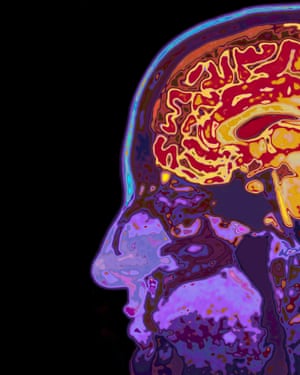


Research suggests between 20 and 30 genes are involved in predisposing people to Alzheimer’s.


Research suggests between 20 and 30 genes are involved in predisposing people to Alzheimer’s. Photograph: Getty

Recent research has pinpointed a group of around 20 to 30 genes that are involved in predisposing individuals to Alzheimer’s. These genes come in different variants. Some variants of a gene predispose individuals to dementia more than other variants of that gene. If a person inherits a package of genes made up of variants that particularly predispose to dementia, they are very likely to develop Alzheimer’s.


“We are now within five years of developing a chip that will be able to tell – from a blood test – whether a person is likely to have amyloid plaques forming inside their brains in middle age,” added Hardy. “This would then be followed up by a brain scan to confirm if this is true or not.”


This would be dementia’s equivalent of a cholesterol test. The problem is that there is, as yet, no equivalent of drugs which would halt this amyloid buildup in a way that parallels the use of statins to block buildups of cholesterol, once detected, and so head off cardiac illness. For their part, researchers argue that the use of drugs like Solanezumab – although seemingly ineffective on patients in whom amyloid plaques have become established – could be far more effective in the early stage of the condition.


Many other issues complicate our understanding of dementia, however. “A good example is provided by the immune system,” said David Reynolds, chief scientific officer of Alzheimer’s Research UK. “There is a lot of evidence now that the immune system is involved in the development of Alzheimer’s after beta amyloid clumps appear.”


However, the nature of that immune response is still not fully understood. “We do not know whether the immune system tends to overreact – as with conditions like rheumatoid arthritis in which the body’s own tissue is attacked by its own immune defences – or react weakly and allow amyloid clumps to develop when they could be stopped,” added Reynolds. “Certainly it would be unwise to wade in with drugs until we know exactly what it is we want to achieve.”


And this is where the distributed nature of the Dementia Research Institute network could prove important. Based in different university cities (Edinburgh, Oxford and Cambridge are all candidates for units), these outlying centres will focus on different aspects of the disease: environmental factors, care of dementia patients – and immunology. “The creation and direction of these centres will depend on existing expertise at that university,” added Reynolds. “A centre that focuses on immunology and dementia would be particularly useful in finding new ways to tackle the condition.”


The Dementia Research Institute network is to be supported, over the next 10 years, by £150m funding from the Medical Research Council – with further inputs of £50m each being made by Alzheimer’s Research UK and by the Alzheimer’s Society. This commitment marks a significant increase in dementia research in the UK, which had already raised its annual funding from £50m in 2008 to £90m in 2012 and is now a world leader in the field.


“It is good news but we need to put it in perspective,” said James Pickett, of the Alzheimer’s Society. “In 2012 we spent more than £500m on cancer research; there are five times more researchers working on cancer in the UK; while the number of clinical trials of dementia drugs is less than 1% of those of cancer drugs.”


At the same time, the need for some form of treatment to tackle dementia is becoming increasingly urgent. More and more people are living to their 80s and 90s when their chances of getting dementia increase markedly. There are currently 850,000 people with dementia in the UK, a figure that will rise to one million by 2025 and two million by 2051.


“We are going to have to be very nuanced in understanding all the risk factors involved in dementia – and in appreciating why factors like education and general health provide some protection against its onset,” said Professor Carol Brayne, of Cambridge. “That is going to be the strength of the institute. It offers us the opportunity, for the first time, to follow so many different avenues and approaches to dealing with and understanding the dementia.”


GROWING THREAT


Dementia overtook heart disease as the leading cause of death in England and Wales last year. More than 61,000 people died of the condition in 2015, 11.6% of all recorded deaths.


The Office for National Statistics said the increase had occurred because people were living for longer while deaths from other causes, including heart disease, had gone down. In addition, doctors are now better at diagnosing dementia, and it is appearing more often on death certificates.


The bulk of dementia deaths last year were among women: 41,283, compared to 20,403 in men.


According to the Alzheimer’s Society, dementia is the only one of the top 10 causes of death that we cannot prevent or even slow down.


The leading cause of dementia is Alzheimer’s disease, which accounts for 62% of all cases in the UK: 520,000 of the 850,000 people living with dementia in the UK today. Other forms of the disease include vascular dementia and Lewy Body dementia.


Dementia costs the UK economy approximately £26bn per year, according to the Alzheimer’s Society.


If a drug could be found to slow cognitive decline in dementia, that would delay the need for paid care and reduce the financial burden on families, the NHS and social care.


How Britain plans to lead the global science race to treat dementia

10 Aralık 2016 Cumartesi

Why Washing Dishes by Hand May Lead to Fewer Allergies

TIME-logo.jpg Households worldwide now have extra incentive for getting family members to do the dishes: It could prevent the development of allergies. A new and preliminary study, published in the journalPediatrics, adds to an increasing body of evidence that suggests getting a little dirty does the immune system some good. That thinking is known as the “hygiene hypothesis,” which speculates that the reason kids develop so many allergies today is because their environments are just too clean. Without exposure to bacteria early in life, children’s immune systems don’t become as hardy as they could be. Research over the years has linked a variety of early lifestyle factors, like having pets, eating fish, and living on a farm to a significantly lower risk of developing allergies. Now this new study suggests that hand washing dishes might be the next behavior to add to the list. “If you are exposed to microbes, especially early in life, you stimulate the immune system in various ways and it becomes tolerant,” says study author Dr. Bill Hesselmar of Queen Silvia Children’s Hospital in Gothenburg, Sweden. “We thought [hand washing dishes] might be important, but we didn’t know, so we asked that question.” Hesselmar and his team surveyed the parents and guardians of 1,029 Swedish children ages 7 to 8. They discovered that children in homes where the family hand-washed the dishes instead of using a machine were less likely to have allergies. Only 23% of children whose parents used hand dishwashing had a history of eczema, compared with 38% of kids whose families mainly used machine dishwashing. The researchers also found that the result was amplified when kids ate fermented food or food bought directly from farms. Though the study is only observational and can’t confirm causality, Hesselmar and his team have a few speculations. It’s not necessarily that the kids are washing the dishes themselves and becoming exposed to bacteria. That might be one form of exposure, but as Hesselmar notes, some of the kids might be too young for that chore. Instead, it could be that long-term use of hand-washed dishes does the trick. Prior research comparing the cleanliness of dishes washed by hand to those washed by machine has shown that machine washing is more efficient and leaves fewer bacteria behind. Living in a household that hand-washes means family members are eating off of plates and cutlery that have more bacteria, and therefore more microbial exposure. Families who hand-wash may also have other lifestyle factors that contribute to a lower allergy risk. The researchers note that overcrowded housing, low socioeconomic status and immigration status can also be linked to fewer allergies, as well as possibly different modes of dish washing.

“The study was really well done and caveated well, while simultaneously suggesting new areas of research and interesting models,” says Jonathan A. Eisen, a professor at the University of California at Davis. Eisen, who was not involved in the study, is an expert on exposure to microbial communities.


The study still leaves a few questions unanswered, like why hand washing was only associated with a lower likelihood of eczema and not other allergy-related symptoms like asthma, or why the effect was so significant even though dish washing requires the use of soaps, possibly even antibacterial products. Hesselmar says they are asking the same questions and hope to continue looking into the link.


Read next: This ‘Peanut Patch’ Could Protect Against Peanut Allergies


This story originally appeared on Time.com.


Why Washing Dishes by Hand May Lead to Fewer Allergies

4 Kasım 2016 Cuma

New prenatal test for Down"s syndrome "will not lead to more terminations"

A safer prenatal test for Down’s syndrome due to be introduced on the NHS is not predicted to lead to more pregnancies being terminated, according to one of Britain’s most eminent statisticians.


Sir David Spiegelhalter, professor for the public understanding of risk at the University of Cambridge, said that the best evidence available suggests that the blood test, which will be made available in 2018, would lead to an increase of around 20 in the number of positive diagnoses made each year through screening.


He added the test would result in far fewer women opting for invasive testing, reducing miscarriage numbers.


Spiegelhalter cautioned that this evidence sometimes appeared to have fallen out of view in debates in which some campaigners have warned that a generation with Down’s syndrome could be “screened out”.


“People feel very strongly about it, of course they do. It’s all the more reason to stand back and look at the figures,” he said. “There’s a mismatch at the moment between the official basis on which this is being rolled out and the discussion around it.”


According to the Department of Health’s own projections, Spiegelhalter said, more than 40 miscarriages would be avoided every year because far fewer women would be given amniocentesis, an invasive test in which a tiny amount of fluid is removed from the womb. He added, however, that it was impossible to predict exactly how families would respond to the new screening regime.


“There’s been a lot of concerns expressed about the increased number of terminations,” said Spiegelhalter. “In the assumptions under the current model that’s not the case. The estimate is that there wouldn’t be a change.”


The new test, which works by detecting tiny quantities of foetal DNA circulating in the mother’s blood, will be offered to about 10,000 women a year who are considered to have a higher chance of giving birth to a baby with Down’s syndrome, or two rarer genetic conditions: Edwards’ and Patau’s syndromes.


The test is offered after the standard screening that all pregnant women receive at 12 weeks, which involves an ultrasound and a blood test.


According to recent Department of Health figures, 7,900 women agreed to an invasive test and 46 miscarried. More than 3,000 chose not to have the test for fear of losing their baby or because they would wish to continue with their pregnancy regardless of the result. The figures showed 1,031 Down’s cases detected in a year.


The blood test, which predicts Down’s syndrome with more than 90% accuracy, means most high-risk women will be able to avoid amniocentesis. The government predicts that around 10,000 women would opt to have the non-invasive prenatal test (NIPT). Of these, the Department of Health predicts that most would be screened out and fewer than 1,500 would proceed to the invasive test, where 1,055 Down’s cases would be positively identified.


The motivation for introducing the new blood test is safety, but controversy has been building based on concerns that far more parents would be inclined to find out if their baby was affected by a genetic disorder, potentially leading to more pregnancies being terminated.


In a BBC documentary last month, A World Without Down’s Syndrome?, actor Sally Phillips, whose son Olly has Down’s syndrome, raised concerns about the new test and highlighted the joy that her son had brought to her family.


Spiegelhalter said he “in no way seeks to criticise the campaign groups”, but wants to give people access to the best evidence available. His analysis is due to be published on the website of the Winton Centre for Risk and Evidence Communication at the University of Cambridge, which launched last week and will aim to provide unbiased statistics on public health and policy issues.


Philip Dunne, the health minister, said: “We want women to be able to access the safest screening tests available, so based on the clinical evidence, we have approved the use of a new non-invasive prenatal test for Down’s, Edwards’ and Patau’s syndromes. By offering non-invasive prenatal testing, fewer pregnant women will go on to be offered diagnostic testing which carries a risk of miscarriage.”


Lynn Murray, spokesperson for the campaign group Don’t Screen Us Out, said that the concerns of those opposed to the policy went beyond the projected screening statistics. “We are very disappointed that the Department of Health have approved the NIPT roll-out without consultation with the very group that this is going to have the biggest impact on, people with Down’s syndrome and their families,” she said. “The government has admitted itself that it has made no assessment of the impact this will have on the community of people with Down’s syndrome.”


New prenatal test for Down"s syndrome "will not lead to more terminations"

26 Ağustos 2016 Cuma

Plan to "transform" NHS could lead to downgrade of major London hospitals

Council leaders have refused to sign up to a plan to “transform” NHS services amid fears two major London hospitals, Ealing and Charing Cross, are to be downgraded and will lose their A&E units and other acute services, the Guardian can reveal.


Plans being developed around England to tackle the NHS funding crisis involve increasing focus on “virtual” and outpatient care, and internal documents show there are plans in north-west London to close or downgrade its acute hospitals from nine to five.


Both west London hospitals are highly valued by local residents and have been the subject of campaigns to save them when they were threatened with closures in the past.


Leaders at both Ealing and Hammersmith & Fulham councils say they are determined that these hospitals should remain open with their A&E and operating surgeries and so have refused to sign up to the north-west London sustainability and transformation plan (STP), which is one of 44 such plans in development around England.


Critics of the plans fear that up to 500 acute beds could be lost if these hospitals are closed or downgraded.


The majority of the 44 plans – described by NHS England as internal documents – have not been published. The Guardian has seen two of the plans.


The STP for North-West London Collaboration of Clinical Commissioning Groups advocates:


Reducing acute hospitals from the current nine in north-west London to five and reducing acute admissions by a third. The document says “… consolidate acute services onto five sites (the consolidation of acute services to fewer sites is not supported by the London boroughs of Ealing and Hammersmith & Fulham)”.


The document also states that to replace the acute hospital closures there will be a “local hospital model” introduced. This has not yet been fully defined but is likely to be minor injuries/out of hours GP centres, rehab beds for elderly people after accidents, but no A&E, no medical or surgical beds, and no operating theatres.


Making parts of the NHS “virtual” rather than using physical buildings for some consultations, and selling off some buildings that would become surplus to requirements as a result.


Revolutionising the outpatient model by using technology to reduce face to face consultations by up to 40%.


Give patients phone or face to face coaching to treat themselves.


Some of the proposals have support from experts and NHS professionals, as there are huge pressures on budgets as the UK copes with an ageing population.


However, the document says “unsurprisingly there are many risks to the achievement” of the ambitions in the plans.


Steve Cowan, leader of Hammersmith & Fulham council, told the Guardian that NHS officials were being forced to drive through the changes by the government.“We condemn the Tory government for drawing up these plans. This is about closing hospitals and getting capital receipts. It’s a cynical rehash of earlier plans and is about the breaking up and selling off of the NHS. It will lead to a loss of vital services and will put lives at risk.”


He added: “Our job is to protect the NHS and this plan is about dismantling it. This document is an affront to the sensibilities of the people of north-west London.”


Julian Bell, leader of Ealing council, said: “We refused to sign up to the STP plans because we do not support the closure of Ealing and Charing Cross acute hospitals … We have made it abundantly clear that we will campaign until our last breath to save Ealing and Charing Cross hospitals. We do support some of the proposals for more integrated health and social care but we feel we will be punished for not signing up to these plans.”


The document seen by the Guardian does not detail numbers of beds facing cuts in the two London hospitals. When asked why no numbers were specified for planned bed closures in the document, London North-West Healthcare NHS trust said: “The STP does not focus on beds because this ignores the fact that we are trying to deliver the best possible care for people, with no unnecessary delays or waits and with expanded services in the community to prevent avoidable admissions.”


The plan is regarded as one of the most detailed and comprehensive STPs produced so far and a strong indication of the government’s future plans for a radical transformation of the NHS.


NHS officials told the Guardian that any individual local council that chose not to engage with NHS partners would forgo the opportunity to join up social care and health services more effectively, but that would be their choice.


The risks highlighted in the plan include a failure to shift enough acute care out of hospitals, a possible collapse of the private care-home market and a failure to get people to take responsibility for their own health.


Council officials claim that pressure was exerted on them to sign off an executive summary of the draft plans quickly without seeing the full document. NHS officials have denied this.


The north-west London STP states that the demand for healthcare is projected to rise with an expected 53% increase in cancer cases by 2030 as well as an increase in conditions of old age such as dementia, yet the significant reduction in hospitals and acute beds is deemed the best way forward.


NHS England believes the STP process will bring many wider benefits including more joined-up care and that there is evidence to show care closer to home has advantages.


The pace of the planned changes is alarming critics. The north-west London plan states that changes need to be delivered “at scale and pace” in order to have a financially sustainable system by 2020.


John Lister, secretary of Keep the NHS Public, said: “The draft plan for north-west London really is a shocker. The assumptions they are making in this document are just enormous. No services anywhere will be safe with these plans. NHS managers are quite desperate when faced with massive and growing deficits, and are resorting to untested plans which will target the most vulnerable and the least mobile people.”


Plan to "transform" NHS could lead to downgrade of major London hospitals

6 Ağustos 2016 Cumartesi

UK’s ‘hidden disgrace’: mental health problems can lead to 42% pay gap

People suffering from mental health problems such as depression and panic attacks earn up to 42% less than their peers, prompting the government’s equalities watchdog to brand the pay gap “a disgrace”.


Evidence collected by the Equality and Human Rights Commission has exposed stark differences between the earnings of those suffering from psychological illness and those who are not. For every pound that a non-disabled man earns, men who have conditions such as phobias or panic attacks earn only 58p. Similarly, men with anxiety or depression are paid only 74p for every pound earned by their contemporaries those who have no such troubles.


The commission has found a similar but less pronounced pattern with women: those suffering from anxiety or depression earn 10p less for every pound earned by their non-disabled peers, according to research to be published next month which the commission has passed to the Observer.


“We must do more to tackle the injustice in our society of this mental health pay gap,” said David Isaac, EHRC chair. The figures revealed “the hidden disgrace of British society’s pay gap for men and women living with depression and panic attacks”, he added.


The watchdog’s findings have prompted claims of discrimination in the workplace against people with mental health problems. “These findings are really shocking,” said Martin Tod, chief executive of the Men’s Health Forum. “Our research shows that men with mental health difficulties are very concerned about how their employers will perceive them. This research shows they’re absolutely right to be.”


Related: Have men been let down over mental health?


The commission has been taken aback by the scale of some of the differentials uncovered during its research into gender, ethnic and disability pay gaps. Isaac urged ministers to narrow the gaps as part of its promise to improve mental health support.


“Business leaders and government must get together to understand why this is happening and ensure that employers have the right policies and culture to protect and support people with mental health issues at work and help them develop in their chosen careers,” he said.


Commission analysis of men who suffer from mental impairment, including learning difficulties and mental health problems, has concluded that they are more likely to earn less as a result of working part-time, being in low-paid jobs or having few educational qualifications. Notwithstanding that, however, “there is still a large and unexplained gap and the impact of discrimination and stigmatisation as underlying factors should not be underestimated”.


Related: Younger voters put social issues and environment before economy, survey shows


The findings come days after the latest British Social Attitudes Survey found evidence of perceptions of prejudice in the workplace. For example, few people believe that a person with depression (17%) or schizophrenia (8%) that is well controlled by medication would be as likely as others to be promoted. And about one in three think that the medical history of someone with either condition should make a difference to their chances of gaining promotion.


NatCen Social Research’s study also found that while 71% of people would be willing to move next door to someone with depression, just 45% said the same about a person with schizophrenia. Similarly, just 36% are happy to have someone with depression marry into their family, and fewer than 20% would want someone with the condition providing childcare for their family.


Emma Mamo, head of workplace wellbeing at the mental health charity Mind, said: “Fortunately, employer attitudes towards recruiting and supporting people with mental health problems are improving, with many employers now putting in place measures to support staff wellbeing.


Related: The Guardian view on mental health: still underfunded after too many false promises | Editorial


“It’s unacceptable that people with mental health problems earn less than those without mental health problems.“Staff who have a mental health problem can and do make a valuable contribution to the workplace,” said Mamo: “People with mental health problems face barriers in getting into, and staying in, work. Many employees don’t feel comfortable disclosing a mental health problem to their employer, often fearing they’ll be perceived as weak, incompetent or unable to cope.”


The EHRC has found that people with mental health conditions wanted three things from employers: flexible working, more supportive managers and understanding from colleagues. However, almost none of them had been offered those things.


UK’s ‘hidden disgrace’: mental health problems can lead to 42% pay gap

19 Ağustos 2015 Çarşamba

Why eating breakfast on the go truly does lead to bodyweight gain


Consuming breakfast ‘on the go’ truly can lead to weight achieve simply because it encourages individuals to eat more, a examine has proven.


Researchers from the University of Surrey identified eating whilst walking close to triggered more overeating compared to eating throughout other kinds of distraction this kind of as viewing Television or obtaining a conversation with a good friend.


The asked 60 women to consume a cereal bar whilst either strolling down a corridor, viewing the sitcom Buddies or chatting to a pal.


Right after the experiment the participants completed a adhere to-up questionnaire and a taste check involving 4 diverse bowls of snacks, which includes chocolate, carrot sticks, grapes and crisps. How much they ate was measured soon after they left the room.


The benefits showed that dieters ate a lot more snacks at the taste check if they had eaten the first cereal bar whilst strolling all around and exclusively they ate 5 instances a lot more chocolate.


“Eating on the go may make dieters overeat later on in the day,” mentioned lead author Professor Jane Ogden from the University of Surrey.


“This may be because walking is a effective form of distraction which disrupts our capability to process the influence eating has on our hunger. Or it might be since strolling, even just close to a corridor, can be regarded as a kind of exercise which justifies overeating later on as a kind of reward.”


• How to get your greatest ever body


“Even although strolling had the most affect, any form of distraction, which includes consuming at our desks can lead to excess weight obtain. When we do not completely focus on our meals and the process of taking in meals, we fall into a trap of mindless consuming the place we really don’t track or recognise the foods that has just been consumed.”


The findings were published in the Journal of Well being Psychology.


Why eating breakfast on the go truly does lead to bodyweight gain

16 Ağustos 2015 Pazar

Overexposed: the sun harm that can lead to skin cancer – and how to deal with it

Summer holidays still imply 1 thing for many people basting in the sun until their skin tingles. But although it might best up vitamin D amounts, too significantly sun is undoubtedly a poor issue, particularly if you have light skin. A single in 5 of us will get skin cancer at some stage, and there are a lot more instances of skin cancer than all the other cancers place with each other. Consultant dermatologist Howard Stevens of Skin Care Network says the important messages are basic avoid the sun among 11am and 3pm, cover up and use sunblock. “Look at your skin and examine your very own back. If you see one thing that is not healing right after three to 4 weeks or is expanding, you need to have to seek out health-related suggestions.”


Most skin cancers are non-melanoma 75% of individuals are basal cell carcinomas (BCC) related to sunburn, twenty% the a lot more serious squamous cell carcinomas (SCC) connected to extended-phrase sun exposure and 5% are rarer sorts. Melanomas are significantly less common, but far more unsafe. They are in truth currently being witnessed a lot more typically, and although survival rates have enhanced considerably, they still kill 3 or 4 in every single 100,000 individuals in the United kingdom.


Sunburn


My memory of childhood holidays is of days spent in the sun and nights invested radiating heat. These days, we know far better, although you still see significantly overcooked Brits on beaches about the planet. Sunburn is an inflammatory reaction of the skin to overexposure to UV radiation. The short-phrase ache goes away on its personal but it can lead to irreversible skin damage and predisposes you to skin cancer and premature skin ageing.


Associated: Virotherapy: skin cancer successfully handled with herpes-primarily based drug


Actinic keratosis (AK)


These are the crusty small patches that appear, notably on middle-aged, fair-skinned guys once their hair recedes and their scalps are exposed to the sun. They also appear on other exposed parts such as the ears, backs of hands and forearms. There is only a small possibility that an AK will turn into cancerous (from .025-sixteen% a year) but it is tough to predict which will progress to a squamous cell carcinoma (SCC), so therapy is generally advisable. They can be frozen, burned, scooped off or taken care of with a range of creams containing medication that destroy them. The treated locations can leave scars a strong incentive to slap on a hat and sunblock ahead of they commence to create.


Basal cell carcinoma (BCC)


This is the commonest cancer total in the US, Australia and Europe. It can search like a small raised nodule, a non-healing scab or a crusty wound. They generally grow slowly and are not fatal, but can increase very big. A tendency to BCCs can be genetic, so if you are white, adore the sun and have household members who have had them, you’d be well recommended to cover up and look out for suspicious skin changes. Remedy depends on size, sort, and exactly where it is. They can be frozen, shaved, reduce out, handled with a light delicate cream then blasted with a powerful beam of light (photodynamic treatment) or taken care of with a cream that generates inflammation (imiquimod) or destroys cells (5-fluorouracil). Radiotherapy is sometimes utilised for elderly men and women with BCCs on the encounter.


A drug referred to as vismodegib is a new remedy for advanced or spreading BCCs, even though Mohs is surgical method used to make sure the complete BCC is eliminated without having cutting a lot more tissue away than is required. Slices are removed and examined bit by bit under the microscope right up until it is all eliminated. Most BCCs can be cured, however they may recur. Only a small minority will spread to lymph glands and turn out to be fatal.


Connected: Pensioners seven instances a lot more very likely to have skin cancer than in 1970s


Squamous cell carcinoma (SCC)


UV radiation (the two A and B) from the sun and sunbeds is the main trigger of SCCs. They can search like sores, ulcers or crusted lumps on sun-exposed places. They normally grow gradually above months or many years so can be straightforward to miss until finally they get fairly large or start off bleeding. They might be confined to the outermost layer of the skin (Bowen’s condition) or penetrate into deeper layers of the skin (invasive). In five% of situations, an SCC may possibly spread to other organs (metastatic) and be fatal. This is far more likely in individuals whose immune system is severely impaired. Smoking predisposes a single to SCC of the lip. If you are over forty, white, have actinic keratosis, a preceding SCC or an impaired immune technique, it pays to be especially mindful. Treatment is normally by cutting them out, utilizing the Mohs strategy if available. The vitamin nicotinamide (vitamin B3) 500mg twice a day may possibly provide some safety against a recurrence of BCC or SCC.


Melanoma


This is the most severe type of skin cancer, and is most widespread on elements of the physique that get intense, quick bursts of sun like the back in guys and legs in women. Tanning beds and sun lamps have also been related with melanomas. Advanced melanoma has a substantial death fee but the earlier you catch it, the greater your odds of survival. Overall, 85% of those diagnosed will be alive ten years later. A melanoma might look like a new mole or a modify in an existing 1. Typical moles are tiny (significantly less than 6mm diameter), round or oval and have a clear edge. If a mole adjustments shape, dimension, colour, sensation (gets itchy) or surface (starts crusting or bleeding), you need to see your GP. Therapy depends on the stage of the condition surgical treatment to remove the melanoma is often needed, followed by radiotherapy and chemotherapy in more innovative situations.


Drugs that boost the body’s immune reaction against the melanoma (this kind of as interferon-alpha) are in use. Trials into a vaccine to make the physique generate antibodies against the melanoma are underway. Monoconal antibodies can be made that lock onto certain cancer cells: ipilimumab has been licensed for Uk use considering that 2011 and is accepted for use when advanced melanoma spreads or can not be removed. Medicines that disrupt signals in between cancer cells (eg vemurafenib) are also becoming trialled for advanced and inoperable instances.


Overexposed: the sun harm that can lead to skin cancer – and how to deal with it

8 Ağustos 2014 Cuma

Warning: Neck Changes Might Lead To Stroke

Following a neck adjustment — also recognized as cervical manipulative treatment and typically employed by chiropractors and other healthcare providers — men and women are at enhanced chance for cervical dissections (tears), which can lead to stroke, according to a scientific statement released by the American Heart Association/American Stroke Association. Despite the fact that a lead to-and-impact connection is far from being proved, the groups say that healthcare providers ought to inform their sufferers about the association prior to starting up the procedure.


“Most dissections involve some trauma, stretch or mechanical stress,” mentioned José Biller, lead writer of the scientific statement, in an AHA press release. “Sudden movements that can hyperextend or rotate the neck — such as whiplash, particular sports activities movements, or even violent coughing or vomiting — can outcome in CD, even if they are deemed inconsequential by the patient.”


Recent knowledge about cervical dissection is limited to situation-management research and clinical reviews, making it extremely hard to set up a result in-and-effect connection. In some circumstances, an option explanation might be that patients in the early stage of cervical dissection may possibly go to a chiropractor or other healthcare provider for relief of their neck soreness.


“Although a cause-and-impact relationship in between these therapies and CD has not been established and the risk is most likely low, CD can end result in critical neurological injury,” stated Biller.


Superficial dissection of the right side of th...

Superficial dissection of the proper side of the neck, showing the carotid and subclavian arteries. (Photo credit score: Wikipedia)


Warning: Neck Changes Might Lead To Stroke

11 Temmuz 2014 Cuma

Our society can make us excess fat. Gastric surgery treats the signs, not the lead to


There is also an urgent issue to be solved. The obesity epidemic has grown to the level exactly where 24 per cent of men and 25 per cent of women are now clinically obese, feeding an explosion in diagnoses of type two diabetes. This condition now affects 2.9 million in the Uk, mainly in the above-40s, and can lead to organ harm, vascular ailment and blindness. Its effects are estimated to eat ten per cent of the NHS budget, or £9.5 billion per 12 months. Set against this background, providing a £5,000 operation far more extensively, even a single with important hazards, helps make sense.


In New York City, a radical prevention agenda has been launched, which includes bettering meals choices and portion sizes in dining establishments, hospitals and schools, media campaigns to market wholesome eating, better dietary details on menus and direct interventions for newborns and infants to inspire breastfeeding.


The Access to Nutrition Index, a partnership funded by the Bill &amp Melinda Gates Basis and the Wellcome Believe in, has started out to place strain on the largest foods companies to supply much better nutrition alternatives to their clients. The three-year evaluation judges firms this kind of as Nestle, Unilever and Coca-Cola on how healthier goods are formulated, made much more accessible to shoppers, and marketed appropriately.


Our accessibility to workout amenities in the Uk is terrible. We need to make it easy, totally free and inviting for as numerous folks as attainable to be physically active, not just those Folks with the income and time to go to the fitness center or individuals who occur to reside near to scarce swimming pools and other locally run facilities.


Cycling is harmful not just in London but in many towns and cities all around the Uk, in which the auto is nevertheless king. Fewer and fewer youngsters walk to college, and workplace buildings are even now designed to inspire sedentary functioning and avoidance of stairs.


To give a single instance, the Wellcome Trust funded investigator Pedro Hallal has convinced the Brazilian government to offer free gyms and workout classes in 2,000 cities and towns across the nation. They are entirely totally free of charge and targeted at the most in require, generally the poorest in society.


The evidence from Brazil exhibits that accumulated bodily exercise all through adolescence (regardless of timing) protects towards bodyweight acquire in early adulthood. Encouraging the habit of obtaining to school “actively” (i.e. by strolling or cycling) has prolonged-lasting result on commuting alternatives for grownups. The total programme cost a fraction of what is being invested on healthcare in Brazil to tackle obesity and connected illnesses.


The United kingdom should be taking much more of a lead internationally than we are. We can find out from tasks about the planet that ambitious public well being interventions, particularly in young children and adolescents, can have weight problems successfully. In the brief run, there may be a situation for reaching much more frequently for the surgeon’s scalpel. In the longer phrase, we need to place it away.


Dr Jimmy Whitworth is the head of population well being at the Wellcome Believe in


Our society can make us excess fat. Gastric surgery treats the signs, not the lead to

10 Temmuz 2014 Perşembe

NHS anti-obesity plans could lead to sharp rise in gastric band surgical procedure

Overweight person viewed from the rear

Wonderful is proposing reducing the entire body mass index threshold for contemplating gastric band surgical procedure in instances of newly diagnosed variety 2 diabetes. Photograph: Anthony Devlin/PA


Much more than 800,000 further folks could be considered for gastric bands or other surgery to restrict their eating beneath fresh NHS draft suggestions.


The guidance from Wonderful, the Nationwide Institute for Wellness and Care Excellence, aims to help the escalating numbers of individuals with kind two diabetes. About ten% of the NHS budget is invested on dealing with diabetes, with kind two – occasionally genetic but generally linked to a individual being obese – the chief cause.


Nice is proposing decreasing the threshold for thinking about bariatric (abdomen-minimizing) surgical procedure for folks with newly diagnosed type 2 diabetes to a BMI of thirty, which is the stage at which obese commences to be classified as weight problems. Till now, it has mentioned that people with type two diabetes could be deemed for a gastric band at a BMI of 35.


If the alter in advice is confirmed, it would mean a huge rise in the numbers who could be referred for evaluation and potentially surgical treatment if their doctors feel it acceptable. There has been a substantial enhance in the numbers of individuals getting stomach-reducing surgery above the past five or six years to about 8,000 in 2012-13, in accordance to the health and social care information centre’s most current report this year.


But experts calculate that the new advice could imply that a lot more than 800,000 men and women in England and Wales could be eligible if their medical professionals consider they are appropriate.


Wonderful says the alter would be very expense efficient. “Far more than half of folks who undergo surgical treatment have more manage over their diabetes following surgical procedure and are significantly less probably to have diabetes-related illness. In some cases, surgery can even reverse the diagnosis,” said Professor Mark Baker, director of Nice’s Centre for Clinical Practice.


But Diabetes Uk still believes that surgery need to be a last resort. “Even though scientific studies have shown that bariatric surgery can aid with weight loss and have a optimistic effect on blood glucose ranges, it have to be remembered that any surgical treatment carries serious dangers. Bariatric surgical treatment should only be considered as a last resort if severe attempts to lose fat have been unsuccessful and if the individual is obese,” stated Simon O’Neill, director of health intelligence and expert liaison.


“Bariatric surgical treatment can lead to dramatic fat reduction, which in flip might end result in a reduction in folks taking their variety 2 diabetes medication and even in some folks needing no medication at all.


“This does not imply, even so, that kind 2 diabetes has been cured. These people will still need to have to consume a healthful balanced diet plan and be physically active to handle their diabetes.”


Diabetes United kingdom is at present supporting a trial of a extremely low-calorie diet plan for people with type 2 diabetes, followed by long-phrase excess weight management. “If a quite low-calorie diet plan can be utilised inside of routine GP care to deliver about and keep fat reduction and variety two diabetes remission, it could in the end be of massive benefit to millions of individuals living with the issue,” stated O’Neill.


“But the complete final results will not be available until 2018. Till we have the evidence that this strategy is more effective than the existing ideal-available treatment, we do not advise that men and women with type two diabetes try to shed excess weight this way.”


Nice’s advice also suggests that these extremely reduced-calorie diets, where people eat fewer than 800 calories a day, ought to not be routinely utilised and suggested only for individuals who urgently require to lose fat – for instance, ahead of joint substitute surgical treatment.


If the abdomen surgical treatment recommendations are confirmed, there will be strain on hospitals. There are currently lengthy waits to join the assessment clinics the place psychologists and other folks support patients to realize the consequences of bariatric surgical procedure, which involves everlasting change to the sorts of meals as well as the quantities men and women can eat.


NHS anti-obesity plans could lead to sharp rise in gastric band surgical procedure

2 Temmuz 2014 Çarşamba

Hospital Layout Requirements To Follow Technology"s Lead

In practically every market, technology has made a dramatic affect on high quality and price.  Consider the finance business.  3 years in the past, you had to go to a financial institution or ATM to deposit a check out.  Now that’s accomplished via the bank’s smartphone app.  Technological innovation has reset expectations of a “bank” to the level that numerous men and women will by no means use any bank that doesn’t permit this.  Car loans can now be sourced, secured, and signed – all by way of internet sites and apps.


The most noticeable exception to the quick transformation of the consumer encounter is in regimen medical care.  Even though technologies has definitely impacted healthcare via larger-end diagnostic abilities and improved outcomes for acute circumstances, very small improvement has been manufactured in the a lot larger assortment of standard healthcare requirements.  In reality, this greatest market section has seen nothing at all but larger costs for the very same degree of care.


Nevertheless, with the adoption of the Cost-effective Care Act (ACA), the market place dynamics are altering from a “fee for service” to a “fee for outcome” model with new reimbursement mechanisms that finally incentivize greater top quality for lowered costs.  Because of this, technology is poised to make a significant difference in each the patient and clinician experience.  Technology’s ability to carry companies immediately to the person, wherever they take place to be, is last but not least producing its way into healthcare.  Search “healthcare” or “wellness” in Apple Apple or Google Google’s app keep and there are virtually thousands of selections, from simple pedometers to full-blown life-style trackers that integrate with wearable sensor technologies such as Fitbit.


But how is this reimbursement model going to impact total hospital style?  To recognize this problem greater, we contacted Eric Wilson, CEO of CPI Group, a firm specializing in total program management for the growth or growth of healthcare facilities.


“While the widespread adoption of new technologies into an sector ecosystem may consider less than a 12 months or two, it will take in between two and 5 years to design, permit, create, activate, and get started serving patients in a new hospital,” says Wilson.  “That indicates any hospital being made appropriate now needs to account for the affect of emerging technologies.”  Failing to do so puts reimbursements – the lifeblood of hospitals – at risk.  Even with excellent clinical outcomes, if a facility are not able to provide a good quality encounter, the two in patient care and use of technological innovation, revenue will be diminished as a consequence of the ACA, as effectively as competition from much less evident healthcare competitors, such as our smartphones.


Sentara Bayside Hospital in Virginia Beach, Vi...

Will the hospitals of 2030 look like the hospitals of today? (Photo credit score: Wikipedia)


But irrespective of how “smart” our phones get, there will always be a want for direct, bodily get in touch with with clinicians.  When these interactions happen at a hospital, patient expectations will increasingly drive revenue.  Wilson describes four techniques in which facility design wants to account for enhancements in patient-centered engineering:


1.    Increasing connectedness:  Everybody has seasoned the rise of connectivity – we get emails, listen to music, watch video clips, and send images by way of Wi-Fi connections or cellular networks.  More and more, it is not just computers and phones employing wireless networks.  Healthcare products of all sorts can now report vitals, consider measurements, and send directions by way of the very same networks.  This additional load demands hospitals to cautiously consider how their IT backbone supports quite a few segregated networks.


two.    Remote monitoring or diagnostics:  The new expectation is that this connectivity transcends the hospital walls, allowing measurements, monitoring, and instructions to follow the patient soon after they depart the facility.  Some hospitals are commencing to discharge men and women with wireless scales, remote patient monitors, and other property-primarily based products to support in recovery and compliance monitoring.  So design efforts inside of the facility have to now tackle how remote connectivity and distributed gadgets contribute to the patient experience.


3.    Effective and valuable spaces:  In addition to IT network designs, the physical buildings of hospitals, clinics, and health care offices want to change.  As healthcare technologies evolve and networks expand to consist of our very own smartphones – as they have carried out for banks and other industries – we will be in a position to walk into a hospital and have it recognize who we are, when and the place our scheduled appointment is, and how to direct us to an open exam space.  Even without an appointment, the hospital will be ready to verify you in through their app, so you can wait for your exam in the coffee store or café.  The resulting gains in efficiency will make waiting rooms obsolete or, at the really least, convert them into far more valuable spaces than non-descript rooms total of chairs and outdated magazines.


4.    Personalization:  In the course of your check out, the physician could establish a want for added testing that can be carried out the exact same day.  Even though you wait, new flat-panel displays in the examination area will offer you a choice of music, television, or movies, all tailored to your interests as a consequence of the app setup procedure on your telephone.  If and when the test final results decide the need to have for an overnight remain, individuals customized settings will comply with you to the patient space, altering the area temperature, lighting, music, and even dinner choices.


These technologies-driven changes to the way we experience healthcare are coming and the impacts will be far-reaching.  As Wilson puts it, “As soon as sufferers expertise the rewards of remote monitoring, shared info routing, and customized care, their definition of top quality will modify.”  That indicates that the evolving expectations of sufferers, driven by advances in technology, will alter how hospitals are developed, developed, and operated.


Robert J. Szczerba is the CEO of X Tech Ventures and writer of the Forbes column “Rocket Science Meets Brain Surgical treatment.”  Comply with him via TwitterFacebook, or LinkedIn.


Hospital Layout Requirements To Follow Technology"s Lead

27 Haziran 2014 Cuma

Faulty gene is a significant lead to of repeated miscarriages, say professionals

Physicians at Care Fertility, the biggest private supplier of IVF treatment, identified the faulty gene, acknowledged as C4M2, in 44 per cent of their patients compared with just 15 per cent of the standard population.


Prof Simon Fishel, managing director, stated the gene could be a major result in of recurrent miscarriage.


With correct treatment method the variety of couples possessing healthy babies improved to 38 per cent, a related proportion to other infertility individuals of the same age.


The findings had been published in the journal Reproductive Biomedicine Online.


The fault indicates the embryo is unlikely to implant in the womb and if it does it may possibly do so insufficiently, triggering late miscarriage or growth problems in the child.


If the females is the carrier of the faulty gene she is also at threat of issues this kind of as blood clots.


Prof Fishel, lead writer on the publication, said “Very lately a new genetic marker has been located that predisposes couples to the threat of miscarriage, which we phone the C4/M2 variant.


“In addition to the risk of implantation failure and miscarriage, it is linked to blood clotting ailments, pre-eclampsia and reduced birth fat babies.


“What I do find exceptional, is that in the population of patients studied, the man has the exact same likelihood as the woman to pass on this variant to the establishing embryo and disturb effective implantation. The place the genetic variant exists, the opportunity of delivering a baby is decreased to one particular in 4 that of fertile couples.”


Care Fertility now intend to screen chosen patients for the faulty gene so they can be treated appropriately.


Prof Fishel mentioned: “Whilst this test is accessible for all sufferers undergoing IVF, we are targeted on patients who have had recurrent miscarriage or failed implantation. The danger is the very same whether the male or female carries the gene variant – so each partners need to be tested. We hope to increase the likelihood of pregnancy and dwell birth, lessen the risk of miscarriage and reduce the incidence of obstetric complications arising from this genetic mutation.”


The analysis identified that couples with the gene who had IVF treatment with no blood thinners, none had productive pregnancies. Nonetheless of those with the gene who were handled, 38 per cent had profitable pregnancies.


A spokesman for the Miscarriage Association stated: “This adds to the growing proof of the backlinks among infertility and miscarriage, particularly at the level of implantation.


“The study seems to show a clear variation in between the impacted dad and mom who have been treated and those who weren’t.


“We constantly welcome new study into variables that can enhance the danger of miscarriage, so we’ll be seeking closely at these findings with the support of our research expert advisors.”


Faulty gene is a significant lead to of repeated miscarriages, say professionals

19 Haziran 2014 Perşembe

Lead to for celebration as NHS is rated the ideal healthcare system | @guardianletters

Medical thermometer

The findings of the study come as no shock to those who have campaigned to preserve the NHS publicly funded, says Dr Jacky Davis. Photograph: Alamy


As a complete-time employee of the NHS for a lot more than forty many years I was delighted to go through that the Washington-based mostly Commonwealth Fund, seeking at healthcare across the created world, puts the NHS in pole position total, in spite of astonishingly lower fees matched only by New Zealand (Expert panel costs NHS world’s greatest healthcare system, 18 June). This is a colossal achievement and probably represents the very best and most reasonable assessment of what the NHS is today – despite a lot of pressures and, of course, imperfections, still a exceptional mix of “quality, access and efficiency”. One require hardly add fairness and equity because this blazes out so obviously in comparing our program with, say, the US, where the extremely very best is outstandingly excellent (I worked there for a 12 months), but the peaks are obviously outweighed by the tragic and shameful troughs (I noticed these initial-hand too).


It is usually a pleasure to search soon after visitors from the US unexpectedly requiring emergency healthcare right here (I have knowledgeable this a lot of times in a lengthy job) and hear their comments – nearly usually a mixture of admiration and disbelief that our significantly-maligned healthcare technique can supply this kind of compassion and quality with no unwelcome and exhausting concerns of payment at the point of need to have.


My pride in reading through the report was much more-than-somewhat diminished not just by the unfair and repeated brickbats thrown at us by mainly hostile media coverage, but also, and far far more importantly, the threats posed by continual reorganisation and what numerous see as a gradual unravelling of the founding concepts of the NHS.


It truly is wonderful to see the robust report from Jeremy Hunt, who recognises that the wonderful difficult operate of NHS workers has now been effectively and impartially measured by international specialists, but we need to trumpet this great achievement far more entirely.


Large marks to the Guardian for the front-page story, but why relegate it to the foot of the webpage under the photo of a grieving Brazilian football fan?
Jeffrey Tobias
Professor of cancer medication, UCL, and advisor in clinical oncology, UCL NHS Hospitals Believe in


• Steve Richards hits the nail on the head (If folks come to feel powerless it is because they are, 18 June). Last 12 months I wrote to my regional MP and asked how choices have been produced about the amount and spot of GP practices. I was concerned because the developing of huge new estate had not been supported by a new, nearer, overall health facility. My MP advised me to get in touch with the clinical commissioning unit – even I knew that was incorrect – but I wrote and asked for my request to be passed on. I at some point spoke to an official. She was valuable but there was no way I could have recognized (or located out) that her particular workplace was accountable for GP practices. I invested the latter component of my job as an ombudsman’s investigator. If I could not locate out in which and how to trace this info, what hope, as Steve Richards says, for the patient who just desires to know why they are not able to get an appointment to see their medical doctor?
Maureen Panton
Malvern, Worcs


• The findings of the Commonwealth Fund’s most recent review come as no shock to those who have steadfastly campaigned to maintain our NHS publicly funded, publicly delivered and publicly accountable. The media now requirements to challenge the politicians’ mantra of “we can’t go on like this” and “we cannot afford the NHS”. We require fewer stories focusing on difficulties and far more celebrating the one.5 million patients noticed by the NHS every 36 hours. We need to have to inquire politicians: “If we cannot afford the NHS, now acknowledged as the most value-effective services, what are they suggesting we can afford?”
Dr Jacky Davis
Founder member, Preserve our NHS Public


• So the NHS has been rated the world’s greatest healthcare system? Its only black mark is its bad record on retaining individuals alive. Nothing at all significant then.
Christiane Goaziou
Wotton under Edge, Gloucestershire


Lead to for celebration as NHS is rated the ideal healthcare system | @guardianletters

Did Teen Suicide Warnings About Antidepressants In fact Lead to Suicides To Enhance?

In what would be a tragic case of the law of unintended consequences, a new research claims that the really warnings about the suicide dangers to teens taking antidepressants could have contributed to a surge in attempted teen suicides.


The study, published this week in the journal BMJ, investigated outcomes soon after the US Foods and Drug Administration (FDA) started publicizing warnings of increased risk of suicidality with antidepressant use in youthful folks. The FDA warnings, which started in 2003, have been particularly related with modifications in antidepressant use, suicide attempts, and completed suicides among adolescents.


The examine tracked information derived from the virtual data warehouse of 11 overall health plans in the US Psychological Well being Research Network covering around two.5 million adolescents and young grownups. Its findings recommend that the FDA warnings about enhanced risk of suicide linked to antidepressants induced antidepressant use amid teens and young grownups to substantially drop after 2003. Concurrently, the number of attempted suicides between the identical age groups elevated.


“This was a massive worldwide event in terms of the mass media,” says Stephen Soumerai of the Harvard Health-related School, a co-writer of the study. “Many of the media reviews in fact emphasized an exaggeration of the warnings.” [reported by NPR, June 18, 2014]


Antidepressant use fell 31 % among adolescents and 24 percent amid youthful adults following the FDA warnings, according to the study. Suicide attempts increased by almost 22 percent amid adolescents and 33 percent between younger grownups in the very same time time period. Suicide attempts tracked in the study have been largely the result of drug overdoses.


“The warnings have been well-intentioned but individuals were concerned that the ferocity of the messages may well impact clinicians, dad and mom and younger folks in a way that would minimize required drugs,” Soumerai stated in a press briefing.


Not all professionals agree with the research team’s interpretations of the information.  An official from the National Institute of Mental Health advised NPR that there are other possible factors why antidepressant use fell, and it is also not achievable to recognize what percentage of the drug overdoses were intentional or accidental.


As with all cohort scientific studies, which track outcomes across large groups over time, it is impossible to ferret out each conceivable element that may possibly have influenced the outcomes. But the study’s outcomes, at minimum, suggest the chance that the warnings had been not communicated effectively and could have triggered an overreaction in the common media that influenced a lot of parents to pull their youngsters off antidepressants.


In an emailed statement to NPR, the FDA defended its decision to warn the public. “The FDA noticed an important danger signal with antidepressants and we put that details in the drug labels,” the agency said.


The examine was published June 18, 2014 in the journal BMJ.


You can locate David DiSalvo on Twitter @neuronarrative, and at his website The Everyday Brain. His most recent guide is Brain Changer: How Harnessing Your Brain’s Energy To Adapt Can Change Your Lifestyle.


Did Teen Suicide Warnings About Antidepressants In fact Lead to Suicides To Enhance?

14 Haziran 2014 Cumartesi

Tory critics of Cameron lead battle to chair overall health decide on committee

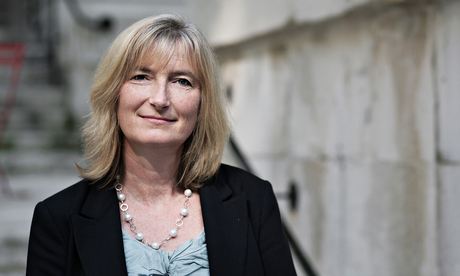
Dr Sarah Wollaston MP

Tory MP Sarah Wollaston has spoken out against components of the reorganisation of the NHS. Photograph: Martin Godwin for the Guardian


Two fiercely independent female Tory MPs who have been strongly vital of David Cameron above factors of NHS policy will do battle this week to chair the potent Commons overall health choose committee in a close contest that is currently being watched nervously by ministers.


Outspoken former GP Sarah Wollaston and MP for Bristol North West, Charlotte Leslie, have both rallied strong cross-party assistance, pledging to champion patients’ interests, rather than be in the pocket of government or the healthcare profession.


The election of a fearless Tory MP prepared take on ministers where necessary and hold the NHS to account, is an uncomfortable prospect for Cameron in the runup to a common election in which Labour desires to make the well being support a central problem.


On the eve of hustings in the Commons on Monday, Leslie stepped up efforts to win backing from Labour and Lib Dem as effectively as Tory colleagues, by tearing into Cameron and the health secretary, Jeremy Hunt, for refusing to fire former NHS chief executive Sir David Nicholson, and for allowing him to retire early with a “excess fat pension” following the Mid-Staffs care scandal.


“I believe Cameron and Hunt had been definitely wrong not firing Nicholson or forcing him out,” she advised the Observer. “And I am horrified that he was permitted to retire early with such a large pension (£110,000 a year).”


Among 400 and 1,200 individuals died needlessly at Stafford hospital from 2005 and 2009 as a outcome of appalling care. Leslie also criticised a culture of cover-up in the NHS. “We have had sufficient words. If we want modify, we need to start off implementing some correct disincentives for managers to lie, with total force of the legal method.”


Three other Conservative MPs – former cabinet minister Caroline Spelman, former GP Phillip Lee and David Tredinnick, a keen supporter of alternative medicine, have joined the race to realize success former health secretary Stephen Dorrell, who recently announced he was stepping down as chairman.


Right after the 2010 basic election, the system for selecting select committee chairmen and women was taken out of the gift of get together whips and handed to backbench MPs, who jealously guard their new power, seeing the elections as a chance to express their authority above party hierachies.


Beneath a sharing deal agreed for this parliament, the health committee job is reserved for a Conservative but anybody regarded as a mere government loyalist is unlikely to progress in the race.


Wollaston, the MP for Totnes, is regarded by most MPs as the narrow favourite, possessing brought her expertise of the NHS into parliament and shown herself ready to speak out towards aspects of government NHS reforms she thinks had been unwell-conceived.


She has also criticised the way backbench MPs, especially women, have been locked out of decision making – even when they have personal knowledge of policy places, such as hers in the NHS – and has known as for an end to “posh, male and white” cliques about the leader.


Wollaston has described elements of the authentic NHS reorganisation pushed by former health secretary Andrew Lansley as “fully unrealistic” and “doomed to fail” in terms that infuriated Downing St.


Some senior Tories are attempting to paint Wollaston as “Labour’s candidate” – a move her supporters declare is a clear try to harm her campaign, and misrepresents her backing across the events.


Dr Lee is calling for the committee to be utilised as a cross-party forum in which to produce a consensus on how to accomplish reform of the NHS. He says the political cycle does not permit politicians to strategy for the lengthy term.


Tory critics of Cameron lead battle to chair overall health decide on committee

10 Haziran 2014 Salı

Social care difficulties lead to hospital bed blocking, says Age Uk

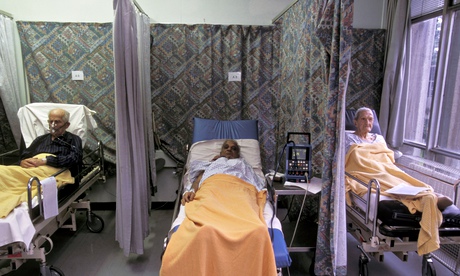
bed blocking in hospital

‘Deepening troubles in social care mean patients can’t be discharged, according to new investigation.’ Photograph: Photofusion/Rex


Practically 2m bed days in hospitals have been wasted since 2010 because deepening difficulties in social care imply patients can not be discharged, in accordance to new study.


Some elderly patients are currently being trapped in hospital for up to thirty days – a day longer than 4 years ago, on regular – whilst waiting to be transferred to a residential property, despite getting match to depart.


An estimated total of one,928,255 bed days have been misplaced to the NHS in England considering that 2010, at a value of £526m, at a time when hospitals have been under increasing pressures, in accordance to Age Uk.


Drawing on official publications, the charity showed that the average wait faced by a patient needing grab rails or ramps fitted at property has risen by eleven.five% to 27.three days, while a social care bundle now requires 28.six days to be arranged, 5% longer than in 2010.


The lengthening delays have occurred at a time when neighborhood councils have reduce £1.2bn from their social care budgets and the eligibility criteria for assistance have been tightened so support is offered to fewer folks, despite the ageing population.


“This marked rise because 2010 in the length of time individuals are currently being forced to linger in hospital since of a delayed assessment, care property area, property care package deal or house adaptation is an final result of the crisis in social care”, explained Caroline Abrahams, Age UK’s charity director. “It is crazy to waste high-priced NHS resources in this way.”


A bed in an NHS hospital fees about £1,900-a-week compared with £530 generally charged by residential homes.


Social care difficulties lead to hospital bed blocking, says Age Uk

2 Haziran 2014 Pazartesi

Malnutrition in conflict: the psychological lead to

A child in Central African Republic

In Central African Republic babies have proven indications of post-traumatic anxiety disorder. Photograph: Stephanie Duvergé for ACF International


Treating malnutrition in humanitarian crises, such as conflict and organic disaster, is far a lot more complicated than just curing disease and offering kids with therapeutic meals. Typically, submit-traumatic pressure disorder – frequent in severe scenarios – hinders remedy and its success. In Bangui, in the Central African Republic (Automobile), the amount of youngsters struggling from existence-threatening malnutrition has tripled since the outbreak of violence in December 2013.


Every single month, 180 sufferers are being seen in a ward that at first had just 49 beds obtainable for malnourished youngsters. For many weeks, two to 3 individuals – and their caregivers – were sharing single beds, escalating the risk of cross-infection of sickness and delaying recovery.


The cause of severe acute malnutrition runs far past financial hardship and lack of food. Many of the hundreds of thousands of folks displaced by fighting have been straight exposed to death threats, witnessed the deaths of neighbours or household members, and misplaced nearly all of their belongings. They are frequently exhausted by the harsh residing circumstances in camps.


75% of more than one,000 case research of the dad and mom of malnourished children collected by Action Against Hunger amongst July 2013 and March 2014 presented signs and symptoms of post-traumatic anxiety linked to their exposure to severe violence. The anxiety prompted behavioural modifications, flashbacks, fatigue, isolation, excessive irritability, and feelings of hopelessness and despair.


These experiences also provoked reactions that – even though understandable, typical, and usually short-term – can be disabling adequate to effect a mother’s ability to nurse and feed her child. Nurses leading pre- and publish-natal sessions with girls in the 12 overall health centres around Bangui have reported that some mothers turn into convinced they can’t create milk, or fail to reply to their child’s demands, resulting in early weaning that can be fatal for babies in an already difficult environment. In intense instances, some mothers have attempted suicide and infanticide.


Young children, whilst too younger to entirely realize what they have witnessed, could develop physical signs and symptoms such as constant crying, refusing to consume and bed wetting. Even modest babies can present signs of trauma, this kind of as feeding and sleep disturbances, continuous crying, and bad interaction. Not recognising the indications, some parents will not make the connection and severely scold their young children. To combat this, malnourished children and their carers are obtaining psychological and social assistance.


At the dietary therapeutic ward of Bangui’s primary pediatric hospital, Action Towards Hunger’s dietary, psychological and social teams provide free of charge treatment for severely malnourished youngsters from a specialised counselling staff. Feeding occasions, health-related monitoring and psychological and motor activities tempo the everyday schedule.


When Dieumerci Tsongbele, a single parent to his six-yr-previous daughter Jessica, arrived at the hospital, she had been refusing foods and was not interacting with other individuals. When he joined a welcoming session led by psychological and social authorities, Tsongbele and other parents realized about factors that exacerbate malnutrition, including trauma. The info evoked an emotional response from the father, who had witnessed people killed. While he managed to escape the violence, the experience had left him unable to rest, irritable and hypervigilant. Overwhelmed by the situation, he admitted he had been less attentive to his daughter’s needs.


For the duration of the programme, Tsongbele and the other dad and mom participated in different pursuits with their kids ranging from toy creating to little one massage, which aim to provide each parents and kids with a safe area to recreate natural and essential bonds that are crucial for human improvement. Perform sessions aid to limit the unfavorable effects of malnutrition strengthen mother or father-youngster relationships. Malnutrition therapy is not just about filling stomachs, but also restoring the desire to eat.


Names have been altered to protect identities.


Stephanie Duvergé is a Action Towards Hunger psychologist in the Central African Republic. Adhere to @ACF_United kingdom on Twitter.


Go through more stories like this:
• Mothers towards malnutrition
• ‘Cow will make your little one fat’: breaking foods taboos in west Africa
• The economic rationale for investing in undernutrition


Join the local community of international advancement experts and experts. Become a GDPN member to get more stories like this direct to your inbox


Malnutrition in conflict: the psychological lead to

17 Mart 2014 Pazartesi

Nigerian gold mining: farmers choose death by lead poisoning above poverty | Monica Mark

Flanked by fields of millet and groundnut, the northern Nigerian outpost of Bagega is so far out on the periphery of the global economic system that when the financial crisis struck in 2008 couple of residents had any idea it was happening. And no one particular in a village with no automobiles, electrical power or tarred roads imagined it would end up indirectly poisoning hundreds of their children.


“We knew there was gold around here, but most folks didn’t care. We have often been farmers right here,” mentioned Alhaji Jibril, the white-haired village chief, sitting in the gnarled roots of a tree in front of his residence, which he calls his workplace.


But when western fiscal markets went into meltdown, gold offered traders with a haven from the turmoil, sending its price tag rocketing. For the very first time, it grew to become lucrative to mine the ore on which the village sits. “We considered [the gold boom] was a very good factor at initial,” said Jibril. So did 1000′s of itinerant fortune seekers, who beat down the dust trail leading to the village, swelling its population.


Shortly afterwards, officials from Médecins Sans Frontières (MSF) received a cellphone call from neighborhood wellness employees. “They advised us their kids have been dying, and they didn’t know why,” said Michelle Chouinard, the health care charity’s nation director. It was, in truth, the beginning of what Human Rights Observe named the worst incident of lead poisoning in present day history. Gold is extracted from lead, which accumulates in the blood and can severely harm the nervous technique.


By the time the rush subsided, Bagega, and seven other villages dotting the Zamfara countryside, had been ravaged by the deadliest lead poisoning epidemic in modern background. At least 460 kids died and practically 2,000 have been poisoned. “Lead poisoning can make adults infertile, but its most severe affect is on kids. So we had been seeing children who have been blinded or paralysed. Some have neurological injury, and that is not normally reversible,” Chouinard said.


Right after three many years of official dithering, some of the $ five.4m (£3.25m) pledged in government funds released last year permitted global organisations to begin cleansing the worst of the contaminated regions. Nevertheless, with few options, 1000′s proceed to mine in perilous conditions.


For the 3 extended households that dwell in Soweba’s compound, mining presented a a lot-needed improve when their farms suffered from erratic rainfall, partly linked to climate modify. Three many years in the past, her 14-yr-previous son started bringing rocks property. Soweba and the other women would sift via them, searching for glints of gold dust. A gramme could bring in up to 7,500 naira (£27) in a state where 70% lived on less than $ 2 a day.


Then, one by a single, the young children in the compound have been struck by convulsions and sweats. “There was a herbal concoction which we utilized, but it didn’t function,” stated Soweba, a slight girl with almond-shaped eyes. Her two-yr-outdated toddler died initial. A number of weeks later, another daughter died. Even cattle – drinking from contaminated waterholes – started to die, more diminishing the family’s earnings.


“We thought it was a genie, an evil spirit,” she stated, cradling a surviving daughter throughout a weekly go to to a clinic run by MSF. Nevertheless, her husband continued to permit their son to go mining towards her wishes. “He says it is the only way to feed the surviving children. They just leave their [contaminated] garments outdoors the property when they come back.”


Overall health staff also worry about a potential crime boom. Lead poisoning is linked not only with finding out troubles, but also with violent crime.


Handling mercury in gold mining Bagega Nigeria Glints of mercury, which is used to separate gold from its ore, is also highly toxic. The employees use their bare hands as they deal with hazardous heavy metals


Environmental scientist Simba Tirima, whose organization shipped in about ten,000 cubic metres of soil in an work to clean hundreds of compounds in Bagega, identified astonishing charges of contamination: up to 35,000 components per million of lead, virtually a hundred times the sum regarded safe for residential soil. In the vast tracts of land the place processing took area, the costs soared to a hundred,000 components per million.


“It is my sincere hope that the communities will not be recontaminated. The crucial to avoiding this from taking place once again lies in very carefully created safer mining programmes that are pragmatic and relevant,” Tirima said.


As soon as a significant component of the economic system, mining was abandoned by the government once oil was identified in the 1960s, leaving the operate to tiny-time diggers outfitted with practically nothing but shovels and hand-powered stone crushers. The unregulated market continues unabated. Villagers who make ten times as much money mining as they do from farming have advised Tirima they would rather die of lead poisoning than poverty.


“They are not going to cease. I noticed a female who had misplaced eight youngsters, but she is nonetheless mining,” mentioned mines minister Musa Sada, who aims to enhance the sector’s contribution to the economic climate to 5% from its current 1% by following year. “The only way around it is to invest in obtaining greater approaches for mining, give modern day tools and get a more structured industry for these individuals to function in.”


For now, that has not took place. A brief trip away from Soweba’s home, a fine mist of dust rises from the ground, clinging to garments and machines and cloying the eyes, nose and mouth. Payment increases in accordance to how hazardous the operate is. At the leading of the chain are employees who operate hand-powered grinders. Sitting amid fumes for hours a day, they earn up to 2,000 naira (£7.twenty) per jute bag of powdered stone. Up coming come those who mix poisonous mercury, employed to separate the lead from its ore, with their bare hands.


“The early days had been great days,” explained Adamu Tsiko, chairman of the Bagega Gold Miners Association, surveying employees raising plumes of dust at a vast open-pit web site. “Everybody wished to join – some people walked from [neighbouring countries such as] Burkina Faso, Chad, Niger, even Ivory Coast.”


Tsiko was element of a delegation that met government representatives in the Nigerian capital of Abuja final year to lobby for modern day products. He worries the government’s efforts to woo huge gamers – utilizing tax holidays and duty waivers – indicates artisanal miners are being forgotten.


“Appropriate now we even now need to have the correct tools, we require [pipe-borne] water to do items properly. Like now, there is nowhere to wash my hands just before I commence eating this sugar cane,” he said, breaking off a piece for a blank-eyed toddler wandering by means of the clouds of fumes.


Nigerian gold mining: farmers choose death by lead poisoning above poverty | Monica Mark