Sharp etiketine sahip kayıtlar gösteriliyor. Tüm kayıtları göster

23 Nisan 2017 Pazar

Obesity blamed for sharp rise in kidney cancer in UK

Obesity is to blame for a surge in kidney cancer in the UK, causing an extra 20,000 cases in the last 10 years, according to a leading charity.


Cancer Research UK says that new cases of kidney cancer have risen steeply, by 40% over the past decade.


Obesity and being overweight are implicated in about a quarter of kidney cancers, with smoking linked to another quarter, but while the numbers of people smoking has dropped, obesity continues to rise. The charity’s projections show kidney cancer cases climbing by a further 26% by 2035, which would make it one of the fastest growing types of cancer.


Kidney cancer kills half of those who develop it within 10 years. It is rare in people under the age of 50 and can be halted if caught early – usually by surgery to remove all or part of a kidney. It is often not picked up in time, however, because there may be no obvious symptoms early on.


There are about 11,900 cases of kidney cancer in the UK each year, 7,400 in men and 4,500 in women. About 4,300 people die from the disease each year.


Campaigners are concerned that few people realise obesity is a major factor in developing many types of cancer, including stomach, pancreatic and breast cancer.


“It’s concerning to see kidney cancer cases rising like this. Being overweight or obese is linked to 13 types of cancer, including kidney which is becoming more and more common,” said Dr Julie Sharp of Cancer Research UK.


“Similar to smoking, where damage to cells builds up over time and increases the risk of cancer, damage from carrying excess weight accumulates over a person’s lifetime.”


The symptoms of kidney cancer – when there are any – include blood in urine, a persistent pain below the ribs in the lower back or side, and a lump or swelling in the side. Kidney cancer is sometimes picked up during urine tests carried out for other reasons.


Sarah Toule of the World Cancer Research Fund said that maintaining a healthy weight was extremely important. “In fact, if everyone was a healthy weight, around 25,000 cancer cases could be prevented every year in the UK,” she said.


”There are simple ways people can help maintain a healthy weight, such as cutting out high-calorie food and drinks and doing at least 30 minutes of exercise every day.


“The government also plays a vital role in ensuring strong measures are in place to help the healthy choice be the easy choice. These include restricting junk food marketing to children and reducing the amount of sugar found in everyday products.”


Adam Freeman, a 46-year-old lawyer and father of four from south London, was diagnosed with kidney cancer in 2013. He had surgery to remove a kidney and is now cancer-free.


“When it comes to my lifestyle, I would say that the little devil on my one shoulder won over the angel on my other, so I ducked exercise and ate badly a bit too often.


“Now, since my diagnosis, I try to listen to the angel rather than the devil on my shoulder. I have tried to make things more habitual and rarely skip exercise or make bad food or drink choices. I regularly cycle to work to try and keep fit, and I have also started doing yoga.


“Of course it’s challenging to maintain a healthy lifestyle when you are juggling a career and family. I am only human. I’m a husband and father to our four children and my career can be demanding.


“But that’s why things have to be a habit so it becomes part of your daily life. We talk much more as a family about healthy choices, particularly trying to make the children aware of how much sugar is in drinks and breakfast cereals. We try and reduce the amount of temptations in the house.”


Obesity blamed for sharp rise in kidney cancer in UK

3 Ocak 2017 Salı

Sharp rise in number of patients turned away from A&E

The number of patients being turned away from A&E and sent to other hospitals is at a record high, figures show, revealing the huge pressure the NHS faces this winter.


More patients arriving by ambulance were redirected to other hospitals this year compared with the same period over the last four years. Such incidents are referred to as diverts. The NHS has previously said that diverts caused by lack of physical or staff capacity should be a last resort.


Guardian analysis of NHS England data showed that from 2 to 23 December the number of patients forced to go elsewhere increased by 73% to 95 compared with the previous year, when the number was 55. There were 60 incidences in 2014 and 16 in 2013 – 2012 figures could not be included because of how they were recorded.


The rising trend has prompted concern that patients’ health could suffer as a result of the delay to them receiving medical attention due to diverts.


The chief executive of the Patients’ Association, Katherine Murphy, said ambulance diversions meant it took longer for patients to get care. “When someone needs access to care they need it. Diverting isn’t an answer to providing a safe system,” she said.


Murphy added that there was huge pressure on hospitals now all year around, not just in the winter period. She put this down to the fact that patients often stayed in hospital longer than necessary because of inadequate social service provision. This meant those who needed an acute bed often had to go to another hospital.


An NHS England spokesperson said: “Common sense means that ambulances spread the emergency load between neighbouring hospitals, including a very small number of diverts – 19 [in the week before Christmas] compared with an average of 20 a week over the past year. While hospitals are under pressure they have generally been coping with the increased number and severity of winter illnesses.”


While the NHS says that there were only 19 in the week leading up to Christmas, there were 36 diverts from 12 to 18 December, with the weekly average up on last year.


Dr Mark Porter, the British Medical Association chair of council, said: “Every one of these diverts is a patient unable to get the treatment they need from an overstretched NHS, deprived of resources and failing to keep up with rising demand. Frontline staff are under serious pressure and are working flat out, but the system can’t cope with the number of patients needing to move through acute care, as it is congested.


“We can only get to grips with pressure on A&E if every part of the system – from general practice to social care – is adequately funded, supported and working well.”


In October the performance of hospitals against the crucial target of 95% of A&E patients being treated and either admitted, discharged or transferred within four hours was the fourth worst since records began.


The NHS is on track to have its most difficult winter ever. A total of 785,883 patients – up from 613,971 last year – could end up waiting more than the supposed maximum four hours for A&E care in the December to February months. This is based on a 28% year-on-year rise in such delays seen each year between 2010-11 and 2015-16, according to Incisive Health, a specialist health communications and policy firm.


Meanwhile, the number of cases of norovirus is at a five-year high. Data from Public Health England shows the bug had reached 2,435 this season, 12% more than the average for the same period over the last five years.


The shadow health secretary, Jonathan Ashworth, said A&Es up and down the country were under pressure. “Not only do we now know the scale of diverts, we also know that over recent months hundreds of thousands of patients have been forced to wait longer than four hours in A&Es. As well as this, more and more patients are increasingly waiting on trolleys.”


Sharp rise in number of patients turned away from A&E

10 Temmuz 2014 Perşembe

NHS anti-obesity plans could lead to sharp rise in gastric band surgical procedure

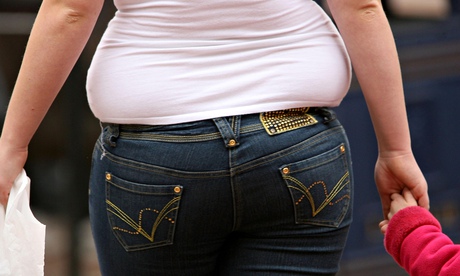
Overweight person viewed from the rear

Wonderful is proposing reducing the entire body mass index threshold for contemplating gastric band surgical procedure in instances of newly diagnosed variety 2 diabetes. Photograph: Anthony Devlin/PA


Much more than 800,000 further folks could be considered for gastric bands or other surgery to restrict their eating beneath fresh NHS draft suggestions.


The guidance from Wonderful, the Nationwide Institute for Wellness and Care Excellence, aims to help the escalating numbers of individuals with kind two diabetes. About ten% of the NHS budget is invested on dealing with diabetes, with kind two – occasionally genetic but generally linked to a individual being obese – the chief cause.


Nice is proposing decreasing the threshold for thinking about bariatric (abdomen-minimizing) surgical procedure for folks with newly diagnosed type 2 diabetes to a BMI of thirty, which is the stage at which obese commences to be classified as weight problems. Till now, it has mentioned that people with type two diabetes could be deemed for a gastric band at a BMI of 35.


If the alter in advice is confirmed, it would mean a huge rise in the numbers who could be referred for evaluation and potentially surgical treatment if their doctors feel it acceptable. There has been a substantial enhance in the numbers of individuals getting stomach-reducing surgery above the past five or six years to about 8,000 in 2012-13, in accordance to the health and social care information centre’s most current report this year.


But experts calculate that the new advice could imply that a lot more than 800,000 men and women in England and Wales could be eligible if their medical professionals consider they are appropriate.


Wonderful says the alter would be very expense efficient. “Far more than half of folks who undergo surgical treatment have more manage over their diabetes following surgical procedure and are significantly less probably to have diabetes-related illness. In some cases, surgery can even reverse the diagnosis,” said Professor Mark Baker, director of Nice’s Centre for Clinical Practice.


But Diabetes Uk still believes that surgery need to be a last resort. “Even though scientific studies have shown that bariatric surgery can aid with weight loss and have a optimistic effect on blood glucose ranges, it have to be remembered that any surgical treatment carries serious dangers. Bariatric surgical treatment should only be considered as a last resort if severe attempts to lose fat have been unsuccessful and if the individual is obese,” stated Simon O’Neill, director of health intelligence and expert liaison.


“Bariatric surgical treatment can lead to dramatic fat reduction, which in flip might end result in a reduction in folks taking their variety 2 diabetes medication and even in some folks needing no medication at all.


“This does not imply, even so, that kind 2 diabetes has been cured. These people will still need to have to consume a healthful balanced diet plan and be physically active to handle their diabetes.”


Diabetes United kingdom is at present supporting a trial of a extremely low-calorie diet plan for people with type 2 diabetes, followed by long-phrase excess weight management. “If a quite low-calorie diet plan can be utilised inside of routine GP care to deliver about and keep fat reduction and variety two diabetes remission, it could in the end be of massive benefit to millions of individuals living with the issue,” stated O’Neill.


“But the complete final results will not be available until 2018. Till we have the evidence that this strategy is more effective than the existing ideal-available treatment, we do not advise that men and women with type two diabetes try to shed excess weight this way.”


Nice’s advice also suggests that these extremely reduced-calorie diets, where people eat fewer than 800 calories a day, ought to not be routinely utilised and suggested only for individuals who urgently require to lose fat – for instance, ahead of joint substitute surgical treatment.


If the abdomen surgical treatment recommendations are confirmed, there will be strain on hospitals. There are currently lengthy waits to join the assessment clinics the place psychologists and other folks support patients to realize the consequences of bariatric surgical procedure, which involves everlasting change to the sorts of meals as well as the quantities men and women can eat.


NHS anti-obesity plans could lead to sharp rise in gastric band surgical procedure

19 Haziran 2014 Perşembe

Sharp enhance in liver cancer since 2003

There has been a sharp rise in the proportion of men and women diagnosed with liver cancer, in accordance to the most current release by the Workplace for National Statistics (ONS). Liver cancer incidence has risen by 70% for males and 60% for females from 2003 to 2012.


Liver cancer – now the 18th most typical cancer in England – has been strongly linked to life style choices, such as alcohol consumption and weight problems.


The number of guys diagnosed with liver cancer rose from 1,440 in 2003 to two,449 in 2012, although the number of females diagnosed with liver cancer increased from 889 to one,418 in excess of the exact same period.


The most current release also displays huge increases in the number of registrations of oral, uterine and kidney cancers, as properly as malignant melanoma of the skin.


Malignant melanoma, the most unsafe type of skin cancer, improved by 78% amongst males and 48% among females from 2003 to 2012. Increases in the incidence of malignant melanoma, the fifth most typical cancer in England, is regarded as getting due to “alterations in exposure to solar UV rays as a outcome of altered patterns of behaviour in recent decades, such as decision of clothes and recreational sunbathing”.


In total, 143,406 new cases of cancer had been registered for males and 137,712 new instances had been registered for females in England in 2012.


The age-standardised incidence price (which takes into account how numerous old or young men and women are in the population becoming looked at) in 2012 stood at 668 new circumstances per a hundred,000 guys and 530 new instances per a hundred,000 women.


Since 2003, the age-standardised incidence fee has elevated by three% for males and 6% for females, with significantly of the enhance due to men and women residing longer. As the ONS say: as age increases so does the incidence of cancer.


The release exhibits that three cancer websites – various for every single sex – constituted just over half of the complete registrations in 2012. The table under demonstrates the amount of registrations by web site description.


Breast cancer stays the most common cancer in females, and accounted for just underneath 1 in 3 newly diagnosed instances of cancer in 2012. Soon after gender, age is the primary threat factor for the cancer: 80% of all new instances of breast cancer diagnosed amongst ladies in 2012 had been amid individuals aged 50 and over. The standardised incidence price has remained fairly stable in excess of the previous decade.


Just over a single in 4 newly diagnosed circumstances of cancer in males in 2012 was for prostrate cancer. Prostate cancer incidence has increased significantly since the early 1990s, and according to the ONS this is largely due to enhancements in diagnosis and testing.


Lung cancer was the second most common cancer among both males and women in 2012, accounting for 14% and twelve% of all newly diagnosed instances respectively. The ONS state that:


Whilst guys remain a lot more likely to smoke than females, the gap has narrowed: whereas 51% of men and 41% of females smoked in 1974, 22% of males and 19% of ladies smoked in 2012


Colorectal – typically referred to as bowel – cancer was the third most typical cancer in both males and females in 2012. 71% of newly diagnosed cases in men, and 73% of these in women in 2012, had been amid those aged 65 and older.


You can locate the complete information by clicking on the source hyperlink below.


Download the information


• Supply: ONS


More open information


Data journalism and data visualisations from the Guardian


Development and assist information


• Search the world’s global development information with our gateway


Can you do a lot more with this information?


• Get in touch with us at information@theguardian.com
• Follow us on Twitter
• Like us on Facebook


Sharp enhance in liver cancer since 2003

12 Haziran 2014 Perşembe

Sharp Scrutiny From European Medicines Company Of Amgen And Servier Heart Drug

There could be difficulty on the horizon for ivabradine, a heart drug marketed by Servier beneath the brand names of Corlentor and Procoralan. The drug is extensively available in Europe and elsewhere, even though it is not offered in the US, exactly where it is underneath growth by Amgen. Even though it hasn’t been widely noticed– I can discover no other press reports– the European Medicines Agency explained that it has started a assessment of the drug based mostly on troubling findings from the SIGNIFY research. (Ivabradine is employed to treat sufferers with lengthy-term steady angina and extended-phrase heart failure.)


The main results of SIGNIFY are scheduled to be presented on August 31 at the European Society of Cardiology meeting in Barcelona. But on May possibly eight the European Medicines Agency announced that it had initiated a assessment of ivabradine based mostly on  preliminary benefits:


The evaluation follows preliminary final results from the SIGNIFY study, which was evaluating whether treatment method with Corlentor/Procoralan in individuals with coronary heart disease reduces the fee of cardiovascular occasions (such as heart attack) when compared with placebo (a dummy therapy). Individuals in the study received up to 10 mg twice every day, which is greater than the at the moment authorised optimum everyday dose (7.five mg twice everyday), and the final results showed a little but significant increase in the combined danger of cardiovascular death or non-fatal heart assault with the medication in a subgroup of individuals who had symptomatic angina (Canadian Cardiovascular Society class II – IV).


The European Medicines Company will now evaluate the influence of the data from the SIGNIFY study on the balance of rewards and risks of Corlentor/Procoralan and situation an opinion on whether the advertising and marketing authorisation ought to be maintained, varied, suspended or withdrawn across the EU.


Ivabradine slows the rate of the heart by inhibiting the so-called “funny” current inside of the heart’s natural pacemaker, the sinoatrial node.


It must be mentioned that Amgen recently announced that the FDA had granted rapidly track standing to the drug. But it should also be mentioned that every single FDA skilled with whom I’ve spoken has said that the fast track designation indicates definitely nothing (even though in my encounter it’s almost always a good excuse for a business to issue a press release).


Update: In a statement Amgen said that it planned to submit the FDA filing for ivabradine for individuals with chronic heart failure. The SIGNIFY trial included sufferers with continual stable coronary artery illness without having heart failure.


Sharp Scrutiny From European Medicines Company Of Amgen And Servier Heart Drug

9 Haziran 2014 Pazartesi

Research reveals sharp rise in English men and women at threat of acquiring variety two diabetes

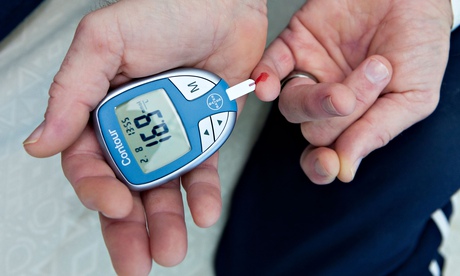
testing for diabetes

Up to 10% of individuals with prediabetes will produce kind two diabetes inside a year. Photograph: Trevor Smith /Alamy


Much more than a third of grownups in England are at higher chance for type two diabetes, in accordance to research which paints an alarming scenario for person health and the finances of the NHS.


The examine, published in the journal BMJ Open, reveals that the proportion of people who have prediabetes – increased than regular blood glucose ranges but not yet substantial sufficient to result in diabetes – has tripled in eight many years. The amounts have risen from 11.six% in 2003 to 35.three% in 2011, the most recent figures offered. These folks are at large danger of establishing the disease, which can result in serious disability and early death.


The study was carried out by the University of Florida, in collaboration with the University of Leicester. Lead writer Arch Mainous, professor of community health and family medication in Florida, mentioned: “The rise is significant. There is no other way to describe it. Anything must be done to deal with this or there will be a substantial rise in the prevalence of diabetes in the Uk.”


Up to a single in 10 folks with prediabetes will build variety 2 diabetes within a year. More than five many years, 15%-30% will turn out to be diabetic unless their behaviour adjustments.


This is the 1st research to seem at the prediabetes fee in England, even although variety 2 diabetes charges have been going up steadily. Research in the US have shown prediabetes running at 36.two% in 2010, even though in China, with a prediabetes prevalence of 50.one%, half the grownup population is now at danger.


The data comes from 4 many years of the Overall health Survey for England – 2003, 2006, 2009 and 2011 – and included far more than 20,000 folks, who had given blood samples.


In 2011, 5.59% of the population had real sort two diabetes. But the numbers with prediabetes were much more than 6 occasions as substantial. All groups in the population were affected but, say the authors, “minority ethnic groups are notably impacted, as are the socioeconomically deprived”. Individuals with prediabetes have been most likely to be older and overweight or obese, with large blood strain and high cholesterol.


Half the respondents in the Wellness Survey for England 2011 who had been overweight – with a BMI a lot more than 25 – and aged at least forty had prediabetes. The numbers were as large amongst ladies as guys.


The authors say their study demonstrates there has been “an extremely rapid rise” in the numbers of men and women at chance of diabetes. “This quick rise in such a short period of time is particularly disturbing because it suggests that large modifications on a population level can arise in a comparatively brief period of time,” they write.


“These findings are particularly problematic given the strong association of prediabetes with obese and weight problems, offered latest remarks by CMO (chief health care officer) Sally Davies that obese and obese has become the new regular for England.”


Mainous said that greater detection was 1 feasible strategy. “Men and women are not very likely to alter their behaviour when they are at danger of illness except if they know that they are at threat. We know that diet plan and life-style changes are efficient interventions for prediabetes and can even get individuals back to standard glycemic levels,” he said.


Barbara Young, chief executive of Diabetes Uk, mentioned people at large danger must be produced conscious of it, so they could get help to modify their lifestyle. Not all these eligible have been acquiring an NHS overall health verify, and suggestions on their weight, diet and exercising .


“Unless of course we make men and women conscious of their danger of kind two diabetes and assistance them in altering their lifestyles, we could see an even greater improve in the amount of individuals with the condition than we are presently expecting. A tenth of the NHS price range is already getting spent on diabetes and unless we get much far better at preventing kind two diabetes this spending will soon rise to unsustainable ranges,” she mentioned.


Research reveals sharp rise in English men and women at threat of acquiring variety two diabetes

27 Mart 2014 Perşembe

Sharp rise in amount of people needing palliative care

JOHN REID VISITING DORSET COUNTY HOSPITAL, BRITAIN - 08 FEB 2005

Of 142 hospital trusts in the report, virtually half recorded the variety of individuals needing palliative care in 2012 as larger than regular. Photograph: Dave Penman / Rex Characteristics


The way hospitals record deaths could be covering up bad therapy and costing lives, in accordance to a new report.


Figures demonstrate a dramatic rise in the amount of people recorded as needing palliative care at the finish of their lives, with some hospitals saying far more than 35% of their individuals die that way.


Professionals worry hospitals could really be hiding the truth patients had been admitted for remedy which then failed.


Data from well being analysts exhibits thatacross England in 2012/13, 36,425 deaths had been coded as palliative – which means men and women acquired some type of care to relieve struggling at the finish of their lives.


That was 17.three% of the total quantity of deaths and is nearly double the 9.1% (2,1130) recorded as needing palliative care in 2008. In 2006, just three.3% of deaths were palliative.


Some hospital trusts have tremendously outstripped this nationwide rise. Out of 142 hospital trusts in the report, virtually half (60) recorded the amount of people needing palliative care in 2012 as greater than the nationwide typical.


Most of the twenty trusts with the largest leaps in their palliative care coding have also considerably improved their performance on death charges among 2008 and 2012.


Palliative care deaths are not included in the hospital standardised mortality ratio (HSMR), which compares the anticipated charge of death in a hospital with the actual charge of death.


Trusts that code deaths as palliative effectively “take away” deaths from becoming incorporated in the HSMR.


Professor Sir Brian Jarman, from Imperial University London, created the HSMR. He advised the inquiry into the scandal at Mid Staffordshire that some trusts elevated their coding of palliative care deaths to decrease general death charges.


He mentioned Mid Staffs was 1 of them but such huge leaps could only arise if trusts abruptly grew to become terminal care hospitals overnight. Of the newest Dr Foster figures, he said: “I cannot study their minds but when you see these genuinely dramatic shifts you have to ask, did they turn out to be a palliative care hospice overnight?


“I am concerned that trusts know that rising their palliative care rates assists their HSMR and am concerned that this could be the explanation they are doing it.”


Roger Taylor, director of research at Dr Foster, said some trusts had altered the way they recorded deaths as a means of enhancing monitoring of palliative care.


But he said there have been “real concerns all around the gaming of indicators”, incorporating: “Whether or not you are undertaking it deliberately, the end outcome is that the variation in coding could disguise bad outcomes.”


A number of hospital trusts responded to the report by saying they had introduced much more correct coding methods. A Department of Overall health spokesman said: “We would anticipate that all NHS trusts have robust auditing systems in area.”


Sharp rise in amount of people needing palliative care