combat etiketine sahip kayıtlar gösteriliyor. Tüm kayıtları göster

9 Mart 2017 Perşembe

Use buggy covers to combat air pollution danger, parents warned

Parents should use covers on their prams during the school run to protect their infants from air pollution, experts have warned.


Scientists tested the pollution levels inside prams to assess the exposure of infants taken on the school run with older siblings. The researchers found that the fine particle pollution from vehicle exhausts, which is particularly harmful, was higher during the morning journey.


“Young children are far more susceptible to pollution than adults, due to their immature and developing systems and lower body weight,” said Dr Prashant Kumar, at the University of Surrey and who led the new research. “These findings provide an insight for families who walk to and from nursery and primary schools with young children. Essentially, children could be at risk of breathing in some nasty and harmful chemical species.”


“One of the simplest ways to combat this is to use a barrier between the in-pram children and the exhaust emissions, especially at pollution hotspots such as traffic intersections, so parents should use pram covers if at all possible,” he said.


The new study, published in the journal Environmental Pollution, placed detectors for particulate pollution in prams and made 64 journeys to and from schools in Guildford at drop-off and pick-up times. They found that air pollution spiked at road junctions and by bus stands, and that fine particle pollution was higher in the mornings, when the roads are busiest.


“Fine particles show larger health impacts compared to their larger counterparts and at the young age children are more susceptible to particulate pollution, suggesting a clear need for precautionary measures to limit their exposure during their transport along the busy roadsides,” the researchers concluded.


Previous work on whether adults are exposed to less pollution than children, who are closer to the level of exhaust pipes, has produced conflicting results. One study showed children were exposed to twice as much particle pollution, while another found children in buggies were exposed to lower levels of fine particles. The new work found no significant differences.


Levels of particulate pollution in the UK are generally below legal limits, but 40 of the 51 air quality zones in the UK exceed the World Health Organization’s (WHO) guideline limits for fine particulate matter, and the WHO has urged the UK to do more to cut pollution. Earlier this week, the WHO revealed that around the world 560,000 children under five years old die each year as a result of air pollution.


Particulate pollution is estimated to cause a total of 29,000 early deaths in adults each year in the UK. Levels of another key pollutant – nitrogen dioxide – are above legal levels in much of the UK. A recent study commissioned by the mayor of London, Sadiq Khan, showed over 800 schools, nurseries and colleges in the capital alone are in areas with illegally high NO2 levels.


On Thursday, Khan announced the first of 12 “low emission bus zones”, where only the cleanest buses will be allowed to run. The first is along Putney High Street, a notorious pollution blackspot, with others to follow including in Brixton.


Khan, who said the zones represent the most extensive network of clean buses of any major world city, commented: “London’s toxic air is an outrage. [This] will make a big difference to the pollution caused by our public transport system.”


Research published by Kumar’s team in February showed that drivers in London are the commuters least exposed to harmful particulate pollution, when compared with those taking the underground or the bus. “There is definitely an element of environmental injustice among those commuting in London, with those who create the most pollution having the least exposure to it,” he said.


Use buggy covers to combat air pollution danger, parents warned

30 Ocak 2017 Pazartesi

How Do We Stop The Poisoning Of Humanity? – Natural Easy Solutions To Combat Poisoned Food, Air, Water & Minds

I’m not kidding; this is an all-out assault on humanity.


It’s enough that you start protecting you and your families. Never mind who’s trying to kill you, just get out of their way as much as possible. There WILL be a time and a place for dealing with that, but for now, let’s just survive this full frontal assault, shall we?


Today is my birthday, and when I walked out into the sunshine this morning, I was greeted by a sky thick with chemicals. No longer are chemtrails a conspiracy theory. Like a lot of other things, it’s slipped into the arena of conspiracy fact, with the evidence being everywhere. Happy birthday to me.


Are They Too Stupid To Know They Are Also Killing Themselves?


Some people ask the question, “Well if they are trying to kill us, are they too stupid to know that they also will be killed via toxic poisoning?” The purpose of this article is not only to wake you the heck up but also, to put into your hands the very same survival techniques that those in the know use.


Some of the remedies include; water and air purifiers, organic red wine, oregano oil, diatomic earth, heavy metal detox methods and other toxic mitigation methods. For, we cannot completely eradicate the toxins of our planet, so all we’ve got is mitigation. It just might be enough!


Poisoned Food


Our grandparent’s bodies didn’t have to survive the chemical soup that is our modern world, but we do. I think it best to first understand exactly what G.M.O. means.


In days of old, farmers would save seed to replant next year. Usually. Howeverthe practice was to save seeds from the biggest, most robust and healthy plants. This is natural selection at work; nature provides the genetic mutations and man selects the best to regrow. A natural process.


Hybridization is man purposefully pollinating the biggest, most robust and healthy plants together. Plants don’t generally pollinate plants of other species, so this hybridization usually only occurs within the same subset of species. This is another natural process. Admittedly man is helping by ‘kissing’ flowers together, however, this is merely a mimic of the bees, ants and other pollinators, as seen in nature.


How Does G.M.O. Fit It?


For starters, G.M.O. Food plants are started in a laboratory. In this ‘creation’ of new plant strains, there are patents that are worth a LOT of money to big-ag. G.M. foods are produced so that farmers can spray the shit out of their crops with Roundup (active constituent glyphosate) to kill weeds. The GM crops are genetically engineered to withstand the chemical assault of the glyphosate. And they call it food.


As far as I’m concerned, food has always been FREE! Grow your food and keep the seeds. Get a compost heap going and maybe even get a couple of chickens, just like grandma used to do. She knows what’s what!


The most worrying thing for me is the unknown and seemingly purposefully hidden, long-term outcomes of long-term studies into the effects on humans. I also wonder why lobbyists fight for labelling of G.M. foods. If you are proud of your product, you shout it from the rooftops, don’t you?


Poisoned Air


Have you looked UP lately? Seen any ‘new’ types of clouds? You’re not alone. And, what IS that rainbow oil slick looking clouds on most days? The only thing that’s really safe to say is, the air quality isn’t what it used to be. Get your air clean, especially inside your house and car. In the house, you can grow indoor plants and use air purifiers. In the car, you obviously can’t keep the plants, but you can get little car air purifiers that do the job well. If you sit in traffic, I’d say the car air purifier might just save your life.


Wi-Fi electromagnetic signals are invisible but can be detrimental to the human body. An invisible toxin that is often overlooked. Turn off your Wi-Fi signal before you go to bed, that way, at least you have a chance of having an electromagnetically uninterrupted sleep. Also, try to sit as far away from the Wi-Fi transmitter as possible. Radio waves follow the inverse square parameters, whereby, each time you double the distance from the device, you halve the energy that reaches you.


Dr. Edward Group DC, NP, DACBN, DCBCN, DABFM says that Wi-Fi affects cell growth, derails brain function and that it neutralizes sperm, promotes cardiac stress and may even contribute to cancer.


Poisoned Water


My water journey has been a long one. I’m still not quite happy with the situation just yet, but I’m working on it. I am now at the point, 2 years down the track, where I am drinking the cleanest water I can lay my hands on. The one thing I need to work on is rain capture; I don’t have any! Well, I do, but it currently consists of 10-litre water containers and catching the rain as it comes. When I run out of that, I buy water and run it through my Southern Cross water purifier. I have three now. Two in use and one for spare. Yes, the top ups are constant, but it gives great peace of mind and satisfaction to know that the water my children and I drink, is the cleanest I can provide.


Fluoride is one of the main toxins you are looking to avoid by drinking filtered water. The dangers of fluoride aren’t really debated, other than regarding just how dangerous it is for the human body. Take one look at Dr. Mercola’s site and you will find about 90 articles just about fluoride. Yes, it’s that important to remove from your diet!


Poisoned Mind


T.V. – Not only do you NEED to NOT tune into the so-called ‘news’ you also need to be mindful of the T.V. shows/series. Depicted in the T.V. series is the way they want you to live, eat, play and be with your families. Did you know that there are approximately 1200 mainstream ‘news’ outlets in the world and that when you trace back ownership of these media outlets, is goes back to about 6 owners?


Cleansing our minds of the constant blast from the media is a great way to start clearing your mind of all the rubbish it’s been fed all your life. SWITCH OFF THE SIGNAL! Read a book, hug a loved one, go for a walk, walk your dog, dance, call your friend for a chat. The list of things to do, other than sit in front of a T.V. having your mind programmed, is endless.


Conclusion


There are many ways of clearing your life of all the poisons you’re assaulted with on a daily basis. Everything is a process, and you’ve got to start somewhere. Take your first steps in doing something about improving your air, water, food and mind. Or continue on your journey if you’ve already begun. The possibilities are seemingly endless, but just focus on one of them and you’re off to a fantastic start!


Good luck!


References:


http://www.earthcalm.com/is-wifi-safe-7-serious-health-dangers-of-wi-fi


http://www.globalhealingcenter.com/natural-health/10-shocking-facts-health-dangers-wifi/


How Do We Stop The Poisoning Of Humanity? – Natural Easy Solutions To Combat Poisoned Food, Air, Water & Minds

23 Ocak 2017 Pazartesi

Natural Ways to Combat Addictive Habits That Run in the Family

Addiction is a major problem in America. From serious problems with drugs and alcohol, to even sugar or internet addiction, millions of families struggle to overcome the diseases of addiction and addictive behaviors. As you probably know, trouble with addiction can often run in families, due to both genetic and environmental factors.


Unfortunately, children are the ones who usually suffer most from the addiction patterns in their parents. In fact, roughly 12 percent of American children live with a parent who is addicted to a harmful substance. These addictions can contribute to youth drop-out rates and putting future success at risk. If addictive habits run in your family, no matter what those addictions may be, you are probably concerned with breaking that cycle. Fortunately, there are natural ways to combat addictive habits that could otherwise span generations.


  1. Be honest about the problem
    If yourself or someone close to you is exhibiting signs of addictive behaviors, don’t try to sweep your concerns or feelings under the rug. It’s not easy to face these things head-on, but it’s the best way to heal the problem before it grabs hold — increasing the risk for future generations.

  2. Take time to relax
    Addictions usually begin as a way to escape or relax. But people who learn to do these things in a more healthful way might be able to curb addictive behaviors. What helps you or your loved one relax or escape reality for a little while? Perhaps it’s the basketball court, the gym, or a great book. Many find that formal relaxation tools such as deep breathing, meditation, or yoga are very helpful.

  3. Try biofeedback
    Brain wave biofeedback (also called neurofeedback) is a natural and non-invasive therapy that teaches patients how to modify their own brain wave patterns. It has been shown to help with stress, anxiety, ADHD, and yes, addiction. If someone in your family shows potential for addictive behaviors that concern you, it could be worth a try.

  4. Talk about it
    If you or your family has already experienced the struggles of addiction, it’s important to share your story. Share your personal and family experience to offer comfort and hope to others. Putting your energy into helping other families who face similar challenges can give you a new lease on life — and a positive reason to keep moving in the right direction.

  5. Exercise
    There is recent scientific evidence that exercise can have an amazing impact on overcoming addiction, and play a role in decreasing your risk for substance abuse. Physical activity can help manage substance cravings and withdrawal by increasing blood flow to the brain, as well as sending endorphins and other feel-good chemicals throughout the body.

  6. Diet
    People with addictive habits or out-right addictions generally don’t eat very well and eat or drink too much junk. This can stimulate the body’s cravings for addictive substances and make addiction recovery more difficult. A healthy diet can help give your body the tools it needs to combat addiction.

If you are concerned about the potential for a family cycle of addiction, the best thing you can do is reach out for help. The sooner you recognize the potential for a problem, the more productive and effective your intervention will be. Don’t be afraid to reach out — future generations will thank you.


Natural Ways to Combat Addictive Habits That Run in the Family

19 Aralık 2016 Pazartesi

A Miracle Immune System Booster: Make This Juice to Combat Diabetes, Infections, Heart Diseases and Even Cancer!

The immune system plays a significant role in keeping you healthy and in fighting against illnesses and infections. As people today have to deal with many virus and toxins from the environment, all of us realize the importance of a healthy immune system, which protects and improves both physical and emotional health.


There are some lifestyle habits you should adopt to protect your immune system, the first line of defense for diseases.


  1. Sleep enough for maintaining balanced hormones;

  2. Limit the alcohol intake, as well as cigarette;

  3. Include proper nutrition into your diet, and lower the amount of fats and sugar;

  4. Exercise regularly;

  5. Drink enough water.

A healthy diet is vital to boost a healthy immune system. Here is a natural homemade drink you can make with some common ingredients in your kitchen to stimulate your immune system in a great way.


An Amazing Juice to Make Your Immune System Work Properly


Ingredients:


  • 1 kg fresh beets

  • 1/2 kg carrots

  • 1 medium lemon

  • 1 kg raw honey

  • 2-3 apples

  • 2-3 oranges

Directions:


Wash the beets, carrots, and apples, cut them into small pieces.


Juice the oranges and squeeze the juice from the lemon.


Mix all ingredients in a blender and blend them to get a homogeneous drink.


Put the drink in a glass bottle and save in fridge.


How to use:


Drink 1 glass of this juice before breakfast every morning.


It’s especially good for people with a weaker immune system. You will feel more energetic after 10 days of keeping drinking it.


The main ingredients are beets and carrots of this drink, both of which are great foods that are loaded with nutrients.


Eat beets to own a healthy immune system to fight against chronic diseases.


Beets are rich in betalains, an antioxidant that has anti-inflammatory properties to help battle inflammation-related chronic health problems, including obesity and even cancer. This sweet vegetable also benefits to you in other ways:


Carrot – The health benefits of this super power food are countless


Carrot provides great amounts of vitamins and a host of other essential nutrients for a healthy immune system, it’s such a miracle plant that slows down aging, improves vision (Natural Foods &Home Remedies in Protecting and Improving Your Eyes), prevents cancer and other diseases.


It also assists the liver function to flush out the toxins out of the body, clean organs give you a healthy immune system to protect you from the illnesses. And carrot has been found to be able to reduce the risk of stroke, a study from Harvard University showed those who consumed 5 or more carrots every week had fewer chances to suffer from a stroke than people who consumed fewer carrots.


Make this juice and drink it when you feel a lack of energy. Natural solutions are always top-picks, a healthy and happy immune system to all!


Additional sources: healthguidance.org, care2.com


Related Reading:


9 Herbal Approaches to Cleanse Your Lungs and Respiratory System


10 Foods That Will Lower Your Cholesterol


5 Healthy Foods to Eat For Treating Chronic Health Issues


A Miracle Immune System Booster: Make This Juice to Combat Diabetes, Infections, Heart Diseases and Even Cancer!

MPs urge government to do more to combat "unacceptable" UK suicide rates

Access to websites and social media platforms that tell people how to kill themselves should be restricted, according to MPs, who are warning that the government is not doing enough to bring down the “unacceptable” suicide rate in the UK.


The House of Commons health select committee, chaired by the Conservative MP Dr Sarah Wollaston, is calling on ministers on Monday to “work with internet providers and social media platforms to consider what changes can be made to restrict access to sites which encourage self harm or give detailed advice on suicide methods”.


They said they had taken evidence from a recent study by the University of Bristol that exposure to suicide content, including reading about others’ attempts, had served to validate or justify suicide as an acceptable course of action.


Suicide rates are still ‘unacceptably high’ in the UK.

Detailed information about methods of suicide and the relative painfulness of different techniques is available instantly through search engines including Google. According to Suicide.org, a suicide prevention charity, “pro-suicide websites, groups, and bulletin-boards continue to expand.”


Earlier this year, the National Society for the Prevention of Cruelty to Children revealed that its Childline service is being contacted by record numbers of children and young people who are struggling with suicidal thoughts and feelings.


The call for action came as the government prepares to renew its suicide prevention strategy. “4,820 people are recorded as having died by suicide in England last year, but the true figure is likely to be higher,” said Wollaston. “Suicide is preventable and much more can and should be done to support those at risk.”


The suicide rate in 2013 was the highest it has been since 2001, and the 2014 and 2015 rates were only marginally lower. Suicide is highest among men, who account for three-quarters of all such deaths, and it remains the biggest killer of men aged under 49. Rates among women are rising too. However, rates have been on an overall downward trend since 1981 everywhere in the UK apart from Northern Ireland, where they spiked in 2005 and 2006 and remain the highest anywhere in the UK.


Dr Sarah Wollaston MP.


Dr Sarah Wollaston is leading the committee calling for restrictions to be placed on certain websites. Photograph: Peter Byrne/PA

The select committee is urging the government to increase support for public mental health and early intervention services. It found that around a third of people who end their lives by suicide are in contact with their GP before their death, but are not receiving specialist mental healthcare. Another third are in the care of specialist mental health services.


“GPs need better training in suicide risk,” the report states. “All patients being discharged from inpatient care should receive follow-up support within three days of discharge rather than the current standard of seven days.”


A Department of Health spokesperson said it recognises that “every death by suicide is a tragedy and devastating for families, friends and communities”. “We are investing almost £1bn in providing mental health support in A&E and home-based crisis care — and are currently updating our suicide prevention strategy, which we are confident will address many of the issues raised by the committee,” they said.


NHS England has set a goal to reduce suicides by 10% by 2020.


A spokesman for the NHS Confederation, which represents NHS trusts, said: “Developing mental health services is essential, but money hasn’t come as quickly as promised, and this is holding-up progress. For too long we have seen year-on-year increases in prison suicide and there are worrying trends around children’s mental health, too, with insufficient investment to improve their care.”


The health select committee also called for those bereaved by suicide to receive better primary and secondary care, and said media guidelines on the reporting of suicide were being widely ignored and that greater attention should be paid to breaches of the rules. The MPs claimed that too many newspapers and broadcasters use the term “commit suicide”, which they said “reinforces stigmatising attitudes from when suicide was a criminal offence”.


In the UK, the Samaritans can be contacted on 116 123. In the US, the National Suicide Prevention Hotline is 1-800-273-8255. In Australia, the crisis support service Lifeline is on 13 11 14. Hotlines in other countries can be found here.


MPs urge government to do more to combat "unacceptable" UK suicide rates

28 Kasım 2016 Pazartesi

Top 7 Herbal Plants to Combat Flu and Colds

Colds and flu affect everyone, especially at certain times of the year. Treat symptoms safely with herbs. There is less risk of side effects because they’re all-natural.


The best herbal plants for colds and flu have been in use for hundreds of years. Scientific studies have found that these herbs contain different compounds that help in the fight against infections, including flu and colds. Some of these compounds attack the organisms that cause the sickness.


Some of the compounds help ease the body’s inflammatory responses to exposure to threats such as dust and pollen. And some strengthen the immune cells to better respond to the threats.


Astragalus membranaceus


Simply called Astragalus, this perennial plant contains compounds in its roots that can help in boosting the function of the immune system. The yellow root is sliced and added to stews and soup during the cooking process. Remove the root right before serving. The compounds from the roots can help boost antibody production, white blood cells, and T cells. All these help combat microorganisms that cause flu and cold symptoms.


This herb is very helpful but should never be taken by a pregnant woman for safety reasons.


Black Pepper


Traditional Chinese medicine has been using this herb to reduce phlegm from colds. There are so many ways to use this herb. Add a dash to soups, bone-broths, salads, or even in a cup of herbal tea.


Cinnamon
Also known as Cinnamomum verum, cinnamon is not just a sweet-smelling spice for great dishes. It can help heal the gut and strengthen your body against sickness. It helps to warm the body during flu season. It also helps in clearing mucus congestion resulting from flu and colds.


Top 9 Health Benefits of Cinnamon


Cowslip
These plants are commonly found in the country meadows. The roots have the compound called triterpenoid saponins. These are effective as expectorant agents. To help relieve chest congestion and loosen phlegm from colds and flu, make a decoction using the roots. Put 1 ounce of root into 1 cup of water. Boil then simmer the mixture for 20 minutes. Strain and cool slightly. Drink several times a day until chest congestion is relieved.


For safety purposes, avoid taking this herbal plant when taking aspirin or anti-coagulants (e.g. warfarin). Pregnant women are also not advised to take cowslip.


Echinacea purpurea
Commonly called Echinacea, this is another herbal plant that can help with faster recovery from flu and colds. This is actually the main herb that comes to mind when talking about natural ways to treat colds and flu. The root is made into tea by simmering it in water for about 10 minutes. Echinacea can speed up recovery time from flu and colds if taken during the earliest stage of infection. Once signs and symptoms of colds and flu are experienced, take Echinacea immediately. This can reduce sick days from 5-7 days to merely 2-3 days.


People with allergies to ragweed and other members of the aster plant family are advised not to take Echinacea. Symptoms may worsen and allergic reactions may even be triggered.


Eucalyptus
Who can leave out eucalyptus when talking about colds? This is the active ingredient in most over-the-counter chest rubs that promise to relieve chest and nasal congestion. Use eucalyptus essential oil for relief. Add a few drops of the essential oil in a pot of boiling water to release the vapors. Inhaling the vapors can help in clearing the sinuses and in treating bronchial infections.


Garlic
This pungent spice commonly used in so many dishes is also an effective herbal remedy for flu and colds. Garlic or Allium sativum has been an important herbal treatment for various conditions for the last 5,000 years. It is rich in compounds with antifungal, antiviral, and anti-inflammatory properties. These properties work together to fight flu-causing microorganisms and soothe cold symptoms.


There are more herbal plants that can help treat flu and colds. These are generally safe when taken in their natural form. However, some conditions such as allergies and pregnancy require more caution when taking these herbs. Check with a physician before taking any herbal plant or herbal product for safety.


Sources: herbgardens.about.com, rodalewellness.com, motherearthliving.com


Related Reading:


8 Steps to Make Garlic Juice to Get Its 9+ Healing Benefits


Turmeric Golden Honey – Why It Is A Miracle


9 Natural Antibiotics That Are More Effective Than Prescribed Drugs


Top 7 Herbal Plants to Combat Flu and Colds

27 Kasım 2016 Pazar

HIV vaccine test hopes for breakthrough in combat against the virus

The first new trial of a potential vaccine against HIV in seven years has begun in South Africa, raising hopes that it will help bring about the end of the epidemic.


Although fewer people are now dying from Aids because 18.2 million are on drug treatment for life to suppress the virus, efforts to prevent people from becoming infected have not been very successful. The infection rate has continued to rise and experts do not believe the epidemic will be ended without a vaccine.


The vaccine being tested is a modified version of the only one to have shown a positive effect, out of many that have gone into trials. Seven years ago, the vaccine known as RV144 showed a modest benefit of about 31% in a trial in Thailand.


That trial was controversial because the vaccine was a combination of two, called AidsVax and ALVAC, which were already 15 years old when it began. One of them, AidsVax, had failed in a trial on its own. The RV144 trial was very large – more than 16,400 Thai men and women without HIV took part, randomly assigned to receive either the combined vaccine or a placebo injection. At the end of the three-year trial, 125 people had become infected – 51 who had received the vaccine and 74 who had not.


But researchers chasing the holy grail of a vaccine think they could have better success in South Africa, because of a number of modifications. The new trial, called HVTN 702, has just begun to enrol the first of 5,400 men and women aged 18-35.


“HIV has taken a devastating toll in South Africa, but now we begin a scientific exploration that could hold great promise for our country. If an HIV vaccine were found to work in South Africa, it could dramatically alter the course of the pandemic,” said Dr Glenda Gray, chief executive of the South African Medical Research Council, which is involved in the study.


“It’s an important trial to do. I’m very pleased that we were able to get it off the ground,” said Dr Anthony Fauci, director of the National Institute of Allergy and Infectious Diseases in the US that is co-funding the trial.


The Thai trial’s modest success was in people at low risk of HIV infection. “We have always said that if a vaccine is going to be ultimately effective, it is going to have to prove itself in a relatively high-risk group. So we always had the intention of extending and extrapolating the principle of the RV144 study to a setting such as southern Africa,” said Fauci.


The aspiration is to push the effectiveness up from 31% to between 50% and 60%, he said. “Obviously we’d like it to be 90% but that is probably asking too much given the complexity of HIV and the body’s immune response to it,” he said. If they could get a vaccine of at least 50% efficacy for use in combination with other prevention tools, such as condoms, antiretroviral drugs and circumcision, “that will be a major, major advance”, he said.


The modified vaccine uses an isolate of the virus that circulates in southern Africa, called the C clade. There will be more booster shots of the vaccine and the use of an adjuvant to enhance the response of the immune system. Volunteers will get five shots of the vaccine and three boosters – a schedule that the researchers will look to slim down for use in the real world if it is successful.


Prof Linda-Gail Bekker, of the University of Cape Town and president of the International AIDS Society, who is also involved in the study, said the result from the Thai trial, although only 31% “made those of us in the HIV vaccine world quite excited”. For the first time, it looked as though a vaccine was possible.


“Pretty soon after the trial, the world started to galvanise to decide what we needed to do,” she said. The epidemic in Thailand was abating, so with a low rate of new infections, it was not the best place to study the vaccine further. “We recognised we had to come to southern Africa to do the trial, so we had to modify the vaccine product.”


The aim of the new trial is to produce evidence for the regulators and obtain a licence for a vaccine. “Probably the magic number is 50% at three years,” she said. “I think nobody will be very interested in a vaccine that is less than 50%.” A vaccine with lower efficacy could be a problem if people assume they are protected and take no further precautions against HIV. But a vaccine with 50% efficacy could make a big impact, she said.


At least two-thirds of the participants will be women, who are more likely to get infected at that age than men. “The toolbox is in desperate need of something like this. We remain very optimistic,” said Bekker. “We are constantly aware of the desperate need and very excited that we are finally getting on and trying something again now.


“We’ve never treated our way out of an epidemic. There’s no doubt we have to have primary prevention alongside treatment in order to get HIV control, but we are not going to get HIV eradication without a vaccine. That is very clear.”


HIV vaccine test hopes for breakthrough in combat against the virus

13 Kasım 2016 Pazar

How to Make Your Own Alkaline Water With Lemon and Himalayan Salt to Combat Cancer

Based on studies, more than 95% of all cancers thrive in an acidic environment, so if you keep your body in an alkaline state, you’re less prone to cancer and other chronic health issues, such as heart disease and diabetes.


For maintaining a healthy alkaline state of your body, alkaline diet helps, there are many alkaline foods you can include into your daily diet to achieve a healthy environment in your body. Seekingfit.com listed top 8 foods that help you create a balanced pH level in your body for preventing cancers.  Actually, you can do this by drinking alkaline water, a more easier way to create an alkaline state to safeguard your health.


How to Make Your Alkaline Water with Lemon and Himalayan Salt


Ingredients:


  • 1 lemon

  • 1 tablespoon of Himalayan salt

  • 2 liters water

Directions:


Wash the lemon and chop it into slices, put them in a glass jar and add the water. Add the Himalayan salt and then cover the jar. Leave it for a whole night before drinking.


Have 2-3 glasses of the water in the morning time before your breakfast.


How This Simple Combination Helps You Fight Against Cancer


Both of these two ingredients are alkaline-forming foods, put them together makes a tasty drink and provides many other benefits as well.


Lemon


  • Although it’s acidic to begin with, lemon is alkalizing for your body.

  • Vitamin C in lemon helps combat some infections such as colds and flu.

  • Lemon is a great body detoxifier, have a cup of warm lemon water every morning,  it will beneficial to your liver and kidneys.

  • It’s also a good remedy for treating kidney stones, as the citric acid in lemon helps dissolve kidney stones effectively.

  • Lemon peel contains compounds that may prevent Parkinson’s disease and improve brain function.

  • And the most important point is that lemon contains 22 anti-cancer compounds. So alkalize with lemon water!

Himalayan Salt


As a pure ingredient which contains 84 natural minerals and elements, Himalayan salt works great to balance the pH level of your body. It also helps you in many other ways:


  • It detoxifies your body.

  • Reduces muscle cramps.

  • Balances your blood pressure.

  • Aids in weight loss.

  • Supports thyroid health.

  • Maintains a healthy blood sugar level.

  • Supports hormone balance.

Sources: care2.com/ houseofhealth.us/ seekingfit.com


More Posts By Author:


Germ-Busting Drink – A Simple Homemade Remedy to Kill Sinus Infection


Apple Cider Vinegar – How to Use it to Improve Your Health as Simple Remedies


A Powerful Health Booster – What Will Happen to Your Body When You Drink Papaya Leaf Juice


How to Make Your Own Alkaline Water With Lemon and Himalayan Salt to Combat Cancer

7 Eylül 2016 Çarşamba

Supercharge your Blood to Combat Cancer

A recent landmark study has woken up the scientific community to the incredible effect that exercise has on the body’s ability to fight cancer.


The study compared the blood taken from adult males of average health, both before and after exercise. The blood was spun down into a serum, which was then poured over prostate cancer cells to see the effects.


Incredibly, after 60 minutes of bicycle riding the bloods ability to fight cancer cell growth had increase by 31%.


This small but important study follows the finding of many others that have shown exercise to be a useful tool in the fight against tumor growth.


The beneficial effect of exercise on breast, endometrial and colon cancer has been well documented for some time. Now a growing pool of evidence suggests that a daily workout can help in the fight against many other kinds of cancer as well.


In June 2016 the largest study on the effects of exercise on cancer growth ever performed was published. The pooling study took the data from a dozen previous studies from the US and Europe, and combined them to form a single, massive data set.


With over 1.44 million participants the study showed that higher levels of moderate to vigorous physical activity is associated with lower levels of 13 different types of cancer. These include the aforementioned 3 types (breast, endometrial and colon) and:


  • Liver

  • Lung

  • Kidney

  • Bladder

  • Head and Neck

  • Rectal

  • Myeloid Leukemia

  • Myeloma

  • Esophageal Adenocarcinoma

  • Gastric Cardia

The majority of these effects were found regardless of body size or smoking history, supporting broad generalizability of the findings.


“It is important that cancer patients are informed of this groundbreaking information not just during rehabilitation but also during therapy,” said Exercise Physiologist Andrew McCann of Livewell Rehab. “This knowledge will not only help patients in recovery and remission, but will also aid in preventing many of the cancers that we see in our patients on a daily basis.”


So how can you take on this information to better your own health?


The benefits of exercise in relation to general health and wellbeing are well documented. Now we also know that daily physical activity also helps your body’s own abilities to fight off cancer. With this information in hand there’s really no excuse not to make some extra time each day to get off the couch and workout.


The longer and more vigorously you exercise the better, but even just a short jog, cycle or swim is better than nothing. Not only will you burn fat, build confidence and feel more alive, you’ll also be turning your own blood into a cancer-fighting superfluid.


References:


http://www.aicr.org/cancer-research-update/2016/05_18/cru-More-Evidence-of-Exercise-for-Cancer-Prevention.html


http://journals.plos.org/plosone/article?id=10.1371%2Fjournal.pone.0067579


http://archinte.jamanetwork.com/article.aspx?articleID=2521826#Results


Supercharge your Blood to Combat Cancer

25 Ağustos 2016 Perşembe

3 Natural Ways to Combat Depression

Depression affects approximately 19 million Americans in any given year. That is a large number, and doctors will prescribe antidepressants to most of the people who actually seek treatment. Unfortunately, most antidepressants have at least one side effect, and many will not completely alleviate the symptoms.


Luckily, there are researchers and physicians looking for other, more natural ways to treat depression. When experiencing a depressive episode of my own, I sought out the research to find alternatives to antidepressants. This led me to the following solutions. With the help of my physician, I implemented these strategies. While not as easy as popping a pill every morning, the lack of side effects made it a livable solution. I hope that my experiences can help you also.


Exercise


Exercising just makes you feel better. Ask any runner or devotee of spin class, the endorphin high you get is addicting. Research has shown that this feel-good effect helps with the long-term effects of depression in adult and children.


Introducing exercise into your daily life when you are already depressed can be challenging, but the results are worth the effort. Trying walking on your lunch break, maybe even recruit some office buddies to walk with you. They can help provide that little push you need to get going every day. If you are further down the rabbit hole and just have trouble getting out of bed, use the motivation of playing with your pet, or ask a family member to remind you how much better you feel after just a short 20-minute walk. Once you get a routine established, you will be surprised how easy it will be to maintain. You will probably even want to increase your activity level.


Supplements


A healthy diet contributes to a healthy body and a healthy body usually translates to a healthy mind. Unfortunately, sometimes our diet needs a little help. For various reasons, our healthy diet still might not provide all the needed nutrients. This deficiency can contribute to depression.


The other consideration is the definition of a healthy diet. There is no disagreement that lots of vegetables and clean proteins make a healthy diet. However, medical professionals will disagree about how much is necessary of the different nutrients. Most conventional practitioners will say stick to the RDA amounts, but others will say that the RDA calculation was based on the bare minimums need to not be ill. To be truly healthy, most of us probably need higher levels of nutrients.


I found three different supplements that make a big difference in mood. One caveat: where vitamins and minerals are concerned, more is not always better. Overdosing on certain vitamins and minerals can be dangerous, while others are water-soluble and the excess is washed away. Make sure you do your research on dosages and consult with your physician before starting any supplements.


  • B vitamins

B vitamins, often called the “anti-stress vitamins,” are essential for combating stress and help create the neurotransmitters necessary for maintaining a positive mood. A brief listing of each of the eight vitamins and their purpose can be found here. B vitamins are one of the water-soluble types, so to keep a steady supply, you need to ingest them daily.


For mental health, the most important of the eight are B6, B9 (also known as folic acid), and B12. B6 and B12 are essential for the formation of neurotransmitters in the brain. B9 it also protects the brain from the buildup of brain plaques that are a factor in Alzheimer’s disease.


Magnesium is important all over the body. More than 300 biochemical reactions in the body need it. It affects bone metabolism and a deficiency might contribute to osteoporosis. It also helps control inflammation, blood sugar, and enables energy production. For our purposes, its most important function is regulation of brain cell membrane receptors. In addition, it acts as a barrier to the brain, keeping out stress hormones and it keeps the body from pumping too much cortisol into your system when under stress.


A case can be made for linking the historical increase of depression to the decrease in magnesium in our diet. Our ancestors would have had a ready supply of magnesium through whole wheat, water, organ meats and even swimming in the ocean. Today, soils have been depleted of minerals, water is treated to remove minerals and the over-processing of grains eliminates magnesium. When you add in the facts that too much calcium can decrease the absorption of magnesium and stress causes you to use magnesium faster, you find that many people are deficient in magnesium.


Statistics indicate that anywhere from 50 to 75 percent of Americans do not get the recommended amount of magnesium. Even if you do not have depression, you could probably benefit from a magnesium supplement. As long as your kidneys are healthy, you should not have any problem taking magnesium.


Studies have linked the deficiency of vitamin D to depression. It also affects cardiovascular disease, severe asthma in children, and cancer. Even with its obvious importance, research suggests that up to 75 percent of Americans are deficient in vitamin D.


It is called the “sunshine vitamin” because the UVB rays in sunshine on bare skin causes the production of the vitamin in our body. Causes for deficiency include not enough UVB rays or use of sunscreen. If you live above the 37th parallel, you do not get enough UVB rays for most of the year to produce vitamin D. During the summer months when there are enough UVB rays getting through the atmosphere, if you are wearing sunscreen or long sleeves, they will also prohibit production of vitamin D.


It is hard to get enough vitamin D from food, so you need to take a supplement to meet your daily requirements. Your doctor can easily test for vitamin D levels. The safe upper limit for vitamin D is 4,000 IU, but your doctor may prescribe more to correct your deficiency.


Probiotics


The final piece of the puzzle was a probiotic. The study of human gut bacteria is booming. The research is still in early stages, but so far, it indicates a strong connection between a healthy gut and a healthy mind. Researchers are looking at the role of the the vagus nerve in mood regulation. It runs from the brainstem to the abdomen, is extremely active, and the abdomen seems to be sending more information to the brain, rather than the other way around. Also, the nerve cells in our gut produce 80 to 90 percent of our body’s serotonin, which helps regulate mood.


If you are just interested in results without a lot of research, read this article about a psychiatrist helping her patients with food and probiotics. A former proponent of antidepressants, she has completely given up on prescribing them. She says she cannot remember the last time she wasn’t able to help someone with her plan of diet (a modified form of the paleo diet) and probiotics.


An option to probiotics is fermented food, The many varieties will provide the same benefits, without the cost. Unless you are like me and dislike most fermented foods. In that case, a well-formulated probiotic is the answer. The effect will not be immediate, but after about four weeks, there should be in improvement in mood and quality of sleep.


Following this regimen is more work than taking an antidepressant every day. It takes work to be mindful of your moods, and your body’s health on a daily basis. However, this path to wellness will lead to not only better mental health but also better physical health.


3 Natural Ways to Combat Depression

11 Ağustos 2016 Perşembe

How to combat the threat of HIV drug resistance

For people living with HIV, antiretroviral treatment (ART) has been a life-saver. ART stops HIV from making copies of itself and prevents HIV from attacking the body’s immune system.


At the end of 2015, 17 million people were taking ART around the world and Aids-related deaths had fallen by 45% since the peak in 2005.


But those who don’t stick to the ART regimen set out by their doctor or health worker might become resistant to the drugs. Resistance occurs when ART regimens are not taken as prescribed, which allows HIV to make copies of itself and increases the risk that the virus will mutate and produce drug-resistant HIV. A person who is on a drugsuch as Efavirenz can develop resistance after as little as a two-day interruption of treatment.


Globally, HIV drug resistance is on the rise. The World Health Organisation (WHO) reported that up to 2010, HIV drug resistance levels remained at 7% in developing countries. However, recently, some countries have reported levels at or above 10% among those starting ART, and up to 40% among people restarting ART.


The time to act is now. If we don’t, we may find ourselves with a new global pandemic of drug-resistant HIV.


At the beginning of the epidemic in sub-Saharan Africa, there was fear among the international community that people living with HIV in resource-limited settings would not be able to adhere to their treatment due to a lack of education and resources. Would they be able to keep time well enough to take their ART at the same time every day?


However, studies have demonstrated that people in sub-Saharan Africa may be better than people in the west at taking their ART as prescribed. The issue in developing countries is that people lack the resources to get to a clinic and pick up their pills. I’ve worked in Namibia since 2009, and whenever I visit ART clinics, there are long queues stretching out the door. People often have to wait all day and many can’t afford to take this time off work every month.


The stigma associated with being seen waiting in a queue to pick up medication is also a factor in people not adhering to their treatment plans. To avoid this, some people on ARTs travel to a clinic many kilometres away from their town, so they can receive treatment without anyone recognising them. And if you took a whole day off work, borrowed money for the transport and stood in a queue all day, only to learn that the clinic had run out of your pills, what would you do?


ARTs and HIV drug resistance


As the use of ART increases, so does the risk of HIV drug resistance. It’s no surprise, then, that global HIV drug resistance is on the rise, both among those already on ART and those just starting on it.


What could happen if levels of drug resistance reached critical levels? Their ART regimens would no longer be able to stop the HIV in their bodies from making copies of itself and they would then have to be switched to second-line regimens, if available.


But second-line regimens are more expensive. For countries already struggling to provide ART to those who need it, this would is likely to mean that fewer people could be started on ART.


Related: Can WHO’s new ‘test and treat’ HIV policy reach those who need it most?


Second-line regimens may also have more negative side effects, such as nausea, vomiting, headache, weakness or changes in the shape or location of body fat. These plans can also be more challenging because of the large number of pills that need to be taken. As a clinician, I’ve seen patients who’ve reached the point where they have to take more than 10 pills a day.


Drug resistance has been a problem since the beginning of the HIV epidemic. In the west the problem was usually limited to individual patients. But in resource-limited settings, if a high percentage of the population develops drug resistance we could see large increases in Aids-related deaths and higher healthcare costs.


We must act now to help people adhere to their treatment plans, before it’s too late. Globally, there has been a huge focus on getting more people on treatment, but the quality of how it’s delivered has fallen by the wayside.


Drug resistance will rise when ART is not delivered in a well thought-out way. That requires strong drug supply systems with zero tolerance for an interruption of ART drug supply, strong and locally appropriate counselling to promote adherence, support for patients who don’t have the resources to access care, re-engagement of patients who have stopped going to the clinics, alternative ways to deliver care such as community-based ART groups, and strong medical record systems.


As we strive to end Aids as a public health threat by 2030, greater attention must be focused on identifying and correcting gaps in the quality of ART service delivery. Many lives depend on it and the time to act is now. If we don’t, we may find ourselves with a new global pandemic of drug-resistant HIV and be faced with a deadlier enemy than we started with.


Steven Hong is an assistant professor of public heath and community medicine at the Tufts University School of Medicine.


Join our community of development professionals and humanitarians. Follow @GuardianGDP on Twitter.


How to combat the threat of HIV drug resistance

20 Ağustos 2015 Perşembe

5 tricks to combat the middle-age decline


Are you scared that the onset of middle age is about to catch you out? Or maybe you already look in the mirror and see a dadbod staring back at you. Either way, these five simple ways to halt the physical signs that you’re no longer at the peak of your powers might just save you from the expense of a mid-life crisis, costly Porsche Boxster and all…


1) Stop shrinking


You probably already know that you’ll get shorter as you get older – but did you know the process starts as early as in your 30s?


According to research published in 1999, men can expect to lose an inch of height between their 30th and 70th birthdays, while women lose two. And then, as a septuagenarian, both men and women lose another inch.


To an extent, shrinking is natural: it reflects the daily downward pull of gravity on our upright bodies. However, the modern lifestyle amplifies gravity’s not inconsiderable force. By sitting at computers all day long, most of us forcibly compress our spines, flattening the discs that sit between each vertebra.


Assuming that you’re not yet ready to give up the day job, the best recourse against mid-life shrinkage is to learn some back decompression exercises. This might involve doing yoga, pilates, or the Alexander Technique.


Here are three example exercises that will give you an idea of what will help:


  1. Stand upright against a wall, with your heels flush to the skirting board. Now raise your body up on your tiptoes and push your head gently back into the wall. Finally, try to lower your heels back to the ground, without lowering your head. It sounds impossible – but you’ll be surprised how much height your decompressed spine provides.

  2. Stand upright in the middle of the room. Interlink the fingers of both hands on top of your head, palm facing upwards. Now stretch up on tiptoes while straightening your arms. Squeeze as much height out of your spine by trying to touch the ceiling with your palms for eight breaths. Finally, fall gently back to the ground. You should feel an immediate difference in your posture.

  3. Position a BackBlock or similar apparatus (you might decide you can rig one up, DIY style, at home) under your bum and lie stretched out on the floor, with your arms flat above your head. This will help to open your lower back. After a short while, bring your knees to your chest, creating what is termed “positive disc pressure”. Hold it, return to lying flat, and repeat. The set of movements will help move the disc fluid around each vertebra, which will help the spine’s natural system to reboot, refreshed.


[embedded content]


2) Start shrinking (around the belly)


We lose muscle at about the rate of 8pc over a 10-year period without preventive action, which is why middle age tends to bring with it the first signs of an atrophying physique (which is a nice way of saying: going to seed).


The key term there is “preventative action”. Middle age often brings with it parenthood and family stresses, which means physical workouts get squeezed off the priority list. Indeed, last month, the American Journal of Men’s Health published research conducted at Northwestern Medicine in Illinois which found that men’s weight increases by between 1.5 and 2kg after they become fathers.


According to personal fitness trainer Scott Laidler, halting this decline is as easy as riding your bike to work twice a week.


“Cardio will help you burn calories, raise your metabolism (at high intensity) and keep your heart functioning well,” says Scott. “I recommend a mixture of low intensity cardio, such as walking, cycling, and swimming.


“These exercises will help you shed fat while also cultivating an active lifestyle that can be made social and will hopefully establish habits you will carry on through your later years.”


For more ideas on keeping fit into your forties and beyond, read Scott’s guide to avoiding the dreaded dadbod.


Chris Pratt morphed from tubby Andy Dwyer in Parks and Recreation to toned Peter Quill in Guardians of the GalaxyChris Pratt morphed from tubby Andy Dwyer in Parks and Recreation to toned Peter Quill in Guardians of the Galaxy


3) Stop shrinking (in the downstairs department)


As we get older, nature slowly turns down the dial on our sex drives. You might think middle-aged men in particular would welcome this – after all, weren’t our teenage years, when our sex drives were off the scale, fraught with anxiety and frustration? But no, instead, on the first sign of waning lust, we tend to react as if the grave has come early.


Our testosterone levels fall around 2pc every year from the age of 30 to 40, so it’s important to remember that a gradual fall in libido is quite natural (although it should also be noted that a medical condition called late onset hypogonadism can result in testosterone deficiency, so seeking the advice of a doctor is always wise).


If you are not yet ready to embrace your more sexually relaxed years, there are a few courses of action available. Viagra – or sildenafil, to use the drug’s unbranded, medical name – is available to lend a helping hand to those who are struggling to maintain an erection. Or, for a more fundamental ‘cure’, testosterone replacement therapy is becoming more widely practiced (although, again, a word of warning: not everyone in the medical community is convinced by its efficacy).


There are plenty of non-chemical options should you be wary of TRT or the little blue pill. Drinking red wine, eating chillies, sleeping more and learning to relax have all been linked to an increased testosterone count.


Low T is reported to affect 30 per cent of menLow T is reported to affect 30 per cent of men  Photo: Alamy


4) Stop shrinking (in the head)


It sounds brutal, but scientific research has suggested that the brain’s ability to function begins to decline as early as 45.


A study conducted by researchers at University College London and published in the British Medical Journal found that cognitive reasoning in women and men fell by 3.6 per cent between the ages of 45 and 49. Needless to say, it continues from there, declining 9.6pc in men aged 65-70.


The good news is that this decline can be slowed much in the same way that you can prevent middle-age spread from clinging to your midriff. Exercise increases blood flow to the brain, which is believed to act as a lubricant for your mental cogs, helping them to whir with greased ease.


However, their effect is thought to pale in comparison to the positive results experienced by people who do more cerebral brain exercises. For example, simply doing a Sudoku a day is thought to help stave off the onset of dementia.


‘This type of decline happens in other organs of the body, so why shouldn’t it happen with the brain?’  Photo: ALAMY


5) Stop shrinking (in your field of vision)


There’s good reason why the stereotypical older man peers over his reading glasses to look at you: he’s long sighted. From the age of 40, our eyes’ lenses start to lose their elasticity, which makes it harder to focus on things that are held close. Hence the need for reading glasses.


While there is little scientific research into the area, some eye doctors and opticians believe that repeatedly converging your vision can train your eye’s muscles, helping them to stay flexible into middle and old age.


To find out more, check out Ray Gottlieb’s ‘Read Without Glasses’ method.


ChildReflections from the eyes of child sex abuse victims in photographs could help police catch the perpetrators  Photo: ALAMY


5 tricks to combat the middle-age decline

20 Mart 2014 Perşembe

What can councils do to combat loneliness? – live debate

Woman looking out of window, close-up, cropped

Jeremy Hunt, the wellness secretary, has stated it is a supply of ‘national shame’ that as many as 800,000 men and women are ‘chronically lonely’. Photograph: Alamy


Loneliness is twice as negative for health as obesity, according to research published by the University of Chicago.


Its findings showed that severe loneliness in older people increases the likelihood of early death by 14%. This contrasts with investigation displaying that weight problems increases mortality chance by 7%. Jack Neill-Hall, campaign manager for the Campaign to End Loneliness, stated lonely folks are far more very likely to smoke, drink to extra and have a poor diet plan, and are much less likely to physical exercise. So, what function can councils perform in creating positive men and women will not feel isolated?


Neill-Hall stated nearby authorities had been increasingly recognising the require to invest in companies that aid to keep folks linked to their communities and build friendships. Even so, a lot more essential to be carried out, he added, and much more than half of all overall health and wellbeing boards had not recognised loneliness in their published strategies.


Jeremy Hunt, the wellness secretary, mentioned it was a supply of “national shame” that as several as 800,000 men and women in England are “chronically lonely”. Join us four April 12 noon-2pm to discuss the role of councils in combating some of the stresses associated with men and women feeling disconnected from their communities. We will tackle the following queries:


• Is loneliness deemed a priority for neighborhood authorities at the second – and ought to it be?
• What position ought to councils consider in tackling isolation?
• How can councils function with charities and local health authorities to combat this problem?
• Can new technologies assist?
• What perform is under way in this location?


Jack Neill-Hall is a campaign manager for the Campaign to Finish Loneliness.


Dominic Harrison is director of public health at Blackburn with Darwen borough council.


Christina Victor is professor of public overall health and associate deputy of investigation at Brunel unviersity’s college of health research.


Lizzie Greenhalgh is policy researcher at the Nearby Government Information Unit.


Gregor Henderson is director of psychological well being and wellbeing at Public Overall health England.


• Want your say? Email sarah.marsh@theguardian.com to suggest contributions to the network.


Not already a member? Join us now for a lot more comment, evaluation and the most recent job opportunities in local government.


What can councils do to combat loneliness? – live debate

16 Ocak 2014 Perşembe

Mexico enacts soda tax in work to combat world"s highest weight problems price

A groundbreaking tax on sugar-sweetened drinks recently passed in Mexico could offer the proof necessary to justify equivalent laws across reduced- and middle-cash flow nations and cities in the US, specialists feel.


Campaigners and public well being specialists are viewing closely to see what impact Mexico’s tax has on consumption. Mexico, exactly where 32.8% of the population is obese, is now the nation with the largest weight problem in the globe, in accordance to the UN’s Foods and Agricultural Organisation, overtaking the United States. The impact on health has been serious – 14% of the population has diabetes. Rates of high blood strain, which can lead to stroke and heart attacks, are also high.


So far, there is not conclusive evidence from any country in the world that raising the cost of sugar-sweetened drinks will have an effect on weight problems ranges, but the Mexico experiment is on an unprecedented scale. Despite the fact that the tax was set at 10% per litre rather than the twenty% campaigners wished, it will impact a huge quantity of people. Every yr, Mexico’s 118 million individuals drink 163 litres of soda every single, or practically half a litre a day. In accordance to the Nationwide Institute of Public Overall health, a 10% tax should lessen that to 141 litres per 12 months, preventing up to 630,000 cases of diabetes by 2030.


Other nations in Latin America, including Ecuador, Peru and Chile, are functioning on their own measures to decrease the advertising and marketing of soft drinks to youngsters, and to boost labelling so families can know how a lot sugar and calories they incorporate. “Mexico will have a domino result,” stated Dr Simon Barquera of the Institute. Public health academics, college students, client activists and politicians have been all following developments and sharing what they are doing in their personal nations on Twitter, he mentioned.


“One of the vice-presidents of the big companies advised me they had completed their scientific studies and the soda tax will not lessen consumption or remedy weight problems,” he explained. “We know that. My youngsters know that. But it is an educative tax. It sends a message from the government to the men and women that we consider this is undesirable for you.”


Tom Farley, wellness commissioner of New York City, where a proposed ban on large sugary drinks was struck down by the courts, is also viewing developments in Mexico. “I am hopeful that with the passage of that in Mexico, when men and women see the positive aspects, legislatures around the country [the US] will be supportive of it,” he stated.


The tax was passed in October, to the surprise even of numerous of its supporters, right after an unprecedented, tough-hitting promoting campaign from civil society organisations funded by Bloomberg Philanthropies, which has extended its public overall health perform on tobacco prevention into the places of street security and weight problems.


President Enrique Pena Nieto gives his first state-of-the-nation speech in Mexico City
President Enrique Peña Nieto in Mexico City. Photograph: Dario Lopez-Mills/AP

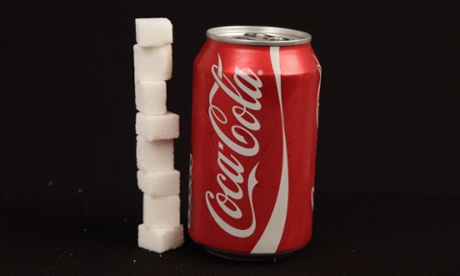
Billboards across Mexico City ran pictures of a man with elements of his feet missing as a consequence of diabetes. They warned that a 600ml litre bottle of Coca Cola contained 12 teaspoons of sugar, and asked no matter whether a mother or father would be satisfied providing that considerably to their youngster.


Soft drinks companies retaliated with their personal adverts, urging politicians to reject the tax, claiming that jobs would be misplaced in their business and in sugar production, which is essential in Mexico. They explained that tiny retailers, dependent on soft drinks income, would near and linked the campaign to former New York mayor Michael Bloomberg’s anti-obesity drive. “Michael Bloomberg, [former] mayor of New York, has financed with $ 10m a health campaign towards sweetened drinks. He would like to do in Mexico what he could not do in New York,” said the adverts.


Campaigners in the coalition, the Dietary Alliance for Wellness, tried to buy airtime on the 3 mainstream tv channels, Televisa, Television Azteca and Milenio Tv, but have been turned down with no explanation and suspect advertising contracts with market have been the situation. None of the channels responded to concerns from the Guardian. Cable Television later aired the campaign adverts.


The tax, proposed by President Enrique Peña Nieto, was brought in as part of a fiscal reform package. The funds to be raised, estimated at 15bn pesos, is meant to be earmarked for drinking water in colleges – in some communities there is none, while in other individuals it is not potable and bottled soft drinks are safer. The earmarking of the tax has still to pass a ultimate stage in the senate.


Civil society groups say they will keep track of implementation closely, to make sure it does not become component of a general pool of government funding. “It is quite, quite essential not only for Mexico,” mentioned Alejandro Calvillo, director of El Poder del Consumidor (Client Electrical power). “It is an issue that has an international resonance. I was quite content [when it was passed] but at the same time with a expanding sense of obligation simply because we know the actuality of this country. We know that there are individuals who drink a good deal of sodas and they really don’t have accessibility to consuming water.”


can of coca cola / coke and sugar cubes
1 can of Cocoa Cola is made up of the equivalent of eight sugar cubes, according to its own label. Photograph: Geoff Abbott/Demotix/Corbis

Senator Marcela Torres Peimbert of the opposition PAN (Nationwide Action Celebration), who championed the tax in Congress ahead of the president took it forward, stated it was vital the money raised is used to provide consuming water in schools, as promised. “We have suspicions that they are tempted not to do what they are supposed to do, since in the paying budget not all the sum of funds anticipated to be raised was there,” she explained. “They say wellness, but it is not specific.”


She is supporting the setting up of “citizen observatories” to guarantee the funds goes to shell out for drinking water. The president at the moment has an approval rating of 42%, she stated. “People never trust him. Me neither. We have to make a massive effort to observe and press truly tough for the funds to go exactly where we want it to go.”


She agrees that there is an educational facet to the tax. “The principal worry of the sector wasn’t the cash, it was that these items will be marked as extremely hazardous. I feel we attained that. The worst component for them was that this special tax for well being is like that on tobacco or alcohol.” In the end, a tax of 8% was passed also on processed meals that includes a lot more than 275 calories per 100g.


Jorge Romo, spokesman for the Asociación Nacional de Productores de Refrescos y Aguas Carbonatadas (ANPRAC), the soft drinks manufacturers, explained the tax would just be a burden on the bad, who would end up having to pay a lot more than the 6% of revenue they devote now on their soft drinks. “They will not eat less. Perhaps in the very first three, 4 or 6 months but afterwards, it will turn out to be exactly the very same or perhaps a few percentage points distinction,” he said.


Whilst he agreed that obesity was a enormous problem, and stated that the organizations were engaging in social programmes to try to aid, soft drinks have been being unfairly blamed, he explained. He explained that the principal lead to was a Latin gene, followed by the consuming routines of Mexicans and the lack of physical exercise.


Coca Cola’s Latin American president, Brian Smith, appeared on the platform with President Peña Nieto at the launch of a nationwide weight problems approach on the day in October when the tax was passed. He pledged to target on revenue of minimal-calorie and no-calorie drinks, improve the transparency of labelling and not market place to youngsters beneath twelve.


Mexico enacts soda tax in work to combat world"s highest weight problems price