Mystery etiketine sahip kayıtlar gösteriliyor. Tüm kayıtları göster

20 Nisan 2017 Perşembe

Health push in Uganda after mystery disease turns out to be "mossy foot"

A public health campaign has been launched in western Uganda after scientists unexpectedly found the region was afflicted by a tropical disease that causes disfigurement and swelling.


The discovery came to light after experts were dispatched to Kamwenge district to investigate an outbreak of lymphatic filariasis, more commonly known as elephantiasis. A team of specialists from the Ugandan ministry of health, the World Health Organization and the Centers for Disease Control and Prevention was surprised to find that the condition causing limbs to swell was in fact podoconiosis, also known as non-filarial elephantiasis. The disease was previously unknown in the region.


Unlike lymphatic elephantiasis, which is contracted when a parasitic worm is transmitted to humans by mosquitoes, podoconiosis – also known as “mossy foot” because it causes moss-like warts called hyperkeratotic papilloma – is contracted by walking barefoot on irritant volcanic soils. Blood samples taken by scientists from 52 people tested for lymphatic filariasis found no worms present.


Philip Rosenthal, professor of medicine at the University of California, San Francisco, and editor of the American Journal of Tropical Medicine and Hygiene, which published the findings this month, said: “The study was pioneering in discovering that this syndrome was causing serious morbidity in a part of the world where previously we had no idea that podoconiosis existed. The real key is preventing this in future generations.”


Podoconiosis, a progressive, non-infectious disease with symptoms that include itching, foot pain and swelling, can lay undetected for decades, but is treatable.


Dr Christine Kihembo, a senior field epidemiologist with the Ugandan health ministry and the study’s lead author, said many patients had probably been “suffering silently without help for more than 30 years”.


Kihembo said Kamwenge district was forested until the 1960s, when migrants looking for farmland began tilling the soil. Early symptoms of the disease went undetected because it was never documented in western Uganda.


She said patients may not have associated initial symptoms with soil contact, and that “there was a tendency among those affected to stay at home with their disability and not go to a health facility”.


Gail Davey, professor of global health epidemiology at Brighton and Sussex Medical School and founder of the NGO Footwork, said it was unsurprising the disease had gone unnoticed for decades because it is the very poorest areas that are affected.


Podoconiosis affects an estimated 4 million people globally and is found in the highland areas of Africa, Latin America and south-east Asia.


It is caused by an inflammatory reaction to minerals in volcanic soils. On contact, the minerals penetrate the skin, causing severe itching and pain. They are taken up by white blood cells, triggering inflammation that produces a thickening of scar tissue, causing swelling and ulcerated sores in the lower limbs. Typically, both lower limbs are affected. Unlike parasitic elephantiasis, it rarely affects the genitals.


Many people avoid sufferers because they believe the disease to be infectious. Davey said the disease is “highly stigmatised, probably more so than leprosy”, with sufferers often hidden away in communities, where it is seen as a curse.



Boys work barefoot on a subsistence farm field in Sodo Wolaita, Ethiopia


Boys work barefoot on a subsistence farm field in Sodo Wolaita, Ethiopia, where podoconiosis has also been found. Photograph: Jake Lyell/Alamy Stock Photo

Sufferers’ inability to work leads to a reduced income, which has a detrimental effect on mental health. Many victims experience depression.


The discovery of podoconiosis in the region has prompted a public health education campaign to highlight the importance of foot hygiene, and Footwork has trained local health workers to treat the condition.


Davey recalls a man she met at a clinic whose marriage ended because the disease left him unable to look after his farm: “He no longer saw his children because they thought it brought shame to the household. For him, just to hear that the condition can be treated was a bit of a light-bulb moment”.


“It is reversible – even the late stages can be improved enormously with careful hygiene and bandaging, and shoes and socks to protect.”


Podoconiosis will be among the neglected tropical diseases discussed at a summit in Geneva this week. Attendees will discuss the development of a global atlas of podoconiosis, which will map the global geography of the disease and inform efforts to eradicate it.


“We believe we can eliminate podoconiosis in our lifetime,” said Wendy Santis, Footwork’s executive director. “We know the cause and how to treat it. Now our most urgent need is for funding so that we can target our efforts to have the greatest impact.”


Health push in Uganda after mystery disease turns out to be "mossy foot"

26 Eylül 2016 Pazartesi

The Mystery of Being Human: God, Freedom and the NHS – review

Raymond Tallis is that under-represented phenomenon in British culture – a serious polymath. For 40 years a consultant NHS physician and medical researcher, he is also a poet, a novelist and a philosopher, and he has written on matters as various as post-structuralism, Parmenides, epilepsy and hunger. In this collection of sparklingly intelligent essays, he brings his voracious mind to bear on, among other deep matters, God, consciousness and the NHS.


Strange bedfellows, you might say of topics rescued from potential tedium by Tallis’s often wickedly witty and subversive prose. He defends the essay form against any charge of magpie trivialism, and makes good his claim by exploring these seemingly disparate subjects with a passion that reveals their interconnected relevance.


One of Tallis’s talents is for the biting aside and irreverent nomenclature, a gift from which he does not exclude himself as an occasional target. He likes to say he is an “infidel”, having been since adolescence quite without belief in any deity. More soberly, he also describes himself as a “secular humanist”, in order to avoid the negative connotations of “atheist”. In God and Eternity for Infidels, he unravels his own dissatisfaction with an address he gave to the Ahmadiyya Muslim community (“the website address of the community – loveforallhatredfornone.org – made the invitation irresistible”). Here, he rehearses cogent arguments against the existence of God but, unlike many convinced non-believers, he is sensitive to the limits of secularism, reflecting that “the ideas of God and eternity” can seem uniquely to address “a seriousness without which life is in danger of being two-dimensional”.


He is so withering about Jeremy Hunt I almost felt sorry for the man left holding the ailing NHS baby. Almost, but not


This proclivity for seeing the other sides to large questions is typical. In the fine opening essay justifying his humanism, he writes: “Any attempt to do justice to our humanity must take into account religious beliefs: to dismiss something profound and constant in our humanity would be a strange attitude for a humanist.”


Nor is he one of those physicalists who maintain that we are “identical with our evolved brains”. For Tallis we humans are “neither spirits entirely divorced from the natural, material world, nor a heap of atoms” but something more subtly refined.


In the winningly titled On Being Thanked By a Paper Bag, Tallis develops this more nuanced idea of the mystery of human makeup in his account of current theories of consciousness. Again, his disavowal of the cynics’ reductive perspective, and his use of the “powerful myth of Christ’s passion” to illustrate “the strange process whereby human beings transform naturally occurring events into actively generated symbols”, conveys his ultimate optimism about the generative communal capacity of consciousness.


Tallis’s belief that our salvation lies in an evolving communion of intellectual advances and resources is most vividly apparent in the central essay of the collection, Lord Howe’s Wicked Dream, a ferocious attack on what he perceives as a long-hatched Tory mission to undo the NHS and deliver it into the dodgy hands of private enterprise. Taking aim first at Geoffrey Howe, Tallis dismantles the thinking and the character of various enemies of state-funded health care, most prominently Andrew Lansley, “the swivel-eyed visionary” who “conceived a plan so cunning [the 2012 Health and Social Care Act] that … if you had put a tail on it you could have made it Professor of Cunning at Oxford University”. And then there is Jeremy Hunt, about whom he is so withering that I felt almost sorry for the man left holding the ailing NHS baby today. Almost, but not. For the “failed marmalade salesman”, as Tallis, in one of his wittiest broadsides, calls him, is rightly dismissed as one who has “passed his adult life in a world where the aim is to sell as much product as possible and to maximise the profit margin”.


Tallis movingly describes how his anger at the attack on the NHS propelled him from his study on to the streets, “interrupting busy people on busy days; being dismissed as wrong or naive; or simply ignored or brushed aside”. As he says in the same essay: “Truth has become so scarce that speaking it seems at best eccentric.” We badly need “eccentrics” like Raymond Tallis, brave enough and committed enough, to speak aloud such truths.


The Mystery of Being Human is published by Notting Hill Editions (£14.99). Click here to buy it for £12.29


The Mystery of Being Human: God, Freedom and the NHS – review

13 Temmuz 2014 Pazar

Mystery of the 13-year-old girl who kept falling down

Hope is the third of 4 daughters of Jimmy and Kala Horncastle, who dwell in Southend-on-Sea, Essex. She was 12 when she was first referred to Dr Prabhakar. “Her signs and symptoms had begun the year ahead of,” says Mrs Horncastle. “A couple of instances, on the way to school, she’d have a brief tremor. A single day, when we have been out shopping, her body went rigid and her legs went floppy. It lasted for about five or 10 seconds. The GP imagined it went back to her babyhood when, simply because she was double-jointed, she had trouble walking. Then on holiday in France that summer time, the spasms suddenly elevated.”


The tests run by their local hospital showed no abnormality, but when Hope commenced secondary college the attacks lasted longer and became a lot more frequent, often occurring many instances a day. Hope never ever misplaced consciousness but she was obviously at threat of damage and often needed a instructor or assistant with her.


It is not clear what factors may possibly have been involved in the attacks, but Jimmy, 54, who is retired, says: “Hope disliked college normally. Although she appreciated enjoying with her close friends, she would much rather have stayed at residence with her mum. When she was twelve, her two elder sisters left the college – 1 went to university, the other to sixth kind elsewhere.”


Hope adds: “If I ever had an situation at school, I’d go and uncover one particular of my sisters or the teachers would inquire them to appear after me. When they left college, the attacks received worse.”


So significantly worse, in truth, that the college made a decision it could not cope. Hope missed Yr 8 fully and was tutored at property. She returned in Year 9, but the school insisted that she use a wheelchair and wear a helmet to stop damage.


Dr Prabhakar says that tests on Hope showed none of the electrical activity associated with epilepsy, and the final results of heart and brain exams had been all normal. The hospital suggested loved ones therapy and artwork therapy. “It was very good to speak about stuff,” says Hope of the loved ones therapy, which lasted for two-and-a-half years, “but it created no variation to the attacks.”


In desperation, her mother and father tried osteopathy, cranial massage, tai chi and constellation treatment (which seems at household programs, as effectively as trauma in previous generations). “As extended as intervention is not hazardous, we are open to substitute methods of remedy,” says Dr Prabhakar.


One this kind of substitute therapy does seem to have helped. By November 2012, Hope was having attacks almost hourly, typically lasting 15 minutes at a time. “It was the worst she had ever been,” says her mother. They started hypnotherapy sessions with Max Kirsten, a clinical hypnotherapist with a private practice in London. A month later on, soon after four 90-minute sessions, her parents say she was virtually cost-free of her attacks, apart from the occasional momentary “flutter” on the way to school. After two more sessions final yr, she has become 98 per cent free of charge of the episodes.


In clinical hypnotherapy, the practitioner utilizes the unconscious to focus on a patient’s thoughts, emotions and behaviour. Kirsten has been practising clinical hypnotherapy and NLP (Neuro-Linguistic Programming, which uses language to enable a person to “recode” the way the brain responds to stimuli) for a lot more than a decade.


“Emotional anxiety often leads to physical reactions,” Kirsten says. “In seizure-like attacks, the signs are actual: patients have no voluntary, conscious control over them. They are the bodily expression of psychological concerns.”


The essential, says Kirsten, is to change damaging ideas – which are cumulative – with constructive ones. “By doing work with Hope’s unconscious mind and making use of guided imagery to supplant the unfavorable with positive emotions, we are creating her unconscious her ally.”


Hope says: “I felt quite relaxed. It was truly calming having Max speak to me while I stretched out in the chair.”


Dr Prabhakar agrees that some kids can reply nicely to a variety of different treatment options, such as cognitive behavioural therapy, physiotherapy or hypnotherapy. “Whichever it is, it requirements to be tailored to the youngster.”


Hope has been properly now for far more than 15 months and is performing her GCSEs. She enjoys school and swimming and has started out going out with buddies once more. “The hypnotherapy was brilliant and very, very valuable. I always looked forward to my sessions with Max – and my signs were reducing all the time. I come to feel truly satisfied now.”


Dr Prabhakar is conducting a far more systematic overview of MUNS, involving other paediatric neurology centres. “Compared to other unexplained situations, this kind of as persistent fatigue syndrome, MUNS is underneath-recognised. This is a neglected group of patients,” he says. His aim is “to make the Government acknowledge that this is a severe issue considerably affecting young adolescents”.


For far more specifics, go to www.maxkirsten.com. British Society of Clinical Hypnotherapy: www.bsch.org.united kingdom


Mystery of the 13-year-old girl who kept falling down

9 Temmuz 2014 Çarşamba

Tackling the mystery of Alzheimer"s, and consciousness itself | @guardianletters

Scan to detect Alzheimer

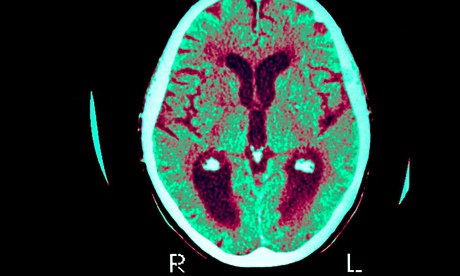
A scan to detect Alzeimer’s condition. Photograph: Alamy


The development of novel biomarkers to identify sufferers at higher danger of developing Alzheimer’s dementia is encouraging and will hopefully translate into exams that can be used clinically (Blood test breakthrough in search for Alzheimer’s remedy, 8 July). Nevertheless, the diagnosis and treatment of dementia is multifaceted and there are a number of locations that require urgent consideration now. Although there is no cure for dementia, recent therapies can slow the progression of the illness, even if only for six months. Clearly more study is needed to develop better therapies, but recent therapies are related with modest enhancements in cognition and perform that are invaluable to patients and their families. It is essential that as analysis progresses so also do our clinical providers, incorporating equitable access to drug therapies and professional input.


The care that patients with dementia require cuts across classic speciality boundaries. Efficient care calls for collaborative functioning between a number of disciplines like basic practice, geriatric medicine, psychiatry and social services. On the ground, a amount of alterations want to get place such as raising awareness of the issue among non-specialists, incorporating basic healthcare experience into psychiatric instruction and making certain patients’ information can be transferred between various care settings. Some of these modifications can be implemented comparatively rapidly and other folks will get longer. Even so, to be implemented effectively, capabilities and attitudes will want to change amongst care professionals and there will want to be political/monetary support. In these occasions of austerity it is crucial that the practicalities of caring for men and women with dementia are not misplaced. 
Dr KD Jethwa
Former academic clinical fellow in psychiatry, University of Warwick 


• The publication of study that could allow a check to predict the onset of Alzheimer’s far earlier than presently achievable is really welcome, particularly as the burden of the disease will rise across the globe in the potential. Nonetheless, there is even now a lot to be accomplished to increase the diagnosis of Alzheimer’s, specifically in the Uk, as entry to early and accurate diagnosis and treatment can vary significantly. A current worldwide survey, commissioned by GE Healthcare between physicians and sufferers, discovered that 50% of Alzheimer’s patients in the United kingdom have to wait for up to 3 months for an MRI scan, an vital component in the diagnosis of dementia. This compares with ten% in the US and 15% in Germany. For PET scans, more and more critical for diagnosing neurological issues, 44% of Uk sufferers wait a lot more than three months, compared with 6.5% in Germany and twelve% in France.


The survey located that up to twenty% of individuals with progressive neurological ailments, like dementia, face the probability of getting incorrect treatment method whilst waiting for their diagnosis. Meanwhile, their issue can carry on to deteriorate, and the patient is exposed to the pointless anxiousness and tension of not realizing. Two-thirds of people surveyed said it was worse not to know what problem they had than to acquire a confirmatory diagnosis.


Accessibility to early and correct diagnostic tools is vital with neurological illnesses, affording the prospective of both better clinical outcomes and an improved quality of life. With the prevalence of dementia on the increase, more powerful diagnosis and management is essential. We hope that the likely of this analysis can be constructed upon to create an effective check for Alzheimer’s.
Karl Blight
General manager, GE Healthcare Northern Europe


• Current advances in brain imaging have taught us a good deal about how the brain, rather than the thoughts, performs (Arguments more than brain simulation come to a head, 7 July). Philosophers have failed above the centuries to explain the connection in between brain and mind, and scientists have prevented obtaining concerned in such conjectures, resulting in the “new age phrenology” we now see. An IT undertaking purporting to simulate the exercise of an entire human brain is not only premature, on account of its naive assumptions about complexity, but, except if the simulation benefits in an emergent house such as self-determination, it is doomed to failure. And since no one particular can think about how this kind of a house could be programmed to emerge, any this kind of emergence would remain as much a mystery as that of consciousness itself: the very difficulty that the task is created to help remedy.
Dr Allan Dodds
Clinical neuropsychologist, Nottingham


Tackling the mystery of Alzheimer"s, and consciousness itself | @guardianletters

16 Nisan 2014 Çarşamba

Fertility mystery solved: protein identified that joins sperm with eggs

Human egg

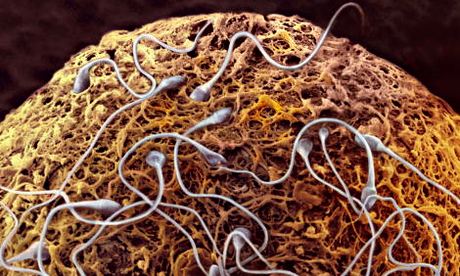
A human egg surrounded by sperm. Photograph: Wealthy Frishman/e-mail


A fundamental key to fertility has been uncovered by British scientists with the discovery of an elusive protein that makes it possible for eggs and sperm to join together.


The molecule – named Juno following the Roman goddess of fertility – sits on the egg surface and binds with a male partner on a fertilising sperm cell.


Japanese researchers identified the sperm protein in 2005, sparking a decade-extended hunt for its “mate”.


Comprehending the procedure by which the molecules interact opens the door to new developments in fertility therapy and contraception.


“We have solved a prolonged-standing mystery in biology by identifying the molecules displayed on all sperm and egg that must bind every single other at the moment we had been conceived,” explained lead researcher Dr Gavin Wright, from the Wellcome Believe in Sanger Institute in Hinxton, Cambridgeshire.


“Without having this crucial interaction, fertilisation just can’t happen. We may possibly be capable to use this discovery to improve fertility remedies and develop new contraceptives.”


The Sanger Institute group first produced an artificial edition of the sperm protein, known as Izumo1 following a Japanese marriage shrine.


This was then utilized to search for binding partners on the surface of the egg. A single protein, Juno, was identified as Izumo1′s “other half”.


Juno’s relevance to fertility was unveiled by female laboratory mice engineered to generate eggs lacking the molecule.


All the animals were infertile, their eggs incapable of fusing with standard sperm. Male mice missing Izumo1 have been also unable to conceive, highlighting this protein’s role in male fertility.


The analysis, reported in the journal Nature, also suggests that Juno plays a part in stopping extra sperm fusing with an currently fertilised egg.


“The Izumo-Juno pairing is the first identified essential interaction for sperm-egg recognition in any organism,” stated co-author Dr Enrica Bianchi, also from the Sanger Institute. “The binding of the two proteins is really weak, which almost certainly explains why this has remained a mystery until now.”


Soon after the original binding of sperm and egg, Juno bows out, becoming almost undetectable following 40 minutes, the scientists identified.


This might support describe why as soon as an egg is fertilised by one particular sperm cell it puts up a barrier towards others.


Fertilisation involving more than 1 sperm would lead to the formation of abnormal doomed embryos with too numerous chromosomes.


Juno belongs to a family members of “folate receptor” proteins, but in contrast to its brethren is unable to bind to folic acid. The researchers looked at three folate receptors, and discovered that only Juno interacted with Izumo1.


The scientists are now screening infertile women to see whether Juno defects underlie their condition.


If they do, a simple genetic screening check could assist medical professionals supply them with the most suitable treatment method whilst steering clear of wasteful cost and stress.


Regular In-Vitro Fertilisation (IVF) therapy, with sperm randomly fertilising eggs in a laboratory dish, could not work with out Juno.


However, it may be achievable to bypass the all-natural mating of Izumo1 and Juno employing intra-cytoplasmic sperm injection (Icsi). This is an more and more popular approach of IVF which involves injecting a sperm straight into an egg.


Major fertility skilled Dr Allan Pacey, senior lecturer in reproduction and developmental medication at the University of Sheffield, said: “I consider this is a really thrilling paper. We are nonetheless remarkably sketchy about some of the crucial molecules concerned in the early phases of fertilisation when the sperm and egg very first interact.


“However the information could be immensely beneficial to aid in the diagnosis of infertility but also in the style of new novel contraceptives for both people and other animal species.


“The identification of the Juno protein opens up many thrilling prospects. Probably the most obvious biomedical application of this discovering is regardless of whether screening for this protein (or its gene in a blood sample) could be used as a test of fertility.


“We know that fertilisation failure in IVF is fairly rare, and so I suspect the lack or dysfunction of this protein is most likely not a key trigger of infertility in couples. Nevertheless, it would be helpful to know how several women have eggs that lack this protein so we can properly assess this.


“The second, and probably most likely application, is no matter whether scientists could devise medication or vaccines that could block the way this protein performs or how the sperm protein Izumo1 interacts with it. This could lead to a new and novel non-hormonal contraceptive for each people and other species of mammals.”


Fertility mystery solved: protein identified that joins sperm with eggs

6 Mart 2014 Perşembe

Solving The Mystery Of "Bamboo Bonfire" Lung Disease

When I first saw Bamboo Bonfire come across my RSS feeds, I believed I had stumbled upon a great new band (feel: Bon Iver).


Alternatively, the phrase appeared in a report final week from the Centers for Disease Control &amp Prevention’s Morbidity and Mortality Weekly Report. by Dr. Dirk Haselow and colleagues at the Arkansas Division of Public Overall health and the Department of Pediatrics at the University of Arkansas.


The case is enough to scare the heck out of any mother or father – and even several physicians – as properly as folks in occupations whose outside work ramps up as the weather improves.


When antibiotics fail


Back in the fall of 2011, an eight-12 months-previous boy and his 5-12 months-previous sister residing in northeastern Arkansas produced vague stomach discomfort, a dry cough, and vomiting. When seen in clinic, they tested optimistic in a quick strep check and had been prescribed a ten-day course of a penicillin derivative, amoxicillin. But 6 days later, the two youngsters have been spiking temps of better than 104°F and their coughs had been worsening, not improving.


They have been subsequently hospitalized with pneumonia and given intravenous versions of two antibiotics, azithromycin (Zithromax® and ceftriaxone (Rocephin® Roche). With their signs and symptoms nonetheless not strengthening two days later on, they were transferred to Arkansas Children’s Hospital in Little Rock.


A a lot more in depth story then emerged:


Extra background exposed that the kids had attended a household gathering 8 days ahead of symptom onset. Participants lower bamboo, created a fort, and burned wood in a small grove that had served as a red-winged blackbird roost. Other attendees were reported to be ill with equivalent signs.


The blackbird roost was the tip to test the individuals for a fungal infection named histoplasmosis. Triggered by spores from a fungus referred to as Histoplasma capsulatum, the condition is sometimes seen in patients with HIV/AIDS or other circumstances the place the immune system is compromised. Outdoors of this situation, histoplasmosis is also referred to as Spelunker’s lung or cave ailment due to the fact its source, bat guano, is often encountered among cavers. But the fungus also grows extremely effectively in bird droppings.


The authors of the report described that, “the loved ones constructed a bamboo bonfire and utilized it to roast hot dogs. Leaf litter or ash was then raked and young children were mentioned to be playing in the grime.”


Liberation of the spores caused 18 of the 19 attendees to build probable or confirmed cases of histoplasmosis. Seven grew to become sick enough to be hospitalized, but all in the long run recovered.


As the clinicians realized why the antibacterial antibiotics had been ineffective, the very first two children have been handled by injections with the antifungal drug itraconazole (Sporonox® Janssen). Their signs and symptoms improved inside of 48 hours. The itraconazole was then continued orally for 3 months.


Red-Winged Blackbird (Male), Colony Farm Regio...

Red-Winged Blackbird (Male), Colony Farm Regional Park, Port Coquitlam, British Columbia (Photograph credit score: Alan D. Wilson, www.naturespicsonline.com via Wikimedia Innovative Commons license)


The red-winged blackbird (Agelaius phoeniceus) is a notably prolific bird whose assortment encompasses North and Central America. The MMWR situation describes nearby residents telling of a literal darkening of the sky for the duration of yearly migrations to Arkansas.


Even though the birds really don’t carry the fungus, it is endemic to Arkansas and the river valleys of the central United States – the Ohio, Missouri, and Mississippi. Bird and bat feces are a especially rich development medium for histoplasma. Researchers feel that the high acid and salt articles of the droppings permits the a lot more resilient fungus to outcompete standard bacteria development. Any disturbance of histoplasma-contaminated droppings generates an aerosolized disease hazard.


Occupational cases litter the study literature


In 1980, 6 Louisiana workers produced histoplasmosis after they bulldozed a stand of trees containing a bamboo stand heavily laden with blackbird droppings,  then burned the debris.


Solving The Mystery Of "Bamboo Bonfire" Lung Disease