disease etiketine sahip kayıtlar gösteriliyor. Tüm kayıtları göster

24 Nisan 2017 Pazartesi

Neglected no more: ending trachoma, an infectious eye disease rooted in poverty

In proportion to their collective contribution to human suffering, neglected tropical diseases (NTDs) have received insufficient attention. Today, thanks to incremental progress in the science of public health, growing programmatic experience and commitment from endemic country governments, donors and other partners, we are better equipped than ever before to recognise, prevent, control, eliminate and eradicate them.


Trachoma is one of many NTDs that are rooted in poverty. It is an infectious disease of the eye caused by a bacterium, and marked in its early stages by inflammation of the inner surface of the eyelid. Infection is spread by the transfer of discharges from the eyes or nose of an infected person.


More severe manifestations, such as trichiasis, typically occur in adulthood after multiple untreated infections. Trichiasis is present when turned-in eyelashes scratch the eyeball – a debilitatingly painful condition that may lead to progressive and irreversible visual impairment.


At present, about 0.45 million people are blind and 1.4 million people are severely visually impaired as a result of trachoma. Very basic interventions – simple eyelid surgery, the antibiotic azithromycin to clear infection and facial cleanliness, water and sanitation – can significantly reduce the impact of the disease. These interventions (surgery, antibiotics, facial cleanliness, environmental improvement) are represented by the acronym Safe: the strategy recommended by the World Health Organisation (WHO) to eliminate trachoma as a public health problem globally by 2020.


Morocco succeeds with Safe


Morocco adopted Safe in the early 1990s, becoming the first country to implement the strategy at national scale and one of the first to benefit from Pfizer’s now long-running donation of azithromycin to trachoma elimination programmes.


In November 2016, Morocco was validated by the WHO as having eliminated trachoma as a public health problem, joining Oman and Mexico as the only countries documented to date as having beaten the disease. Other countries have made similar progress, and further official validations are likely to follow later in 2017.



Azithromycin being used to treat trachoma in Morocco, 2016


Azithromycin being used to treat trachoma in Morocco, 2016 Photograph: Dr Jaouad Hammou/Ministère de la Santé, Maroc

Mapping trachoma


Trachoma’s natural home is among populations who live furthest from services, and so, until recently, data on where to intervene were grossly incomplete. The Global Trachoma Mapping Project (GTMP) sought to remedy this with surveys covering more than 1,500 districts in 29 countries. The project was completed in just over three years – running from December 2012 to January 2016 – and involved the training and deployment of more than 600 field teams, who collectively examined more than 2.6 million people. Its successful implementation now provides health ministries with the information they need to plan interventions, where required, for worldwide trachoma elimination.


Visionary backing


The success of the mapping project is attributable to a number of factors. First, it had financial backing from the UK’s Department for International Development and the United States Agency for International Development. Second, in each of the countries in which the GTMP operated, it benefited from high-level political commitment and strong health ministry leadership. Third, a worldwide partnership of NGOs and academic institutions, spearheaded by Sightsavers, the International Trachoma Initiative and the London School of Hygiene and Tropical Medicine, fostered synergies rather than inter-organisational competition. Fourth, the mapping project was held to strict quality standards, despite operating in some of the most difficult environments in the world. And fifth, the mapping was innovative in its use of technology, which kindled the interest of partners on all sides.
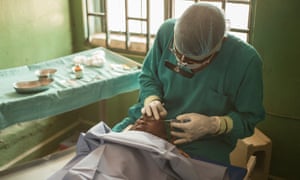


A surgeon operates on a young boy with trachoma in Nigeria.


A surgeon operates on a young boy with trachoma in Nigeria. Photograph: Graeme Robertson/the Guardian

Field teams collected all data into a purpose-built app running on Android smartphones. Those data, including geospatial information, were uploaded to a secure cloud-based server as soon as the phones were within range of a suitable network. Raw data were then cleaned, reviewed by the health ministry, and once approved, automatically displayed on the online Trachoma Atlas. This system was far more rapid and reliable than previous paper-based survey tools – and saved approximately 4.2m sheets of paper.


Work is ramping up in the 42 countries where trachoma remains a public health problem. In the next few years, with continued political support, collaboration and donor investment, we will finally be able to write the closing chapters in the long history of this devastating disease.


Victor Florea is an intern and Anthony Solomon is a medical officer for trachoma in the Department of Control of Neglected Tropical Diseases, World Health Organisation.


Join our community of development professionals and humanitarians. Follow @GuardianGDP on Twitter.


Neglected no more: ending trachoma, an infectious eye disease rooted in poverty

20 Nisan 2017 Perşembe

Health push in Uganda after mystery disease turns out to be "mossy foot"

A public health campaign has been launched in western Uganda after scientists unexpectedly found the region was afflicted by a tropical disease that causes disfigurement and swelling.


The discovery came to light after experts were dispatched to Kamwenge district to investigate an outbreak of lymphatic filariasis, more commonly known as elephantiasis. A team of specialists from the Ugandan ministry of health, the World Health Organization and the Centers for Disease Control and Prevention was surprised to find that the condition causing limbs to swell was in fact podoconiosis, also known as non-filarial elephantiasis. The disease was previously unknown in the region.


Unlike lymphatic elephantiasis, which is contracted when a parasitic worm is transmitted to humans by mosquitoes, podoconiosis – also known as “mossy foot” because it causes moss-like warts called hyperkeratotic papilloma – is contracted by walking barefoot on irritant volcanic soils. Blood samples taken by scientists from 52 people tested for lymphatic filariasis found no worms present.


Philip Rosenthal, professor of medicine at the University of California, San Francisco, and editor of the American Journal of Tropical Medicine and Hygiene, which published the findings this month, said: “The study was pioneering in discovering that this syndrome was causing serious morbidity in a part of the world where previously we had no idea that podoconiosis existed. The real key is preventing this in future generations.”


Podoconiosis, a progressive, non-infectious disease with symptoms that include itching, foot pain and swelling, can lay undetected for decades, but is treatable.


Dr Christine Kihembo, a senior field epidemiologist with the Ugandan health ministry and the study’s lead author, said many patients had probably been “suffering silently without help for more than 30 years”.


Kihembo said Kamwenge district was forested until the 1960s, when migrants looking for farmland began tilling the soil. Early symptoms of the disease went undetected because it was never documented in western Uganda.


She said patients may not have associated initial symptoms with soil contact, and that “there was a tendency among those affected to stay at home with their disability and not go to a health facility”.


Gail Davey, professor of global health epidemiology at Brighton and Sussex Medical School and founder of the NGO Footwork, said it was unsurprising the disease had gone unnoticed for decades because it is the very poorest areas that are affected.


Podoconiosis affects an estimated 4 million people globally and is found in the highland areas of Africa, Latin America and south-east Asia.


It is caused by an inflammatory reaction to minerals in volcanic soils. On contact, the minerals penetrate the skin, causing severe itching and pain. They are taken up by white blood cells, triggering inflammation that produces a thickening of scar tissue, causing swelling and ulcerated sores in the lower limbs. Typically, both lower limbs are affected. Unlike parasitic elephantiasis, it rarely affects the genitals.


Many people avoid sufferers because they believe the disease to be infectious. Davey said the disease is “highly stigmatised, probably more so than leprosy”, with sufferers often hidden away in communities, where it is seen as a curse.


Boys work barefoot on a subsistence farm field in Sodo Wolaita, Ethiopia


Boys work barefoot on a subsistence farm field in Sodo Wolaita, Ethiopia, where podoconiosis has also been found. Photograph: Jake Lyell/Alamy Stock Photo

Sufferers’ inability to work leads to a reduced income, which has a detrimental effect on mental health. Many victims experience depression.


The discovery of podoconiosis in the region has prompted a public health education campaign to highlight the importance of foot hygiene, and Footwork has trained local health workers to treat the condition.


Davey recalls a man she met at a clinic whose marriage ended because the disease left him unable to look after his farm: “He no longer saw his children because they thought it brought shame to the household. For him, just to hear that the condition can be treated was a bit of a light-bulb moment”.


“It is reversible – even the late stages can be improved enormously with careful hygiene and bandaging, and shoes and socks to protect.”


Podoconiosis will be among the neglected tropical diseases discussed at a summit in Geneva this week. Attendees will discuss the development of a global atlas of podoconiosis, which will map the global geography of the disease and inform efforts to eradicate it.


“We believe we can eliminate podoconiosis in our lifetime,” said Wendy Santis, Footwork’s executive director. “We know the cause and how to treat it. Now our most urgent need is for funding so that we can target our efforts to have the greatest impact.”


Health push in Uganda after mystery disease turns out to be "mossy foot"

3 Nisan 2017 Pazartesi

Gardasil and Hepatitis B vaccines associated with new autoimmune disease ASIA

Dear Reader,


Remember when the narrative regarding vaccine safety was deliberately focused on Thimerosal an ethylmercury preservative and nothing else? Well, let’s dismiss mercury for the moment because we have a bigger problem on hand.


That’s because, in 2011, Shoenfeld et al. shocked the research world with their landmark publication that described a new, probably anthropogenic (caused by humans) disease called autoimmune/inflammatory syndrome induced by adjuvants (ASIA). It’s also known as Shoenfeld Syndrome, named after Dr. Y. Shoenfeld, the discoverer of this strange disease.[1] This syndrome assembles a spectrum of immune-mediated diseases triggered by an adjuvant stimulus. The chronic exposure to an adjuvant apparently triggers this disease. The adjuvants can be highly variable, including silicone, environmental molds, and aluminum salts in vaccines.


The disease’s major clinical criteria are: myalgia, myositis, muscle weakness, arthralgia and/or arthritis, chronic fatigue, unrefreshing sleep or sleep disturbances, neurological manifestations (especially associated with demyelination similar to MS), cognitive impairment and memory loss, pyrexia, and dry mouth, after exposure to external stimuli such as adjuvants, infections, vaccines, and silicone.[2]


There is now a growing fear that aluminum, a common vaccine adjuvant, is a cause of numerous chronic debilitating diseases such as a new syndrome coined in 2010 by a French myopathologist called macrophagic myofasciitis (MMF). Recently, muscle biopsy at injection sites of vaccinated patients suffering from a constellation of symptoms such as severe fatigue, muscle/joint aches, and memory loss revealed nanoparticles of aluminum contained within the cytoplasm of macrophages. Macrophages are a major immune cell type typically seen in inflammatory conditions. I don’t expand on it here, but nanomaterials present a novel and dangerous threat to our health. Therefore, nanoaluminum, in vaccines, may be particularly dangerous.


In the same journal mentioned above (Shoenfeld et al., 2011), researchers Shoenfeld and Agmon-Levin have reviewed the current data supporting a common denominator in four seemingly unrelated conditions: siliconosis from breast implants, Gulf War syndrome (GWS), macrophagic myofasciitis (MMF), and post-vaccination induced autoimmunity. All of these share a common denominator: the presence of an adjuvant that chronically stimulates the immune system. Furthermore, these four diseases share a similar complex of signs and symptoms — the ones mentioned above for ASIA — that further support a common denominator.


In my research over the last five years regarding vaccine harms and with the subsequent publication of my book in 2016, I have discovered that the assumed-to-be safe adjuvant aluminum is probably as toxic as ethylmercury, the type found in vaccines. The list of vaccines that contain aluminum are many. ASIA has been associated with many of the currently prescribed vaccines such as Gardasil and the HepB vaccine.


According to the CDC’s website:


The adjuvant aluminum is present in U.S. childhood vaccines that prevent hepatitis A, hepatitis B, diphtheria-tetanus-pertussis (DTaP, Tdap) Haemophilus influenzae type b (Hib), human papillomavirus (HPV) and pneumococcus infection…. Seasonal influenza vaccines used in the United States do not contain adjuvants. [Emphasis mine](http://www.cdc.gov/vaccinesafety/concerns/adjuvants.html) 06/06/2013.


But wait, dear reader, there’s much more to it. In the coming weeks, I’ll be revealing the profoundly toxic effects of this supposedly safe adulterant in vaccines. I will also cover shocking evidence of ‘aluminum accumulators’ in our everyday herbs. Our exposure to aluminum has been steadily increasing since the 1950s. Impressive evidence is mounting that aluminum may contribute/cause dementia, neurodevelopmental disorders, and autoimmunity to name just a few.


[1]  Shoenfeld et al. ‘“ASIA” – autoimmune/inflammatory syndrome induced by adjuvants,’ Journal of Autoimmunity, Volume 36, Issue 1, Pages: 4-8, DOI: 10.1016/j.jaut.2010.07.003 FEB 2011


[2] Caldeira, Mónica MD.  Siliconosis: Autoimmune/Inflamatory Syndrome Induced by Adjuvants (ASIA)


IMAJ 2012; 14: 137–138


Chris Rasmussen MD, MS.

Dr Rasmussen is an anesthesiologist by trade and holds a Master’s degree in traditional Chinese medicine. He is an assistant professor, continuous education and seminar provider, personal trainer, life coach, lecturer, and author. He specializes in lifestyle modification and preventive medicine. His two websites are www.adaptiveTCM.com and www.inflaNATION.com. For consultation he can be reached at cjrmd1@gmail.com. His new book which reveals the true perils of vaccination: ‘You’re Next: Lies, Corruption and the Dirty Business of Vaccines, is now available everywhere.


Gardasil and Hepatitis B vaccines associated with new autoimmune disease ASIA

30 Mart 2017 Perşembe

Depression and Celiac Disease

Depression is a condition which affects about 15% of the population.  Women are more likely to be affected than men (1). It is quite common for people who have been diagnosed as having Coeliac Disease to find themselves feeling depressed and anxious (2, 3).  For many, there is a link between food and a sense of control over their lives.  Celiacs are faced with something over which they feel no control. A diagnosis of celiac disease, the restriction the new diet places upon you, and a sense of isolation created because you feel you are not able to join in with everyone else can bring on symptoms of depression.


You Are What You Eat


Poor absorption of vitamins and minerals can make the celiac sufferer feel unwell, feeling depressed can be a side effect of not having the correct balance of foods which affect your mood and have a significant impact on how you are feeling emotionally.  For some of you simply sticking to a strict gluten-free diet will be enough.


Find A Helping Hand


For others outside help in the form of counseling and psychological support can be very helpful.


Get into The Driver’s Seat


Taking control of your life, finding alternatives to foods you previously enjoyed and living with celiac disease rather than letting the condition rule your life are the key.  See it as an opportunity to take control of your life, to eat better, fewer processed food, less junk food.


A Positive Attitude Makes All the Difference


Consider your cup – is it half full or half empty. You are on a restricted diet but at least your condition can be completely controlled without resorting to drugs or surgery.  Even a shopping trip can be an adventure rather than a drudge– what new gluten-free food can you find?


A Spirit Of adventure


Discover yours! Try new things, take up new interests, meet new people.


On a personal note, I have become much more adventurous since being on a gluten-free diet – I’ll try anything once! I have extended my range of food; I can eat better and more healthily.


All of these strategies can make a huge difference to your state of mind and they are all within your grasp.  Take control and get the most out of your life.


  1. https://www.nimh.nih.gov/health/topics/depression/index.shtml

  2. https://www.beyondceliac.org/celiac-disease/related-conditions/depression/

  3. https://www.ncbi.nlm.nih.gov/pmc/articles/PMC3641836/


Dr. Serge Gregoire

Dr. Serge is a clinical nutritionist. He owns a doctorate degree in nutrition from McGill University in Canada. In addition, he completed a 7-year postdoctoral training at Harvard Medical School in Massachusetts where he studied the impact of fat as it relates to heart disease.

He has authored a book on this topic that is awaiting publication with Edition Berger publishers in Canada. He holds an advance certification in Nutrition Response Testing (SM) from Ulan Nutritional Systems in Florida and he is a certified herbalist through the Australian College of Phytotherapy.


His personalized nutritional programs allow to help individuals with a wide variety of health concerns such as hormonal imbalance, digestive issues, heart-related conditions, detoxes/cleanses, weight loss, fatigue, migraines, allergies, among others.


Depression and Celiac Disease

22 Mart 2017 Çarşamba

New Alzheimer"s test can predict age when disease will appear

Scientists have developed a new genetic test for Alzheimer’s risk that can be used to predict the age at which a person will develop the disease.


A high score on the test, which is based on 31 genetic markers, can translate to being diagnosed many years earlier than those with a low-risk genetic profile, the study found. Those ranked in the top 10% in terms of risk were more than three times as likely to develop Alzheimer’s during the course of the study, and did so more than a decade before those who ranked in the lowest 10%.


Rahul Desikan, of the University of California – who led the international effort, said the test could be used to calculate any individual’s risk of developing Alzheimer’s that year.


“That is, if you don’t already have dementia, what is your yearly risk for AD onset, based on your age and genetic information,” he said.


The so-called polygenic hazard score test was developed using genetic data from more than 70,000 individuals, including patients with Alzheimer’s disease and healthy elderly people.


It is already known that genetics plays a powerful role in Alzheimer’s. Around a quarter of patients have a strong family history of the disease, and scientists have shown this is partly explained by a gene called ApoE, which comes in three versions, and is known to have a powerful influence on the risk of getting the most common late-onset type of Alzheimer’s. One version of ApoE appears to reduce risk by up to 40%, while those with two copies (one from each parent) of the high-risk version can increase risk by 12 times.


The latest study takes a new approach, showing that, aside from ApoE, there are thousands of background genetic variations that each have a tiny influence on Alzheimer’s risk, but whose cumulative influence is substantial.


The researchers first identified nearly 2,000 single letter differences in the genetic code (known as SNPs) and, after ranking them for influence, developed a test based on 31 of the markers. The test was then used to accurately predict an individual’s risk of getting the disease in an independent patient cohort.


In people with the high-risk version of ApoE, those ranked in the top 10% of risk on the new test got Alzheimer’s at an average age of 84 years, compared with 95 years for those ranked in the lowest 10%.


James Pickett, head of research at Alzheimer’s Society, said: “Preventing the development of dementia symptoms is the holy grail of Alzheimer’s research but to succeed we first need accurate methods to predict who is most likely to develop the condition. This study’s approach was fairly successful at predicting the likelihood of someone developing dementia over the coming year, but needs to be tested further in mixed, non-US populations.”


Pickett added that, while the score could help to identify people for trials, it was too early to apply it as a genetic testing tool for use in the clinic.


Rosa Sancho, head of research at Alzheimer’s Research UK, said that while genetic makeup can influence the chances of developing dementia, a healthy diet, regular physical activity and remaining mentally active can also drive down the risk. “Genetics is only part of the story and we know that lifestyle factors also influence our risk of developing Alzheimer’s,” she said. “The best current evidence points to habits we can all adopt to help lower our risk and indicates that what’s good for your heart is also good for the brain.”


The findings are published in the journal PLOS Medicine.


New Alzheimer"s test can predict age when disease will appear

20 Mart 2017 Pazartesi

"I thought cancer was a disease for the elderly": tackling Nigeria"s 80% mortality rate

After a long day’s work at a law firm in Nigeria’s capital, Abuja, 35-year-old Comfort Daniel returned to her apartment one cold evening in December 2014 and began to undress for a bath. She was halfway done when she felt a lump on her left breast. A pang of apprehension surged through her. She ran her hand over her breast and the lump became more visible.


But Daniel didn’t go to hospital for screening immediately. Instead she consulted a South African-based physician who visited her church after Sunday service. The physician gave her some drugs for 17,000 naira (£44) and told her that she would have a discharge from her nipple then she would be healed.


Trusting the physician’s assurance, Daniel didn’t visit the hospital for screening. Two weeks after the treatment, a brownish discharge came from her nipple, but she became more uncomfortable. Shortly afterwards she was watching TV when a health programme came on and a doctor advised women to go for screenings whenever they noticed any abnormalities on their breasts. “That was all I needed to go to a hospital in downtown Abuja,” she says.


After several months of travelling between a private clinic and the national hospital in Abuja, and after spending most of her savings on appointments, Daniel finally learned she had cancer in March 2015. “God forbid,” she recalls yelling at the doctors. “Nobody has cancer in my family.”


Daniel was astonished. “I thought cancer was a disease for elderly, more mature people,” she says. “But all of that changed after the doctors told me I had stage two breast cancer. In fact, they even said I’d had the lump on my breast for more than a year.”


Daniel underwent a mastectomy shortly after getting her diagnosis and is now having chemotherapy. She says the healthcare system was inadequate for her needs. “When I wanted to receive initial treatment, I had to visit many hospitals … doctors were either on strike or there was no electricity to power the machines, or they weren’t responding properly. This whole process can be frustrating.”


March against cancer in Nigeria, 2016 organised by Project Pink Blue


Project Pink Blue organised a march against cancer in Nigeria last year. Photograph: Wahabi Oluwafemi

Daniel’s experience of trying alternative treatments before approaching doctors is common in Nigeria. Professor Tajudeen Olasinde is a consultant radiation and clinical oncologist at the Ahmadu Bello University Teaching Hospital in Zaria. He says late presentation is a widespread problem. “Around 85% of cancer patients present at advanced stages of their diseases in Nigeria due to poor awareness.”


Even when people do seek treatment, the equipment and facilities needed to treat cancer are not available everywhere. “Most diagnostic and treatment equipment are available in only tertiary health institutions, which are far away from most rural dwellers,” Olasinde says. “Where only one or two radiation treatment mega-voltage machines are functioning optimally at any time, [this] is unacceptable and a national disgrace for a country of 180 million people. At least, the country needs 180 functioning machines.”


Nigeria has less than 40 trained radiation oncologists and most of the nine comprehensive cancer treatment centres in Nigeria are, according to Olasinde, either “obsolete or non-functional”.


While cancer is more prevalent in wealthier countries – rates actually rise with increasing levels of income – the mortality rate is much higher in poorer countries such as Nigeria. The World Health Organisation estimates that more than 100,000 Nigerians are diagnosed with cancer each year, and 80,000 die from the disease. In the UK, where more people develop cancer, the rate of survival is 50%.


Campaigners and politicians across Nigeria are pushing to promote the kind of cancer care seen in wealthier countries, with an emphasis on prevention, early diagnosis and screening and survivor support.


NGOs such as the Abuja-based Health and Psychological Trust Centre – known as Project Pink Blue – are bringing best practice in cancer care to the city.


Having built up an awareness-raising programme that travels to rural areas to explain the signs of cancer and tell people how to prevent it, the centre has just begun Nigeria’s first breast cancer support group, made up of nine cancer survivors.


“Until we begin to change the way our people think about cancer we cannot change late detection of cancer,” says Runcie Chidebe, executive director of the centre.


Chidebe says that many people are unaware of behavioural and dietary risks that trigger cancer, including high body mass index, low fruit and vegetable intake, lack of physical activity, tobacco use and alcohol intake.


“The only way we can change the narrative of cancer being a death sentence is to get strong voices against cancer,” he says. “Strong voices against cancer cannot even be the doctors, neither can they be me nor the media. Strong voices of cancer are strong champions – the cancer survivors themselves. We have nine survivors right now, and we are mobilising more.”


Besides awareness campaigns, the group supports cancer patients through fundraising. It was through one such fundraising event that the NGO raised around 5.5m naira (£14,000) in cash and 9m naira in drug support to enable Daniel to have her chemotherapy when her savings ran out.


“I used up all the money I saved for my schooling for treatment, and when it finished I stayed away from treatment for more than a year until Mr Runcie came to my rescue,” Daniel says.


Politicians want to capitalise on the growing understanding of how to treat cancer. Muhammadu Usman is a lawmaker in the lower chamber of Nigeria’s legislature. With colleagues, he is sponsoring a bill calling for the establishment of national agency on cancer control. The bill has passed first and second readings and is due for a public hearing soon.


“Until we establish an agency that will handle cancer there is no way Nigeria can make any process,” he says. “When you have an agency, you will able to appropriate money, you will be able to recruit staff, the agency will be given certain responsibilities on mobilisation, treatment and prevention or seek international support.”


Usman notes that none of the country’s hospitals are properly equipped to provide the necessary medication to cancer patients. Citing recommendations from the International Atomic Energy Agency, he says South Africa has 18 functional machines for cancer treatment, Japan has 611 and China has 453.


Nigeria is supposed to have around 800 machines to treat cancer, such as an external beam radiotherapy machine, but none are working properly.


For Comfort Daniel, the new ways of supporting cancer patients are as important as working machinery. “After I was diagnosed with cancer, for three days I was unable to sleep. This is why the Abuja breast cancer support group is important. Nobody can understand the pains of the patient like a survivor,” she says. “There was a day I visited the hospital and came across an elderly woman who had breast cancer and was looking so sad. She refused to eat. But after speaking to her, she cheered up and took her food. Nobody can understand the pains we pass through, not even doctors.”


Join our community of development professionals and humanitarians. Follow @GuardianGDP on Twitter.


"I thought cancer was a disease for the elderly": tackling Nigeria"s 80% mortality rate

23 Şubat 2017 Perşembe

4 Smoothie Recipes that Fight Cancer, Inflammation, and Heart disease

How to holistically prevent Alzheimer’s Disease

Alzheimer’s disease slowly destroys a person’s memory, their ability to think and eventually their ability to complete even the simplest of daily tasks. The disease is an irreversible, progressive brain disorder that affects more than five million Americans, according to the National Institute on Aging. There may be no cure and the causes are still being determined, but that doesn’t mean nothing can be done to prevent the onset of Alzheimer’s. Research suggests the following foods and spices might help keep the disease at bay.


Curcumin


Found in turmeric, curcumin is an ancient Indian herb used in curry powder. For centuries, Ayurvedic healers have used the spice, known to have anti-inflammatory properties, to treat a variety of conditions. Several studies suggest that regularly eating foods with this spice helps prevent the spread of the amyloid-beta plaque found in the brains of Alzheimer’s patients.  On top of that it also reduces the inflammation of neural tissue associated with the disease.


Cinnamon


A study published in the Journal of Alzheimer’s Disease found that two compounds found in cinnamon, cinnamaldehyde and epicatechin, protect a protein called tau. Tau plays a normal role in the structure and function of neurons, but this protein can be damaged and begin to accumulate and form the tangles in the brain that are characteristic of Alzheimer’s. Cinnamon’s compounds might prevent damage to the tau protein and thus, help prevent the onset of Alzheimer’s.  Some easy ways to increase your cinnamon intake include tossing a cinnamon stick into your coffee or tea, sprinkling it on your morning oatmeal, or using it to spice up your favorite recipes.


Omega-3


Omega-3 fatty acids are essential fats that your body needs, but can’t make. Therefore, they must be obtained from food. Some research indicates that Omega-3 can lower blood levels of beta-amyloid, a protein involved in Alzheimer’s. The Alzheimer’s Society supports a diet — often referred to as a Mediterranean diet — of fish like salmon, mackerel, herring, sardines, albacore tuna and lake trout that are rich in Omega-3 fatty acids, along with lots of vegetables. They also recommend limiting intake of saturated fats, red meat and dairy products.


Staying healthy as you age generally requires a nutritious diet, physical activity, social involvement and mental stimulation.  The simple addition of any of the foods and spices mentioned above may also help reduce the risk of Alzheimer’s disease.


References:


https://www.ncbi.nlm.nih.gov/pmc/articles/PMC2781139/


http://www.lifetimedaily.com/will-a-gluten-free-diet-protect-against-alzheimers/


http://blog.thealzheimerssite.com/rosemary-memory-effects/


How to holistically prevent Alzheimer’s Disease

22 Şubat 2017 Çarşamba

Alkalize Your Body With Roots – Top 8 Choices to Reduce Inflammation and Fight Disease

An alkaline environment in your body is important to fight against diseases, including arthritis, obesity and even cancer. And every system has its own ideal pH levels to function well, you can make your body slightly alkalized by taking alkaline diet to improve your overall health.


As modern diet is filled with acidic foods that may result in inflammation and illnesses, increasing the intake of alkaline foods (Top 50 Alkaline Foods to Balance Your Body Naturally) is the key to keeping your pH levels in balance.


An acidic pH may cause many health problems:


  • Weight gain

  • Diabetes

  • Kidney disease

  • Unbalanced hormone

  • Premature aging

  • Arthritis and joint pain

  • Pain muscles

  • Fatigue

  • Poor digestion

  • Easy to be infected

  • Stressed

  • Headaches and migraines

  • Toothache

  • Stomach ulcers

  • Unhealthy hair

  • Dry skin

  • Leg cramps

So make small lifestyle changes by including the alkaline-forming foods into your diet. How often do you include these “roots” in your diet? If you don’t remember when you eat such foods last time, start to eat them from today. They not only provide multiple nutrients but also alkalize your body naturally:


Carrot


Carrot is an alkaline-forming food, it’s rich in Beta-carotene which is a strong antioxidant that protects you from diseases. This root is well known to be good for overall health and provides lots of minerals and vitamins.


  • Vitamin A improves your eye health;

  • Fiber fights against obesity and ease digestive issues;

  • Potassium helps keep your blood pressure under control;

  • Anti-inflammatory properties makes it good for healing from cuts and wounds;

  • A phytonutrient called falcarinol in it helps prevent colon cancer;

  • Improves dental health as its anti-bacterial effect;

  • Benefits to blood sugar regulation as it’s rich in Carotenoids.

Beet


This nutritious root vegetable is beneficial to your health in many ways, from boosting brain function, lowering high blood pressure to detoxing your organs, especially good for liver detox. It also protects your heart and bones, keep reading to know more potential benefits of beet at the bottom of the article.


Potatoes and Sweet Potatoes


Both potatoes and sweet potatoes are very healthy, control diabetes, protect your bones, fight cancer, maintain blood pressure and control blood sugar. You will like to add these nutritious roots into your plate.


Red Radish and White Radish


  • Both red radish and white radish are rich in vitamin C, eat them regularly will make your immune system stronger to fight against illnesses;

  • As they are high in fiber and low in calories, they make a good part of the weight loss diet;

  • The antioxidants in radishes may prevent heart disease;

  • Rich in potassium, they are also good options to lower high blood pressure;

  • They are also used to treat digestive problems as they stimulate the production of bile;

  • Radishes also help with liver and kidney function.

Turnip


Well known for its bitter flavor, turnip helps your systems function well in several ways. It provides a wide array of antioxidants, such as vitamin A, vitamin C, manganese and beta-carotene.


Yams


Yams are a good source of vitamin B6, which has been shown to reduce the risk of heart disease. The rich amount of potassium in yams is very important to brain and nervous system. What’s more, rich in fiber and low in calories makes yams a good ingredient for losing weight.


Additional Sources: healthdiaries.com


Related Reading:


8 Super Foods that Create A Balance PH Level In The Body For Preventing Cancers


Great Things That Happen to Your Body When You Eat Beets


A Homemade Carrot Recipe With 2 Ingredients to Remove Cough and Phlegm From Lungs


Alkalize Your Body With Roots – Top 8 Choices to Reduce Inflammation and Fight Disease

21 Şubat 2017 Salı

Alzheimer’s Disease Development – Don’t Blame Beta-Amyloid

Beta-amyloid accumulation in the brain is popularly believed by many scientists and experts from various disciplines to be the sole cause of Alzheimer’s disease. This article explains that this idea can actually be very misleading. Please read on.


What is Alzheimer’s disease (AD)? It is a neurodegenerative disorder that leads to memory loss, cognitive decline, and death.  AD can occur in anyone at any age, however, it is most common among the elderly and is less prevalent in younger people.


No Cure (?)


There is no proven medication to cure or prevent the disease, possibly due to a lack of knowledge regarding the molecular mechanisms underlying the origination and development of AD.


CDC states,


Scientists do not yet fully understand what causes Alzheimer’s disease. There probably is not one single cause, but several factors that affect each person differently.


The CDC statement is surely a conclusion based on many studies that have been performed to date. Then, why do many scientists, doctors, and experts in various disciplines still put the blame on beta-amyloid as if it were the cause of AD?


Amyloid Hypothesis


Many scientists and experts alike have accepted the ‘amyloid hypothesis,’ in which the development of AD is believed to be triggered by the accumulation of the amyloid beta (Aβ, commonly known as beta-amyloid) protein in the central nervous system (CNS).


Generally, amyloid refers to misfolded peptides or proteins that demonstrate a stable and resistant to breakdown to smaller compounds. Amyloidosis is a condition in which amyloid, is abnormally deposited in various tissues or organs.


Thus, amyloid is thought to alter the normal function of tissues and cause serious changes in tissues and organs of the body. The amyloid hypothesis, however, has shifted in recent years to suggest soluble beta-amyloid oligomers, rather than plaques, are responsible for neurodegeneration.


Almost all clinical trials of new drugs to combat AD have so far failed. Is that so?


Breakthrough


Time and again you have heard constant promises of a breakthrough. Unfortunately, when you check back a few months later all mention of the drug would typically vanish. It is publicized perhaps for a brief story about a failed trial.


The failure is not for lack of budget. Drug companies have poured billions into amyloid-blocking drugs with little success. In fact, the pharmaceutical industry has spent billions into research.


Eli Lilly alone, for instance, is said to have spent £3 billion over three decades trying to develop a successful drug.  The US National Institutes of Health has spent more than 500 hundred million dollars in pursuit of AD treatments.


Read these in order to know more about the drug companies’ failure,


Eli Lilly’s Alzheimer’s Antibody Does Not Work


After 190 Tries, Are We Any Closer to a Cure for Alzheimer’s?


Most research has focused on hypothetical disrupting sticky plaques caused by beta-amyloid accumulation outside neurons (a type of brain cells). When the plaques clog up the brain and destroy brain cells, neurons cannot transmit neurotransmitters to the next ones as they should which in turn impairs mental and cognitive functions.


Get Rid of The Plaque and You Get Rid of The Disease


The plaques are a build-up of beta-amyloid, so it is this very substance that most of the researchers have been trying to deal with. They think if they develop drugs that successfully inhibit from accumulating on the outside of the neurons, then Alzheimer can be prevented. Their uses in people with an early stage of Alzheimer’s are expected to slow down the disease progression and prevention may even be possible.


Back to Eli Lily’s story. The company’s researchers tried to attack the beta-amyloid precursors, in the hope beta-amyloid is not present to entangle with neurons.


Billed as the best hope yet, on the other hand, after the trial, the company concluded that the results of the early trial have failed to justify putting a drug on the market.


Was that a sign of the end of the amyloid hypothesis? Definitely, no.


Bryce Vissel, a professor of neuroscience at the University of Technology in Sydney and director of Neuroscience and Regenerative Medicine in the Faculty of Science was quoted as saying that researchers must urgently get back to the biology of this disease, He further asserted that it doesn’t mean throwing out the enormous body of work on beta-amyloid with the bathwater. Any holistic view of the data will have to account for it.


Not all Alzheimer’s patients found to have accumulated beta-amyloid in their brain and there are people with accumulated beta-Amyloid but without Alzheimer’s symptoms!


If accumulated beta-amyloid is to blame for Alzheimer’s development, then all people found to have built-up beta-amyloid in their brain are supposed to experience Alzheimer’s. Unfortunately, that’s not the case.


No Significant Effect


Karl Herrup, a neuroscientist at the Hong Kong University of Science and Technology, argues that the simple linear model that goes directly from amyloid to dementia has to be rejected because it has been tested in the clinic and in mouse models and proven to be untrue.


He further asserted that if the hypothesis were true, you would think that if you took healthy people and put amyloid into their brains, they would get Alzheimer’s disease. And, in fact, the evidence suggests that they do not.


Furthermore, doing the reverse by taking amyloid out of the brains of individuals with Alzheimer’s disease has been shown to have no significant effect on the symptoms or progression of the disease, he added.


He concluded that scientists need to stop using amyloid to define Alzheimer’s disease. It plays a role in the disease, but so do lots of other things. Scientists need to look at all the cause of Alzheimer’s disease if they’re going to make progress against this truly dementing illness.


What’s Good for Your Heart, It Turns Out, is Good For Your Brain


According to CDC, scientists are finding more evidence that some of the risk factors for heart disease and stroke such as high blood pressure, high cholesterol, and low levels of the vitamin folate may also increase the risk of Alzheimer’s disease. Evidence is also growing for physical, mental, and social activities as protective factors against Alzheimer’s disease.


You don’t have to wait for the Anti-Alzheimer’s Drugs or use inflammatory drugs suggested by your doctor. In fact, you can prevent and slow down AD by adopting a healthy lifestyle that includes doing things that prevent inflammation and don’t do things that promote inflammation.


By doing that, it not only help you steer clear of heart disease but may also help prevent and slow down the progression of AD.


Can Coconut Oil Ease AD?


Families who’ve given it to loved ones swear by it. Watch this video of how Dr. Mary Newport has discovered the benefits of using coconut oil to treat her husband’s Alzheimer’s Disease.


Pomegranate is stated in three different chapters in The Quran, the central religious text of Islam. Muslims believe that a three-time-mention of pomegranate in the Quran indicates its importance as a beneficial fruit to be used by humans for health maintenance and treating ailments.


From to time, studies have shown its many health benefits. That includes a study in 2014 that suggested that the anti-inflammatory punicalagin in pomegranates could battle Alzheimer’s.


Other Articles that Might Interest You


  1. Healthy Living – Definition and How to Go About It

  2. 11 Fruits and Veggies High in Vitamin C


Alzheimer’s Disease Development – Don’t Blame Beta-Amyloid

How diet relates to disease

In Hawaii, as well as in the contiguous United States, flesh is consumed n excess. The result of this is that obesity, diabetes, heart disease, constipation, and cancer are extremely prevalent.


A study at the Harvard School of Public Health, published in the March 2012 Archives of Internal Medicine, found that red meat, in particular, is associated with an increased risk of total, cardiovascular, and cancer mortality. If you think that poultry and fish are any better, that will be dealt with later in this article.


I was recently talking about this issue with a retired emergency room physician that worked in that capacity for 30 some odd years. He said that all his patients were flesh-eaters. He further stated that the excess protein from the animal products puts stress on the kidneys and is connected to osteoporosis, acid reflux, obesity, plaque build-up in the arteries, high serum cholesterol, high blood pressure, arthritis, and an increased risk of colon and breast cancer.


That same report from Harvard found that replacing just one serving of flesh with one serving of a healthy protein source was associated with a lower mortality risk. And what could that healthy protein source be? How about beans, legumes, whole grains, potatoes, and vegetables for openers?


More than 60 million pounds of beef, pork, chicken and turkey products were recalled in 2011 for contamination with Listeria, E. Coli, and salmonella, according to the USDA.


Locally, in Honolulu alone, one flesh distributor recalled over 4,000 pounds of ground beef that had been distributed to Oahu restaurants. And this was just for the month of October 2012.


Between high school and college I had a part-time job working as a delivery guy for a butcher in Newark. The butcher knew that I liked to eat ground beef so he gave me a list of restaurants not to order hamburgers at. Why, you ask? Because when he filled orders for certain restaurants, he ground up all the fat pieces and added some liver to it to give it a red color. Thank God he liked me. That was in 1957.


In a related health threat, disease-causing bacteria have developed a resistance to the antibiotics routinely fed to farm animals (70 percent of all antibiotics used in the good ol’ U S of A are used in livestock).


In May 2011, a lawsuit filed by the Natural Resources Defense Council (NRDC), Center for Science in the Public Interest (CSPI), and the Union of Concerned Scientists (UCS), among others, sought to curb this practice, alleging that livestock producers have used penicillin and tetracycline in feed for more than 30 years routinely, rather than to treat illnesses.


In 2012, the court ruled that the U.S. Fraud and Drug Administration (FDA) will have to address this issue by stating: “Research has shown that the use of antibiotics in livestock leads to the development of antibiotic-resistant bacteria that can be, and has been, transferred from animal; to humans through direct contact, environmental exposure, and the consumption and handling of contaminated meat and poultry products.”
The FDA has appealed the decision. Screw the people and protect big business at all cost!


Recent evidence has emerged linking bacteria from poultry to a growing number of urinary tract infections in women and some men, caused by antibiotic-resistant E. coli. Most of the 8.6 billion chickens raised for food in the U.S. each year are routinely fed antibiotics and research released in 2012 by the U.S. Centers for Deceit Control and Procrastination confirms the link between antibiotics in poultry and resistant infection in people.


Duh. What do you expect when poultry in immersed in a bath of pus, blood, urine, and feces for “cleansing” and the U.S. Department of A**holes (USDA) says it’s ok to sell as long as you cannot see the doo doo through the clear wrap?


After energy production, livestock is the second highest contributor of atmosphere altering gasses.


According to the United Nations, 18 percent of the world’s greenhouse gas emissions come from production, processing, and transportation of flesh and dairy products.


The gas cows pass (methane) is 23 times a more potent greenhouse gas as carbon dioxide.


So, if you skip a hamburger you will save 10,000 liters of water that was required to produce it. If you skip a poultry meal you will save the 90 gallons of water that went into its production and you will not eat doo doo.


As a side note, a vegan, who does not eat flesh or dairy, consumes 600 gallons of water per day LESS than a person on the SAD (Standard American Diet).


Humans were never designed to eat flesh regularly. The human intestine is long and coiled, much like that of plant-eating apes, cows and horses. In days gone by in human evolution, flesh provided more benefit that harm because survival was the issue and not sense gratification. In modern day society where food is not scarce and life is relatively easy, flesh become a serious health hazard.


Take an Eskimo for example. A traditional Arctic Eskimo, living in a subfreezing climate, could expend 6,000 calories a day just to keep warm and hunt for high-fat animal food like walrus, whale and seal. Modern Eskimos, living in heated houses and driving climate-controlled SUVs and still consuming a high-flesh diet have become some of the fattest, sickest people on the planet.


There is a research project going on regarding 96,000 Seventh-day Adventists in all 50 states and Canada to assess their basic vegetarian dietary habits. To date, the researchers have found that the closer people are to being vegetarian, the lower their risk of diabetes, high blood pressure, and metabolic syndrome (a condition that raises your risk for heart disease and stroke).


Some years ago, Dr. T. Colin Campbell, the author of The China Study, was a guest on my radio show. He reviewed the records of 6,500 people living in China over 20 years. He found that the people who ate the most animal-based foods got the most chronic disease. His study also found that plant proteins like wheat and soy did not promote cancer even at high levels of intake. Bear in mind that when he did his study there were no GMOs.


Where do you think all the trash, chemicals and other contaminants that are dumped in into the rivers and streams go? Well, they go into the oceans and affect the fish. And you wonder why pregnant women are told not to eat tuna fish more than twice a month?


Years ago some guy in Cleveland did an experiment. He placed a roll of undeveloped film in the Ohio River. It partially developed. You eat fish; you eat radiation, toxic waste, mercury, and other contaminants. Your choice.


In January of 2012, after spending our tax dollars and taking a vacation in Hawaii, Michelle Obama unveiled federal guidelines requiring school cafeterias to serve more fruits, vegetables and whole grains and less sodium and animal fat.


In March of 2012, that study by the Harvard School of Public Health involving 38,00 men and 84,000 women concluded that one serving of flesh is associated with a 13-20 percent increase in the risk of death from heart disease or cancer.


The American Journal of Preventative Medicine estimates that the prevalence of obesity among American adults will escalate to 42 percent by 2030, with a $ 550 billion increase in medical costs. With Obamacare in effect and medical reimbursements being curtailed, you most certainly do not want to be a part of those statistics. Also, the year 2030 was the year that the Soylent Green factory was in full bloom.


The Humane Society exposed unconscionable atrocities among three pig producers in Oklahoma and a Pennsylvania egg farm (not to be confused with the Penn State nightmare).


It’s little wonder that 7 percent of Americans (up from 3 percent in 1985) consider themselves vegetarians or vegans and 28 percent are actively reducing their meat consumption, leading to a 12 percent U.S. drop since 2007.


To take a walk on the wild side, enter LIVE VEGAN in a search engine and partake of the tons of recipes and other useful information.


In closing, I would like to quote verse 1:29-30 from the Old Testament.


“Then God said, “I give you every seed-bearing plant on the face of the whole earth and every tree that has fruit with seed in it. They will be yours for food. And to the beasts of the earth and all the birds of the air and all the creatures that move on the ground – everything that has the breath of life in it – I give every green plant for food.” And it was so.”


It’s too bad that the stupidity of the tongue’s endless desire for sense gratification overrides God’s intelligence!


Aloha!


Source:
www.rawfoodexplained.com
www.alternet.org
www.prevention.com


To learn more about Hesh, listen to and read hundreds of health related radio shows and articles, and learn about how to stay healthy and reverse degenerative diseases through the use of organic sulfur crystals and the most incredible bee pollen ever, please visit www.healthtalkhawaii.com, or email me at heshgoldstein@gmail.com or call me at (808) 258-1177. Since going on the radio in 1981 these are the only products I began to sell because they work.
Oh yeah, going to www.asanediet.com will allow you to read various parts of my book – “A Sane Diet For An Insane World”, containing a wonderful comment by Mike Adams.
In Hawaii, the TV stations interview local authors about the books they write and the newspapers all do book reviews. Not one would touch “A Sane Diet For An Insane World”. Why? Because it goes against their advertising dollars.


How diet relates to disease

13 Şubat 2017 Pazartesi

Life With Lyme Disease

Life with Lyme disease is complicated. Many who are living with Lyme do not even know they have been infected. The name Lyme disease comes from Lyme, Connecticut. The high prevalence of the disease leads to its discovery.


What Is Lyme Disease?


The name Lyme disease is a misnomer. The disease is caused by a stealthy microbe called Borrelia. Contrary to popular belief Borrelia, which causes Lyme disease is not only transmitted by deer ticks. According to the Michigan Lyme Disease Association, other insects can carry Lyme including other ticks, mosquitos, and possibly spiders and fleas.


It is shocking that more attention is not given to this debilitating disease. This disease is the most commonly reported vectorborne illness in the United States. Furthermore, in 2015 the Centers For Disease Control (CDC) reported Lyme as “the sixth most common Nationally Notifiable disease.” According to recent research by the Centers for Disease Control, 300,000 Americans are diagnosed with Lyme disease each year.


My Story:


[embedded content]


At this point in time, the disease is quite difficult to diagnose. In fact, its symptoms mimic that of many other aliments. Another issue with this disease is that patients can go years without symptoms. When symptoms arise, they are debilitating. The Borrelia complex can create problems in the brain, nervous system, muscles, joints, heart and circulatory system, digestion, skin and reproductive system.


Borrelia penetrates deep into tissues where it hides protected from antibiotics and the immune system. Its corkscrew shape allows it to penetrate deep into cells. Strangely enough, its mission is not to kill the host; it simply wants to scavenge enough to survive.


Typically, the initial symptoms of infection are mild. A person may experience flulike symptoms, headaches or muscle and joint pain. If the insect bite goes unnoticed, it is likely that the victim will not know they have been infected. A classic sign of infection is a bull’s-eye rash. Regrettably, only about 1/3 of cases have this indicator.


Unfortunately, testing for Borrelia is notoriously inaccurate. As a result, many people with the disease are unsure of when they were infected. Even worse than an inconclusive diagnosis is that treatment options are suggestive at best.


A Must Watch Documentary on Lyme Disease is: Under Our Skin 


Undiagnosed or misdiagnosed Lyme disease can lead to severe health problems, suggests the Lyme Light Foundation. As a consequence health concerns include:


  • Fibromyalgia

  • Rheumatoid Arthritis (RA)

  • Chronic Fatigue Syndrome (CFS)

  • Bells Plasy

  • Alzheimers

  • Parkinson

  • Multiple Sclerosis (MS)

  • Heart rhythm irregularities

  • Cognitive defects

  • Neurological symptoms

  • Memory loss

  • Brain fog

  • Seizures

  • Depression

  • Anxiety

  • Dementia

  • Psychosis

Since Borrelia can lay dormant in the body, one person could be living with Lyme and show no symptoms while another person could be crippled by the disease. Presently, the proper functioning of our immune system is the one thing that correlates to when or if symptoms arise. When our immune system is robust, we are able to fight off the invaders. When our immune system is low symptoms will manifest.


Preventive Measures For Lyme Disease


All things considered, there are specific things we can do to ensure that we feel our best. It is imperative to keep our bodies in a healing state. These are a few options to promote a healthy immune system.


  • Eat a nutrient-rich diet

  • Avoid sugar, alcohol, processed/packaged foods, and all fast food

  • Promote a healthy gut with high-quality probiotics and digestive enzymes

  • Supplement with high-quality food form vitamins, magnesium, and Omega-3 fatty acids

  • Take glyconutrients daily

  • Manage stress

  • Get plenty of sleep

From here on out take preventive measures when in areas with high amounts of insects.


  • Use a natural insect repellent. Essential oils are a great option.

  • When hiking wear long pants, long sleeves and long socks to keep ticks off the skin.

  • Wearing light-colored clothing to make spotting bugs easy.

  • Check skin after spending time in nature. Looking over the skin allows early detection.

  • Constantly promote a strong immune system.

Finally, if you know someone that could benefit from seeing this information, please share it with them. If you are living with Lyme disease and have a tactic that has worked well for you, please share it with us. To get in contact with me pop on over to OurWellnessRevolution.com


Suggested Articles:


The Benefits of Magnesium


SOURCES:


Life With Lyme Disease

9 Şubat 2017 Perşembe

Prevent Heart Disease With Healthy Lifestyle and Diet Choices

It’s vital for us to be informed on making good lifestyle and diet choices to prevent heart disease and help us live longer.


Globally, heart disease is the leading cause of death, according to the American Heart Association (AHA).  In the United States, 2,200 Americans die from heart disease each day.


Causes of Heart Disease


According to the Centers for Disease Control and Prevention (CDC) a poor diet, excessive alcohol use, physical inactivity, obesity, and diabetes are among the most influential lifestyle choices that put people at a higher risk for heart disease.  Plaque buildup in the coronary arteries is the most common type of heart disease.


A diet based on wholesome nutrition is a major factor in fighting plaque build-up in coronary arteries.   Additionally, health experts recommend limiting processed or fatty foods, highly processed or salty foods, sweets, solid fats, and “sugary drinks” in order to maintain a healthy diet to prevent heart disease.


Prevention


Health professionals — including the CDC and AHA — advise everyone to eat more vegetables and fruits.  They also recommend that we should consume less sugar and sodium.


Carleton Rivers, RDN, assistant professor in the Department of Nutrition Sciences in the University of Alabama at Birmingham School of Health Professions is an expert on nutrition and dieting and nutrition.


Rivers highly recommends that eating fresh fruits and vegetables cooked using a low-fat method is a great way to prevent heart disease.


“Choose vegetables that have a rich color like dark leafy greens, sweet potatoes, squash, carrots and zucchini.  Just be sure not to substitute fresh fruits with 100 percent fruit juice or dried fruit.”


Dried fruit and fruit juice are high in sugar content.  And fruit juices lack the fiber needed to control blood sugar.


Carleton says protein and fiber are important, as well.


“Fiber is important for gastrointestinal motility, blood sugar control and lower low-density lipoprotein (LDL) cholesterol.   Fiber is great for appetite control because it can fill you up and keep you feeling fuller for longer.”


Protein is needed to build and maintain muscles.  Protein is found in a variety of sources such as lean meats cooked using a low-fat method, like baking.


Prepare and Cook at Home


It’s much easier to eat a healthy and balanced diet if meals are prepared and cooked at home.  Most restaurants add salt and butter to dishes — increasing the calorie amount.


Here’s a list of superfoods to help prevent heart disease:


  • Garlic — Reduces blood pressure and coronary plaque

  • Oranges — Reduces cholesterol levels, blood pressure, and health failure

  • Lentils — Reduces blood pressure

  • Red Wine — Boosts HDL, reduces unwanted clotting

  • Kale — Prevents atherosclerosis

  • Pomegranates — Reduce atherosclerosis

  • Almonds — Reduce LDL and fatal arrhythmias

  • Dark Chocolate — Reduces blood pressure

  • Sardines — Lower triglycerides, raise HDL

This list is only a start to a healthy diet.  A healthy diet includes a broad range of vegetables, fruits, legumes, and nuts — not just a select few.


So while you’re shopping for kale, also consider spinach, romaine, arugula, and Swiss chard.  Oranges are great, but so are bananas, apples, strawberries, and kiwifruit.


As much as the AHA and the CDC encourage a healthy diet to prevent heart disease, Rivers says it’s okay to have a “cheat day” every now and then.  A cheat day allows you to have a little bit of what you’re craving.  It also helps prevent you from quitting the diet all together.


Hippocrates understood the concept more than 2,000 years ago: “Let your food be your medicine and your medicine be your food.”


Prevent Heart Disease With Healthy Lifestyle and Diet Choices

24 Ocak 2017 Salı

Fighting Acute Disease

So, when acute disease enters the body, what does it do?


FEVER increases the body’s metabolic rate and circulation of blood and lymph, thereby speeding the removal of toxins from the body and sending nutrition to the diseased areas. The increased circulation also acts as a carrier for the body’s more complicated defenses like the white blood cells and the antibodies. Fever also creates a less favorable environment for bacteria or viruses, which generally have a very narrow temperature range for optimal growth. As fever increases, these organisms begin to die faster than they can produce.


SWEATING carries toxins out of the system through the skin. It also helps keep the rising temperature within a range that will not endanger the long-term health of the body.


MUCOUS SECRETIONS also remove toxic material from the body. Cells of some mucous membranes protect against invasion by the action of the tiny cilia that move particles of foreign matter and debris toward the nearest exit. These cilia are stimulated by external irritants, bacteria, viruses, or internal toxins.


INFLAMMATION, SWELLING AND EDEMA are actions by the body to localize a problem. Inflammation indicates a local increase in metabolic activity with increased blood and lymph supply, and an increased capillary supply to help in the transport of blood-born defenses. Edema, or fluid accumulation, aids in diluting and undesirable, toxic, or irritating substance.


LOCAL INFECTION results from breakdown of vital tissues into waste matter, which provides a suitable environment for bacterial spread until the body’s forces can remove the waste material. The reduced vitality occurs first, the infection is secondary. Boils, acne and other local infections can also be the result of an inner cleansing process.


DIARRHEA AND VOMITING are obvious attempts by the body to rid itself of toxic substances. Local irritants can initiate this action as well as toxins in the system.


PAIN is a natural mechanism by which the body draws attention to a problem area. Pain indicates that the problem can no longer be tolerated and that ignoring it further could have serious ramifications.


SNEEZING AND COUGHING are major attempts by the body to rid the respiratory system of irritants and toxins. The coughing up of mucus can reduce the spread of infection by preventing dead material for stagnating, and can also help prevent blockage of smaller respiratory passageways. Sneezing effectively rids the upper respiratory passages of particles and irritants.


So, all these acute symptoms of disease are in fact the result of an intelligent action by the body to reestablish equilibrium and positive health. As such they are corrective and eliminative and should not be suppressed.


What is commonly called acute disease is really the result of nature’s efforts to eliminate waste matter or poisons from the body and to repair injured tissues. If some acute condition is not allowed to run its natural course, or is treated with suppressive methods and therefore not allowed to fulfill its intended function of elimination, then eventually chronic disease will result.


And trust me, you don’t want that. The chronic disease condition is much more permanent and involves radical changes in the body’s structures and chemistry.


Aloha!


Source:
www.edenvalley.com
www.askdrshah.com
www.homeopathic.com


To learn more about Hesh, listen to and read hundreds of health related radio shows and articles, and learn about how to stay healthy and reverse degenerative diseases through the use of organic sulfur crystals and the most incredible bee pollen ever, please visit www.healthtalkhawaii.com, or email me at heshgoldstein@gmail.com or call me at (808) 258-1177. Since going on the radio in 1981 these are the only products I began to sell because they work.
Oh yeah, going to www.asanediet.com will allow you to read various parts of my book – “A Sane Diet For An Insane World”, containing a wonderful comment by Mike Adams.
In Hawaii, the TV stations interview local authors about the books they write and the newspapers all do book reviews. Not one would touch “A Sane Diet For An Insane World”. Why? Because it goes against their advertising dollars.


Fighting Acute Disease

21 Ocak 2017 Cumartesi

What is “disease”?

Disease is an abnormality in the harmony of the body. In the “perfectly normal” individual, of which there are none, all aspects of life would be in total harmony and the body would live forever.


But we, the imperfectly normal individuals, are constantly being subjected to influences that upset our inner equilibrium. Our body has innate defense mechanisms that can protect us from reasonable threats.


Modern humanity can not be considered either normal or ordinary because virtually every aspect of modern living causes disharmony in the physical, mental, and moral planes of our existence as we are constantly exposed to vast changes in both our internal and external environment.


The physical body, designed for and requiring demanding physical exercise for its optimum functioning, now performs effortless tasks.


Our diet, once composed of whole grains, nuts, raw fruits, fresh vegetables, simple proteins and pure water, is now made up of refined, devitalized grains, highly salted nuts, frozen, canned, or poisoned fruits and vegetables, complex protein meals also poisoned by all manner of drugs and chemicals, and harmful liquids, such as coffee, tea, soda, and alcohol. Even the air is no longer pure.


As if this were not enough for the physical body to handle, many people take drugs and smoke all forms of tobacco and pakalolo (pot).


The human form has been bastardized due to conditioning through the consumption of flesh and blood. We, the humans, are an herbivorous form, not a carnivorous form. Our alkaline saliva breaks down the alkaline plant-based foods allowing us to virtually drink our foods, which leave the body in two to three days. When we ingest the acidic flesh and blood, it interacts with the alkaline saliva adversely and does not break down.


So, after sucking out all the flesh, blood, and seasonings, we swallow the muscle, where is sits in our digestive tract for five to seven days releasing poison upon poison into our blood stream and organs.


We are equipped with various adaptive mechanisms which clear from the body a normal amount on unneeded, unwanted, toxic substances. But, if the safety channels are clogged, overburdened, or suppressed, the vital force can no longer slowly and safely maintain harmony. The result? Disease!


To better understand the direction and purpose of the disease process, it is first necessary to understand and better appreciate the basic causes of disease.


ACCUMULATION of toxic material within the body due to improper diet, poor circulation, poor eliminations, and lack of demanding exercise is a major factor in almost all disease. While it is acknowledged that other cause di exist, most factors that contribute to disease result in an accumulation of poisonous substances in the body which, when the channels of elimination cannot adequately remove them, will invariably initiate a disease process. These accumulations ultimately lead to changes within not only the cell, but within the whole body.


INCORRECT OR UNBALANCED DIETS lead to reduced vitality, nutritional deficiency, toxemia, poor eliminations, and tissue degeneration. Modern food processing and refining leads to an unbalanced, low-fiber, unnatural diet which drastically decreases the nutrient value of food. High-yield fertilizer use upsets the natural balance of the soil, producing nutritionally inferior and deficient food. Pesticides, GMOs, and additives place a further burden on the body to detoxify unwanted and poisonous substances. Improper diet is a major cause of nearly all forms of disease.


IMPROPER POSTURE AND BODY MECHANICS due to habit, poor muscle tone, accidents, or injury can interfere with normal nervous activity or the circulation of blood or lymph, leading to tissue degeneration and defective function. As the normal curves of the spine are altered by weak abdominal muscles, high heels, spinal trauma, or poor body mechanics in sitting or standing, the normal relationship of internal organs and their nervous, blood, and lymph supply, and consequently their nutrition, are severely affected. These changes can lead to poor local nutrition, reduced drainage, and reduced tissue vitality. The end result is congestion, toxic accumulation, and disease.


DESTRUCTIVE EMOTIONS such as fear, anxiety, hate, self-pity, envy, impatience, lack of tolerance and resentment can affect the body by upsetting digestion. Physiological causes of disease are increasing as society itself places greater pressures on the individual.


THE ADMINISTRATION OF SUPPRESSIVE DRUGS AND VACCINES, which inhibit the eliminative efforts of the body, place further demand on it for drug detoxification, are a growing cause of disease. Many drugs, and vaccines in particular, can cause allergic reactions, chronic allergies, and other long-term health problems. The incidence of drug-induced illness has skyrocketed, especially in older age groups where multiple prescriptions can cause toxic interactions. And now, with the advent of GMOs, autism has taken on unbelievable growth.


EXCESSIVE USE OF ALCOHOL, COFFEE, AND TOBACCO are serious health threats. These social drugs, although widely accepted and used, are major factors in many disease processes. They can severely damage the liver, lungs, pancreas, thyroid, adrenal glands, and other parts of the body and mind.


ENVIRONMENTAL CAUSES of disease are becoming difficult to avoid. The air, water, and soil are all becoming more susceptible to pollution as the population grows and we treat the earth without proper respect.


OCCUPATIONAL HAZARDS also help cause disease. Chemical contact and poor air quality are common factors in downgraded health. Some substances that have been in use for decades, like asbestos and fluoride, have been found to be toxic and are a severe health risk. Work-related stress could be the greatest cause of illness among workers.


CERTAIN INHERITED FACTORS or tendencies, an abnormality of predisposition from birth, can also leave an individual more susceptible to disease or unstable conditions. Usually, these conditions manifest when the body comes under stress from one of more of the other cause of disease listed prior.


PARASITIC VIRUS OR GERM INFECTION, is not a primary cause of disease but rather its result because a germ can only survive in a suitable environment. The body hosts millions of microorganisms; some beneficial and some bad, bad bad. So, if harmful bacteria are allowed to multiply, then typical symptoms of disease result.


A healthy body has multiple defense mechanisms to keep harmful bacteria from gaining a strong foothold. The normal healthy bacterial flora in the digestive tract and vagina prevent others from proliferating. The body’s secretions also prevent bacterial infection by their pH and other qualities. The mucous membranes are lined with tiny hairs (cilia) that constantly move debris and bacteria out the door. Glands like the tonsils are designed to screen foreign matter from the air, and internally from the circulation. The bad guys that manage to invade are attacked by antibodies consumed by white blood cells and either digested or removed from the body.


The body is naturally well protected. Only when defenses are weakened can harmful bacteria get a foothold. The factors that bring about reduced vitality have been disclosed above. When one or more of the causative factors that bring on disease are present, the body is forced to act strongly to reestablish proper equilibrium. The result is acute disease.


Aloha!


Sources:
www.drrote.com
www.healthyeating.sfgate.com
www.spine-health.org
www.collective-evolution.com
www.narconon.org
www.bullseyepistol.com
www.humanillness.com
www.fluoridealert.org
www.theworldcounts.com
www.findhomeremedy.com


To learn more about Hesh, listen to and read hundreds of health related radio shows and articles, and learn about how to stay healthy and reverse degenerative diseases through the use of organic sulfur crystals and the most incredible bee pollen ever, please visit www.healthtalkhawaii.com, or email me at heshgoldstein@gmail.com or call me at (808) 258-1177. Since going on the radio in 1981 these are the only products I began to sell because they work.
Oh yeah, going to www.asanediet.com will allow you to read various parts of my book – “A Sane Diet For An Insane World”, containing a wonderful comment by Mike Adams.
In Hawaii, the TV stations interview local authors about the books they write and the newspapers all do book reviews. Not one would touch “A Sane Diet For An Insane World”. Why? Because it goes against their advertising dollars.


What is “disease”?