targets etiketine sahip kayıtlar gösteriliyor. Tüm kayıtları göster

20 Mart 2017 Pazartesi

Few foods on track to meet salt reduction targets, survey reveals

Bread rolls are the only manufactured foodstuff likely to meet stringent 2017 salt-reduction targets, research has revealed.


The food industry will miss almost every salt target set to lower the amount of the “hidden killer” in processed food.


A survey carried out by Consensus Action on Salt and Health (Cash) found that the only food group likely to scrape into the 2017 target range is “bread and rolls”. This means that by the end of this year they should contain no more than 1.13g of salt per 100g.


After examining all 28 categories of processed food, researchers could not find any other foodstuff coming close to meeting that target.


The government set up the public health responsibility deal in 2011 with the aim of encouraging manufacturers to self-regulate.


Targets for 2017 were set out in 2014 and Cash agreed to monitor the scheme independently by recording the salt content of common foodstuffs in UK shops and supermarkets.


The recommendations were designed to get British consumers eating no more than 6g of salt a day.


Health campaigners are now calling on Public Health England (PHE) to urgently set new targets for 2020 and push food companies to meet this year’s recommendations.


In their latest survey, doctors and scientists assessed salt levels on the typical supermarket shelf. In one of their more surprising findings they discovered that Galaxy Ultimate Marshmallow Hot Chocolate is saltier than seawater. A single serving contains more salt than a packet of crisps.


Looking at a shopping basket of everyday food items, the group found that for every unhealthy high-salt option, healthier lower sodium alternatives were also available.


In comparing the two sets of groceries overall, they found that there was a difference of 57g of salt between them.


Graham MacGregor, a professor of cardiovascular medicine at Queen Mary University of London and chair of Cash, said the findings were a national scandal.


“The UK was leading the world in salt reduction, but PHE are doing nothing to ensure that the 2017 salt targets are met,” he said.


Katharine Jenner, a nutritionist and Cash’s campaign director , described salt as the forgotten killer.


“The findings from our FoodSwitch shopping basket survey are alarming and we are shocked to see that many food manufacturers and retailers are still failing to meet the salt reduction targets, despite having had years to work towards them,” she said.


“We congratulate the other, more responsible manufacturers that have successfully achieved them, or are on track to meet them by the end of the year – which shows it is possible. With only nine months to go, action must be taken now.”


PHE’s chief nutritionist, Dr Alison Tedstone, defended the decision to allow the industry to self-regulate.


“The food industry has reduced the amount of salt found in our foods by 11% in recent years, which is encouraging progress,” she said.


“We know there is more to do. This is why we’re talking to retailers, manufacturers, and the eating out of home sector on how they go further and faster to reaching the 2017 salt reduction targets.”


A diet high in salt has been linked to high blood pressure, heart disease and stroke. NHS guidelines say that adults should aim to eat less than 6g of salt a day.


Last year, Cash recorded dangerously high levels of salt in dips and spreads commonly seen as healthy options.


It revealed that one supermarket brand of the hummus contained 1.6g per 100g.


Few foods on track to meet salt reduction targets, survey reveals

6 Kasım 2016 Pazar

Failure to meet cancer targets shows the NHS can no longer cope

Everywhere is struggling to cope. The increasing failure to hit the waiting time targets for cancer patients reflects systems that are struggling to meet workloads. Hospitals are struggling to get people’s tests done in time, to get their diagnosis for them as soon as possible and to be able to make plans for their treatment.


Three years ago, hospitals were managing to respond to the needs of people by generally meeting NHS waiting time targets for the growing number of those being referred with suspected cancer. The fact that we were hitting the targets didn’t mean that everything was perfect, but it did indicate that the way the system was organised meant that we were coping and working to meet demand. It doesn’t feel like we are coping any more.


Patients are waiting longer for scans, biopsies, pathology results and for treatment plans to be finalised. We are largely meeting the 14-day target and the target for 31 days from diagnosis to treatment. But we are largely failing to meet the 62-day target. That’s the time between someone being referred by their GP and them having their first definitive treatment. Delays are occurring mainly between a suspected cancer patient seeing a specialist and having a definite plan for their treatment drawn up. Myself and colleagues come across this all the time; people who have waited two, three or four weeks for a CT scan or biopsy.


That matters for individual patients because they have a prolonged period of uncertainty. Do I have cancer or do I not? And if I do have cancer, will it be curable? If it was a private hospital or one of the great hospitals in the US or Europe the consultant could expect to have the answers from the tests within a week. But here it can be as long as a month.


There will be some people who get worse while they are waiting for tests to take place or for the results to come back. Their cancers will grow. In a small proportion of them their cancer may spread. If you look after people with cancer it’s a desperate situation to be asking them to wait for their tests and to be planning to see them after a month because they won’t have their results until then, and we know that’s going to be a month of terrible worry for them.


This failure to meet targets, to keep up with the growing demand for cancer care, was a foreseeable problem – and it’s getting worse. Previously we planned for what we knew was going to be the growing number of people needing tests and treatment. Now we need a lot more radiologists and endoscopists, for example, to keep up with what we know is going to be the even greater numbers of people needing cancer care in the years to come. But now it’s not just the tens of thousands of people who have not been treated within 62 days over the last two and a half years since the NHS nationally began missing that target. It’s the fact that we now have a system that’s failing, and that can’t be acceptable.


Peter Johnson is professor of medical oncology at Southampton University and Cancer Research UK’s chief clinician


Failure to meet cancer targets shows the NHS can no longer cope

13 Ekim 2016 Perşembe

Polio vaccine drive targets 41m African children as Nigeria battles outbreak

Nigeria is racing to contain a polio outbreak in its north-east state of Borno, amid fears the virus could spread to neighbouring countries and set back global efforts towards eradication.


This week, the UN children’s fund, Unicef, launched an emergency vaccination drive in 18 states in northern Nigeria and neighbouring Chad, Niger, Cameroon and Central African Republic, to immunise more than 41 million children.


Nearly 39,000 health workers will be deployed across the Lake Chad basin, where ongoing conflict with the insurgent group Boko Haram has forced 2.6 million people to flee their homes (pdf), leading to fears the virus could spread across borders.


The four-day campaign will be the third of five vaccination drives to contain the wild strain of the polio virus. Two further campaigns are scheduled for November and December in neighbouring countries.


Global efforts to eradicate polio suffered a setback in August when, after two years free of transmission, two cases of polio were detected in Borno state, followed by another in September. Nigeria is the last country in Africa and one of only three in the world where polio remains. Afghanistan and Pakistan are the other two.


A country cannot be declared polio-free until three years have passed with no new cases. Earlier this year, the World Health Organisation said it believed transmission of the virus could be stopped within 12 months.


Doune Porter, Unicef Nigeria’s chief of communication, said: “We have to respond, and we are indeed responding, with a massive show of force to make sure that it does not get out of control. We can’t afford to have polio come back to the area, to Nigeria or Africa.”


Although the polio vaccine is relatively simple to administer, large parts of Borno state have, for some years, been inaccessible to humanitarian organisations due to the Boko Haram insurgency. This has meant large numbers of children have never been immunised against life-threatening diseases.


This drive, which will involve door-to-door visits from health workers, will include 750,000 people in territory taken back by Nigerian government forces earlier this year. However, large areas of north-east Nigeria still cannot be reached with any kind of humanitarian assistance.


Porter said immunisations were crucial in keeping the re-emergence of polio in Nigeria under control, saying the new cases earlier this year were a “huge disappointment”.


“We need to start the clock again and of course there is the question of accessing more children with immunisation. However, it’s important to remember that it’s not going back to having huge numbers of polio cases. It doesn’t undo the great progress that has been made. It’s important to remember we’ve come a long way.”


The vaccination teams will also conduct malnutrition screenings among children under five. According to Unicef, 400,000 children in the three Nigerian states worst affected by the conflict will suffer from severe acute malnutrition this year.


Polio vaccine drive targets 41m African children as Nigeria battles outbreak

21 Eylül 2016 Çarşamba

World lagging behind on global health targets, researchers warn

Substantial change will be required in the way global epidemics such as tuberculosis and HIV are treated if the international community is to eliminate them completely by 2030, a study has found.


According to the report, published in the Lancet, nocountry has met any of the nine global health targets – including the elimination of major disease epidemics and the reduction of health issues like childhood obesity and intimate partner violence – laid down as part of the UN’s sustainable development agenda.


The study provides the first independent analysis of performance on sustainable development goal three, which calls on the world to “Ensure healthy lives and promote wellbeing for all at all ages”. The health SDG is one of 17 universal goals that replaced the millennium development goals (MDGs) after they expired at the end of 2015. Health-related indicators are present in 12 of the 17 goals, which have a 2030 deadline and consist of 169 targets and 230 indicators.


“This paper on the SDGs represents a baseline that informs health policy and decision-makers in all countries, as well as the UN,” said Dr Christopher Murray, director of Seattle’s Institute for Health Metrics and Evaluations (IHME), which led the study.


“It is essential that each year, over the next 15 years, nations be held accountable for the goals their leaders have committed to meet. This report contributes an important element to that accountability.”


Using data compiled by the Global Burden of Diseases, Injuries and Risk Factors study between 1990 and 2015, IHME researchers rated the progress of 188 nations on a score of 0-100. Their aim was to help governments, donors, health professionals and policymakers better identify successes and gaps in global healthcare delivery.


A median health-related SDG index of 59.3% was established, with countries in the highest quintile (over 71.5%) clustering in western Europe, high-income North America, and parts of Asia and Australasia. Iceland, Singapore and Sweden ranked highest overall; Iceland scored 85.5%, thanks largely to tobacco controls and a well-established public health system.


The bottom three countries – Somalia, South Sudan and Central African Republic – were all in Africa. Central African Republic scored 20.4% overall, recording 0% for hygiene, 2% for water, and 3% for malaria indicators.


Even developed countries, including the UK and US, did badly in certain areas. The UK, though fifth overall, fared poorly on childhood overweight, HIV and harmful alcohol consumption. The US scored far worse, ranking 28th overall, a result shaped partly by deaths due to interpersonal violence and suicide. The US also ranked poorly among high-income countries on maternal, child and neonatal mortality.


A number of countries did better than expected between 2000 and 2015, including Timor-Leste, Tajikistan and Colombia. Others, including Syria and Libya, fared extremely badly, due to war.


The report also indicated that rapid economic growth alone did not necessarily make countries meet targets better. India came 143rd of the 188 countries included in the study, behind Comoros and Ghana.


“Our study is a starting point for further investigation on how and why countries are underperforming, or performing well, compared to the average,” said Professor Steven Lim of IHME, one of the report’s authors.


“This will be an annual effort to ensure progress is maintained and that lessons from successes are learned and rapidly transferred to other countries where progress is less impressive.”


The data showed varied progress among nations. More than 60% of countries have already met the 2030 targets on reducing maternal mortality (less than 70 deaths for every 100,000 live births) and child mortality (25 deaths per 1,000 live births).


But no country has met – or is likely to meet – the goal to completely eliminate tuberculosis or HIV by 2030. The authors warned that a “substantial change” in the current trajectory of HIV and tuberculosis indices, as well as “major technological leaps coupled with universal delivery”, would be required to meet the deadline.


Researchers developed a socio-demographic index in order to differentiate progress made on the SDG index from progress that countries would have been otherwise expected to make. Based on income per capita, educational attainment and total fertility rate – key indices of a country’s development status – the index was highly predictive of health-related SDG indices. But it failed to predict interpersonal violence, self-harm and childhood obesity, with the authors warning that more research is required to understand what helps or hinders progress in such cases.


Devi Sridhar, professor of global public health at the University of Edinburgh, said that the SDGs may be more useful to donors and aid organisations than poor countries, warning that “global priorities risk over-riding local concerns and priorities”.


“Governments find it a tricky balancing act to manage pleasing donors with what their citizens are calling for, and ensuring that they are paying particular attention to marginalised communities who might have even specific needs to be met,” she said. “In the end, governments should be responsible to their communities rather than to external entities.”


World lagging behind on global health targets, researchers warn

11 Ağustos 2016 Perşembe

NHS misses key targets in June as service faces increasing demand

The number of patients who were medically fit to leave hospital but could not be safely discharged reached a record high in June as NHS England continued to creak under the strain of increasing demand.


Targets to reach patients quickly enough after a 999 call and treat patients in A&E within four hours continued to be missed, and there were 3.63 million people on the waiting list for non-urgent care in hospital, usually elective operations.


The worrying figures emerged after the NHS had its busiest June on record, with more than 1.9 million A&E attendances, up by 2.1% on the same month last year, and more than 480,000 emergency admissions, 4.7% higher than in June 2015.


The NHS Confederation chief executive, Stephen Dalton, said: “These figures once again illustrate the strain the NHS is under to maintain timely access to high standards of care in the face of huge financial pressures.


“Our staff on the frontline are working flat out and deserve recognition for the dedication they display, day in, day out. But unless we break the cycle, performance results will continue to follow this downward trend.


“The recent and important relaxation of some targets, and of the penalties for missing them, will give many hospitals much-needed opportunity.


“We now need the government to incentivise greater coordination between local authorities and the NHS, and to invest more in out-of-hospital health and care.”


There were 6,105 patients delayed in hospital when medically fit to be discharged in June, often because social care support was not available, compared with 6,045 in May. The number of days lost to delayed transfers of care was 171,298, the second highest recorded, below only the total of 171,452 in May.


Hospital A&E departments admitted, transferred or discharged 85.8% of patients within the required four hours, well below the target of 95%. The number of patients waiting longer than four hours, 181,535, has almost doubled in the past year, from 96,663 in June 2015. Earlier this week, medics’ representatives warned that hospital emergency wards are in crisis as the supply of doctors fails to keep pace with demand for their services.


Nearly one-third of critically ill patients had to wait more than eight minutes for an ambulance to arrive in June. The national target is for no more than 25% of critically ill patients to wait this long.


The objective for non-urgent care was also not achieved, with 91.5% of patients waiting 18 weeks or less for treatment, below the 92% target.


The Labour leadership candidate Owen Smith said: “Waits for ambulances are going up, A&E departments are bursting at the seams and cuts to social care have left older people trapped on hospital wards for weeks or even months at a time.


“I won’t sit back and allow the Tories to destroy one of Labour’s greatest creations. That is why, if I am elected Labour leader and then prime minister, I would introduce a wealth tax on the richest 1% of people to fund a 4% annual increase in NHS funding.”


Matthew Swindells, NHS England’s national director for operations and information, said frontline services were improving in the face of intense pressure. “We continue to admit, treat or discharge more than nine out of 10 emergency patients within the four-hour target time,” he said.


A Department of Health spokesman said almost 60,000 people a day were seen in A&E within four hours and there were 1,250 extra doctors working in emergency departments compared with 2010.


“We are committed to delivering a safer, seven-day NHS, which is why we have invested £10bn to fund the NHS’s own plan to transform services in the future,” the spokesman said.


NHS misses key targets in June as service faces increasing demand

14 Haziran 2014 Cumartesi

Wellness watchdog weighs up sugar tax and reduction targets

Campaigners mentioned the phase was “extremely positive” and a signal that the quango had acknowledged the need to have for “emergency action” to combat obesity and Kind 2 diabetes.


Nevertheless, the foods and drink sector is alarmed by the severity of some of the choices in the document. It insists the leads to of obesity are “far wider” than sugar and warns that a tax would hit the poorest families hardest.


The publication of Public Well being England’s document on June 26 will coincide with the release of a extended-awaited report on carbohydrates by the Scientific Advisory Committee on Nutrition, which will incorporate suggestions on sugar intake in Britain. The Planet Overall health Organisation halved its advised day-to-day restrict of sugar in March.


The Telegraph has noticed an early draft of Public Well being England’s paper, made by the Uk Health Forum, a coalition of heart disease experts, which was mentioned at two summits hosted by the quango earlier this month — 1 for specialists, charities and campaigners, and the 2nd for sector representatives.


Two of the principal proposals are a tax to improve rates of sugar products and targets equivalent to these in spot for salt, which would call for companies to slowly lessen amounts of the ingredient in their merchandise.


Six “themes” are set out in the draft, every single containing a quantity of possible actions.


Beneath the heading “use less”, the paper suggests “reformulating” meals and drink products to reduce sugar content, both with government-set targets or voluntary specifications. Such a move would support to keep track of sugar levels and create a “level taking part in field”, it says.


Sugar targets have been backed by campaigners and MPs like Keith Vaz, who has Sort 2 diabetes. The paper states that salt reduction targets have been a success.


Beneath “weaknesses”, the paper states that a voluntary technique may possibly lead producers to concentrate on “niche” items. Last month, The Telegraph disclosed how organizations that signed up to the Government’s “healthy eating” pledge have failed to lessen the amount of sugar in some of their main manufacturers.


Below a second theme, “sell less”, the paper suggests a “tax on sugar or merchandise high in sugar” and points to a similar move in France by means of which soft drink income declined.


The paper says that sugary drinks have been described as a “low hanging fruit”, highlighting analysis showing that a twenty per cent tax on sugar-sweetened drinks “could reduce consumption and prevalence of weight problems in adults by one.3 per cent”. This kind of a move has public support, the paper states, “especially when well being benefits are emphasised”.


However, the document also warns that such a tax risks getting a “regressive effect on income” and harming the competitiveness of food and drink firms. It says that the cost of the tax could be absorbed by the industry.


It is understood that the “favoured options” amongst professionals and campaigners at the Public Overall health England summit had been for a triple method of a tax, targets, and banning or severely limiting commercials of ultra-processed food items.


Campaigners say the risk of a tax could force the industry to accept targets.


Dr Aseem Malhotra, a cardiologist and science director of Action on Sugar, a campaign group, stated: “It is extremely optimistic that Public Health England has acknowledged the necessity for emergency action to combat the growing prevalence of Type 2 diabetes and weight problems that is spiralling out of manage.”


The Division of Wellness, which oversees Public Overall health England, has insisted that it is “not thinking about a sugar tax”.


Even so, Graham MacGregor, professor of cardiovascular medication at the Wolfson Institute of Preventive Medicine and chairman of Action on Sugar, said: “If Jeremy Hunt is a true Well being Secretary he has received to do something now — and this is a sensible plan.”


Gavin Partington, director general of the British Soft Drinks Association, explained it was “misguided” to recommend obesity could be “attributed to a single ingredient”.


An market supply advised the quango was attempting to “mitigate” against attainable criticism of the SACN report for not going far ample, and to present that the government was “doing something” to tackle the concern.


Dr Alison Tedstone, chief nutritionist at Public Well being England, sits on the secretariat of the SACN committee.


She stated: “Public Overall health England is actively exploring ways to lessen the volume of sugar men and women eat, to inform a wider method to boost dietary well being and lessen ranges of weight problems in the population.


“Earlier this month, Public Wellness England held two occasions to investigate methods of reducing the intakes of sugar with a range of stakeholders such as academics, customers groups and sector.


“We are now getting ready a paper for discussion on reducing sugars consumption that will be published on the 26th June.”


Final week a study by Action of Sugar of fizzy drinks concluded that individuals had been drinking sugar “by the spoonful” and warned that artisan beverages hold far more of the ingredient than less costly blends.


Wellness watchdog weighs up sugar tax and reduction targets

13 Haziran 2014 Cuma

A&E targets missed for fifth straight week


For the duration of the initial week of June some twenty,000 patients or 94.three per cent or patients attending A&ampE units waited much more than 4 hrs to be noticed, missing the official target of 95 per cent.


It marked the fifth consecutive week that the 95 per cent benchmark, which is widely utilised as a barometer for troubles inside of the wellness service, right after falling quick for the whole of May possibly.


Separate figures published on Friday recommend cancer patients are suffering from escalating delays in the delivery of essential tests.


The amount of men and women waiting longer than the target time of six weeks for an MRI or CT scan has doubled in the previous yr and reached its highest level since 2008, The Guardian reported.


Final month The Telegraph exposed that the nationwide target of 85 per cent of sufferers commencing therapy inside the target time of 62 days had been breached for the first time.


Official figures published on Friday display that in April some 16,981 sufferers waited far more than six weeks to be tested for cancer, the highest variety since February 2008.


The figure is far more than double the seven,788 sufferers who waited longer than 6 weeks final June and virtually 5 occasions the figure of 3,495 in April 2010.


The information was published as Department of Overall health announced that a one-off payment of £250 million will be ploughed into the NHS to help keep waiting instances for elective surgery sufferers down.


A&E targets missed for fifth straight week

11 Haziran 2014 Çarşamba

"Significant action" required to meet missed A&E targets


Dr Clifford Mann, President of the School of Emergency Medicine, raised concerns more than the figures – which show that accident and emergency departments have missed the target to treat, admit or discharge 95 per cent of sufferers within 4 hours.


“The college has exhorted the NHS to decongest A&ampE departments by supplying accessible options for the 2.one million individuals who could be safely redirected from triage and to mandate full capability programs to address the pernicious issue of ‘exit block’ failure to do so will suggest these figures go from negative to worse and lives endangered.”


Shadow health minister Jamie Reed explained: “A&ampEs are facing the worst year in a decade – there’s now a summer time crisis which is worse than the winter 1. David Cameron’s complacency is not assisting.


“Ministers have taken social care support away from older people and manufactured it harder for other folks to get a GP appointment. A&ampEs are struggling to deal with the additional strain.


“Hospitals are operating over risk-free amounts – A&ampEs and hospital wards are full to bursting.”


A Division of Overall health spokeswoman explained: “A lot more than 400,000 patients were noticed at A&ampE inside four hours last week – a testament to the tough work of personnel.


“To tackle increasing demand, we are strengthening the links among GPs and elderly sufferers, and are investing £3.8 billion to join up overall health and social care for the first time ever.”


"Significant action" required to meet missed A&E targets

2 Haziran 2014 Pazartesi

Female genital mutilation poster campaign targets mothers and carers

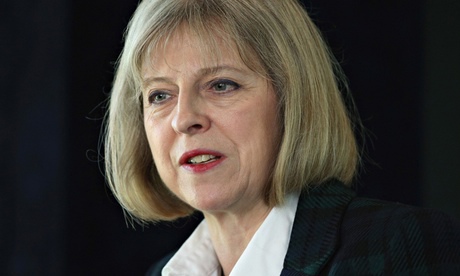
Theresa May, the residence secretary, who launched the poster campaign, explained female genital mutilation was ‘often a hidden crime’. Photograph: Oli Scarff/PA


A poster campaign aimed at mothers and carers who suspect a lady is at threat of female genital mutilation is becoming rolled out across cities in England and Wales.


The posters urge ladies, especially individuals in Somali, Kenyan and Nigerian communities which have a higher prevalence of FGM, to call an NSPCC-committed helpline if they are suspicious. The posters will be positioned in public toilets, and also sent to schools, GPs’ surgeries, police stations and hospitals to be displayed in personnel areas.


A lot more than 20,000 women below the age of 15 could be at substantial danger of FGM in England and Wales each 12 months, with virtually 66,000 women possessing knowledgeable the method.


Announcing the poster campaign, the home secretary, Theresa May possibly, stated: “FGM is unlawful and it is kid abuse. The government is completely committed to tackling and avoiding this hazardous practice in order to safeguard and defend all woman and females who could be at a threat. It often benefits in severe consequences for their physical and mental overall health and we should do everything we can to eradicate it for excellent.


“This campaign builds on an extreme work under way across government. We comprehend far better than ever just before the prevalence and distribution of what is often a hidden crime and we are determined to see perpetrators brought to account in court.”


The posters will be positioned in washrooms across 17 London boroughs, in Birmingham, Manchester, Leicester, Bristol, Sheffield, Liverpool and Cardiff. They will direct mothers and carers to phone the cost-free 24-hour NSPCC FGM helpline (0800 028 3550) to report suspicions anonymously, or ask for aid and advice if their own daughter is at chance.


Norman Baker, the crime Prevention minister, mentioned: “Mothers have the power to stop this occurring to their daughters and the following generation. Political or cultural sensitivities have to not get in the way of preventing and uncovering this terrible kind of abuse. The law in this nation applies to absolutely everybody.”


The campaign will run till August to reach communities during the college holidays when most women are at danger.


The NSPCC has been contacted by much more than 200 folks since it launched its helpline final yr but believes this is the “tip of the iceberg” with thousands vulnerable.


In addition to the posters, on-line advertisements aimed at mothers will run on Facebook and Netmums, which will direct them to the NSPCC internet site for assistance and tips.


Female genital mutilation poster campaign targets mothers and carers

30 Mayıs 2014 Cuma

Cancer waiting time targets breached for first time: officials

Figures were worst for sufferers with lung cancer, urological cancers, and gastrointestinal cancers than for these with breast cancer or skin cancer, the document from the Department of Well being shows.


Mike Hobday, director of policy and investigation of the charity Macmillan Cancer Help, mentioned: “It is of great concern that the amount of trusts missing this target has doubled above the last yr. All around 1 in 4 of the trusts that have been hitting the target at the start of 2013/14 are now missing the target.


“This is the initial breach of any cancer waiting time in England considering that 2009 and is a clear warning indicator that the NHS is under huge strain.


“The United kingdom previously has some of the worst cancer survival charges in Europe. More patients are now facing delays, which implies much more individuals are facing nervousness for longer and more lives are becoming place at chance. We’re very concerned that the co-ordination of cancer care is obtaining worse and that cancer is currently being overlooked in the new NHS.


“The variety of cancer patients is set to improve from two to 3 million by the finish of the next Government in 20204, and we can not afford to see far more and more folks waiting longer. Ahead of next year’s general election Macmillan Cancer Help is urging all political events to commit to delivering cancer outcomes that match the ideal in Europe and to make cancer a leading priority for the following government.”


Andy Burnham, the shadow wellness secretary, stated: “David Cameron claimed his NHS reorganisation would enhance cancer care. The reality is that he has in reality created it worse.


“Families across England are now dealing with longer, agonising waits for treatment. Professionals are now warning that lives will be put at threat.


“Cancer individuals and their households will be waiting to hear an unequivocal pledge from the Prime Minister that he will quit the slide in requirements and get cancer solutions back on track. Nothing at all less will do.


“This is however an additional warning signal of an NHS that is heading in the incorrect course. It is now clear that David Cameron’s reorganisation has triggered actual damage to patient care and is why so numerous folks will never believe in the Tories with the NHS.”


A Department of Wellness spokesman said: “The NHS is treating much more cancer individuals than ever – given that 2009, we’ve observed the amount rise by 15 per cent.


“We want the NHS to have the extremely ideal cancer providers in the world, and are investing £750 million to assistance early diagnosis and access to treatment method.


“All sufferers fighting cancer must have higher good quality, compassionate care and we count on each and every part of the NHS to deliver towards national targets. The NHS should search urgently at any dips in local performance and take action to make positive all sufferers get access to cancer remedy as speedily as achievable.”


Cancer waiting time targets breached for first time: officials

13 Mayıs 2014 Salı

"I decide" campaign targets support of powerbrokers on sexual rights

MDG: Post Millenium Development Goals IPPF campaign Vision 2020: I decide

Determination revision … the IPPF hopes to existing Ban Ki-moon with a million-sturdy petition on sexual and reproductive rights following summer time. Photograph: IPPF


A worldwide campaign to make sure that the proper of people to make choices above their own bodies is enshrined in the subsequent set of improvement ambitions was launched by the Worldwide Planned Parenthood Federation (IPPF) on Tuesday.


Fifty member organisations of the federation from across the world will be holding talks, carnivals, rallies and marches in help of the I determine campaign. The campaign seeks to win the support of leaders for such as women’s and men’s sexual and reproductive wellness and rights in discussions about what need to adhere to the millennium advancement goals, which expire next yr.


Organisers want to gather 1m signatures to existing to Ban Ki-moon, the UN secretary general, in the summertime of 2015.


The UN’s open functioning group on sustainable development targets is due to existing a draft set of universal targets to member states at the UN standard assembly in September. Women’s rights activists have been campaigning for a standalone purpose on gender equality and women’s empowerment, which has so far been the subject of broad agreement.


The IPPF says the standalone purpose must contain targets specifying universal accessibility to reproductive healthcare, such as the availability of schooling and details about family members preparing solutions and access to safe abortion. The federation also desires targets to get rid of gender-based violence, legal equality for girls, and the equal participation of girls in public lifestyle and decision-making. It is calling for sexual and reproductive wellness and rights to be incorporated as a target beneath a health objective, and gender equality and sexual wellness and rights to be mainstreamed by way of all other objectives.


By 2020, the federation would like to eliminate all types of discrimination against women and women.


“We want a planet exactly where all females, males and young people have accessibility to the sexual and reproductive well being information and companies they require a globe in which sexuality is recognised each as a normal and valuable facet of lifestyle and as a basic appropriate a globe in which options are entirely respected, and in which stigma and discrimination have no area. This vision should be realised within a context of sustainable development that seeks to meet the needs of the current without compromising the capability of potential generations to meet their very own wants,” mentioned the IPPF, a worldwide network of 152 member associations operating in more than 170 nations.


The federation pointed out that sexual and reproductive wellness and rights impact people’s each day lives, livelihoods, options and aspirations, and warned that these rights can’t be left out of publish-2015 discussions.


“Failure to recognise sexual and reproductive overall health and rights compromises the lives of girls and ladies, and people’s potential to lift themselves out of poverty and to dwell sustainably inside of their resources,” said Tewodros Melesse, the IPPF’s director basic.


“We feel that discrimination, coercion and violence play a massive element in our societies. 1 in three women globally knowledge[s] violence, and ladies are nevertheless forced into marriage before the age of 15. We require this to change. People must have the correct to make a decision who they live with what occurs to their bodies if, when and how many kids to have [and] the appropriate to establish their futures freely and risk-free from harm.”


"I decide" campaign targets support of powerbrokers on sexual rights

13 Nisan 2014 Pazar

Ofsted inspections and targets harming teachers" psychological overall health, finds survey

Mary Bousted

Teachers are juggling ‘unacceptable workloads’, Mary Bousted, head of the Association of Teachers and Lecturers, will warn at her union’s conference this week. Photograph: Luke Macgregor/Reuters


A relentless inspection regime and culture of target-setting is damaging teachers’ mental well being, with many reporting anxiety and exhaustion, a survey by a teaching union has found.


Much more than half (fifty five%) of individuals questioned by the Association of Teachers and Lecturers (ATL) say operate pressures are obtaining a detrimental impact on their psychological wellbeing, even though virtually 4 in ten have noticed a rise in mental well being troubles amongst colleagues over the previous two many years.


Of those teachers who did really feel their task had broken their mental overall health, a lot of reported encountering pressure (80%), exhaustion (69%), disturbed rest patterns (66%), nervousness (57%) and headaches (47%). Nearly a single in 3 stated it had impacted their appetite.


The survey is released as the ATL starts its annual conference in Manchester, in which the union’s standard secretary, Mary Bousted, will warn that teachers are juggling “unacceptable workloads”.


“Schooling specialists do much more unpaid overtime than any other group and are put beneath continual extreme pressure to meet targets, with excessive observation, modifications in the curriculum and Ofsted inspections,” she said over the weekend.


“There are in-college pressures brought on by Ofsted – pressures place upon teachers by college leaders to make sure that students show progress. There are demands for data, demands for lesson preparing – it really is as though practically nothing is done except if it’s written down.”


The stigma connected to mental overall health issues means several are afraid to inform their colleges, says the survey. More than two-thirds (68%) of teachers who reported experiencing psychological overall health issues explained they decided to hide it from their employers. Teachers will warn on Monday morning that 1 of the major triggers of anxiety in colleges – Ofsted – has misplaced practically all credibility. Robin Bevan, headteacher of Southend Boys’ Grammar, will tell the conference that the organisation “is no longer just disliked, now disdained” and propose a movement calling for an inspection charter for the regulator, exactly where all judgments are subject to a nationwide programme of dependability sampling.


“The whole discourse around Ofsted has altered,” stated Bousted, who is also expected to criticise Ofsted in her closing speech on Wednesday. “The company can no longer sail by means of insouciantly pretending that there’s no difficulty with the high quality manage of its inspections, nor with its methodology.”


The ATL did not take component in the most current strike action but says morale amid its members is minimal. A lecturer from a university in Manchester advised the survey: “Perform eats into every factor of a teacher’s existence …Teachers are above-worked, stressed and unhappy. The occupation is full of sick-well being and tiredness.”


Ofsted inspections and targets harming teachers" psychological overall health, finds survey

20 Mart 2014 Perşembe

Far more NHS hospitals failing to meet targets on therapy waiting instances

Hospital outpatients department

The outpatients department at Heartlands hospital, Birmingham. NHS figures demonstrate that in January much more patients were waiting in England for treatment method than in the very same month in 2013. Photograph: David Sillitoe for the Guardian


Individuals are waiting too prolonged for surgical treatment, treatment method in A&ampE and essential diagnostic exams at developing numbers of hospitals, NHS figures demonstrate.


In all two.9m individuals were waiting for remedy in January, up by 362,000 from the 2.538m witnessed in the identical month in 2013, and 326,000 much more than the two.574m who were on the listing for therapy when the coalition took over in May 2010.


That is the highest total recorded in January considering that information began in 2007-08 and the 1st time January’s complete has been much more than December’s. Until now it has usually fallen in the 1st month of the 12 months.


It could now reach 3m for the initial time beneath the coalition – a figure final seen in March 2008 – in coming months.


The amount of individuals in England in January who had not been handled inside the 18-week target enshrined in the NHS constitution hit 189,179, some 45,438 increased than the exact same month in 2013, though fewer than in May 2010. In addition, each indicate and median waiting times are now the highest considering that early 2008.


The referral to treatment scheme information, published by NHS England and supplied by virtually all hospitals, cover January 2014 and underlines how the services has faced growing demand, regardless of this winter not obtaining brought the crisis some medical doctors and professionals predicted.


Separate statistics for the 102 non-foundation trust hospitals – which are often amongst the NHS’s poorer-carrying out organisations – bear that out.


They display that people hospitals as a entire breached the requirement to deal with 95% of A&ampE sufferers within four hours during both December and January, even though only missed that crucial NHS target by a fraction of a single per cent in December and .64% in January. Barking, Havering and Redbridge University Hospitals NHS Trust was January’s worst performer, recording just 84.99% compliance.


These hospitals also failed to treat 90% of admitted individuals inside the necessary 18 weeks in October, November, December and January due to the fact 20 trusts missed the target. North West London Hospitals NHS Trust managed just 69.65% in January.


Ten trusts also did not deal with 95% of non-admitted inside of 18 weeks. Plymouth hospitals were the worst on 89.41%.


Non-foundation trusts also failed to make sure that no much more than one% of sufferers waited no far more than 6 weeks for a diagnostic test in December and January. Royal Liverpool and Broadgreen University Hospitals NHS Trust fared worst, with 17.12% of sufferers waiting longer than six weeks, and 13.45% in West Hertfordshire Hospitals NHS Trust.


Those hospitals are also struggling to make sure that 85% of cancer patients are taken care of inside 62 days of their GP referring them urgently. Some “have witnessed their functionality slipping in the last period”, according to a report issued on Thursday by the NHS Trust Development Authority (TDA), which regulates the sector.


In January it emerged that 18 of the 147 foundation believe in hospitals had breached that target in the last three months of 2013, up from just four the yr ahead of.


The TDA stated that the ongoing squeeze on NHS budgets meant that “the challenge of preserving national requirements is harder than at any point in latest historical past”, however the sector had carried out effectively in hard conditions this winter.


Jamie Reed, the shadow wellness minister, highlighted the lengthening waiting checklist for operations as “a worrying indicator of what lies ahead for sufferers as NHS lists reach their longest in many years.”


But a Department of Well being spokesman insisted that “in spite of the NHS treating far much more people, common waiting times are minimal and stable and the variety of people waiting 18, 26 and 52 weeks is reduced than in Might 2010.”


Of the million or so individuals who begin treatment with a consultant every single month “the overwhelming bulk are noticed and taken care of inside of 18 weeks”, he added.


David Flory, the TDA’s chief executive, acknowledged that the finances of the 102 trusts he supervises are “a source of significant concern” right after 26 of them ran up a mixed deficit this yr of £458m and the sector as a complete overspent by £247m, with some trusts busting their budgets by as significantly as £40m.


Far more NHS hospitals failing to meet targets on therapy waiting instances

30 Aralık 2013 Pazartesi

New Year ad campaign targets smokers

Link to video: Public Wellness England anti-smoking campaign


The government is aiming to capitalise on the yearly swathe of health-connected resolutions manufactured by Britons at New Yr by launching a £3m ad campaign to get smokers to quit.


Public Well being England, an executive company of the Department of Overall health, is rolling out a nationwide campaign focusing on the toxic cycle of dirty blood induced by inhaling the chemicals in cigarettes.


The Tv ad, developed by ad company Dare/Now, opens with a guy smoking just before making use of unique effects to present the harmful influence cigarettes can have on the heart and brain.


The campaign, called Toxic Cycle, will be backed by posters, on-line ads and billboards as nicely as a unique-develop “tunnel of blood” at London Bridge train station.


“This promoting campaign aims to remind smokers of the harm that cigarettes result in out of sight, within the body,” mentioned Sheila Mitchell, director of advertising at PHE. “The injury that smoking has on the heart and lungs is relatively properly documented. But the potential harm to the brain by way of increased risk of a stroke or cognitive decline is anything smokers are much less aware of and we hope the adverts will highlight this as well.”


The ad campaign marks the commence of a £15m anti-smoking push this 12 months, PHE spends about a quarter of its practically £60m yearly advertising price range on smoking campaigns like “Stoptober”.


• To get in touch with the MediaGuardian news desk e mail media@theguardian.com or phone 020 3353 3857. For all other inquiries please call the primary Guardian switchboard on 020 3353 2000. If you are writing a comment for publication, please mark clearly “for publication”.


• To get the most current media news to your desktop or mobile, comply with MediaGuardian on Twitter and Facebook.


New Year ad campaign targets smokers