14 Şubat 2017 Salı

26 Ağustos 2016 Cuma
5 Non-Marijuana Plants That Also Contain Healing Cannabinoids
Cannabis has been used from many years, both recreationally and medically. Cannabinoids produced by plants are known as phytocannabinoids, those produced by the body are known as endocannabinoids. A cannabinoid is a chemical compound that interacts with a large regulatory system in the body. That system is known as the Endocannabinoid System, and it’s responsible for maintaining homeostasis in our bodies.
Homeostasis is the perfect internal balance required for optimum health. It regulate many important physiologic pathways in the human body, including gastrointestinal activity, cardiovascular activity, protection of neurons, hormonal regulation, immune function, inflammatory reactions, and inhibition of tumors cells.
5 Non-Marijuana Plants That Also Contain Healing Cannabinoids
Liverwort
This plant, indigenous to New Zealand, contains large amounts of perrottetinenic acid, which is similar to THC, the psychoactive component in cannabis. It has ability to treat bronchitis, and historically it has been used to alleviate gallbladder, liver, and bladder problems.
Echinacea
The Echinacea plant has ability to help the body beat the common cold. It is also used to relieve anxiety, chronic tiredness, splitting migraines, arthritis pains regulating the immune system, pain and inflammation level. The Echinacea possesses a ‘quality difference’ from cannabis because it uses cannabimimetics instead of cannabinoids to regulate the endocannabinoid system.
Black pepper
A very common aroma molecule or terpene, called beta-caryophyllene (BCP), found in plant essential oils and abundantly present in black pepper, has been discovered to function as a cannabinoid. Various study find that BCP could be used for the treatment of arthritis and osteoporosis, and may potentially increase the effectiveness of certain anti-cancer drugs.
Electric Daisy
A flower native to the Amazon river basin, the electric daisy has been known from centuries as an analgesic. It is successful at blocking neurons from firing at nerve endings, preventing the sensation of pain. The compounds found in the electric daisy are called N-Isobutylamides, and similarly to other cannabinoid-like compounds they regulate pain and inflammation.
Helichrysum umbraculigerum
Native to South Africa, it has a strong mood-stabilizing and anti-depressant effect due to a large amounts of cannabigerol (CBG), also found in the cannabis plant. International Cannabinoid Research Society has discover that cannabinoid-like compounds are made by plants, starting from an aromatic acid, which is different from the normal cannabinoid biosynthetic route. Helichrysum is used in African ritual ceremonies to make fumes with a potential psychotropic effect similar to other cannabinoids.
Sources:
1) http://herb.co/2016/03/29/non-marijuana-plants-contain-cannabinoids/
2) http://www.wakingtimes.com/2016/05/19/6-plants-other-than-cannabis-that-are-high-in-healing-cannabinoids/
3) http://www.canna-centers.com/cannabis-science
4) http://www.dietoflife.com/6-plants-cannabis-high-healing-cannabinoids/
5 Non-Marijuana Plants That Also Contain Healing Cannabinoids
11 Haziran 2014 Çarşamba
Conventional fizzy drinks "contain much more sugar than Coca-Cola"
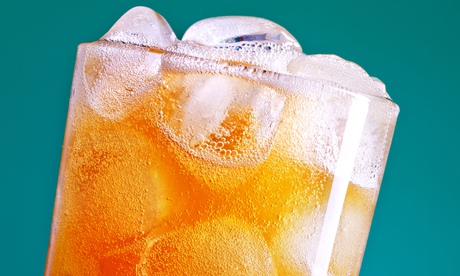
Even drinks that are assumed to be healthier could exceed the sugar levels in colas. Photograph: Zoonar GmbH/Alamy
Classic and upmarket fizzy drinks such as ginger beer and cloudy lemonade contain a lot more sugar than Coca-Cola and Pepsi, according to a new evaluation.
Nearly 4 out of five (79%) 330ml cans of fizzy drinks have far more than six teaspoons of sugar, according to the campaign Action on Sugar, which has analysed 232 drinks offered in top supermarkets.
The worst offenders are ginger beers, this kind of as Outdated Jamaica ginger beer and Jammin sparkling ginger beer flavour drink, which have the equivalent of 13 teaspoons of sugar per 330ml serving. Waitrose, Marks & Spencer and Sainsbury’s ginger beers have 11. Coca-Cola and Pepsi have nine.
Also quite high in sugar are Club Orange (12 teaspoons), Sainsbury’s cloudy lemonade (11 teaspoons) and Fanta grape-flavoured drink (11 teaspoons). Other drinks which some people might chose out of an assumption that they are healthier, such as elderflower and grape juice, also exceed the sugar ranges in colas.
Action on Sugar says practically all the sweetened drinks have far too considerably sugar for our wellness. Coca-Cola, Pepsi and other popular drinks like Sprite and Dr Pepper are notably concerning simply because of the numbers of individuals who drink them and the frequency with which they do so. Coca-Cola has just announced a new model, with reduce sugar, but campaigners protest that it will still have the equivalent of 4 teaspooons.
The survey is published prior to a report, expected later on this month, on carbohydrates including sugar in the nationwide diet plan from the government’s nutrition advisory body, SACN, which might advise lower levels. The Globe Well being Organisation has just lately set a guideline restrict of ten% of day-to-day calories from sugar, with a recommendation that countries ought to aim to get it down as low as 5%. However, the latest official nationwide diet and nutrition survey showed adults and kids in England had been exceeding the 11% recent target – youngsters had been consuming close to 15% of their calories as sugars, and a third of those came from soft drinks and fruit juices.
“Additional sugars are entirely needless in our diet plans and [are] strongly linked to obesity and variety two diabetes, as effectively as to dental caries which stays a major difficulty for kids and grownups,” explained Professor Graham MacGregor of Action on Sugar, who also runs a campaign to reduce salt intake.
“We urge the secretary of state for well being, Jeremy Hunt MP, to set incremental targets for sugar reduction now – and to begin with these sugary drinks. Changing sugar with sweeteners is not the reply: we need to reduce general sweetness so people’s tastes can modify to having significantly less sweet drinks.
“A related method has successfully decreased salt intake men and women are consuming 15% significantly less salt than they were 10 many years in the past, and now choose less salty meals. This policy is estimated to be conserving 9,000 lives a year, plus healthcare financial savings of £1.5bn a 12 months. It is now time to do the same for sugar.”
Conventional fizzy drinks "contain much more sugar than Coca-Cola"